Skip to content
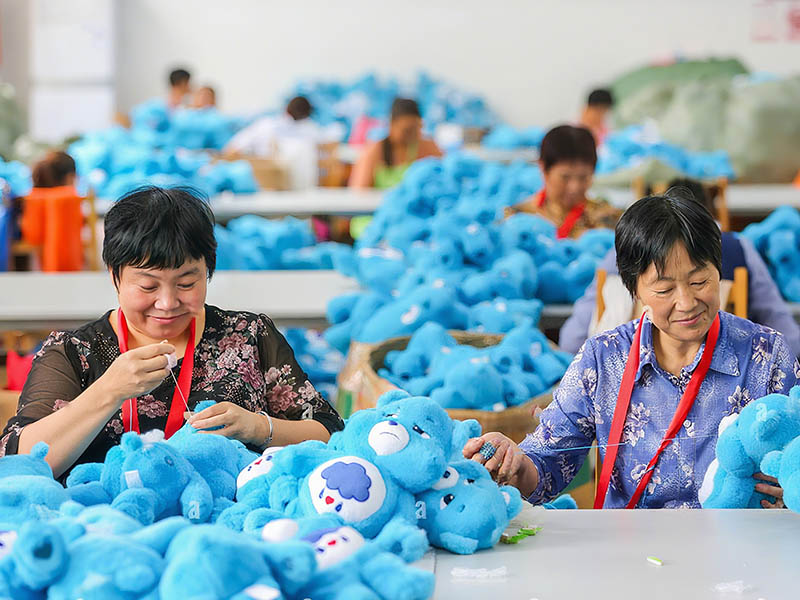
Despite rising global manufacturing costs and increasing compliance requirements, China remains one of the most cost-effective sourcing destinations for plush toys in 2026. This is not simply due to low labor costs, but the result of a deeply integrated supply chain, manufacturing scale, process maturity, and decades of export experience. For brands and buyers focused on balancing cost, quality, compliance, and reliability, China continues to offer structural advantages that are difficult to replicate elsewhere.
Why China’s Mature Plush Toy Supply Chain Still Delivers Strong Cost Advantages
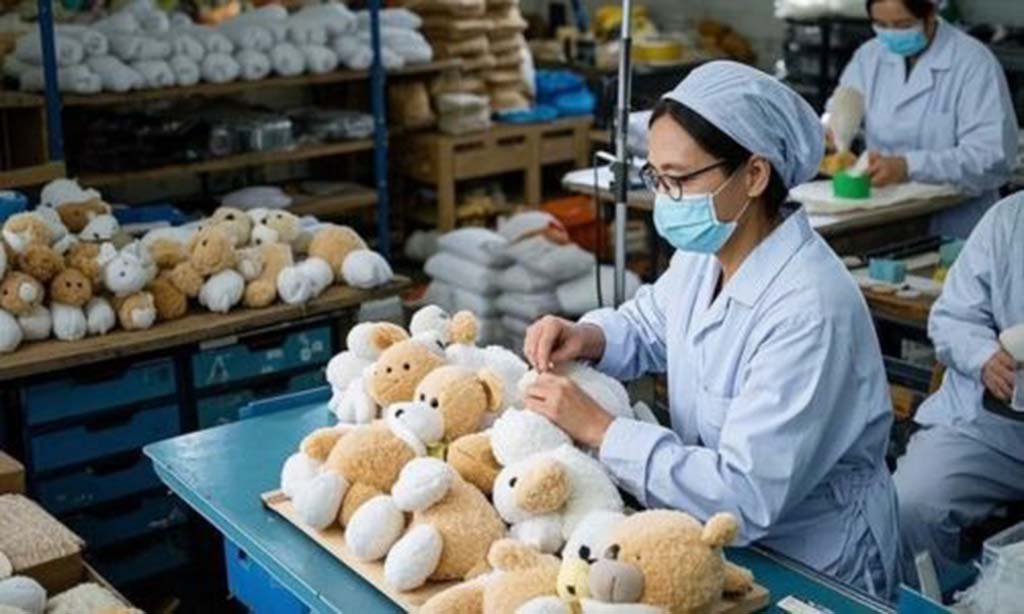
China’s plush toy industry benefits from a highly mature supply chain that has evolved over decades. From fabric mills and filling suppliers to embroidery, packaging, and testing services, nearly every upstream and downstream resource required for plush production is available domestically and often within the same industrial regions.
This maturity reduces transaction costs, logistics expenses, and coordination inefficiencies. Buyers sourcing from China can consolidate materials, processes, and services within a single ecosystem rather than managing fragmented suppliers across multiple countries. The result is lower overall cost even when individual line items may not appear cheaper on paper.
| Cost Factor | China Advantage | Cost Impact | Buyer Benefit |
|---|---|---|---|
| Supply chain depth | Full local ecosystem | Fewer intermediaries | Lower coordination cost |
| Geographic clustering | Regional specialization | Shorter lead times | Reduced logistics |
| Process maturity | Standardized workflows | Lower error rates | Stable pricing |
| Industry experience | Decades of export | Predictable execution | Reduced risk |
How Scale, Automation, and Skilled Labor Keep Unit Costs Competitive
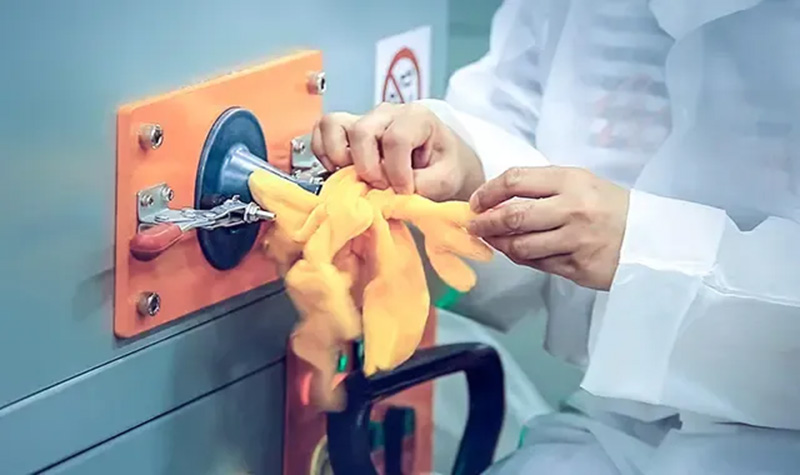
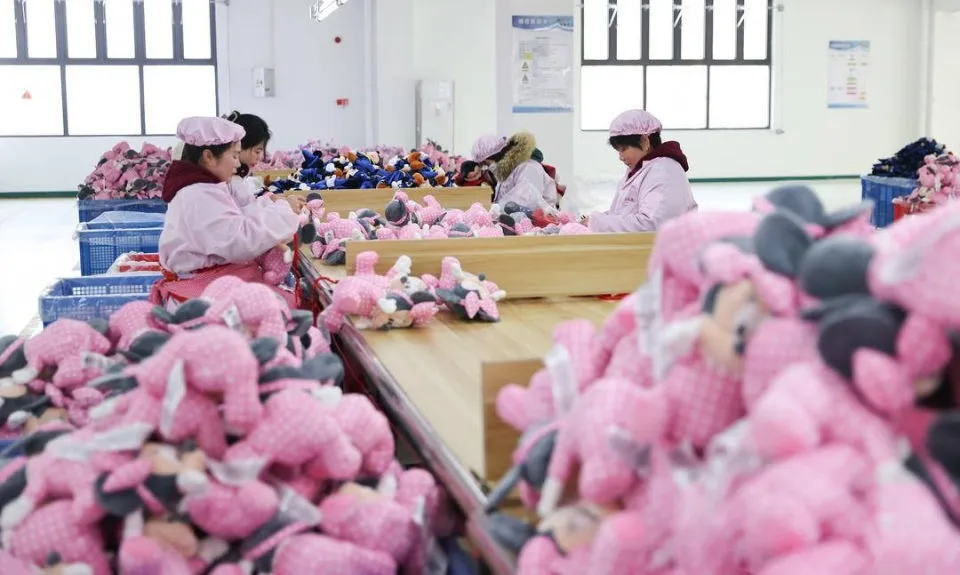
One of China’s strongest cost advantages lies in scale. Plush toy factories in China often operate multiple production lines with high monthly output, allowing fixed costs such as equipment, management, and compliance to be spread across large volumes. This keeps per-unit costs competitive even as wages increase.
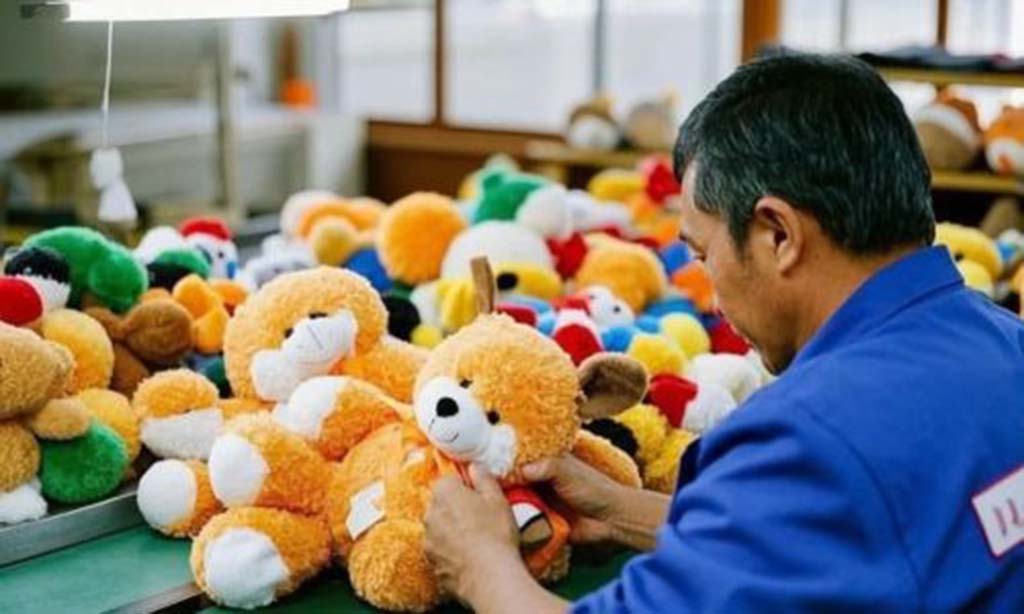
Automation also plays a growing role in 2026. Processes such as fabric cutting, embroidery, stuffing, and packaging increasingly rely on semi-automated or fully automated systems. Combined with a skilled labor force experienced in plush-specific craftsmanship, this balance of automation and human expertise reduces waste, rework, and inefficiency.
| Cost Driver | China Capability | Unit Cost Effect | Long-Term Value |
|---|---|---|---|
| Production scale | High-volume lines | Lower fixed cost per unit | Stable pricing |
| Automation | Cutting & embroidery | Reduced labor intensity | Efficiency gains |
| Skilled labor | Plush-specific skills | Fewer defects | Quality consistency |
| Training depth | Long workforce tenure | Faster execution | Predictable output |
Why Integrated OEM/ODM Services Reduce Hidden Development and Management Costs
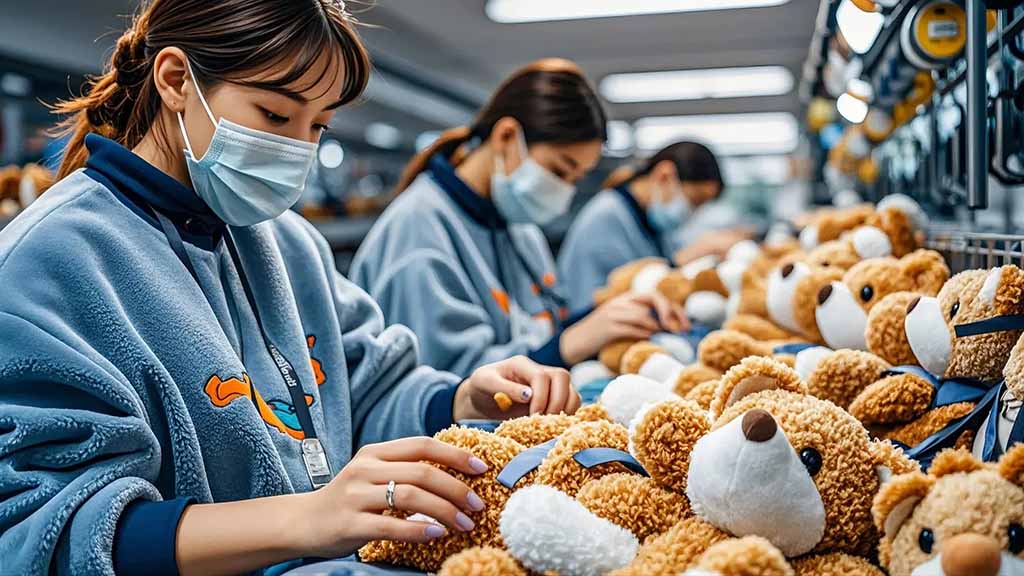
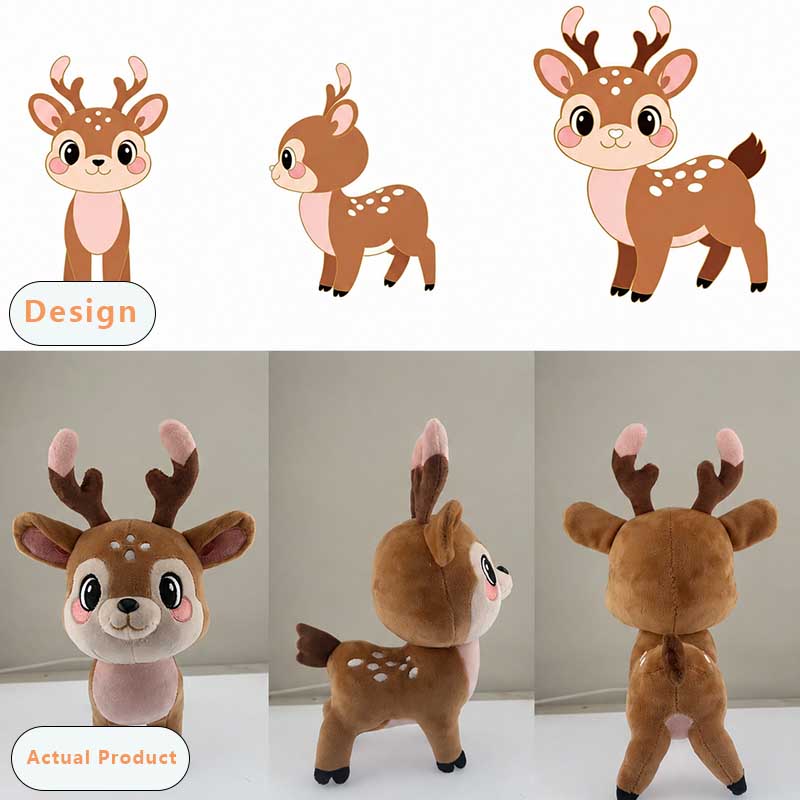
Cost-effectiveness is not limited to manufacturing alone. Integrated OEM and ODM services in China significantly reduce hidden development and management costs that buyers often overlook. These include design interpretation, pattern making, sampling, material sourcing, and production planning.
Factories that handle these services internally reduce the need for external designers, agents, or consultants. They also shorten development cycles and minimize miscommunication between parties. For buyers managing multiple SKUs or seasonal launches, these efficiencies translate directly into cost savings and faster time to market.
| Service Area | Integrated Factory Role | Cost Reduction | Buyer Advantage |
|---|---|---|---|
| Design support | In-house team | Fewer external fees | Faster iteration |
| Sampling | Internal sample rooms | Lower revision cost | Shorter timelines |
| Material sourcing | Direct supplier access | Better pricing | Quality control |
| Project management | Central coordination | Reduced overhead | Clear accountability |
How Material Sourcing and Supplier Clusters Improve Price Stability
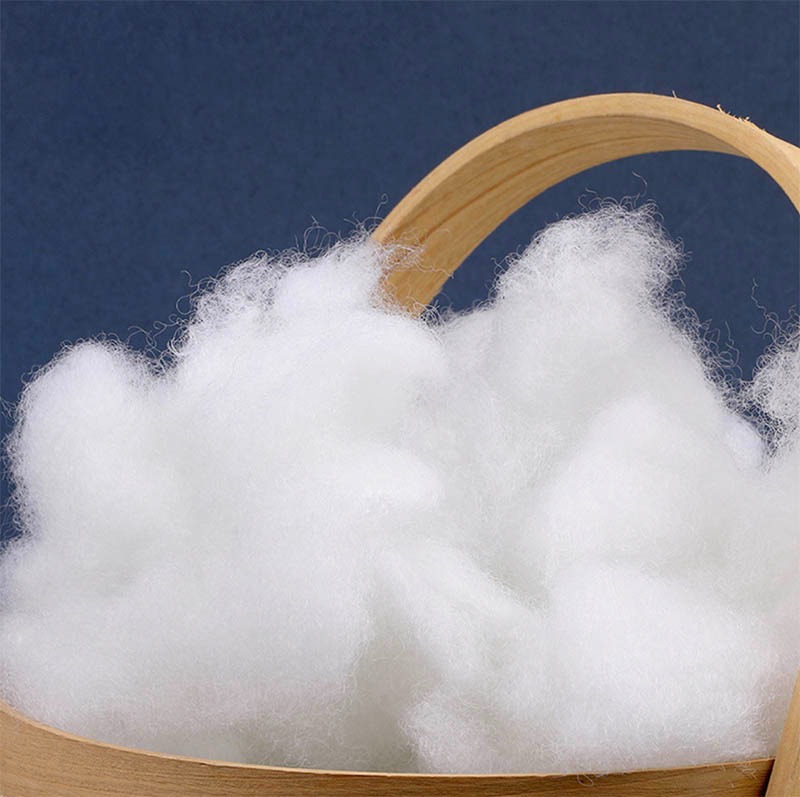
China’s material sourcing advantage extends beyond availability to price stability. Plush fabrics, fillings, accessories, and packaging materials are sourced from established supplier clusters that operate at scale. This concentration allows manufacturers to negotiate better pricing and buffer against short-term market fluctuations.
In 2026, global supply chains remain vulnerable to disruptions. China’s diversified supplier base helps absorb shocks by offering alternative sources within the same region. For buyers, this means fewer sudden price increases and more predictable cost planning across production cycles.
| Material Factor | China Strength | Pricing Impact | Buyer Outcome |
|---|---|---|---|
| Supplier clusters | Dense regional networks | Competitive pricing | Stable quotes |
| Volume purchasing | Large aggregate demand | Bulk discounts | Cost predictability |
| Material alternatives | Multiple sources | Risk mitigation | Supply continuity |
| Logistics proximity | Short internal transport | Lower freight cost | Faster turnaround |
Why Compliance Experience and Testing Infrastructure Lower Risk-Related Expenses
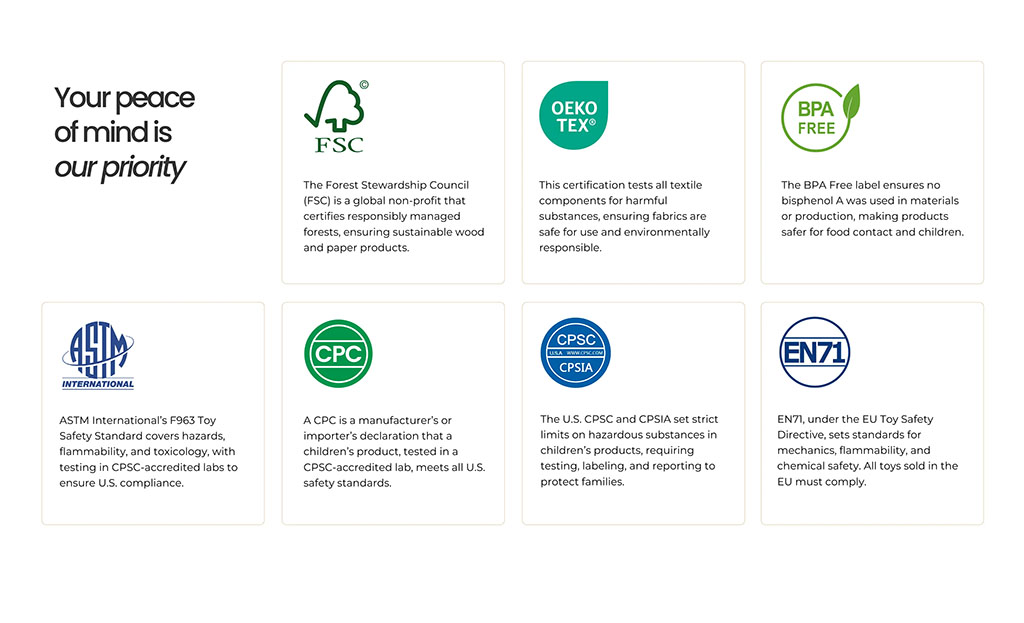
Compliance failures are among the most expensive risks in plush toy sourcing. China’s long-standing experience with global toy regulations—such as ASTM F963, CPSIA, EN71, and REACH—helps reduce costly testing failures, shipment delays, and recalls.
Established plush manufacturers in China work closely with accredited third-party labs and understand how design, materials, and construction affect test outcomes. By anticipating compliance requirements early, they help buyers avoid repeated testing, redesign costs, and regulatory penalties.
| Compliance Area | China Advantage | Cost Avoided | Buyer Protection |
|---|---|---|---|
| Regulation familiarity | Global market experience | Failed tests | Faster approvals |
| Testing access | Local accredited labs | Re-testing fees | Shorter cycles |
| Design guidance | Compliance-aware design | Redesign cost | Higher pass rate |
| Documentation | Export-ready files | Customs delays | Smooth clearance |
How Long-Term Factory Partnerships in China Optimize Total Cost of Ownership
True cost-effectiveness is best measured by total cost of ownership rather than unit price alone. Long-term partnerships with Chinese plush factories allow buyers to optimize forecasting, reduce defect rates, improve yield, and stabilize pricing over time.
Factories prioritize long-term clients by allocating skilled workers, refining processes, and offering more flexible terms. Buyers benefit from lower management overhead, fewer quality issues, and improved supply reliability. Over multiple production cycles, these advantages significantly outweigh short-term savings from switching suppliers.
| Partnership Benefit | Long-Term Effect | Cost Impact | Strategic Value |
|---|---|---|---|
| Process familiarity | Improved consistency | Lower defect cost | Stable supply |
| Forecast collaboration | Better planning | Reduced rush fees | Inventory control |
| Pricing stability | Predictable quotes | Budget accuracy | Margin protection |
| Trust & priority | Faster response | Fewer disruptions | Operational resilience |
Conclusion
China remains cost-effective for plush toy sourcing in 2026 not because of low prices alone, but due to its mature supply chain, manufacturing scale, integrated services, compliance expertise, and long-term partnership potential. By focusing on total cost of ownership rather than unit price, buyers can leverage China’s strengths to achieve sustainable cost control, quality consistency, and reliable global supply.
📧 Contact: [email protected]
🌐 Visit: https://kinwintoys.com