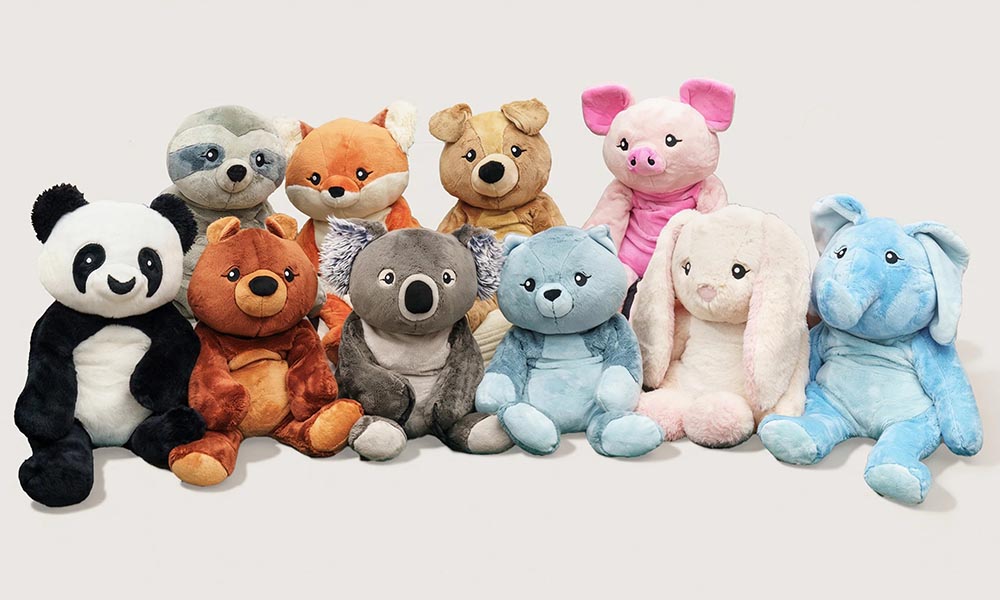
China remains the world’s most important sourcing destination for plush toys, offering unmatched manufacturing depth, material availability, and cost efficiency. However, sourcing high-quality plush toys from China requires more than browsing online platforms or comparing prices. Buyers must understand factory types, verify real production capabilities, assess quality systems, and build communication structures that support long-term consistency. This guide breaks down the key factors that determine whether a sourcing decision leads to reliable, retail-ready plush products—or ongoing quality risks.
What Types of Plush Toy Manufacturers Exist in China and How Do They Differ?
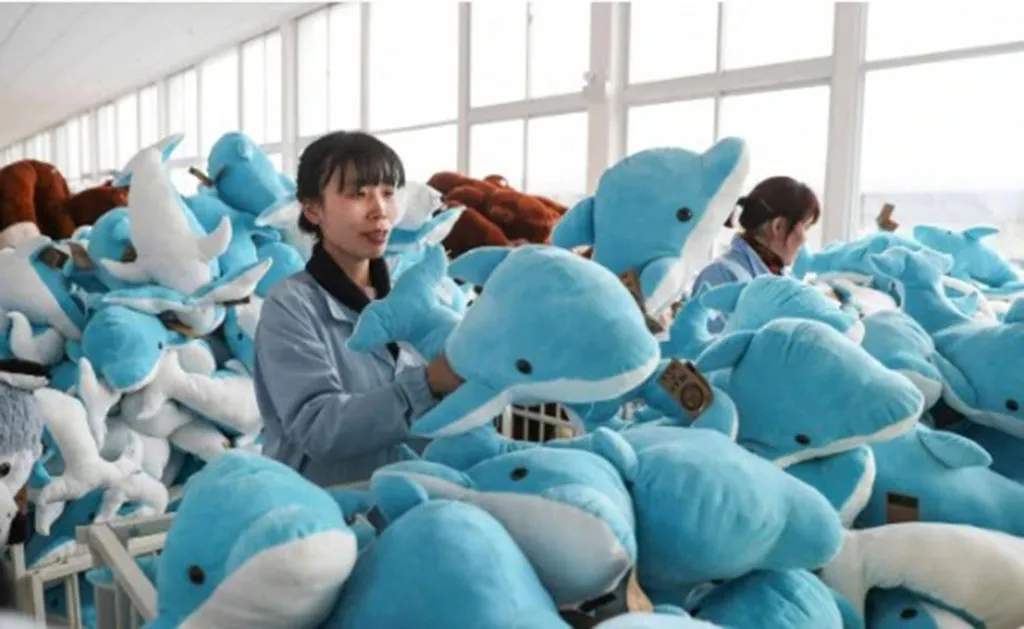
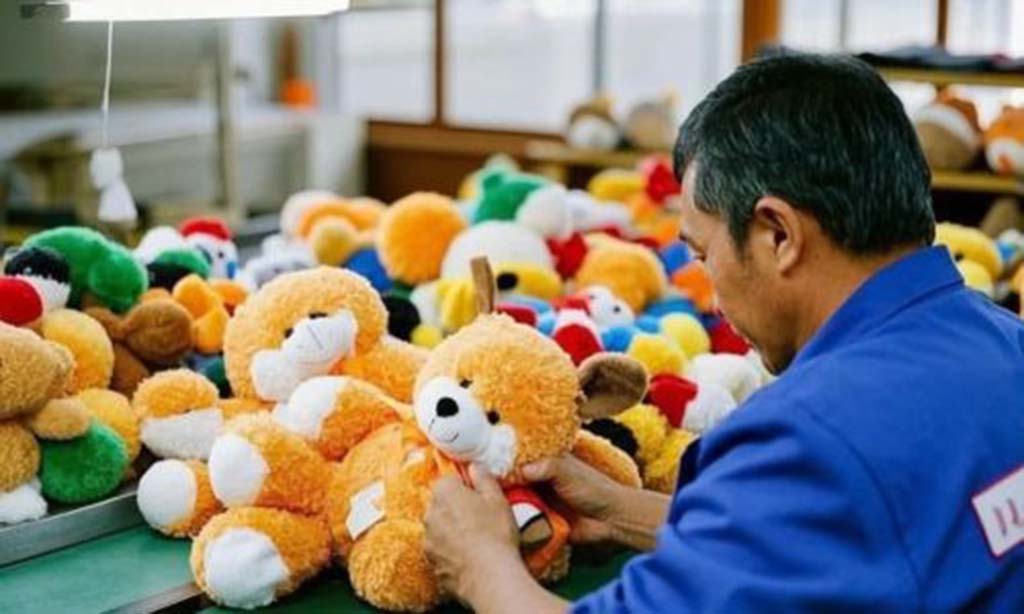
Not all plush toy manufacturers in China operate at the same level, and understanding these differences is the first step in sourcing quality products. Broadly, factories fall into several categories: small workshops, trading-company-backed factories, mid-sized OEM producers, and fully integrated plush manufacturers with design and testing capabilities.
Small workshops often offer low prices but lack standardized processes and compliance readiness. Trading companies may provide convenience but usually add cost without improving quality control. High-quality sourcing typically comes from manufacturers that specialize in plush toys, operate dedicated production lines, and maintain long-term relationships with global buyers. These factories understand quality consistency, compliance requirements, and reordering demands.
| Manufacturer Type | Key Characteristics | Quality Risk Level | Suitable For |
|---|---|---|---|
| Small workshops | Manual, limited systems | High | Very small orders |
| Trading companies | посредник, no production | Medium–high | Convenience buyers |
| OEM plush factories | Dedicated plush lines | Low | Brands & retail |
| Integrated manufacturers | Design + QC + testing | Lowest | Long-term partners |
How Can Buyers Verify Factory Capabilities Beyond Online Listings?
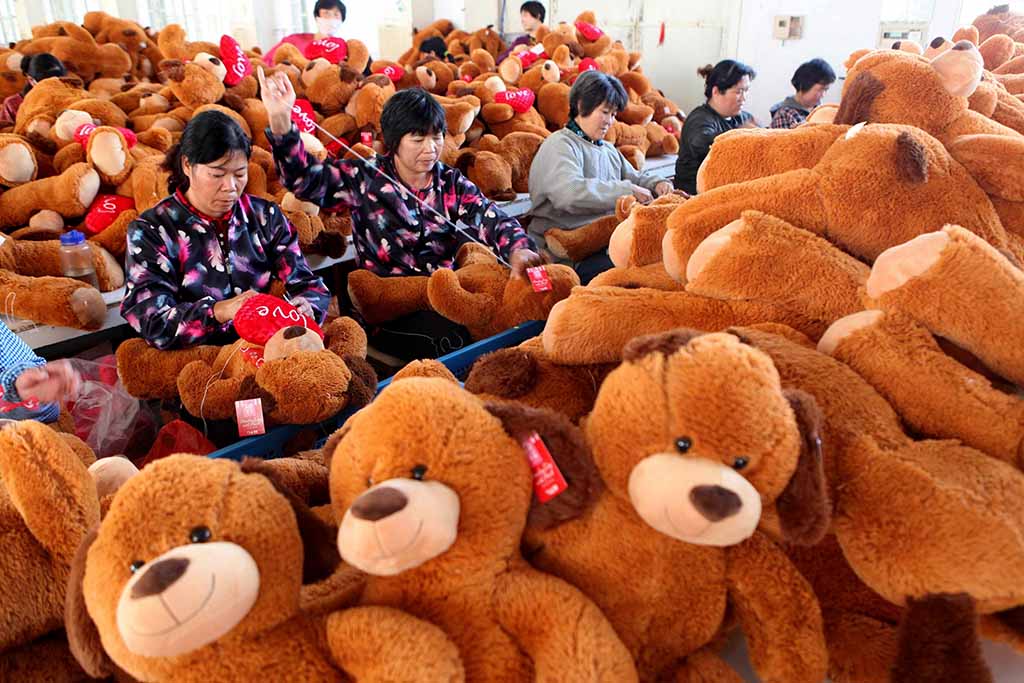
Online listings rarely reflect a factory’s true capabilities. Photos, certificates, and product images can be outdated or selectively presented. Buyers sourcing high-quality plush toys must go beyond surface-level information to verify actual production strength.
Effective verification methods include requesting detailed factory profiles, reviewing real production videos, examining sample quality, and conducting video audits or third-party inspections. Asking targeted questions about production flow, staffing, machinery, and capacity often reveals whether a factory is operationally mature or overstating its capabilities.
| Verification Method | What It Reveals | Why It Matters | Buyer Action |
|---|---|---|---|
| Sample evaluation | Real craftsmanship | Predicts bulk quality | Order samples |
| Factory videos | Production reality | Confirms scale | Request walkthrough |
| Audit reports | Process compliance | Risk reduction | Use third-party |
| Technical Q&A | Team expertise | Reliability signal | Ask specifics |
What Quality Control Systems Indicate a High-Standard Plush Toy Supplier?
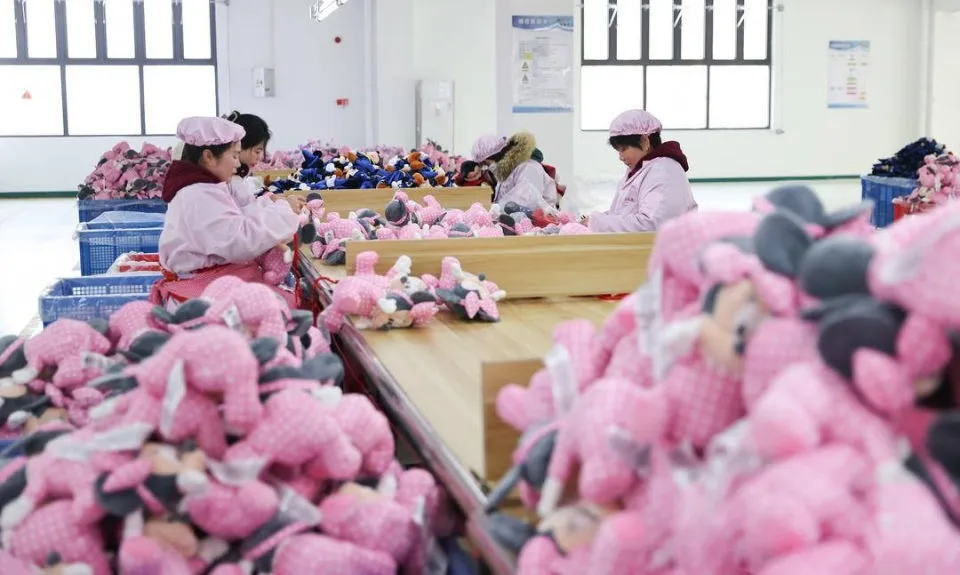
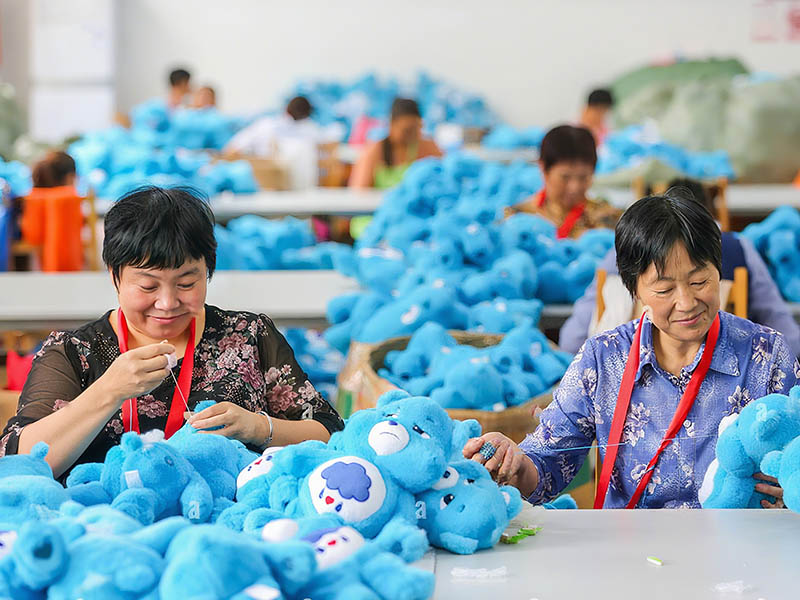
High-quality plush suppliers rely on structured quality control systems rather than final inspections alone. Quality must be controlled at every stage—from incoming materials to sewing, stuffing, finishing, and packaging. Factories that lack in-process checks often produce inconsistent bulk results, even if samples look acceptable.
Key indicators include documented QC standards, defined inspection checkpoints, trained QC staff, and traceable records. For plush toys, special attention should be paid to stitching strength, filling balance, facial alignment, and softness consistency, all of which directly affect customer satisfaction.
| QC Stage | Control Focus | Quality Impact | Buyer Check |
|---|---|---|---|
| Incoming QC | Fabric & filling | Material consistency | Review IQC |
| In-line QC | Sewing & shape | Appearance accuracy | Observe process |
| Final QC | Overall finish | Retail readiness | Check AQL |
| Needle detection | Metal safety | Recall prevention | Confirm system |
How Do Safety Certifications and Testing Standards Affect Supplier Selection?
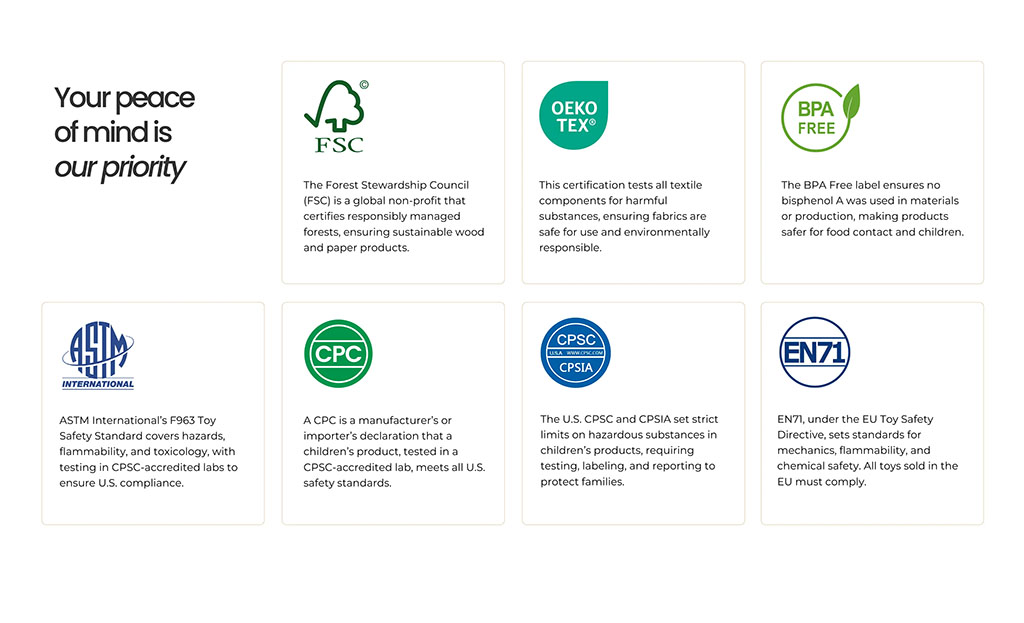
Safety compliance is a defining factor in high-quality plush sourcing. Plush toys intended for children must meet strict regulations such as ASTM F963 (USA), CPSIA, EN71 (EU), and REACH. A capable supplier not only provides test reports but understands how design, materials, and construction affect compliance outcomes.
Suppliers unfamiliar with global testing standards often rely on buyers to manage compliance, increasing risk and delays. High-quality manufacturers proactively advise on material selection, labeling, and testing schedules, ensuring products pass on the first attempt.
| Compliance Area | Required Standard | Supplier Capability Signal | Buyer Verification |
|---|---|---|---|
| Toy safety | ASTM / EN71 | Market readiness | Test reports |
| Chemical limits | CPSIA / REACH | Material control | Material specs |
| Labeling | Age & warnings | Retail compliance | Artwork review |
| Lab cooperation | Accredited labs | Test reliability | Verify labs |
What Role Do Sampling, Prototyping, and Communication Play in Quality Outcomes?
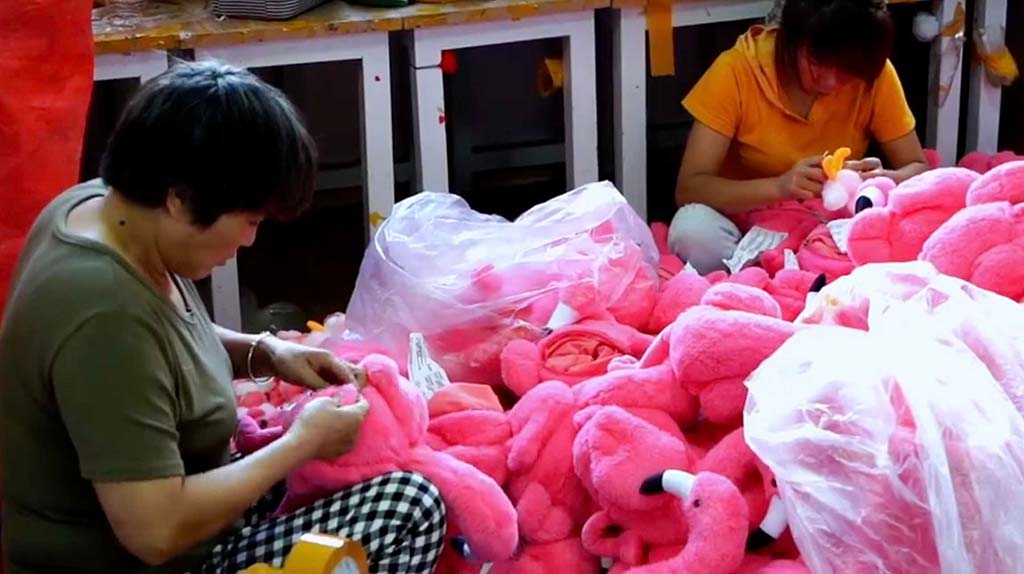
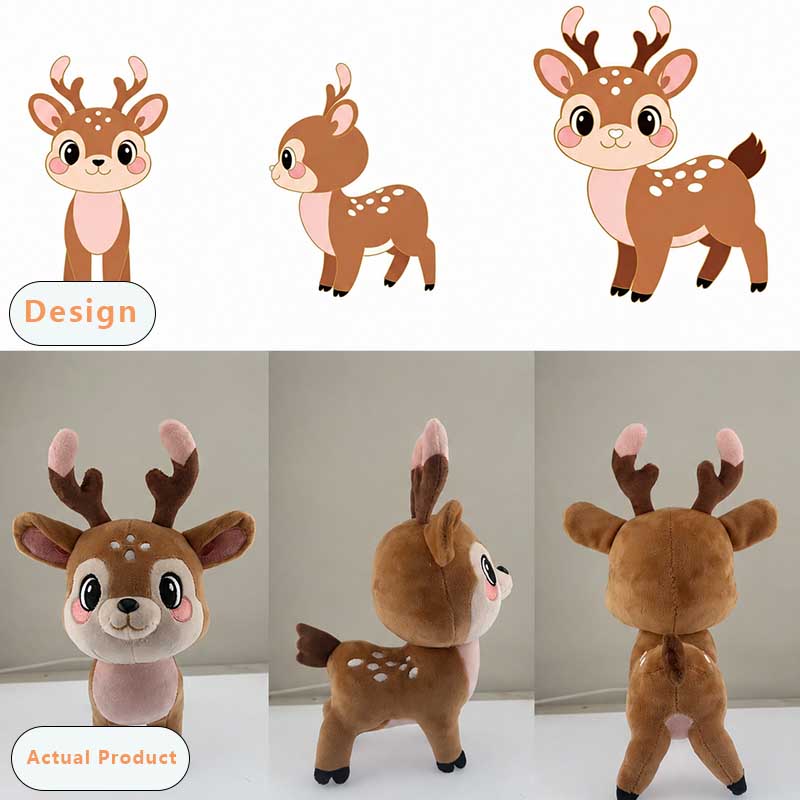
Sampling is where quality expectations are translated into physical products. Factories with strong sampling teams can interpret designs accurately, suggest material improvements, and identify structural issues early. Poor sampling often leads to repeated revisions, misaligned expectations, and compromised bulk production.
Clear communication during sampling—especially regarding revisions, tolerances, and feedback timelines—is critical. High-quality suppliers document changes, explain feasibility limits, and guide buyers toward practical solutions rather than simply agreeing to all requests.
| Sampling Factor | Strong Supplier Behavior | Quality Benefit | Buyer Action |
|---|---|---|---|
| Pattern making | In-house expertise | Accurate shape | Review patterns |
| Feedback handling | Structured revisions | Fewer errors | Track changes |
| Material guidance | Proactive advice | Better hand-feel | Ask alternatives |
| Timing control | Predictable samples | Faster decisions | Confirm lead time |
How Can Long-Term Partnerships Improve Consistency, Cost Control, and Reliability?
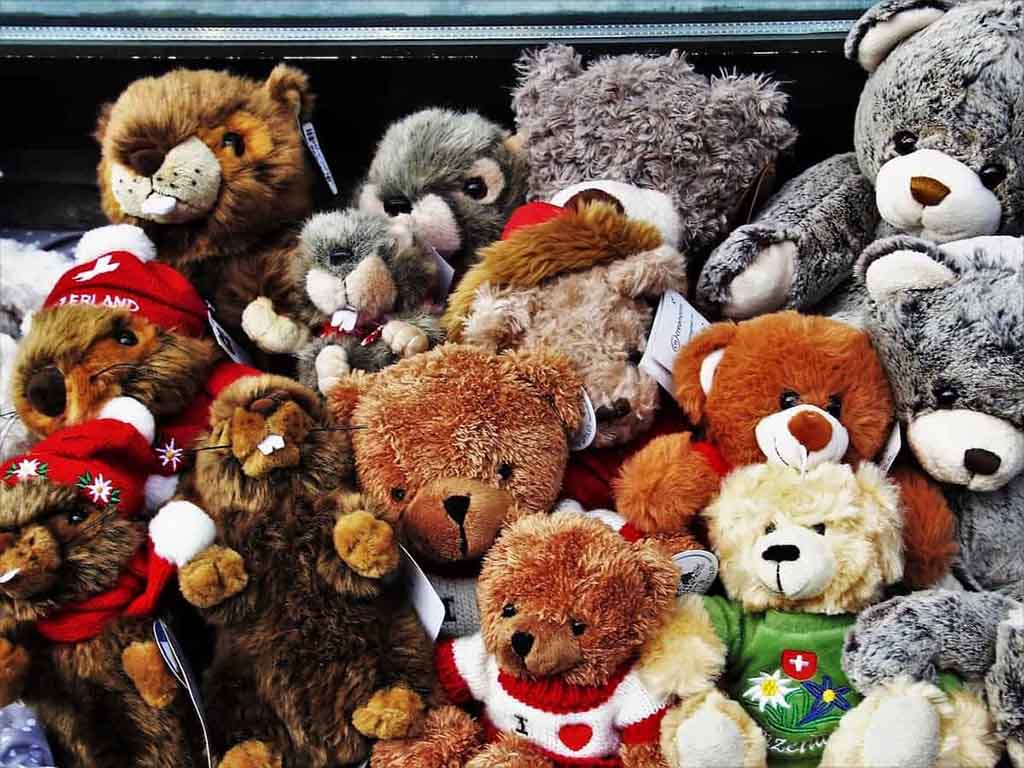
High-quality plush sourcing is rarely achieved through one-off orders. Long-term partnerships allow factories to stabilize production planning, optimize material sourcing, and improve consistency across batches. Over time, this reduces defect rates, improves cost control, and shortens lead times.
Trusted suppliers invest more effort in repeat clients by allocating skilled workers, prioritizing capacity, and refining processes. Buyers also benefit from better forecasting, flexible MOQs, and faster issue resolution when mutual trust exists.
| Partnership Benefit | Long-Term Impact | Buyer Advantage | Supplier Response |
|---|---|---|---|
| Consistency | Stable quality | Fewer complaints | Process refinement |
| Cost control | Optimized sourcing | Better margins | Material planning |
| Lead time | Faster turnaround | Market agility | Priority scheduling |
| Reliability | Predictable output | Risk reduction | Dedicated teams |
Conclusion
Sourcing high-quality plush toys from China requires informed factory selection, thorough verification, strong quality control awareness, and clear communication throughout development and production. By partnering with experienced, compliance-ready manufacturers and focusing on long-term collaboration, buyers can achieve consistent quality, controlled costs, and reliable supply for global markets.
📧 Contact: [email protected]
🌐 Visit: https://kinwintoys.com