Skip to content
Educational plush toys are no longer simple add-ons to early learning—they are becoming core tools that blend emotional comfort with structured developmental support. By combining softness, familiarity, and age-appropriate learning concepts, plush toys create a low-pressure environment where children can explore, repeat, and absorb new ideas naturally. For brands and B2B buyers, educational plush toys represent a scalable category that aligns learning value with playability, safety, and long-term commercial viability.
Why Educational Plush Toys Are Gaining Popularity in Early Learning Markets

Educational plush toys are growing rapidly because they align with how young children actually learn—through play, emotional security, and repetition, not formal instruction. Plush toys create a safe emotional space, allowing children to engage with learning concepts without anxiety or performance pressure. This is especially important in early learning stages, where confidence and curiosity matter more than accuracy.
From a market perspective, parents and educators are actively seeking alternatives to screen-based learning. Educational plush toys offer tactile, screen-free interaction while still supporting cognitive development. They fit naturally into homes, preschools, and daycare environments without requiring supervision or setup, making them easier to adopt than digital learning tools.
For B2B buyers, this category benefits from strong cross-channel demand. Educational plush toys can be positioned as learning aids, developmental gifts, or emotional companions, allowing brands to sell through toy retail, educational suppliers, museum shops, and e-commerce platforms simultaneously.
| Growth Driver | Why It Resonates | B2B Opportunity |
|---|---|---|
| Play-based learning | Matches child behavior | High acceptance rate |
| Emotional comfort | Reduces learning resistance | Strong parent trust |
| Screen-free appeal | Addresses parent concerns | Clear differentiation |
| Simple adoption | No setup or apps needed | Lower return risk |
| Broad age relevance | 1–5 years core | Repeat purchase cycles |
How Plush Toys Support Cognitive, Emotional, and Sensory Development
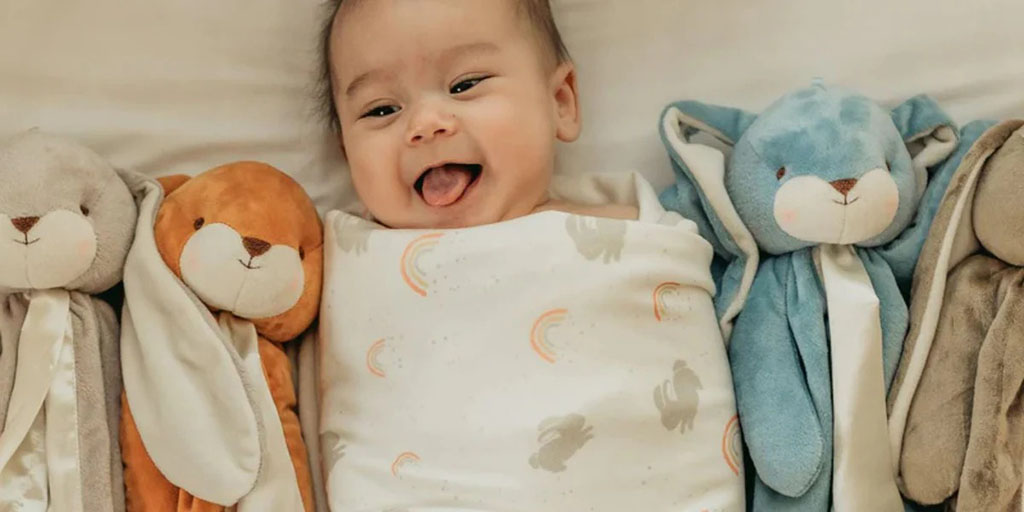
Plush toys support learning because they engage multiple developmental domains at once. Cognitively, plush toys can introduce concepts such as colors, numbers, shapes, letters, and sequencing through repetition and storytelling. Because children interact with plush toys repeatedly, learning becomes reinforced through routine rather than instruction.
Emotionally, plush toys act as transitional objects. They help children self-regulate, express feelings, and build empathy. Educational plush designs that include emotions, facial expressions, or scenario-based prompts help children identify and verbalize feelings in a safe, familiar way.
Sensory development is also critical. Plush toys provide tactile input through fabric texture, weight, and shape. Variations in softness, stitching, and materials stimulate sensory exploration without overwhelming young users. This multi-sensory engagement improves attention span and memory retention.
For brands, the strength of educational plush lies in this layered value—one product supporting multiple aspects of development without increasing complexity.
| Development Area | Plush Toy Contribution | Design Consideration |
|---|---|---|
| Cognitive | Concepts & repetition | Clear visual cues |
| Emotional | Comfort & empathy | Gentle expressions |
| Sensory | Touch & texture | Safe, varied fabrics |
| Social | Role-play | Character interaction |
| Behavioral | Routine building | Consistent use patterns |
What Learning Themes Are Most Effectively Integrated into Plush Designs
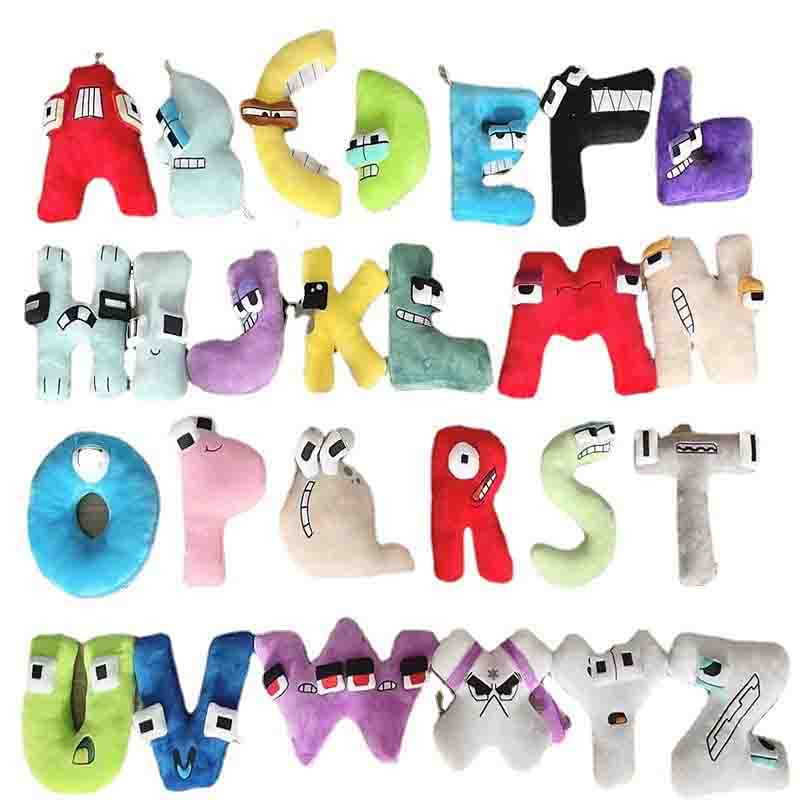
Not all learning themes work equally well in plush form. The most effective themes are those that can be physically represented or emotionally reinforced. Common examples include alphabet letters, numbers, animals, colors, body parts, emotions, and daily routines.
Plush toys excel at storytelling-based themes. A plush animal that “teaches” sharing, bedtime routines, or basic hygiene concepts feels natural and non-instructional. Language learning also integrates well, especially when limited to simple words or phrases rather than complex lessons.
From a product strategy standpoint, successful educational plush toys focus on one primary learning objective, with secondary reinforcement. Overloading a single plush with too many lessons often reduces clarity and engagement.
| Learning Theme | Why It Works in Plush | Best Use Case |
|---|---|---|
| Alphabet & numbers | Visual + tactile | Early literacy |
| Emotions | Facial expression | Social learning |
| Animals & nature | Familiar imagery | Vocabulary |
| Daily routines | Role-play | Habit formation |
| Language basics | Repetition | Bilingual exposure |
How Design, Materials, and Safety Standards Shape Educational Plush Products

Educational plush toys must meet higher expectations for safety, durability, and material integrity. Because these toys are often used by younger children and in learning environments, material choices must support frequent handling, hugging, and sometimes mouthing.
Design-wise, clarity matters. Educational elements—such as symbols, labels, or interactive parts—must be easy to understand without adult explanation. Overly complex designs distract from learning objectives.
Compliance is non-negotiable. Educational plush toys typically need to meet ASTM F963, EN71, CPSIA, and relevant chemical safety standards. Brands that integrate compliance thinking early avoid redesigns and testing delays later.
| Design Factor | Impact on Learning | Key Requirement |
|---|---|---|
| Fabric choice | Comfort & safety | Soft, non-irritating |
| Construction | Durability | Reinforced seams |
| Visual clarity | Learning effectiveness | Simple, readable |
| Safety standards | Market access | Global compliance |
| Washability | Hygiene | Parent-friendly care |
How Interactive and Tech-Enhanced Plush Toys Expand Learning Possibilities
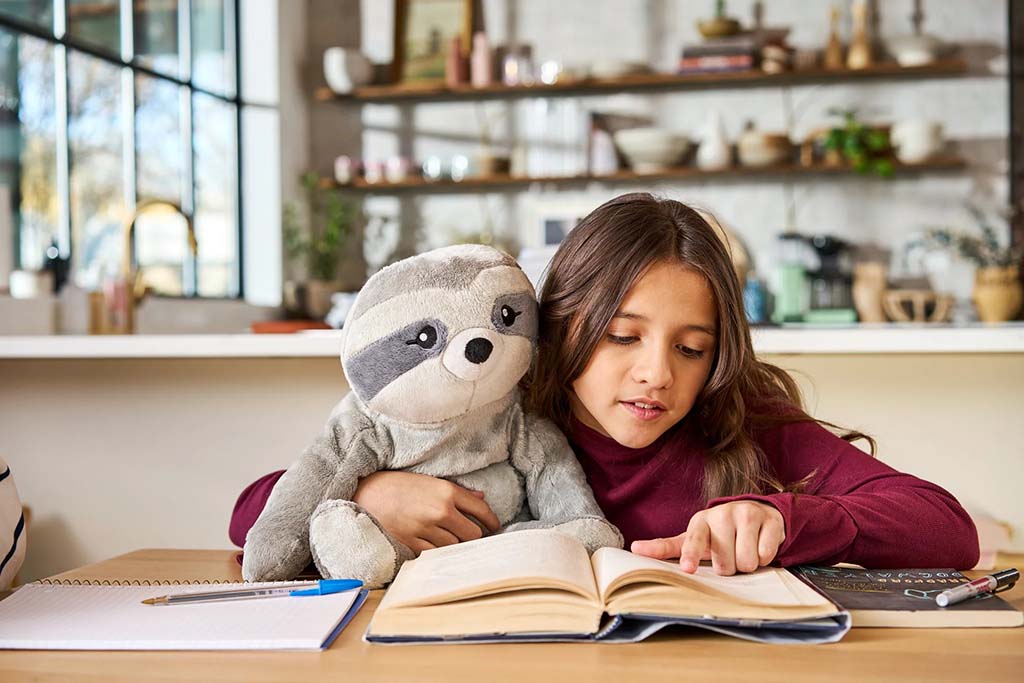
Interactive plush toys—through sound modules, sensors, or limited AI—can enhance educational value when used thoughtfully. Simple interactivity, such as pressing a paw to hear a word or rocking to trigger a song, reinforces cause-and-effect learning.
However, technology must remain supportive, not dominant. Overly complex tech can distract from play and increase cost, returns, and compliance risk. The most successful educational plush toys use controlled interactivity that reinforces learning themes without overwhelming children or parents.
For B2B buyers, tech-enhanced plush toys require careful evaluation of reliability, battery safety, and long-term support.
| Interactive Feature | Learning Benefit | Risk to Manage |
|---|---|---|
| Sound prompts | Language learning | Volume control |
| Motion response | Cause-effect | Battery drain |
| Sensor touch | Engagement | False triggers |
| Limited AI | Personalization | Privacy concerns |
| App-free design | Ease of use | Feature limits |
How Brands Balance Educational Value, Playability, and Commercial Success
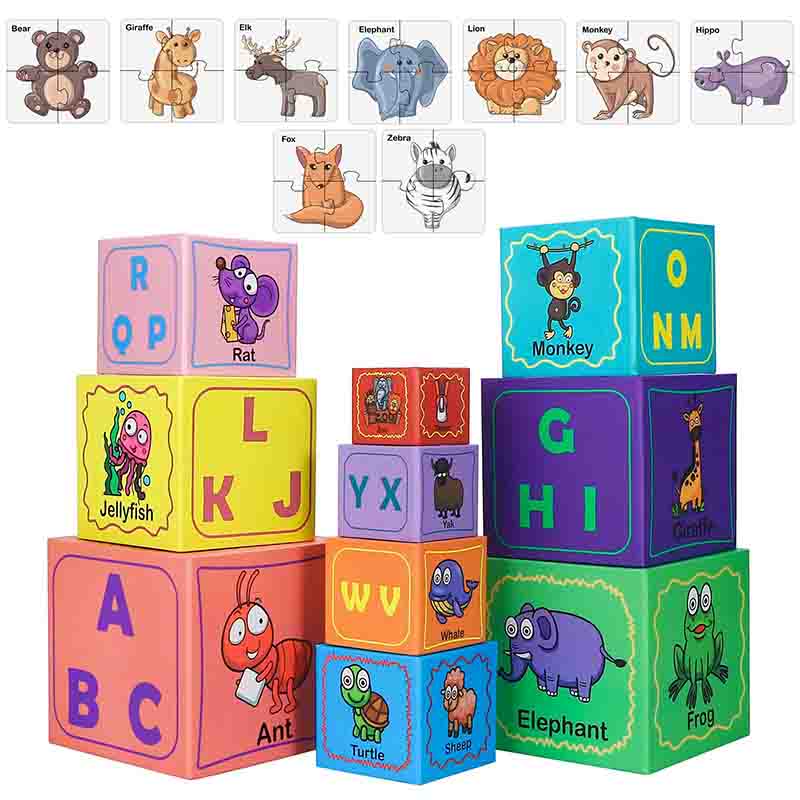
The biggest challenge for brands is balancing learning credibility with play appeal. Educational plush toys should never feel like tools; they must still feel like toys first. When playability drops, children disengage—no matter how strong the learning claim.
Commercially successful brands define clear age targets, limit learning scope, and design collections rather than one-off items. Series-based educational plush lines allow parents to “progress” through learning stages, increasing lifetime value.
From a B2B perspective, educational plush toys succeed when they combine clear learning messaging, emotional warmth, and predictable manufacturing cost.
| Balance Point | Why It Matters | Brand Strategy |
|---|---|---|
| Education vs play | Engagement | Learning through play |
| Cost vs features | Scalability | Feature discipline |
| Age focus | Clarity | Defined stages |
| Collection logic | Repeat sales | Line extensions |
| Brand trust | Longevity | Consistent quality |
Conclusion
Educational plush toys succeed because they merge learning with emotional safety and play. When designed with clear learning goals, safe materials, and strong play value, they become trusted companions that support early development while remaining commercially scalable across global markets.
📧 Contact: [email protected]
🌐 Visit: https://kinwintoys.com