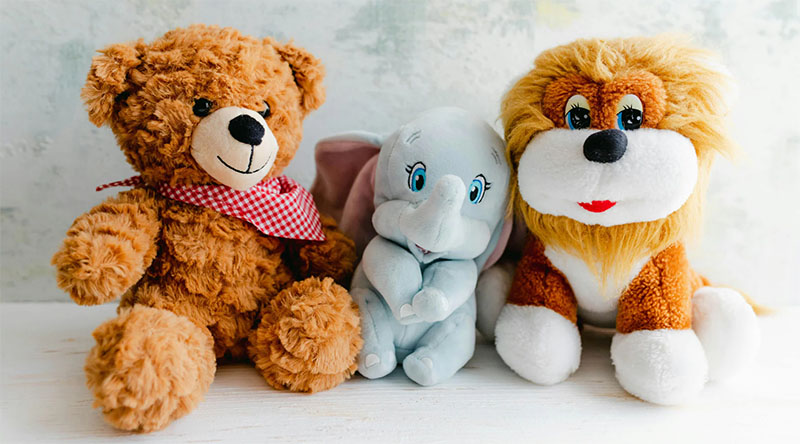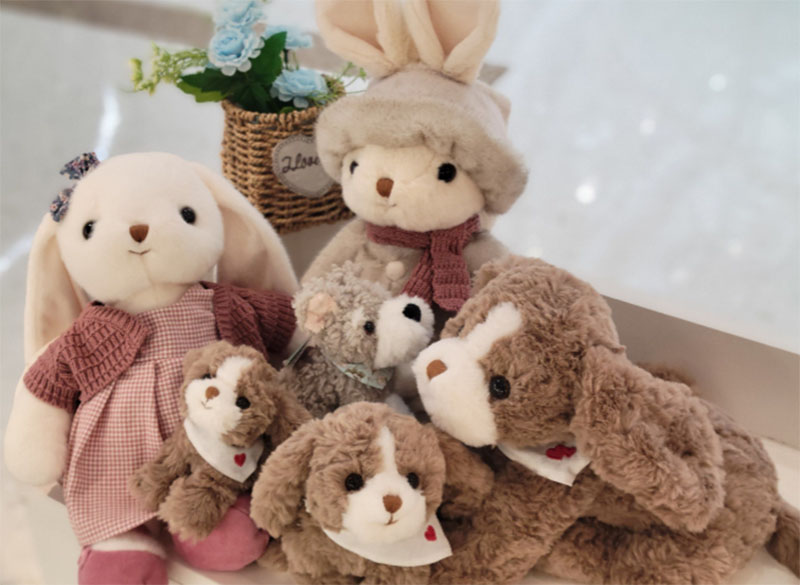
An early-style felt elephant plush beside a modern plush sample with synthetic fur.
Plushies feel timeless, so people often assume they “always existed.” The truth is more interesting: soft stuffed toys began as handmade cloth items, but plushies as we recognize them today took shape in the late 1800s—when early manufacturers turned simple stuffed forms into repeatable products and, later, global brands.
In this guide, I’ll explain when plush toys first emerged, what early plushies were made from, how industrialization scaled production, which brands and innovations made plushies mainstream, how safety rules evolved, and what this history teaches modern OEM/ODM buyers today.
When did plush toys first emerge in early toy manufacturing history?
Soft toys existed long before modern factories. Early “soft dolls” and cloth playthings were commonly handmade, and rag dolls are often described as among the oldest types of children’s toys. 維基百科
But when most people ask “when were plushies invented,” they mean the first commercially produced stuffed animal-style toys and the beginning of an industry.
A key turning point happened around 1880 with Margarete Steiff in Germany. Steiff’s official company history highlights the creation of the small elephant (“Elefäntle”) in 1880 and the development of a toy business that later scaled into a factory and global distribution. Margarete Steiff GmbH+2steiff.com+2 This is one reason many histories treat the late 19th century as the birth era of factory-made plush.
Then, in the early 1900s, plush “exploded” in popularity with the teddy bear craze. The name “teddy bear” is tied to Theodore Roosevelt and a 1902 hunting incident that became widely known through a political cartoon, and multiple historical accounts describe how this helped drive demand for stuffed bears. Theodore Roosevelt Center+2維基百科+2
What to remember:
- Handmade soft toys existed much earlier. 維基百科
- Factory-style plushies emerged in the late 1800s (a major milestone is Steiff’s 1880 elephant). Margarete Steiff GmbH+1
- Mass cultural popularity accelerated in the early 1900s with teddy bears. Theodore Roosevelt Center+1
| Time Period | What “Plushies” Looked Like | Why It Matters | Key Signal |
|---|---|---|---|
| Before industrial plush | Handmade cloth dolls and soft toys | Early comfort play | Rag dolls as long-standing toys 維基百科 |
| Late 1800s | Early commercial stuffed animals | Start of scalable plush production | Steiff’s early soft animal work Margarete Steiff GmbH+1 |
| Early 1900s | Teddy bears + broader plush lines | Plush becomes a major toy category | Teddy bear popularity grows fast Theodore Roosevelt Center+1 |
What materials and production methods defined the earliest plushies?
Early plush toys were built with what makers could sew and stuff reliably at the time. Many early commercial soft toys used felt and other sturdy textiles, and were stuffed with natural or plant-based materials.
Steiff’s early products were famously linked to felt work (and later mohair plush for bears). Their official history describes the early elephant, the growth into a toy factory, and the development of a toy-making business that relied on sewing skill and repeatable patterns. Margarete Steiff GmbH+2Margarete Steiff GmbH+2
As plush toys developed, mohair became a well-known premium surface material for early teddy bears (mohair is associated with classic teddy bear manufacture and remains a premium choice in collector-grade bears). Margarete Steiff GmbH+1
In the earliest manufacturing era, the “method” was not high-tech. It was about:
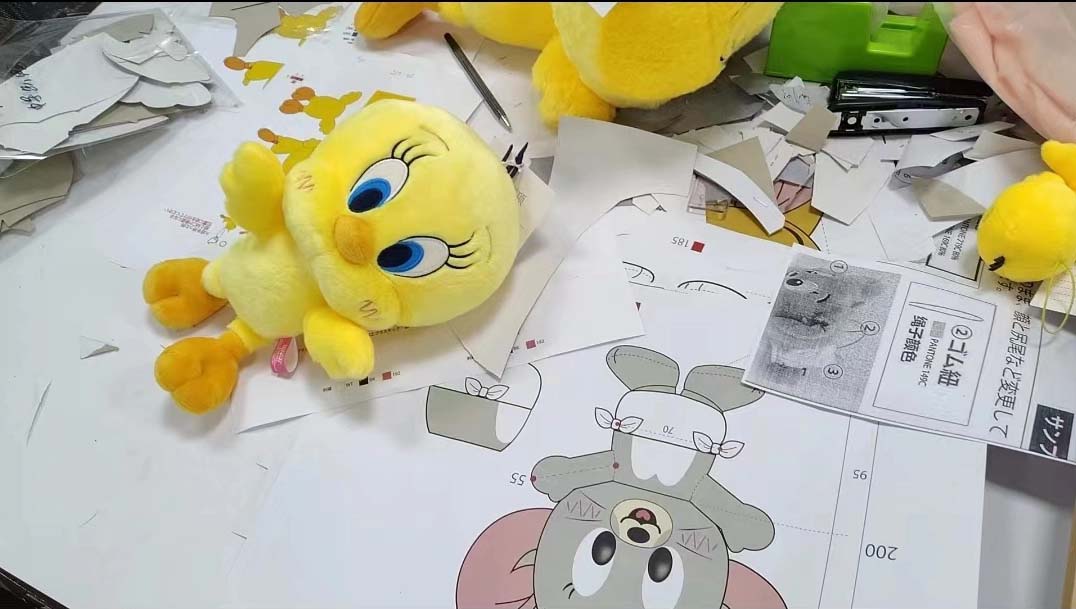
- patterned cutting (often based on published patterns or in-house templates)
- hand sewing or early machine sewing
- stuffing and shaping by hand
- simple stitched facial features or early glass/metal components (varied by maker and period)
| Early Plush Element | Common Early Choice | Why It Was Used | Modern Equivalent |
|---|---|---|---|
| Outer fabric | Felt; later plush-like fabrics including mohair for bears Margarete Steiff GmbH+1 | Sewable, durable, available | Polyester plush, minky, faux fur |
| Stuffing | Natural fibers or early stuffing methods (varied by era) | Shape + softness | Polyester fiberfill, foam blends |
| Face details | Simple stitching; later parts in some products | Easy and quick | Embroidery for safety and consistency |
| Assembly | Handwork + early machine sewing | Craft-based production | Assembly lines + standardized SOPs |
If you look at early plushies, you can still see today’s foundation: pattern, seam design, stuffing control, and face consistency.
How did industrialization change plush toy design and scalability?
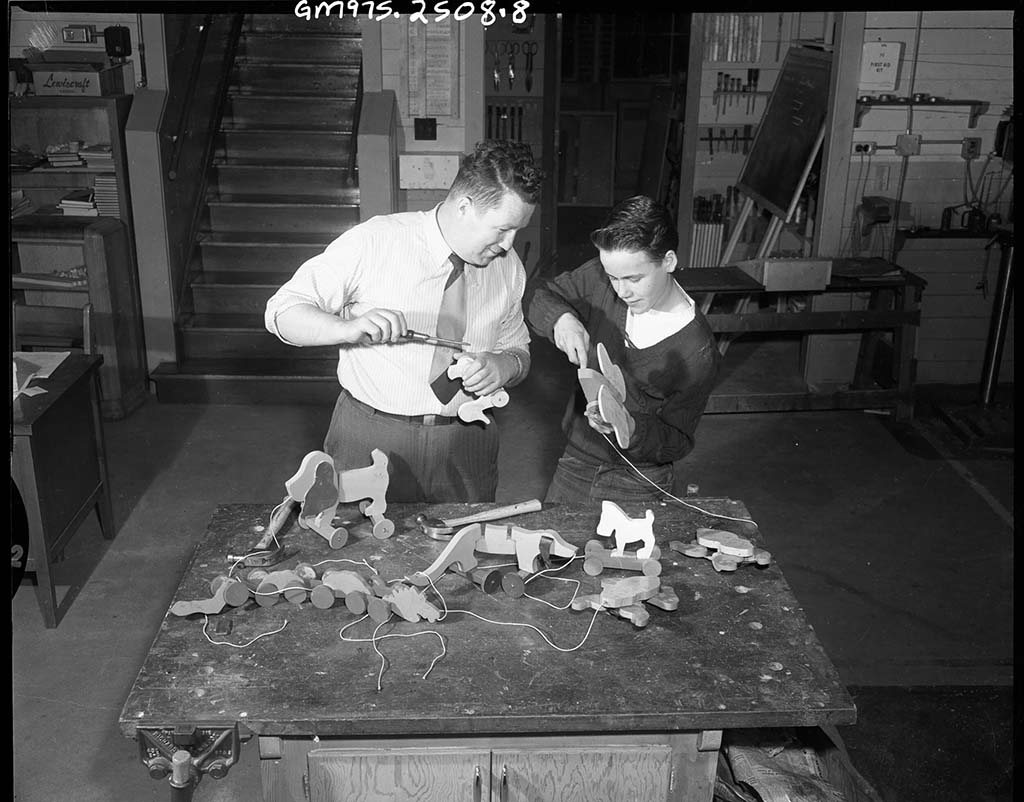
Industrialization changed plush toys in one main way: it made them repeatable.
Once factories could standardize cutting and sewing, plush toys stopped being “one-off crafts” and became products with:
- consistent patterns and sizes
- more predictable costs
- faster output
- broader distribution beyond local markets
Steiff’s history shows this shift clearly: starting from early products, then formal factory registration and broader selling, including international retail relationships like Harrods (1895 is listed in Steiff’s official timeline). Margarete Steiff GmbH+1
As plush manufacturing grew, brands began developing:
- standardized bodies (one pattern used in many colors)
- modular design (same base plush, different faces/outfits)
- improved supply chains for fabric and trims
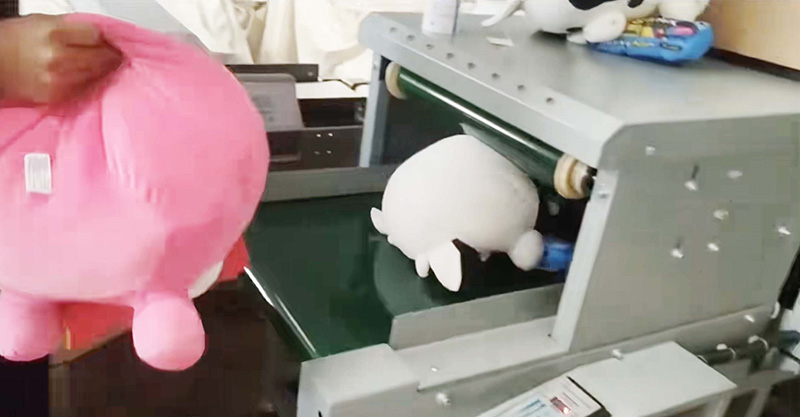
From a factory view, industrialization also introduced the early version of what we now call production engineering: reducing difficult seams, controlling stuffing weight, and creating steps that home workers or line workers could repeat.
| Industrial Shift | What Changed | Result for the Market | What OEM/ODM Still Uses Today |
|---|---|---|---|
| Pattern standardization | Same design, repeat cuts | Stable SKUs and scaling | “Golden sample” + tolerance specs |
| Factory organization | Planned workflows | Higher output and delivery | Line balancing + SOP control |
| Retail expansion | Wider distribution | Plush becomes mainstream | Global compliance + packaging needs |
| Material sourcing | More structured supply | Lower cost variability | Approved vendor lists, material specs |
Industrialization didn’t just make plush cheaper—it made plush reliable enough to become a global category.
Which brands and innovations popularized plushies globally?
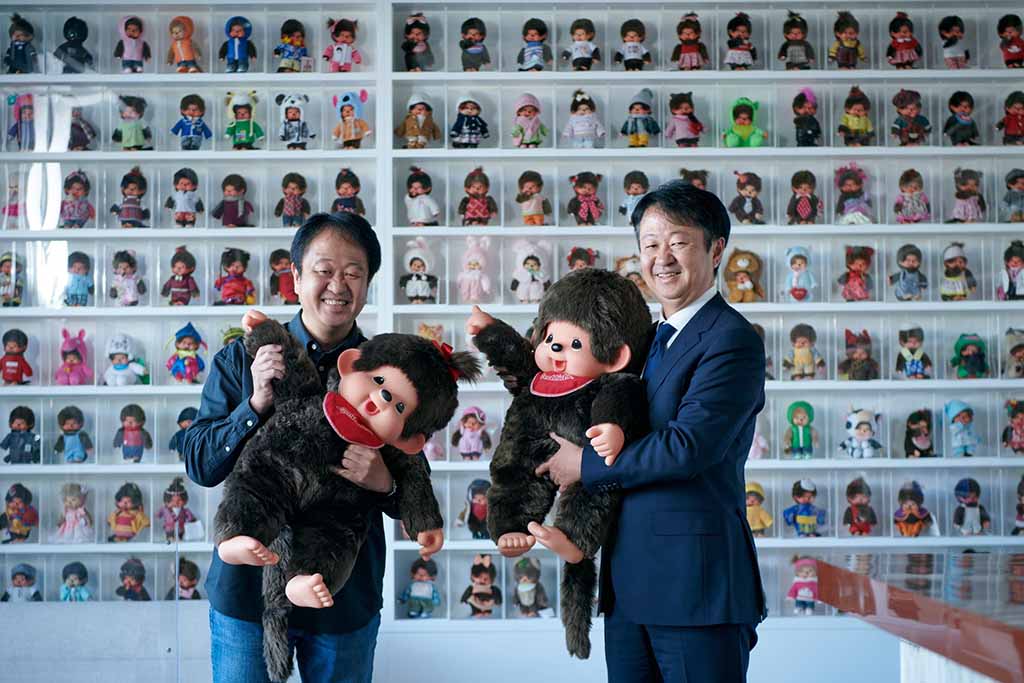
A few big moments and brands helped plushies become “everywhere.”
The teddy bear moment (1902–1903)
The teddy bear story is widely documented: Roosevelt’s 1902 hunting trip incident and the cartoon helped spark public interest, and early teddy bear production quickly grew on both sides of the Atlantic. Theodore Roosevelt Center+2Margarete Steiff GmbH+2
Steiff’s official teddy history references Richard Steiff’s 1902 bear design (55PB) and the connection to the Roosevelt story. Margarete Steiff GmbH
Early U.S. plush growth
In the U.S., plush manufacturing also expanded with long-running plush companies. GUND, for example, positions itself as a major American plush brand founded in 1898 and notes early teddy bear production in the early 1900s. Gund+1
Collectibles and modern waves
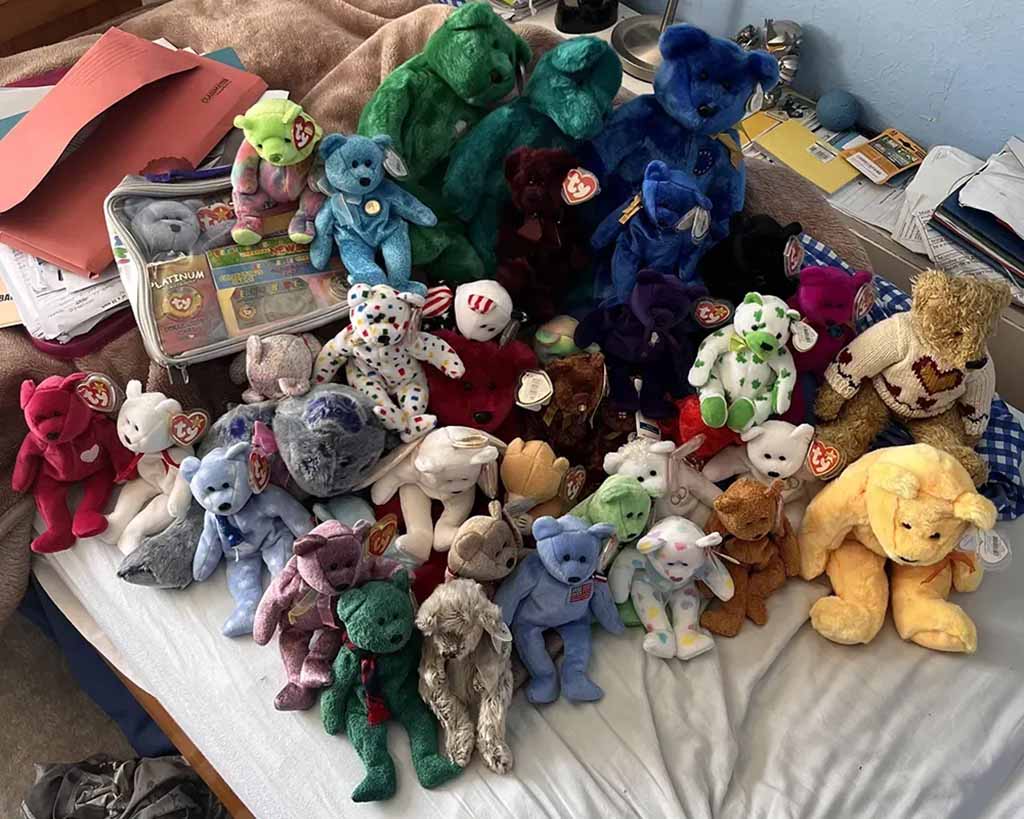
Later, plush popularity surged again through collectible concepts. The Beanie Babies phenomenon is often dated to the 1990s, with many sources referencing the brand’s rise around 1993 and its major cultural impact. (This is a modern example of how product strategy—not just materials—can drive global demand.) shop.ty.com+1
| Brand / Innovation | What It Added | Why It Scaled | Lasting Lesson for Buyers |
|---|---|---|---|
| Steiff early plush | Early factory-like plush production | Patterns + brand quality story Margarete Steiff GmbH+1 | Build trust with consistent quality |
| Teddy bear craze | A “must-have” icon | Story + emotional appeal Theodore Roosevelt Center+1 | Story sells, not only softness |
| GUND in the U.S. | Mainstream plush brand building | Consistent product lines Gund | Range planning matters |
| Beanie Babies era | Collectibility + scarcity strategy | Drop culture and “retirements” TIME | Marketing can amplify plush demand |
From my B2B view, the biggest “innovation” was not one fabric. It was the move from “toy” to “brand experience.”
How did safety standards evolve alongside plush toy development?
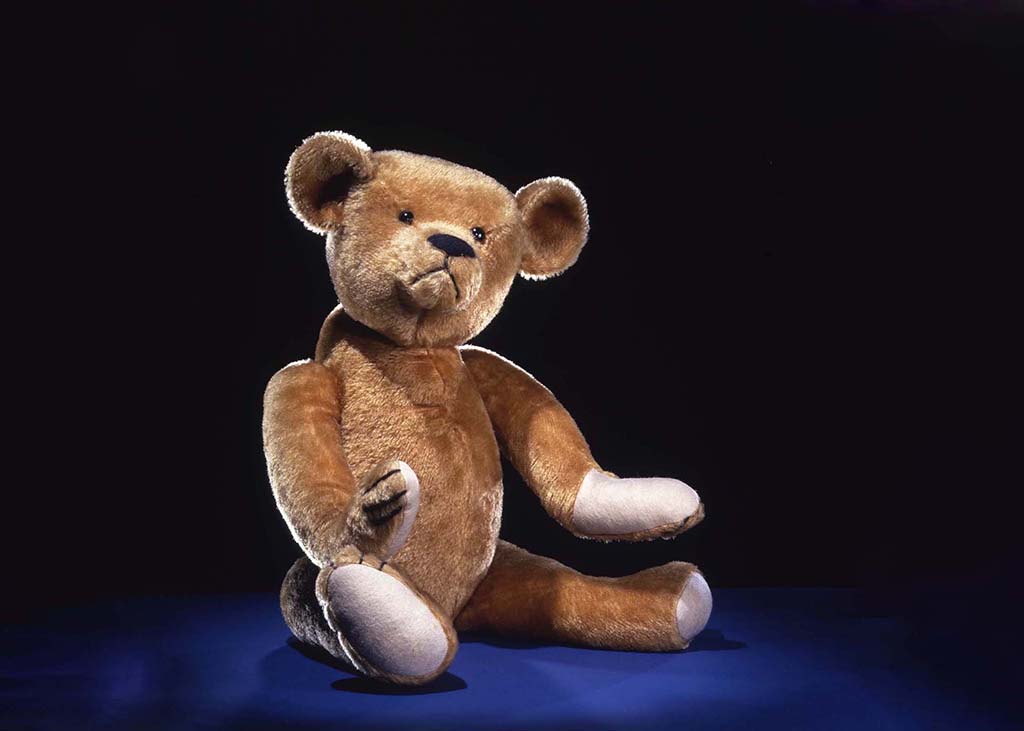
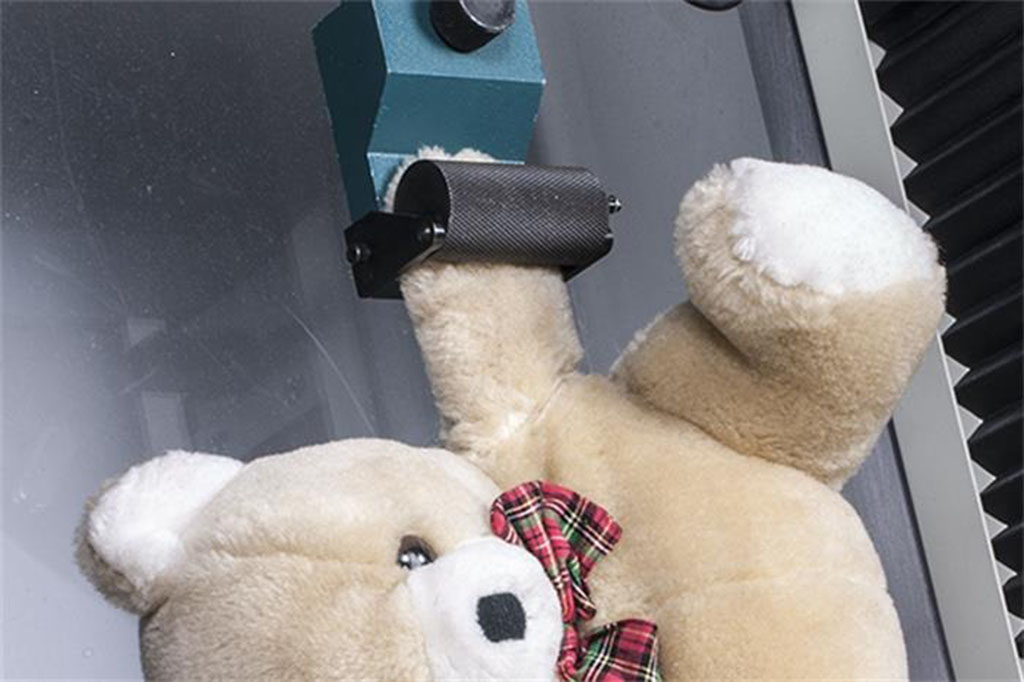
As plush toys became mass-market, safety expectations rose. Early plush products often used materials and parts that would not match modern requirements, especially for young children. Over time, formal standards developed to reduce risk: small parts, sharp points, flammability, chemicals, labeling, and more.
In the U.S., ASTM notes that a voluntary toy safety standard existed in the 1970s (PS 72-76), and ASTM adopted and published it as ASTM F963 in 1986. ASTM International | ASTM
Later, U.S. law made ASTM F963 mandatory for toys starting in 2009 (CPSIA context), as described in the Federal Register. 聯邦公報
In Europe, toy safety regulation also matured through directives. The European Commission notes the Toy Safety Directive framework, including earlier directive 88/378/EEC (1988) and later updates (repeal and replacement timelines are described on the EU site). single-market-economy.ec.europa.eu
And EN 71 is widely referenced as a harmonized European toy safety standard linked to the Toy Safety Directive. 維基百科
| Region | Key Safety System | What It Changed for Plush Toys | Why It Matters for OEM Today |
|---|---|---|---|
| USA | ASTM F963 (published by ASTM in 1986) ASTM International | ASTM | More defined test methods and hazard coverage | Design for testability early |
| USA | Mandatory standard from 2009 (CPSIA context) 聯邦公報 | Compliance becomes non-optional | Documentation and lab planning |
| EU | Toy Safety Directive framework single-market-economy.ec.europa.eu | Legal safety requirements across EU | Harmonized approach for market access |
| EU | EN 71 harmonized standard 維基百科 | Mechanical, flammability, chemical focus | Material selection + QC discipline |
For modern plush brands, safety is not “a lab task at the end.” It should shape your materials, your face details, and your age grading from day one.
How does plush toy history influence modern OEM and ODM manufacturing today?
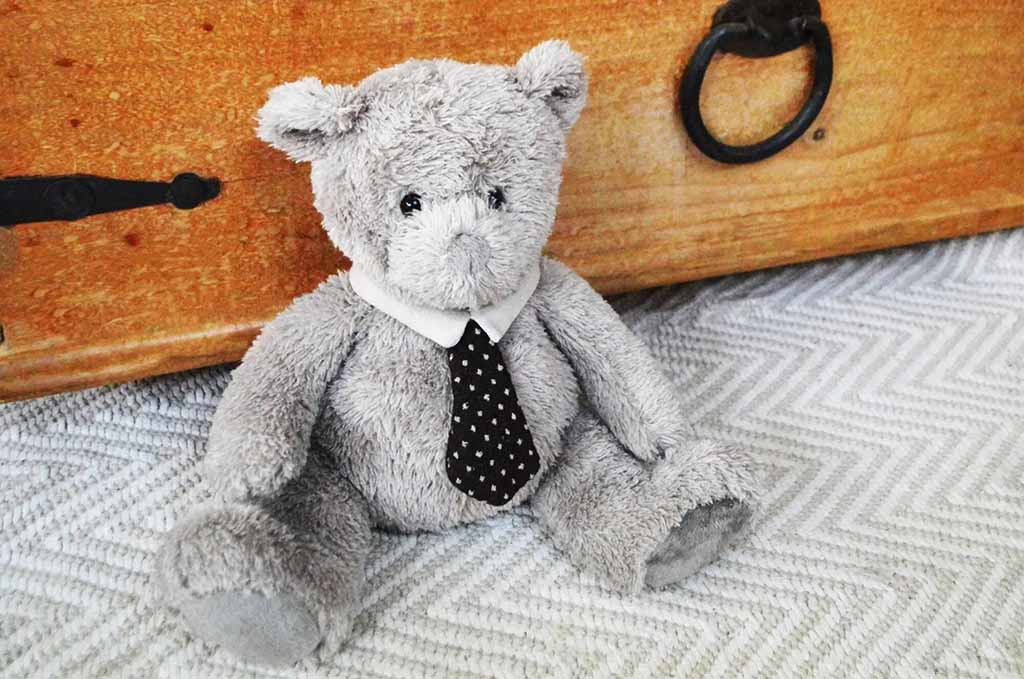
When I look at plush history, I see a straight line into modern OEM/ODM work:
- Patterns started it all
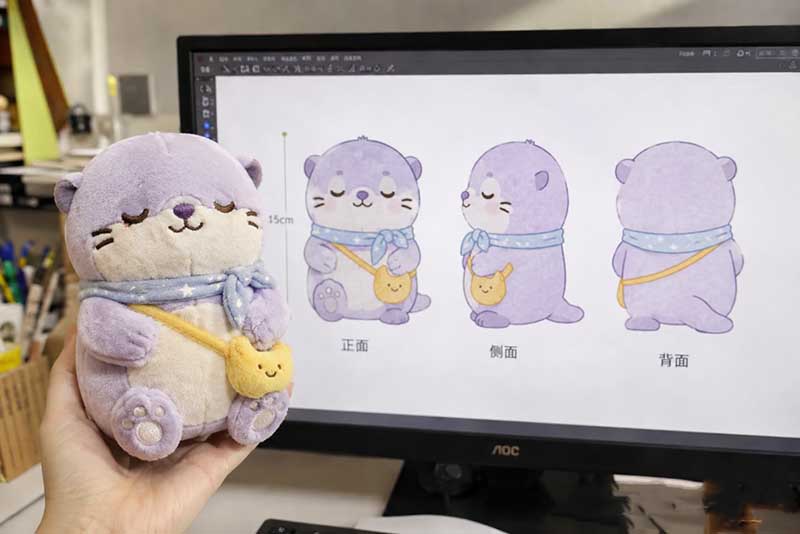
Early plush makers learned that a clean pattern equals a repeatable product. Today, ODM success still depends on pattern engineering: balanced proportions, fewer weak seams, and stable assembly steps. - Materials became a brand signature
Mohair became a premium identity in early teddy bear culture, and modern brands do the same with minky, faux fur, or signature textures. Margarete Steiff GmbH+1 - Industrial scaling created the “factory promise”
Once plush moved into factories, the promise became consistency. That is still what B2B buyers value most: the 10,000th unit should match the approved sample. - Safety became part of product design
Modern markets demand proof. Standards like ASTM F963 and EN 71 mean factories must manage traceability, testing plans, and labeling consistency. ASTM International | ASTM+2維基百科+2
Here’s how I translate history into today’s sourcing decisions:
| Historical Lesson | What It Means Today | What B2B Buyers Should Ask a Factory |
|---|---|---|
| Pattern repeatability wins | A “cute sample” is not enough | “What is your tolerance and golden sample process?” |
| Premium feel needs material control | Softness must be consistent across lots | “How do you control fabric lot changes?” |
| Scaling requires process design | Simpler, stable seams scale better | “Can this design be sewn consistently on multiple lines?” |
| Safety evolves and tightens | Compliance planning must be proactive | “What test plan matches my target age and market?” |
| Brands drive demand | Story + packaging + design = sell-through | “How can we build a recognizable plush identity?” |
At Kinwin, this is exactly how I support buyers: we engineer patterns for scalable production, select materials that keep their hand-feel after shipping and handling, and plan compliance documentation for export markets like the USA and Europe.
Conclusion
Plushies became “plushies” as we know them in the late 1800s and scaled worldwide through industrial production, iconic brands, and stronger safety standards. At Kinwin, we help global buyers turn plush ideas into compliant, scalable OEM/ODM products with consistent quality. Contact me at [email protected] or visit kinwintoys.com to discuss your next project.