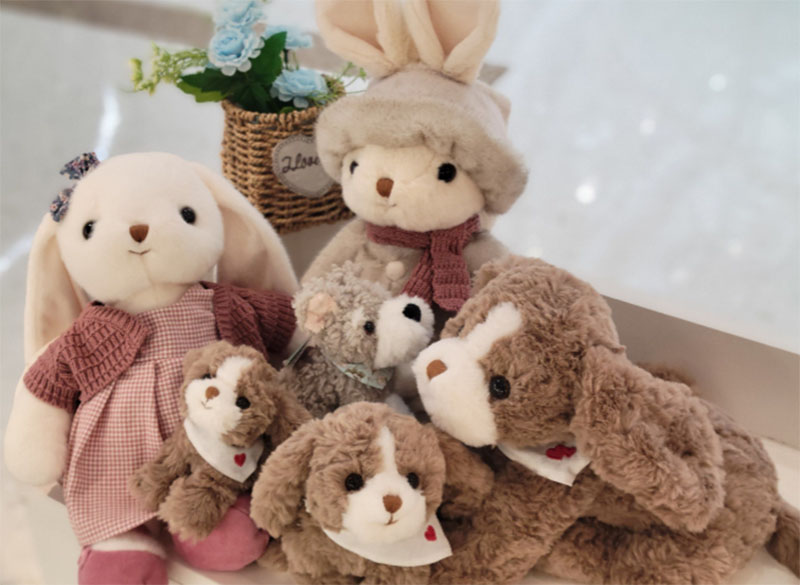
An elderly person gently holding a soft plush toy in a calm care setting.
When families and care providers choose stuffed animals for people living with Alzheimer’s, they are not choosing a toy. They are choosing a tool for comfort, emotional regulation, and connection. In memory care environments, small design details—texture, weight, facial expression, and safety—can make a meaningful difference in how a patient feels and responds.
As a plush manufacturer working closely with global buyers, I see growing demand from senior care, healthcare suppliers, and wellness brands. These buyers want plush products that are calming, dignified, safe, and practical for long-term use in dementia care. Below, I explain why plush animals help, what designs work best, how materials affect comfort, what safety and hygiene matter in healthcare settings, how plush is used therapeutically, and how manufacturers can design specifically for senior care markets.
What emotional and cognitive benefits do stuffed animals provide for Alzheimer’s patients?
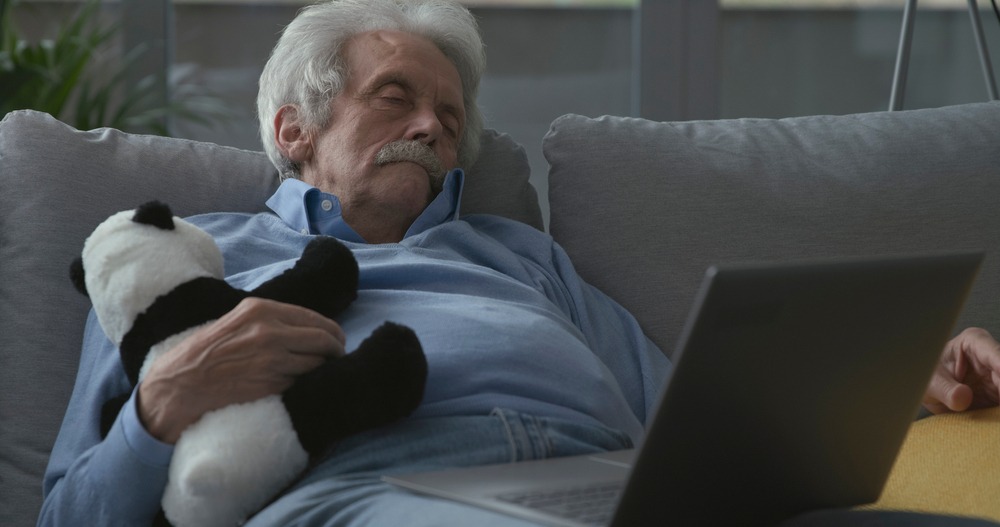
Stuffed animals can support Alzheimer’s patients in ways that are simple but powerful. Many patients experience anxiety, agitation, loneliness, or confusion—especially as verbal communication becomes harder. A soft plush object offers non-verbal reassurance.
From feedback shared by caregivers and buyers in this space, the most common benefits include:
- emotional comfort and reduced agitation
- sense of companionship without pressure to respond
- calming routines during rest, evenings, or transitions
- gentle sensory stimulation (touch and pressure)
- support for reminiscence and emotional memory
Unlike puzzles or games, plush animals do not require instructions or cognitive effort. Patients can hold, stroke, or talk to them freely. This makes plush especially useful in mid-to-late stages of dementia, when verbal reasoning and short-term memory decline.
Here is a clear benefit summary that care-focused buyers often use:
| Benefit Area | How Plush Helps | What Caregivers Notice | Why It Matters |
|---|---|---|---|
| Emotional regulation | Soft holding reduces anxiety | Fewer agitated episodes | Improves daily care routines |
| Companionship | Non-judgmental presence | Patient talks or smiles more | Reduces loneliness |
| Sensory grounding | Texture and weight calm | Hands stay busy | Helps during sundowning |
| Routine support | Familiar object = security | Easier transitions | Less resistance to care |
| Dignity and comfort | Plush feels personal | Patient feels “cared for” | Improves quality of life |
For many families, the value is not clinical—it is emotional. Seeing a loved one calmer and more at ease is already a success.
Which design features make plush toys suitable for dementia and memory care use?
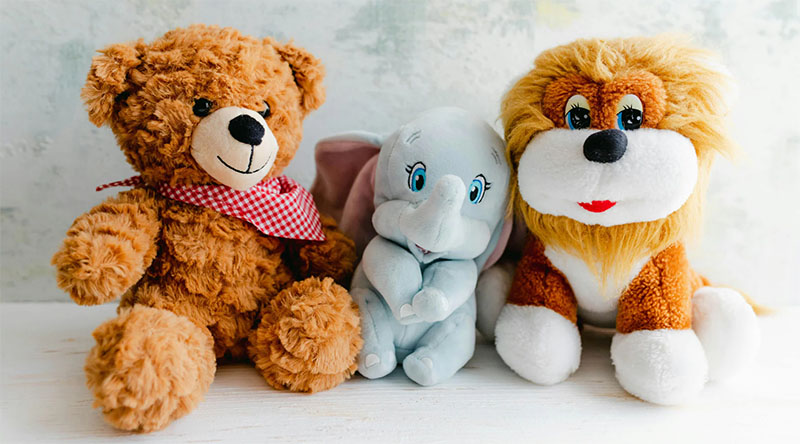
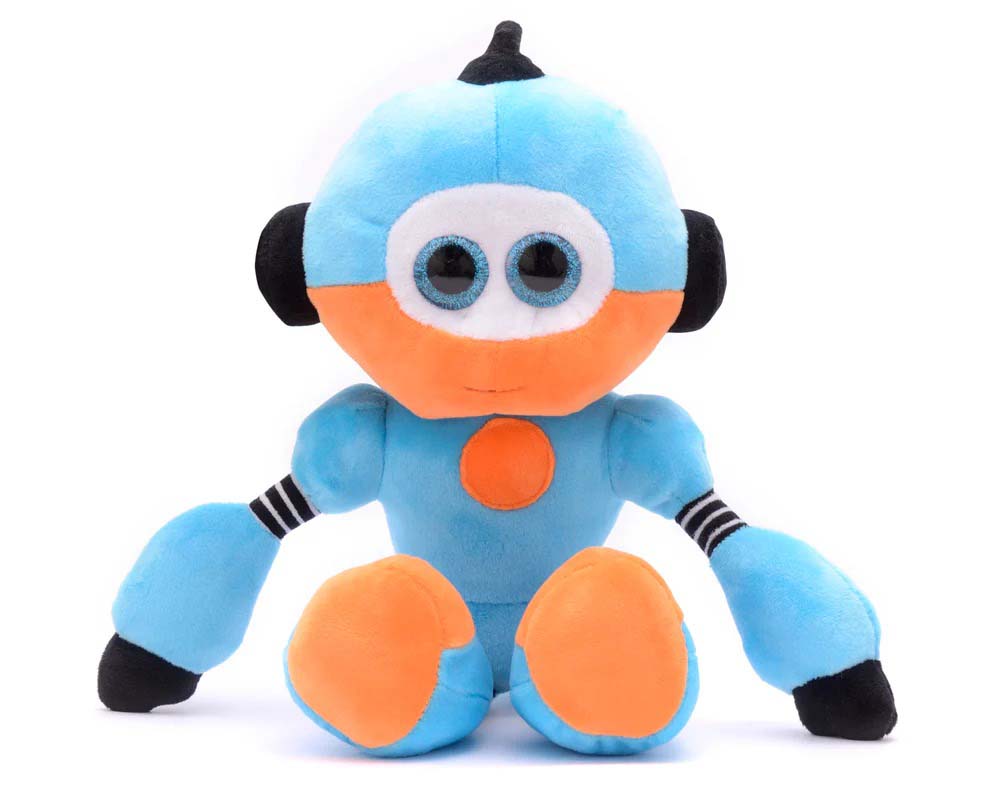
Plush toys for Alzheimer’s patients must look and feel respectful, not childish. Design choices that work for children can feel inappropriate or overstimulating for seniors. The best products for memory care focus on simplicity, realism, and calm expression.
Key design features that perform well include:
- gentle, neutral facial expressions
- realistic but soft animal forms (cats, dogs, bears)
- no loud colors or busy patterns
- moderate size that fits naturally in the lap
- no hard parts or detachable accessories
Many care facilities prefer animals that resemble familiar companions, such as cats or dogs, because patients may relate them to past experiences. Overly cartoon faces or exaggerated expressions can confuse or distress some individuals.
Here is a design-focused checklist buyers often follow:
| Design Feature | Recommended Direction | Why It Works in Dementia Care |
|---|---|---|
| Facial expression | Calm, neutral, gentle eyes | Avoids overstimulation |
| Animal type | Cat, dog, bear | Familiar and comforting |
| Color palette | Soft, natural tones | Reduces sensory overload |
| Size | Lap-sized, huggable | Easy to hold without strain |
| Details | Minimal accessories | Lower risk and distraction |
| Sound or electronics | Usually avoided | Keeps experience simple |
The goal is not entertainment. The goal is emotional safety and familiarity.
How do fabric choice, weight, and texture affect comfort and safety?
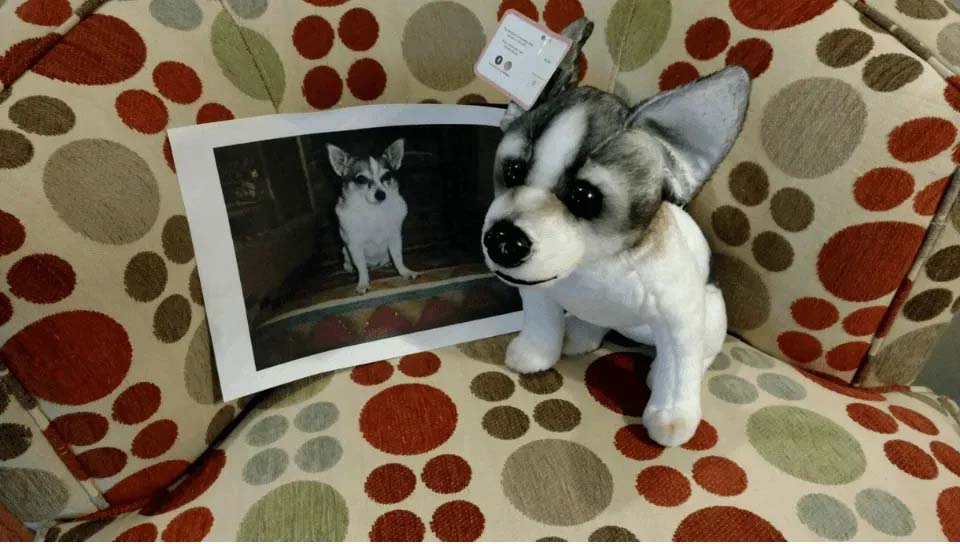
For Alzheimer’s patients, touch matters more than appearance. Fabric and filling directly affect whether a plush is calming or irritating.
From manufacturing and buyer feedback, the most effective material choices include:
- ultra-soft short-pile plush or minky-like fabrics
- non-shedding, low-friction surfaces
- consistent, even stuffing without hard lumps
- optional gentle weight (not heavy, not therapy-level)
Some patients find light pressure calming, similar to holding a pillow. A slightly weighted belly or body can provide grounding, but weight must be carefully controlled to avoid fatigue or discomfort.
Texture should be smooth and warm—not fuzzy or scratchy. Long shaggy fur may tangle, shed, or collect dust, which is not ideal for healthcare environments.
Here is a comfort and safety material guide:
| Material Factor | Best Practice | Why It Matters |
|---|---|---|
| Fabric type | Short-pile, smooth plush | Gentle on sensitive skin |
| Shedding control | Low-shed materials | Cleaner, safer environment |
| Stuffing | Even, resilient fiberfill | Prevents hard pressure points |
| Weight | Light to moderate | Comfort without strain |
| Seams | Reinforced and smooth | Avoids irritation and breakage |
| Temperature feel | Warm but breathable | Better long-term holding comfort |
When comfort is right, patients often keep the plush with them longer, which increases its calming effect.
What safety standards and hygiene considerations apply in healthcare environments?
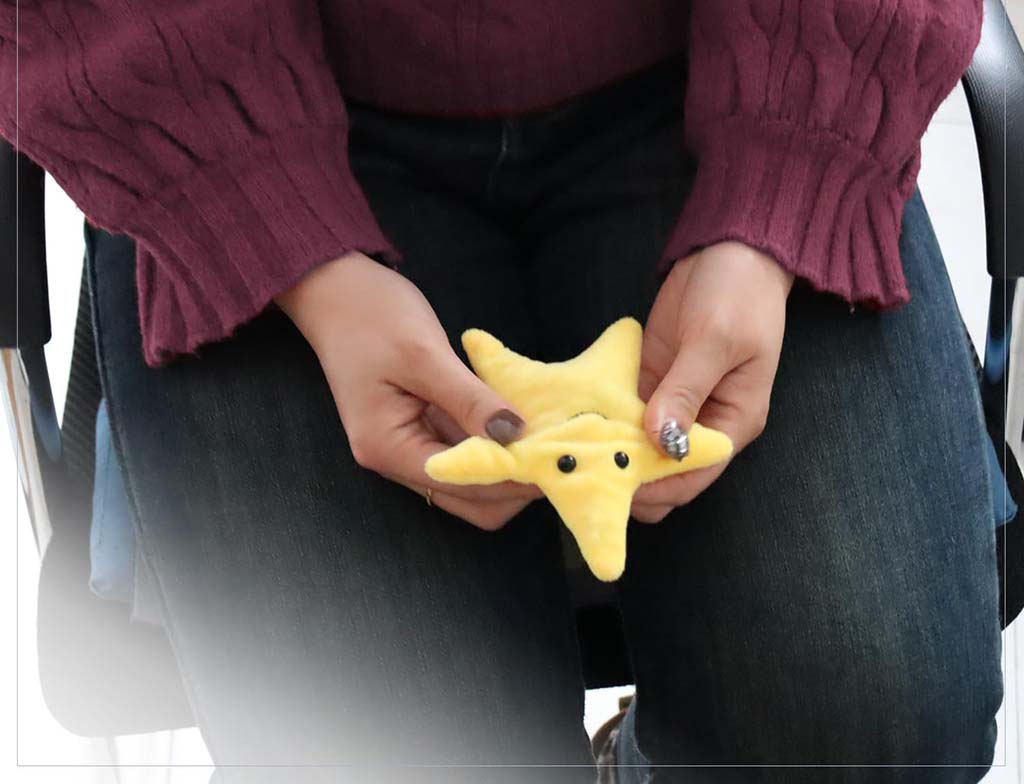
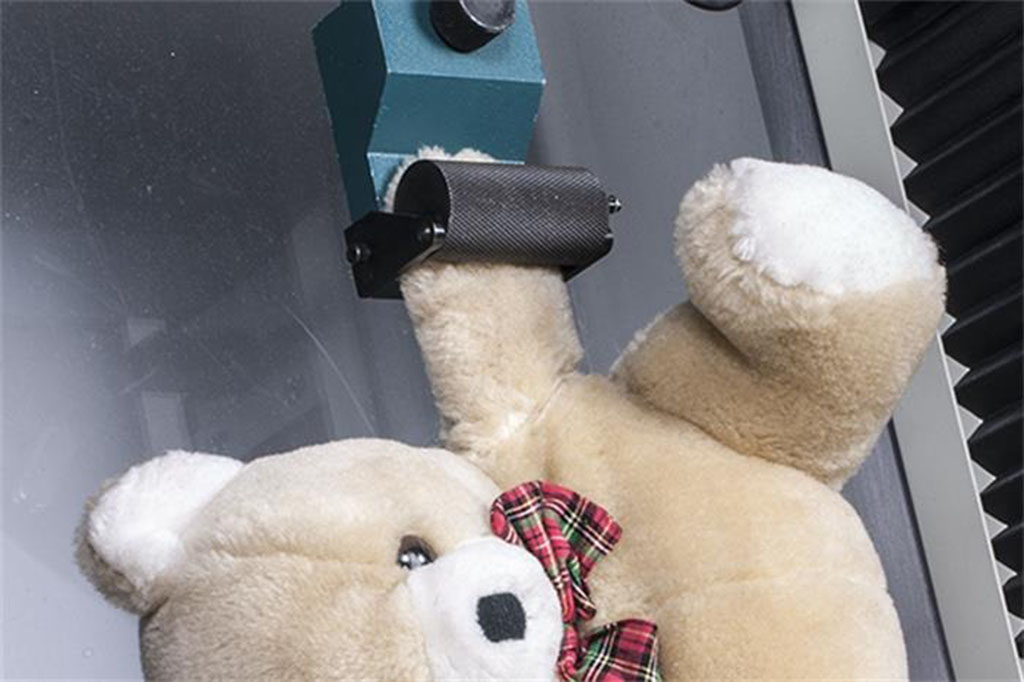
Plush used in healthcare or senior care settings must meet higher expectations than retail toys. Even if not classified as medical devices, these products are used in environments where hygiene, durability, and safety are critical.
Key considerations include:
- strong seams to prevent stuffing exposure
- no small or hard detachable parts
- washable or wipe-clean surfaces
- clear care and cleaning instructions
- stable materials that tolerate repeated cleaning
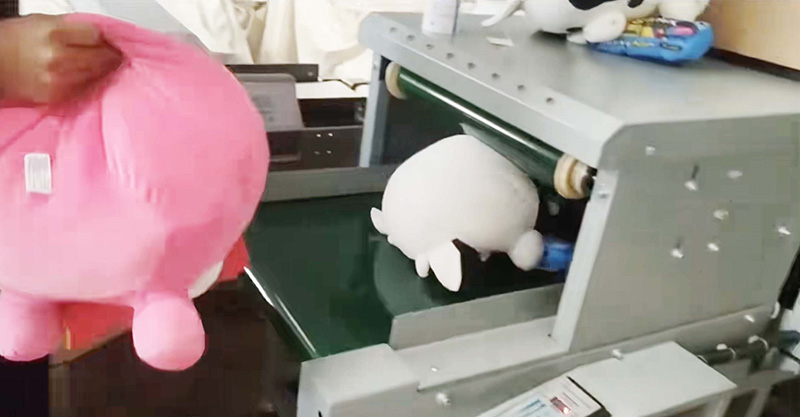
Many nursing homes and care facilities require items that can be cleaned regularly. While not all plush can withstand high-temperature industrial washing, designs should support gentle machine wash or surface cleaning without losing shape.
Here is a healthcare-focused safety checklist:
| Safety / Hygiene Area | Why It Matters | Practical Design Response |
|---|---|---|
| Seam strength | Prevents stuffing leaks | Reinforced stitching |
| Small parts | Avoid choking hazards | Embroidery over plastic parts |
| Washability | Infection control | Tested gentle wash performance |
| Surface hygiene | Daily cleaning routines | Smooth, wipeable fabrics |
| Labeling | Clear care instructions | Simple, visible tags |
| Durability | Long-term use | Stable materials and fill |
For B2B buyers supplying care facilities, these points are often mandatory—not optional.
How are therapeutic stuffed animals used in Alzheimer’s and dementia care settings?
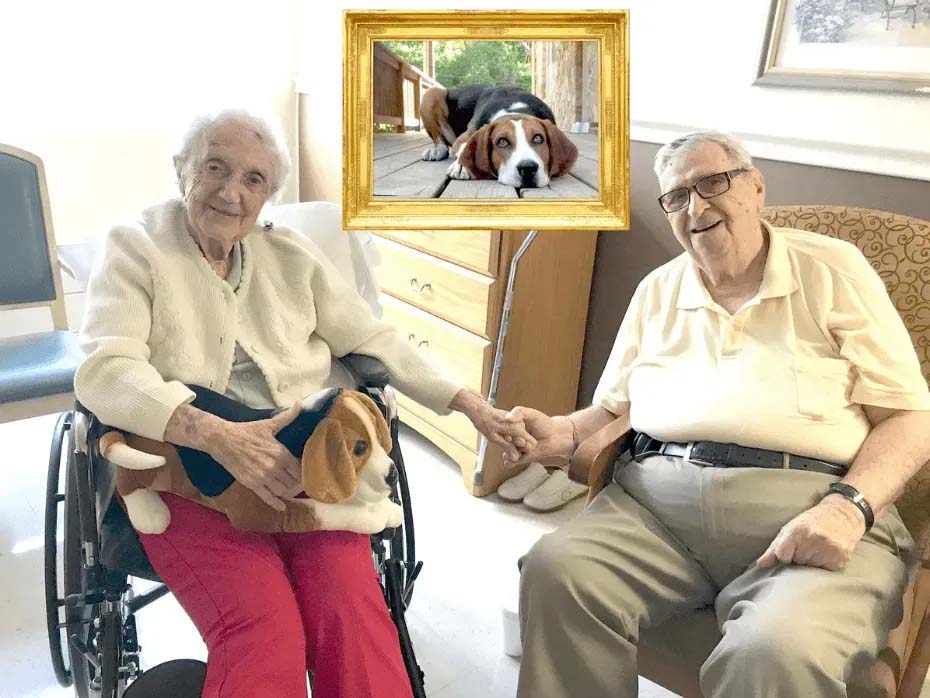
In real care environments, plush animals are used in very practical ways. They are not introduced as “therapy tools,” but as comfort companions.
Common use scenarios include:
- calming agitation during late afternoon or evening
- providing reassurance during medical checks or personal care
- offering companionship during rest or quiet time
- supporting group activities without pressure to participate
- helping redirect repetitive or anxious behaviors
Care staff often report that a plush animal can help a patient stay seated, reduce wandering, or focus attention gently without confrontation.
Here is how plush fits into daily care routines:
| Care Moment | How Plush Is Used | Observed Benefit |
|---|---|---|
| Sundowning period | Patient holds plush | Reduced anxiety |
| Medical or hygiene care | Plush given beforehand | Less resistance |
| Quiet time | Plush stays on lap | Sense of security |
| Group activities | Plush included passively | Inclusion without pressure |
| Emotional distress | Plush offered as comfort | Faster calming |
The key is choice. Plush should be offered, not forced. When the design feels respectful, many patients accept it naturally.
How can manufacturers design plush products specifically for senior care markets?
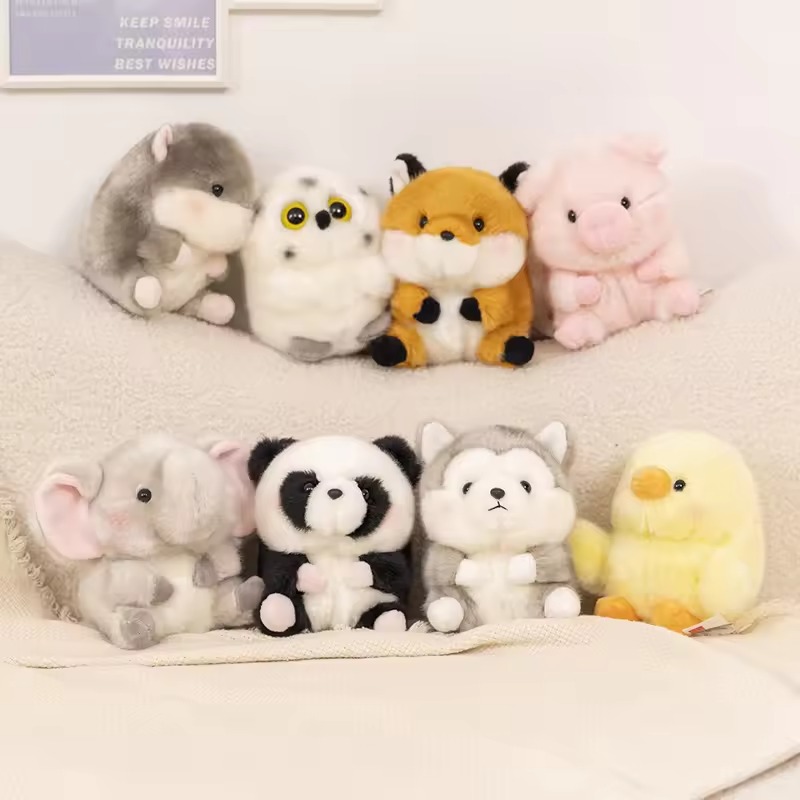
Senior care is not a children’s market. Manufacturers must design with dignity, safety, and practicality in mind. From my experience working with healthcare-oriented buyers, the most successful plush products for Alzheimer’s care follow a clear strategy.
Key design and production principles include:
- neutral, adult-appropriate aesthetics
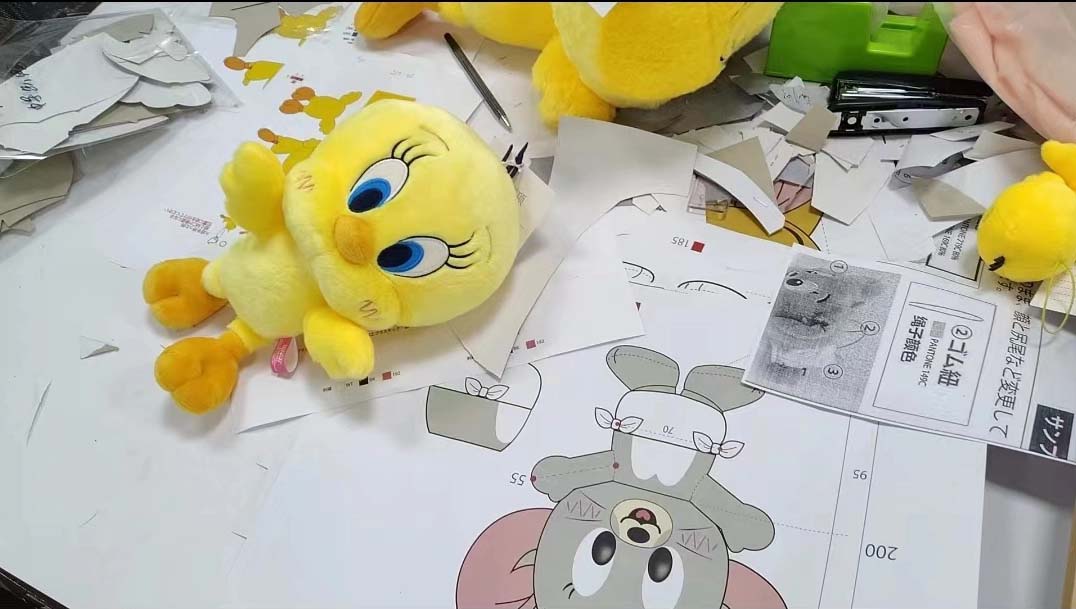
- simplified construction for durability and cleaning
- clear documentation for care facilities
- scalable designs that support bulk purchasing
- consistent quality across batches
Brands serving this market also need clear positioning. Products should be described as comfort companions or sensory support items, not toys.
Here is a manufacturing strategy table for senior care plush lines:
| Design Strategy | Why It Works | Buyer Benefit |
|---|---|---|
| Adult-neutral design | Maintains dignity | Higher acceptance |
| Simple structure | Easier cleaning | Lower maintenance |
| Durable stitching | Long service life | Better cost control |
| Controlled materials | Stable supply | Consistent quality |
| Clear usage guidance | Proper use | Fewer complaints |
| Scalable production | Bulk orders | Reliable fulfillment |
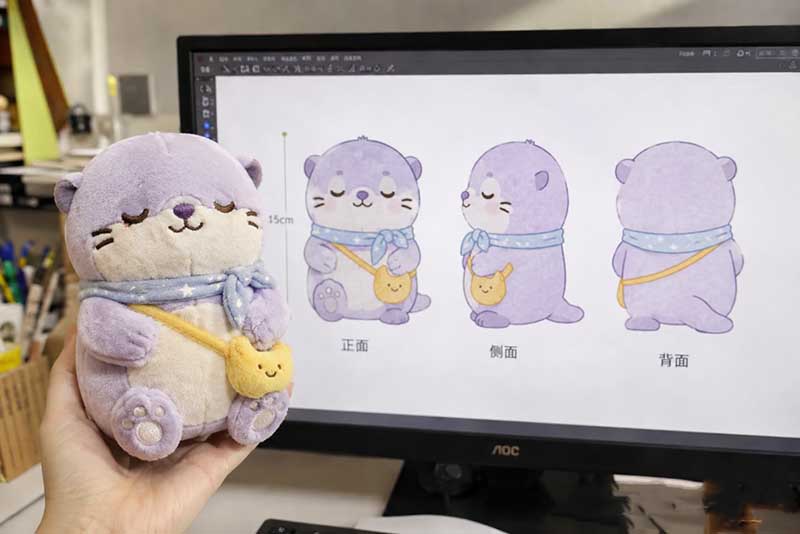
At Kinwin, we help global buyers design plush products specifically for senior care and wellness markets. This includes material selection, construction optimization, safety-focused design, and export-ready production for the USA, Europe, Japan, and other regions.
If you are developing plush products for Alzheimer’s care, memory care facilities, or wellness brands, I can help you turn compassion into a reliable, scalable product solution. You can reach me at [email protected] or visit kinwintoys.com.
Conclusion
The best stuffed animals for Alzheimer’s patients offer calm, dignity, and comfort through thoughtful design and safe materials. At Kinwin, we help brands create senior-care plush products that support emotional well-being while meeting durability and hygiene needs. Contact me at [email protected] or visit kinwintoys.com to discuss your next project.