Skip to content
Turning an animation character into a plush product is not a simple conversion task—it is a systematic translation process that balances brand accuracy, emotional expression, manufacturability, and safety compliance. Unlike flat graphics or digital merchandise, plush toys introduce volume, texture, softness, and physical interaction, all of which fundamentally change how a character is perceived.
From my experience working with animation studios and licensed brands, most issues in plush development do not come from poor sewing or materials, but from misalignment at the early interpretation stage. When animation assets are not properly adapted for plush logic, problems compound throughout sampling, approvals, and production. A structured process is what turns animation characters into successful plush products.
How Animation Character Assets Are Reviewed and Adapted for Plush Development
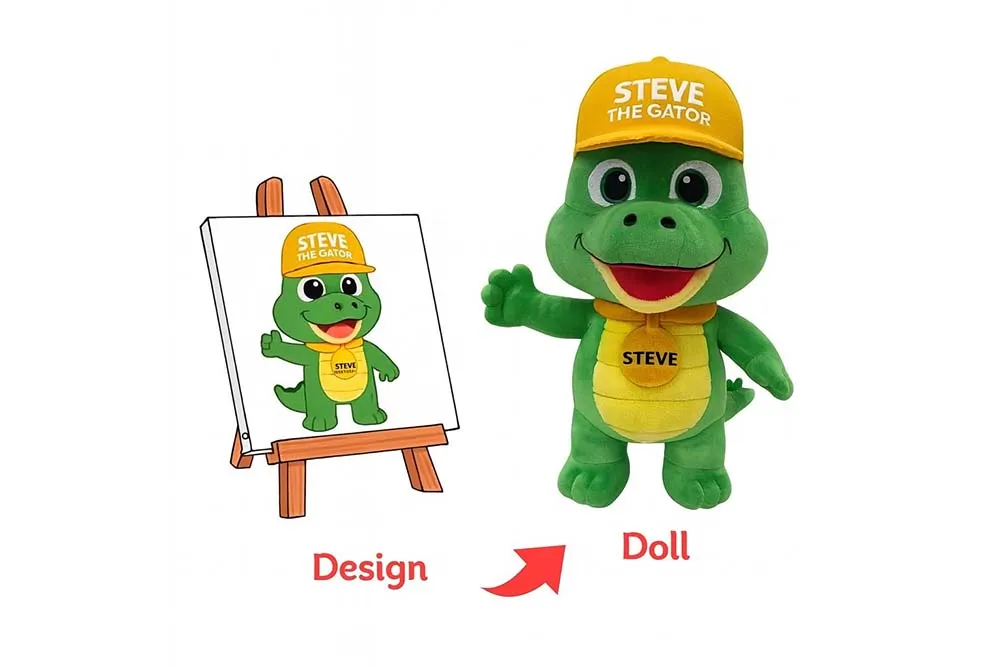
The first step in any animation-to-plush project is a technical review of character assets, not a creative redesign. Factories must analyze existing animation materials to determine what can be physically produced and what must be adapted.
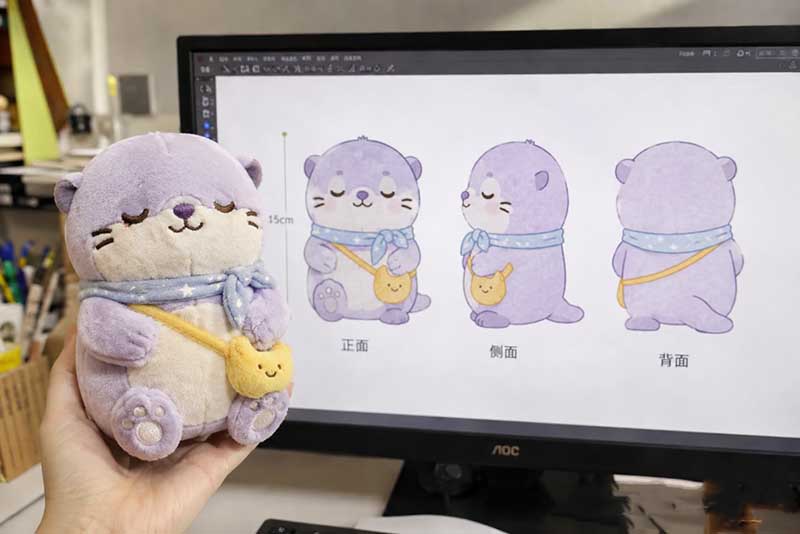
Animation assets are typically created for screen viewing, where proportions, outlines, and expressions rely on visual illusion rather than physical structure. During review, we assess asset completeness, consistency between different poses, and whether key elements remain recognizable when translated into volume.
Common issues include missing back views, inconsistent color references, and exaggerated elements that cannot support internal structure. Early adaptation decisions prevent later conflicts between design intent and physical feasibility.
| Asset Review Focus | Factory Evaluation Goal | Common Risk |
|---|---|---|
| Pose consistency | Identify core silhouette | Inconsistent proportions |
| View completeness | Enable 3D translation | Missing back or side views |
| Color reference | Accurate material matching | Screen vs fabric mismatch |
| Detail density | Assess producibility | Over-complex features |
| Master asset clarity | Version control | Conflicting references |
How Character Proportions and Key Features Are Simplified for Plush Translation

Animation characters often rely on extreme proportions to convey personality—oversized heads, thin limbs, or floating elements. Plush toys, however, must obey gravity, stitching limitations, and internal stuffing logic.
The goal is not to copy proportions exactly, but to preserve recognition cues. We identify which features define the character—eye shape, head-to-body ratio, signature accessories—and protect those elements while simplifying others.
Simplification improves durability, safety, and cost control. Characters that are over-translated without adjustment often lose stability, appear distorted, or fail safety tests.
| Design Element | Plush Adaptation Rule | Reason |
|---|---|---|
| Head size | Slightly reduced | Prevent top-heavy collapse |
| Limbs | Thickened subtly | Improve seam strength |
| Facial features | Simplified shapes | Maintain expression |
| Floating details | Anchored or removed | Structural stability |
| Accessories | Integrated into body | Safety & durability |
How Pattern Making and Structural Engineering Bring 2D Characters into 3D Form
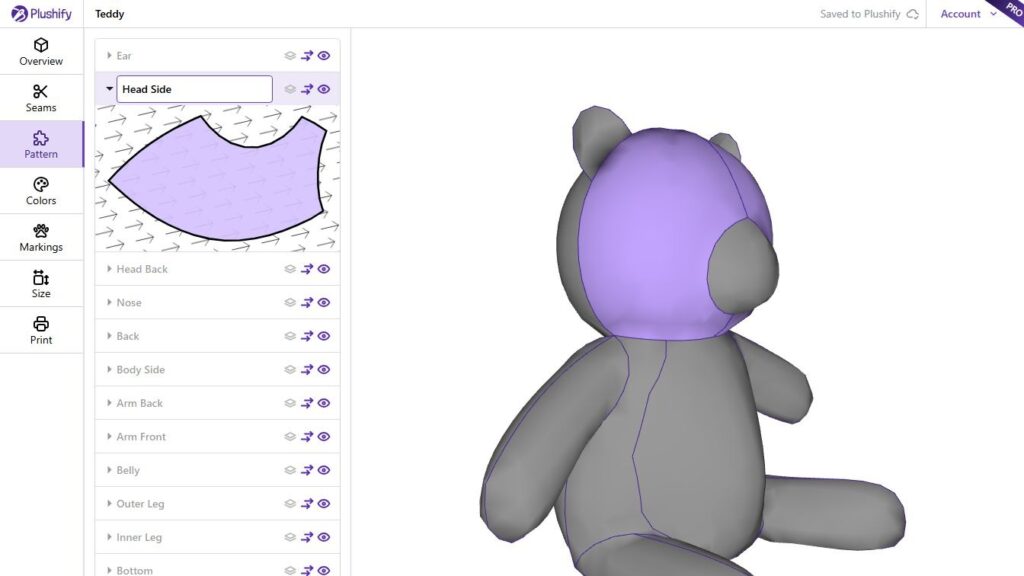
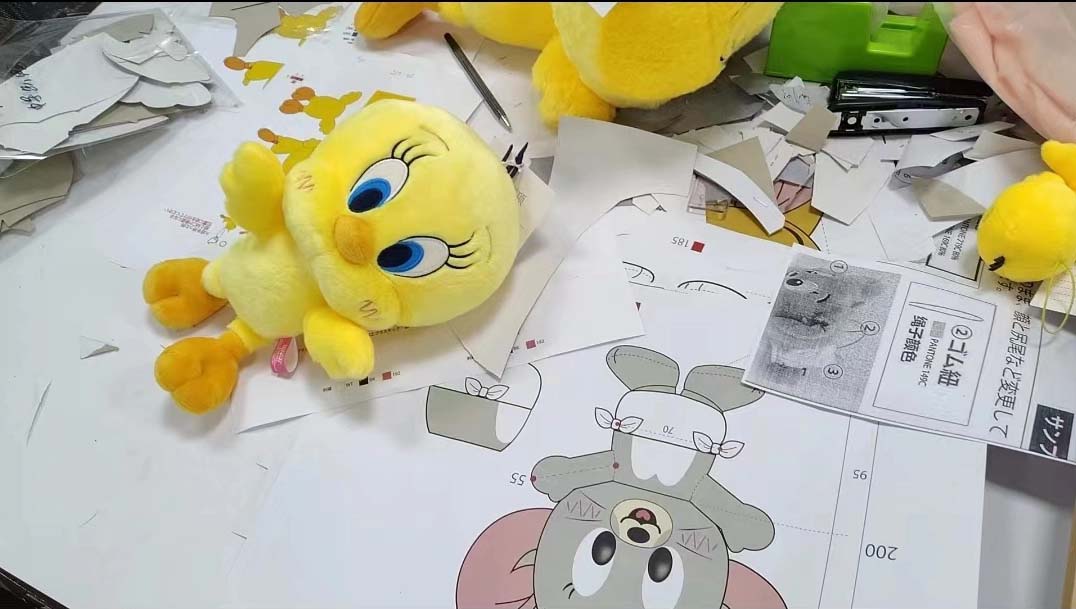
Pattern making is where animation characters truly become plush products. This stage transforms flat visuals into three-dimensional construction logic.
Experienced pattern makers do not simply “trace shapes.” They design internal structure—how many panels form the head, how curves are achieved, where seams are hidden, and how stuffing distributes pressure. Structural decisions directly affect character accuracy and long-term durability.
For animation characters, pattern complexity is often higher because facial accuracy is critical. Small errors in seam placement can change expression entirely.
| Pattern Factor | Impact on Final Plush | Key Consideration |
|---|---|---|
| Panel segmentation | Shape accuracy | Natural curves |
| Seam placement | Facial expression | Avoid distortion |
| Internal volume | Stability | Balanced stuffing |
| Stress points | Durability | Reinforced joins |
| Repeatability | Mass production | Consistent results |
How Fabric Selection, Colors, and Textures Are Matched to the Original Animation Style
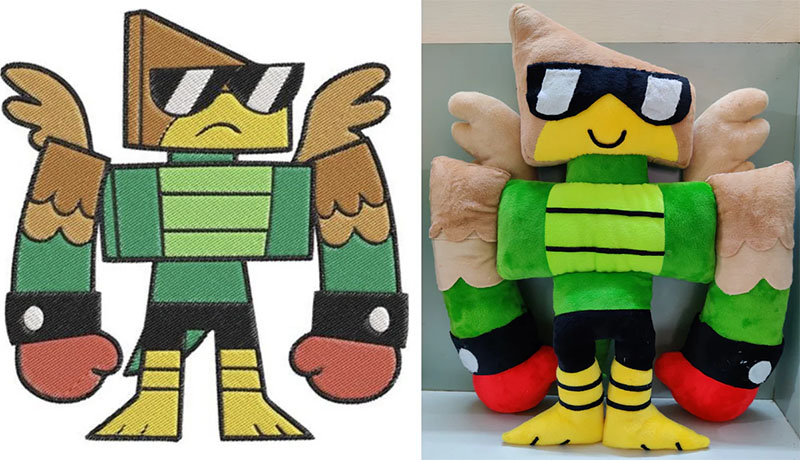
Fabric choice is one of the most underestimated steps in animation plush development. Animation colors are rendered with light, shadow, and gradients that do not exist in fabric.
The objective is visual equivalence, not digital accuracy. We select fabrics that reflect light similarly, absorb color evenly, and maintain softness consistent with the character’s personality.
Texture is equally important. A smooth character may require short-pile or minky fabric, while a playful or animal-like character may benefit from longer pile materials. Color matching often requires multiple dye tests rather than relying on digital references.
| Fabric Factor | Animation Match Goal | Common Challenge |
|---|---|---|
| Pile length | Visual softness | Distorting proportions |
| Surface finish | Light reflection | Over-shine or dullness |
| Color saturation | Brand accuracy | Screen vs dye gap |
| Texture feel | Character emotion | Mismatch perception |
| Wash durability | Product life | Color bleeding |
How Prototyping, Revisions, and Licensor Approvals Shape the Final Plush Design
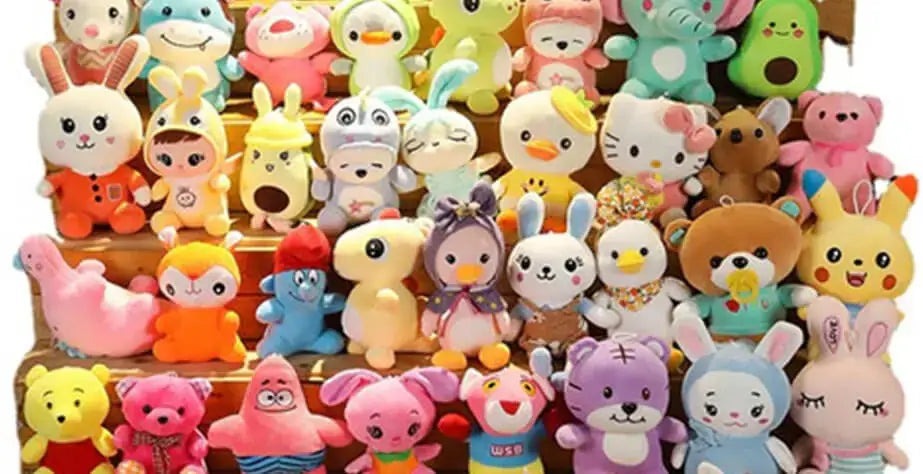
Prototyping is not a single step—it is a controlled feedback loop. Initial samples test structural feasibility, while later rounds refine expression, proportions, and material accuracy.
Licensed animation projects often involve multiple approval stakeholders. Clear revision focus is essential. Each round should address specific issues rather than restarting evaluation from zero.
Factories must document changes carefully to avoid regressions. Successful projects treat prototyping as a convergence process, not experimentation without boundaries.
| Prototype Stage | Primary Goal | Approval Focus |
|---|---|---|
| First sample | Structure & shape | Recognizability |
| Second round | Expression refinement | Facial accuracy |
| Material sample | Fabric & color | Brand match |
| Pre-production sample | Final validation | Mass consistency |
| Approval tracking | Version control | Change documentation |
How Pre-Production Validation Ensures Consistency Before Mass Manufacturing
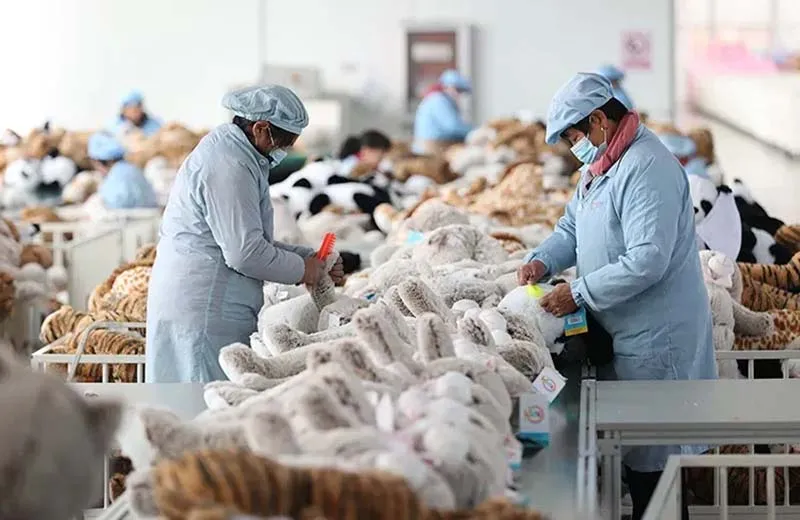
Before mass production begins, a final validation phase ensures that what was approved can be consistently reproduced at scale. This step protects both brand and factory.
Pre-production checks include material locking, pattern freezing, workmanship standards, and testing alignment. Any unresolved ambiguity at this stage leads to inconsistency, delays, or disputes during production.
For animation characters, this phase is especially important because visual deviation becomes more noticeable when thousands of units are produced.
| Validation Area | Purpose | Risk If Skipped |
|---|---|---|
| Pattern lock | Shape consistency | Variation across units |
| Material approval | Color accuracy | Batch mismatch |
| QC benchmarks | Quality standard | Inconsistent finish |
| Testing readiness | Compliance | Shipment delays |
| Reference sample | Production guide | Approval disputes |
Conclusion
Turning an animation character into a plush product is a disciplined translation process that balances creative integrity with physical reality. By carefully adapting assets, simplifying proportions, engineering structure, selecting appropriate materials, managing approvals, and validating production readiness, brands can transform animated characters into plush products that remain recognizable, compliant, and scalable in the real world.
📧 Contact: [email protected]
🌐 Visit: https://kinwintoys.com