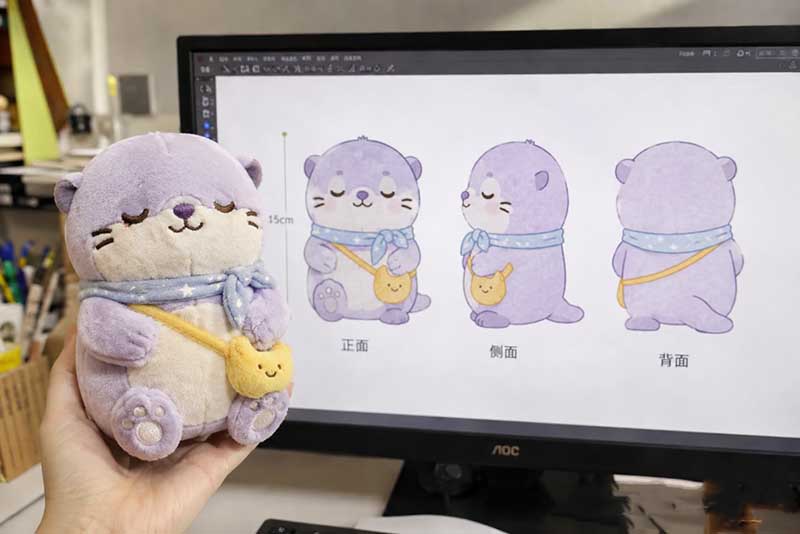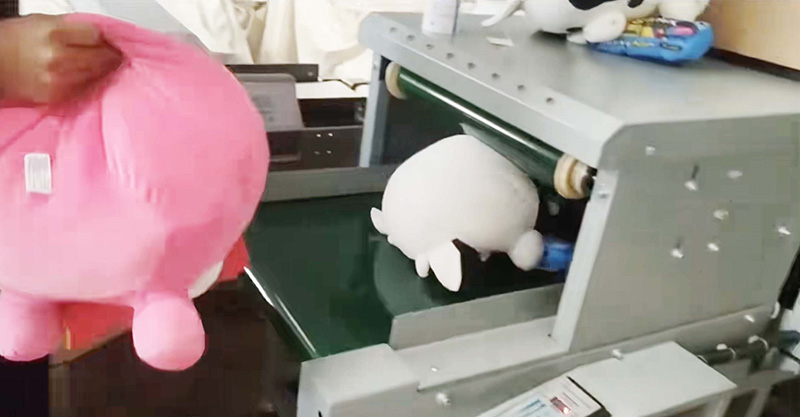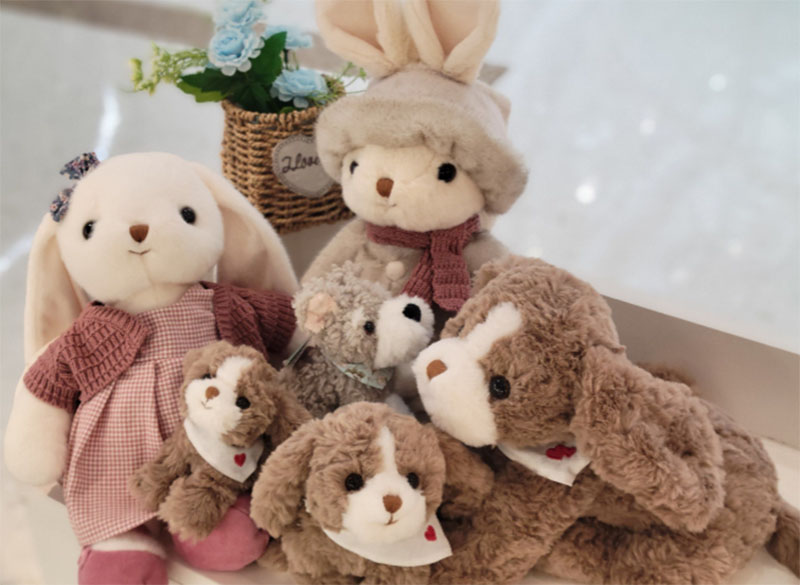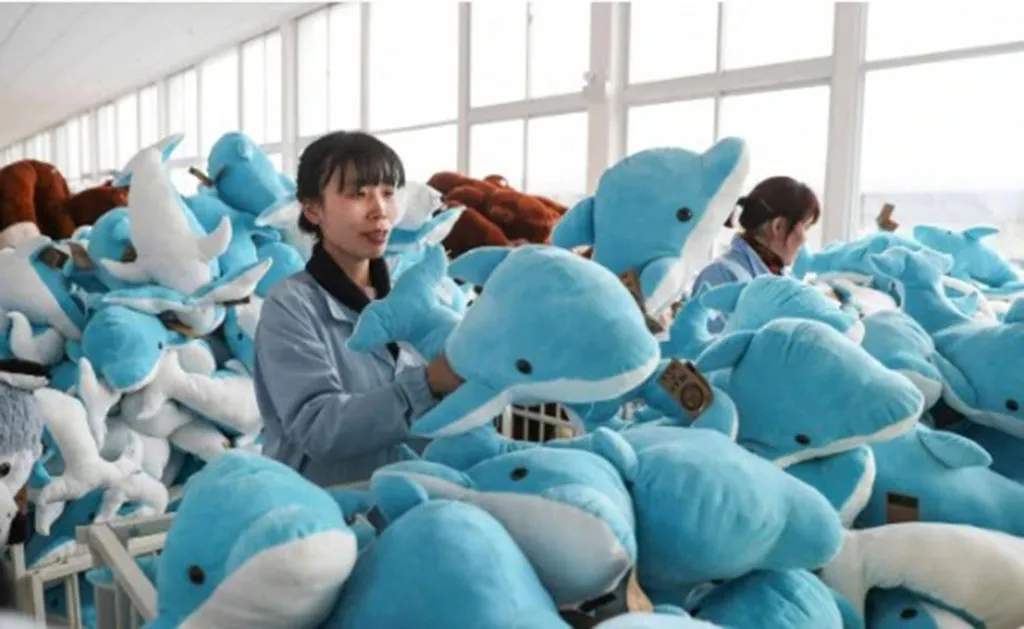
A plush toy on a clean table, with a “Press & Hold to Record” belly patch and a hidden speaker grille.
Recordable stuffed animals feel magical because they carry a real voice—“I love you,” a bedtime message, or a brand line that kids repeat all day. But this category only succeeds when the recording is clear, the button works every time, and the toy stays safe after shipping, drops, drool, and thousands of presses.
In my OEM/ODM work at Kinwin, I treat recordable plush as a complete system: microphone, recording module, speaker, switch, battery, and the plush body acting as the sound chamber. If one piece is weak, customers don’t just feel “a small defect”—they feel disappointment. Below, I’ll show you what technologies matter, how to choose modules, how materials change clarity, what safety/privacy/compliance rules apply, how batteries and placement impact reliability, and how brands can customize recordable plush at scale.
What technologies enable high-quality voice recording in stuffed animals?
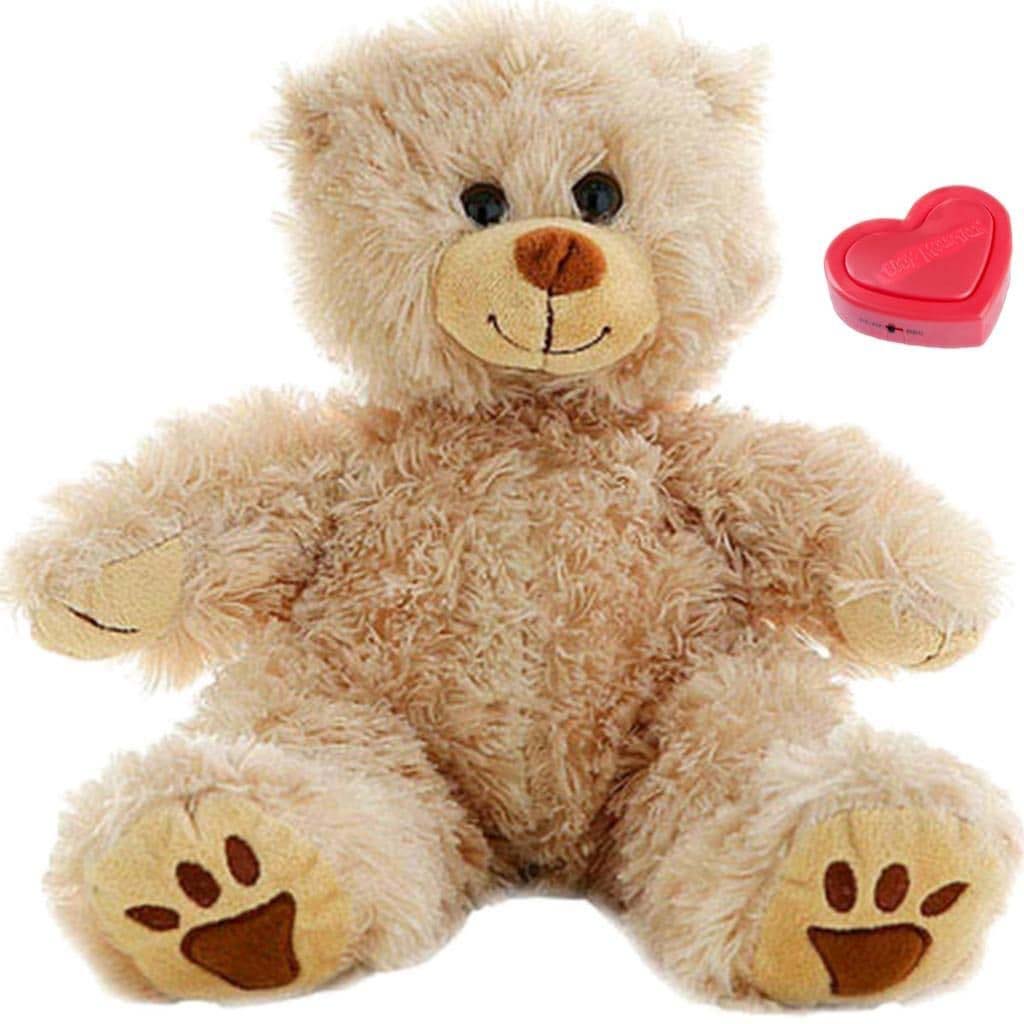
Most recordable plush toys use an internal sound module that includes a microphone (input), memory (storage), a small processor (control), and a speaker (output). The user presses a trigger to record, then presses again to play. That sounds simple, but “high-quality voice” depends on three technical choices:
- How the sound is captured (microphone type, microphone opening, noise control)
- How the sound is stored (memory quality, compression, sample rate)
- How the sound is played back (speaker size, orientation, and internal space)
For mass-market plush, many designs use compact voice record/playback modules. Premium versions can use more advanced control (microcontroller-based designs) to reduce noise, improve volume stability, and manage power better.
I also pay attention to user flow, because the “best technology” can still fail if kids don’t understand it. The most reliable interaction is often press-and-hold to record, release to stop, then press once to play. It reduces user mistakes and creates fewer “it doesn’t work” customer reviews.
Here is the buyer-friendly technology overview I use when planning a recordable plush line:
| Technology Element | What It Does | What “Good” Looks Like | What Goes Wrong When Weak | What I Control in Production |
|---|---|---|---|---|
| Microphone + opening | Captures voice | Clear, not muffled | Muffled or low-volume recordings | Mic position + opening design |
| Recording controller | Manages record/play logic | Stable, simple workflow | Confusing modes, random behavior | Firmware/function definition |
| Memory type + compression | Stores audio | Clean playback without heavy artifacts | Robotic or distorted voice | Module selection + QC sampling |
| Speaker + chamber design | Outputs sound | Loud enough, clear words | Tinny, weak, or “blocked” sound | Speaker direction + cavity space |
| Trigger switch | Activates module | Easy press, no accidental triggers | Plays in shipping or fails early | Switch type + travel distance |
| Power management | Controls drain | Long battery life | “Dead” quickly, high returns | Sleep mode + packaging protection |
For brands, the biggest “value win” is consistency: every unit should record and play at the same clarity level. That is what builds trust and repeat orders.
Which sound modules offer the best balance of clarity, memory, and durability?
When buyers ask me “Which module is best?” I don’t answer with a single model name. I answer with a performance target. Your module needs to match your product positioning:
- Gift + bedtime message: clear voice, not too loud, stable playback
- Retail demo product: louder playback, strong switch durability
- Premium branded line: better tuning, longer memory, stronger QC control
In the market, you’ll generally see three module routes:
- Basic record/playback modules (good cost control, shorter memory, simple logic)
- Mid-tier modules (better clarity, multiple modes, improved power control)
- Custom/hybrid modules (preloaded audio + record feature, or expanded controls)
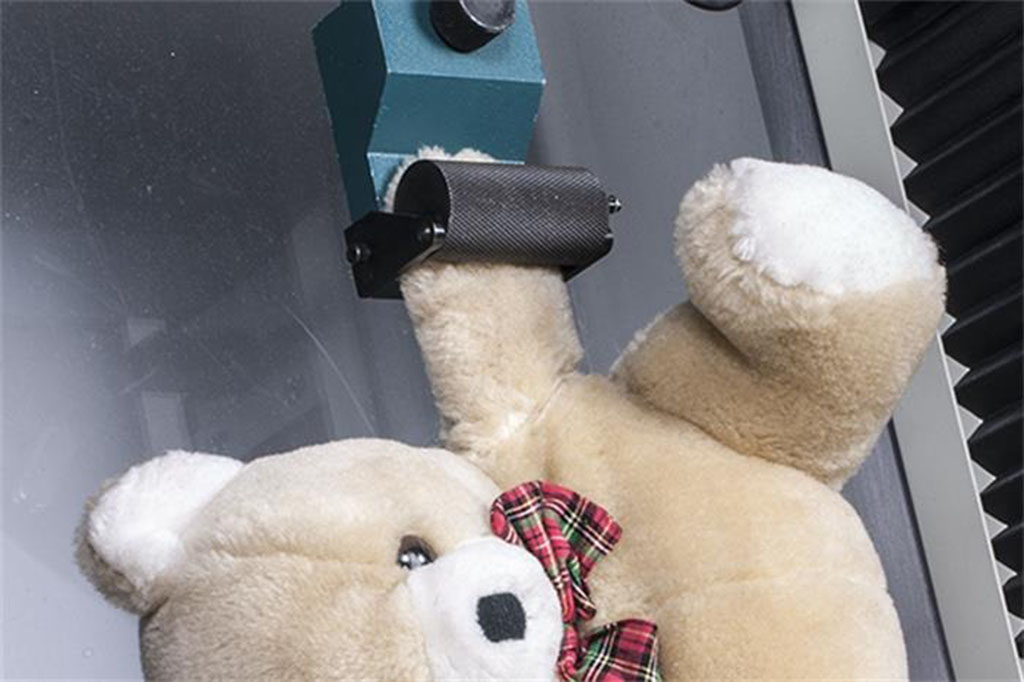
For durability, the most important factor is not the chip label. It’s how the module behaves after repeated use and shipping stress. I usually validate modules with practical tests: press-cycle checks, drop checks, vibration simulation (to reduce accidental triggers), and battery-life checks under real playback patterns.
Here is how I compare module types for B2B decision-making:
| Module Tier | Typical Voice Clarity | Typical Memory | Durability Potential | Best Fit | Main Tradeoff |
|---|---|---|---|---|---|
| Basic record/playback | Good (if plush design supports it) | Short–medium | Medium–high | Value retail, promo plush | Limited features |
| Mid-tier tuned module | Better clarity + stability | Medium | High | Gift lines, higher review expectations | Slightly higher cost |
| Hybrid (preloaded + record) | Good–very good | Medium | Medium | Licensed or brand-story plush | More complexity, more drain |
| Custom control module | Very good (with engineering) | Medium–long | High | Premium brands and large programs | Higher development effort |
If you want the safest balance, I usually recommend a mid-tier module with stable record/play logic, controlled playback length, and predictable battery use. It costs a bit more than the cheapest option, but it often saves far more in reduced returns and better ratings.
How do plush materials and internal structure impact recording playback quality?
Many brands focus heavily on the “sound chip,” but customers hear the result through the plush body. In a recordable stuffed animal, the plush acts like a soft speaker box. Fabric, stuffing, and inner structure can make a clear voice sound muffled—or make an average module sound surprisingly good.
The three biggest physical factors are:
- Fabric thickness and pile height: thick or long-pile fabrics absorb high-frequency detail, making words less clear
- Stuffing density: too dense blocks speaker vibration; too loose lets the module shift
- Sound path design: microphone and speaker need a controlled path to the surface, even if it’s hidden under a patch
In production, I often create a small internal “air space” around the speaker and avoid packing fiberfill tightly against it. I also ensure the microphone has a consistent opening zone, often under a thin fabric patch or an internal mesh layer that blocks dust while allowing sound.
Here is a practical design table you can use to predict clarity:
| Material/Structure Choice | Effect on Playback | What Customers Experience | Best Practical Fix |
|---|---|---|---|
| Thick plush panel over speaker | Sound absorption | Muffled voice, unclear words | Use a thinner “speaker window” area |
| Long pile fur near mic | Noise + dampening | Recording sounds “far away” | Move mic to flatter surface zone |
| Very dense stuffing around speaker | Blocks vibration | Low volume, distortion | Create a small cavity near speaker |
| Low stuffing / soft body | Module shifts | Sound changes each press | Add internal cradle/pocket |
| Tight inner lining | Dampens output | Lower loudness | Use breathable lining near speaker |
| Speaker facing inward | Traps sound | Weak playback | Angle speaker toward outer surface |
If you sell online, sound clarity matters more than you think. Many negative reviews say “it’s broken,” when the real issue is muffled design. Better material planning protects your conversion rate and reduces costly returns.
What safety, privacy, and compliance standards apply to recordable plush toys?
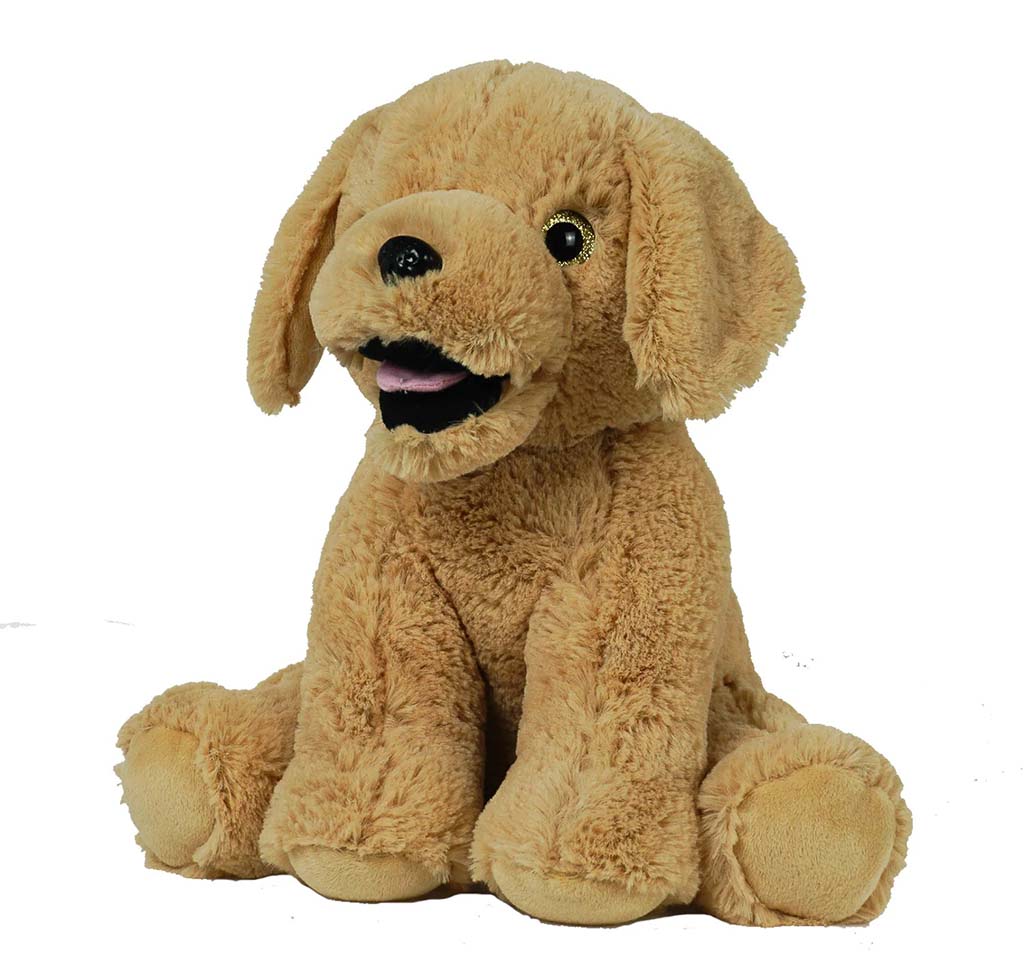
Recordable plush sits at the intersection of toy safety, electronics safety, battery safety, and sometimes privacy—depending on whether the toy stores audio only inside the device or transmits it through an app.
Safety and toy compliance (USA)
In the U.S., toy safety commonly centers on ASTM F963, and the CPSC provides guidance to help companies identify which ASTM F963 sections apply and which require third-party testing. U.S. Consumer Product Safety Commission+1
Because recordable plush can be a sound-producing toy, you also need to pay attention to relevant acoustic and functional requirements under the toy safety framework (the exact applicability depends on your toy design and target age). U.S. Consumer Product Safety Commission+1
Electric toy safety (Europe)
For Europe, recordable plush with batteries falls under electric toy safety considerations, commonly aligned with EN IEC 62115 for electric toys. SGSCorp+2歐盟法律資訊平台+2
Button/coin battery safety (high-focus area)
If you use button cell or coin batteries, the U.S. has specific requirements under 16 CFR Part 1263 incorporating ANSI/UL 4200A. CPSC business guidance explains how this applies to consumer products containing button/coin batteries. U.S. Consumer Product Safety Commission+2eCFR+2
This is a major reason many brands choose AAA batteries when product size allows—it can simplify risk management.
Privacy (only if connected)
If the product is offline (records and plays back locally, no connectivity), privacy exposure is usually much lower. If the toy connects to an app or uploads audio, then children’s privacy requirements like COPPA become relevant in the U.S., and the FTC provides official COPPA guidance for businesses. Federal Trade Commission
Here is a compliance planning table I use with buyers:
| Risk Area | What It Covers | Why It Matters | Design/Brand Action That Helps |
|---|---|---|---|
| Toy safety framework | Mechanical hazards, small parts, durability | Market access + recall risk | Identify applicable ASTM F963 sections early U.S. Consumer Product Safety Commission+1 |
| Electric toy safety | Battery/electrical hazards | Safer electronics integration | Build to EN IEC 62115 pathway in EU SGSCorp+1 |
| Battery ingestion risk | Button/coin battery access | Serious child safety risk | Use child-resistant compartments; consider AAA U.S. Consumer Product Safety Commission+1 |
| Labeling + instructions | Warnings, battery info, age grading | Prevent misuse | Simple language + clear icons |
| Privacy (connected toys only) | Voice data collection/transfer | Trust + legal exposure | Data minimization + verifiable parental consent Federal Trade Commission |
| Supply chain documentation | Material traceability | Testing and audit support | Keep material and module lot records |
My practical advice is simple: if you don’t need connectivity, don’t add it. A local recordable plush is easier to keep safe, compliant, and trusted.
How do battery systems and component placement affect long-term reliability?
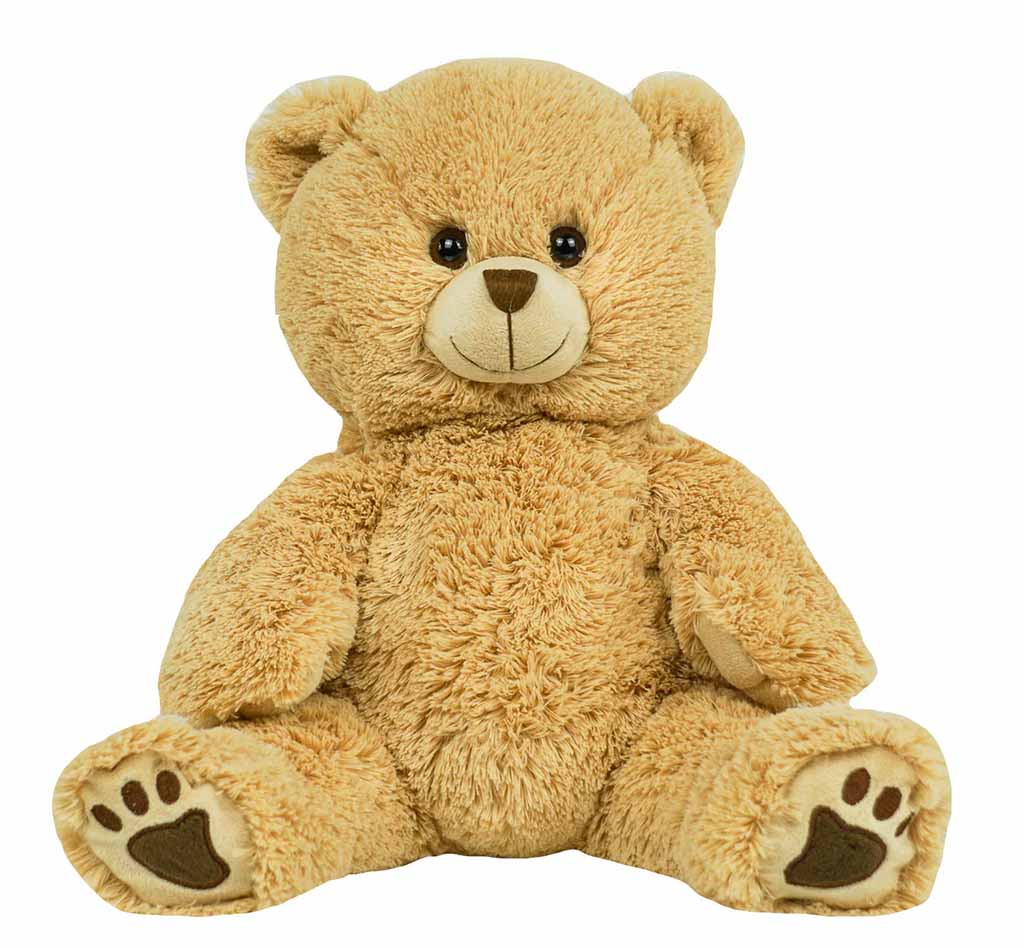
Most long-term failures in recordable plush come from a few predictable causes:
- battery drain from accidental activation during shipping
- poor battery compartment design (breakage or unsafe access)
- wires bending and breaking under repeated squeezing
- module shifting inside the body
- speaker blocked by stuffing over time
Battery type is not just a cost decision. It changes product reliability and customer experience.
- AAA batteries: longer life, easier replacement, larger compartment
- Button/coin batteries: compact, but higher ingestion-risk controls and stricter compliance expectations in the U.S. U.S. Consumer Product Safety Commission+1
- Rechargeable packs: premium positioning, but more design/testing complexity
Placement matters just as much as battery choice. I prefer placing modules in a stable area like the belly or back, with a stitched internal pocket. I also avoid placing the battery door where it will be constantly pressed during hugging, because that increases crack risk.
Here is a reliability-focused table for product planning:
| Design Choice | Reliability Impact | Common Failure If Ignored | What I Recommend |
|---|---|---|---|
| AAA vs coin battery | Life + safety pathway | Fast drain or battery safety risk | Use AAA when size allows; coin only with strict controls U.S. Consumer Product Safety Commission+1 |
| Battery door location | Drop and press stress | Door cracks or opens | Place away from hug pressure points |
| Screw-secured compartment | Access control | Unsafe access, compliance issues | Use captive screw design where possible |
| Module fixed in inner pocket | Consistency + durability | Module shifts, sound changes | Stitched cradle + position tolerance control |
| Wire routing with strain relief | Reduces breakage | “Stopped working” after weeks | Add slack + protective routing |
| Packaging activation prevention | Battery life + DOA reduction | Plays in transit, arrives dead | Insert blockers or switch protection in pack |
If you sell on marketplaces or large e-commerce channels, “dead on arrival” returns can damage your listing ranking quickly. Simple packaging protection and placement decisions can prevent that.
How can OEM manufacturers customize recordable stuffed animals for brands?
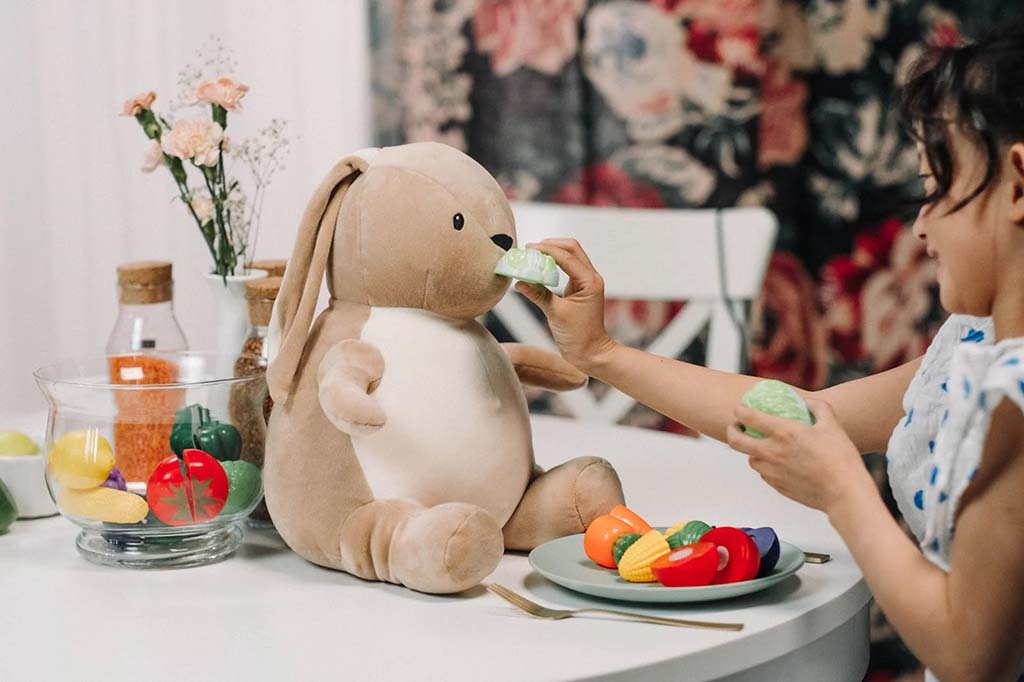
Recordable plush is one of the easiest ways to build brand memory because it carries a voice message. But the best OEM customization is not only “put a logo on it.” It’s creating a product system that scales: stable function, consistent feel, and clear packaging.
In OEM/ODM projects, the most valuable customization options typically include:
- recording time limit and playback behavior (one button vs two buttons, hold-to-record)
- volume tuning (especially for toddler and bedtime markets)
- trigger location (belly, paw, ear) and user-friendly patch design
- character design and proportions built for hugging and stable module placement
- packaging for gifting (insert cards, story cards, QR pages)
- market-specific warnings and battery labels
- QC standards (sound clarity checks, press-cycle tests, drop tests)
For brand safety, I always recommend original character development and original sound messaging. It protects you from IP disputes and gives you a product line you truly own.
Here is a practical OEM customization table brands can use when briefing a factory:
| OEM Custom Area | What You Can Customize | Why It Helps Your Brand | What I Need From You |
|---|---|---|---|
| User interaction | Hold-to-record vs press-to-toggle | Fewer customer errors | Target age + user scenario |
| Recording duration | Short/medium/long limits | Controls battery and satisfaction | Desired message length |
| Sound tuning | Speaker orientation + volume level | Better clarity and comfort | Fabric choice + plush size |
| Exterior branding | Patch graphics, woven label, hangtag | Strong retail identity | Brand files + placement rules |
| Packaging | Gift box, insert card, retail-ready | Higher perceived value | Channel requirements (Amazon/retail) |
| QC plan | Function test + cycle test targets | Lower returns | Clear pass/fail criteria |
At Kinwin, we support this category with stable module integration, controlled stuffing methods, durable stitching, and export-focused compliance planning for the USA, Europe, Japan, and more. If you want to build a recordable plush line that scales smoothly, you can contact me at [email protected] or visit kinwintoys.com.
Conclusion
The best recordable plush combines clear voice, stable triggers, safe batteries, and scalable OEM construction. At Kinwin, we help brands build compliant, reliable recordable stuffed animals that earn strong reviews and repeat orders. Contact me at [email protected] or visit kinwintoys.com to discuss your next project.