Skip to content
A realistic pet-replica plush on a table beside printed reference photos and fabric swatches.
Pet replica stuffed animals are one of the most emotional plush categories. Buyers are not only purchasing a toy. They are purchasing a memory, a story, and a feeling of closeness. That is why this product category has a higher success standard than normal plush: customers judge the final result against a real pet they know by heart.
In my OEM/ODM work at Kinwin, I treat pet replica plush as a precision project. The best results come from a strong reference photo set, a smart pattern plan, realistic material choices, and careful hand-finishing. If any step is rushed, the plush may still be “cute,” but it will not feel like the same animal.
Below, I explain what high-quality means in manufacturing terms, how photos and patterns decide likeness, which materials and color methods create realism, how embroidery and hand work improve expression, how workflows support one-to-one and small batches, and how brands should set expectations for price and lead time.
What defines a high-quality pet replica stuffed animal in manufacturing terms?
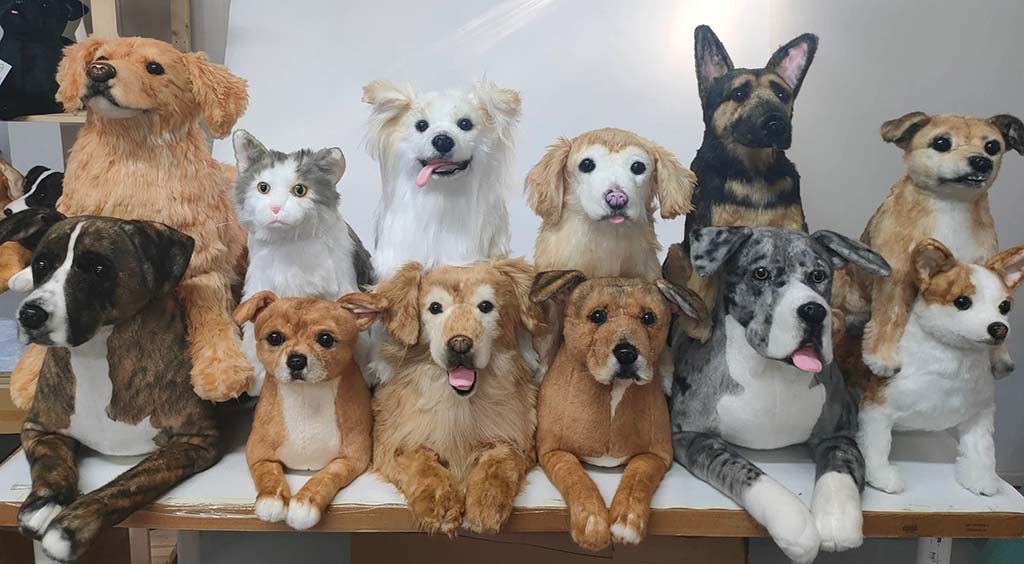
In manufacturing, “high-quality” is not one feature. It is a system of accuracy, durability, and finish. A strong pet replica plush should match key identity points of the pet, feel premium in hand, and stay stable after handling and shipping.
When we evaluate quality for pet replicas, we look at five core factors:
- likeness accuracy (head shape, markings, proportions)
- fur realism (length, direction, density, and touch feel)
- facial detail (eyes, nose, mouth lines, expression)
- construction durability (seams, shedding control, stuffing stability)
- finishing quality (trim, sculpting, and clean transitions)
Here is a manufacturing-style quality checklist:
| Quality Factor | What It Means in Production | How Buyers Notice It | Common Failure if Weak |
|---|---|---|---|
| Proportion accuracy | Correct head/body/leg ratio | “It looks like my pet” | Generic body shape |
| Marking placement | Colors match photo zones | Signature spots are correct | Markings drift or blur |
| Fur direction control | Nap flows naturally | Realistic coat look | Coat looks messy or wrong direction |
| Facial expression | Eyes and muzzle look alive | Emotional connection | Flat or “blank” face |
| Stitching durability | Seams hold under handling | Lasting keepsake | Seam splits or stuffing leaks |
| Finish cleanliness | Trim lines are neat | Premium feel | Rough trim edges |
A good replica does not need to be perfect in every hair. But it must capture the pet’s “identity points.” If those points are right, buyers forgive small differences. If those points are wrong, even expensive plush feels disappointing.
How do photo reference quality and pattern development affect likeness accuracy?
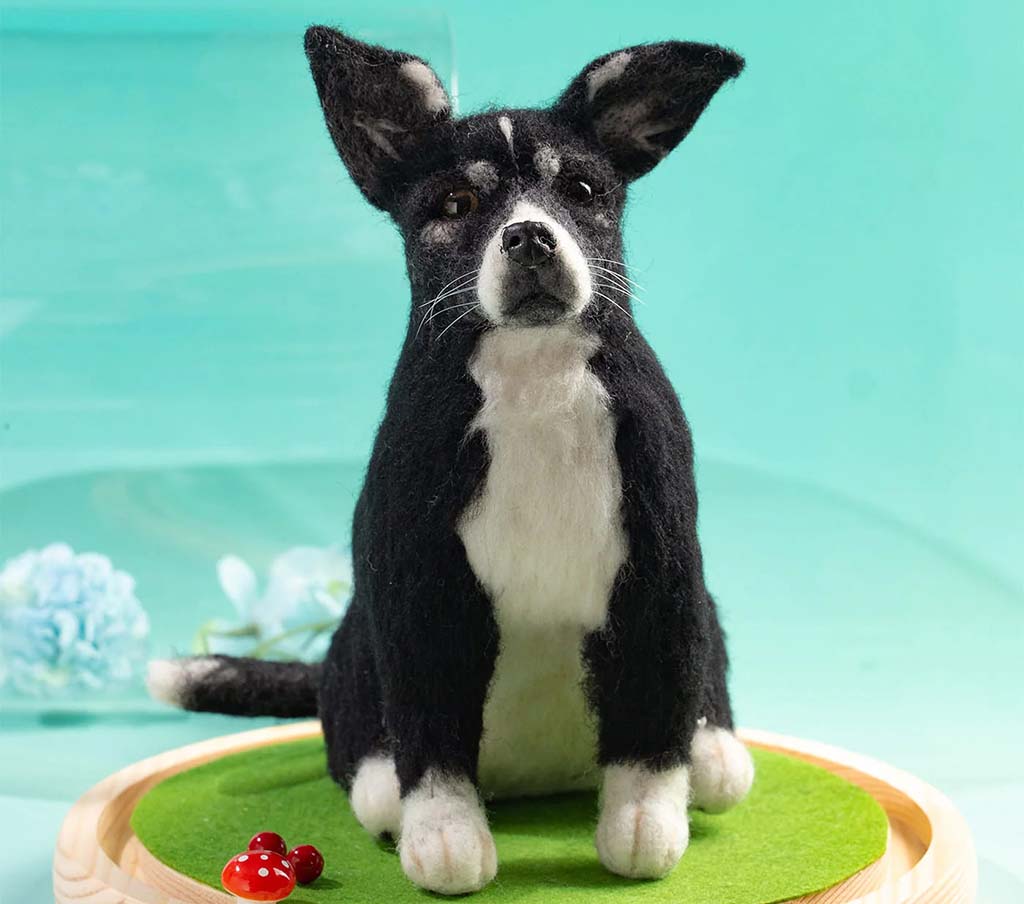
In pet replica work, the photos are the blueprint. If the photos are unclear, no factory can create a high-likeness result. I always tell brands: your success starts with reference quality, not production speed.
For strong likeness, I recommend at least:
- one front face photo, eye level, good lighting
- one side profile photo, full head and body
- one back photo to show coat pattern
- close-up of eyes and nose
- close-up of signature markings (spots, stripes, patches)
- a size reference (pet next to a common object)
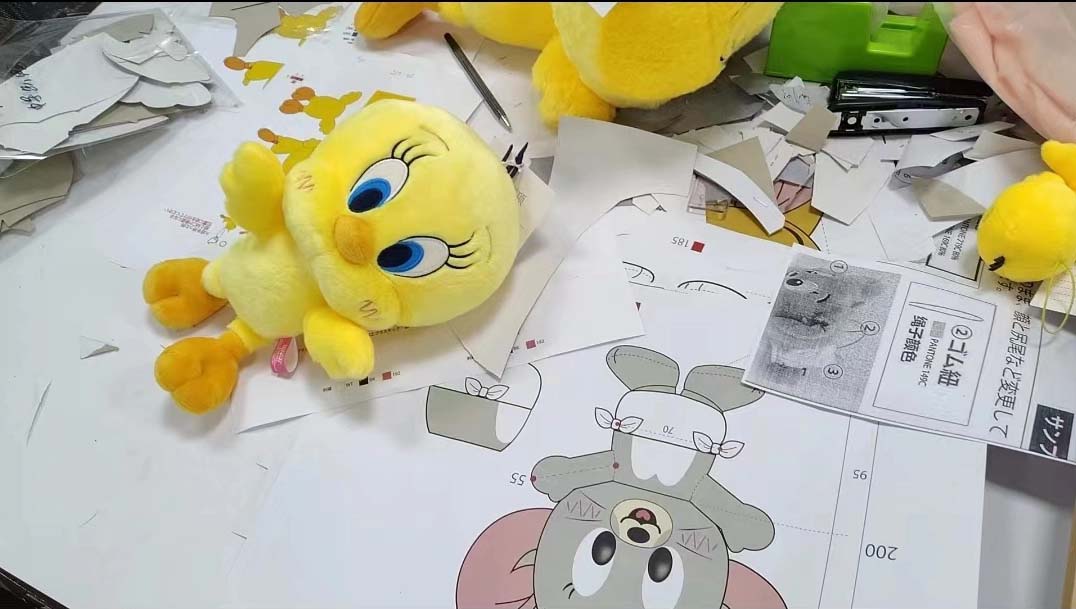
Pattern development is the second critical step. A generic plush dog pattern will never look like a unique pet. The pattern must be adjusted to the pet’s head shape, muzzle length, ear placement, and body proportions.
Here is how reference and pattern choices affect results:
| Input Element | What Good Looks Like | Why It Matters | What Happens if Weak |
|---|---|---|---|
| Lighting | Natural light, no heavy filters | True color matching | Color becomes inaccurate |
| Angle coverage | Front + side + back | Full shape understanding | Wrong proportions |
| Fur detail | Close-up coat texture | Fur length selection | Unrealistic coat look |
| Marking clarity | Sharp boundaries visible | Pattern mapping accuracy | Wrong spot placement |
| Expression capture | Eyes visible clearly | Emotional realism | Face looks “off” |
| Pattern customization | Pet-specific adjustments | Likeness foundation | Generic plush feeling |
When my team develops patterns, we focus on silhouette first. If the silhouette is right, the replica reads correctly even from a distance. Then we refine details like coat transitions and facial depth.
Which fabrics, fur lengths, and color-matching techniques deliver realistic results?
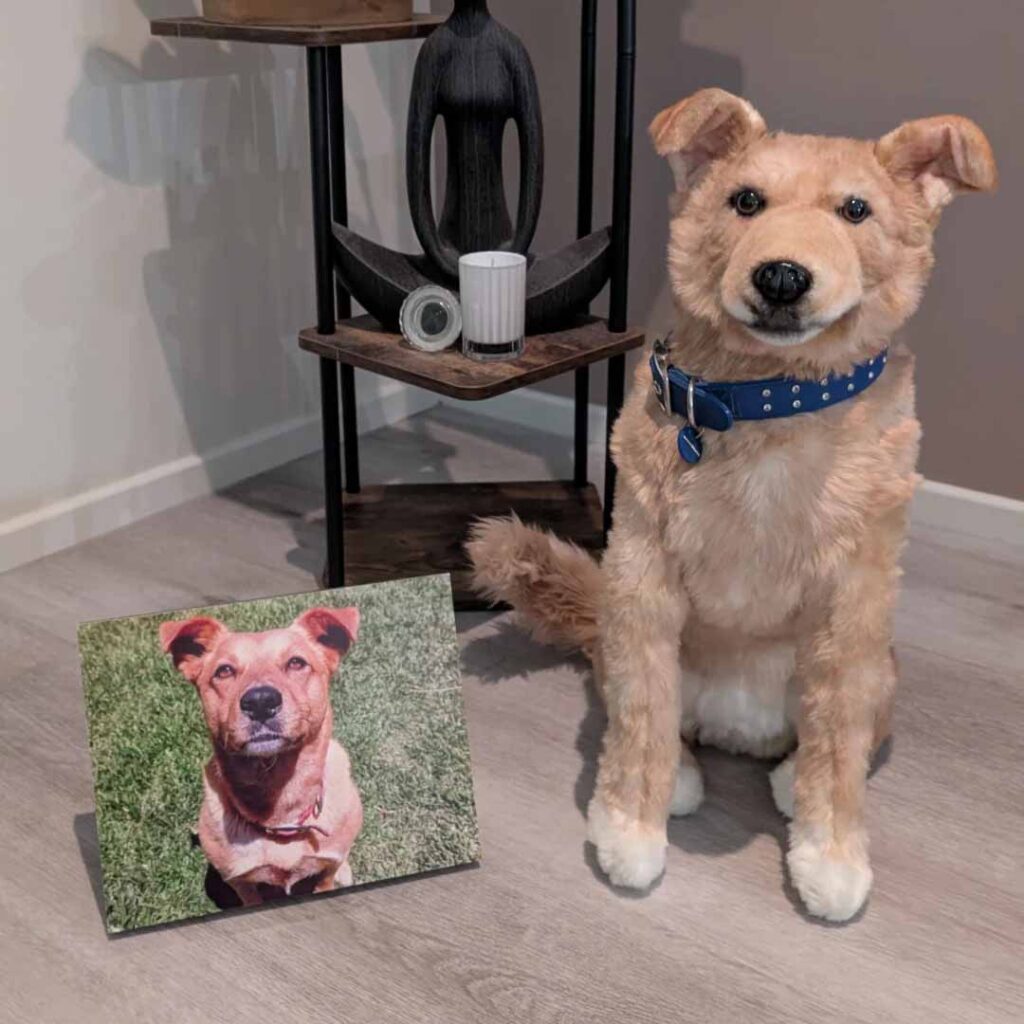
Material choice decides whether a replica looks like a real animal or like a cartoon. For pet replicas, we often use multiple fabric zones because real pets have different textures in different areas.
Common fabric choices include:
- short pile plush for muzzle and face definition
- medium pile for body coat
- long pile faux fur for fluffy breeds
- smooth minky or velour for inner ears and paws (when suitable)
Fur length must match the pet type. A short-haired cat should not use thick long fur. A fluffy dog needs volume but also controlled direction so it does not look messy.
Color matching is also a major success factor. I do not rely on “one fabric color.” Instead, we combine:
- dyed fabric matching using color standard references
- printed fabric panels for complex markings
- pieced fabric panels for sharp boundaries (like black-and-white coats)
- airbrushing or shading for subtle transitions (premium tier)
Here is a practical material-and-color table:
| Pet Coat Type | Best Fabric Direction | Fur Length Range | Best Color/Marking Method | Notes |
|---|---|---|---|---|
| Short-hair cat/dog | Dense short pile plush | 2–6 mm | Printed or pieced panels | Keeps face sharp |
| Medium coat | Medium pile faux fur | 6–12 mm | Pieced panels + light shading | Balance realism and control |
| Long fluffy breeds | Long pile faux fur | 15–40 mm | Pieced panels + trim sculpting | Needs strong shedding control |
| Spotted/striped coats | Mixed pile zones | Varies | Printed panels + embroidery cues | Marks must align at seams |
| Pure black/white coats | Stable pile fabric | 4–12 mm | Piece-dye accuracy + panel planning | Avoid “grey” shift |
For brands, realistic materials must still be manufacturable. Some ultra-long furs look great but shed heavily or tangle. If the product is meant as a keepsake, that may be acceptable at a premium price, but it must be communicated clearly.
How do hand-finishing and embroidery improve facial expression and detail?
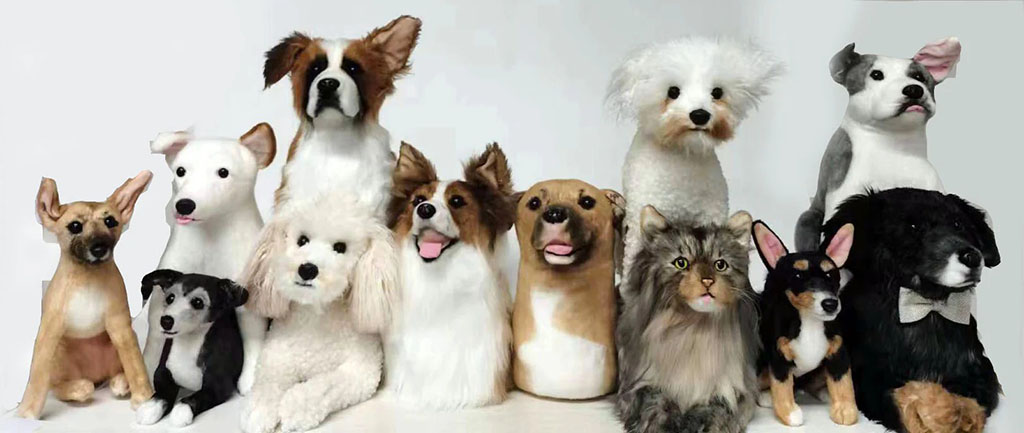
This is where replicas become emotional. Even if the coat is perfect, the face decides whether the plush feels like the pet.
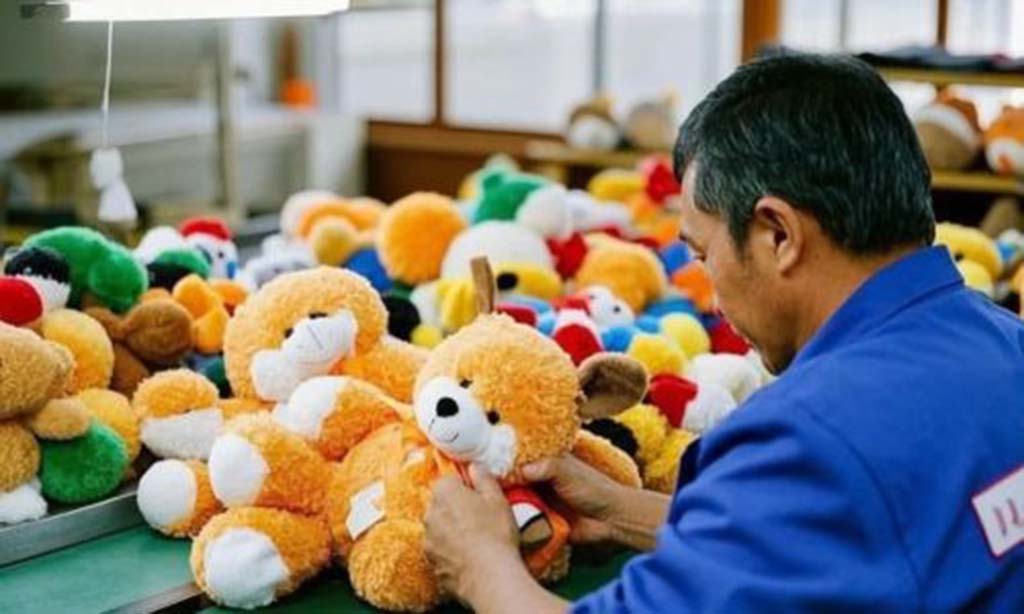
Hand-finishing techniques we often use include:
- trimming and sculpting fur around eyes and muzzle
- needle sculpting to create cheek and mouth depth
- hand-placed shading (for premium realism)
- carefully positioned nose shape and nostril detail
Embroidery is critical for controlled expression. Many brands prefer embroidery for:
- eyelids and eye lines
- mouth curves
- whisker dots
- eyebrow marks
- breed-specific facial markings
Embroidery also helps reduce risk of small detachable parts, especially for products marketed for children. For keepsake replicas, safe construction still matters because customers handle and hug these plush often.
Here is how hand work adds value:
| Detail Area | Hand/Embroidery Technique | What It Improves | Buyer Benefit |
|---|---|---|---|
| Eye expression | Embroidered eyelids + trim shaping | “Alive” look | Strong emotional match |
| Muzzle depth | Needle sculpting | Face realism | Less “flat” appearance |
| Marking precision | Embroidered boundaries | Clean pattern edges | Higher likeness accuracy |
| Nose realism | Sculpted nose + stitch lines | More natural look | Premium feel |
| Fur cleanliness | Hand trimming | Neat finish | Better unboxing impression |
For brands, hand-finishing is also a pricing tool. You can offer “standard likeness” and “premium likeness” tiers. Customers understand why one costs more when they see the detail difference.
What customization workflows support one-to-one and small-batch pet replicas?
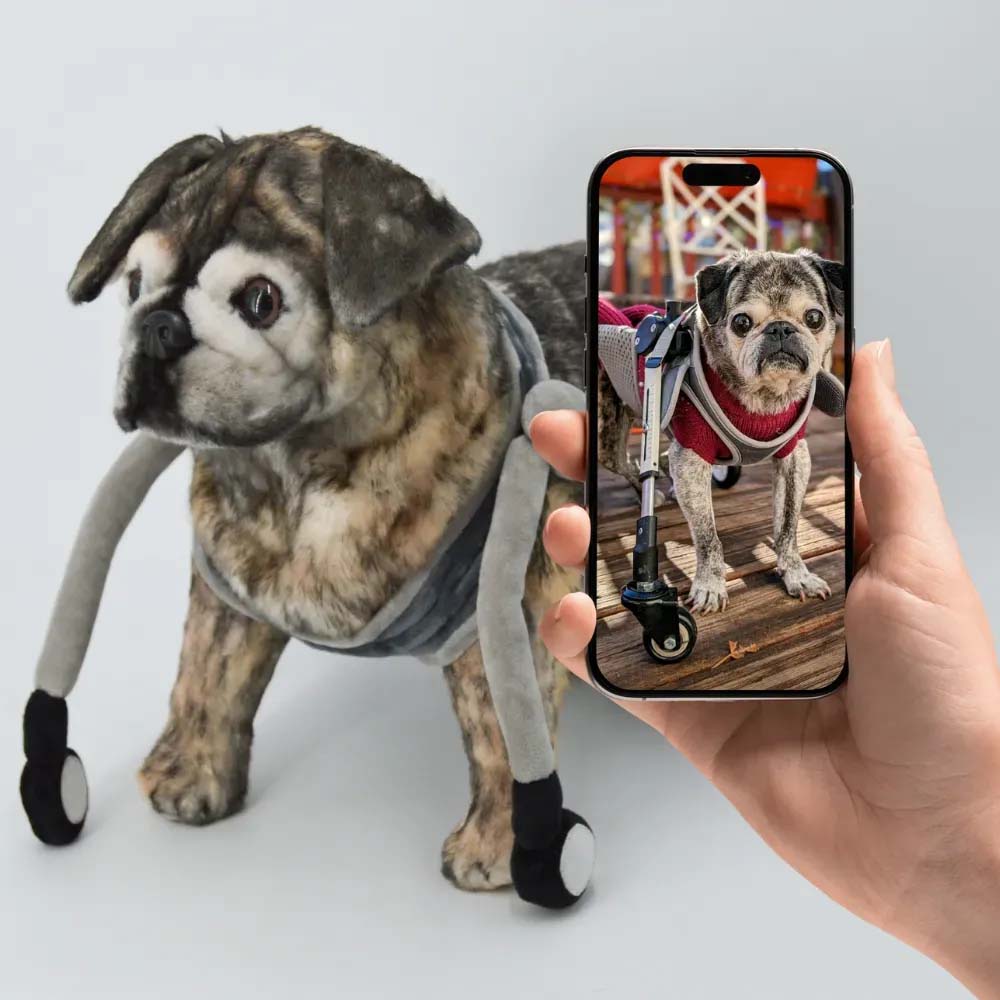
One-to-one replicas are usually treated like custom art products. But small-batch replicas are different: they require repeatable workflows and controlled variation.
In manufacturing, we support two common models:
- one-to-one custom (each order unique, higher hand work)
- small batch (same pet pattern repeated 10–200 units, usually for breeders, memorial services, or brand campaigns)
To handle both models, I build a workflow that is clear for customers and stable for production:
- reference photo intake rules
- design confirmation and expected result statement
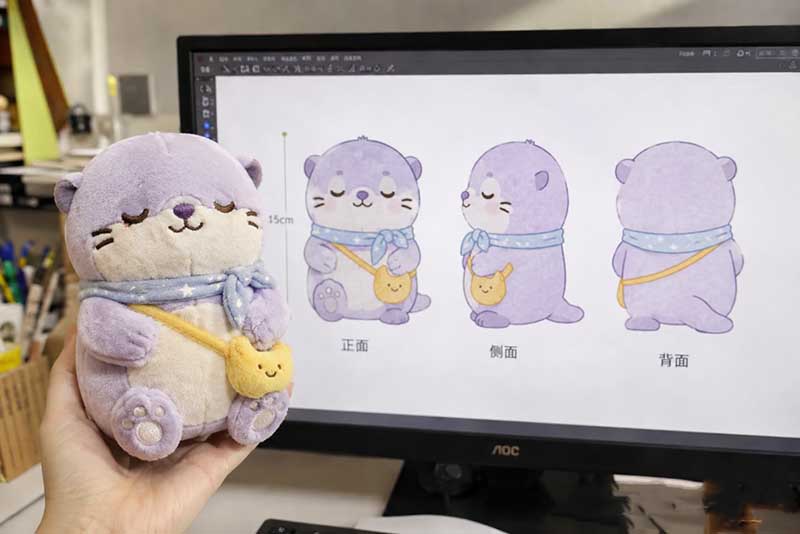
- sample stage (digital preview + physical prototype)
- approval and revision limits
- production scheduling and QC standards
- packaging and delivery plan
Here is a workflow table you can use for your business planning:
| Workflow Step | One-to-One Custom | Small Batch Custom | Why It Matters |
|---|---|---|---|
| Photo intake | Strict, per customer | Strict, per pet model | Controls likeness risk |
| Pattern stage | Custom pattern each time | One pattern reused | Drives scalability |
| Sample approval | Required | Required | Prevents disputes |
| Revision limits | 1–3 rounds typical | 1–2 rounds typical | Controls cost and time |
| Production | Hand-heavy | Semi-standard + hand finish | Stable output quality |
| QC checks | Visual match + durability | Match consistency across batch | Protects brand reputation |
If a brand wants to scale this category, the smartest approach is to offer a limited set of “coat templates” (short hair, medium hair, long hair) and then customize markings and facial details inside those templates. This reduces pattern time while keeping likeness strong.
How should brands manage expectations, pricing, and lead times for pet replica plush?
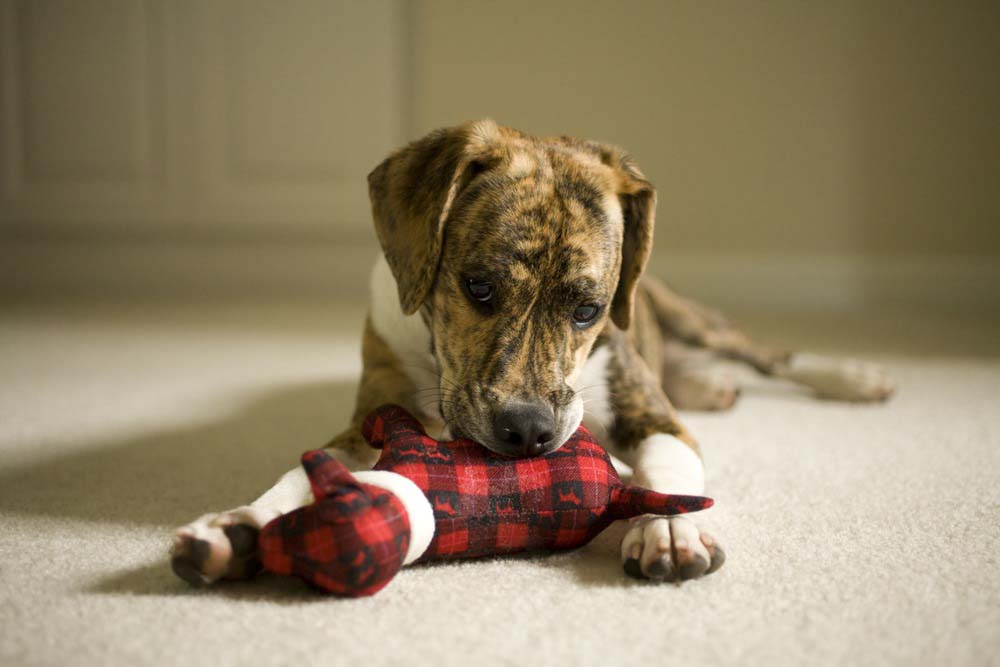
This is the section that protects your business.
Customers often expect a replica to be “perfect.” But plush is a soft material, and photos do not always match real-life fur direction and color under different lighting. Brands must manage expectations with clear positioning.
I suggest brands communicate three points early:
- the replica will capture key identity points, not every single hair
- color may vary slightly due to fabric and lighting differences
- production lead time is longer because of pattern and hand work
Pricing should also match complexity. A simple short-hair pet with clear colors is easier. A long-hair pet with multi-color gradients costs more.
Here is a practical pricing and lead time table:
| Complexity Level | Typical Pet Type | Key Cost Drivers | Typical Lead Time Impact | Best Customer Message |
|---|---|---|---|---|
| Basic | Short-hair, single color | Simple pattern + fabric match | Shorter | “Strong likeness, simple coat” |
| Medium | 2–3 colors, clear markings | Panel piecing + embroidery | Medium | “We match key markings and face” |
| High | Long hair, gradient tones | Fur trim sculpting + shading | Longer | “Premium finish for realistic coat” |
| Premium | Very unique features | Extra hand work + multiple revisions | Longest | “Art-level replica, limited volume” |
For B2B sellers, the best way to reduce disputes is to include a clear approval process. Show a preview, confirm key points, and limit revision rounds. This keeps both customer satisfaction and production cost under control.
At Kinwin, we help brands develop custom plush lines with controlled hand-finishing and scalable small-batch workflows. If you are building a pet replica product line—either one-to-one custom or small-batch services—I can help you design a process that protects your margins while delivering strong customer happiness. Contact me at [email protected] or visit kinwintoys.com.
Conclusion
A great pet replica plush captures identity, uses realistic materials, and relies on careful hand finishing for emotional accuracy. At Kinwin, we help brands build scalable pet replica workflows with controlled quality and clear customer expectations. Contact me at [email protected] or visit kinwintoys.com to plan your next custom plush program.