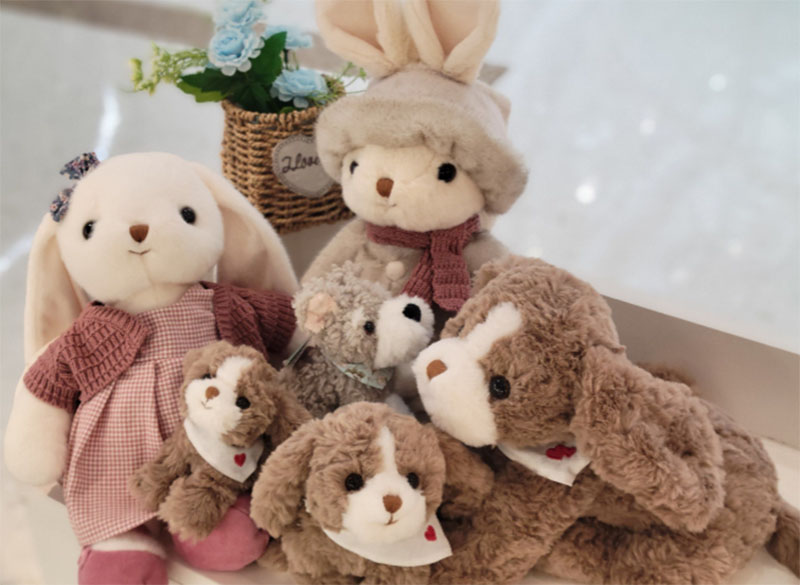
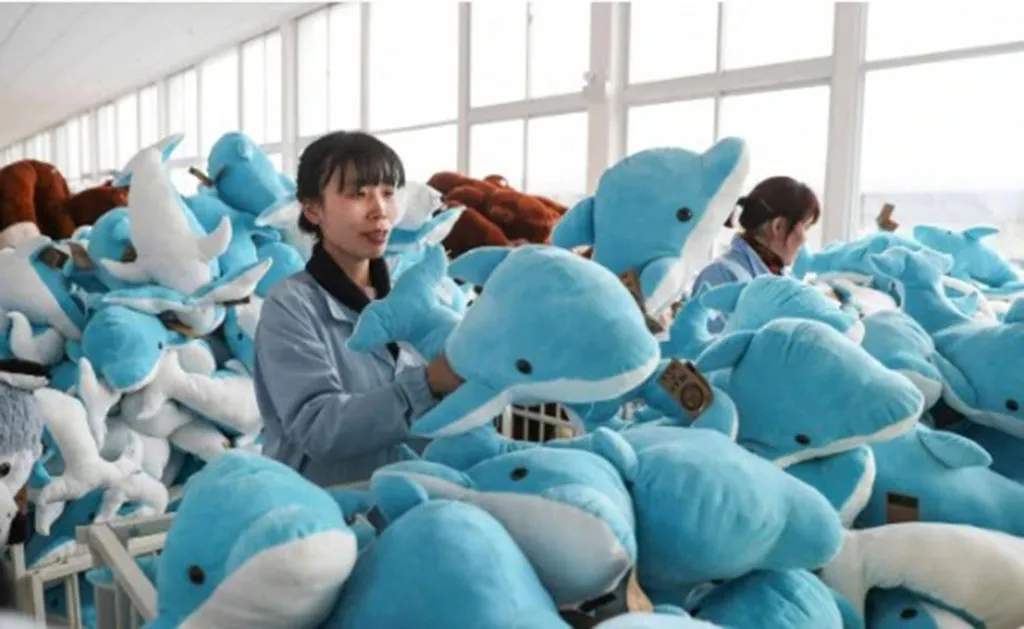
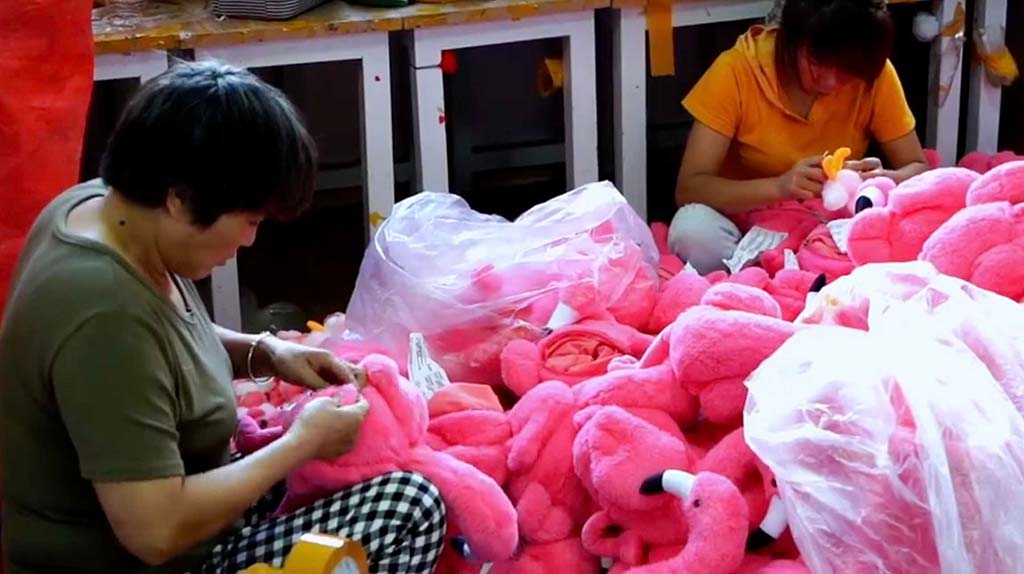
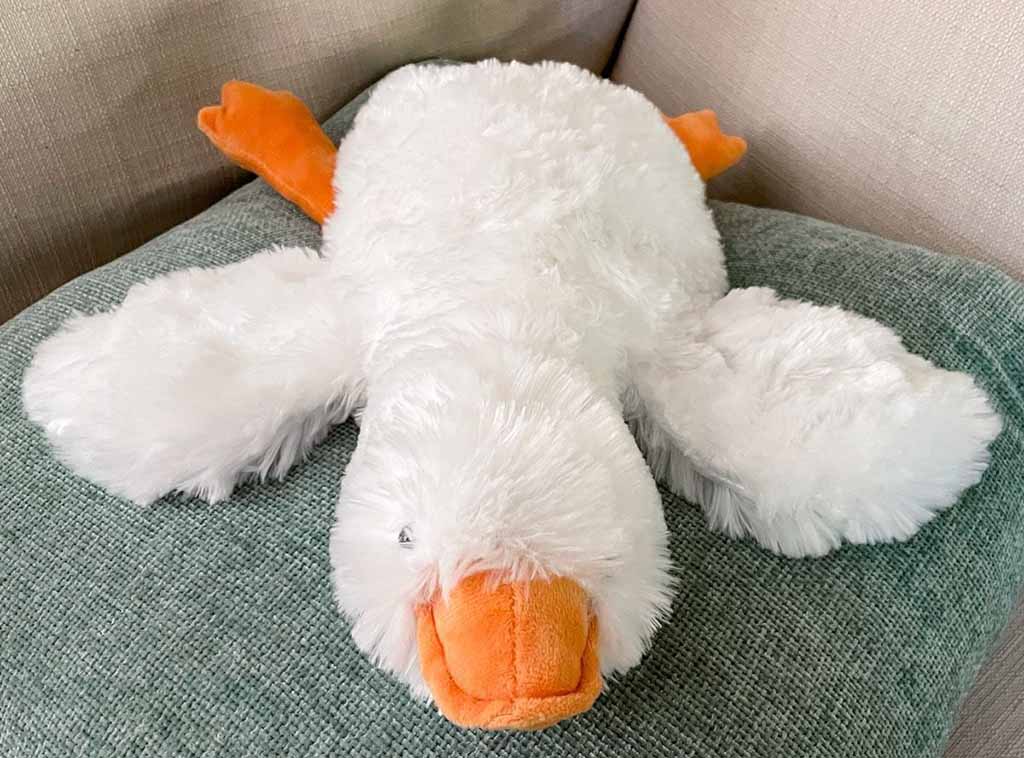
A large, soft plush animal on a bed, with rounded arms and a slightly weighted belly.
A “huggable” stuffed animal is not just bigger or softer. It feels right in your arms, keeps its shape after repeated squeezing, and stays safe for close contact over months or years. When buyers like Jessica in the USA source plush for retail or gifting, they often ask me the same question: what makes a plush truly huggable, not just cute?
In my OEM/ODM work at Kinwin, I define huggability as a mix of size, weight balance, fabric hand-feel, filling resilience, and construction durability. If one part is wrong, customers notice quickly—flat bodies, lumpy stuffing, scratchy fabric, or seams that weaken after wash and play.
Below, I’ll break down the exact design and sourcing factors that create the best huggable stuffed animals, with practical guidance you can use for product development and buying decisions.
What size, weight, and proportions define a truly huggable stuffed animal?
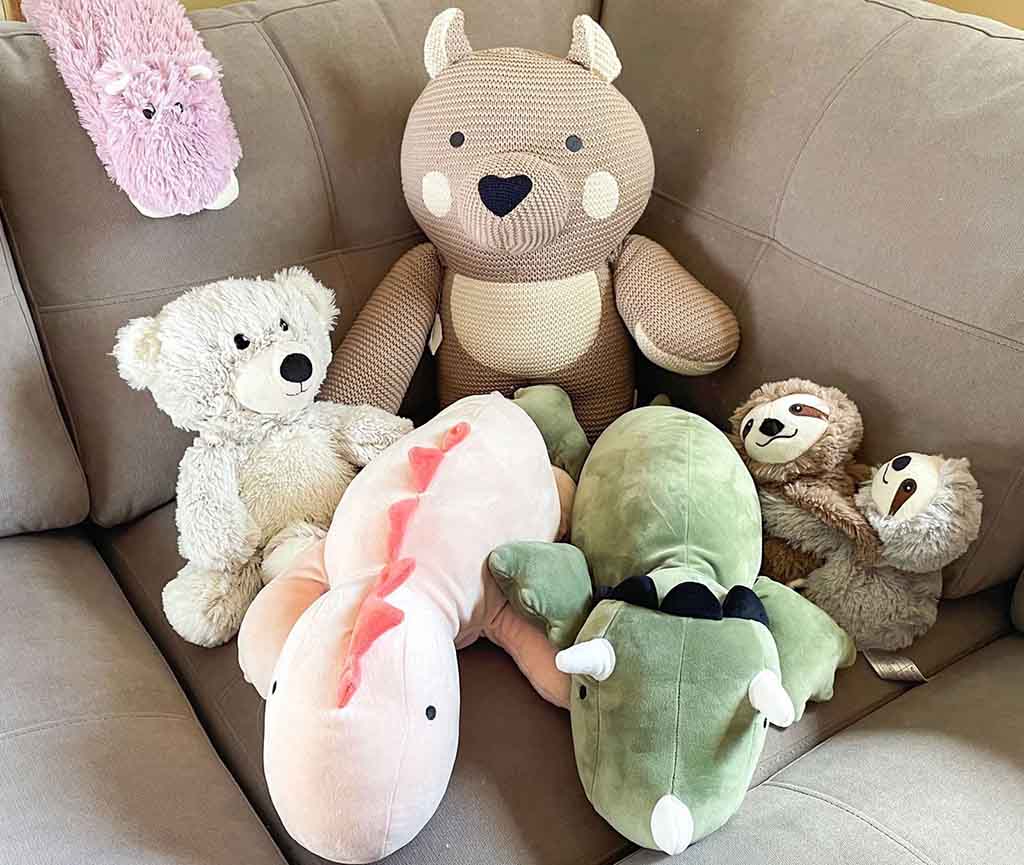
The most huggable plush toys usually match the human body’s natural hugging posture. That means the toy needs enough surface area to wrap arms around, but not so large that it feels awkward to hold.
From production feedback and retail trends, the “sweet spot” often sits in medium-to-large sizes, with a soft, rounded body and limbs that naturally rest around the user’s arms.
A plush can feel more comforting if it has a gentle, balanced weight. It does not need to be heavy like a weighted therapy product. Even a slightly denser belly can make the toy feel “grounded” and premium.
Here is a practical sizing table I use when advising buyers:
| Huggable Category | Typical Size Range | Typical Weight Feel | Best For | Why It Feels Huggable |
|---|---|---|---|---|
| Small cuddle companion | 20–30 cm | Very light | Travel, toddlers | Easy to carry and hold |
| Medium “daily hug” plush | 35–55 cm | Light–medium | Kids, gifting | Arms wrap comfortably |
| Large bed cuddle plush | 60–90 cm | Medium | Teens, adults, décor | Full-arm hug surface |
| Oversized statement plush | 100 cm+ | Medium–heavy | Photo gifts, premium drops | Strong emotional impact |
Proportions matter as much as size. The best hugging shape usually includes:
- a rounded chest or belly
- slightly long arms (not too thin)
- soft legs that do not poke
- a head that is not too hard or oversized
If you are building a plush line, my suggestion is to prototype two body shapes first: a “round belly” version and a “pillow body” version. Then do a simple user test: let people hug both for 10 seconds. The better one becomes obvious immediately.
Which fabrics and fillings provide the softest and most comforting feel?
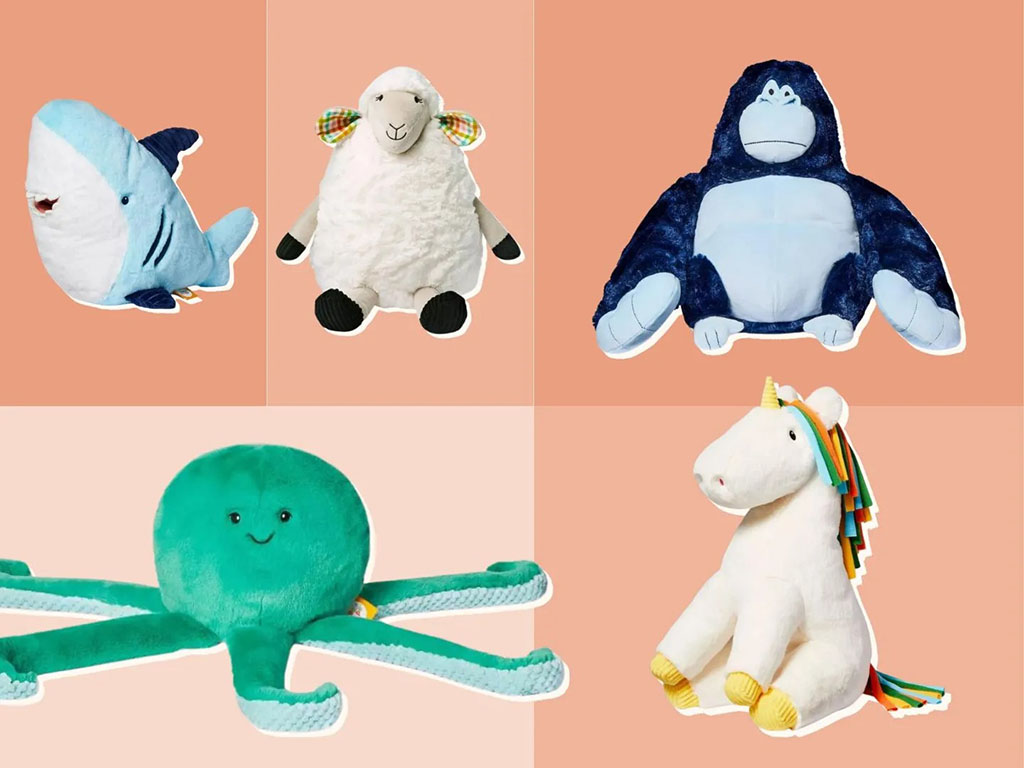
Customers judge softness in the first two seconds. If the fabric feels dry or scratchy, no filling can save it. If the fabric feels premium but the stuffing clumps, the plush loses comfort fast.
For the softest “hug feel,” I usually recommend:
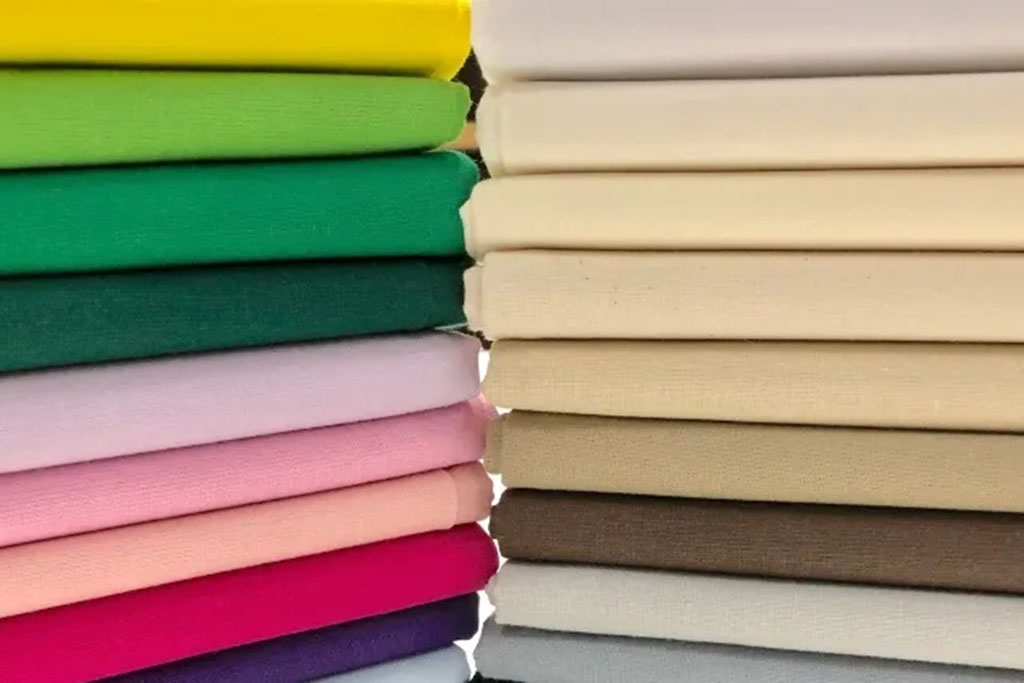
- short-to-medium pile plush with dense fibers
- minky-like fabrics for smooth touch
- brushed fleece for warm comfort
- high-grade polyester fiberfill for bounce and shape recovery
The key is not only “soft,” but also “stable.” Some very long pile fabrics shed more, tangle after washing, or look messy after repeated hugging.
Filling choice also changes the hugging experience. Premium fiberfill provides an airy, cushion-like feel. PP cotton can add more structure. Memory foam fragments create a denser feel, but can become uneven if not controlled.
Here is a fabric + filling comfort table:
| Material Choice | Touch Feel | Hug Comfort Level | Durability in Use | Best Use Case |
|---|---|---|---|---|
| Minky-style fabric | Very smooth | Very high | High | Premium cuddle plush |
| Short-pile plush | Soft, classic | High | High | Mass retail huggables |
| Brushed fleece | Warm and cozy | High | Medium–high | Winter/gift plush |
| Long-pile shaggy plush | Fluffy look | Medium–high | Medium | Display + gentle use |
| Polyester fiberfill (premium) | Airy, bouncy | High | High | All-purpose huggables |
| PP cotton | Slightly firmer | Medium–high | High | Plush needing structure |
| Foam fragments | Dense support | Medium | Medium | Pillow-style plush |
If your target buyer is an online shopper, I recommend prioritizing fabrics that photograph well and also feel good in real touch. Many returns happen because the plush “looked softer” than it actually feels.
How do stitching quality and construction affect long-term hug durability?
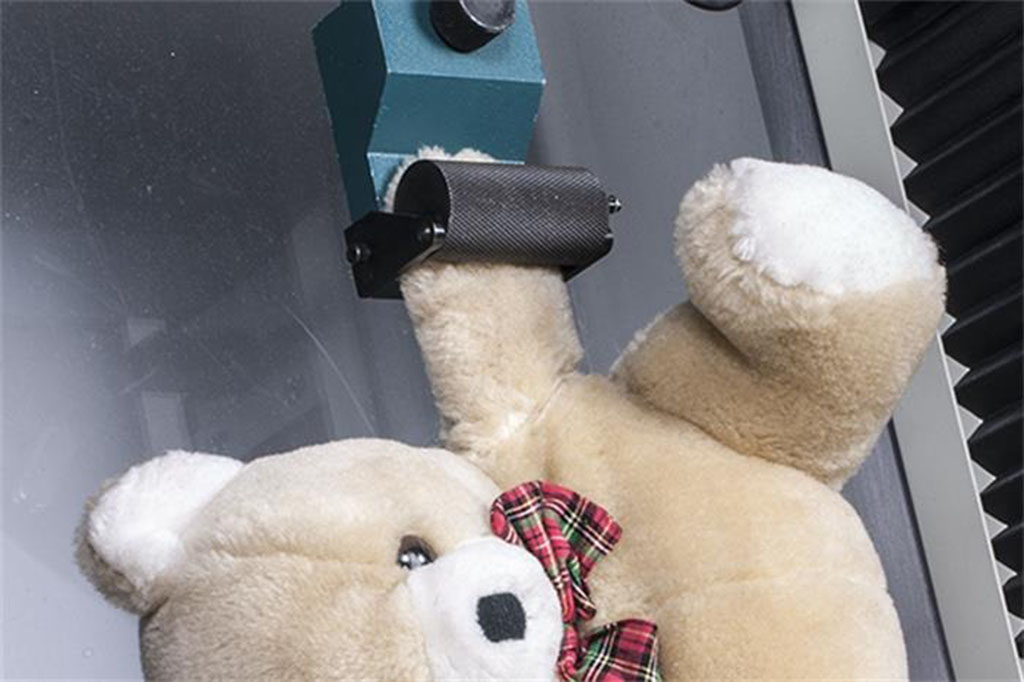
A huggable plush is squeezed more than most toys. That means seams, stitch density, and internal reinforcement decide how long it stays beautiful.
I often see two types of durability failures:
- seam splitting near arms, legs, and neck
- stuffing leakage through weak seam allowances
To prevent this, I focus on construction details that do not change the “look,” but protect the product life:
- reinforced stitches at stress points
- stable seam allowance width
- clean trimming to avoid fraying
- controlled stuffing distribution (no hard lumps pushing seams)
- inner pocket structures for heavy areas (if needed)
Here is a durability construction table:
| Construction Element | What It Controls | Failure Risk If Weak | Best Practice for Huggable Plush |
|---|---|---|---|
| Stitch density | Seam strength | Seam splits after hugs | Increase stitch density at stress areas |
| Seam allowance | Fabric grip in seam | Fabric pulls out of seam | Keep consistent allowance, no “thin edges” |
| Reinforcement points | Arms/legs/neck | Early tearing | Add bar-tacks or extra passes |
| Stuffing control | Pressure on seams | Hard spots push seams open | Fill in layers, even distribution |
| Thread quality | Long-term seam integrity | Thread breaks | Use strong polyester thread |
| Pattern balance | Symmetry under pressure | Shape distortion | Balanced panels and grain direction |
For buyers, these controls reduce after-sales problems. A plush that stays intact after months of hugging earns better reviews and stronger brand loyalty.
What safety standards and material certifications matter for close-contact plush toys?
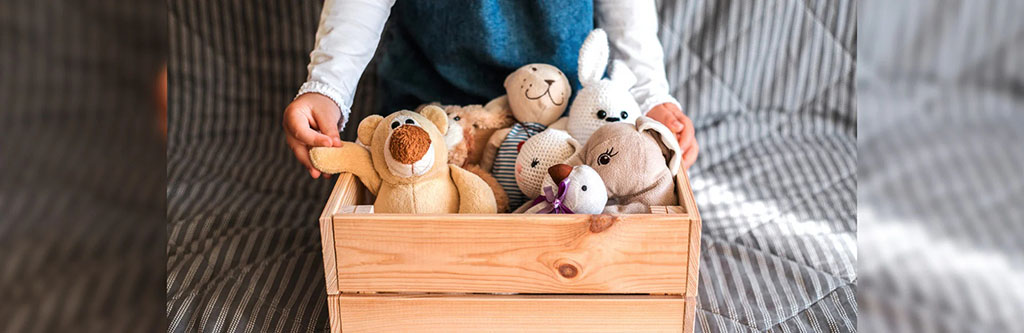
Close-contact plush toys spend a lot of time near faces, skin, and mouths—especially for younger users. So safety planning should be strict even for “cute” huggables.
In the USA, plush toys commonly fall under toy safety expectations connected to ASTM F963, and CPSC provides guidance on how firms identify applicable requirements and testing obligations. In Europe, EN71 is commonly used for toy safety testing. (Exact test plans depend on age grading and product features.)
From a manufacturer view, the standards are important, but buyers also need the right material documents: fabric safety, stuffing safety, and restricted substance controls.
Here is a practical safety table for close-contact plush:
| Safety Focus | Why It Matters for Hugs | Typical Buyer Requirement | What I Recommend |
|---|---|---|---|
| Seam strength | Prevents stuffing exposure | Pull and seam tests | Reinforced stress points |
| Small parts control | Avoid choking hazards | No detachable parts for young ages | Embroidery over plastic parts |
| Material chemical safety | Skin contact comfort | Restricted substance compliance | Certified supply chain materials |
| Flammability requirements | Market access | Depends on region and category | Confirm target market rules early |
| Wash labeling | Hygiene and care | Clear care instructions | Test wash performance before launch |
| Traceability | Quality consistency | Batch records | Keep material lot records |
If your plush is for toddlers, “simple is safer.” Avoid hard eyes, avoid beads, avoid ribbons, and keep design clean.
How do age groups and use scenarios influence huggable plush design choices?
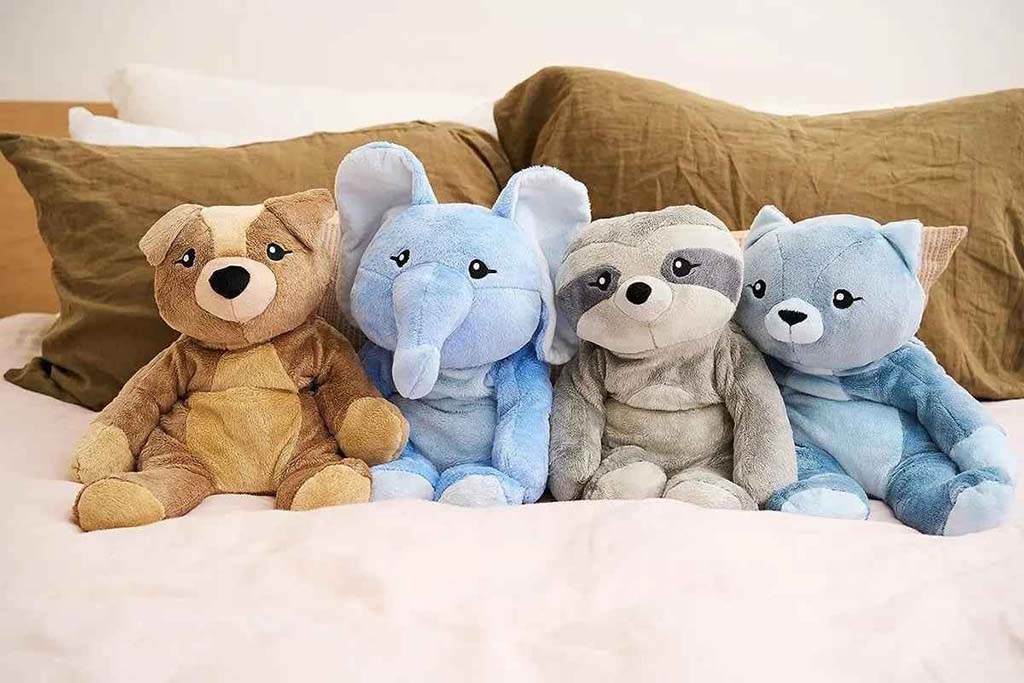
A plush that is perfect for a toddler is not the same as a plush for a teen gift or adult comfort.
Age affects:
- size preference
- safety needs
- fabric tolerance
- construction requirements
- usage intensity
Use scenario matters too. A bedtime plush needs comfort and calm design. A travel plush must be compact and washable. A gift plush must look premium and photograph well.
Here is an age-and-scenario design table:
| Audience / Scenario | Key Design Priority | Best Size Range | Best Material Direction | Main Risk to Avoid |
|---|---|---|---|---|
| Babies (supervised use) | Safety + softness | 20–35 cm | Embroidery, low-shed fabric | Small parts and loose seams |
| Toddlers | Durability + wash | 30–50 cm | Short-pile plush + stable fill | Long fur shedding |
| Kids gift plush | Cute + comfort | 40–70 cm | Minky or premium plush | Flat filling after shipping |
| Teen / adult comfort | Big hug feel | 60–100 cm | Smooth premium fabrics | Weak seams under pressure |
| Travel companion | Portable + clean | 20–40 cm | Easy-clean fabric | Bulky design |
| Promotional plush | Cost + brand visibility | 20–45 cm | Standard plush | Poor stitching causing returns |
If you want one design to serve multiple groups, I suggest a medium size with a round body and embroidered face. This shape usually performs well in retail and avoids many safety risks.
How can manufacturers balance softness, cost, and scalability for huggable plush lines?
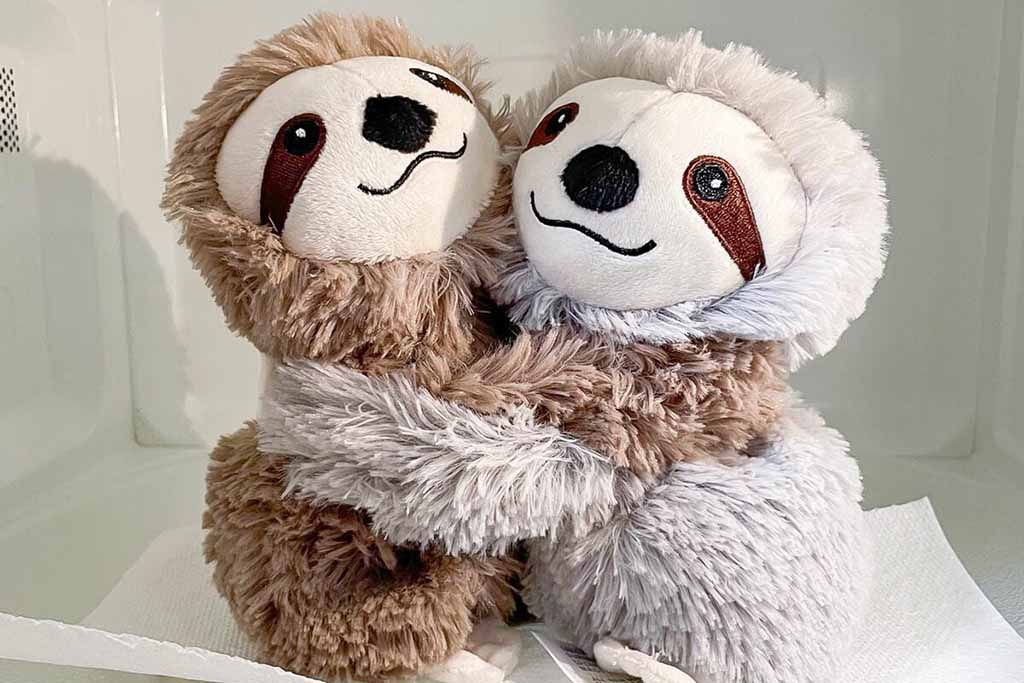
This is the key business question for B2B buyers. Premium softness can raise cost, but poor softness reduces conversion. Scalability demands stable supply and consistent production control.
In my factory work, I balance softness, cost, and scalability in three steps:
First, I lock the “feel target.” That means choosing fabric and filling that match the brand’s positioning. Then I test alternatives until the cost is workable without changing the feel too much.
Second, I engineer the pattern for mass production. Some designs feel great in samples but are hard to sew consistently. I adjust panel structure and seam flow so the plush stays consistent across 1,000 or 100,000 units.
Third, I control quality at the points that matter most for hugging:
- fabric hand-feel consistency across lots
- stuffing weight and distribution
- seam strength at arms and neck
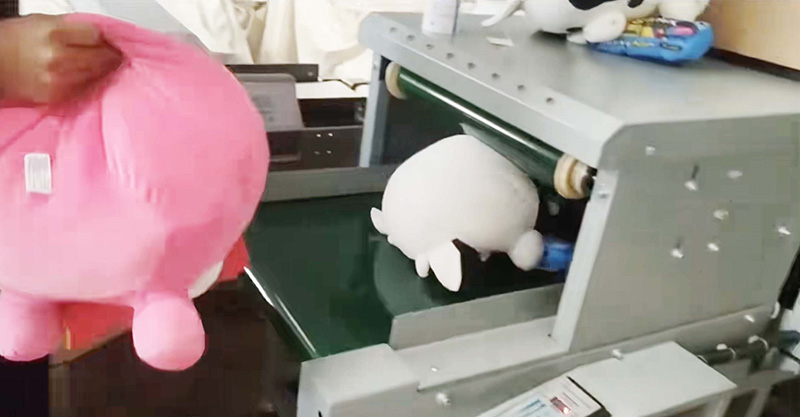
- post-compression recovery (shipping simulation)
Here is a sourcing and scalability table that buyers can use with factories:
| Cost Driver | What Increases Cost | How to Control It | What Buyers Gain |
|---|---|---|---|
| Fabric grade | Ultra-soft premium fabric | Use premium only on main touch areas | Keeps feel premium with better margin |
| Filling volume | More fill, more weight | Optimize pattern volume | Stable shape with controlled cost |
| Stitching time | Complex patterns | Simplify panels without losing silhouette | Faster production, stable quality |
| QC intensity | More inspection time | Focus on high-risk points | Lower return rate |
| Packaging | Gift-ready boxes | Offer tiered packaging options | More pricing flexibility |
| Shipping compression | Vacuum packing | Test rebound performance early | Fewer “flat plush” complaints |
At Kinwin, we help brands build huggable plush lines that feel premium and still scale smoothly. We do this through controlled fabric sourcing, repeatable stuffing methods, reinforced construction, and export-ready compliance planning for the USA, Europe, Japan, and more.
If you are planning your next huggable plush collection, you can contact me at [email protected] or visit kinwintoys.com. I’ll help you choose a design and material strategy that protects both customer comfort and your business margins.
Conclusion
The best huggable plush is soft, safe, and durable, with stable shape after thousands of hugs. At Kinwin, we help global buyers develop scalable huggable plush lines with premium feel and strong construction. Contact me at [email protected] or visit kinwintoys.com to plan your next plush project.