A baby sleeping on their back in a clear crib with only a fitted sheet.
As a plush toy manufacturer, I understand why parents want a stuffed animal in the crib. Plush toys look comforting, they photograph well, and they can become a child’s favorite “lovey.” But crib sleep is different from playtime. For infant sleep, the safest choice is usually the simplest choice: a firm, flat sleep surface and an empty crib.
Official safe-sleep guidance consistently tells caregivers to keep soft objects—including stuffed toys—out of a baby’s sleep space. The American Academy of Pediatrics (AAP) and the U.S. Consumer Product Safety Commission (CPSC) both warn that soft items in the crib can increase suffocation or entrapment risk. 美國小兒科學會+2HealthyChildren.org+2 UK guidance also echoes the same message: keep the cot clear and avoid soft toys. nhs.uk+1
In this article, I explain what official guidance allows, why the “no plush in the crib” rule exists for infants, how age grading affects safe use, what plush design choices reduce hazards, how certifications fit into the picture, and what responsibilities brands should take when communicating crib safety.
When do official pediatric sleep safety guidelines allow stuffed animals in cribs?
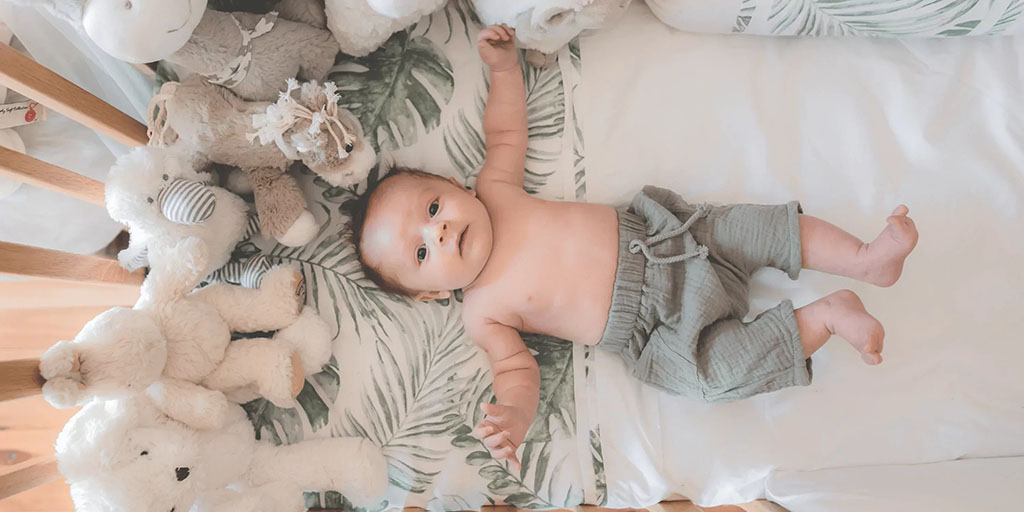
Most official pediatric sleep safety guidance is built around one consistent rule for infants: keep the sleep space clear of soft objects. The AAP’s safe sleep resources tell caregivers to keep loose blankets, pillows, stuffed toys, bumpers, and other soft items out of the baby’s sleep space. 美國小兒科學會+1 CPSC’s safe sleep guidance also warns that many young babies cannot lift their heads to pull away from soft objects that pose suffocation risk. U.S. Consumer Product Safety Commission
This is why many parents hear “wait until at least around 12 months” as a practical milestone. It is not a magical switch, but it matches a period when many children have stronger mobility and a lower overall sleep-related risk profile. Even then, caregivers should keep the comfort item small and simple, and follow their pediatrician’s advice.
From a product and market standpoint, I encourage brands to communicate this in a clear way:
- Infant crib sleep: keep the crib empty (no stuffed animals)
- Comfort plush can be used for supervised soothing and play outside the crib
- Later, when age-appropriate, a small comfort item may be used if it is safe and does not add hazards
Here is a simple guideline table that brands can use in FAQs, inserts, and customer service scripts:
| Age / Stage (Practical) | What Official Guidance Emphasizes | Stuffed Animal in Crib? | Why This Guidance Exists | Safer Alternative for Comfort |
|---|---|---|---|---|
| Newborn to infant stage | Clear sleep space, firm surface, no soft objects 美國小兒科學會+1 | No | Reduces suffocation/entrapment risk | Use a sleep sack; keep plush nearby but outside crib |
| Rolling/crawling infant stage | Keep crib empty; avoid soft items near face HealthyChildren.org+1 | No | Movement + loose items can shift into unsafe position | Supervised cuddles before sleep, remove before placing baby down |
| Toddler-age sleep (varies) | Comfort items may be acceptable if safe | Sometimes, if small and safe | Comfort can support routines | Choose a small plush with no detachable parts |
If your brand sells “baby gift plush,” clear wording is a strong trust-builder. It also reduces customer confusion and prevents unsafe use driven by marketing photos.
Why are stuffed animals considered a risk for infants under 12 months?
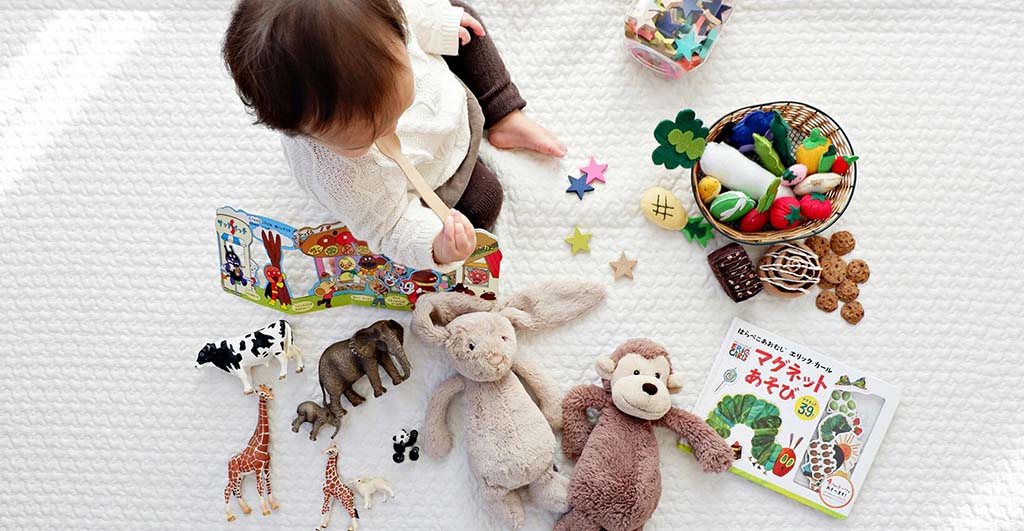
The risk is not about the toy being “bad.” The risk is about how infants breathe, move, and respond during sleep. Many young babies cannot reliably move their head away if a soft object covers their nose or mouth. CPSC explains this directly: young babies may not be able to lift their heads to pull away from soft objects that can pose a suffocation risk. U.S. Consumer Product Safety Commission
The AAP also warns that soft objects and loose bedding in the sleep area increase risk of entrapment, suffocation, or strangulation. This includes toys and pillow-like toys. HealthyChildren.org+1 CPSC’s crib safety tips specifically say not to put pillow-like stuffed toys in the crib. U.S. Consumer Product Safety Commission UK NHS guidance similarly advises making sure there are no toys or anything else that could cover the baby’s mouth or nose. nhs.uk
Here is what I see in real-world use: parents often place a plush near the baby’s head because it looks cozy. During the night, the baby moves, the plush shifts, and a soft surface ends up too close to the face. The adult may not notice until morning. That is why official guidance focuses on prevention.
For brands, the “under 12 months” message is important because this is when new parents buy the most baby gifts. If a product page suggests “sleep companion” without clear warnings, it increases misuse risk.
This table explains the main risk pathways in very simple language:
| Risk Pathway | What Can Go Wrong | Why Infants Are More Vulnerable | What Caregivers Should Do |
|---|---|---|---|
| Airway blockage | Soft toy presses over nose/mouth | Limited head/neck control; cannot push away U.S. Consumer Product Safety Commission | Keep crib empty; remove soft objects before sleep |
| Entrapment | Baby wedges between toy and crib side | Rolling can trap baby against soft item HealthyChildren.org | Firm flat mattress; fitted sheet only |
| Overheating | Extra soft items trap heat | Babies overheat more easily | Dress baby appropriately; avoid loose items |
| Strangulation/entanglement | Ribbons/loops catch | Infants cannot free themselves | Avoid cords, long ribbons, loops in baby products |
| False safety cues | “It looks safe in photos” | Marketing images influence behavior | Brands should show safe sleep setups only 美國小兒科學會+1 |
If your goal is “safe and trusted baby products,” the best move is to separate play comfort from sleep environment—clearly, calmly, and repeatedly.
How does age grading influence safe crib use of plush toys?
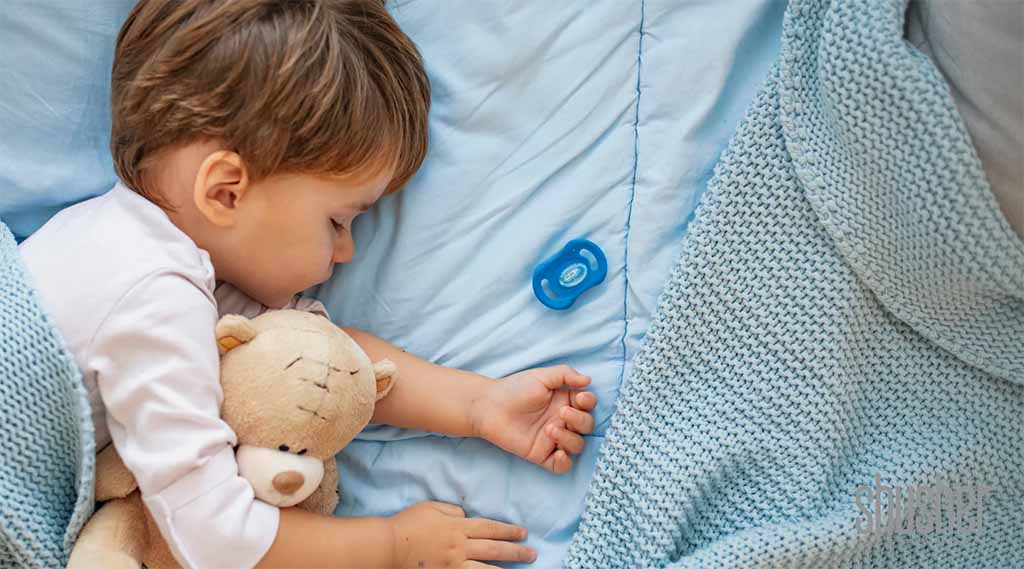
Age grading helps determine what a product is appropriate for in terms of toy hazards, like small parts and expected child behavior. ASTM F963 (the U.S. toy safety standard) is designed to reflect hazards and a child’s ability to cope with them at different ages. law.resource.org+1 CPSC business guidance helps companies understand which parts of ASTM F963 apply to their product type. U.S. Consumer Product Safety Commission+1
But here is the key point I always tell B2B buyers: age grading for play is not the same as “safe for crib sleep.” A plush can be appropriate for a certain age as a toy, yet still not recommended inside an infant sleep space because sleep guidance is stricter about loose, soft objects. 美國小兒科學會+2HealthyChildren.org+2
That means brands should do two things at the same time:
- Use age grading to control toy hazards (like detachable eyes or accessories).
- Use sleep-safety messaging to prevent crib misuse for infants.
This is also where product positioning matters. If you describe a plush as a “crib buddy” or show it inside a crib in lifestyle photos, parents naturally assume it is meant to stay there overnight. That is the risk.
Here is a practical table for brand teams who write packaging, listings, and photo guidelines:
| Brand Decision Area | What Age Grading Helps With | Where People Get Confused | Best Safe Message for Brands |
|---|---|---|---|
| Age label on hangtag | Development fit + toy hazards law.resource.org | “Baby-safe toy = safe in crib” | “For supervised use; keep crib clear for sleep.” |
| “Baby gift” product naming | Gift context | Parents assume sleep use | “Comfort friend for playtime; remove before sleep.” |
| Listing photos | Buyer expectations | Photos teach unsafe setups | Show plush beside crib, not inside |
| Instructions & care card | Use guidance | Warnings too long or hidden | Short, bold crib-safety line HealthyChildren.org+1 |
| Customer service scripts | Clear answers | Inconsistent replies | Use one consistent safe-sleep response |
If your customers are U.S. retailers or e-commerce brands like Jessica, these choices protect them too. A clear age and use message reduces negative reviews, reduces returns, and lowers reputation risk.
What plush toy materials and construction reduce crib-related safety hazards?
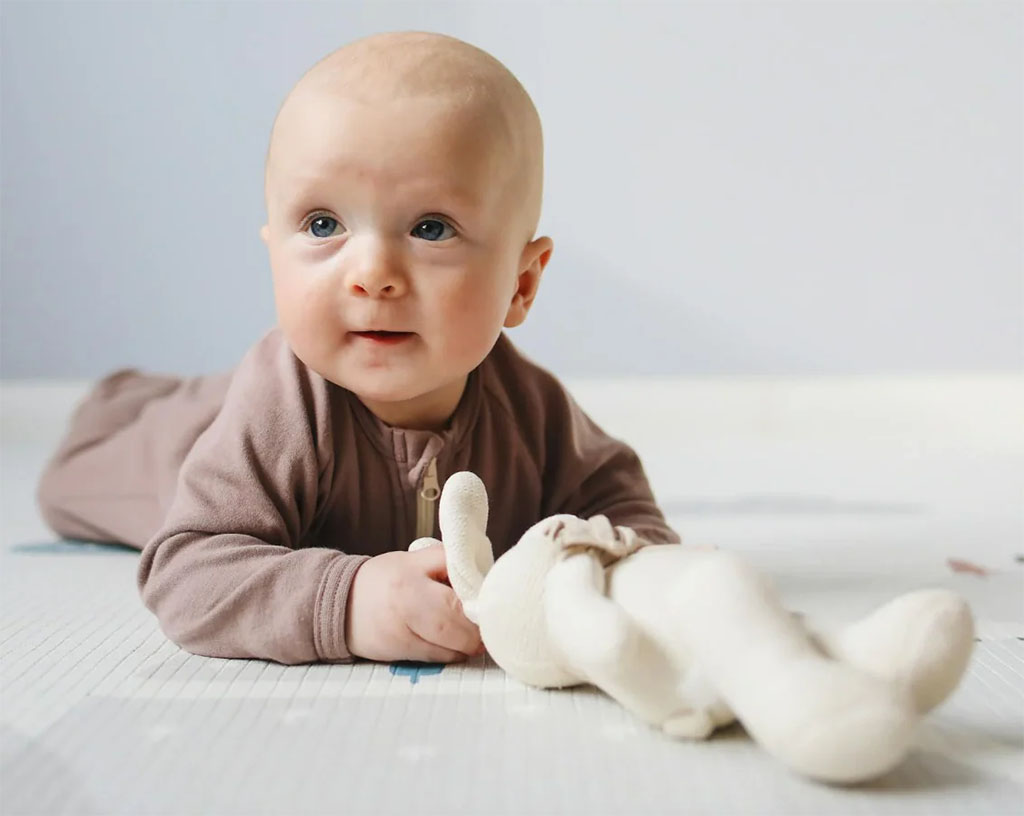
Let me say this clearly: for infants, the safest sleep environment is still an empty crib based on official guidance. 美國小兒科學會+2U.S. Consumer Product Safety Commission+2 No material can “upgrade” a stuffed animal into a safe sleep item for young infants.
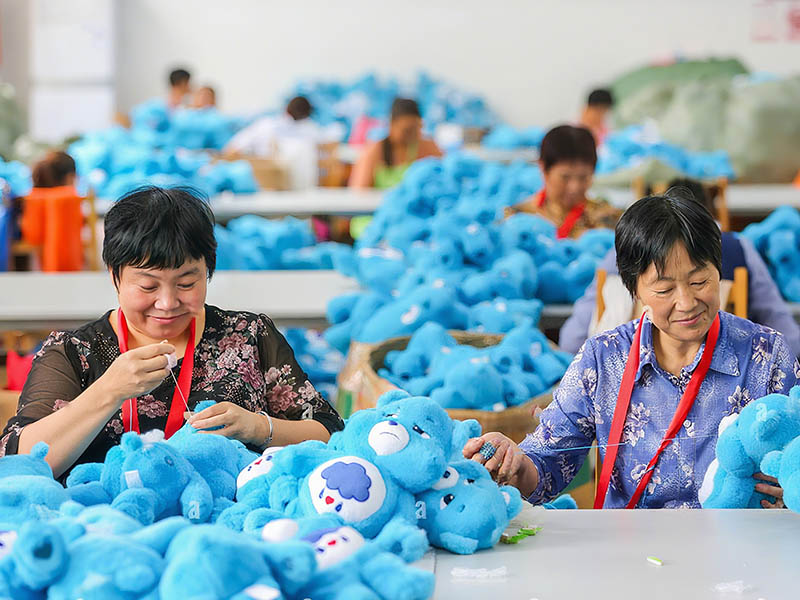
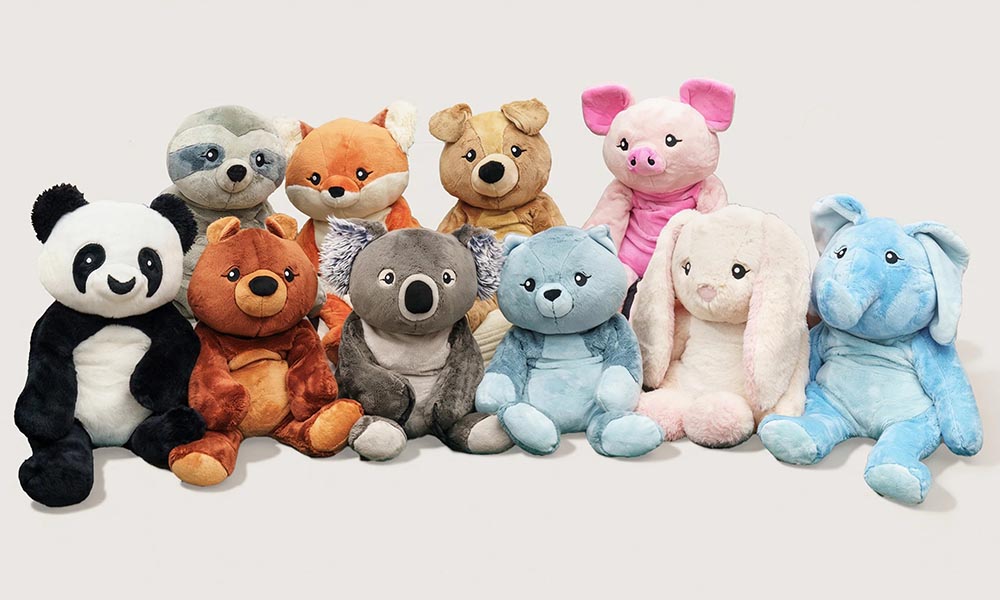
However, baby plush toys are still widely purchased for supervised play, bonding, stroller use, and nursery gifting. In those use cases, safer design matters a lot. Good construction reduces choking hazards, reduces shedding, and improves hygiene and durability.
In our OEM/ODM work, these are the design choices I prioritize for baby-targeted plush:
- Embroidered eyes instead of hard plastic eyes
- No small detachable parts (buttons, beads, glued pieces)
- No long ribbons, cords, or loops
- Reinforced seams and strong stitching
- Low-shed fabrics and stable pile
- Clean, certified stuffing materials
- Easy-to-clean design and clear care labels
Even if the plush is not for crib sleep, these choices still reduce risk when babies mouth, pull, and chew the toy during play.
Here is a very practical design checklist table for buyers and product developers:
| Design Area | Safer Choice | Why It Helps | Buyer Benefit in Real Markets |
|---|---|---|---|
| Face details | Embroidery instead of plastic parts | Reduces small-part detachment risk | Better retailer acceptance |
| Accessories | No cords/long ribbons | Reduces entanglement hazards | Fewer safety complaints |
| Seams & stitching | Reinforced stress points | Prevents stuffing leakage | Longer life, fewer returns |
| Fabric | Soft, stable, low-shed plush | Less fiber mess; easier cleaning | Higher perceived quality |
| Stuffing | Clean, consistent fiberfill | Better hygiene feel and shape retention | Better reviews after washing |
| Size & shape | Small, simple, easy to hold | Less chance of face covering during handling | More parent confidence |
Image: Close-up of embroidered eyes and reinforced seam stitching.
For brands, the value is simple: safer construction reduces customer anxiety. When parents feel safe, they buy again. That is how you grow a baby plush line responsibly.
How do certifications and compliance testing address infant sleep environments?
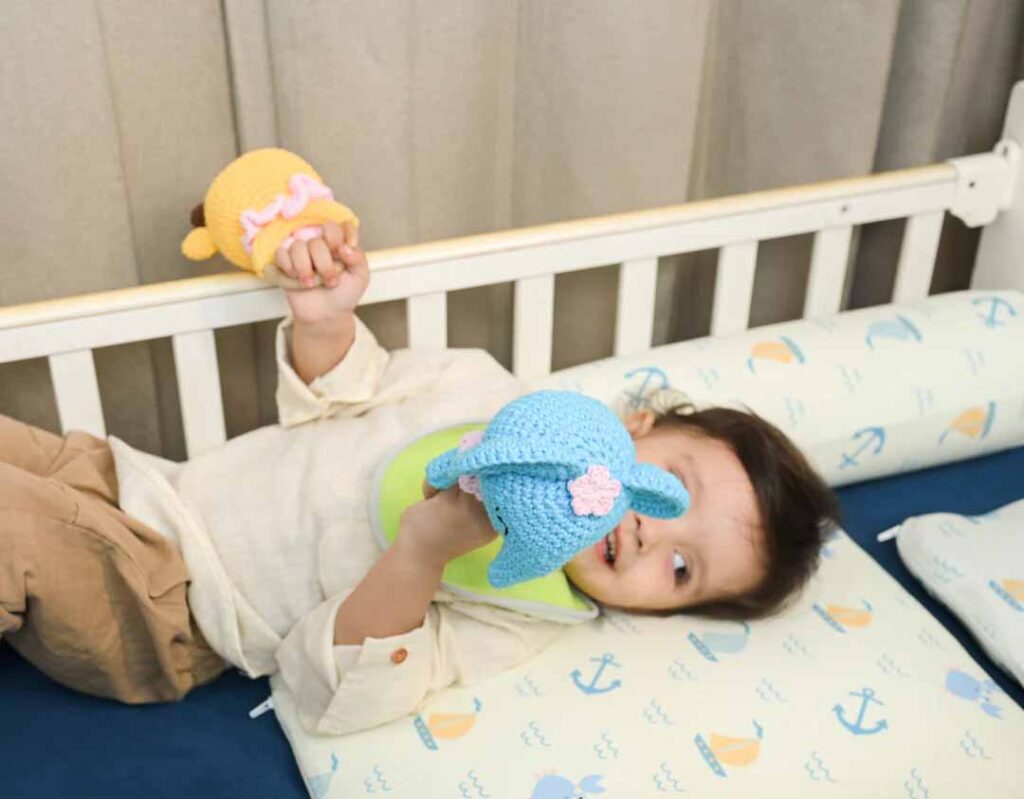
Certifications and compliance testing are essential for toy safety, but they do not automatically make a product “safe for infant crib sleep.”
Toy standards like ASTM F963 focus on hazards such as small parts, sharp points, seam strength, and other toy-related risks. CPSC provides guidance to help businesses identify which ASTM F963 sections apply to a given toy type and which require third-party testing. U.S. Consumer Product Safety Commission+1 ASTM itself explains that different requirements reflect different hazards and a child’s ability to cope with them. law.resource.org
Safe-sleep guidance, meanwhile, is about reducing sleep-related risk through a clear, firm sleep environment. The AAP and CPSC messaging about keeping soft objects out of the sleep space is a separate safety layer. 美國小兒科學會+2HealthyChildren.org+2
So, when a parent asks, “It passed safety tests—why can’t it be in the crib?” the answer is: passing toy testing helps reduce toy hazards, but the sleep environment guidance still recommends no soft objects for infants.
Here is a table that helps brands explain the difference without sounding technical:
| Safety Topic | What Certifications Help Cover | What They Do Not Guarantee | What Brands Should Add |
|---|---|---|---|
| Toy safety compliance | Toy hazards like small parts and durability U.S. Consumer Product Safety Commission+1 | That it is safe to leave in an infant crib for sleep | Clear “keep crib clear” message 美國小兒科學會+1 |
| Material safety | Safer material choices | Correct caregiver use | Simple usage instructions |
| Labeling & warnings | Required safety statements | People will read long text | Short, visible sleep-safety line |
| Product photography | Consumer expectations | Prevents misuse by itself | Show safe sleep visuals only nhs.uk+1 |
From a manufacturing strategy view, this is how you reduce risk: build a safe plush toy, then communicate safe use clearly, and never market it as a crib-sleep item for infants.
What responsibilities do manufacturers and brands have in crib-safety guidance?
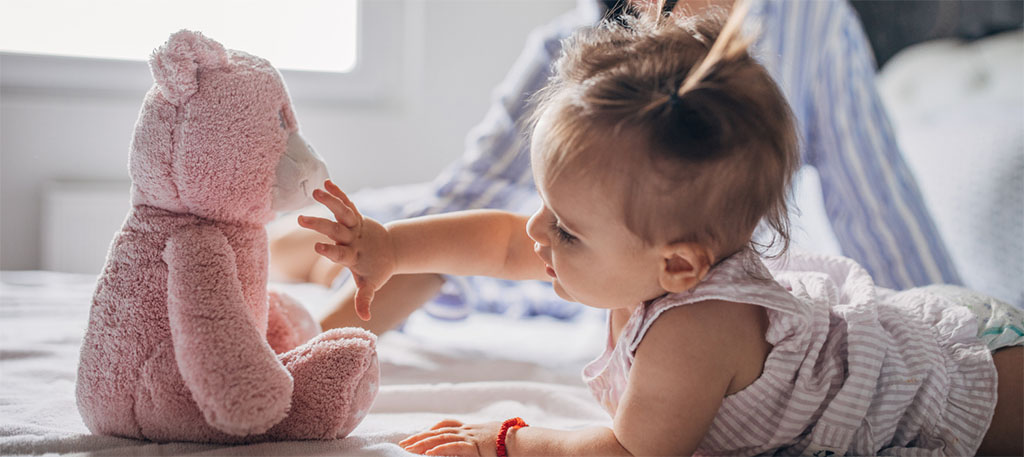
Manufacturers and brands influence caregiver behavior more than they realize. A single product photo with a plush inside a crib can teach unsafe habits faster than a warning label can correct them. That is why I believe crib-safety guidance is a brand responsibility, not only a parent responsibility.
I recommend brands take responsibility in five practical ways:
- Use clear, simple wording on hangtags, inserts, and product pages.
- Separate “play comfort” from “sleep environment” in every description.
- Avoid crib placement in marketing images for infant-targeted products.
- Train customer service with consistent safe-sleep answers.
- Educate without fear, offering a safe alternative (remove plush before sleep).
AAP and CPSC guidance supports simple messaging such as keeping soft objects and toys out of the baby’s sleep area. UK guidance also emphasizes keeping the cot clear and free of soft toys. The Lullaby Trust+3HealthyChildren.org+3U.S. Consumer Product Safety Commission+3
Here is a ready-to-use messaging table brands can copy into packaging and listings:
| Where You Communicate | Simple Sentence to Use | Why It Works | What Customers Gain |
|---|---|---|---|
| Hangtag | “For supervised comfort and play. Keep crib clear for sleep.” HealthyChildren.org | Short and direct | Less confusion |
| Product page FAQ | “Do not place soft toys in infant sleep spaces.” 美國小兒科學會+1 | Reinforces official guidance | Higher trust |
| Listing images | Plush beside crib, not inside | Visual teaching | Better safety alignment |
| Care card | “Remove plush before placing baby down to sleep.” | Clear action | Easier routine |
| Customer support | One consistent reply with the same rule | Reduces mixed messages | Faster resolution |
Image: A small insert card showing “Comfort friend for playtime—remove before sleep.”
At Kinwin, we help B2B buyers build this safety system into the product: baby-friendly construction, compliance-aware materials, and simple caregiver guidance. The benefit for buyers is real: fewer returns, fewer complaints, and a stronger reputation in baby and gift markets.
Conclusion
A clear crib is the safest crib for infants, while plush can still be a loved comfort toy for supervised moments. At Kinwin, we help global buyers develop baby-friendly plush solutions with strong construction, compliance-focused materials, and clear crib-safety guidance that protects trust in competitive markets. Contact me at [email protected] or visit kinwintoys.com to discuss your next project and explore how our factory can support your success.