Skip to content
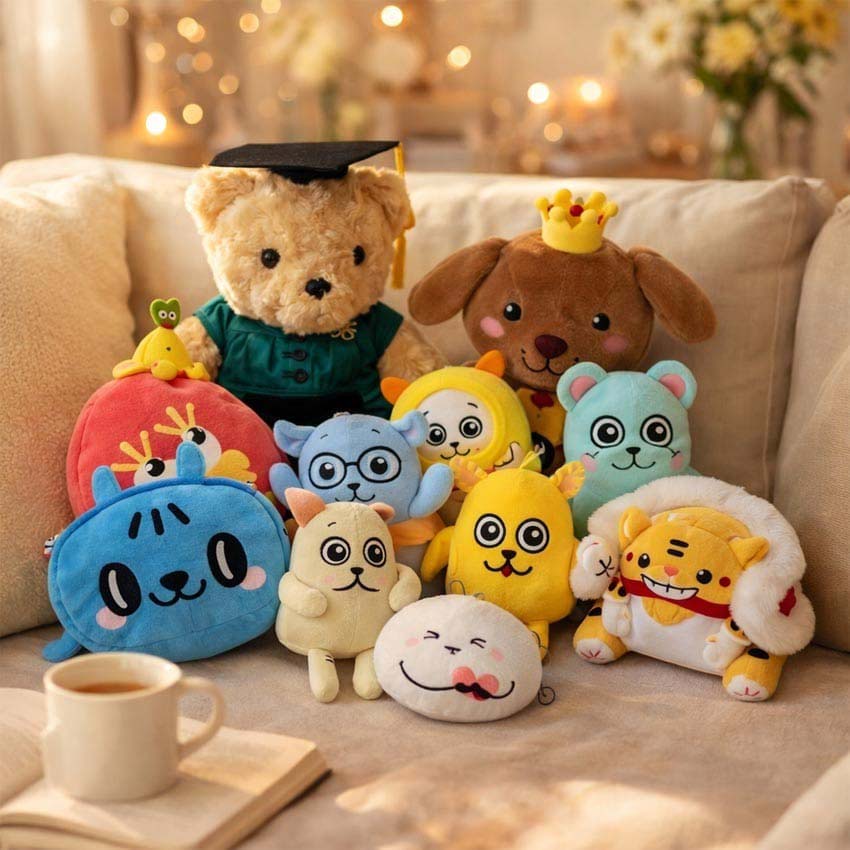
A soft plush toy with a squeeze belly area and a hidden sound module inside.
When a plush toy sings after a squeeze, customers remember it. For brands, that “first squeeze moment” can increase gift appeal, repeat purchases, and reviews—if the sound feature is reliable, safe, and consistent in mass production.
A singing plush usually works through a simple trigger (press, squeeze, or pull) that activates a sound module with a speaker and power source. The real challenge is not making it play once—it is making it play well after shipping, drops, and thousands of squeezes, while meeting safety rules in the USA and Europe.
What mechanisms enable stuffed animals to sing when squeezed?
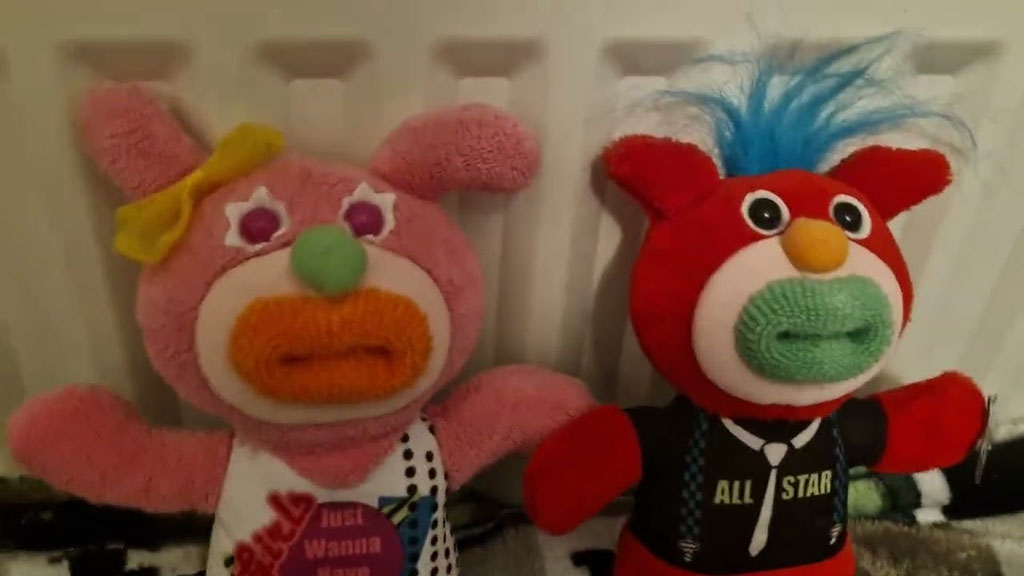
Most singing plush toys use one of three trigger mechanisms: a pressure switch, a mechanical “push button” inside the body, or a pull-activation switch connected to a cord. Each method sends a signal to a sound module, which plays audio through a small speaker.
In my OEM/ODM work, I choose the mechanism based on how the customer will interact with the toy. A baby plush often needs a gentle press trigger. A promotional plush may use a stronger switch to avoid accidental activation during shipping. A collector plush may prefer a hidden button so the design stays clean.
Here is a clear overview of the common mechanisms:
| Mechanism | How It Activates | Best For | Key Advantage for Buyers | Common Risk to Control |
|---|---|---|---|---|
| Pressure switch (squeeze trigger) | Body pressure closes the circuit | Soft body plush, belly squeeze | Natural user experience | False triggers if too sensitive |
| Internal push button | Press a specific spot | Plush with firm structure | Simple, predictable | Button can “shift” if not fixed |
| Pull switch (cord or tag) | Pull a cord to activate | Musical “pull” toys | Strong, low-accidental activation | Cord safety + durability concerns |
| Motion/tilt switch (less common) | Shake or tilt triggers | Novelty plush | Fun effect | More accidental activation |
| Light + sound combo | Press triggers both | Premium gift plush | Strong shelf appeal | Higher battery drain |
From a manufacturing view, the biggest success factor is module positioning. If the module floats inside stuffing, sound becomes weak, the trigger becomes inconsistent, and the toy feels “cheap.” I always secure the module with an inner pocket or stitched cradle so the trigger stays in the same spot for every unit.
Another factor is trigger travel distance. If the squeeze must be too deep, kids get frustrated. If it is too shallow, it activates in the carton. For brands, this directly impacts customer satisfaction and return rate.
If you want a product that performs well in retail and e-commerce, the mechanism must match the plush structure—not fight it.
Which sound modules and activation methods are most reliable?
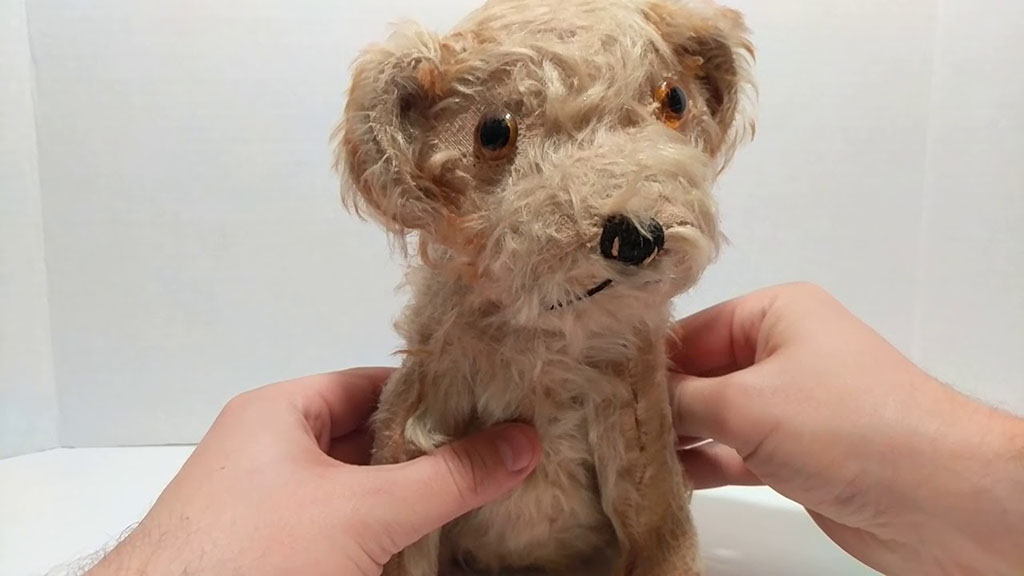
Reliability is not only about the electronics. It is about the full system: module quality, switch durability, wiring protection, speaker placement, and assembly control.
In real orders, I usually see four “sound module” choices:
- Pre-recorded sound module (one sound)
- Multi-sound module (several tracks)
- Recordable module (user can record)
- Custom PCB module (fully customized function)
For most B2B projects, pre-recorded modules and multi-sound modules are the best balance of cost and stability. Recordable modules can be attractive, but they add user behavior risk (bad recordings, memory issues, higher returns). Custom PCBs are great for licensed projects, but they require stricter engineering and test plans.
Here is how I compare reliability in a buyer-friendly way:
| Module Type | Reliability Level | Best Use | Buyer Benefit | What I Control in Production |
|---|---|---|---|---|
| Pre-recorded (single sound) | High | Simple singing plush | Stable function, low defect rate | Switch life testing + fixed placement |
| Multi-sound (multiple tracks) | Medium-High | Premium gift plush | More “wow” value | Clear track logic + consistent QA |
| Recordable | Medium | Personalization products | Strong novelty | More customer support risk |
| Custom PCB | High (if engineered well) | Licensed / branded lines | Full control of sound + behavior | Full test plan + supplier validation |
Activation method matters as much as module type. If your target market is kids, a gentle squeeze trigger tends to create the best user experience. If your product will be shipped in tight cartons, I often recommend an internal button with controlled travel to reduce accidental activation.
The reliability work I do for clients usually includes:
- selecting a module supplier with stable batch quality
- checking switch life (repeat press/squeeze cycles)
- securing the module so it does not rotate or sink
- adding wire protection to reduce break risk
- doing carton vibration simulation to reduce “plays in transit”
If you are a brand owner like Jessica in the USA, what you get from this approach is simple: fewer customer complaints, better reviews, and more repeat orders because the toy works exactly as promised.
How do fabric thickness and stuffing density affect sound quality?
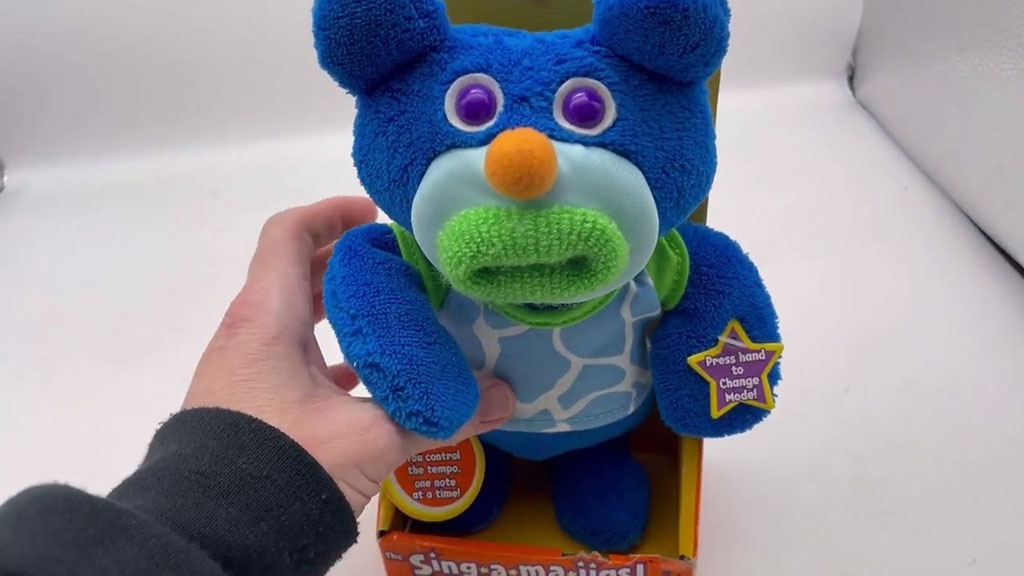
Sound quality in plush toys is often misunderstood. Many buyers focus on the sound file, but the real “speaker system” is the entire plush body. Fabric thickness, pile density, inner lining, stuffing volume, and module placement all change how the sound feels to the customer.
If fabric is too thick or too dense, it can block high-frequency sound and make the toy feel muffled. If stuffing is too tight around the speaker, it can reduce volume and create distortion. If the module is placed too deep, the sound becomes weak and “far away.”
Here are the most common material and stuffing effects I see:
| Design Variable | What Happens to Sound | What Buyers Experience | Practical Fix I Use |
|---|---|---|---|
| Thick plush fabric | Absorbs sound | Muffled, lower clarity | Add speaker window layer inside |
| Long pile fabric | Reduces crispness | “Soft” sound, less sharp | Adjust speaker direction + placement |
| High stuffing density | Blocks vibration | Lower volume, distortion | Create space pocket around speaker |
| Low stuffing density | Toy collapses | Weak trigger and unstable module | Add support core or structure piece |
| Inner lining (tight) | Can dampen speaker | Lower loudness | Use breathable lining near speaker |
| Speaker facing inward | Sound trapped | Less volume | Face speaker toward surface area |
Image: Cross-section diagram of plush body showing speaker pocket and stuffing zones.
When I design a singing plush, I treat the plush as an “acoustic shell.” That means I plan a small internal cavity near the speaker, and I avoid compressing stuffing directly against it.
I also consider the customer’s real use case. A bedtime plush should have a softer volume and warm tone. A promotional singing plush at a store display may need a clearer, louder output to stand out.
For brands, better sound quality creates better emotional impact. Customers are more likely to share videos, leave reviews, and buy again. This is one of the easiest ways to increase perceived value without changing the main plush design.
What safety and compliance standards apply to sound-enabled plush toys?
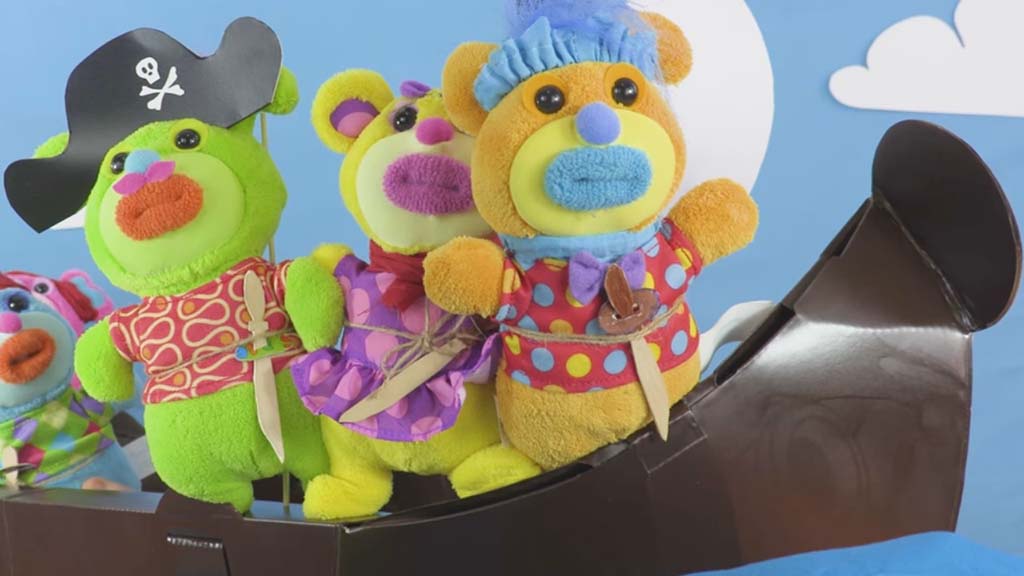
Sound-enabled plush toys are treated as toys with mechanical, chemical, and electrical risks. In the USA, ASTM F963 is the key toy safety standard, and it includes sections for battery-operated toys and sound-producing toys. The CPSC provides guidance on which ASTM F963 sections apply, and it highlights battery-operated toy requirements. U.S. Consumer Product Safety Commission+2U.S. Consumer Product Safety Commission+2
In Europe, toys commonly need EN 71 testing for mechanical/physical properties under the Toy Safety Directive, and sound toys may also need checks related to battery accessibility and compartments. law.resource.org+2intouch-quality.com+2
For electric/electronic functions, EN IEC 62115 is a key standard for electric toys (including battery-powered functions). blog.qima.com+2IEC Webstore+2
Button cell and coin battery safety is also a high-focus area because of ingestion risk. In the US, CPSC guidance connects battery safety rules with ASTM F963 requirements, and there are specific rules and updates around button/coin cell batteries. U.S. Consumer Product Safety Commission+2Federal Register+2
Here is a compliance-focused checklist table that B2B buyers can use when sourcing sound plush:
| Compliance Area | What It Covers | Why Buyers Should Care | Common Factory Controls |
|---|---|---|---|
| Mechanical safety | Seams, small parts, choking hazards | Prevent recalls and injury claims | Pull tests, seam strength checks |
| Battery compartment safety | Child-resistant access, fasteners | Prevent battery ingestion incidents | Screw-secured covers, captive screws |
| Sound level limits | Max sound output in certain toy types | Hearing safety + compliance | Sound testing and module selection |
| Chemical restrictions | Restricted substances in materials | Market access in EU/US | Certified materials + testing |
| Labeling and instructions | Age grading, warnings, battery info | Legal compliance + customer clarity | Artwork control + label review |
| Electrical safety | Overheating, short circuit protection | Product durability + safety | Circuit checks + supplier validation |
For you as a buyer, compliance is not just “a test report.” It is a product design strategy. The easiest way to avoid problems is to design the sound function around safety from the first sample.
At Kinwin, when we build sound plush for export, we push buyers toward safer battery compartments, stable wiring routes, and clear labeling early—so you do not lose time later with redesigns.
How do battery types and lifespan impact product durability?
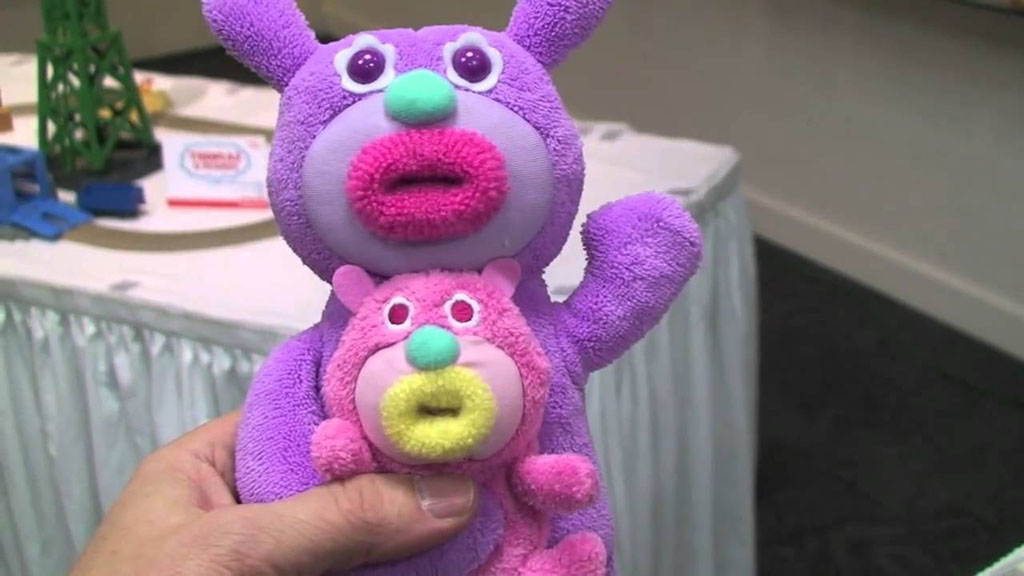
Battery decisions affect three things buyers care about: customer experience, after-sales risk, and long-term durability. If batteries die too fast, customers complain. If compartments are weak, compliance fails. If replacement is hard, reviews drop.
Most sound plush toys use:
- AAA batteries (common, easy to replace)
- LR44 / button cells (compact, but higher ingestion risk)
- Rechargeable packs (less common in plush, more complex)
For children’s plush, I prefer AAA when the product size allows it. They usually provide better lifespan and less “quick failure” feedback. Button cells can be used for very small modules, but they demand stronger compartment safety design and careful compliance planning, especially in markets that focus on button/coin battery ingestion prevention. U.S. Consumer Product Safety Commission+2Federal Register+2
Here is a practical battery selection table for buyers:
| Battery Type | Typical Lifespan for Sound Use | Size Impact | Buyer Advantage | Key Risk to Manage |
|---|---|---|---|---|
| AAA (alkaline) | Longer | Needs more space | Better customer satisfaction | Compartment placement must be stable |
| AA (rare in plush) | Longest | Too bulky | Strong power output | Not suitable for small plush bodies |
| Button cell / coin cell | Short–Medium | Very compact | Small module size | Ingestion risk + stricter controls |
| Rechargeable pack | Varies | Requires charging port | “Eco” messaging | Higher design + test complexity |
Battery life is not only “battery capacity.” It is also how the module uses power. Features that drain power faster include:
- higher volume output
- long playback time per press
- many sound tracks
- lights + sound together
- accidental activation during shipping
So I help buyers control durability with simple design rules:
- add an on/off switch when suitable
- reduce accidental activation during transit
- choose a volume level that fits the product’s role
- set a reasonable playback time (not too long)
- protect wiring to reduce “dead on arrival” issues
For brands, this creates a clear customer benefit: fewer returns, less customer support work, and better long-term ratings.
How can manufacturers customize sound plush toys for branding and licensing?
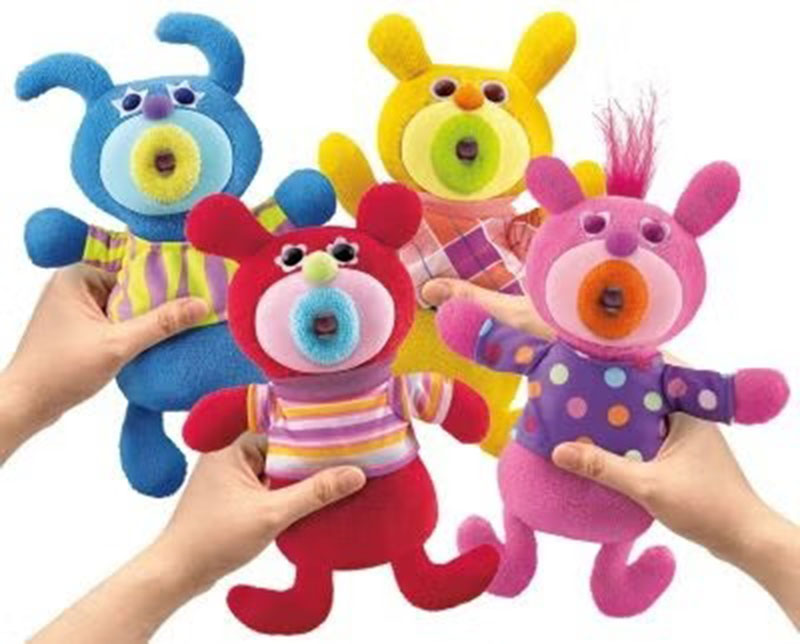
Sound plush toys are powerful for branding because sound creates memory. A short melody, a voice line, or a character phrase can make the plush instantly recognizable. For licensing, sound becomes even more valuable—but it also requires stronger legal discipline.
From my side as a manufacturer, customization usually includes:
- custom audio content (song, voice, sound effect)
- custom trigger behavior (press once, loop, multi-track cycle)
- custom tag design and story insert
- custom embroidery, colors, and accessories
- custom packaging for retail and gifting
- licensed artwork and approved brand placement
Here is a “branding and licensing” customization table buyers can use when planning:
| Customization Item | What You Can Customize | Buyer Value | What I Need From You |
|---|---|---|---|
| Audio content | Song, voice, effects | Strong brand recall | Clean audio file + usage rights |
| Playback logic | Single sound or multi-track | Better user experience | Clear “how it should play” rules |
| Module placement | Belly, hand, foot, back | Better squeeze feel | Target user behavior (kids/adults) |
| Exterior branding | Logo embroidery, label, hang tag | Brand visibility | Brand guideline file |
| Licensed character control | Approved design elements | Legal safety for your business | Written license authorization |
| Packaging | Gift box, insert card, window pack | Higher perceived value | Target channel requirements |
If you are a B2B buyer, the safest approach for “licensed-style” work is: do not copy. Build original character designs, original sound lines, and your own brand story. This protects your listings, reduces platform takedown risk, and builds long-term value.
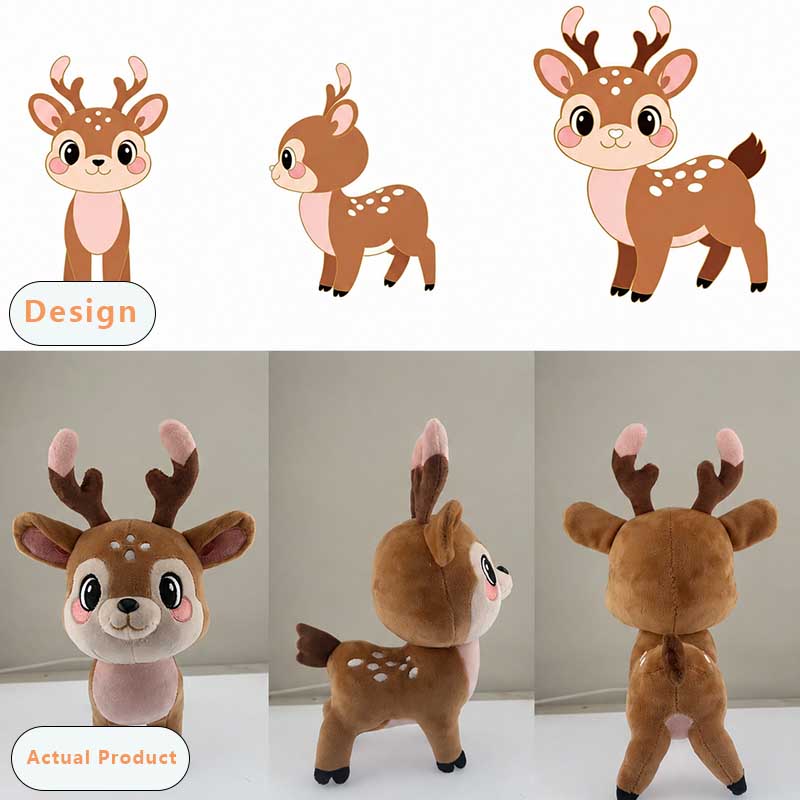
At Kinwin, what we do best is help you turn your concept into a scalable product that still feels premium: stable sound performance, consistent sewing quality, compliance-ready structure, and packaging that supports gifting and retail.
If you want your own sound plush line—whether for retail, promotions, theme parks, or brand mascots—I can help you choose the right module, battery plan, and production method for your target market.
Conclusion
A great singing plush must be safe, reliable, and fun while strengthening your brand story. At Kinwin, we help global buyers develop customized sound-enabled plush solutions that meet safety expectations and perform consistently in real markets. Contact me at [email protected] or visit kinwintoys.com to discuss your next project and explore how our factory can support your success.