In physical retail environments, brands are no longer competing only on price, product function, or shelf space. They are competing on attention span, emotional response, and memory retention. As e-commerce continues to absorb purely functional purchases, physical stores must justify their existence through experience—and plush toys play a unique role in that transformation.
From my experience working with retailers, brand owners, and visual merchandising teams, plush toys are not just SKUs placed on shelves. When used intentionally, they become sensory anchors that slow shoppers down, encourage interaction, and create emotional associations that extend far beyond the store visit itself.
Why Plush Toys Naturally Draw Attention in Competitive Retail Environments
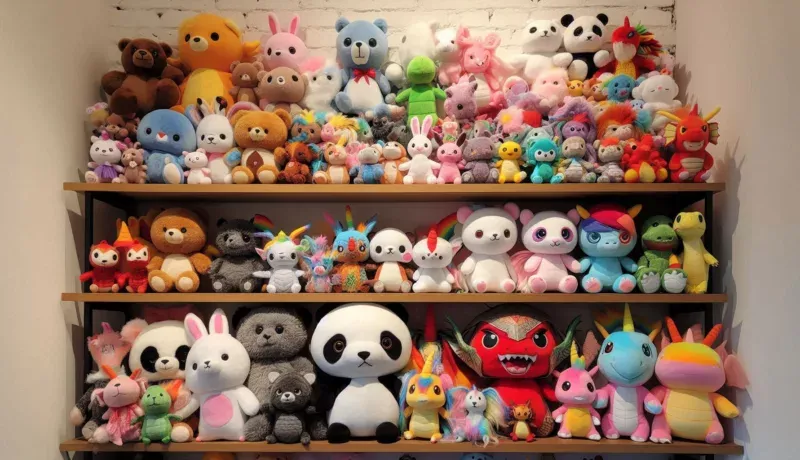
Plush toys stand out in retail environments because they visually interrupt the dominant language of modern retail—boxes, straight lines, plastic surfaces, and printed packaging. Human eyes are naturally drawn to soft shapes, rounded forms, and organic silhouettes, especially in visually crowded spaces.
In high-density retail settings, plush acts as a visual “pause.” Shoppers scanning shelves instinctively notice plush items because they feel less commercial and more human. This effect is particularly strong in stores selling hard goods, electronics, books, or packaged products, where plush introduces warmth and contrast.
From a brand perspective, this natural attention advantage reduces dependence on aggressive price tags, shelf talkers, or oversized signage. Plush does the work quietly. It pulls shoppers closer before they consciously decide to engage, making it an efficient entry point into deeper brand interaction.
| Retail Factor | Plush Advantage | Brand Benefit |
|---|---|---|
| Shelf competition | High | Plush breaks visual noise |
| Shape contrast | Soft vs rigid | Faster eye capture |
| Emotional signal | Friendly | Lower shopper resistance |
| Display efficiency | Passive | Less reliance on signage |
How Tactile Interaction with Plush Products Deepens Emotional Brand Connection
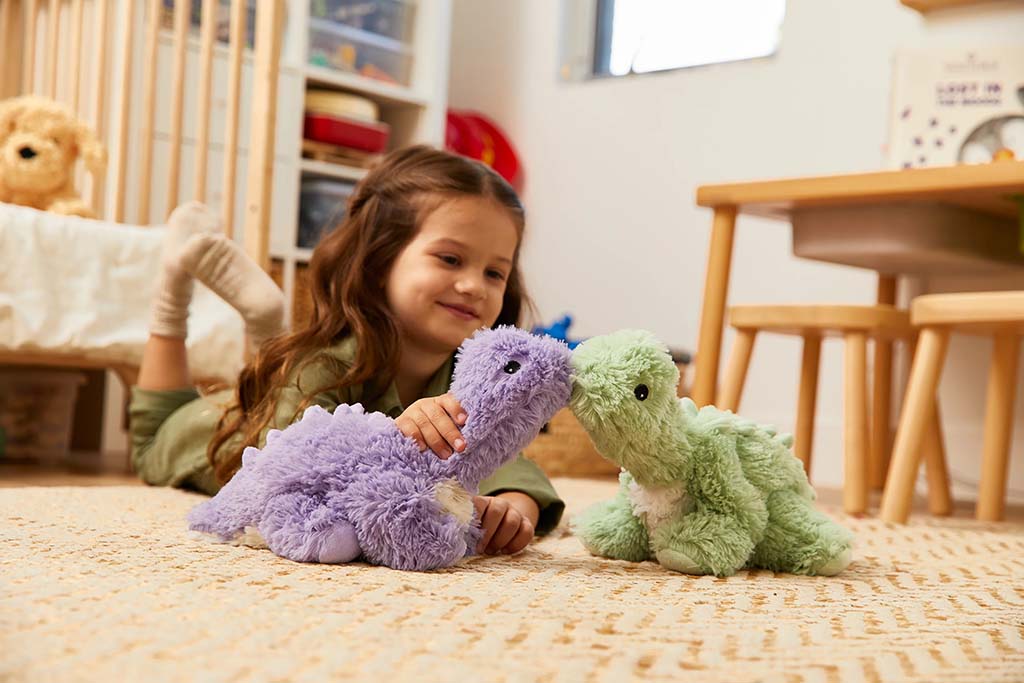
Touch is one of the most underutilized tools in retail branding, yet it is one of the most powerful. Plush toys invite touch without instruction. Shoppers squeeze, hold, and explore them instinctively, often without realizing how much time they spend doing so.
This tactile interaction creates a physical memory. When customers touch a plush toy, they associate the sensation—softness, warmth, comfort—with the brand itself. This association is much stronger than visual memory alone and plays a major role in emotional brand bonding.
For parents, gift buyers, and lifestyle shoppers, softness also signals care, safety, and quality. Even when price points are similar, plush that feels better in hand is often perceived as higher value. For brands, allowing and encouraging touch turns passive browsing into active emotional engagement.
| Interaction Element | Plush Effect | Brand Impact |
|---|---|---|
| Touch invitation | Automatic | Longer dwell time |
| Sensory memory | Strong | Emotional brand bond |
| Quality perception | High | Trust reinforcement |
| Engagement depth | Physical | Higher conversion potential |
How Plush Toys Help Brands Communicate Personality and Storytelling at Shelf Level
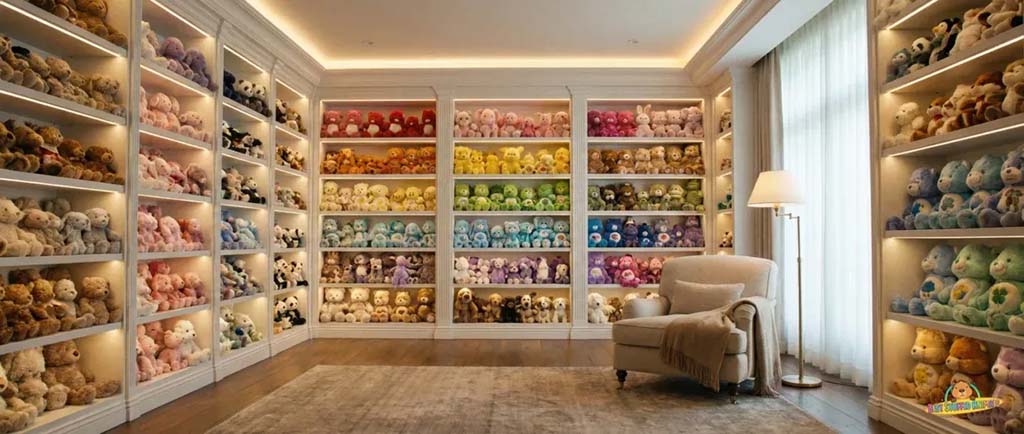
Plush toys communicate brand personality instantly, without words. Facial expression, posture, fabric choice, and color palette work together to convey emotion and identity in seconds. This makes plush an effective storytelling medium in environments where shoppers do not stop to read.
A calm, neutral plush suggests comfort and reliability. A playful plush communicates fun and approachability. A minimalist plush signals modernity and design focus. Unlike packaging text, plush storytelling is felt before it is understood.
For retail brands, this means plush can act as a physical brand ambassador. It reinforces tone and values consistently across locations and reduces reliance on staff explanations or long shelf copy.
| Storytelling Element | Plush Application | Brand Outcome |
|---|---|---|
| Facial expression | Emotion cue | Immediate mood setting |
| Fabric texture | Sensory signal | Premium or cozy feel |
| Color language | Brand tone | Visual consistency |
| Character posture | Narrative role | Shelf-level storytelling |
What Retail Display Formats Use Plush Toys to Increase Dwell Time
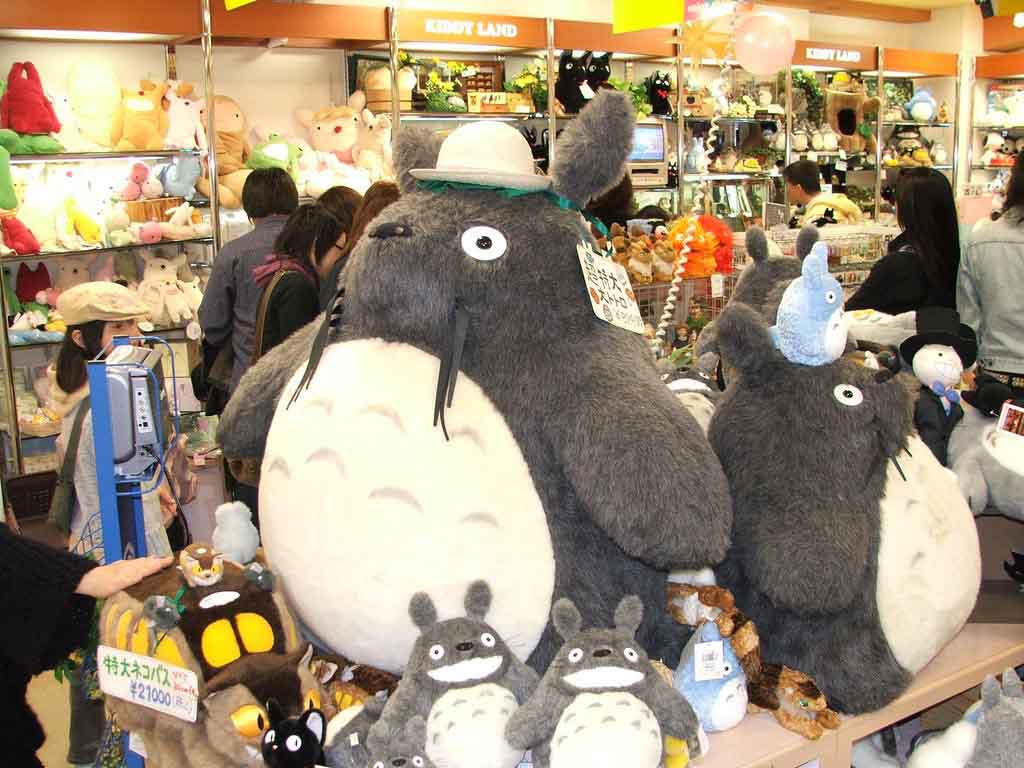
Plush toys are highly flexible in retail display design. They work in traditional shelving, but they perform best when integrated into lifestyle-driven layouts that suggest real-world use rather than product storage.
Table displays invite touch. Window displays attract emotion. Lifestyle scenes—beds, chairs, shelves—help customers imagine the product in their own space. Plush supports all of these formats because it softens environments and reduces psychological distance between shopper and product.
For B2B buyers, this flexibility lowers merchandising cost. The same plush can be reused across multiple formats, campaigns, and seasons without redesign.
| Display Format | Plush Role | Retail Benefit |
|---|---|---|
| Endcaps | Visual anchor | Stops foot traffic |
| Table displays | Interaction hub | Encourages touch |
| Lifestyle scenes | Context builder | Improves imagination |
| Window displays | Emotional hook | Drives store entry |
How Plush Displays Encourage Social Sharing and In-Store Engagement
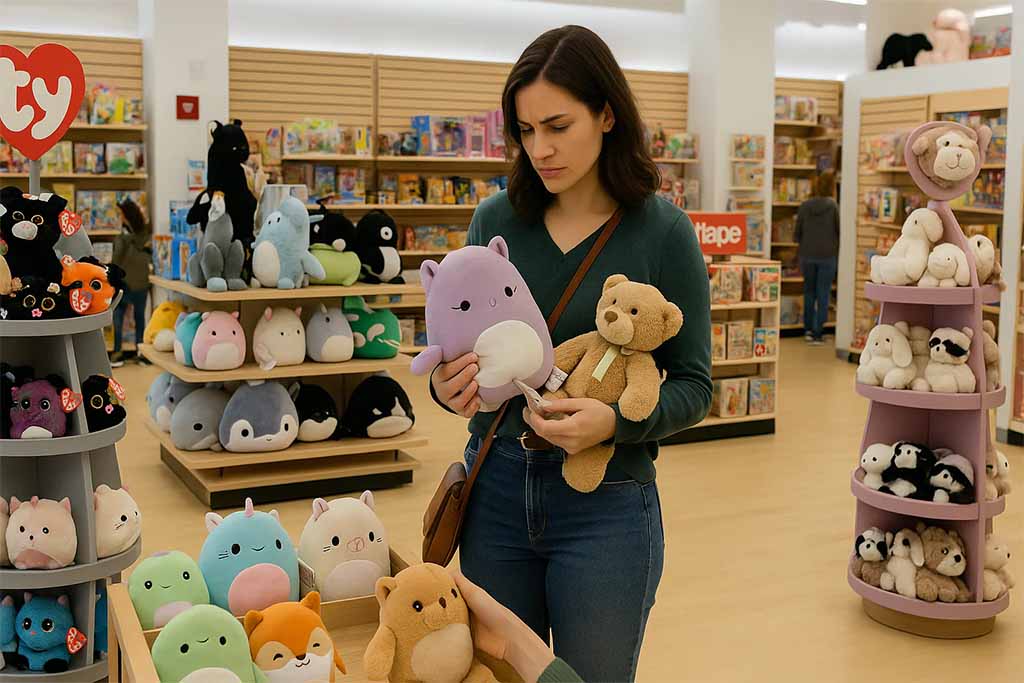
Plush toys are inherently shareable. Shoppers photograph them because they feel cute, comforting, or emotionally expressive. This behavior transforms retail displays into organic content generators.
In-store plush displays often appear on social platforms not because of promotions, but because customers want to share the feeling they experienced. This user-generated content carries high credibility and extends brand visibility beyond the physical store.
For brands, plush-driven social sharing acts as passive marketing. It reinforces brand personality and reaches audiences that may never visit the store directly.
| Engagement Channel | Plush Advantage | Brand Result |
|---|---|---|
| Social photos | High appeal | Free exposure |
| User-generated content | Authentic | Trust building |
| In-store play | Emotional | Memorable experience |
| Share motivation | Natural | Extended reach |
How Plush Toys Influence Brand Recall and Purchase Decisions in Physical Stores
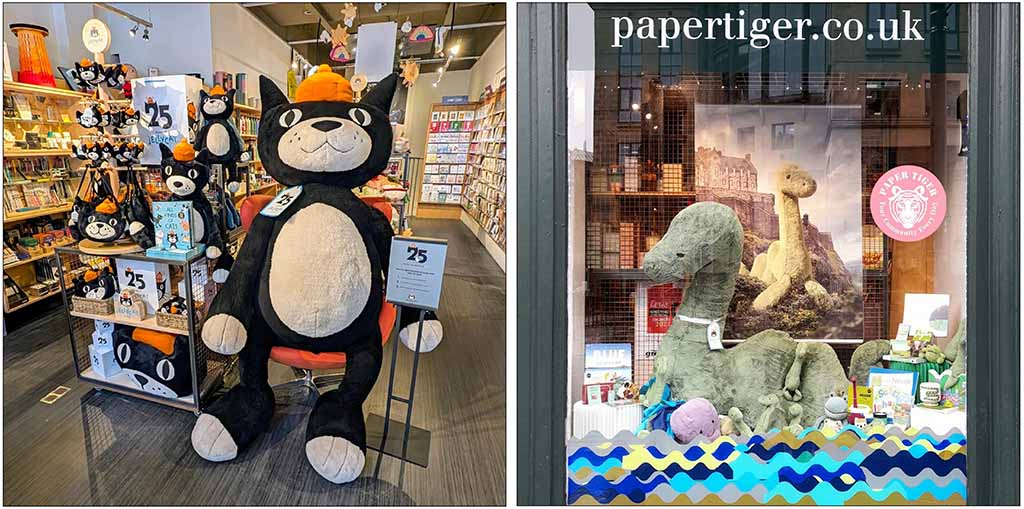
Brand recall is shaped by emotion more than information. Plush toys leave emotional impressions that last longer than packaging details or price tags. Shoppers may forget what they saw, but they remember how they felt.
Plush also lowers purchase barriers. Soft, friendly displays feel less transactional and more welcoming. This increases impulse purchases, especially for gifts and add-on items.
For brands, plush becomes a memory anchor. Even when shoppers leave without buying, the emotional impression increases the chance of future recall and return visits.
| Decision Factor | Plush Influence | Retail Effect |
|---|---|---|
| Emotional memory | Strong | Higher recall |
| Purchase comfort | Increased | Impulse-friendly |
| Brand association | Positive | Long-term loyalty |
| Post-visit recall | High | Repeat interest |
Conclusion
Plush toys enhance retail brand experience by engaging sight, touch, emotion, and memory at the same time. When used intentionally in retail displays, plush becomes a powerful sensory tool that deepens brand connection and influences purchase behavior beyond the moment of sale.
📧 Contact: [email protected]
🌐 Visit: https://kinwintoys.com