Skip to content
Weighted stuffed animals can feel calming fast, but only when they are used correctly. The same plush can be soothing for one person and uncomfortable for another if the weight is wrong or the usage is unsafe. I’m Amanda from Kinwin, and in this guide I’ll explain what weighted stuffed animals are, how to use them by age group, what weight ranges and designs are considered safer, and how brands can position weighted plush for both retail and therapeutic markets.
In simple terms, a weighted stuffed animal is a plush toy with added internal weight (often beads or grain packs) that provides gentle, steady pressure. This pressure can help some users relax, settle before sleep, or feel more grounded during stress. The safest use is short, supervised sessions, choosing an appropriate weight, and avoiding risky situations such as placing a heavy plush on a baby or using it in a way that restricts breathing.
What is a weighted stuffed animal and how does it work?
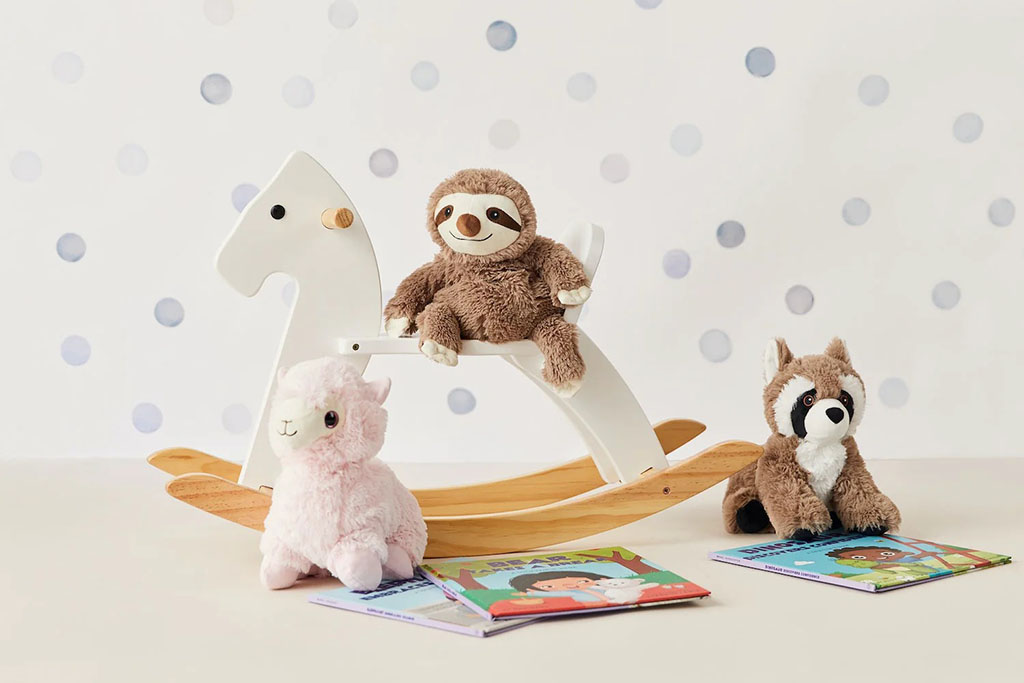
A weighted stuffed animal is a soft plush toy designed with internal weight so it feels heavier than a standard stuffed animal. That weight is usually placed in specific zones (like the belly, paws, or body core) to create a stable “hugging pressure” effect.
The comfort comes from three product features working together:
- Pressure: gentle, even weight resting on the body
- Warmth and softness: plush texture encourages calm touch
- Stability: the toy stays in place, which can feel reassuring
In practical daily use, people hold it on their lap while working, hug it during relaxation, or place it across their torso before sleep—only if it feels comfortable and does not restrict movement.
| Feature | What it does | How users feel it | Best example use | What to avoid |
|---|---|---|---|---|
| Added weight | Provides steady pressure | “Grounded” and calm | Lap comfort during reading | Heavy pressure on face/neck |
| Zoned distribution | Keeps shape and balance | “Even” comfort | Belly weight + light limbs | All weight in one hard lump |
| Soft outer fabric | Improves sensory comfort | “Safe and cozy” | Night routine support | Scratchy seams or hard edges |
| Secure inner containment | Keeps weight controlled | Stable and durable | Daily hugging and travel | Loose beads or weak seams |
| Size fit | Matches body area | Comfortable placement | Small for lap, medium for hug | Oversized heavy plush for kids |
How should weighted stuffed animals be used for different age groups?
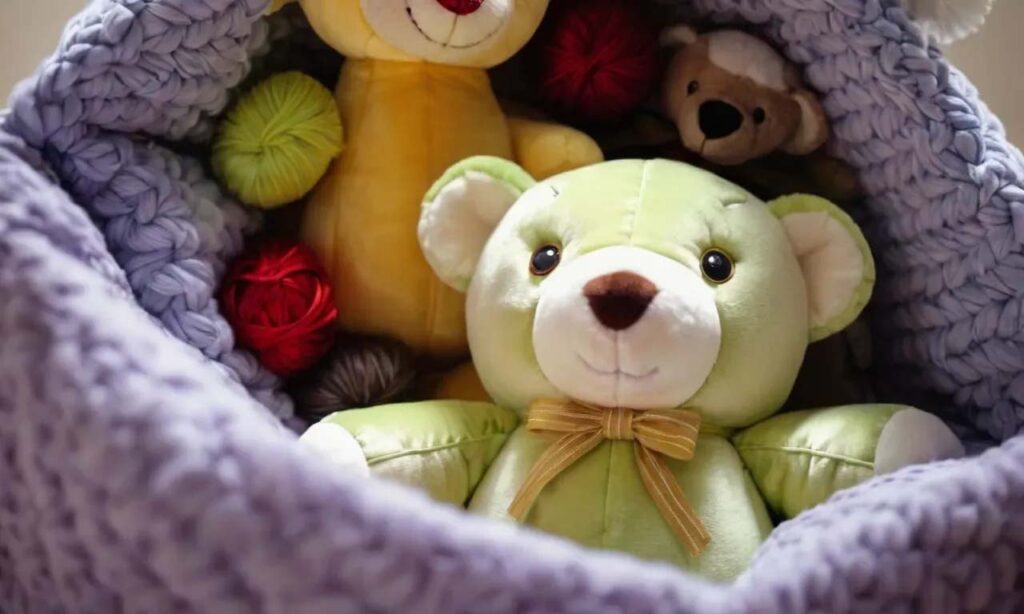
Age grading matters. A weighted plush that is fine for an adult may be unsafe for a small child. For younger users, supervision and correct sizing are essential.
Here are practical usage guidelines by age group:
- Babies and very young toddlers: avoid heavy weighted plush as a sleep or “on-body” product. Babies should not have soft objects placed in a sleeping environment.
- Toddlers and young kids: use only with close supervision, short sessions, and lighter weights.
- Older kids and teens: can use for relaxation, homework, and bedtime routines, but still should choose a weight that feels comfortable and does not restrict breathing.
- Adults: can use more freely, but should still avoid using heavy plush on the face/neck or while impaired.
For B2B buyers, the key is to label correctly and design based on real user safety, not only comfort marketing.
| Age group | Recommended use | Session style | Safer product design | Main risk |
|---|---|---|---|---|
| Babies (0–12m) | Not recommended as on-body comfort | Avoid | If sold, position as décor only | Sleep safety risk |
| Toddlers (1–3) | Supervised calm time | Short, daytime only | Light weight, no loose parts | Misuse during sleep |
| Kids (3–8) | Reading, calm corner | 10–20 min, supervised | Zoned weight, soft seams | Too heavy for body size |
| Teens | Stress relief, sleep routine | As comfortable | Better fabrics, stable weight | Overuse without comfort check |
| Adults | Work, travel, relaxation | Flexible | Wider weight options | Pressure on face/neck |
Which weight ranges and distribution designs are considered safe?
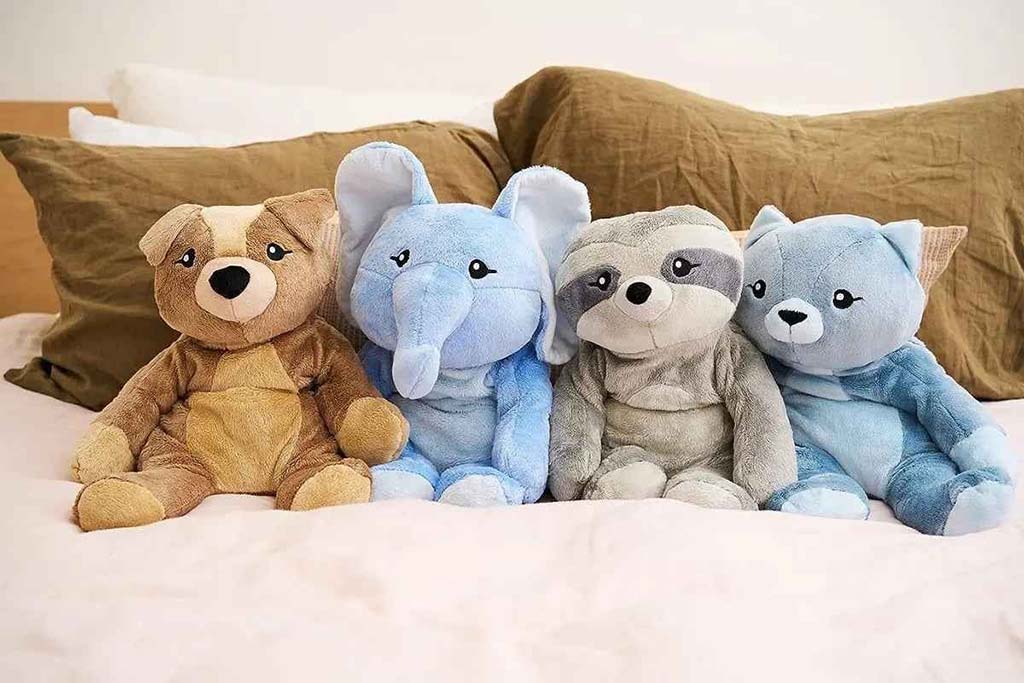
“Safe weight” depends on user size, comfort, and how the plush is used. In general, weighted comfort products are often designed around a “gentle pressure” concept—not extreme heaviness. For plush toys, I recommend designing weight options in steps and guiding customers to choose a size that feels comfortable rather than pushing one universal weight.
Safer design principles include:
- Even distribution rather than one heavy pocket
- Secure inner bags for beads or pellets
- Double containment: inner pouch + outer seam protection
- Soft transitions so weight doesn’t create hard edges
As a practical rule for everyday use, the plush should feel calming, not restrictive. If a user feels discomfort, shortness of breath, or pain, the weight is too much or placed incorrectly.
| Design rule | Why it matters | Safer approach | What to avoid | QC focus |
|---|---|---|---|---|
| Zoned weight | Prevents “hard lump” feel | Belly + paws zones | One heavy belly bag only | Touch and squeeze check |
| Double containment | Prevents leaks | Inner pouch + seam reinforcement | Loose beads | Drop + seam stress test |
| Weight options | Fits different users | Light/medium/heavy SKUs | One-size weight | Weight tolerance control |
| Balanced center | Improves comfort | Low center of gravity | Top-heavy head weight | Hang and tilt test |
| Soft edge build | Avoids pressure points | Padding around weight | Sharp edge feel | Hand-feel inspection |
How do weighted plush toys support relaxation, sleep, and sensory regulation?
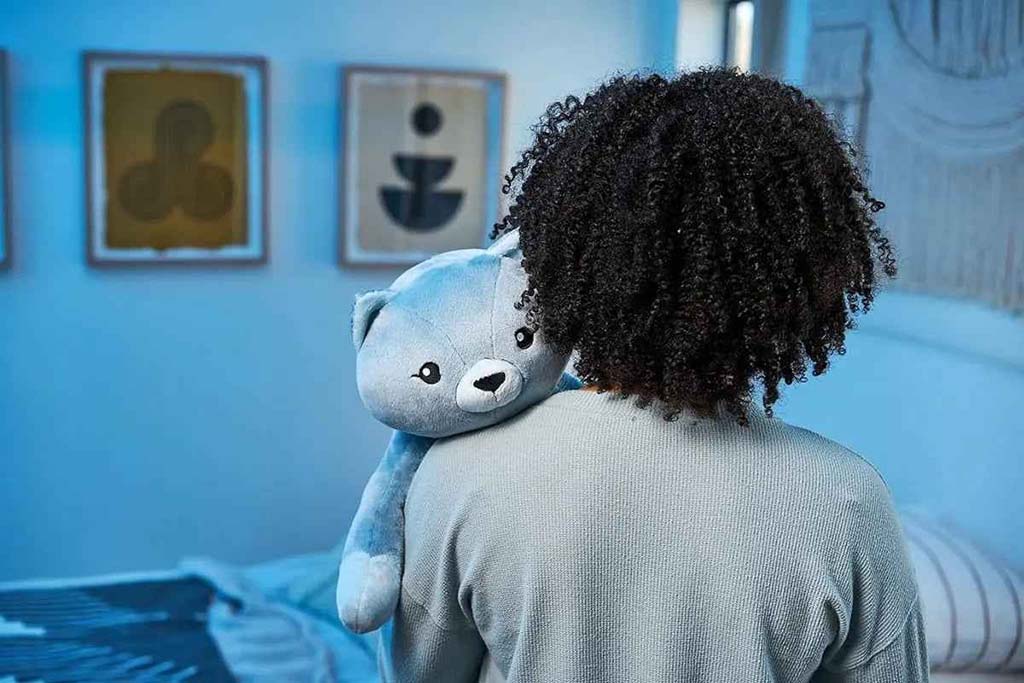
Weighted plush toys can support relaxation by giving steady pressure that some users find soothing. Many people use them like a comfort tool: holding one during stress, placing it on the lap while reading, or hugging it to settle into sleep.
From a product behavior view, weighted plush supports calm in three ways:
- Sensory grounding: steady pressure can reduce “restless” feelings for some users
- Routine cue: using the plush at the same time each evening supports bedtime habits
- Emotional comfort: the plush character shape adds a friendly presence
For retail, this becomes a strong customer story: comfort plus character. For therapeutic markets, the story must be more careful and responsible—supportive language, not medical promises.
| Benefit area | How users commonly use it | Best design support | What not to claim | Safe marketing angle |
|---|---|---|---|---|
| Relaxation | Lap weight during quiet time | Balanced weight + soft fabric | “Cures anxiety” | “Helps you feel calmer” |
| Sleep routine | Hug before sleep | Medium size, quiet build | “Treats insomnia” | “Supports bedtime comfort” |
| Sensory regulation | Calm corner tool | Zoned pressure | “Medical device” | “Gentle sensory support” |
| Travel comfort | Plane/car companion | Compact weight | “Guaranteed calm” | “Comfort on the go” |
| Emotional reassurance | Gift and self-care | Friendly face design | “Therapy replacement” | “A comforting companion” |
What safety guidelines and certifications should buyers follow?
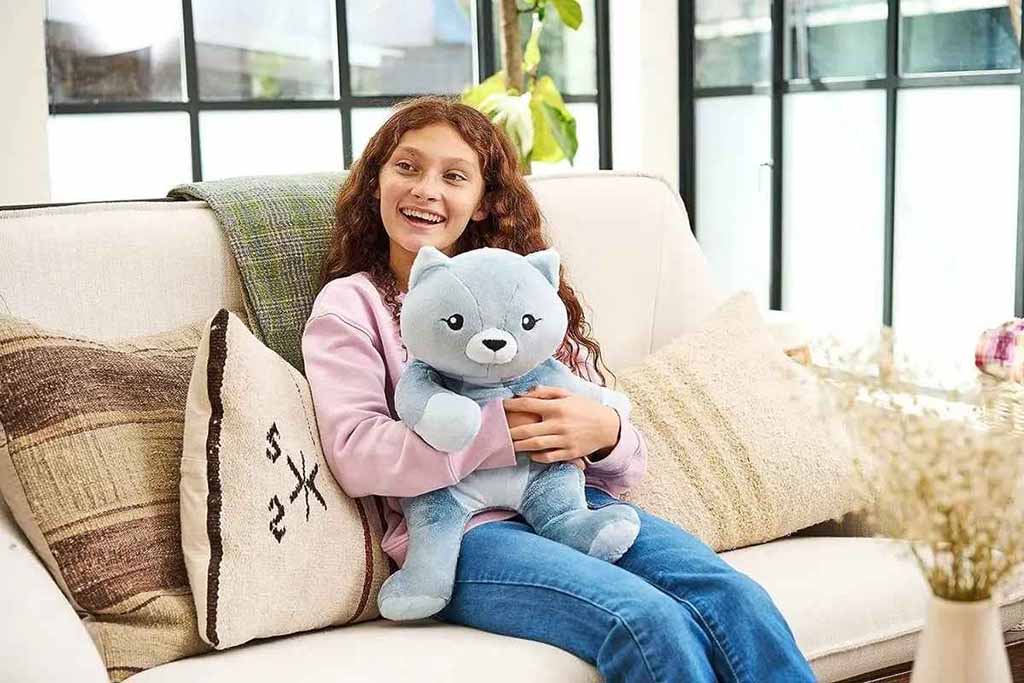
Buyers should prioritize clear safety guidance, proper age grading, and strong construction. Weighted plush adds extra risk because weight inserts can stress seams and create small-part hazards if internal pellets leak.
Key safety expectations include:
- No accessible loose pellets (secure inner pouches)
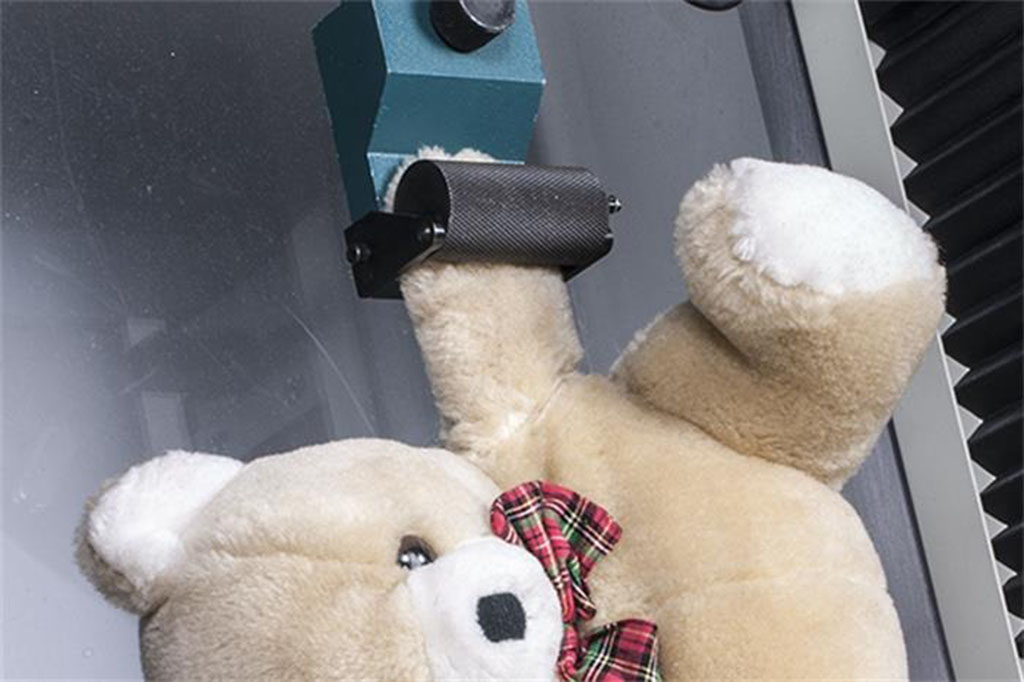
- Strong seam strength, especially around weight zones
- Clear warnings and age grading to reduce misuse
- Material compliance for fabrics and fillings
- Testing plan that matches the target market and use case
For the USA and Europe, buyers often ask for common toy safety frameworks (such as ASTM-related planning in the USA and EN71-aligned planning in Europe). The exact requirements depend on age grading and whether the product is marketed as a toy or as a comfort accessory. As a manufacturer, I always recommend planning compliance early because changing weight design late can force retesting.
| Safety focus | Why it matters for weighted plush | What buyers should request | Manufacturer best practice |
|---|---|---|---|
| Pellet containment | Prevent choking risk | Inner pouch details | Double bag + seam reinforcement |
| Seam durability | Weight adds stress | Pull test results | Stress-point stitching |
| Labeling and age | Prevent misuse | Clear warnings | Conservative age grading |
| Chemical compliance | Skin contact safety | Material declarations | Approved supplier list |
| Consistency | Repeat safety | Change control | Locked weight specs |
How can brands position weighted stuffed animals for therapeutic and retail markets?
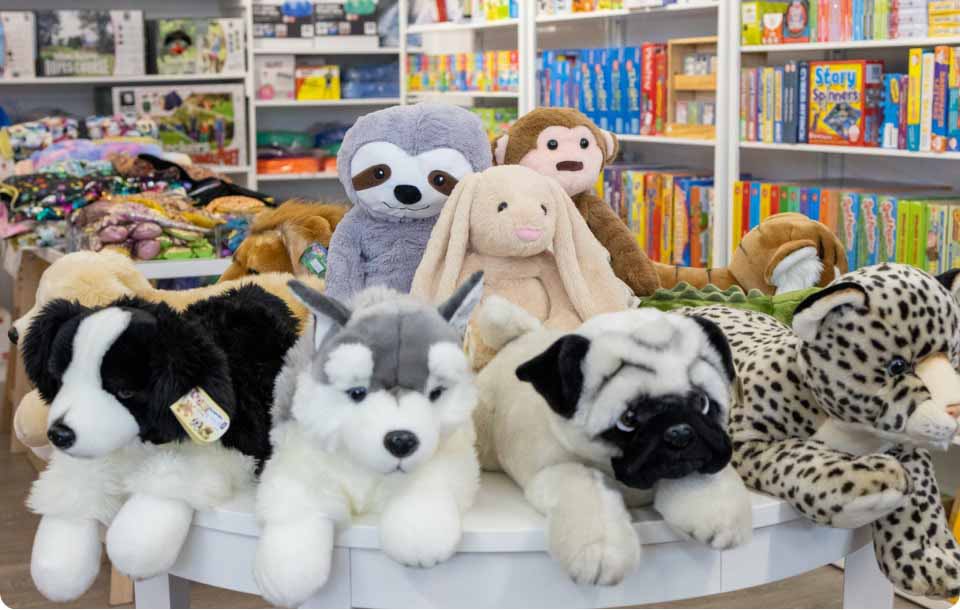
Weighted plush sits between two worlds: retail gifting and comfort tools. Brands can succeed in both, but the positioning and language must match the channel.
For retail markets, the winning message is:
- comfort + cute character + gift-ready packaging
- “calm companion” language
- multiple sizes and weights for different users
For therapeutic-adjacent markets, brands should:
- use responsible wording (support, comfort, sensory-friendly)
- avoid medical claims
- provide clear usage guidance and safety warnings
- show quality evidence: material specs, testing approach, and durability focus
At Kinwin, I help B2B buyers build weighted plush programs by standardizing weight distribution, locking inner pouch specs, and developing packaging inserts that teach safe use. This reduces returns and builds trust.
| Market position | What customers expect | Best product strategy | Packaging strategy | Business advantage |
|---|---|---|---|---|
| Gift retail | Cute + comforting | Character-driven weighted plush | Gift box/backer card | Fast sales and sharing |
| Lifestyle self-care | Daily calm tool | Neutral colors + premium feel | Simple care card | Repeat purchase potential |
| Sensory-friendly | Gentle pressure support | Multiple weights + safe build | Clear instructions | Trust and lower risk |
| Promotions | Brand visibility | Light weight mini plush | Bulk-safe pack | High exposure |
| Premium collectible | Display + comfort | Limited drops | Collector packaging | Higher margins |
Conclusion
A weighted stuffed animal works best when the weight is balanced, the build is secure, and the user chooses a comfortable option for their age and routine. At Kinwin, we help global buyers develop weighted plush lines with safe containment, stable QC, and responsible market positioning. Contact me at [email protected] or visit kinwintoys.com to discuss your next weighted plush project and explore how our factory can support your success.