Skip to content
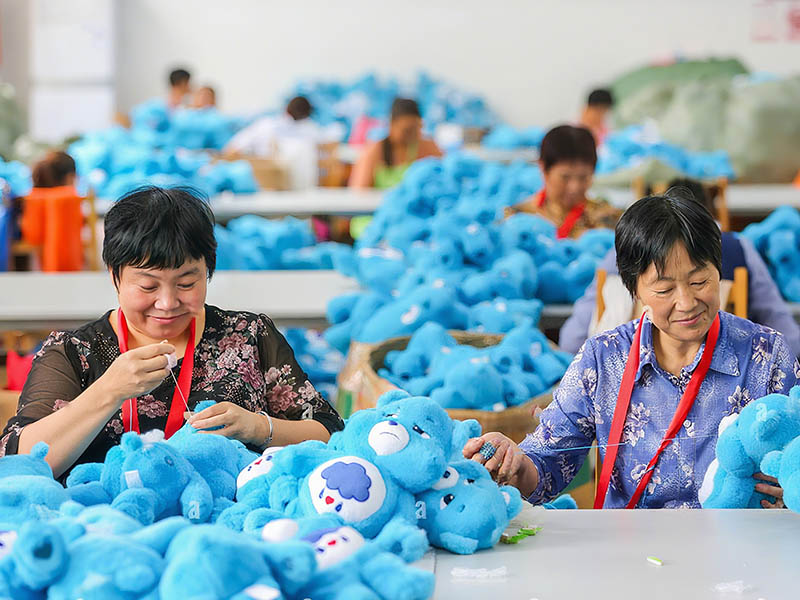
Embroidery can instantly make a stuffed animal look more premium—especially for faces, names, and brand logos. But plush fabric is not like flat cotton. Pile hides stitches, stretch distorts shapes, and the backing can scratch if it is chosen badly. I’m Amanda from Kinwin, and in this guide I’ll explain how I embroider stuffed animals in a factory-friendly way that stays clean, durable, and safe for global markets.
To embroider a stuffed animal well, you need to control five things: where you embroider (before or after sewing), how you manage pile, which stabilizer you use, which thread and density you choose, and how you inspect the finished area. When these are set correctly, embroidery becomes one of the best customization options for plush toys because it is long-lasting, looks professional, and avoids small parts risk.
What embroidery techniques are suitable for finished stuffed animals?
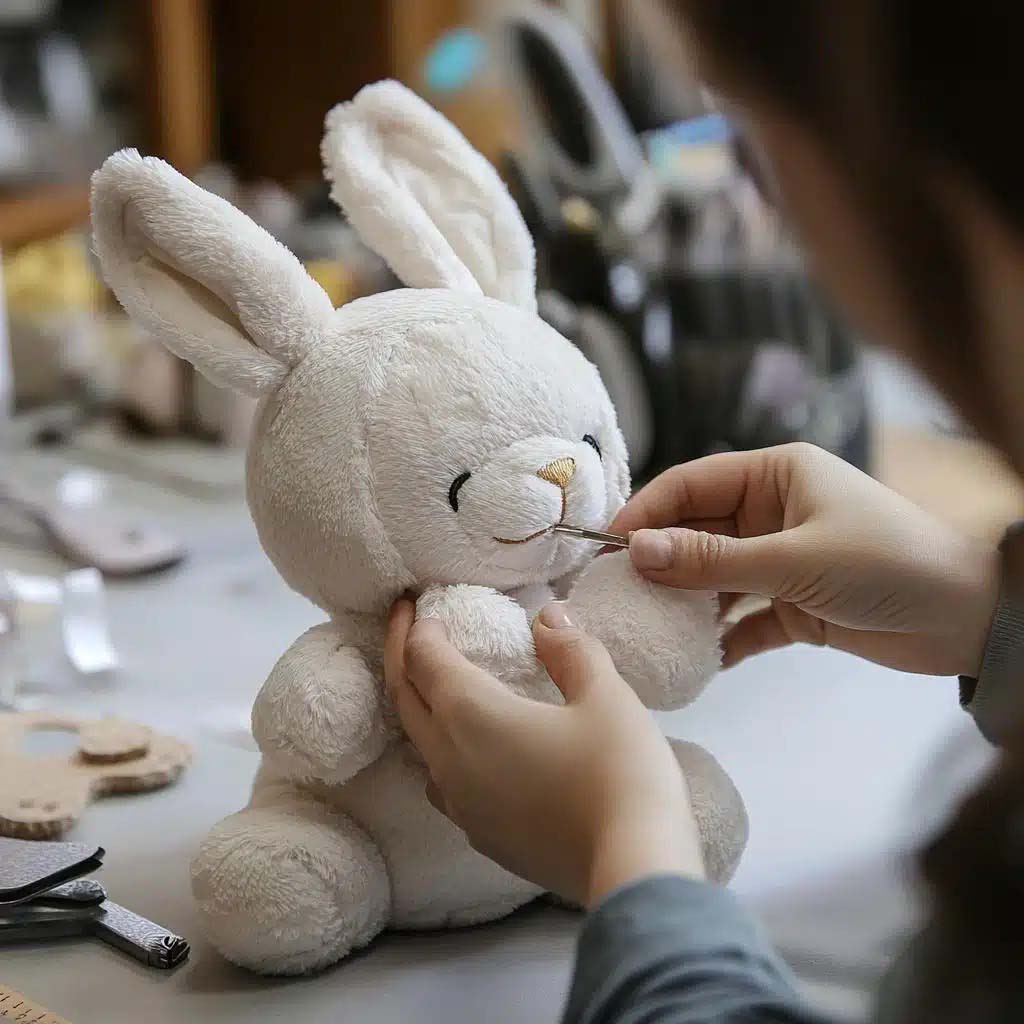
Embroidery can be done at two stages: on flat fabric panels before sewing, or directly on a finished stuffed animal. For quality and efficiency, I usually recommend embroidering flat panels before assembly. But when you need personalization (like a child’s name), you may need to embroider on a finished toy.
Techniques that work well on finished stuffed animals include:
- Hoop embroidery on accessible flat zones (belly, foot pad, back panel)
- Cap-frame or small-frame embroidery for tight areas
- Appliqué embroidery (adds a patch + stitching) for high-visibility logos
- Hand embroidery for small batches or special artisan look
If the surface is very curved (like a round head), finished-toy embroidery is harder. In those cases, it is usually better to redesign the toy with a flatter embroidery zone.
| Technique | Best for | Strength | Limitation | My practical advice |
|---|---|---|---|---|
| Flat-panel machine embroidery | Faces, logos | Cleanest detail | Needs planning | Choose this whenever possible |
| Finished-toy hoop embroidery | Names, small logos | Personalization | Curvature distortion | Use flat zones only |
| Appliqué + border stitch | Large logos | High visibility | Adds thickness | Use for brand patches |
| Satin stitch outlines | Simple icons | Sharp edges | Can sink in pile | Increase density carefully |
| Hand embroidery | Small artisan runs | Unique feel | Slow and inconsistent | Good for prototypes, not scaling |
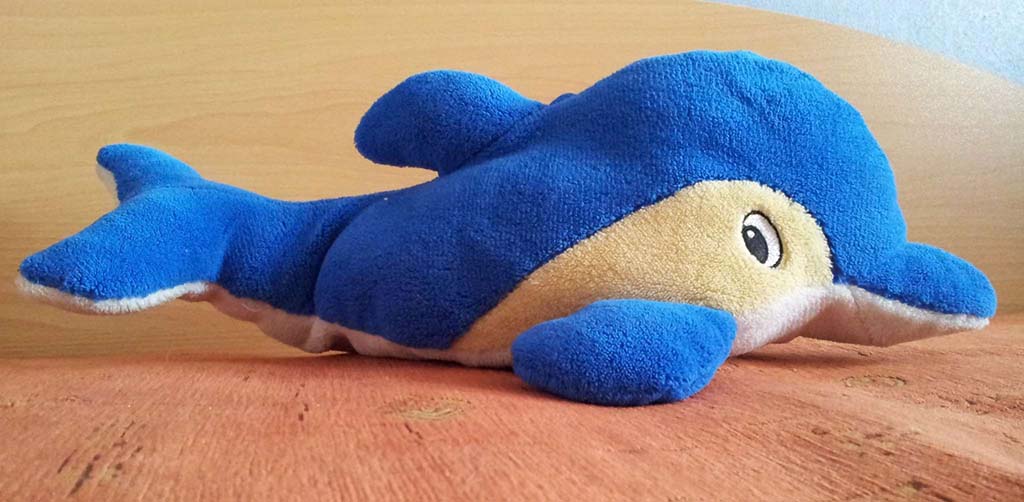
Which fabrics and pile types affect embroidery clarity on plush surfaces?
Plush fabrics hide embroidery. The longer and looser the pile, the more your stitches “disappear.” That’s why the same embroidery file can look perfect on short pile velboa, but messy on long faux fur.
The best embroidery clarity usually comes from:
- short pile plush
- smooth minky-like surfaces (with proper stabilizer)
- velveteen/velour-style surfaces where the nap is short and dense
The most challenging surfaces include:
- long pile faux fur
- shaggy or boucle textures
- very stretchy knits that distort easily
A simple rule I use: if the pile is higher than the stitch height, you must plan for pile control. That means trimming, using topping, or selecting a different fabric for the embroidery zone.
| Fabric / pile type | Embroidery clarity | Why | Best embroidery use | What to do to improve clarity |
|---|---|---|---|---|
| Short pile plush | High | Pile doesn’t cover stitches | Faces, logos | Standard stabilizer |
| Velour/velveteen | High | Dense short nap | Premium faces | Control nap direction |
| Minky-like | Medium–High | Smooth but can stretch | Names, icons | Add stronger backing |
| Coral fleece | Medium | Fluffy surface | Simple shapes | Use topping film |
| Long faux fur | Low | Pile covers stitches | Avoid direct embroidery | Use appliqué patch instead |
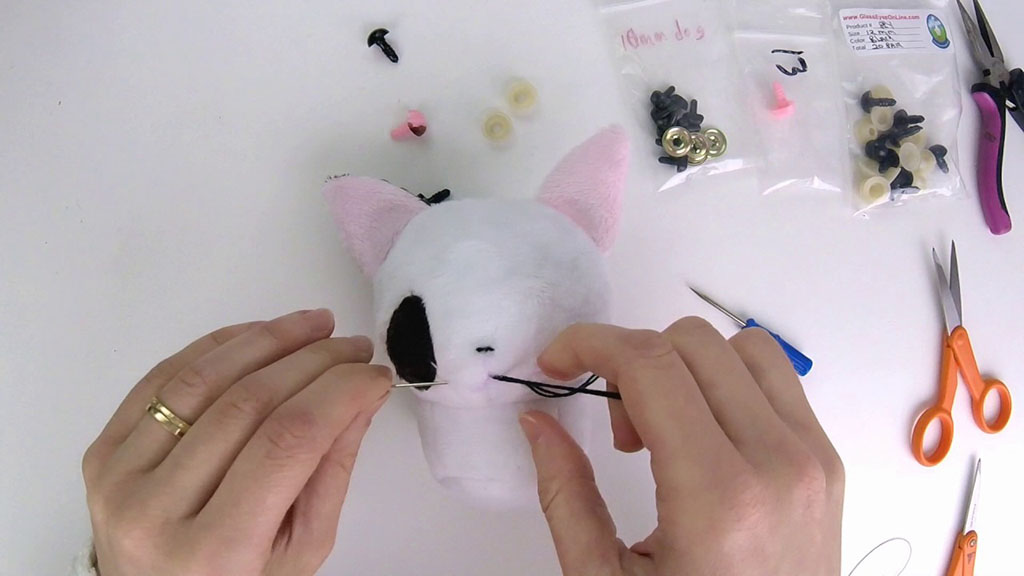
How should stabilizers and backing materials be selected for plush embroidery?
Stabilizer choice is the biggest difference between “okay” and “professional.” Plush embroidery needs support so the fabric does not stretch, ripple, or sink.
Common stabilizer types used in plush programs:
- Cut-away stabilizer for stretch fabrics and premium durability
- Tear-away stabilizer for stable woven zones (less common for plush bodies)
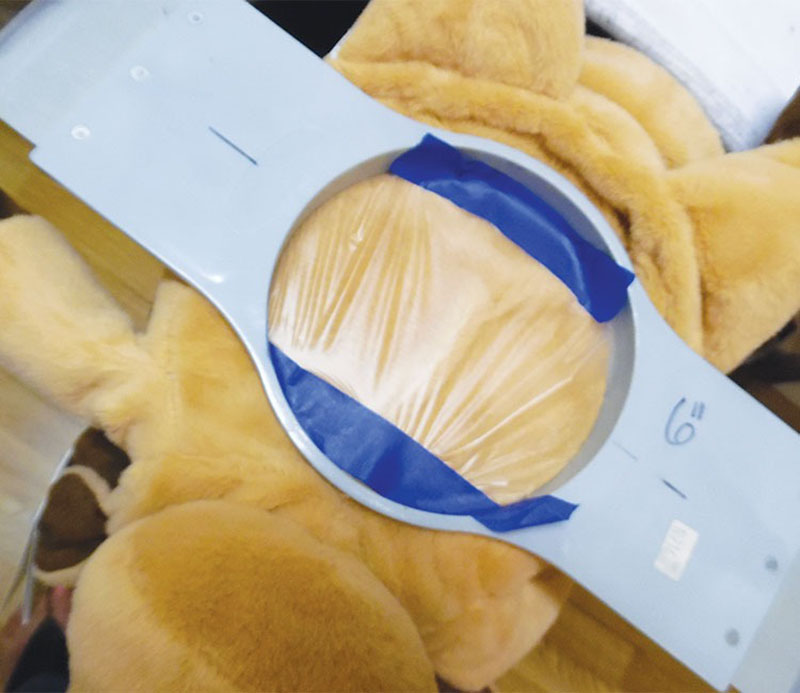
- Wash-away topping film (on top of pile) to prevent stitches from sinking
- Soft backing cover to protect skin contact if embroidery is on a cuddle area
For stuffed animals, comfort matters. A rough backing can irritate skin, especially for baby products. That’s why I often add a soft felt cover or inner lining behind embroidery zones when the area will touch the face or hands.
| Stabilizer material | Where it goes | Best for | Why it works on plush | Watch-out |
|---|---|---|---|---|
| Cut-away backing | Inside | Stretchy plush and minky | Holds shape long-term | Must be trimmed cleanly |
| Tear-away backing | Inside | Very stable fabrics | Faster production | Can distort if plush stretches |
| Wash-away topping | Top surface | Medium/long pile | Prevents stitch sink | Must be removed fully |
| Felt comfort cover | Inside | Baby and comfort plush | Soft against skin | Adds labor cost |
| Adhesive backing | Inside | Hard-to-hoop zones | Improves holding | Must not damage pile |
What thread types and stitch densities ensure durability and safety?
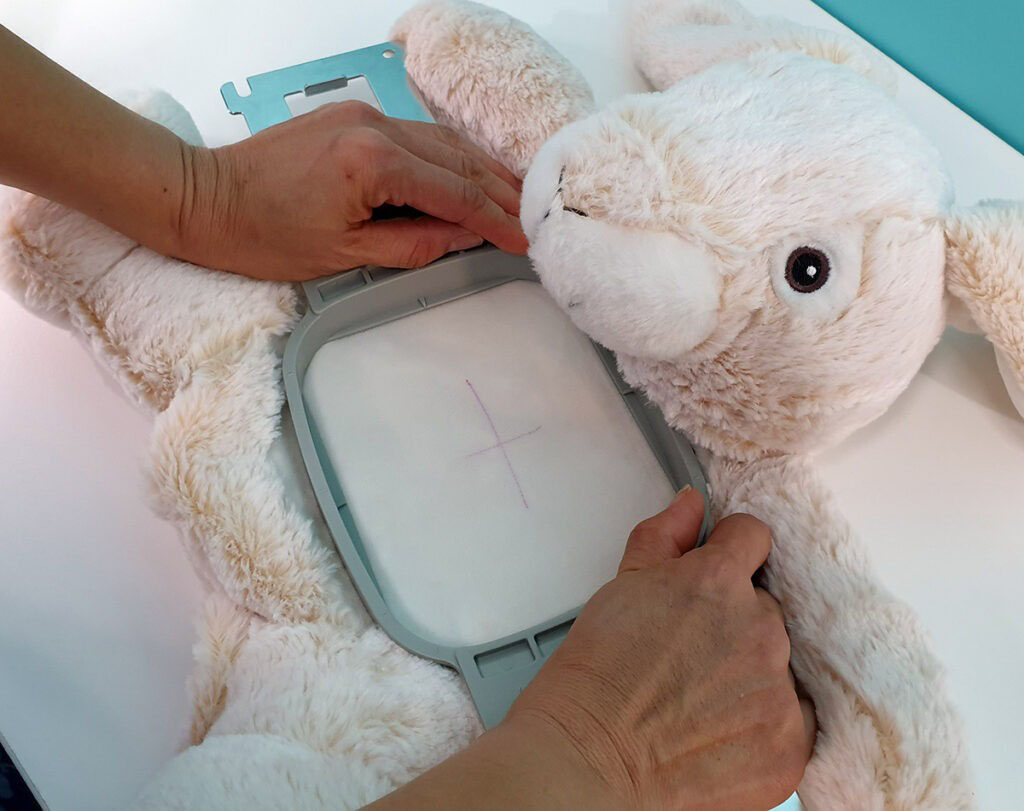
Thread and density determine durability, but also comfort. Too low density leads to gaps and early wear. Too high density makes embroidery stiff and can cause fabric distortion.
For plush toys, I recommend:
- strong polyester embroidery thread for durability and wash stability
- smooth thread finishes that don’t feel scratchy
- balanced satin stitch widths so edges do not snag
- careful underlay stitching to support top stitches
For safety, the key is to avoid loose thread tails and avoid designs that can be picked easily by children. Edges must be locked, and the backing must be secured.
| Embroidery choice | Why it matters | Best direction | What can go wrong | QC check |
|---|---|---|---|---|
| Thread type | Strength and wash stability | Polyester embroidery thread | Color fade or break | Wash and rub test |
| Stitch density | Look + durability | Medium density with underlay | Too stiff or too weak | Feel test + visual check |
| Satin width | Clean edges | Moderate widths | Snagging on wide satin | Pull test at edges |
| Lock stitches | Prevent unravel | Strong start/end locks | Loose tails | Tail trimming inspection |
| Underlay | Prevent sinking | Correct underlay pattern | Puckering | Flatness and ripple check |
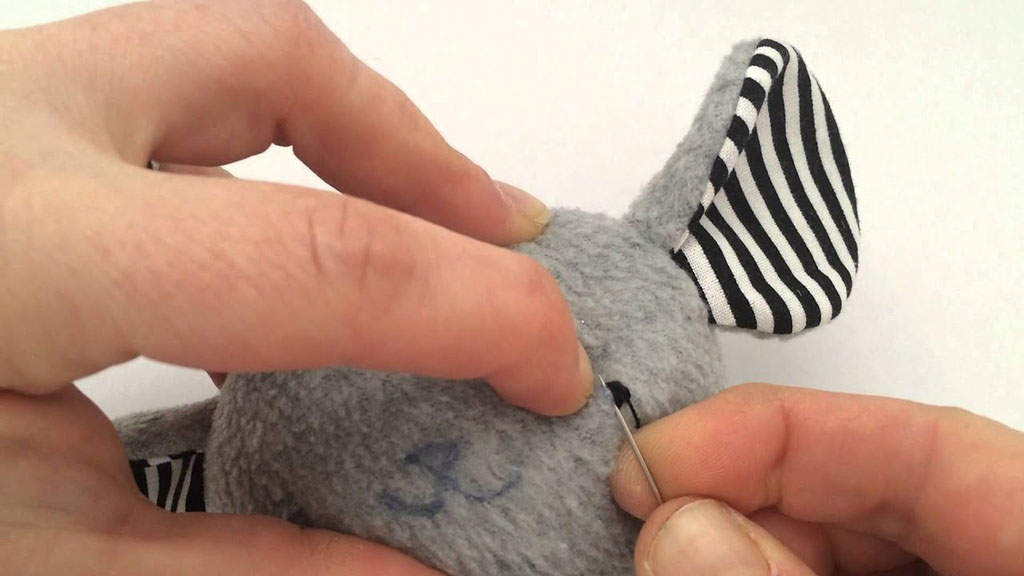
How does hand embroidery compare with machine embroidery for plush toys?
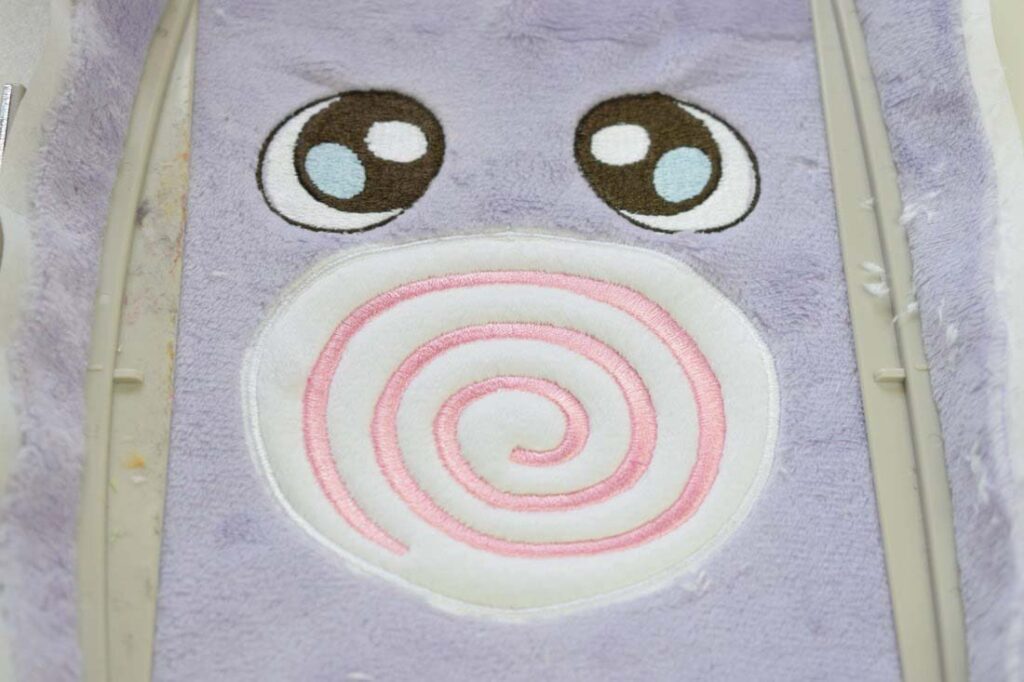
Hand embroidery is flexible and can look charming, but it is slower and harder to standardize. Machine embroidery is faster, repeatable, and ideal for brand consistency.
For plush toys, the biggest difference is:
- Hand embroidery: best for prototypes, limited editions, or artisan positioning
- Machine embroidery: best for retail, wholesale, licensing, and scaling
Hand embroidery can also create unique textures that machines can’t mimic easily, but it carries higher labor cost and more variation.
| Comparison point | Hand embroidery | Machine embroidery | Best for B2B |
|---|---|---|---|
| Speed | Slow | Fast | Machine wins for volume |
| Consistency | Variable | High consistency | Critical for reorders |
| Detail control | Skilled-dependent | Digitizing-dependent | Both need expertise |
| Cost per unit | High | Lower at scale | Better margins |
| Design flexibility | High | Medium | Use hand for special runs |
What production and quality-control considerations apply in mass embroidery?
Mass embroidery succeeds when you lock the system early. Most defects come from variation: different fabric lots, different hoop tension, and inconsistent trimming or topping removal.
In factory production, I focus on these controls:
- approved embroidery file and stitch density settings
- placement templates and measurement tolerance
- stabilizer spec locked per fabric type
- topping film use rules for pile fabrics
- backing comfort checks for baby and cuddle zones
- consistent trimming and cleaning before packing
For B2B buyers, I recommend asking your supplier for a “golden embroidery sample” and making sure every batch matches it in size, clarity, and hand-feel.
| QC control point | What it prevents | How to implement | What buyers gain |
|---|---|---|---|
| Placement template | Crooked logos | Fixed marking and tolerance | Better brand image |
| Stabilizer standard | Ripples and distortion | Locked backing spec | More consistent batches |
| Stitch settings lock | Mixed look across lines | Approved machine parameters | Reorder stability |
| Topping removal check | Messy face finish | Visual inspection | Cleaner photos |
| Comfort backing check | Scratchy feel | Hand-feel test | Parent trust and fewer complaints |
| Pull and wash checks | Thread failure | Sampling tests | Lower returns |
Conclusion
Embroidery works best on stuffed animals when pile control, stabilizers, thread choice, and placement templates are planned early for durability and comfort. At Kinwin, we help global buyers develop embroidered plush programs with clean digitizing, safe backing, and scalable QC for consistent reorders. Contact me at [email protected] or visit kinwintoys.com to discuss your next embroidered plush project and explore how our factory can support your success.