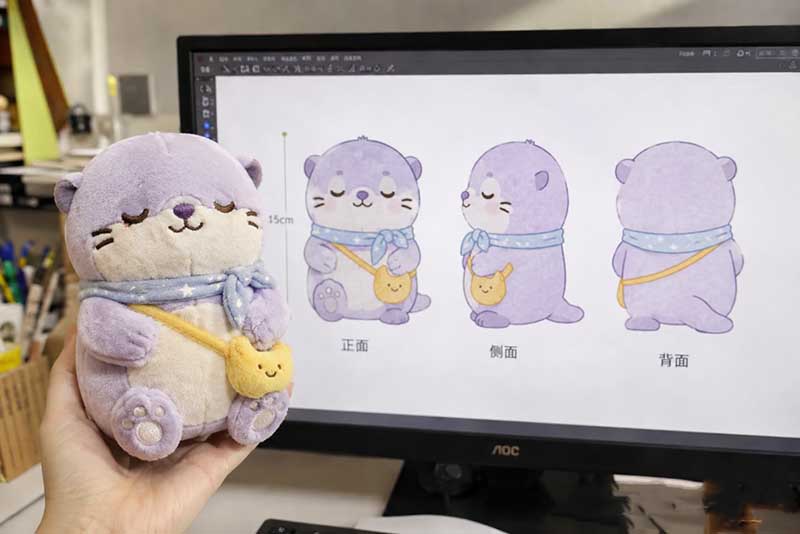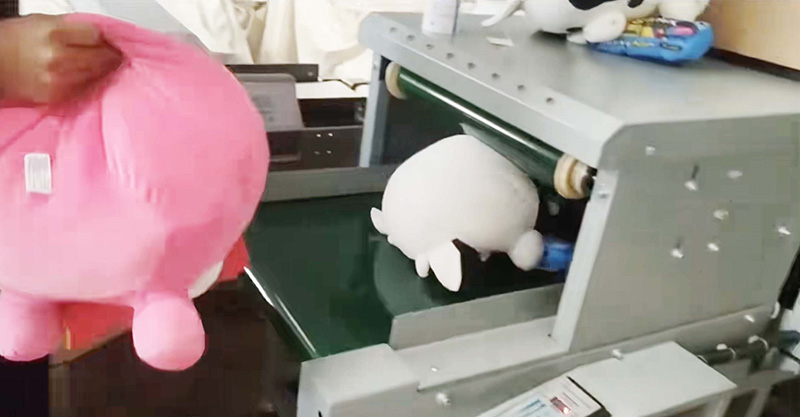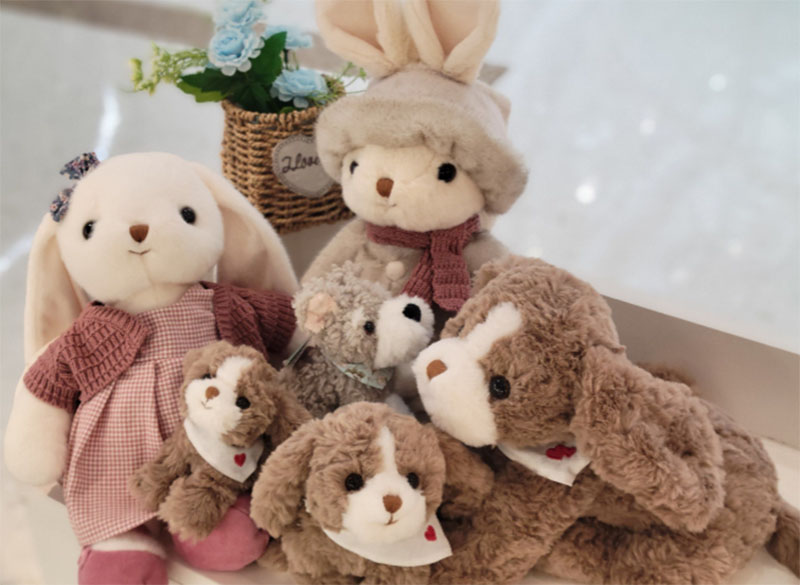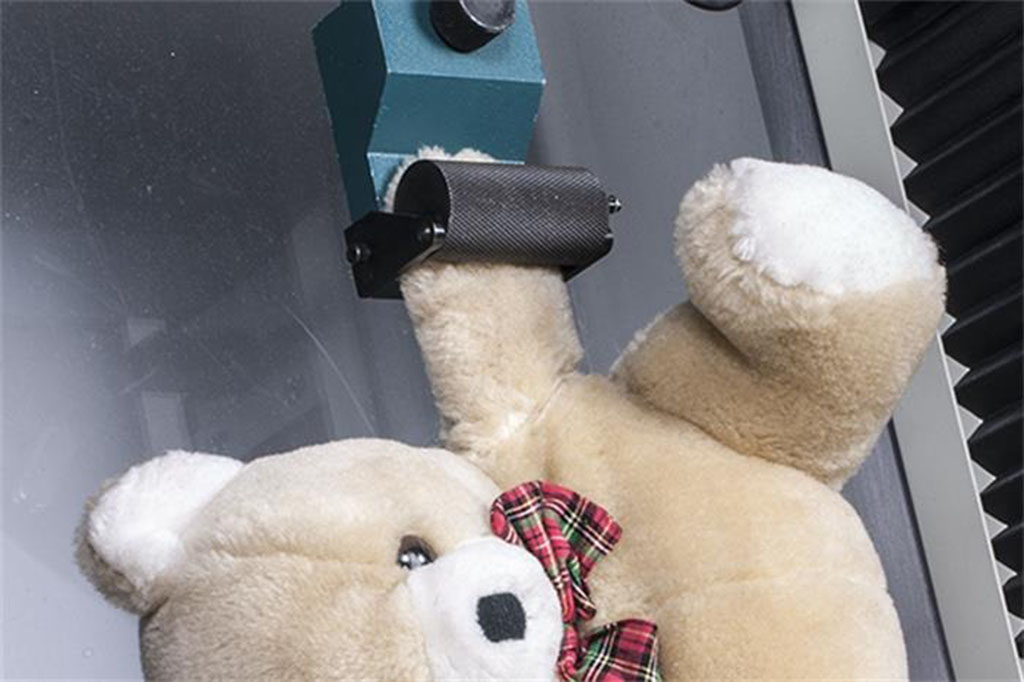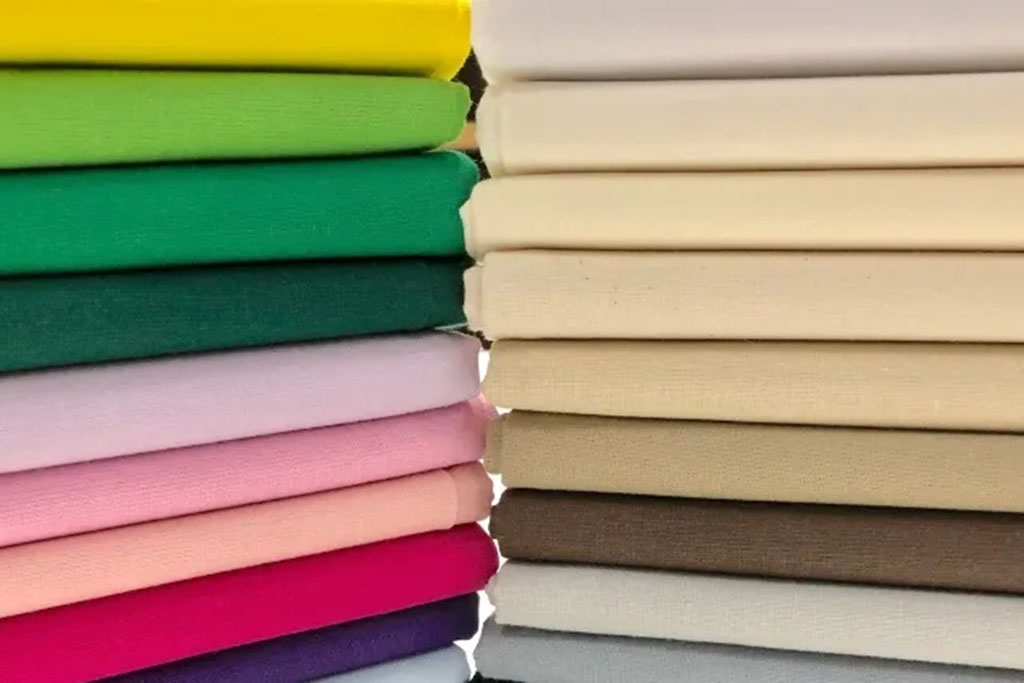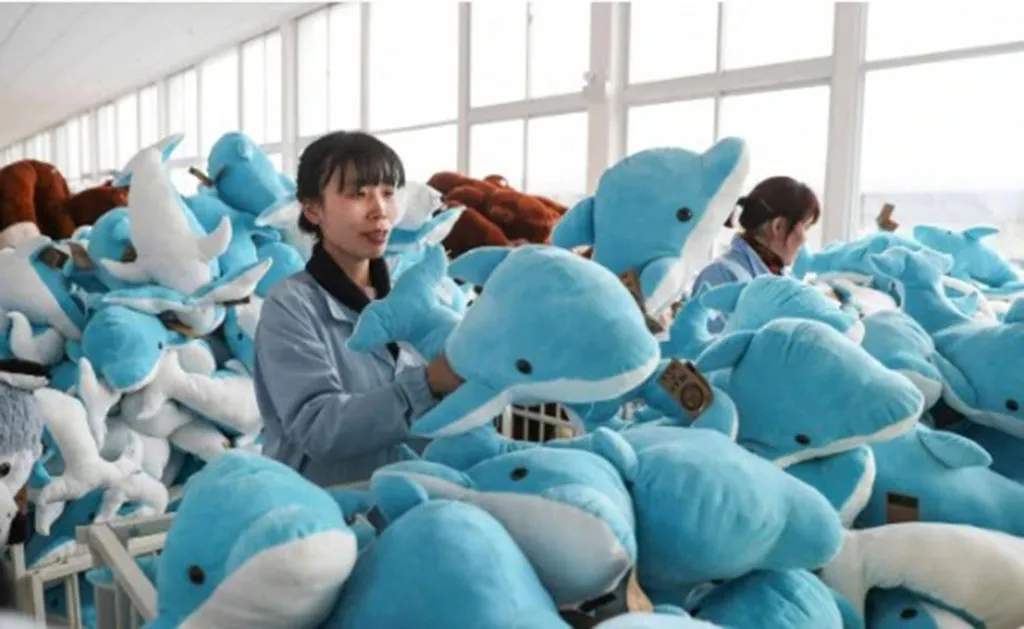
“Plush fleece” is one of those fabric terms that buyers use a lot, but factories can interpret in different ways if the spec is not clear. I’m Amanda from Kinwin, and in this guide I’ll explain what plush fleece means in plush toy manufacturing, how it differs from polar fleece, coral fleece, and minky, and what quality, performance, safety, and sourcing checks B2B buyers should use before placing an order.
In simple terms, plush fleece is a soft, brushed knit fleece with a thicker, plush hand-feel, often made from polyester, designed to feel warm and cuddly. It can work well for stuffed animals because it is soft, stable, and usually easy to sew. But “plush fleece” is not one single standardized fabric—so quality depends on fiber content, pile density, finishing, and wash performance. For global plush programs, you should lock the spec early and test pilling and colorfastness before scaling.
What is plush fleece in textile and plush toy manufacturing terms?
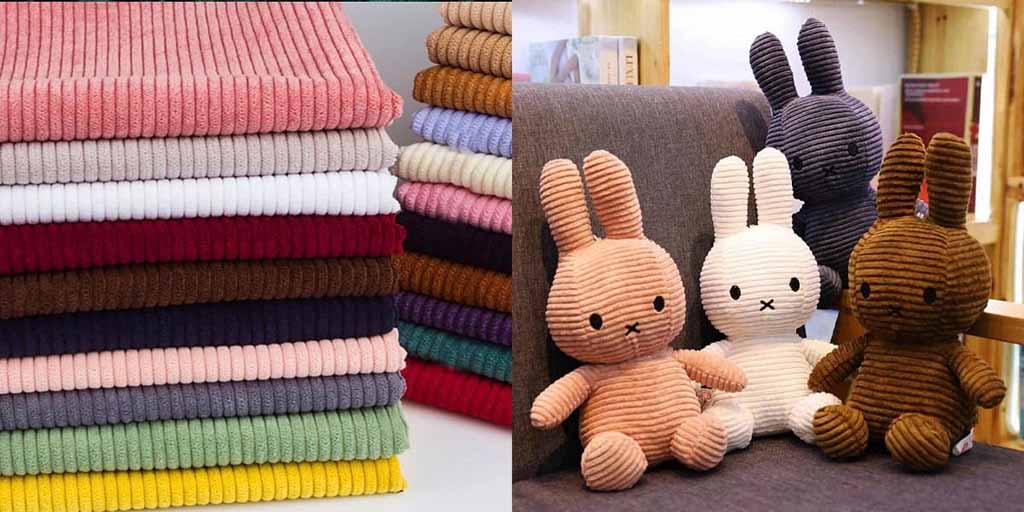
In textiles, “fleece” usually refers to a knitted fabric with a soft brushed surface. In plush toy manufacturing, plush fleece typically means a fleece fabric that has been brushed or finished to create a thicker, more plush surface than standard fleece. It is often chosen when a brand wants a cozy, blanket-like feel without the high pile or higher cost of some premium plush fabrics.
In practical factory language, plush fleece is commonly used for:
- cozy animal bodies (bears, bunnies, dogs)
- baby comfort plush where softness is prioritized
- seasonal plush (winter themes, holiday plush)
- plush accessories like pillows and comfort items
The key for buyers is to avoid “guessing.” If you only say “plush fleece,” different suppliers may quote different fleece types. A good purchase spec should define weight (GSM), pile height, and fiber composition.
| Term (factory usage) | What it usually means | How it feels | Common plush toy use | Spec detail to lock |
|---|---|---|---|---|
| Plush fleece | Thick, soft brushed fleece | Cozy, warm, soft | Full-body plush, pillows | GSM + pile height |
| Standard fleece | Basic brushed fleece | Soft but thinner | Linings, low-cost plush | GSM + finish type |
| Double-sided plush fleece | Brushed both sides | Extra cozy | Blanket plush, comfort items | Both-side finish requirement |
| Anti-pill plush fleece | Fleece with pilling control finish | Cleaner long-term look | Higher quality retail plush | Pilling grade target |
| “Fleece plush” (ambiguous) | Could mean coral or polar | Varies | Risk of mismatch | Ask supplier for sample and spec sheet |
How does plush fleece differ from polar fleece, coral fleece, and minky?
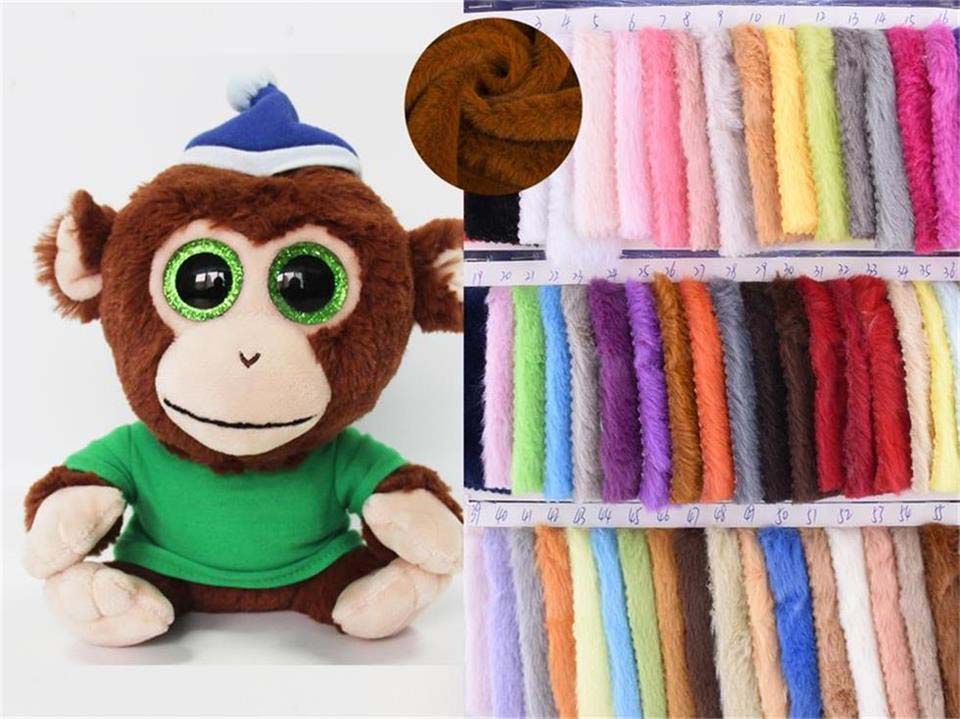
These fabrics can all be described as “soft,” but they behave differently in sewing, appearance, and durability.
A simple way I explain it to buyers:
- Polar fleece is usually a medium-weight knit fleece, soft and warm, often used in clothing and also in toys for a clean, matte look.
- Coral fleece typically feels fluffier and can have a more “hairy” surface, often used for blankets and cozy items.
- Minky is usually smoother and more “luxury soft,” often used in baby plush and premium comfort toys.
- Plush fleece is a broad term that can overlap with polar or coral depending on pile height and finishing—so you must confirm the exact spec.
For stuffed animals, the best choice depends on your target feel and your quality expectations after washing.
| Fabric | Surface feel | Typical look | Sewing behavior | Best for plush toys | Common risk |
|---|---|---|---|---|---|
| Plush fleece | Cozy, soft, thicker hand | Matte to lightly fluffy | Usually easy | General stuffed animals | Term ambiguity |
| Polar fleece | Smooth-brushed, stable | Clean, sporty | Very stable | Value lines, mascots | Can pill if low grade |
| Coral fleece | Fluffier, blanket-like | More fuzzy | Can shed more | Cozy gift plush | Higher shedding risk |
| Minky | Smooth, “silky soft” | Premium smooth | Stretchy, needs control | Baby comfort plush | Shows marks, stretch distortion |
Which fiber compositions and pile structures define plush fleece quality?
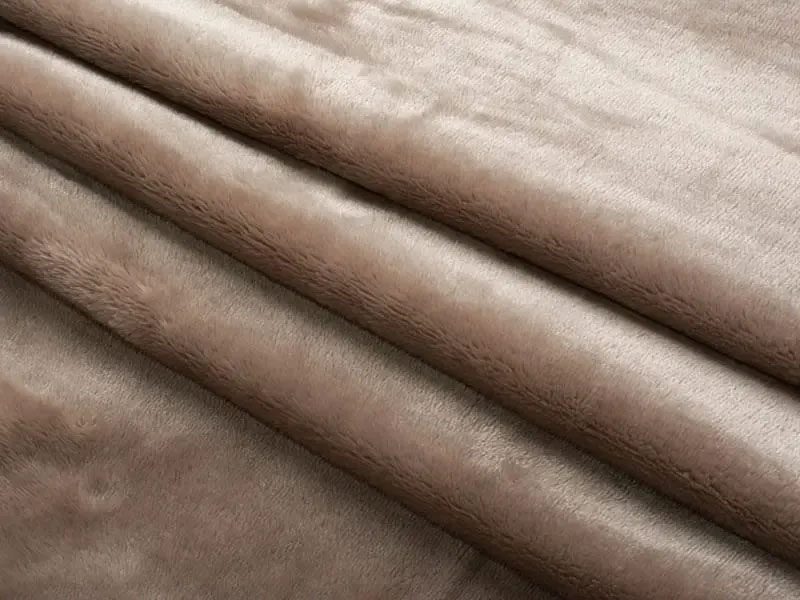
Most plush fleece for toys is polyester-based, because it offers stable supply, good softness, and reasonable cost. Some blends exist, but buyers should confirm the exact composition because it affects wash behavior and color.
Quality is defined by:
- Fiber quality: finer fibers usually feel softer
- Pile density: dense pile feels richer and pills less
- Fabric weight (GSM): heavier fleece often feels more premium
- Finish quality: anti-pill treatments and brushing consistency
Pile structure matters because fleece is often brushed. If brushing is uneven, the surface can look patchy. If pile density is too low, pilling and flattening happen faster.
| Quality driver | What to check | Why it matters for plush toys | Good sign | Weak sign |
|---|---|---|---|---|
| Fiber composition | Spec sheet + label plan | Impacts feel and care | Clear polyester % | Vague “fleece fabric” |
| GSM (weight) | Supplier data + test | Controls thickness | Stable target range | Large variation across rolls |
| Pile density | Hand feel + rub test | Reduces pilling | Rich, even surface | Thin, “empty” feel |
| Brushing uniformity | Visual under light | Prevents patchiness | Even nap | Shiny patches |
| Anti-pill performance | Wash/rub test | Protects long-term look | Low fuzz after wash | Heavy fuzz balls |
What performance properties make plush fleece suitable for stuffed animals?
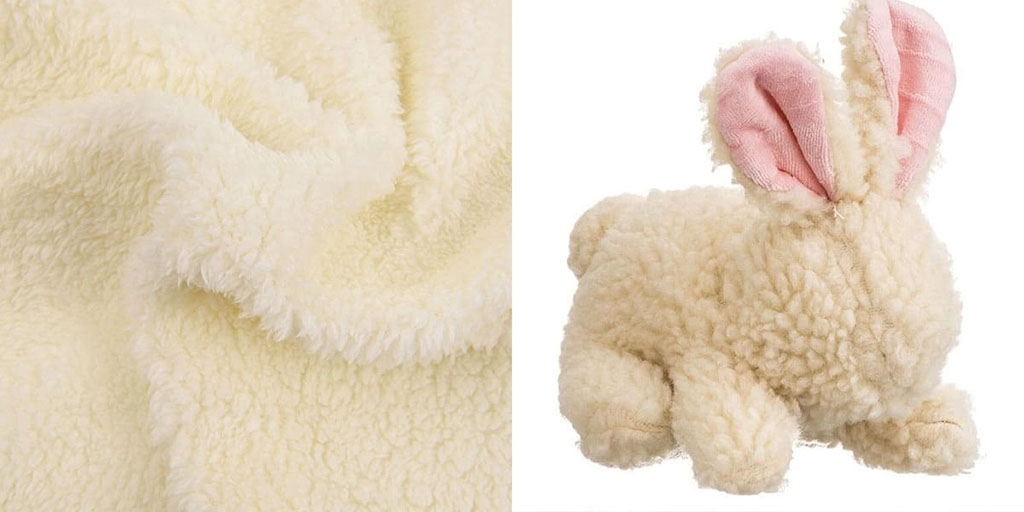
Plush fleece is popular in stuffed animals because it balances softness, stability, and cost. In production, it also offers practical advantages:
- easy cutting and sewing compared with very long pile plush
- good surface for embroidery and appliqué
- warm and cozy hand-feel for comfort-driven products
- stable visual appearance in general retail photos
For many B2B buyers, plush fleece is a good “workhorse fabric” for mid-range stuffed animals—especially when your market needs soft feel but also wants a price that can scale.
| Performance need | Why plush fleece helps | Best product type | What to specify | Customer benefit |
|---|---|---|---|---|
| Cozy softness | Brushed pile feels warm | Sleep buddy plush | Surface softness target | Comfort appeal |
| Stable sewing | Less fuzz than long pile | Mascots and retail plush | Cutting tolerance | Cleaner seams |
| Good embroidery base | Matte surface shows detail | Logo plush | Embroidery backing rules | Clear branding |
| Cost efficiency | Common supply | High-volume SKUs | Approved suppliers | Better margins |
| Photo consistency | Matte surface reads well | E-commerce | Shade and nap control | Better listings |
How does plush fleece perform in durability, washability, and pilling control?
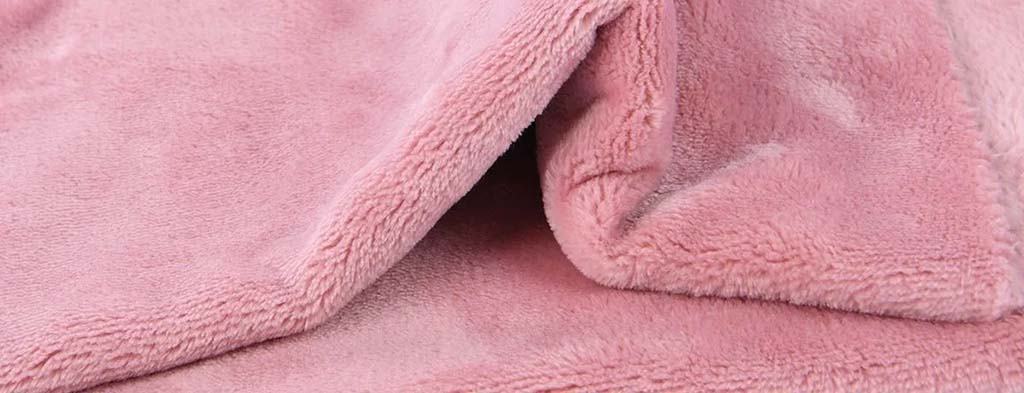
This is where buyers need to be realistic. Plush fleece can be durable, but durability depends on fiber grade and anti-pill finishing. Lower-grade fleece may pill quickly after friction and washing, especially in high-contact zones like cheeks and bellies.
In general:
- Washability: plush fleece often handles washing well, but it can change texture if dried too hot.
- Pilling: pilling is the most common complaint, especially on budget fleece.
- Shape retention: fleece usually doesn’t “shed” like long pile, but it can flatten in compressed areas.
For a retail plush program, I recommend specifying a pilling target and doing a simple wash test during sampling. A small investment here prevents big review problems later.
| Property | Typical behavior | What improves it | What makes it worse | Simple buyer test |
|---|---|---|---|---|
| Durability | Good if pile is dense | Better fiber + higher GSM | Thin fleece | Rub test + seam check |
| Washability | Often good | Gentle wash + low heat dry | High heat drying | 3-wash pilot test |
| Pilling control | Variable | Anti-pill finish | Low-grade fiber | Pilling grade evaluation |
| Color retention | Usually stable | Colorfast dyes | Weak dye control | Color bleed check |
| Hand-feel stability | Can soften or flatten | Better finishing | Overdrying | Before/after touch test |
What safety, compliance, and sourcing factors should B2B buyers evaluate?
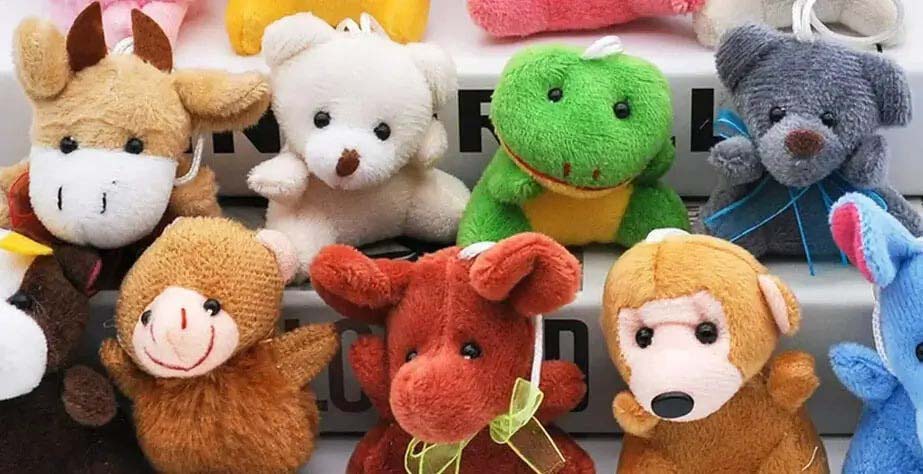
Plush fleece is a textile component in children’s products, so buyers should evaluate it through a safety and sourcing lens, not only a softness lens.
Key B2B checks I recommend:
- Chemical compliance readiness: dyes and finishes must meet your target market restrictions.
- Fiber traceability: confirm composition and supplier consistency.
- Flammability expectations: depends on market and product category—plan early.
- Pilling and shedding control: to reduce ingestion and mess concerns, especially for younger users.
- Lot control: fleece can vary in GSM and hand-feel across lots; lock approved batches.
- Substitution control: suppliers sometimes swap fleece types; insist on an approved fabric list.
At Kinwin, we help buyers lock plush fleece specs, validate wash and pilling performance during sampling, and maintain consistency across reorders through incoming checks and material traceability.
| Risk area | What can go wrong | What buyers should request | How to control in production | Business benefit |
|---|---|---|---|---|
| Fabric ambiguity | Wrong fleece type delivered | Spec sheet + sample approval | Approved fabric list | Fewer disputes |
| Pilling complaints | “Looks old fast” | Anti-pill requirement | Wash test + rub QC | Better reviews |
| Chemical compliance | Dye/finish risk | Declarations/reports | Traceability | Lower compliance risk |
| Shade variation | Two-tone bodies | Color standard | Lot control | Better brand image |
| Supply continuity | Fabric changes over time | Reorder plan | Dual sourcing | Stable long-term line |
| Substitutions | Quality drops silently | Change control clause | Incoming inspection | Protects pricing power |
Conclusion
Plush fleece is a cozy, brushed knit fabric used in stuffed animals for warm softness, stable sewing, and scalable cost—but quality depends on clear specs, pilling control, and supplier consistency. At Kinwin, we help global buyers select and standardize plush fleece materials, validate wash performance, and maintain consistent quality across reorders. Contact me at [email protected] or visit kinwintoys.com to discuss your next plush project and explore how our factory can support your success.