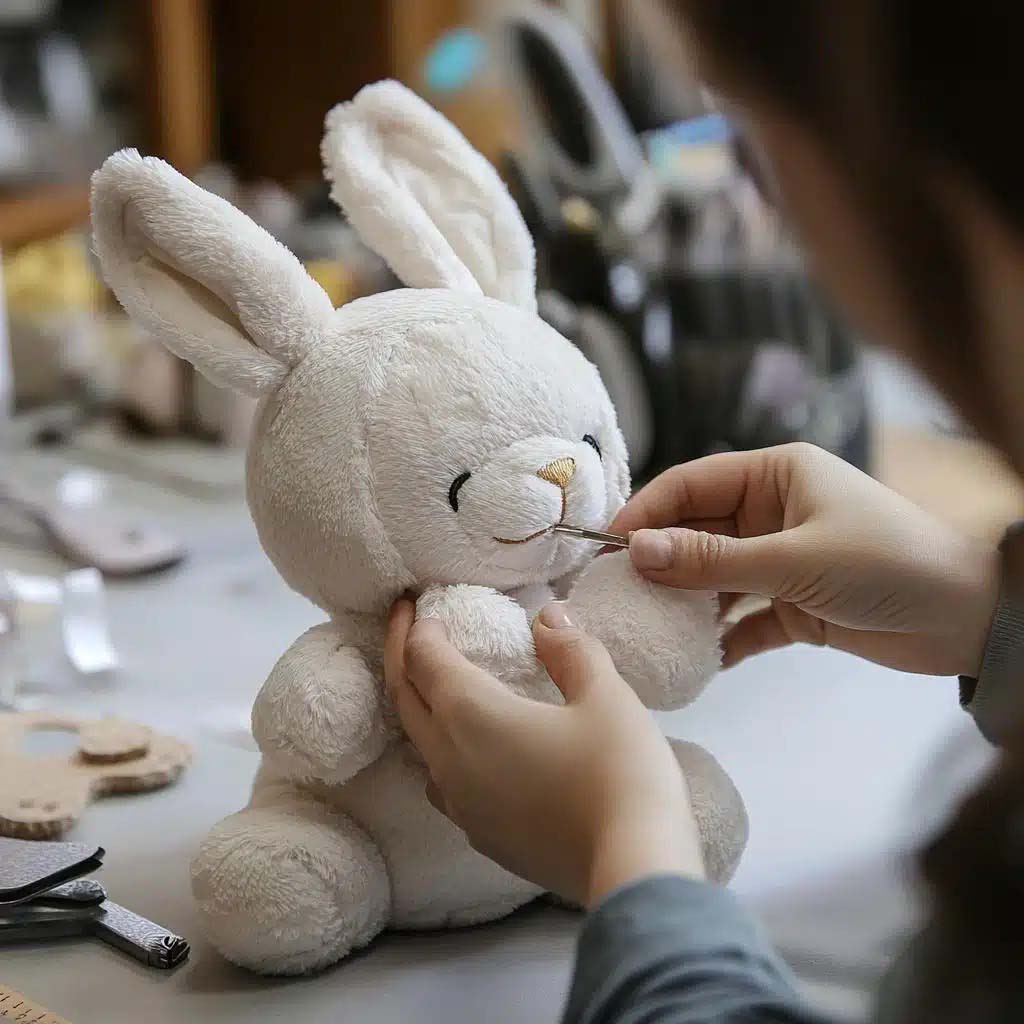
For toy buyers, customs clearance is not just a logistics step—it is a compliance checkpoint that directly affects delivery timelines, landed cost, and even brand reputation. From my experience supporting buyers importing plush toys into the U.S., Europe, and other regulated markets, most customs problems do not come from product quality issues, but from missing, inconsistent, or misunderstood documentation.
Customs authorities focus on accuracy, traceability, and regulatory alignment. Even a small mismatch between documents can trigger inspections, delays, or shipment holds. This article breaks down exactly what documentation buyers need for toy import customs, why each document matters, and how to avoid common clearance risks.
What Core Shipping Documents Are Required for Toy Import Customs Clearance?

Every toy shipment must be supported by a set of core shipping documents that establish the identity, value, and movement of the goods. Without these documents, customs clearance cannot begin.
At a minimum, buyers must prepare a commercial invoice, packing list, and transport document (Bill of Lading or Air Waybill). These documents form the foundation of customs declaration and are cross-checked against each other. Inconsistencies—such as different quantities or descriptions—are one of the most common triggers for inspection.
Buyers should ensure that all core documents clearly reference the same shipment details, product descriptions, and parties involved.
| Document | Purpose | Buyer Must Check |
|---|---|---|
| Commercial Invoice | Declares value & seller | Accurate pricing & terms |
| Packing List | Details shipment contents | Quantities & carton info |
| Bill of Lading / AWB | Proof of transport | Consignee & shipment data |
| Shipping marks | Identification | Matches cartons |
| Export declaration | Origin country filing | Proper submission |
How Do Commercial Invoices and Packing Lists Affect Customs Declarations?
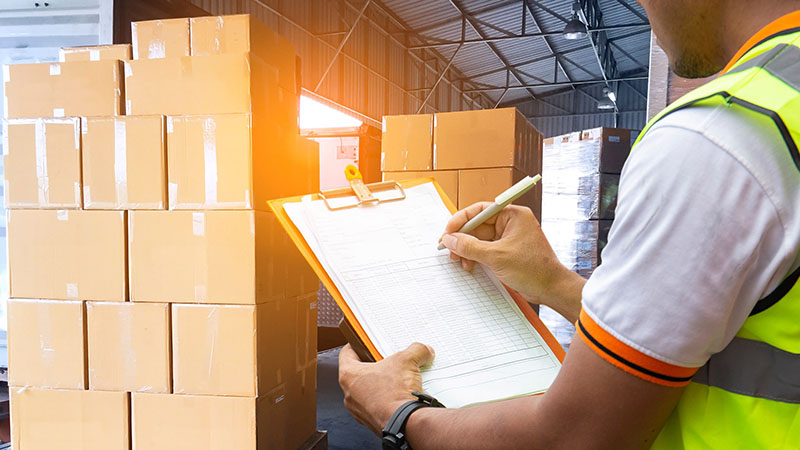
The commercial invoice and packing list are the most scrutinized documents during customs clearance. They determine customs value, classification, and risk assessment.
The commercial invoice must clearly state product description, HS code, unit price, total value, currency, Incoterms, and buyer/seller details. The packing list complements this by showing how goods are packed—carton count, net and gross weight, and dimensions.
Any discrepancy between these two documents can lead customs to question the declared value or classification, increasing the chance of delays or reassessment.
| Document Element | Customs Focus | Buyer Risk if Incorrect |
|---|---|---|
| Product description | Classification accuracy | HS misclassification |
| Declared value | Duty calculation | Under/over valuation |
| Quantity | Shipment verification | Physical inspection |
| Incoterms | Cost responsibility | Dispute on charges |
| Weight & volume | Logistics checks | Clearance delay |
What Safety, Compliance, and Testing Documents Must Be Submitted for Toys?
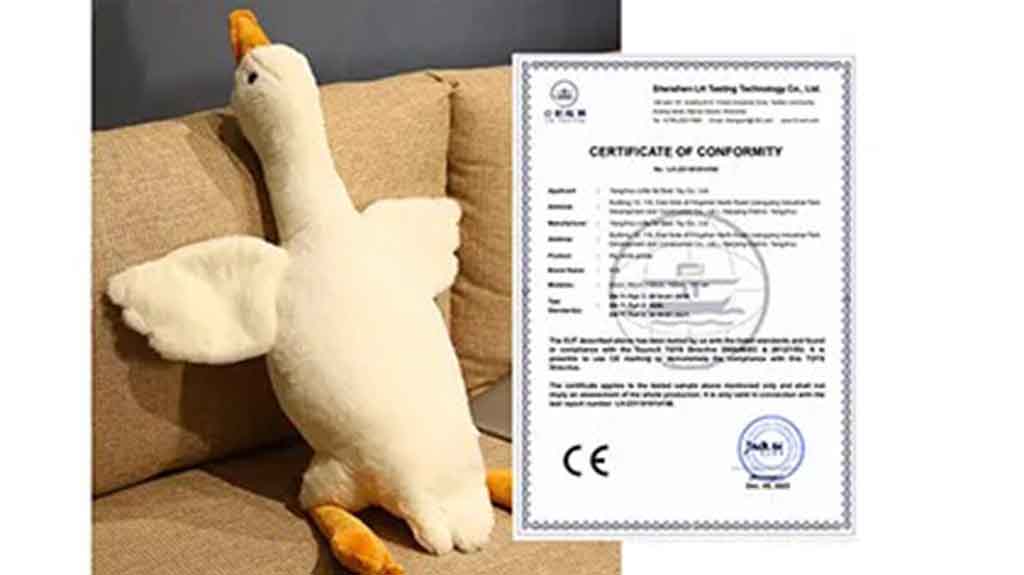
Toys are regulated products in most markets, and customs authorities often require proof that they meet applicable safety and compliance standards. These documents are especially critical for plush toys intended for children.
Depending on the destination market, buyers may need to submit test reports, certificates of conformity, or declarations such as CPC (U.S.) or EN71 compliance (EU). Even when documents are not requested upfront, customs may demand them during inspection.
Buyers should ensure that compliance documents are complete, current, and issued by accredited third-party labs.
| Document Type | Applicable Market | Buyer Verification |
|---|---|---|
| Test reports | U.S., EU, others | Correct standard & scope |
| CPC / DoC | United States | Accurate product reference |
| EN71 reports | European Union | Parts 1–3 included |
| Lab accreditation | Global | Accepted lab status |
| Product traceability | All markets | Matches shipment |
How Do Certificates of Origin and HS Codes Impact Import Duties and Clearance?
Certificates of Origin (CO) and HS codes directly affect import duties, tariff eligibility, and clearance speed. An incorrect HS code or missing origin certificate can lead to higher duties or shipment holds.
HS codes must accurately reflect the product type and material composition. For plush toys, misclassification is common when descriptions are vague. Certificates of Origin may also be required to claim preferential tariffs under trade agreements.
Buyers should confirm HS codes with their customs broker and ensure the origin information is consistent across all documents.
| Item | Customs Role | Buyer Responsibility |
|---|---|---|
| HS code | Duty calculation | Accurate classification |
| Country of origin | Tariff eligibility | Correct declaration |
| Certificate of Origin | Proof of origin | Issued by authority |
| Trade agreement | Duty reduction | Eligibility check |
| Document consistency | Risk assessment | Cross-document match |
What Labeling and Product Information Do Customs Authorities Typically Review?
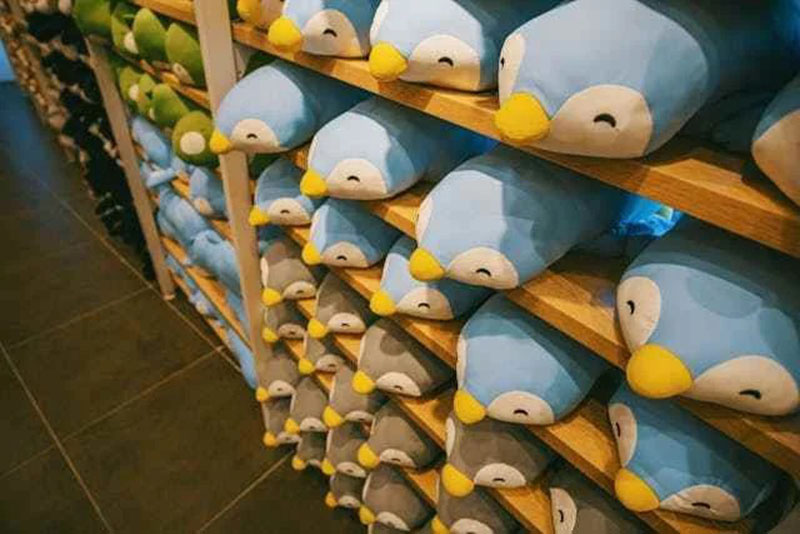
Customs authorities often inspect product labeling to verify compliance with local regulations. For toys, labels provide information on manufacturer, importer, country of origin, age grading, and safety warnings.
Incorrect or missing labels can result in customs holds or mandatory relabeling. Buyers should confirm that labels are applied correctly before shipment and that labeling information matches documentation.
For plush toys, sewn-in labels or durable tags are typically required to meet both customs and safety standards.
| Label Element | Customs Concern | Buyer Check |
|---|---|---|
| Country of origin | Legal requirement | Permanent marking |
| Importer info | Traceability | Correct U.S./EU entity |
| Age grading | Safety classification | Consistent with tests |
| Warning statements | Compliance | Market-specific wording |
| Label durability | Enforcement | Non-removable format |
How Can Incomplete or Incorrect Documentation Cause Delays or Seizures at Customs?
Incomplete or incorrect documentation increases customs risk significantly. When documents do not align, customs may issue requests for clarification, conduct physical inspections, or place shipments on hold.
In severe cases—especially for regulated products like toys—customs authorities may seize goods or require re-export. These outcomes lead to additional costs, missed selling seasons, and reputational damage.
The best prevention strategy is a pre-shipment documentation review, ensuring all documents are accurate, complete, and consistent.
| Issue Type | Customs Reaction | Buyer Impact |
|---|---|---|
| Missing documents | Clearance stop | Shipment delay |
| Inconsistent data | Inspection | Extra costs |
| Wrong classification | Reassessment | Higher duties |
| Invalid compliance docs | Seizure risk | Market loss |
| Label mismatch | Relabeling | Time & cost increase |
Conclusion
Accurate and complete documentation is essential for smooth toy import customs clearance. By preparing shipping, compliance, and labeling documents correctly, buyers can reduce delays, avoid penalties, and protect their supply chain.
📧 Contact: [email protected]
🌐 Visit: https://kinwintoys.com