Skip to content
Big-eyed stuffed animals feel “cute” in one second, even without a brand story. That is why this style works so well for gifting, impulse buys, and collectible series. I’m Amanda from Kinwin, and in this guide I’ll explain what these toys are called in the industry, which product lines made the look mainstream, how eye design affects appeal, and how brands can build big-eye plush safely and at scale.
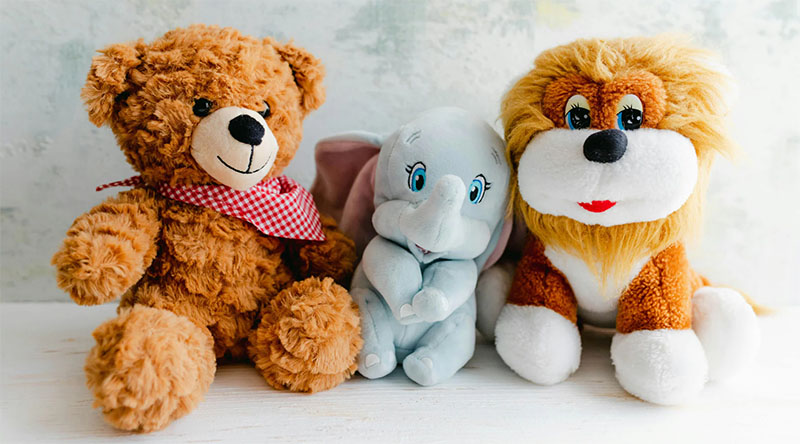
In simple terms, big-eyed stuffed animals are usually described as big-eye plush, sparkle-eye plush, kawaii plush, or plushies with oversized eyes. The exact wording depends on channel: retail uses “plush toy,” while online culture prefers “plushie” and “kawaii.” For kids’ products, the eye style must also match safety rules, especially for under-3 age ranges. shop.ty.com+2U.S. Consumer Product Safety Commission+2
What industry terms are used for big-eyed stuffed animals?
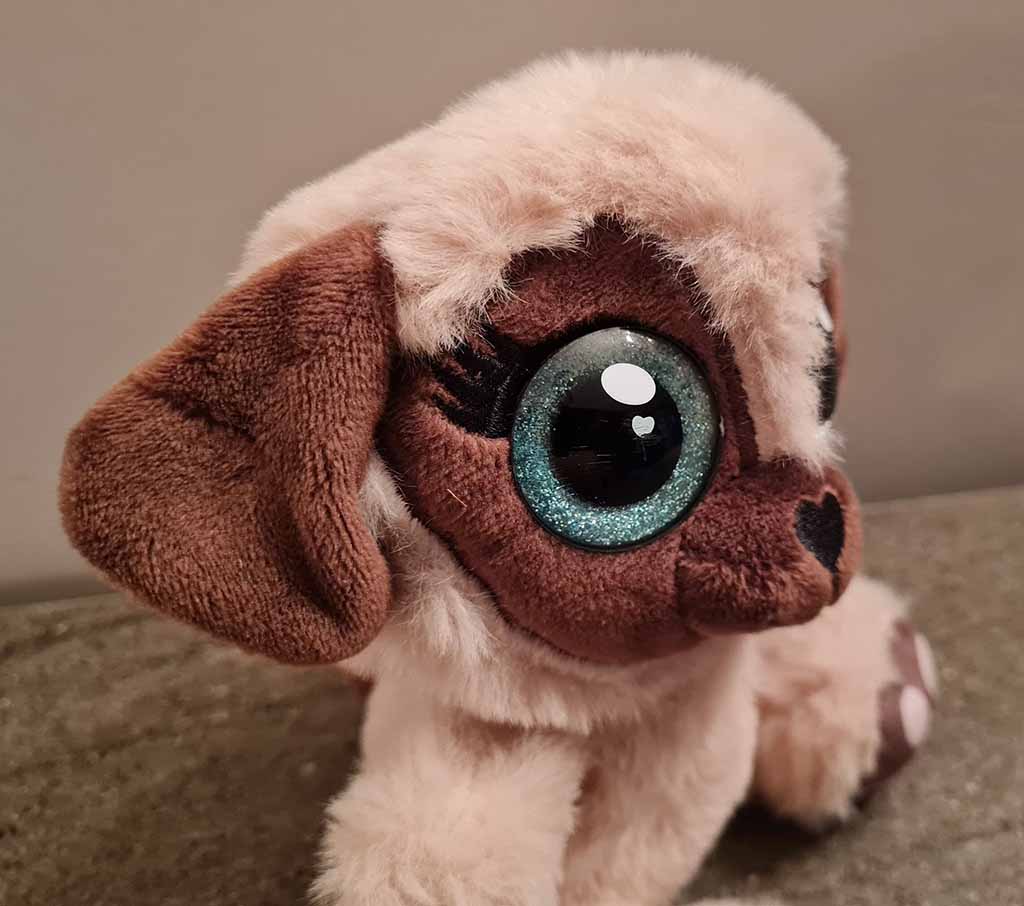
When buyers ask me “what are these called,” I recommend separating style terms from category terms. Category terms help retailers list products correctly. Style terms help customers recognize the look instantly.
In B2B and retail, the category term is still usually plush toy or stuffed animal. In consumer marketing, the style terms become more important: big-eye plush, sparkly-eye plush, and kawaii plush are common phrases, especially when the toy has shiny or glitter-like eyes. Some brands also use “big eyes” as a direct feature callout in product copy. shop.ty.com+2Aurora World+2
What works best for global listings is a “two-layer naming”:
- Title: one clear category term + one style term
- Description: add 1–2 synonyms naturally (not repeated)
| Term type | Common wording | What it signals to shoppers | Best channel use | My recommendation for brands |
|---|---|---|---|---|
| Category term | Plush toy / stuffed animal | “This is a soft toy” | Retail, catalogs | Use as your primary label |
| Style term | Big-eye plush | Cute, expressive look | E-commerce, gift shops | Use as a feature phrase |
| Style term | Sparkly-eye plush | Shiny eyes, collectible feel | Collectibles | Use when eyes are glitter/sparkle |
| Culture term | Kawaii plush / plushie | Cute, fandom-friendly | Social + online | Use for younger/collector audiences |
| Listing shorthand | Oversized eyes | Visual hook | Product bullets | Use once as a benefit statement |
Which brands and product lines popularized oversized eye plush designs?
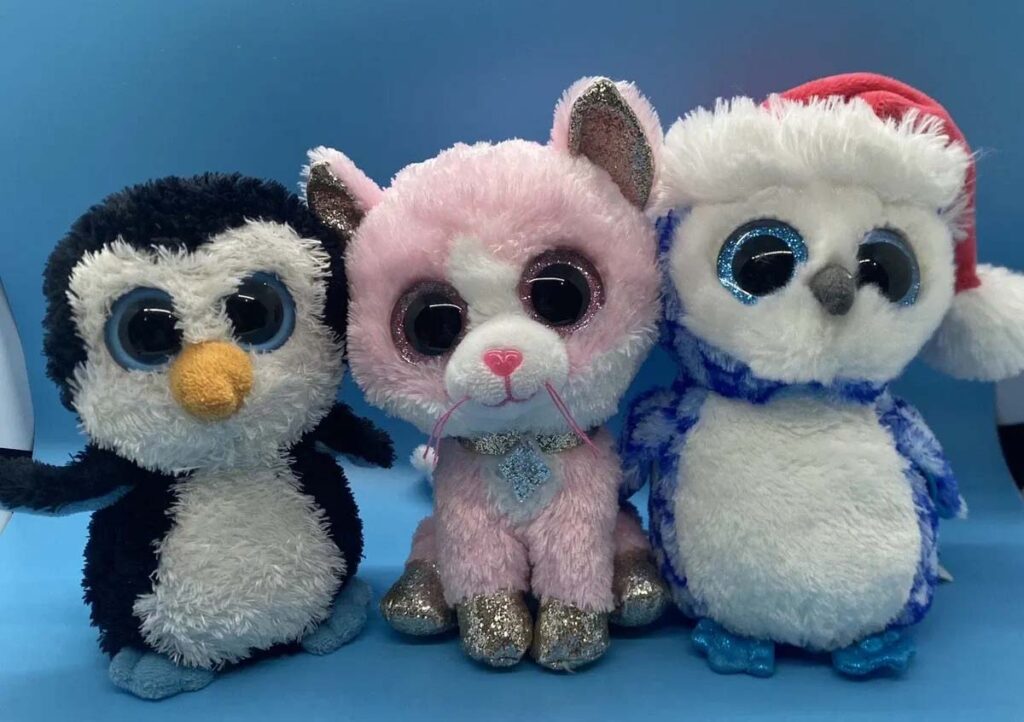
In the market, two product families are widely recognized for making “big eyes” feel like a signature: Ty Beanie Boos and Aurora World’s YooHoo & Friends. Ty directly describes Beanie Boos as characterized by large, sparkly eyes. shop.ty.com Aurora’s YooHoo range is also described with “big sparkly eyes,” and their product pages highlight those wide eyes as part of the character appeal. Aurora World+1
From my B2B experience, these lines didn’t just sell toys—they trained customers to connect “big eyes” with:
- friendliness (non-threatening expression)
- collectability (many characters in a series)
- giftability (looks cute in photos and packaging)
That is useful for you as a brand owner: when you build a big-eye line, you’re building inside a familiar visual language that already converts.
| Brand / line example | What they emphasized | What customers learned | What you can borrow (legally) | What you should not copy |
|---|---|---|---|---|
| Ty Beanie Boos | Large, sparkly eyes shop.ty.com | “Big eyes = adorable” | Big-eye proportion strategy | Protected character/IP elements |
| Aurora YooHoo & Friends | Big sparkly eyes + character look Aurora World+1 | “Big eyes = collectible” | Series-based lineup strategy | Trademarked names/logos |
| Gift market plush | Photo-ready cuteness | “Perfect gift” | Packaging-first design | Misleading “official” claims |
| Online kawaii culture | Cute face language | “Cute = shareable” | Soft color palettes | Overloading keywords (“kawaii” everywhere) |
How do eye size, placement, and materials affect visual appeal?
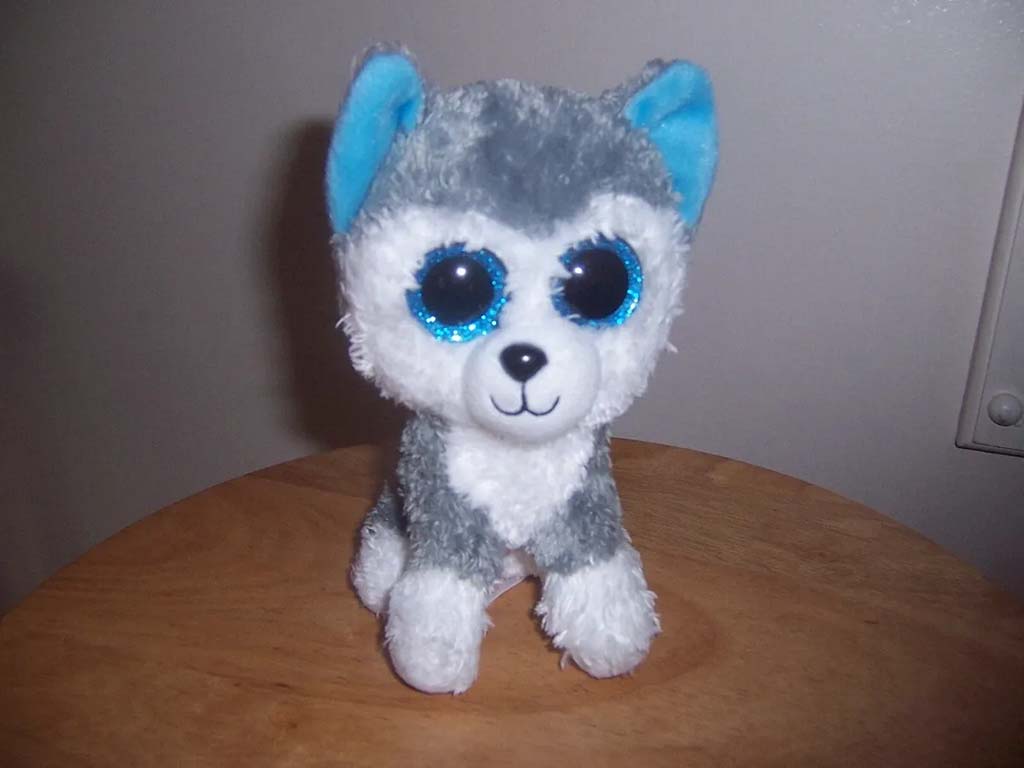
Big eyes work because they make the face readable from far away. But “big” alone is not enough. The eye must be placed correctly, and the materials must match your target market.
Here are the three design controls I use in sampling:
- Eye size ratio: bigger eyes increase “baby-like” cuteness, but can look strange if the head is too small.
- Eye placement: wide-set eyes feel innocent; low placement can feel sleepy; high placement can feel surprised.
- Eye material choice: plastic eyes give shine; embroidery gives softness and safer positioning for younger ages.
If you want a premium look, the eye should also match the fabric. Shiny eyes with a very matte fabric can look “separate.” The best designs feel integrated: face shape, eye shine, and color palette all support one mood.
| Eye design factor | What it changes visually | What often looks best | What can go wrong | Simple fix |
|---|---|---|---|---|
| Eye size | “Cuteness intensity” | Large but balanced with head | Looks scary or too cartoon | Increase head size or reduce eye |
| Eye spacing | Friendliness | Slightly wide-set | Looks cross-eyed | Use placement template |
| Eye height | Mood | Mid-face for “calm cute” | Too high = shocked face | Adjust up/down by small steps |
| Eye color/shine | Premium feel | Controlled sparkle | Cheap glitter look | Use consistent finish grade |
| Material type | Safety + style | Embroidery for young kids | Detachable parts risk | Switch to embroidered eyes |
Are big-eyed stuffed animals associated with specific age groups or markets?
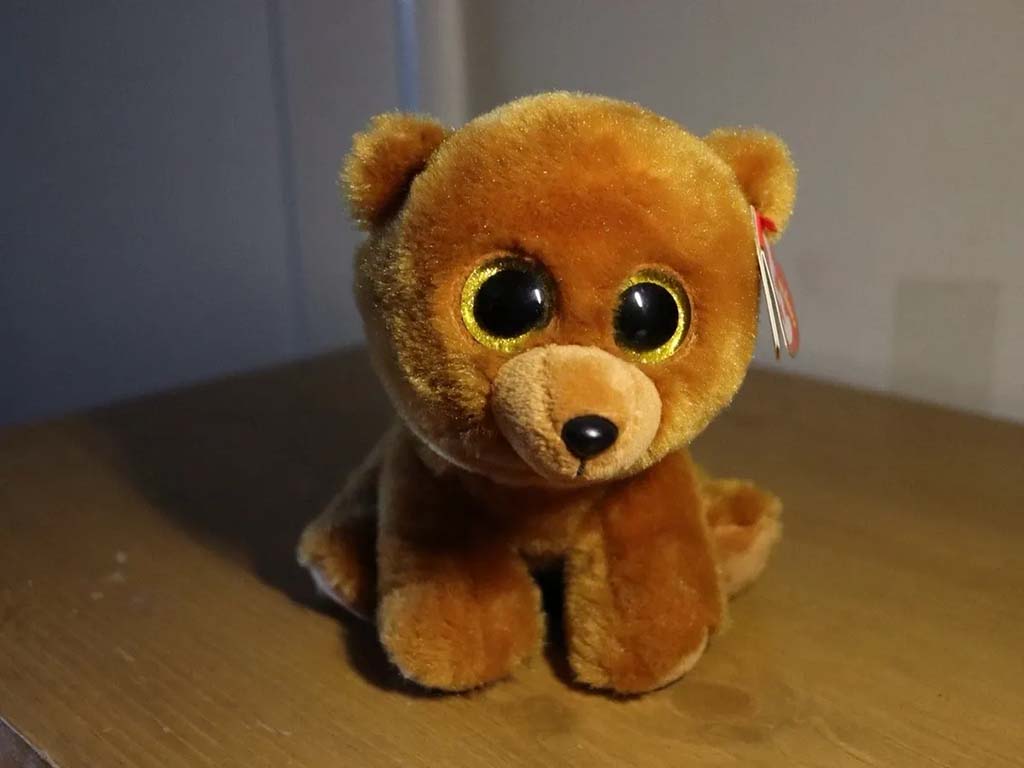
Yes, and this is where many brands lose money. They design for “kids,” but they market to “collectors,” or the opposite.
Big-eyed plush toys perform strongly in:
- Gift markets (birthdays, friends, couples)
- Collectible markets (series, blind drops, seasonal sets)
- Youth audiences (cute social sharing)
- Family markets (if the design is safety-first)
The key is matching eye construction to age grading. For toddler and baby lines, embroidered eyes often fit better. For teen/adult collectible lines, shiny plastic eyes can increase perceived value—if durability is controlled.
| Market segment | Why big eyes work | Typical product format | Best eye approach | What your listing should say |
|---|---|---|---|---|
| Gift buyers | Instant “aww” reaction | Pair sets, boxed gifts | Either, but secure | “Gift-ready, photo-friendly” |
| Kids (3+) | Friendly character play | Medium plush | Secure plastic or embroidery | “Soft, durable stitching” |
| Under-3 / toddlers | Parents prioritize safety | Simple comfort plush | Embroidered | “Embroidered details, easy care” imagogroup.com |
| Teens/adults | Collect + display | Mini plush, keychains | Premium plastic eyes | “Collectible series” |
| Promotions | Brand visibility | Mascot plush | Embroidery + label | “Custom logo, consistent quality” |
How do safety standards apply to large plastic or embroidered eyes?
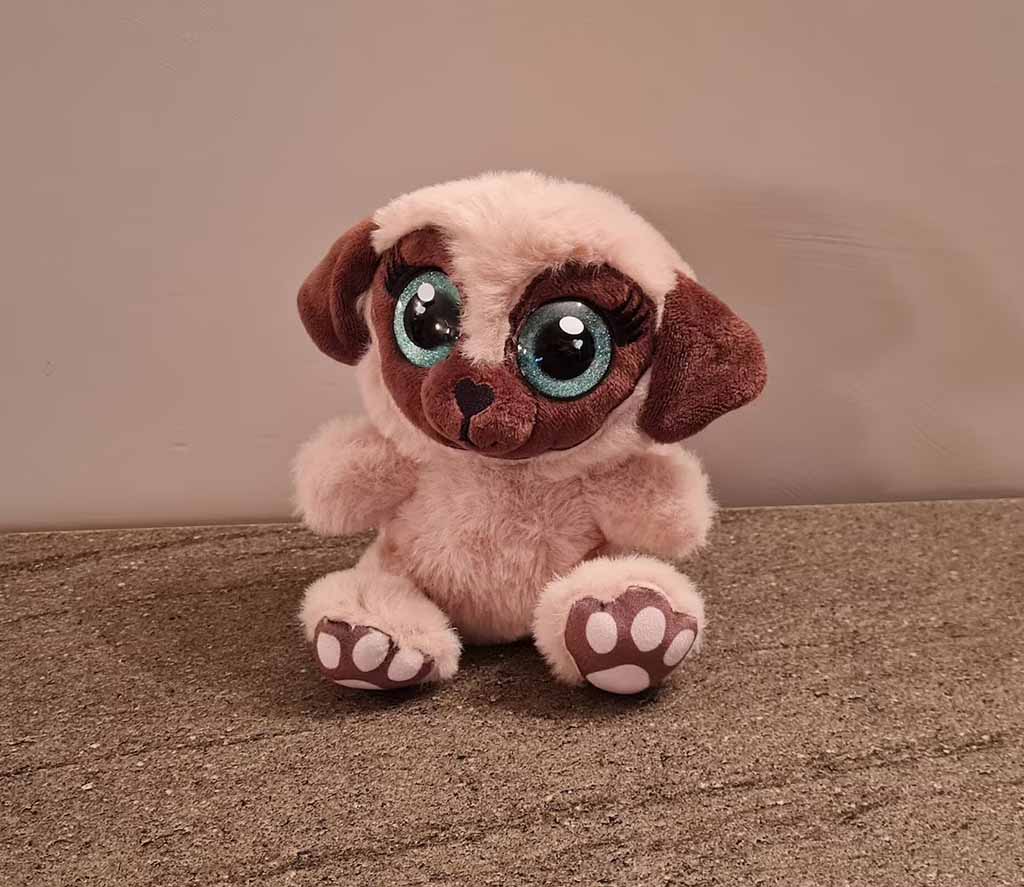
This is the most important section for brands selling to children.
If your plush is intended for young children, small parts and attachment strength become the risk center. Industry guidance for soft toys commonly warns that toys for under-3 cannot rely on a “small parts warning” as a solution; the design should avoid small detachable parts in the first place. imagogroup.com
For US toys, ASTM F963 is a key toy safety standard, and the U.S. CPSC provides business guidance for ASTM F963 sections that apply to different toys. U.S. Consumer Product Safety Commission+1 In practice, what matters for big eyes is whether the eye can detach under pull/torque forces and become a choking hazard.
That is why embroidered eyes are often the safest path for toddler/baby SKUs. For older ages, plastic eyes can be acceptable, but only with correct locking washers, correct fabric reinforcement, and real QC pull testing.
| Eye type | Safety profile | Best age positioning | Common failure | What manufacturers must control |
|---|---|---|---|---|
| Embroidered eyes | Lowest small-parts risk | Under-3 and family lines imagogroup.com | Thread snagging | Stitch density + backing comfort |
| Printed eyes | Low small-parts risk | Under-3 and budget lines | Ink fading | Colorfast printing control |
| Plastic safety eyes | Higher small-parts risk | 3+ / collectors | Eye detaches | Lock washer + reinforcement + pull tests U.S. Consumer Product Safety Commission+1 |
| Glitter/acrylic eyes | Similar to plastic eyes | Collectibles | Cracking/loosening | Material grade + assembly control |
| Mixed media eyes | Variable | Usually older markets | Too complex | Simplify design for safety |
How can manufacturers design big-eyed plush toys for branding and differentiation?
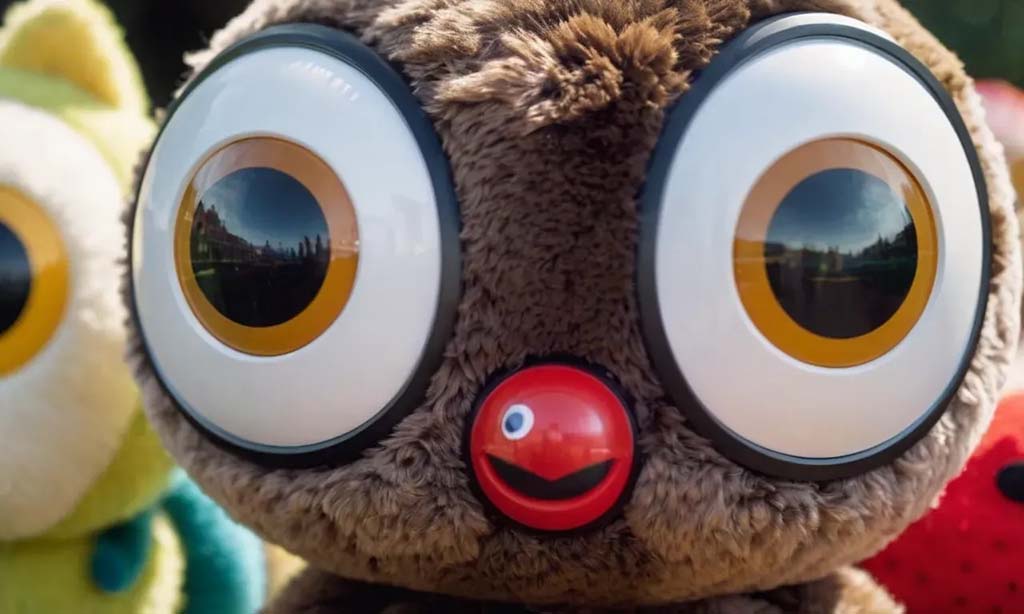
The good news is: big eyes are a strong hook, but they are not your only differentiator. Brands win when they create a “recognizable face system” that stays consistent across a whole collection.
When I help buyers build a big-eye series, I focus on five scalable brand levers:
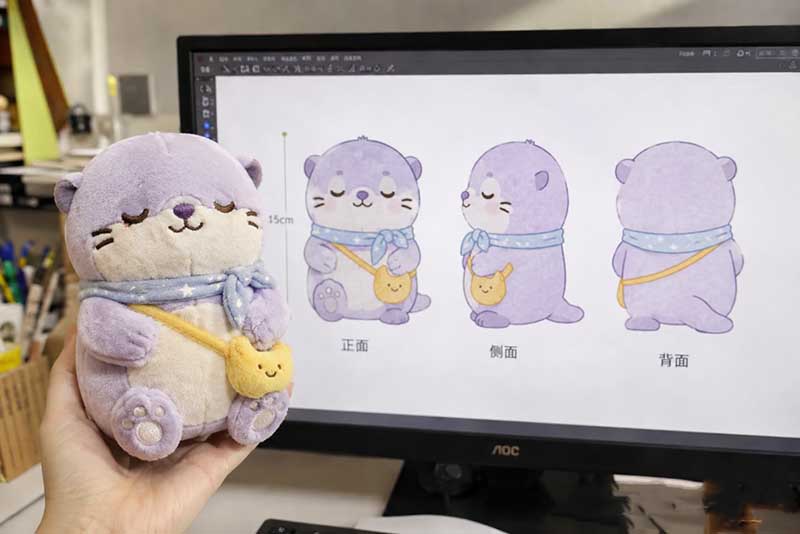
- Face style system: one eye shape language + one mouth style language
- Color control: a clear palette (base neutrals + 1–2 accent families)
- Signature detail: a patch, belly shape, ear shape, or tail style that becomes “yours”
- Quality feel: consistent stuffing density and clean seam finishing
- Packaging story: collector card, series names, gifting inserts
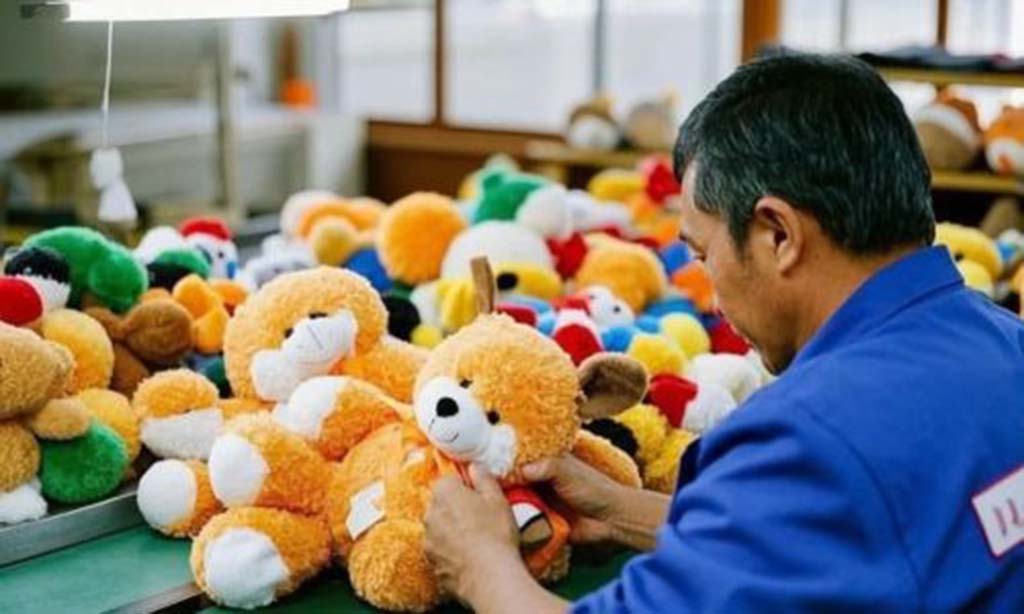
From a factory view, scalability is about control: once your “eye spec” is locked, you reduce variation, reduce rejection, and protect your reviews. That means you can grow faster and reorder with less risk.
| Differentiation lever | What customers notice | How to design it safely | QC focus | Buyer benefit |
|---|---|---|---|---|
| Eye “family” design | Recognizable face | Standard eye geometry | Placement tolerance | Strong brand identity |
| Signature sparkle level | Premium look | Controlled finish grade | Visual match check | Higher perceived value |
| Unique silhouette detail | “Only your brand” | Sewn-in feature | Seam strength | Better shelf recognition |
| Collection color system | Looks cohesive | Palette rules | Shade tolerance | Easier merchandising |
| Packaging + story | Gift/collect value | Insert card + labels | Packing accuracy | Better conversion and repeats |
Conclusion
Big-eyed plush toys are usually called big-eye plush or sparkly-eye plush, and they sell best when brands control face design, safety, and consistency. At Kinwin, I help global buyers develop big-eye plush collections with stable materials, compliant construction choices, and reliable QC for reorders. Contact me at [email protected] or visit kinwintoys.com to discuss your next plush line.