Skip to content
As sustainability becomes a core requirement rather than a marketing option, auditing an eco plush toy factory requires much more than checking certificates on paper. From my experience working with global buyers, brands, and third-party auditors, a true eco audit must connect certifications, material sourcing, production behavior, and long-term commitment into one complete picture.
An eco-friendly plush toy factory is not defined by a single label. It is defined by how environmental responsibility is embedded into daily operations—from yarn selection and filling materials to water use, energy management, and worker practices. This guide explains how buyers and sourcing teams can conduct a practical, risk-focused audit that goes beyond surface-level claims.
What Environmental Certifications and Standards Should an Eco Plush Factory Meet?
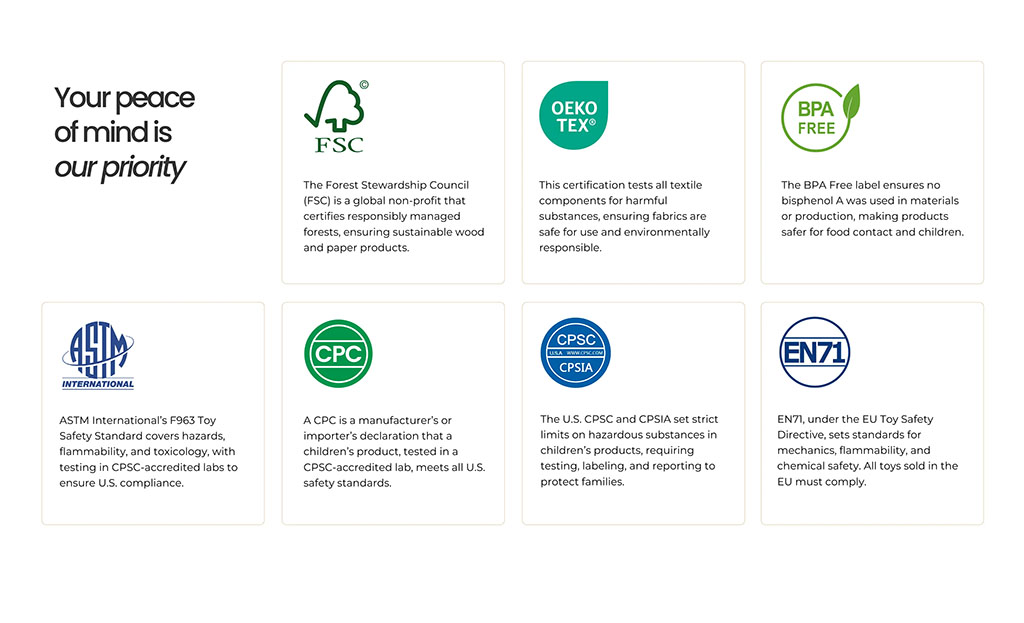
Environmental certifications are the first filter in an eco factory audit, but they should never be the final judgment. Certifications help buyers quickly assess whether a factory operates within recognized environmental and quality frameworks. However, each certification serves a different purpose, and misunderstanding their scope is a common sourcing mistake.
An eco plush factory should typically hold a combination of material-level certifications (such as GRS or GOTS) and factory-level management certifications (such as ISO 14001). Material certifications verify what goes into the product, while management certifications show whether environmental control systems are implemented consistently.
During an audit, it is essential to verify certificate validity, scope, and expiration dates. More importantly, auditors should confirm whether certified practices are applied across all production lines or only limited product ranges.
| Certification | Focus Area | What Auditors Should Check |
|---|---|---|
| GRS | Recycled materials | Scope covers filling/fabric used |
| GOTS | Organic textiles | Applies to plush fabric, not only yarn |
| OEKO-TEX | Chemical safety | Valid for dyed & finished materials |
| ISO 14001 | Environmental management | Active system, not paper-only |
| BSCI / SMETA | Social & partial environmental | Cross-check with eco practices |
How to Verify Sustainable Material Sourcing and Traceability in Production?
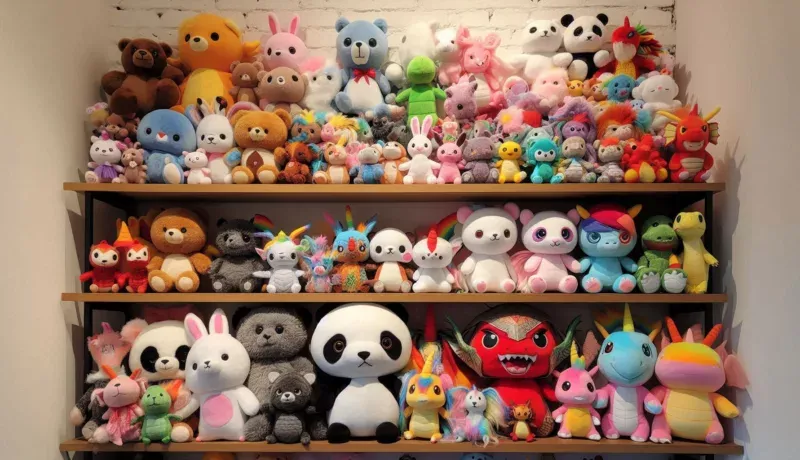
Sustainable sourcing is one of the most critical—and most misrepresented—areas in eco audits. Many factories claim to use recycled or organic materials, but without proper traceability, these claims carry significant compliance and reputational risks.
An effective audit examines material flow, not just invoices. Buyers should request supplier declarations, transaction certificates, and batch-level documentation for recycled polyester, organic cotton, or bio-based fillings. Auditors should also verify whether certified materials are physically separated from conventional ones in storage and production.
Another key point is consistency. If a factory claims “eco production,” auditors must confirm that sustainable materials are used consistently across orders, not only for selected samples or marketing projects.
| Audit Focus | Key Question | Verification Method |
|---|---|---|
| Supplier source | Where materials originate | Approved supplier list |
| Traceability | Can batches be tracked | Transaction certificates |
| Storage | Are materials separated | Warehouse inspection |
| Production use | Used in mass production | Line-level material check |
How to Assess Energy Use, Water Management, and Waste Reduction Practices?

True eco factories demonstrate environmental responsibility through measurable operational behavior. Energy, water, and waste management should be reviewed as systems, not isolated actions.
During an audit, buyers should examine electricity sources, machine efficiency, and whether energy-saving measures are implemented consistently. Water usage is especially important for plush toy factories involved in dyeing, washing, or fabric finishing. Auditors should review water recycling systems, wastewater treatment records, and discharge compliance.
Waste reduction practices should include fabric scrap management, filling reuse policies, and responsible disposal methods. A factory that cannot explain where its waste goes is not ready for eco-focused partnerships.
| Operational Area | Audit Indicator | What to Look For |
|---|---|---|
| Energy | Consumption tracking | Monthly energy records |
| Water | Treatment & reuse | Wastewater treatment logs |
| Waste | Scrap handling | Sorting & recycling process |
| Chemicals | Usage control | MSDS & storage checks |
What Social Compliance and Labor Practices Matter in Eco-Focused Audits?

Environmental sustainability cannot be separated from social responsibility. Many global buyers now treat labor practices as a core part of eco audits, not a separate checklist.
Auditors should verify working hours, wage compliance, health and safety conditions, and worker training. For eco-focused audits, it is especially important to confirm whether workers handling eco materials receive proper training, as misuse can compromise both safety and sustainability claims.
Transparent grievance mechanisms and documented training programs indicate that sustainability is embedded into factory culture, not enforced only during inspections.
| Social Audit Area | Why It Matters | Audit Evidence |
|---|---|---|
| Working hours | Ethical compliance | Time & attendance records |
| Safety training | Risk prevention | Training logs |
| PPE usage | Chemical handling | On-site observation |
| Worker feedback | Transparency | Grievance procedures |
How to Review Eco-Friendly Processes Across Sampling and Mass Production?
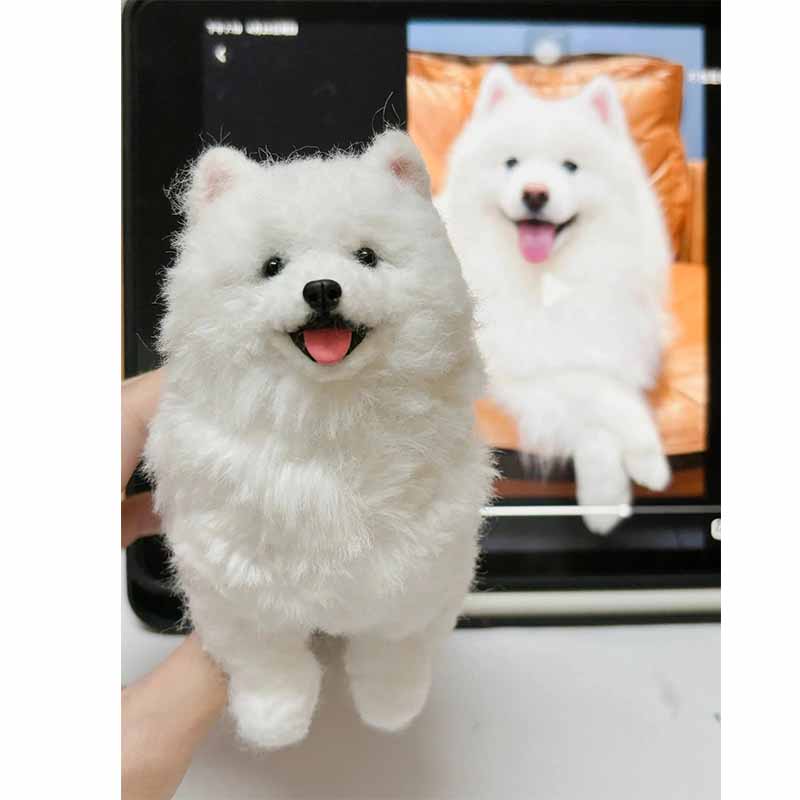
One of the biggest gaps in eco audits appears between sampling and mass production. Many factories present eco-friendly samples, but scale production reverts to conventional methods.
Auditors should compare sample BOMs (Bill of Materials) with mass production BOMs to ensure material consistency. Process reviews should confirm that eco materials are not replaced due to cost or availability pressure during large orders.
It is also critical to assess whether eco processes—such as reduced packaging, optimized cutting, or low-impact stuffing—are standardized across production lines, not treated as special cases.
| Process Stage | Audit Focus | Key Risk |
|---|---|---|
| Sampling | Material accuracy | Greenwashing samples |
| Pilot runs | Process consistency | Method changes |
| Mass production | Scale execution | Cost-driven substitution |
| Packaging | Eco alignment | Excessive plastic use |
How to Document Findings and Evaluate Long-Term Sustainability Commitment?
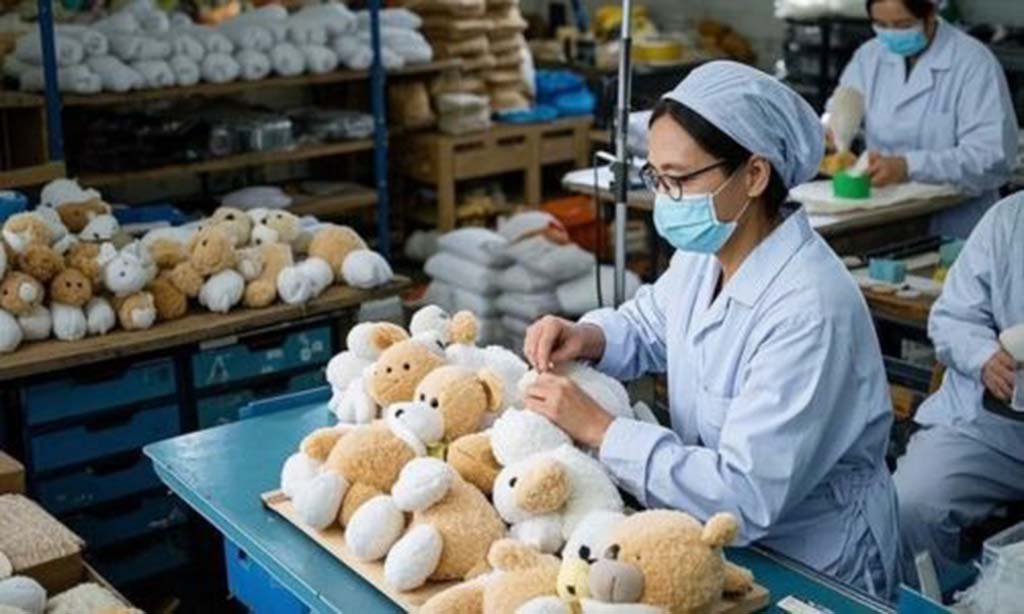
An eco audit is only valuable if findings are properly documented and used for long-term evaluation. Buyers should request clear audit reports with evidence photos, corrective action plans, and timelines.
More importantly, auditors should assess whether the factory has a roadmap for sustainability improvement. This includes investment plans, supplier upgrades, and measurable targets rather than vague commitments.
Factories that openly discuss weaknesses and improvement plans are often more reliable long-term partners than those claiming perfection.
| Evaluation Area | What to Document | Long-Term Signal |
|---|---|---|
| Audit findings | Issues & risks | Transparency |
| Corrective actions | Timeline & owner | Accountability |
| Investment plans | Equipment & systems | Commitment |
| Improvement tracking | Follow-up audits | Continuous progress |
Conclusion
Auditing an eco plush toy factory requires looking beyond labels and into daily operations, material flow, and long-term commitment. A structured, evidence-based audit helps buyers reduce risk, protect brand credibility, and build sustainable supply partnerships.
📧 Contact: [email protected]
🌐 Visit: https://kinwintoys.com