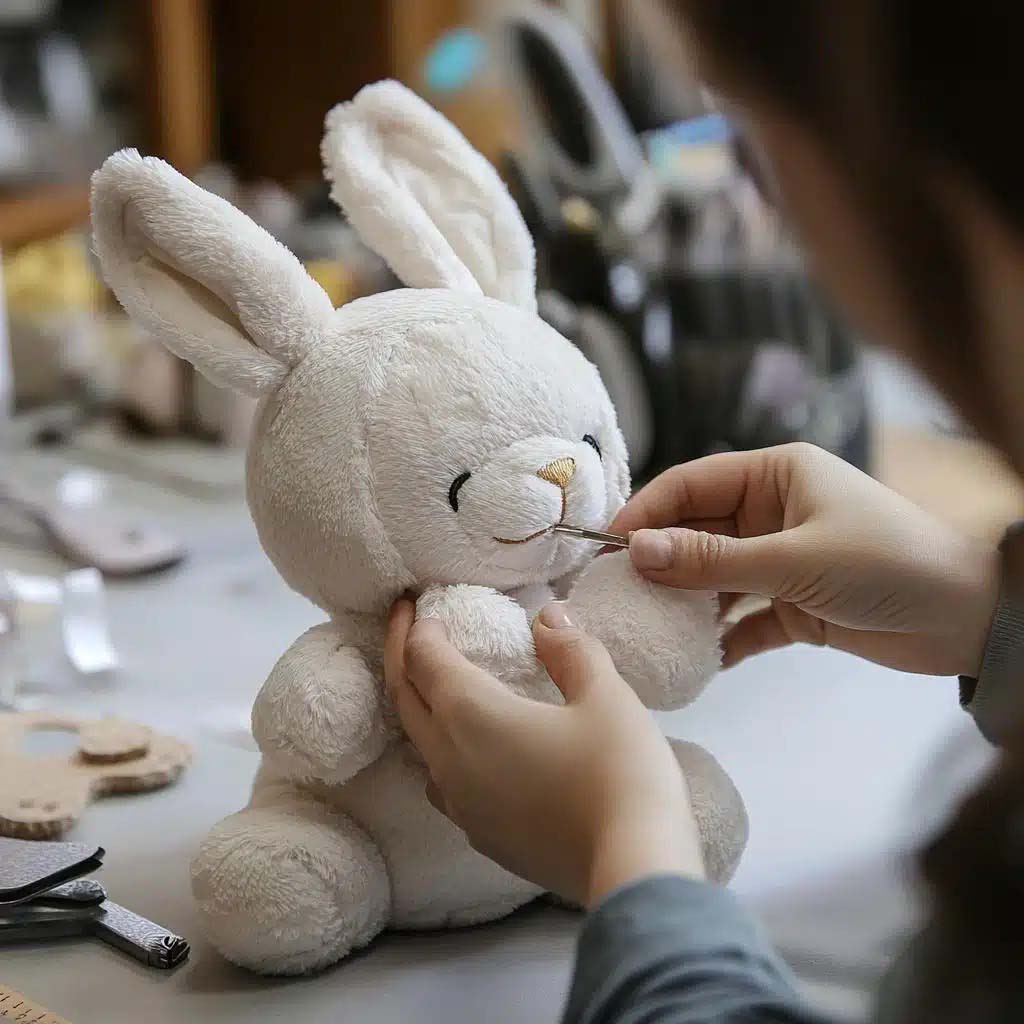
Turning a plushie into a keychain sounds simple—add a ring and you’re done. But in real use, a plush keychain gets pulled, dropped, scraped, and squeezed every day. I’m Amanda from Kinwin, and in this guide I’ll explain how I convert a plushie into a keychain in a way that holds up in daily wear, looks clean in photos, and stays scalable for B2B orders.
A good plush keychain starts with the right base plush size, then uses durable hardware, reinforced stitching, and a secure internal anchor so the ring cannot tear out. For brands selling in the USA or Europe, you also need to think about small parts risk, labeling, and material compliance. When these details are controlled, mini plush keychains become one of the strongest gifting and promotional products because they are low-cost, high-visibility, and easy to collect.
What plushie size and structure are suitable for keychain conversion?
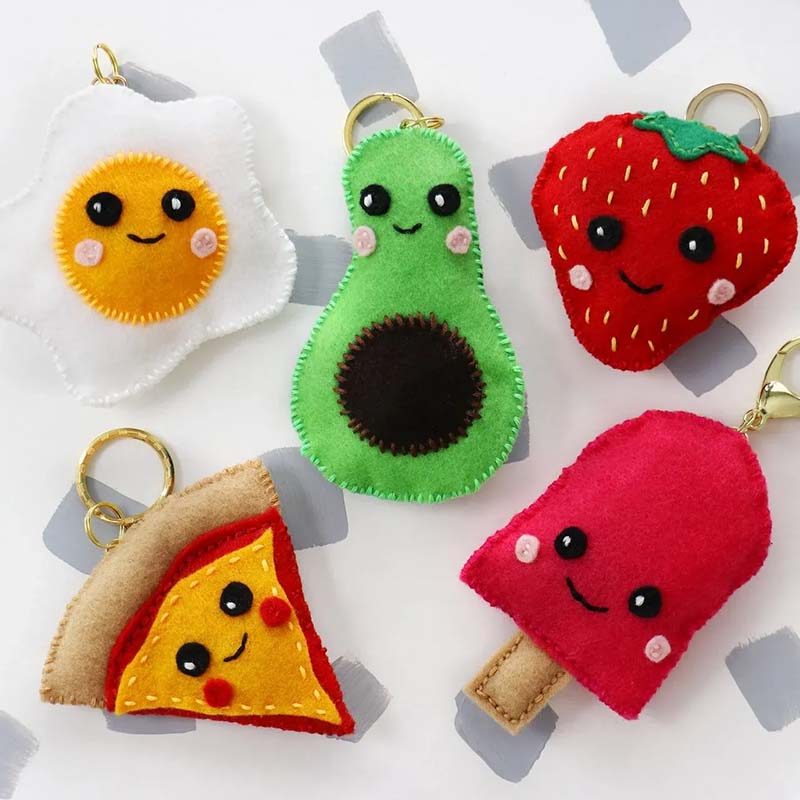
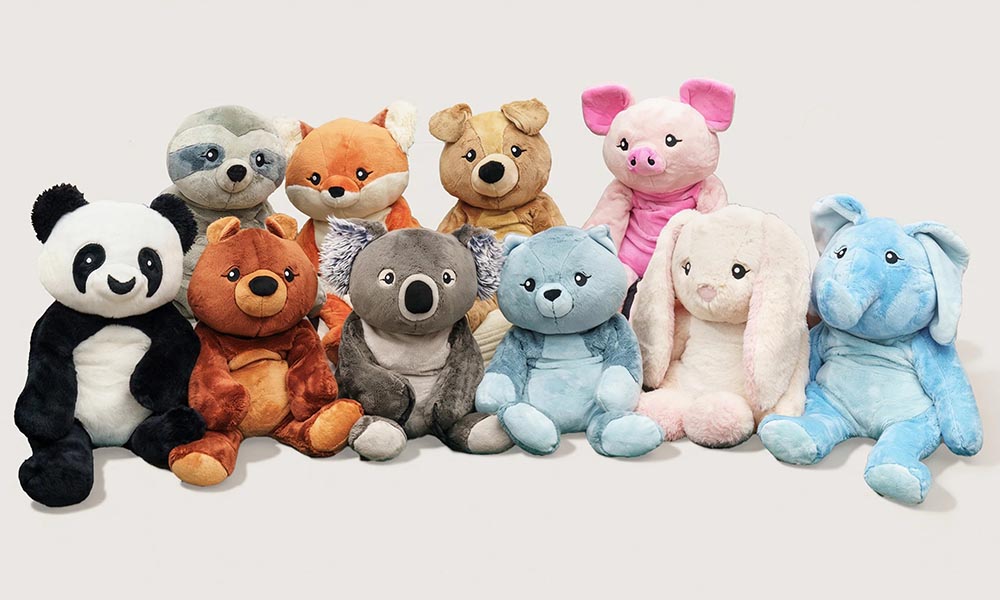
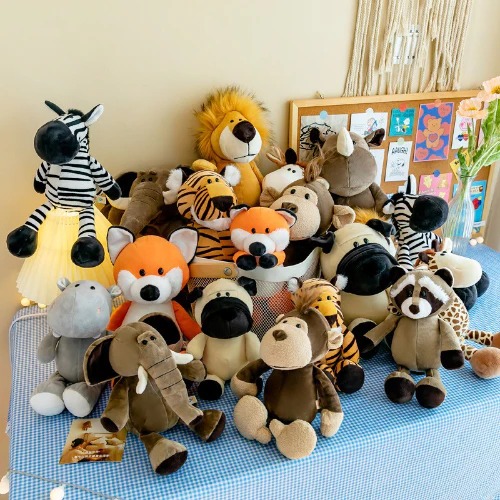
Not every plushie is suitable for a keychain. The best keychain plushies are small enough to be portable, but structured enough to keep shape when hanging. If the plush is too large, it becomes heavy and pulls on seams. If it is too soft, it twists and looks messy in use.
For most keychain conversions, I recommend a compact plush with a stable head/body ratio and enough internal space to hold an anchor patch or loop base. A clean silhouette matters more than complex limbs, because thin arms and tails are the first areas to deform or tear.
Practical design choices that work:
- A simplified body with fewer protruding parts
- Slightly denser stuffing near the top hanging point
- A flat or rounded top area that hides reinforcement
| Plush feature | Recommended for keychains | Why it works | What to avoid | Better alternative |
|---|---|---|---|---|
| Finished size | Mini and portable | Easy carry and gifting | Oversized plush | Keep a “mini series” size standard |
| Weight | Light | Less pull on hardware | Heavy fill or inserts | Use stable shape, not heavy weight |
| Shape | Simple silhouette | Less snagging | Thin long limbs | Shorter limbs or integrated shapes |
| Top structure | Stable hanging area | Holds hardware cleanly | Soft loose top seam | Add internal anchor patch |
| Stuffing density | Slightly firmer at top | Reduces stretching | Very soft upper body | Zone stuffing control |
Which hardware components ensure durability for plush keychains?
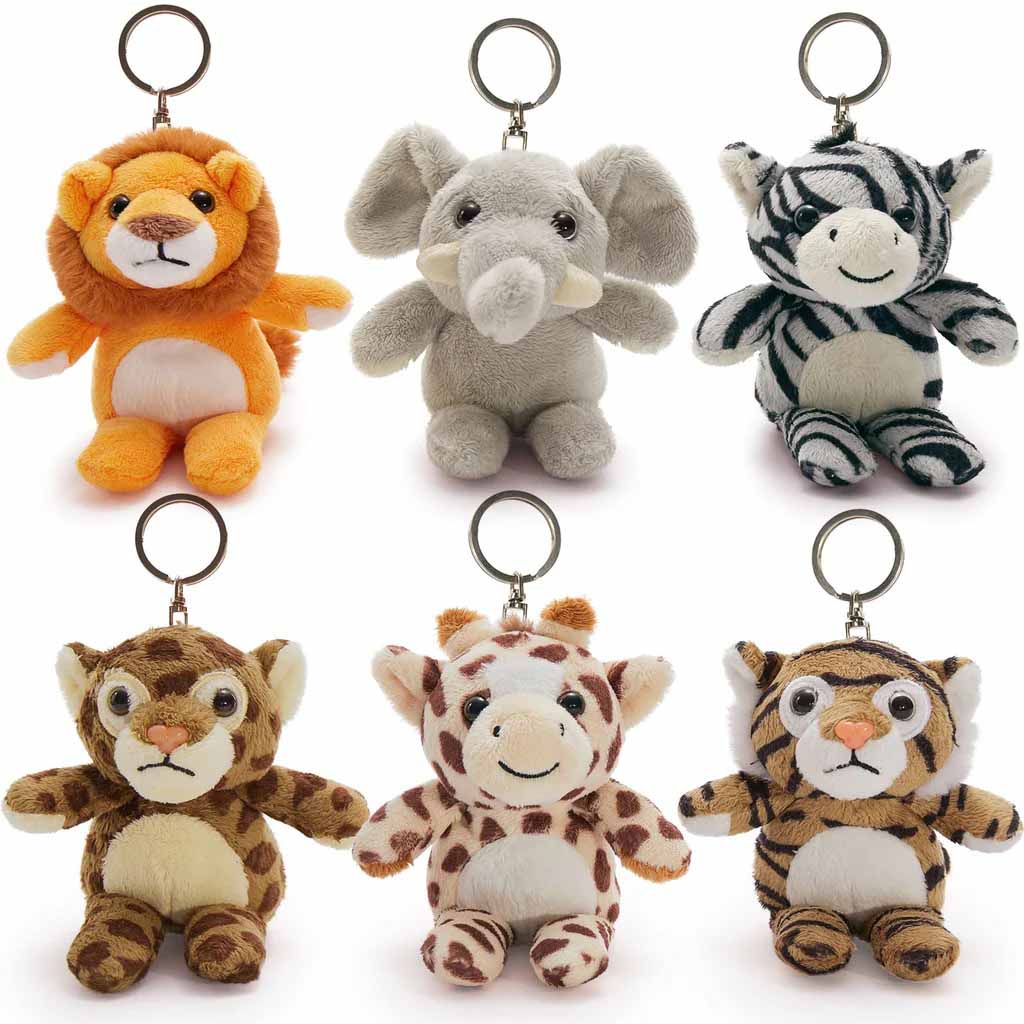
Hardware is a common failure point. Many cheap keychains fail because the ring is thin, the connector opens, or the loop base tears out. Durable plush keychains use a reliable hardware “system,” not just one ring.
A strong setup usually includes:
- Keyring (main ring)
- Connector (split ring, jump ring, or clasp)
- Chain segment (optional)
- Plush attachment base (loop strap, eyelet, or internal anchor)
For premium feel and lower returns, I prefer metal components with consistent thickness and smooth finishing. If the hardware has sharp edges, it can cut fabric over time.
| Hardware component | Role | What makes it durable | Common failure | My recommendation |
|---|---|---|---|---|
| Keyring | Holds keys | Strong spring and thickness | Ring opens | Use stable ring specs and QC check |
| Split ring/jump ring | Connects ring to plush | Proper gauge and closure | Opens under pull | Use thicker gauge and secure closure |
| Lobster clasp (optional) | Easy clip-on | Strong spring | Weak clasp spring | Use on “bag charm” lines |
| Chain segment | Adds movement | Smooth links | Links deform | Use short chain with tested strength |
| Fabric/PU loop strap | Plush attachment base | Reinforced stitching | Loop tears | Use layered strap + bar tack stitching |
How should stitching and reinforcement be adjusted for daily wear use?
Daily wear is harsh. A plush keychain experiences constant tension at the hanging point. If you use normal plush stitching only, it will fail faster than expected.
To improve durability, the hanging point needs reinforcement in three layers:
- Strong outer stitching that resists pull
- Internal anchor structure that spreads force
- Fabric selection that resists tearing
In production, I often use a reinforced patch inside the plush, then stitch the loop strap through both the outer fabric and the internal patch. This spreads force across a wider area and prevents the ring from “cutting” into the plush over time.
| Reinforcement method | What it protects | Why it matters | What goes wrong without it | Best-fit products |
|---|---|---|---|---|
| Internal anchor patch | Top tear-out | Spreads pulling force | Ring pulls out | High-volume keychains |
| Bar tack stitching | Loop strap | Strong lock stitches | Strap detaches | Bag charms and promo items |
| Double seam line | Top seam | Adds seam strength | Seam splits | Heavy-use keychains |
| Denser top stuffing | Hanging shape | Reduces distortion | Plush twists | Character heads |
| Smooth hardware edges | Fabric wear | Less abrasion | Fabric cuts | Premium lines |
What safety and compliance considerations apply to plush keychains?
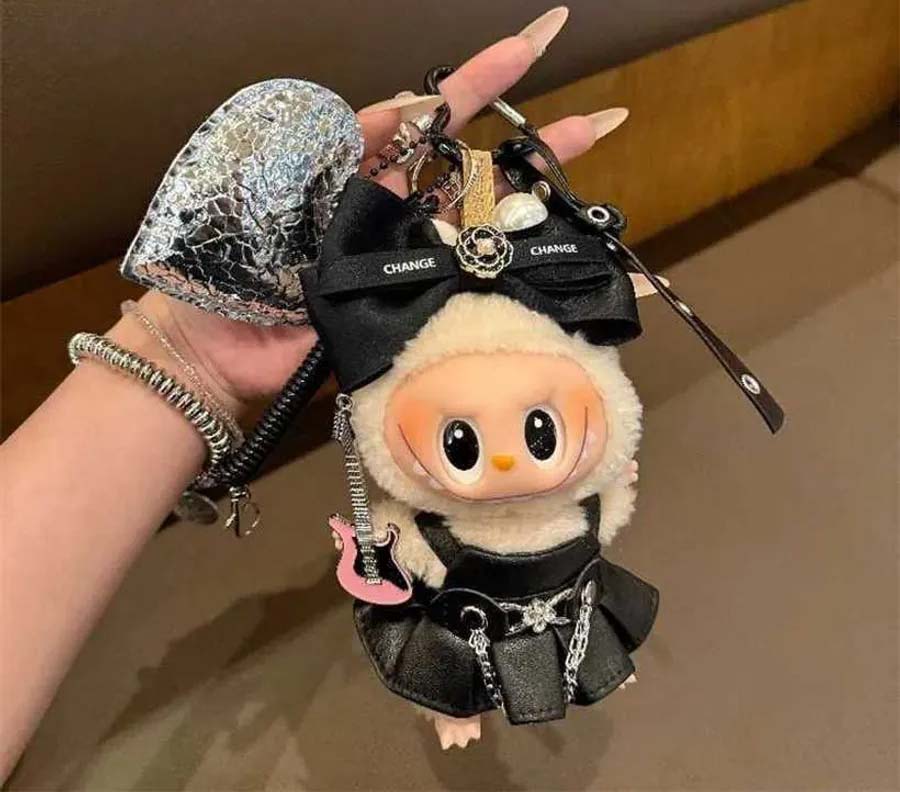
Plush keychains often look like toys, but they can also be fashion accessories. Compliance depends on how you market and label them, and who you target. If the product is intended for children, small parts risk becomes a major concern because hardware components can detach and become a choking hazard.
Key areas to consider:
- Age grading and labeling (child vs adult accessory)
- Small parts and attachment strength
- Material safety (fabric, dyes, prints)
- Packaging warnings and use guidance
For B2B buyers, the safest approach is to define the product category early: is it a children’s toy, or a collectible accessory for teens and adults? This decision affects your hardware choices, testing scope, and packaging language.
| Compliance topic | Why it matters | Higher risk scenario | Risk-reducing approach | Brand benefit |
|---|---|---|---|---|
| Small parts | Choking risk | Child-targeted items | Strong attachment + age grading | Lower liability |
| Hardware strength | Prevent detachment | Daily pull and drop | Pull tests and QC | Fewer returns |
| Material safety | Skin contact | Unknown dyes/inks | Controlled materials | Better trust |
| Labeling | Sets expectations | Mixed market listing | Clear age guidance | Less confusion |
| Packaging warnings | Retail and platform rules | Kids category listings | Simple safety icons/text | Better compliance alignment |
How can manufacturers optimize customization and branding on mini plush keychains?
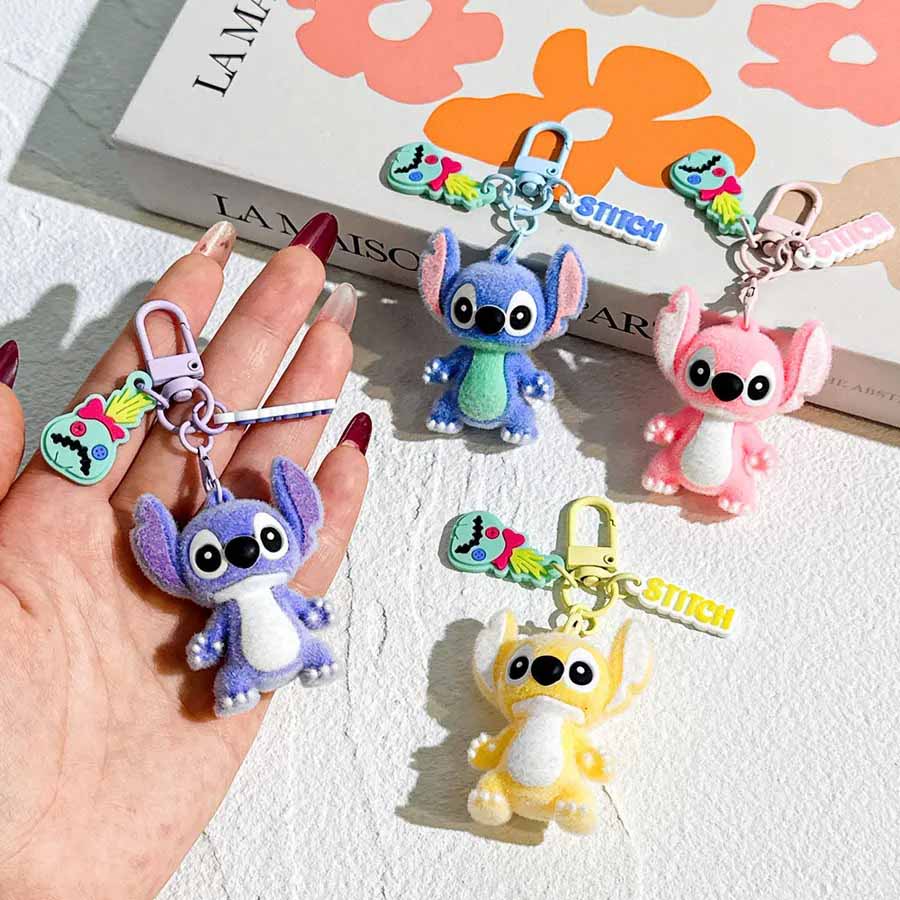
Mini plush keychains are excellent for branding because they travel with customers. The challenge is limited space. Good customization must be visible, durable, and easy to repeat in mass production.
The best branding options for mini plush keychains include:
- Embroidered logo on foot/side panel
- Woven label sewn into seam
- Branded hang tag and backer card
- Custom colorways that match brand palettes
- Small accessory color changes (strap color, heart patch color)
In my experience, packaging is often the easiest place to add high brand impact without increasing plush complexity. A strong backer card can tell the story, show social links, and push collecting behavior.
| Branding option | Visibility | Durability | Cost impact | Best use |
|---|---|---|---|---|
| Embroidered logo | Medium–High | Very high | Medium | Premium gifting and retail |
| Woven label | Medium | High | Low | Mass programs and reorders |
| Backer card packaging | High | High | Low–Medium | Collectible series |
| Custom strap color | Medium | High | Low | Matching collections |
| Printed hang tag | Medium | Medium–High | Low | Promotions and events |
How does mass production differ from handmade plush keychain processes?
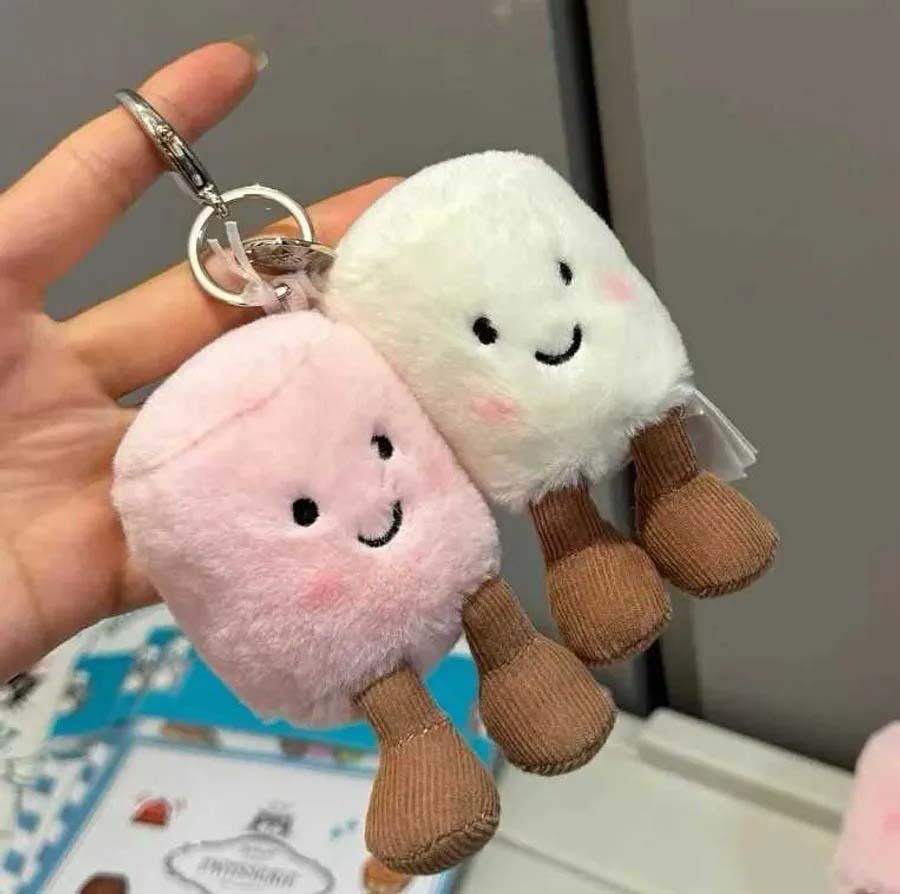
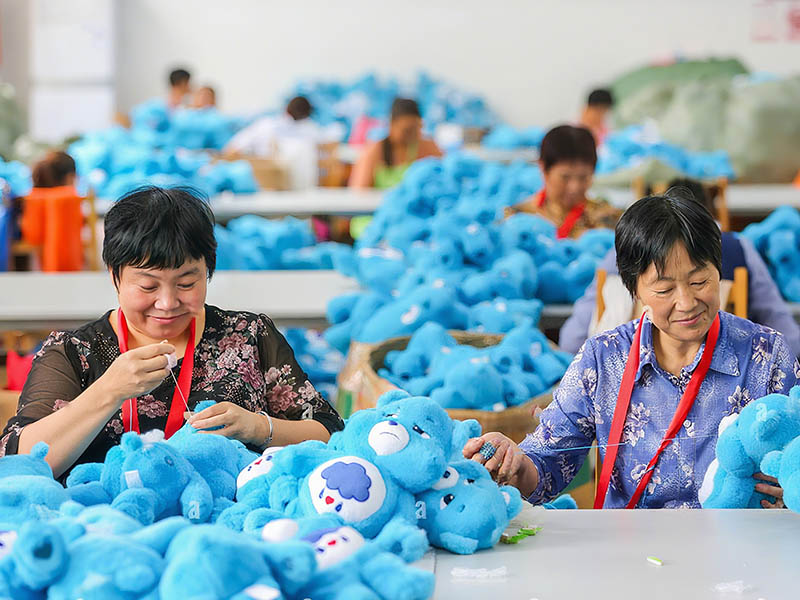
Handmade keychain conversions are flexible. You can attach hardware in different ways and adjust each piece by hand. Mass production is different: it must be consistent, fast, and controlled. The biggest difference is that factories rely on standardization—fixed hardware specs, fixed stitch methods, and fixed QC checks.
In mass production, we typically:
- Lock the plush size and pattern
- Standardize the loop strap placement and length
- Use defined hardware suppliers and specs
- Add internal anchors as a standard step
- Apply pull tests and appearance checks
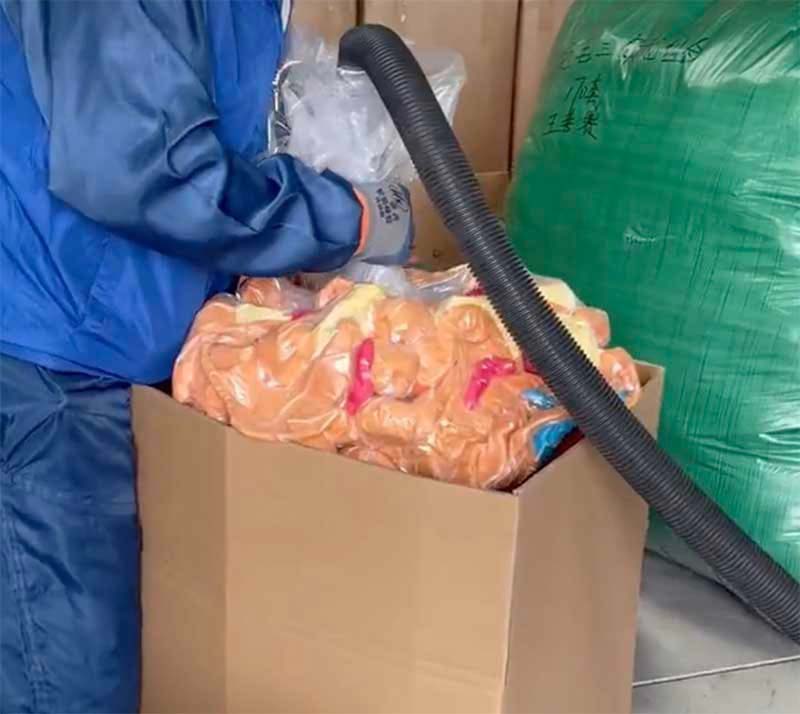
- Pack in a way that prevents deformation in shipping
Handmade processes can create charm and uniqueness, but quality variation is higher. For brands, mass production delivers consistency, stable cost, and repeatable reorders. If you want both, a good approach is to develop a “handmade look” design that still uses factory-stable methods.
| Process area | Handmade conversion | Mass production | What brands gain in mass production |
|---|---|---|---|
| Hardware sourcing | Mixed, flexible | Standardized supplier | Stable durability and cost |
| Attachment method | Varies by maker | Fixed anchor + stitch method | Consistent strength |
| Quality variation | Higher | Lower | Better reviews |
| Speed and volume | Low | High | Faster scaling |
| QC approach | Visual and feel | Visual + pull testing | Lower return rate |
Conclusion
A durable plush keychain needs the right mini plush structure, strong hardware, reinforced stitching, and clear compliance planning based on your target market. At Kinwin, we help global buyers develop mini plush keychain programs with scalable customization, stable QC, and reliable production support. Contact me at [email protected] or visit kinwintoys.com to discuss your next keychain plush project and explore how our factory can support your success.