Skip to content
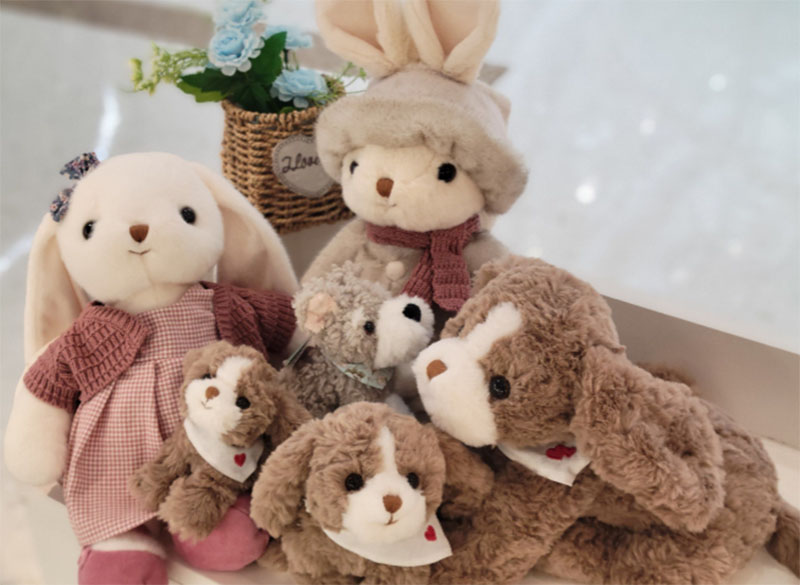
Many parents and buyers ask me this because plush toys sit close to beds, sofas, and kids. The honest answer is simple: bed bugs do not “feed” on stuffed animals, but they can hide in them if the home has an active infestation and the toys are near the sleeping area. I’m Amanda from Kinwin, and I’ll explain what happens in real homes, what makes some plush toys more risky than others, and what brands can do in design, cleaning guidance, and packaging to reduce concerns.
Bed bugs prefer hiding close to where people sleep. They can crawl into seams, folds, tags, and accessories on plush toys if those toys are kept on beds or next to couches. In most cases, the main risk is not the toy itself—it is the home environment and how the toy is stored, cleaned, and moved between rooms. Practical heat treatment and sealed storage are often the most effective steps for plush items that can handle it. 環保署+2環保署+2
Do bed bugs actually infest stuffed animals under real household conditions?
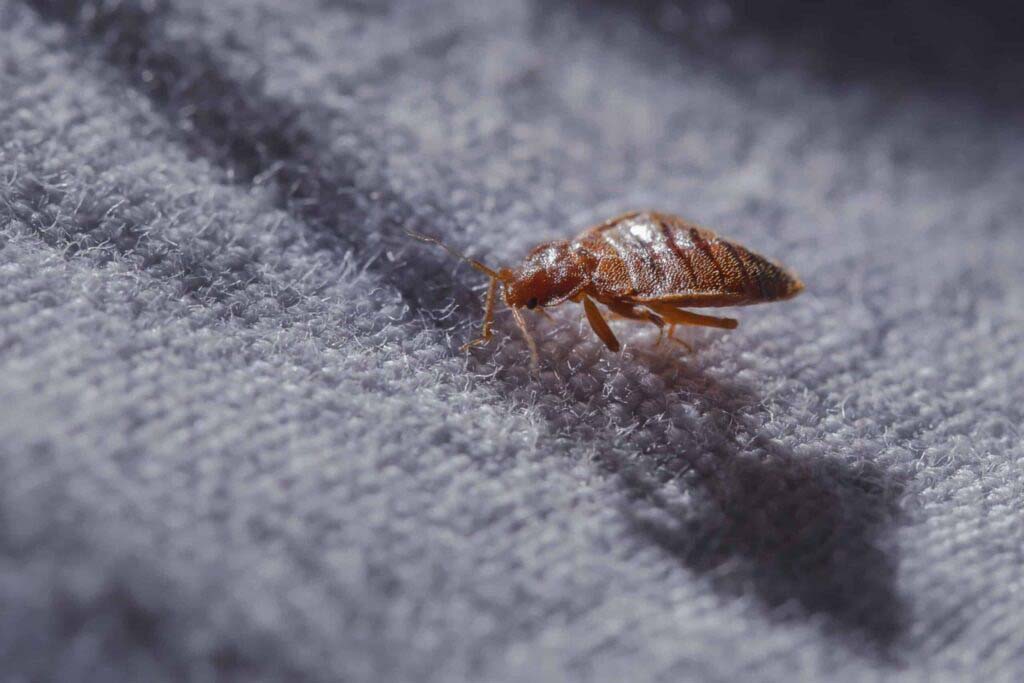
In real household conditions, bed bugs usually infest areas near resting humans: mattresses, bed frames, headboards, sofas, and nearby clutter. A stuffed animal is not a “preferred home” by itself, but it can become a hiding place when it is placed on a bed, pressed against a couch, or stored in piles near the sleeping zone. Soft toys also travel with children, so they can be moved between rooms, which can spread a problem across the home.
What matters most is exposure time and proximity. If the home has no infestation, a plush toy will not suddenly “create” bed bugs. If the home has an infestation, any soft item near the problem area can become a temporary harbor. Many bed bug preparation guides explicitly include stuffed animals as items that should be heat-treated in a dryer when possible. content.ces.ncsu.edu+1
| Household situation | Can bed bugs end up in plush toys? | Why | Practical risk level | Simple action |
|---|---|---|---|---|
| No infestation history | Very unlikely | No source population | Low | Normal care and storage |
| Active infestation in bedroom | Possible | Toys near hiding zones | High | Treat + store sealed |
| Active infestation in living room | Possible | Toys on sofa, baskets | Medium–High | Treat + keep off seating |
| Recent travel exposure | Possible | Luggage transfer pathway | Medium | Heat-treat travel items |
| Post-treatment period | Possible if reintroduced | Bugs can re-enter from other items | Medium | Keep clean items sealed 環保署 |
What materials and construction features make plush toys more or less vulnerable?
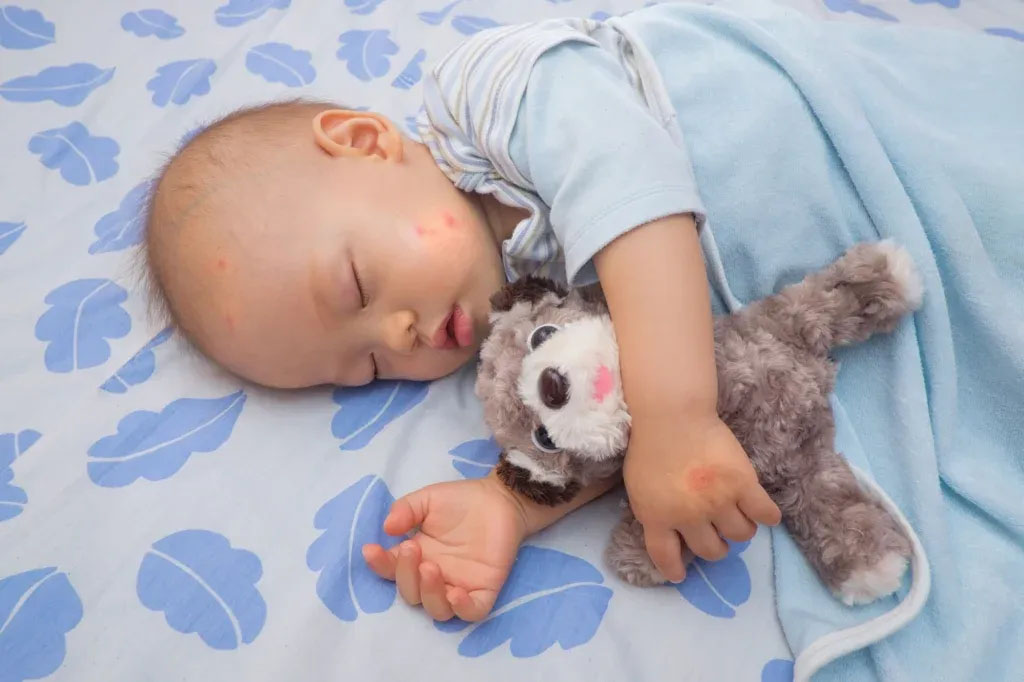
Bed bugs hide in tight, protected spaces. So “vulnerability” is less about fiber chemistry and more about how many hiding points the toy creates. From a product view, I look at seams, folds, accessories, and internal cavities.
Plush toys may be more vulnerable when they have:
- Many layered clothing pieces (jackets, skirts, capes)
- Deep seam channels, pleats, and pockets
- Loose decorative trims, ribbons, and multi-layer patches
- Large openings or unsealed inner spaces that are hard to heat evenly
Plush toys may be less vulnerable when they have:
- Clean, simple silhouettes with fewer layers
- Smooth surfaces and shorter pile fabrics
- Minimal accessories
- Strong seam closure and fewer “dead zones” inside
This is not a guarantee. It is risk reduction. A simple plush can still be a hiding place if it sits in an infested area. But simple construction makes inspection and treatment easier.
| Feature | Makes harboring risk… | Why | Better design choice | Buyer-facing benefit |
|---|---|---|---|---|
| Complex clothing layers | Higher | More folds and protected gaps | Printed/embroidered “outfit look” | Easier care and inspection |
| Long pile + deep seams | Medium–Higher | Harder to visually inspect | Shorter pile on key panels | Cleaner look in photos |
| Many trims (bows, lace) | Higher | Small sheltered areas | Single signature trim only | Lower defect and safer feel |
| Large hollow body | Medium | Heat penetration can be slower | Fill zoning + stable density | Better shape retention |
| Large tags + loose label edges | Medium | Creates small flap zones | Flush, securely stitched labels | Less irritation + cleaner finish |
How can manufacturers design stuffed animals to reduce pest-harboring risks?
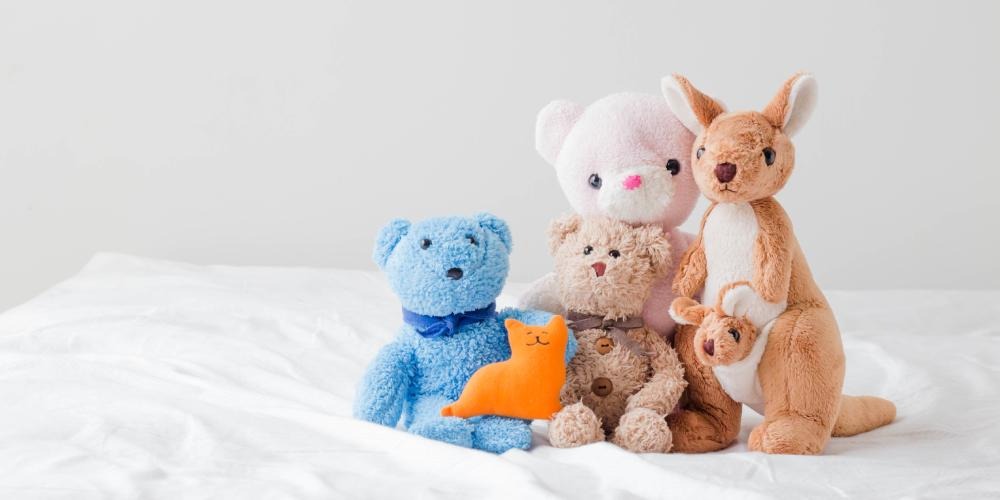
Manufacturers cannot promise “bed bug proof” plush toys, and I would not recommend making that claim. But we can design toys that are easier to inspect, easier to clean, and less likely to create hidden pockets.
In my development process, I use a simple principle: reduce hiding geometry while keeping the plush cute and giftable. That usually means minimizing layered costumes, simplifying trims, and choosing construction that supports heat treatment and washing (when the product category allows it).
Practical design choices that reduce risk:
- Keep clothing as integrated panels (sewn shapes) rather than detachable garments
- Avoid pockets, deep pleats, and “bag-like” accessories
- Use embroidered faces for toddler and kid lines (also helps safety and durability)
- Build a clear cleaning path: machine-washable when possible, or surface-clean with clear guidance
- Use consistent seam allowances and neat internal finishing to reduce loose gaps
This is also good business. It improves production stability, reduces repair rates, and makes quality control simpler.
| Design goal | Risk-reducing approach | Why it helps | Production impact | Best for |
|---|---|---|---|---|
| Easier inspection | Simple silhouette, fewer layers | Fewer hiding points | Lower sewing complexity | High-volume retail lines |
| Easier heat treatment | Avoid thick hollow cavities | Heat reaches inner zones faster | More consistent stuffing process | Travel/gifting plush |
| Cleaner durability | Reduce loose trims | Less snagging and damage | Lower defect rate | Toddler and kids lines |
| Safer decoration | Embroidery/printing details | No small detachable parts | Stable assembly | 0–6 age-focused designs |
| Clear consumer guidance | Add care label + insert card | Sets correct expectations | Minor packaging cost | E-commerce and gifting |
What cleaning, heat-treatment, and packaging methods are most effective?
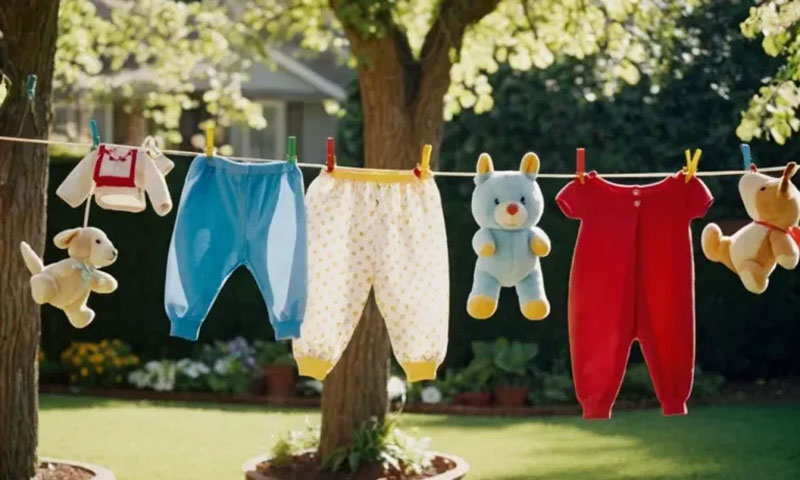
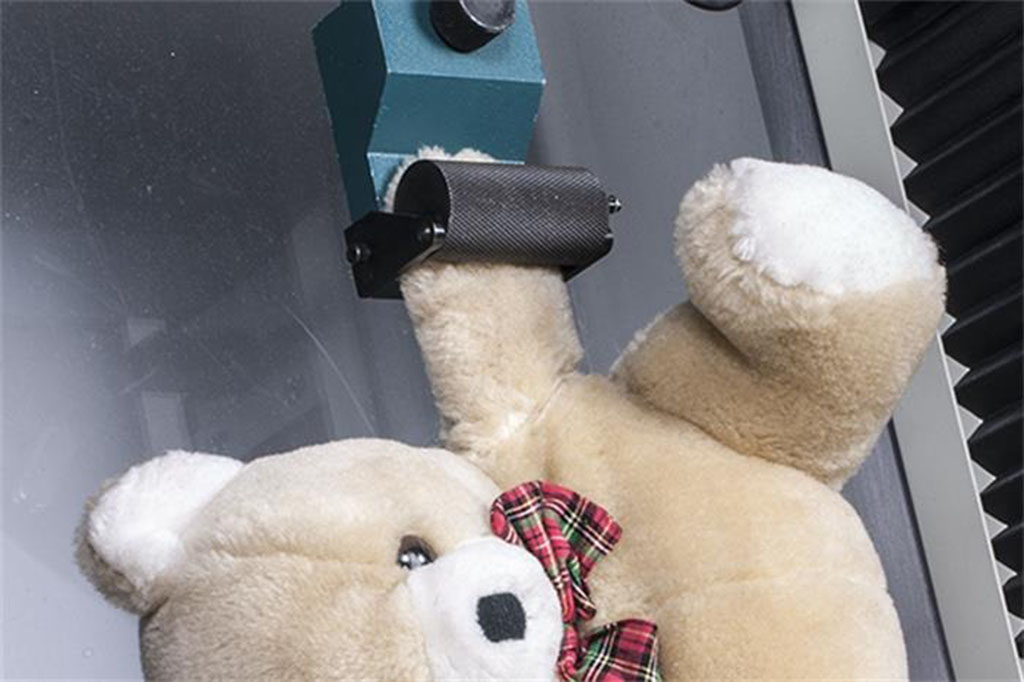
For end users, the most practical methods are usually dryer heat (if the toy can tolerate it), sealed storage, and careful handling during treatment. Several official and extension resources recommend a household dryer on high heat for around 30 minutes for items that can withstand it, and some bed bug treatment preparation guides specifically include stuffed animals. 環保署+2環保署+2
For whole-room or professional heat treatment, sources describe lethal temperatures around 118°F (48°C) with sufficient exposure time to kill bed bugs and eggs, but this is typically a professional process and not something most families can measure precisely at home. 疾病控制和預防中心+1
Key practical points I recommend brands share:
- Washing alone may not be enough; heat drying is often emphasized. 環保署+1
- After heat treating, store items in sealed bags/containers to keep them bug-free. 環保署
- Do not overload the dryer; heat must circulate to penetrate items (many guides mention “loosely filled” loads). 阿拉斯加原住民部落健康聯合會
| Method | Effectiveness for plush items | Best use case | Limits | Brand-safe wording to include |
|---|---|---|---|---|
| Dryer high heat ~30 min | Often very effective if heat-safe 環保署+2環保署+2 | Plush that can tolerate heat | Can damage delicate trims | “Use the highest heat safe for the item.” |
| Professional heat treatment | Very effective with controlled temps 疾病控制和預防中心+1 | Whole-home infestations | Requires professionals | “Follow licensed pest control guidance.” |
| Sealed bag storage | Prevents re-infestation 環保署 | After cleaning/treatment | Does not kill bugs by itself | “Store clean items sealed.” |
| Vacuum + inspection | Helps reduce visible bugs | Surrounding areas | Doesn’t solve deep infestation | “Inspect seams, tags, folds.” |
| Steam (where appropriate) | Can kill with direct contact | Non-washable items | Needs correct technique | “Use according to device instructions.” |
How do safety standards and hygiene testing address pest-related concerns?
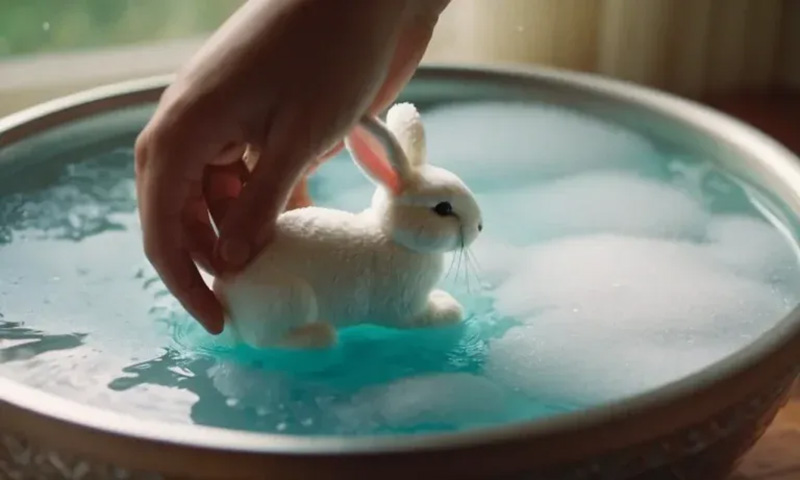
Most toy safety standards focus on mechanical safety (seams, parts), chemical safety (restricted substances), and labeling. They do not usually certify a plush as “pest-free forever,” because pests are an environmental issue. What standards do support is a product that is washable as claimed, built with secure seams, and made from controlled materials—all of which make cleaning easier and reduce places where debris can accumulate.
From a manufacturer view, the most relevant “hygiene-adjacent” controls are:
- Washability validation (if you claim machine washable)
- Seam strength and construction consistency (reduces openings and leakage)
- Clean packing environment and sealed packaging options for shipping
- Odor control and material traceability so buyers can trust the supply chain
For pest-related consumer trust, the most important thing is clear, responsible guidance. Brands should avoid strong claims like “bed bug proof.” Instead, share practical care steps aligned with reputable pest management guidance, such as heat drying where safe and sealing items after treatment. 環保署+1
| Concern from buyers | What standards/QC can realistically cover | What it cannot guarantee | What brands should do | Consumer value |
|---|---|---|---|---|
| “Is it safe to touch?” | Chemical and material compliance | Future household exposure | Provide care and storage guidance | More trust, fewer complaints |
| “Will seams open?” | Seam strength testing and QC | Misuse beyond design | Reinforce stress points | Better durability |
| “Can I wash it?” | Wash validation for claim | Wrong wash method | Simple care label + icons | Easier care decisions |
| “Is it clean on arrival?” | Sealed packaging + clean handling | Post-delivery exposure | Offer sealed polybag + carton | Better unboxing confidence |
| “Will pests hide in it?” | Design reduces hiding points | Home infestation conditions | Provide practical treatment steps | Lower anxiety |
What guidance should brands provide to retailers and end consumers?
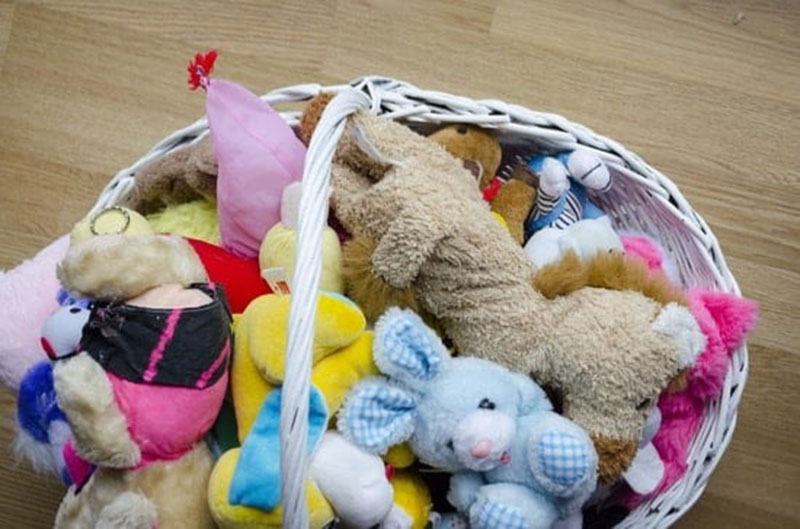
This is the part many brands skip, but it is where trust is built. If retailers and consumers feel informed, they blame the situation less on the product and more on the environment—and they handle the toy correctly.
I recommend brands provide two layers of guidance: a short version for product pages, and a deeper version for customer service. Keep the language calm and practical.
Retailer-facing guidance should include:
- How to store plush inventory (sealed cartons, clean storage, avoid floor clutter)
- How to handle returns safely (isolate soft goods if infestation is suspected)
- What the care label supports (washable vs surface clean)
End-consumer guidance should include:
- Simple inspection points (seams, tags, folds)
- Heat treatment option for heat-safe items (dryer high heat ~30 minutes is commonly recommended for suitable items) 環保署+2環保署+2
- Store cleaned items sealed after treatment to prevent re-exposure 環保署
- Encourage professional pest control for active infestations, since home-only steps may not be enough
| Audience | What to say (simple) | What not to say | Best format | Why it helps sales |
|---|---|---|---|---|
| Retailers | “Store plush in sealed cartons; isolate suspicious returns.” | “Guaranteed pest-free forever.” | One-page SOP | Reduces store risk |
| E-commerce buyers | “Heat-treat if safe; store sealed after cleaning.” 環保署+1 | “Washing always kills bed bugs.” (often not true) 環保署+1 | FAQ section | Fewer anxious refunds |
| Parents | “Check seams; follow care label; seek pro help if infestation.” | “Spray chemicals on toys.” | Care card insert | Builds trust |
| Customer service | “Here are approved steps and when to call a pro.” | Overconfident medical/legal claims | Script + template | Faster resolution |
| Brand pages | “Designed for easy cleaning and safe use.” | “Bed bug resistant.” | Product bullet points | Safer marketing claims |
Conclusion
A safe plush product should be easy to clean, durable, and responsibly presented without making unrealistic pest-proof claims. At Kinwin, we help global buyers develop stuffed animals with controlled materials, cleaner construction, and scalable packaging solutions that support real retail and household hygiene expectations. Contact me at [email protected] or visit kinwintoys.com to discuss your next project and explore how our factory can support your success.