Skip to content
In promotional campaigns, giveaways are not just free items. They are physical touchpoints between a brand and its audience. From my experience working with global brands, retailers, and promotional product buyers, the most effective giveaways are not the cheapest ones—but the ones people keep, touch, and emotionally connect with.
Plastic merchandise such as keychains, pens, or small gadgets has long dominated the promotional market because of low cost and easy mass production. However, as consumer expectations change, these items are increasingly seen as disposable. Plush giveaways, by contrast, consistently deliver stronger emotional impact, longer brand exposure, and higher perceived value.
This article explains why plush giveaways outperform plastic merchandise across emotional connection, brand recall, sustainability messaging, and long-term promotional effectiveness.
Why Plush Giveaways Create Stronger Emotional Connection Than Plastic Items?
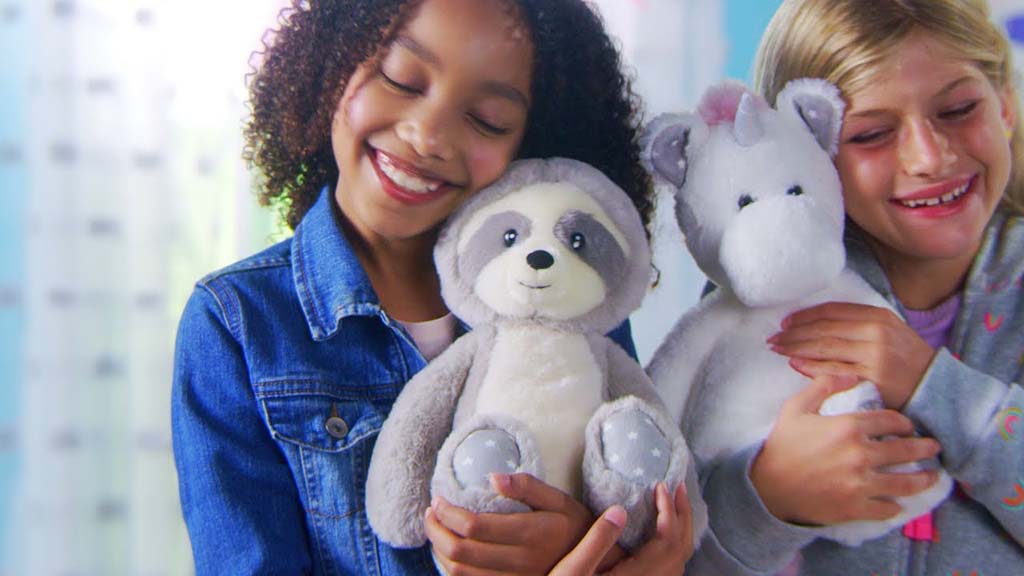
Emotional connection is one of the most important drivers of brand memory, yet it is often underestimated in promotional planning. Plush giveaways naturally create stronger emotional bonds because they trigger comfort, warmth, and familiarity—emotions that plastic items rarely evoke.
Soft toys and plush items are closely associated with care, comfort, and companionship. When someone receives a plush giveaway, it feels personal rather than transactional. This emotional response is especially powerful in campaigns targeting families, children, healthcare, education, or lifestyle brands, but it also works well for adult audiences when the design is thoughtful.
Plastic merchandise is usually functional or decorative, but rarely emotional. It is often used briefly and then forgotten. Plush items, on the other hand, tend to be named, kept, and integrated into daily life, which strengthens emotional attachment to the brand behind them.
| Giveaway Type | Emotional Response | User Behavior |
|---|---|---|
| Plastic merchandise | Neutral | Short-term use |
| Plush giveaways | Warm & personal | Long-term keeping |
| Functional plastics | Utility-focused | Easily replaced |
| Plush characters | Emotional bond | Repeated interaction |
Stronger emotional connection leads to stronger brand loyalty.
How Soft Texture and Tactile Experience Improve Brand Recall?
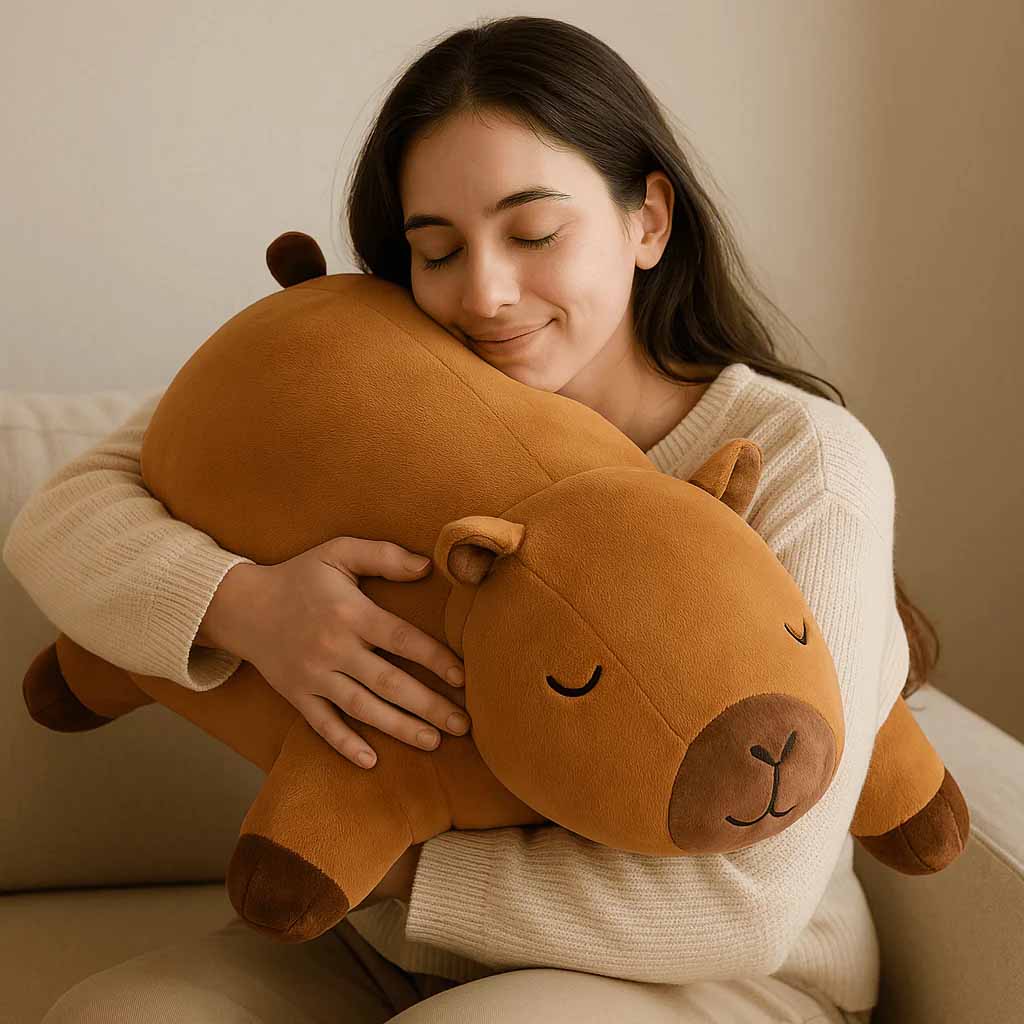
Brand recall is not only visual—it is sensory. Plush giveaways engage the sense of touch, which significantly improves memory retention. Soft textures activate comfort responses in the brain, making the brand experience more memorable.
Plastic items feel cold, hard, and uniform. Once handled a few times, they no longer offer sensory novelty. Plush items remain tactile every time they are touched. Hugging, squeezing, or simply holding a plush object reinforces the brand experience repeatedly.
In marketing psychology, multi-sensory experiences create stronger memory encoding. Plush giveaways naturally deliver this by combining touch, shape, and emotional comfort. This is why plush items often stay visible on desks, beds, or sofas, while plastic items are stored away or discarded.
| Sensory Factor | Plastic Items | Plush Giveaways |
|---|---|---|
| Texture | Hard & smooth | Soft & comforting |
| Touch frequency | Low | High |
| Sensory memory | Weak | Strong |
| Brand recall | Short-lived | Long-lasting |
The more senses involved, the stronger the brand memory.
Why Plush Products Are Perceived as Higher Value in Promotional Campaigns?
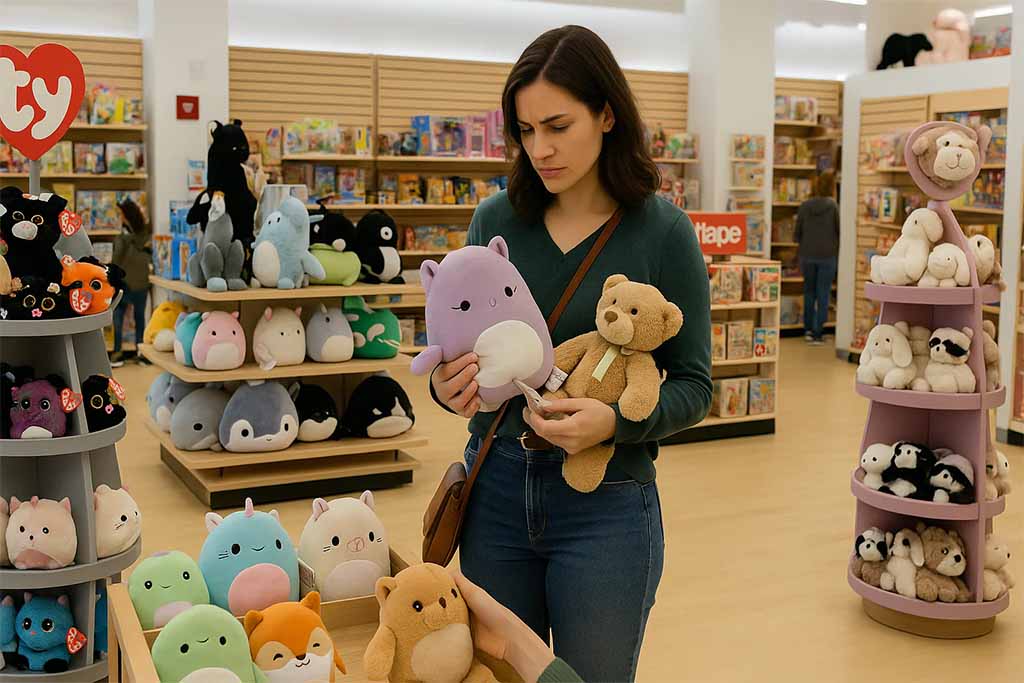
Perceived value matters more than actual unit cost in promotional campaigns. Plush giveaways consistently feel more valuable than plastic merchandise, even when the cost difference is small.
Consumers associate plush items with gifting, care, and premium effort. A plush giveaway signals that the brand invested time and thought into the item, rather than choosing a generic product. This perception increases gratitude and positive brand sentiment.
Plastic merchandise, especially common items like pens or keychains, often feels interchangeable. Recipients may not remember which brand provided them. Plush items, due to their uniqueness and emotional appeal, stand out and are more likely to be associated with a specific campaign or brand.
| Perception Factor | Plastic Merchandise | Plush Giveaways |
|---|---|---|
| Uniqueness | Low | High |
| Gift-like feel | Rare | Strong |
| Brand impression | Generic | Premium |
| Memorability | Limited | High |
Higher perceived value amplifies campaign effectiveness.
How Plush Giveaways Align Better with Sustainability and Eco-Friendly Messaging?
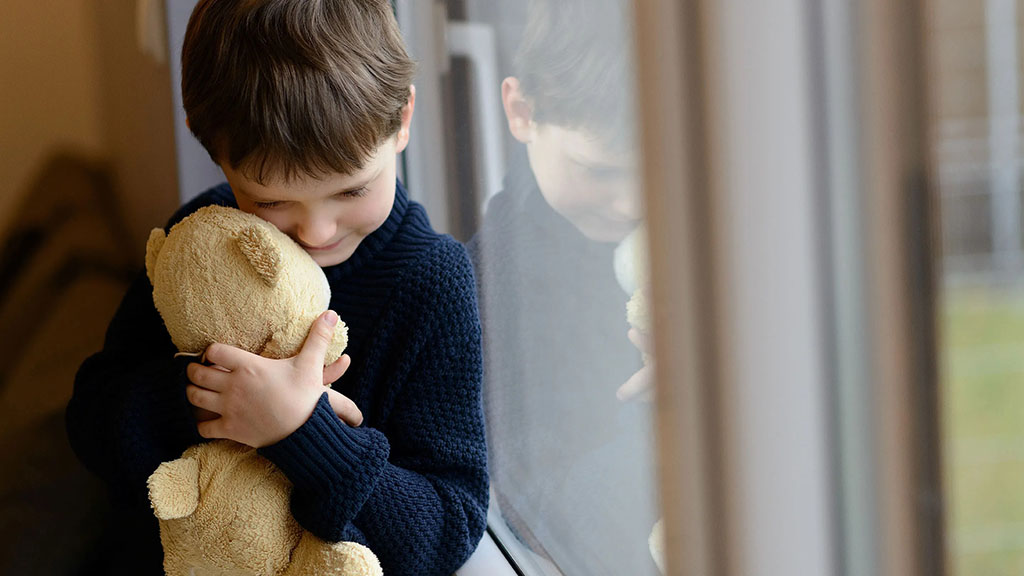
As sustainability becomes a core brand value, promotional items must reflect that message. Plush giveaways align better with eco-friendly storytelling than plastic merchandise, which is increasingly associated with waste and disposability.
Modern plush products can be made using recycled fabrics, recycled fillings, and minimal plastic packaging. Brands can clearly communicate these material choices, turning the giveaway into a sustainability statement rather than a contradiction.
Plastic merchandise often struggles with sustainability perception, even when recycled. Many consumers still associate plastic items with single-use waste. Plush items, because they are kept longer, reduce the sense of waste and support reuse-oriented messaging.
| Sustainability Aspect | Plastic Merchandise | Plush Giveaways |
|---|---|---|
| Environmental perception | Often negative | More positive |
| Material storytelling | Limited | Clear & emotional |
| Product lifespan | Short | Long |
| Eco-message alignment | Weak | Strong |
A sustainable message must be supported by sustainable touchpoints.
Why Plush Items Have Longer Lifespan and Repeated Brand Exposure?
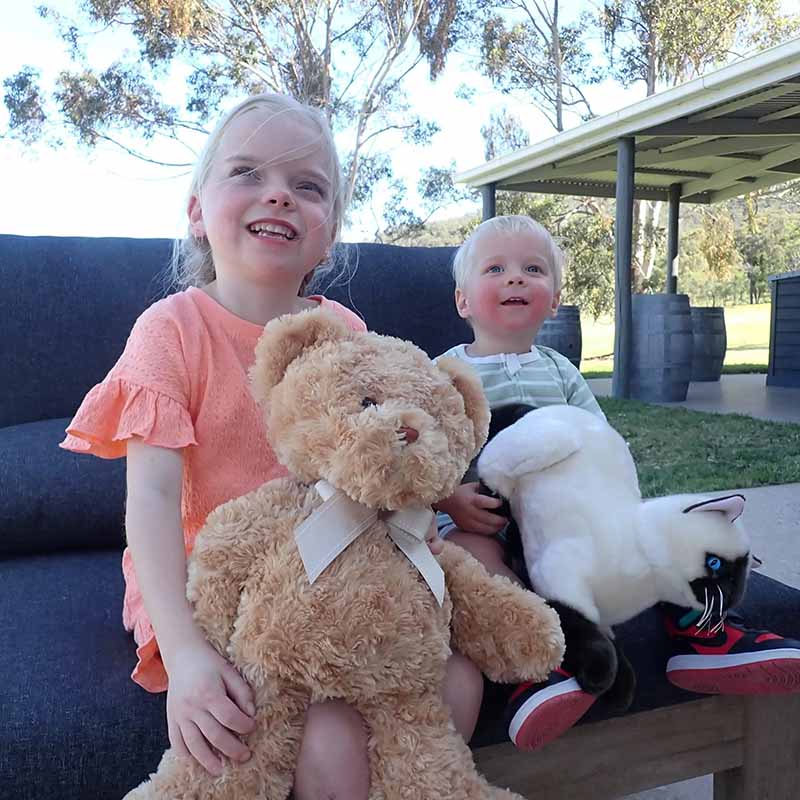
Promotional effectiveness depends on how long and how often a brand is seen. Plush giveaways naturally deliver repeated exposure because they are kept in visible, personal spaces.
Unlike plastic items that may be used briefly and then discarded, plush items often remain on desks, beds, shelves, or in cars. Each time the recipient sees or touches the plush, the brand is reinforced without additional marketing cost.
Longer lifespan also means better return on investment. Even if the unit cost of a plush giveaway is higher, the cost per impression over time is often lower than plastic merchandise that disappears quickly.
| Exposure Factor | Plastic Items | Plush Giveaways |
|---|---|---|
| Typical lifespan | Short | Long |
| Visibility | Low | High |
| Repeated impressions | Few | Many |
| ROI over time | Lower | Higher |
Longevity turns giveaways into ongoing brand assets.
How Custom Plush Designs Offer Greater Branding Flexibility Than Plastic Merchandise?
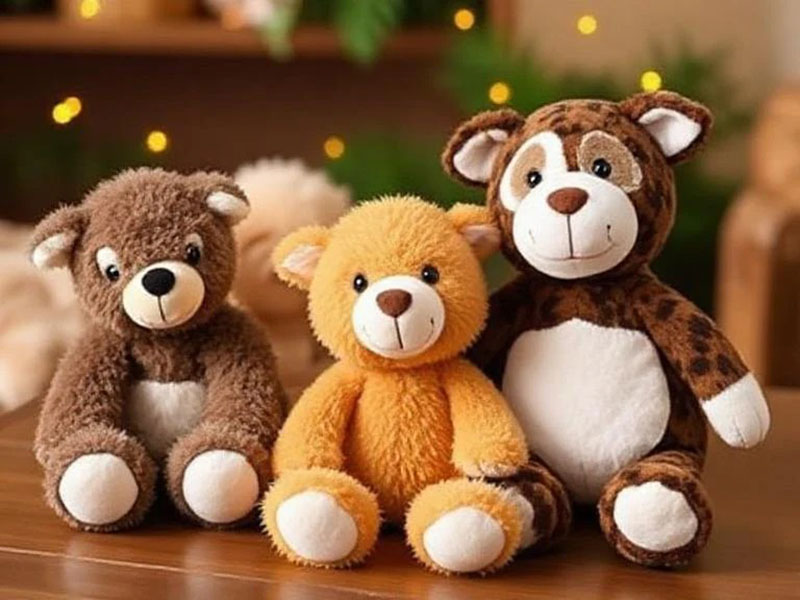
Customization is where plush giveaways truly outperform plastic merchandise. Plush products offer far greater flexibility in shape, color, size, character, and emotional expression.
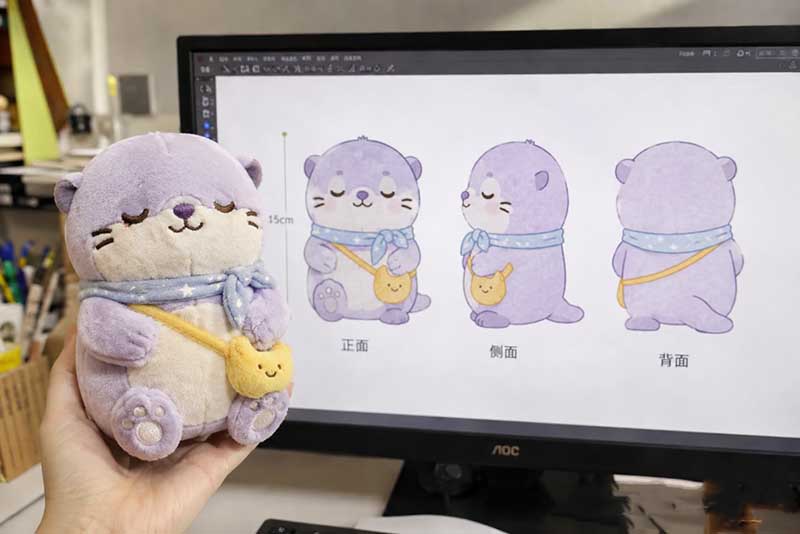
Brands can translate mascots, icons, or concepts into plush form, creating a three-dimensional representation of brand identity. This level of customization is difficult to achieve with plastic items without significant tooling cost.
Plush designs also adapt better to different markets. A single concept can be adjusted in size, color, or style for different campaigns, regions, or audiences while maintaining brand consistency.
| Branding Element | Plastic Merchandise | Plush Giveaways |
|---|---|---|
| Shape flexibility | Limited | Very high |
| Emotional expression | Low | Strong |
| Brand storytelling | Basic | Rich |
| Campaign adaptation | Difficult | Easy |
Custom plush turns branding into a tangible experience.
Conclusion
Plush giveaways outperform plastic merchandise because they create stronger emotional connections, enhance brand recall through tactile experience, and deliver higher perceived value and longer-lasting exposure. By aligning with sustainability messaging and offering flexible customization, plush giveaways become powerful brand assets rather than disposable promotional items.
📧 Contact: [email protected]
🌐 Visit: https://kinwintoys.com