Skip to content
In the global plush toy industry, compliance certificates are often misunderstood as paperwork required only for customs clearance or platform onboarding. In reality, certifications play a much deeper role. They are legal safeguards, quality control tools, and trust-building mechanisms that protect both buyers and factories throughout the product lifecycle.
From my experience working with international brands, retailers, and licensors, most serious disputes do not start with product design or pricing. They start when expectations around safety, testing, or responsibility are unclear. Compliance certificates create a shared framework that defines responsibility, reduces ambiguity, and prevents risk from escalating into conflict.
This article explains why compliance certificates are not just “buyer requirements,” but strategic assets that protect both sides and enable stable, scalable cooperation.
What Compliance Certificates Are Essential in the Plush Toy Industry?

Compliance certificates define whether a plush toy is legally allowed to enter and be sold in a specific market. Because plush toys are classified as children’s products in most regions, the regulatory threshold is high, and requirements vary by destination.
The most essential certificates relate to product safety, chemical compliance, and factory responsibility. These certificates are not interchangeable. Each serves a different purpose and protects against a different type of risk.
Product safety standards such as ASTM F963 (USA) and EN71 (EU) focus on mechanical safety, flammability, and chemical limits. CPSIA applies specifically to children’s products in the US, setting strict limits on lead and phthalates. REACH addresses chemical substances for the EU market. On the factory side, audits like BSCI or SMETA evaluate ethical and operational practices rather than product-level safety.
Understanding which certificates apply—and why—is critical for both buyers and factories. Missing or misapplied certificates can block shipments, invalidate insurance coverage, or expose both parties to legal claims.
| Certificate / Standard | Market | Primary Protection |
|---|---|---|
| ASTM F963 | USA | Toy safety compliance |
| EN71 | EU | Mechanical & chemical safety |
| CPSIA | USA | Children’s product regulation |
| REACH | EU | Chemical substance control |
| OEKO-TEX | Global | Material chemical safety |
| BSCI / SMETA | Global | Factory social compliance |
Certificates define the legal baseline for cooperation.
How Do Certifications Reduce Legal and Regulatory Risks for Buyers?

For buyers, compliance certificates function as legal risk shields. They demonstrate due diligence and provide documented proof that products were evaluated against applicable laws before entering the market.
When a safety incident, consumer complaint, or regulatory inspection occurs, authorities do not ask whether the buyer “trusted the factory.” They ask whether the buyer verified compliance through recognized standards and testing. Valid certificates and test reports significantly reduce liability exposure.
Certifications also protect buyers in contractual disputes. Clear compliance documentation defines what was delivered versus what was required. Without certificates, responsibility becomes subjective and difficult to defend.
In many cases, e-commerce platforms, retailers, and insurance providers require compliance documentation as a condition for listing, coverage, or partnership. Buyers who lack certificates risk delisting, penalties, or forced recalls.
| Buyer Risk Area | Without Certificates | With Certificates |
|---|---|---|
| Regulatory inspection | High exposure | Defensible position |
| Product liability | Unclear responsibility | Documented compliance |
| Platform onboarding | Possible rejection | Faster approval |
| Recall disputes | Costly & unclear | Risk containment |
Certificates convert assumptions into evidence.
How Do Compliance Standards Help Factories Control Quality and Safety?
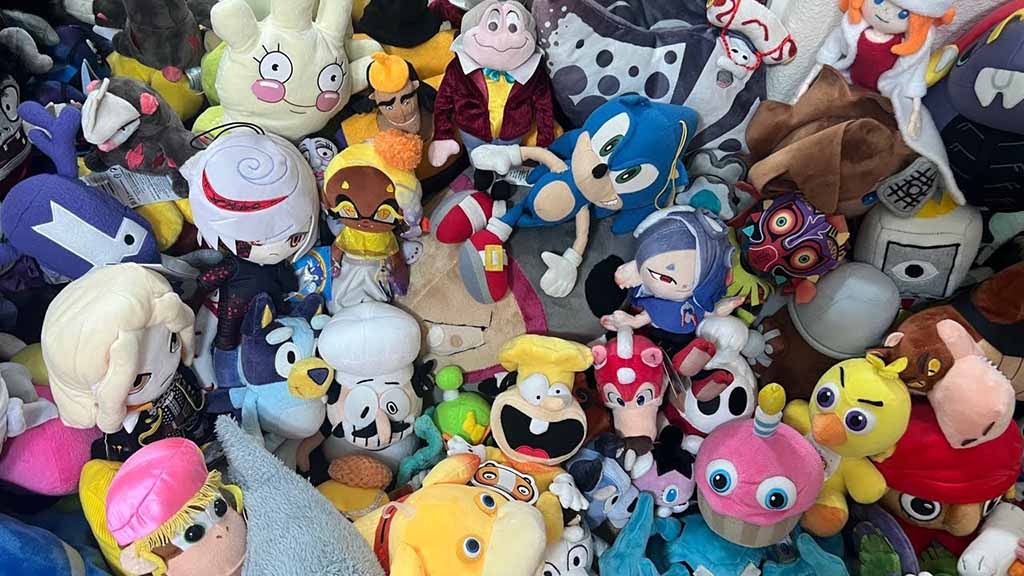
From a factory perspective, compliance standards are not just external demands. They are internal management tools that help standardize processes, reduce variation, and prevent costly errors.
Standards such as ASTM, EN71, or CPSIA translate abstract safety concepts into measurable requirements. This allows factories to design products, select materials, and set production controls with clear benchmarks rather than guesswork.
Compliance standards also reduce rework and scrap. When factories build products according to certified materials and approved processes, the risk of late-stage test failure drops significantly. This protects production schedules and profit margins.
In addition, factories with strong compliance systems are better prepared for audits, inspections, and buyer evaluations. Compliance becomes a repeatable process rather than a project-by-project scramble.
| Factory Area | Without Standards | With Standards |
|---|---|---|
| Material selection | Experience-based | Rule-based |
| Production control | Inconsistent | Standardized |
| Test pass rate | Unpredictable | Higher consistency |
| Cost control | Reactive | Preventive |
Compliance standards stabilize operations.
Why Certified Processes Build Trust Between Brands and Manufacturers
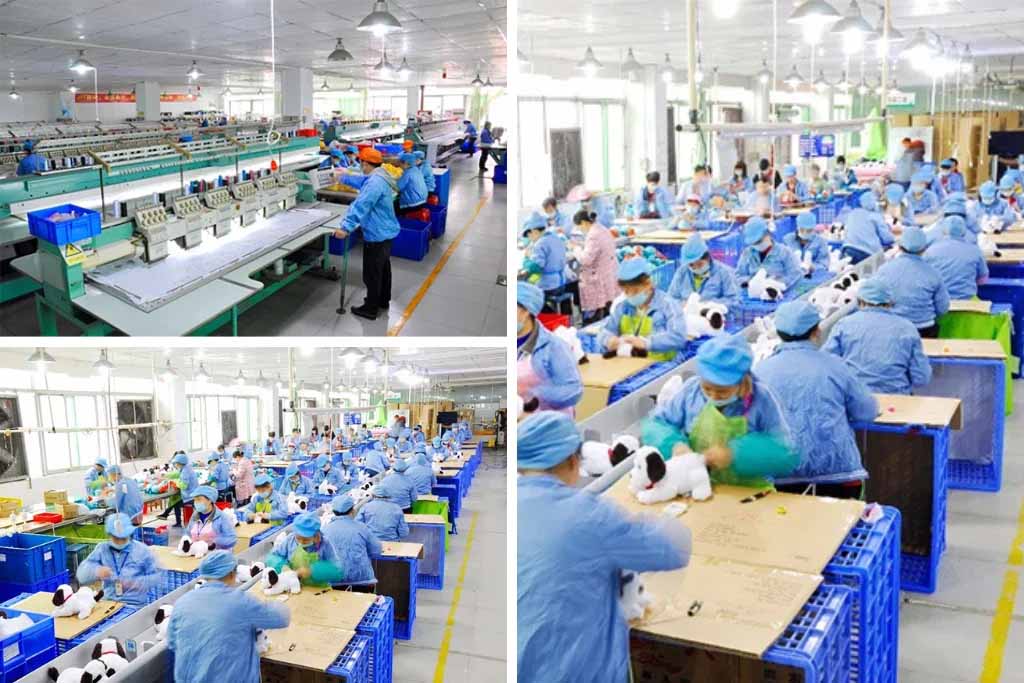
Trust in B2B manufacturing is built on predictability, not promises. Certified processes provide objective proof that both parties are aligned on quality, safety, and responsibility.
When a factory operates within certified systems, buyers gain visibility into how products are made, tested, and controlled. This reduces the need for micromanagement and repeated verification.
For manufacturers, certification signals professionalism and long-term commitment. It shows that the factory is not relying on shortcuts or temporary fixes, but on structured systems that support repeat orders and brand growth.
Certified processes also reduce communication friction. Instead of debating subjective quality opinions, both sides can refer to the same standards, test methods, and acceptance criteria.
| Trust Element | Role of Certification |
|---|---|
| Transparency | Clear, documented processes |
| Consistency | Repeatable results |
| Accountability | Defined responsibility |
| Communication | Shared technical language |
Trust grows when expectations are measurable.
How Do Third-Party Audits and Test Reports Prevent Disputes and Claims?

Third-party audits and test reports act as neutral reference points when disagreements arise. They remove subjectivity and replace opinion with evidence.
In cases of test failure, shipment delay, or customer complaint, third-party reports clarify whether the issue is related to design, materials, production, or handling. This prevents blame-shifting and accelerates resolution.
Audits also protect factories from unfair claims. When a factory can demonstrate that it followed certified processes and passed required tests, liability can be properly allocated instead of assumed.
For buyers, third-party documentation supports internal reporting, legal defense, and insurance claims. It shows that risks were managed responsibly, not ignored.
| Dispute Scenario | Without Third-Party Proof | With Third-Party Proof |
|---|---|---|
| Test failure | Argument-based | Evidence-based |
| Quality claim | Hard to verify | Clear root cause |
| Legal dispute | High uncertainty | Reduced exposure |
| Insurance claim | Weak support | Strong documentation |
Neutral verification reduces conflict cost.
How Compliance Certificates Support Long-Term, Scalable Business Relationships?

Compliance certificates are not just about today’s shipment. They are about future scalability.
As brands grow, they face stricter platform rules, more complex regulations, and higher public scrutiny. Factories that already operate within certified systems can scale with these brands without constant restructuring.
Long-term partnerships benefit when compliance becomes embedded rather than reactive. Procurement becomes smoother, development cycles shorten, and trust deepens over time.
From my experience, the most stable buyer–factory relationships are built on shared compliance frameworks. Both sides invest upfront, but both sides benefit from lower risk, fewer disputes, and stronger market access in the long run.
| Growth Factor | Role of Compliance |
|---|---|
| Market expansion | Faster approvals |
| Volume scaling | Process stability |
| Brand protection | Reduced risk |
| Partnership longevity | Mutual confidence |
Compliance enables sustainable growth, not just legal access.
Conclusion
Compliance certificates protect buyers by reducing legal and regulatory risk, and they protect factories by standardizing quality, clarifying responsibility, and preventing disputes. When treated as shared safeguards rather than one-sided requirements, certifications become the foundation for trust, scalability, and long-term success in the plush toy industry.
📧 Contact: [email protected]
🌐 Visit: https://kinwintoys.com