Skip to content
A “best” stuffed animal is not only cute. For kids, it must be safe, soft, durable, and easy to care for. I’m Amanda from Kinwin, and in this guide I explain how I evaluate kids’ plush toys—from materials and stitching to age design, compliance, and real-life play value.
Parents and buyers can choose better stuffed animals by checking four things first: age grading, safe materials, secure construction, and clear compliance documents. The safest kid-friendly plush toys avoid small loose parts for younger ages, use tested fabrics and fillings, and meet standards such as EN71 or ASTM. After that, comfort, wash durability, and stitching quality decide long-term satisfaction.
If you are sourcing for retail, e-commerce, or promotional markets, the goal is simple: create plush toys that kids love, parents trust, and your brand can reorder with stable quality.
What safety standards and material choices define kid-friendly stuffed animals?
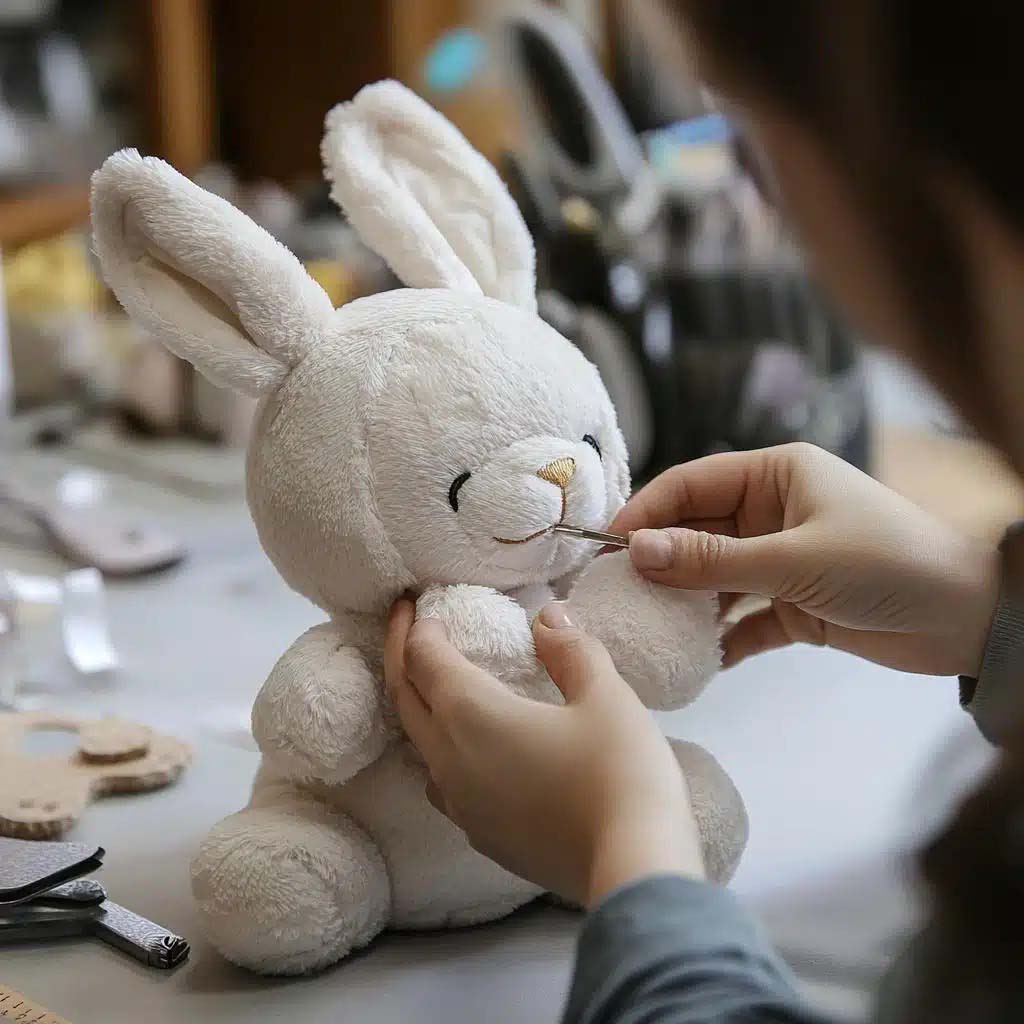
For children’s plush toys, I always begin with materials, not marketing claims. A toy may look harmless, but if fabrics, dyes, or fillings are poorly controlled, risks increase. Truly kid-friendly stuffed animals are defined by the safety standards they follow and by material choices that consistently support those standards.
In practice, a safe baseline plush uses tested outer fabric, clean polyester fiber filling, and child-safe decoration methods, produced under a system that supports the target market’s regulations. For younger children, safer designs usually reduce hard parts and rely more on embroidery or printed details.
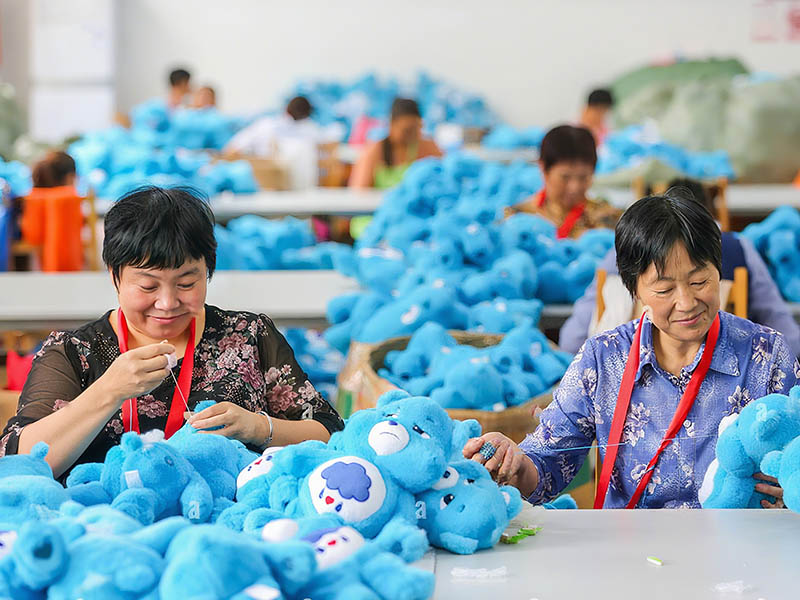
From a manufacturing view, fabric and filling must work together. A compliant fabric can still fail if the dye is unstable, and a safe filling can still create risk if seams are weak. Safety is a result of the full construction, not one component.
| Safety focus | Practical material choice | Why it helps kids | Typical risk if ignored | My sourcing advice |
|---|---|---|---|---|
| Skin contact safety | Tested plush fabric + stable dyes | Reduces irritation and chemical risk | Dye bleeding, odor, complaints | Ask for material testing support |
| Clean softness and rebound | High-grade polyester fiberfill | Comfortable hug feel + shape retention | Lumping after wash | Use higher rebound grades |
| Choking risk reduction | Embroidered or printed facial details | No loose small parts | Detachable eyes or trims | Avoid hard parts for young ages |
| Construction stability | Strong thread + stable seam allowance | Low seam-opening risk | Seam failure under pull | Define seam strength targets |
| Wash and care safety | Quick-dry fabric and filling | Easier cleaning for parents | Mold smell, slow drying | Validate wash performance early |
Which age-specific design factors matter most for children’s plush toys?
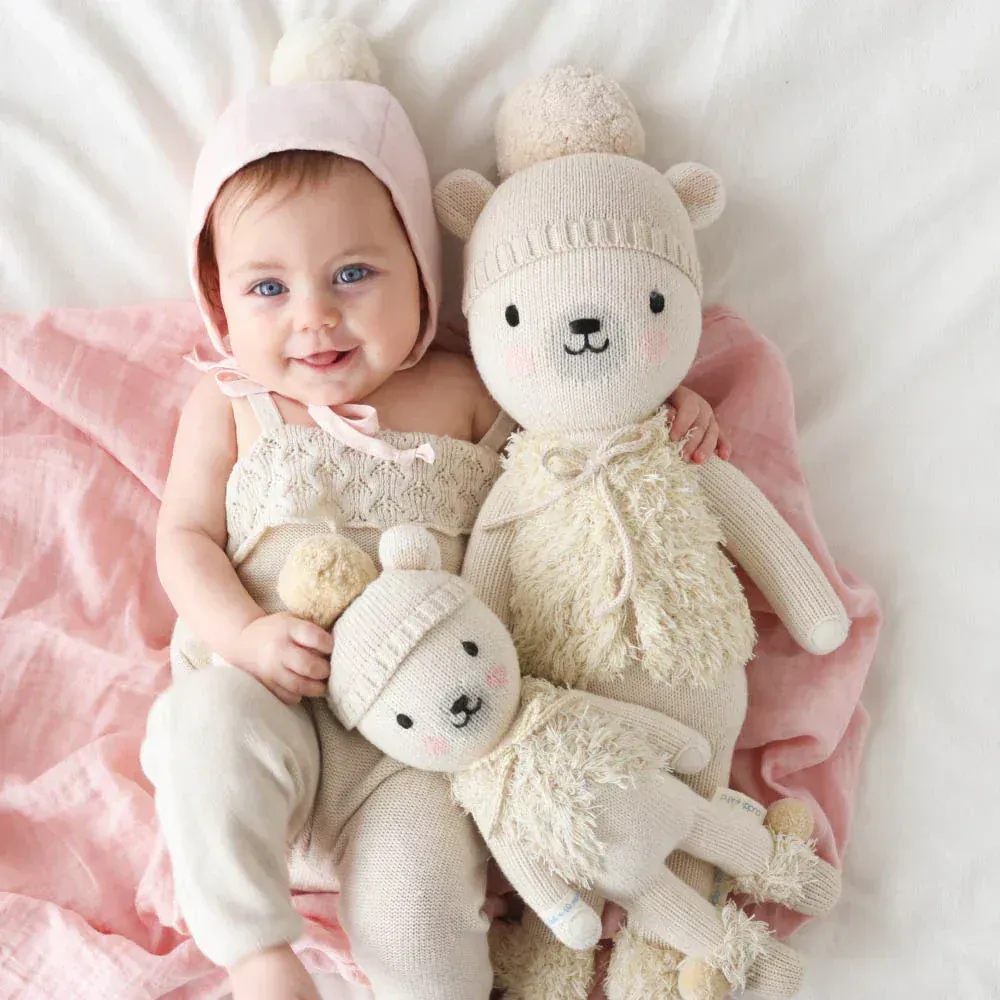
When people say “best stuffed animals for kids,” the key question is which age group. Plush toys designed for toddlers should never follow the same design logic as toys for older children. Age-specific design controls safety risk, play behavior, and durability.
For younger children, safe design usually means simple shapes, minimal accessories, and strong seams that tolerate squeezing and chewing. For older kids, more character detail is acceptable, but construction quality and comfort still matter.
In ODM projects, I always define age design rules before sampling. This avoids rework and protects buyers from late-stage compliance issues.
| Age group target | Design priorities | Material and part choices | Common design mistake | Better alternative |
|---|---|---|---|---|
| 0–3 years | Maximum safety, simplicity | Embroidered face, soft trims | Hard eyes on squeeze zones | Stitch or print details |
| 3–6 years | Softness + durability | Washable plush fabric, strong seams | Thin seams at limbs | Reinforced stress points |
| 6–9 years | Character and play | More shape detail if tested | Too many accessories | Simplify add-ons |
| 9+ years | Styling and collectability | Premium fabric, balanced fill | Beauty over durability | Combine design with strength |
How do softness, durability, and stitching quality affect long-term use?
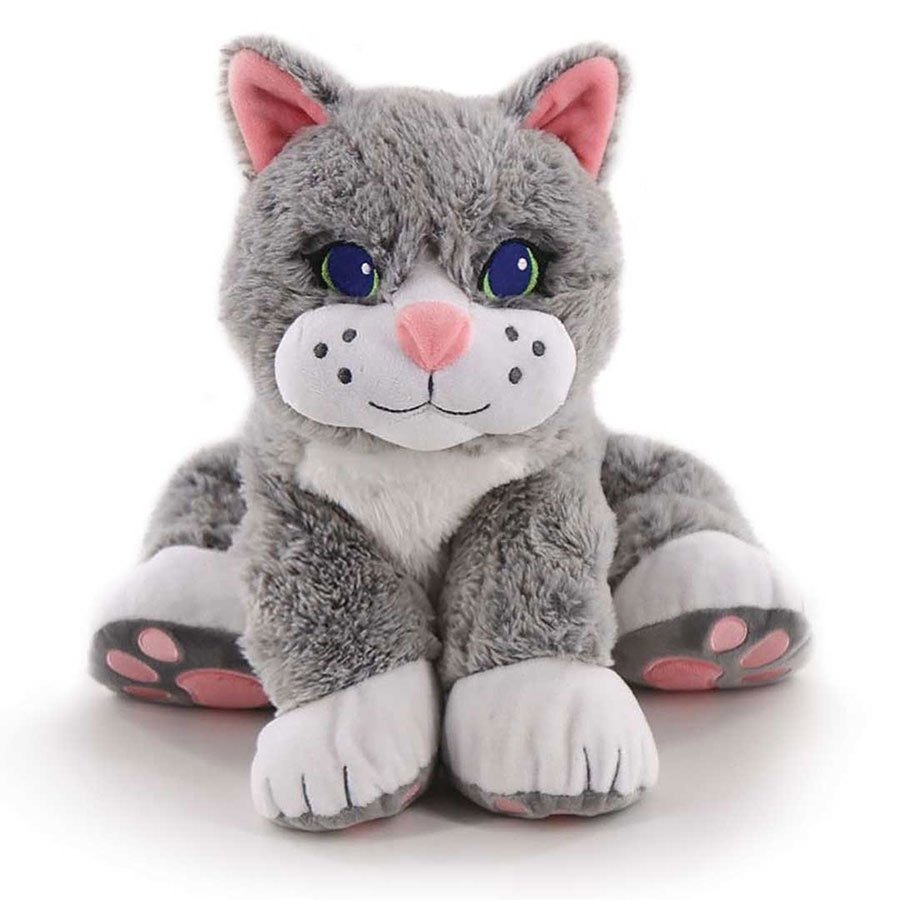
Softness attracts the first purchase. Durability earns repeat trust. Long-term use is where plush quality becomes clear. A toy that feels great at first but flattens quickly damages brand perception.
Real quality comes from even stuffing, stable shape retention, and strong stitching. Parents notice lumps, uneven faces, and loose seams very quickly—especially after washing.
From my experience, durability is not about making a plush “hard.” It is about keeping softness stable through correct filling density and seam construction.
| Quality factor | What customers notice | What causes problems | How manufacturers control it | Brand benefit |
|---|---|---|---|---|
| Softness | Smooth, even hug | Low-grade fill | Better fiber + layered filling | Better reviews |
| Shape retention | Plush stays full | Fill matting | Balanced density by zones | Fewer returns |
| Stitching strength | Seams stay closed | Loose stitch, weak thread | Standard seam settings | Higher safety trust |
| Finish quality | No loose threads | Poor trimming | Final QC checklist | Premium feel |
| Wash performance | Shape after wash | Wrong fill choice | Wash-tested materials | Higher satisfaction |
What certifications and compliance requirements should parents and buyers prioritize?
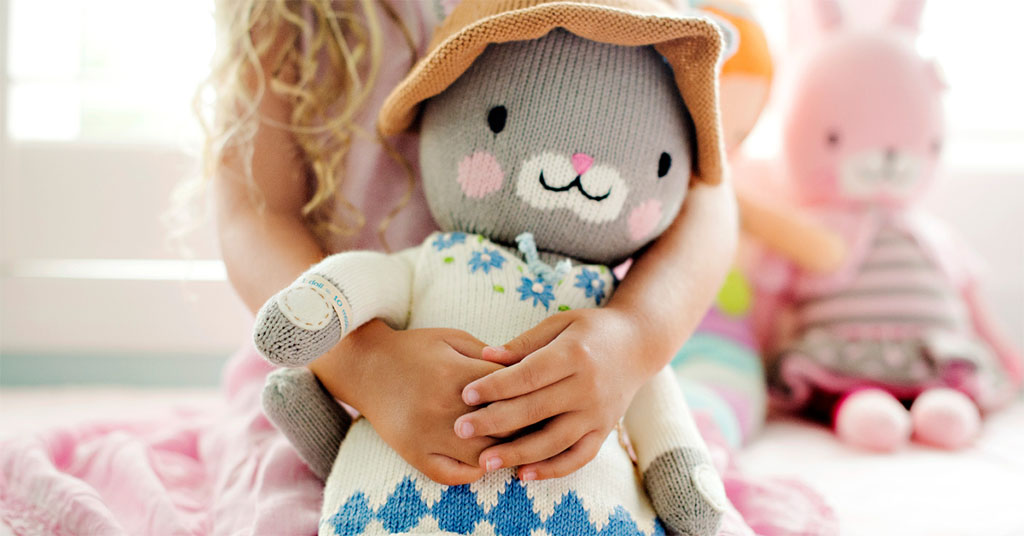
Certifications vary by market, but the logic is consistent. Buyers should match the plush toy’s design, age grading, and materials to the expectations of the selling region. For children’s plush toys, mechanical safety, chemical safety, and labeling are the most important areas.
For the US market, ASTM-related standards are commonly referenced. For Europe, EN71 is widely used. What matters most is not the label itself, but whether the testing scope truly matches the product’s real design and use.
I always advise buyers to plan compliance early. Late changes to trims or labeling often cause delays and extra cost.
| Buyer type | Priority focus | Why it matters | What to request | Common risk |
|---|---|---|---|---|
| Parents | Clear age label | Reduces misuse | Transparent product info | Unsafe age mismatch |
| Retailers | Compliance documents | Brand protection | Test reports | Mixed material batches |
| E-commerce sellers | Durability proof | Fewer returns | QC checklist | Negative reviews |
| Promotional buyers | Safety + cost | Liability control | Simple safe design | Over-customization |
| Brand owners | Full compliance plan | Supports scaling | Documentation system | Material changes |
How do educational, emotional, and play value influence stuffed animal selection?
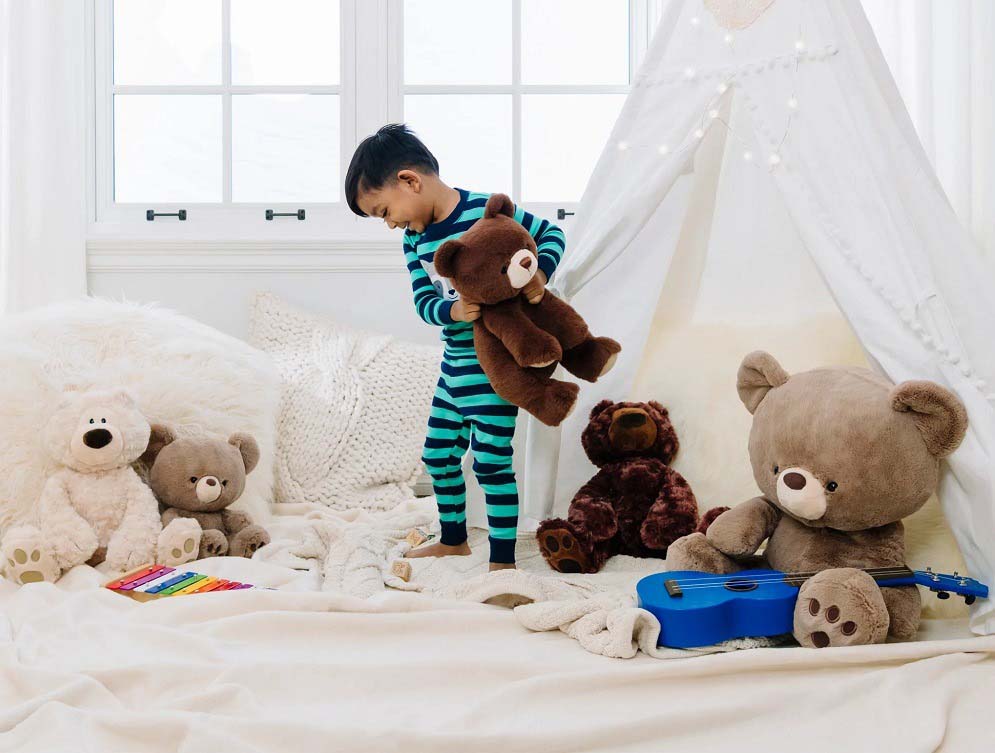
A stuffed animal is often a child’s first comfort object. Kids keep plush toys not for features, but for how they feel and how they fit into daily routines.
Strong emotional value comes from soft texture, friendly expressions, and stable shape. Play value depends on easy handling and durability. Educational value often comes from themes, storytelling, and routine support rather than complex functions.
The best plush toys support repeated use without frustration.
| Value type | What kids feel | What parents see | Design support | Brand advantage |
|---|---|---|---|---|
| Emotional comfort | Calm and attachment | Security | Gentle face, soft fill | Loyalty |
| Imaginative play | Easy movement | Engagement | Simple body shapes | Longer use |
| Routine support | Sleep/travel buddy | Easy care | Washable design | Trust |
| Learning themes | Storytelling | Educational value | Character clarity | Strong messaging |
| Social value | Sharing/gifting | Reputation | Consistent quality | Word-of-mouth |
How can manufacturers balance customization, cost, and safety for kids’ plush lines?
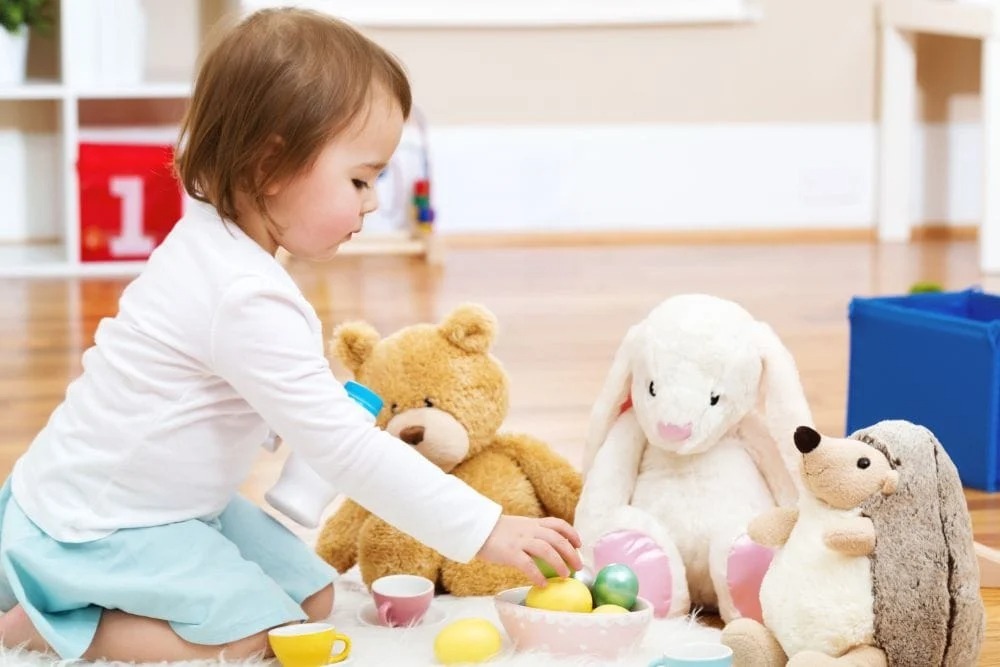
Buyers want plush toys that stand out, but safety and cost must stay controlled. The best solution is focused customization—features that add brand identity without increasing risk.
Safe customization often includes embroidery, color variation, and packaging rather than complex add-ons. Stable core construction helps control cost and delivery time.
From a factory perspective, simpler, repeatable customization supports better quality and faster reorders.
| Customization option | Brand impact | Safety risk | Cost impact | Best practice |
|---|---|---|---|---|
| Embroidered logo | High | Low | Low–Medium | Ideal for kids’ plush |
| Printed fabric | Medium–High | Low (tested) | Low–Medium | Control inks carefully |
| Plastic accessories | Medium | Higher | Medium | Avoid for young ages |
| Complex add-ons | Medium | Medium–High | High | Reduce part count |
| Premium packaging | High | Low | Medium | Strong branding tool |
| Weighted features | Medium–High | Higher | Medium | Use sealed pouches |
Conclusion
A great stuffed animal for kids should be safe, soft, durable, and emotionally appealing while supporting consistent quality and branding. At Kinwin, we help global buyers develop customized plush solutions that meet safety expectations and stand out in competitive markets. Contact me at [email protected] or visit kinwintoys.com to discuss your next project and explore how our factory can support your success.