As sustainability becomes a baseline expectation rather than a marketing bonus, plush toy procurement teams face a real and growing challenge: how to adopt more sustainable materials and processes without losing cost control or scalability. From my experience working with global brands and large-volume buyers, sustainability decisions in plush toy sourcing are rarely “free.” They affect material cost, supplier structure, testing scope, lead times, and long-term pricing stability.
The key is not choosing between cost and sustainability, but understanding where costs actually change, which trade-offs are manageable, and how procurement strategy can absorb sustainability requirements without breaking the budget. This article breaks down the real cost drivers behind sustainable plush toy procurement and explains how brands can balance responsibility with commercial reality.
What Cost Factors Are Most Affected by Sustainable Material Choices?

Sustainable material choices influence procurement costs in more ways than just raw material pricing. While many buyers initially focus on fabric or filling unit cost, the real impact often appears across logistics, testing, yield rate, and production efficiency.
The most direct cost impact comes from material sourcing. Certified recycled or organic materials usually have higher base prices and stricter MOQ requirements. Beyond that, sustainable materials can affect cutting efficiency, sewing speed, and defect rates—especially if factories are less experienced with those materials.
Another overlooked cost factor is supply stability. Some eco-friendly materials have longer lead times or seasonal availability, which increases inventory holding costs or forces procurement teams to place earlier commitments.
Finally, sustainable materials often trigger additional documentation and testing, adding indirect costs that must be planned from the start.
| Cost Area | How Sustainability Impacts It | Procurement Risk |
|---|---|---|
| Raw material price | Higher unit cost | Margin pressure |
| MOQ & availability | Larger or less flexible | Inventory burden |
| Production efficiency | Learning curve | Lower output |
| Testing & documentation | Expanded scope | Hidden cost |
Understanding these cost layers helps procurement teams avoid underestimating the true financial impact of sustainability decisions.
How Do Eco-Friendly Fabrics and Fillings Compare in Price and Performance?
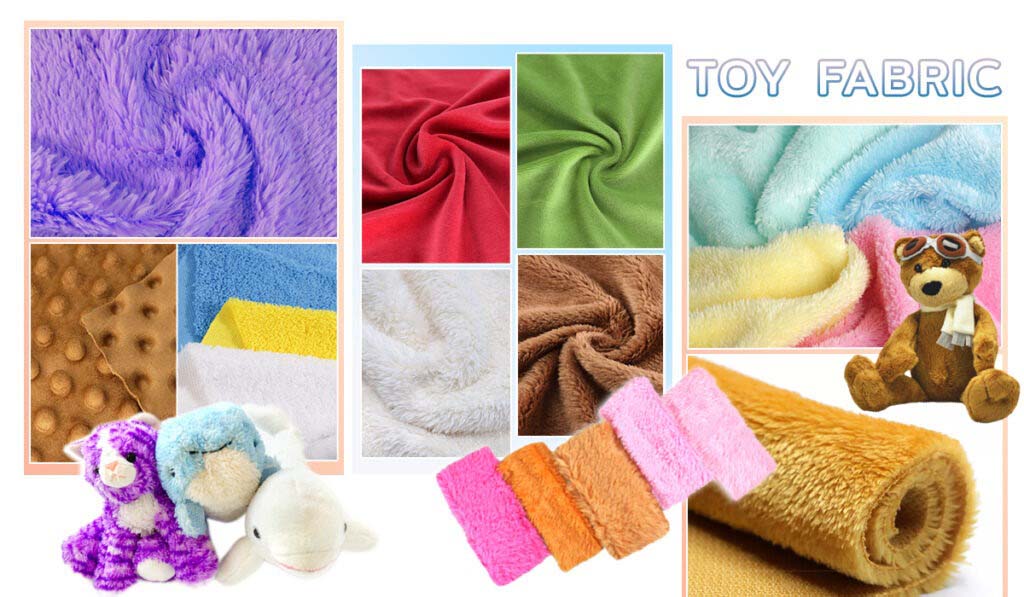
Not all sustainable materials perform the same, and not all justify their cost equally. In plush toy manufacturing, fabrics and fillings account for a large portion of material cost and directly influence product feel, durability, and compliance performance.
Recycled polyester (rPET) fabrics and fillings are currently the most cost-efficient sustainable option at scale. They offer performance close to virgin polyester while supporting sustainability claims. Organic cotton and plant-based fibers, while attractive for branding, tend to carry higher costs and stricter handling requirements.
Performance differences also matter. Some eco-friendly materials feel firmer, absorb moisture differently, or show wear faster if not engineered correctly. This can lead to higher defect rates or shorter product lifespan, indirectly increasing cost.
| Material Type | Cost Level | Performance Stability | Scalability |
|---|---|---|---|
| Virgin polyester | Low | Very high | Excellent |
| rPET fabric/fill | Medium | High | Strong |
| Organic cotton | High | Medium | Limited |
| Plant-based blends | High | Variable | Moderate |
For most large-volume programs, rPET offers the best balance between sustainability claims and cost-performance stability.
How Can Procurement Teams Evaluate Suppliers’ Sustainability Claims Objectively?

As sustainability demand rises, so does the risk of greenwashing. Procurement teams cannot rely on verbal claims or marketing language when evaluating suppliers. Objective evaluation requires documentation, traceability, and consistency across production.
The first step is verifying certifications such as GRS, GOTS, or OEKO-TEX. However, certificates alone are not enough. Teams must confirm whether the certification covers the exact material being supplied, not just the factory in general.
Second, procurement teams should review material traceability. This includes supplier invoices, batch records, and consistency across repeat orders. Sudden price drops or inconsistent documentation often signal risk.
Finally, suppliers’ sustainability practices should align with their production reality. A factory offering “eco” materials without experience or stable sourcing usually leads to delays, quality issues, or cost increases later.
| Evaluation Area | What to Check | Risk If Ignored |
|---|---|---|
| Certifications | Scope & validity | False compliance |
| Traceability | Batch & invoice data | Greenwashing |
| Production history | Past eco orders | Execution risk |
| Consistency | Repeat order stability | Cost fluctuation |
Objective evaluation protects both compliance and long-term cost control.
What Trade-Offs Exist Between Sustainability Goals and Large-Scale Production Costs?
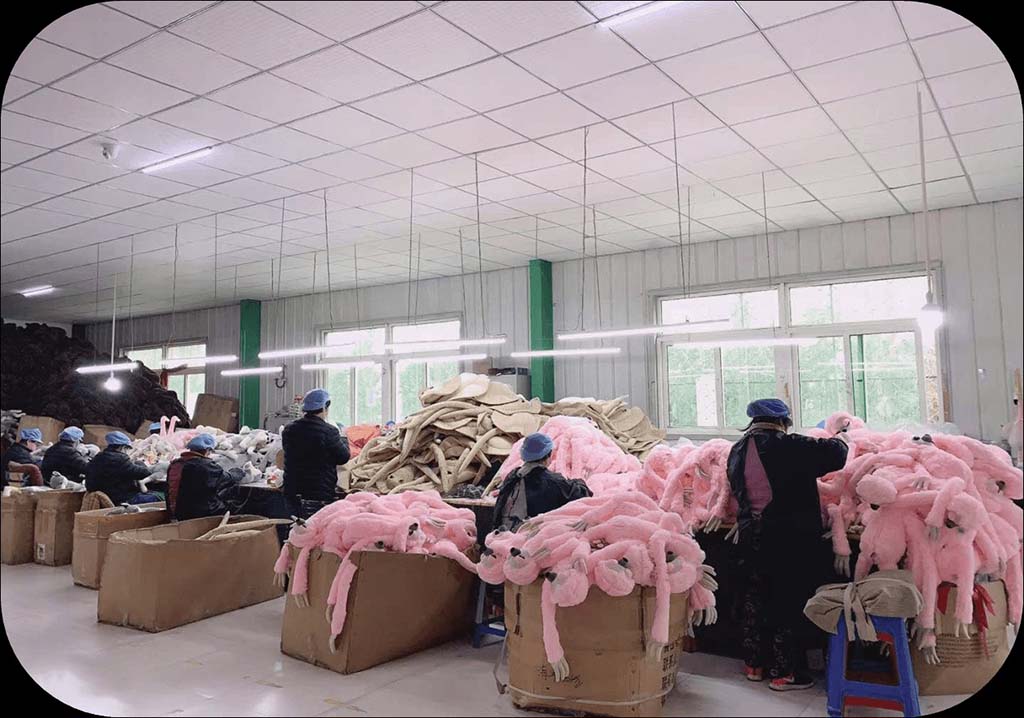
Sustainability goals often conflict with traditional cost-optimization strategies used in large-scale plush toy production. The most common trade-off appears in flexibility versus standardization.
Large-scale production relies on standardized materials, stable suppliers, and optimized workflows. Introducing sustainable materials can reduce flexibility, especially when certified materials require fixed sources or specific processing methods.
Another trade-off is short-term cost versus long-term positioning. Sustainable materials may increase unit cost initially but reduce reputational risk, regulatory exposure, and future compliance upgrades.
Procurement teams must decide which sustainability goals are non-negotiable and which can be phased in over time.
| Trade-Off Area | Cost Impact | Strategic Consideration |
|---|---|---|
| Material flexibility | Reduced | Supply planning |
| Unit cost | Increased | Margin strategy |
| Scale efficiency | Slightly lower | Volume forecasting |
| Brand positioning | Long-term gain | Market access |
Clear prioritization prevents sustainability from becoming an uncontrolled cost driver.
How Do Certifications, Testing, and Compliance Impact Total Procurement Budget?

Sustainability increases not only material costs but also compliance-related expenses. Certified materials often require expanded testing to verify chemical safety, recycled content, or traceability.
Each additional certification or claim can trigger more testing items, documentation review, and audit preparation. These costs are often underestimated during early budgeting stages.
Compliance also affects time cost. Longer testing cycles and approval processes can delay production or shipping, indirectly increasing logistics and inventory costs.
| Compliance Item | Cost Type | Budget Impact |
|---|---|---|
| Certification fees | Direct | Medium |
| Expanded testing | Direct | Medium–High |
| Documentation handling | Indirect | Ongoing |
| Approval lead time | Indirect | Schedule risk |
Integrating compliance costs early avoids last-minute budget overruns.
How Can Long-Term Supplier Partnerships Help Balance Cost Control and Sustainability?
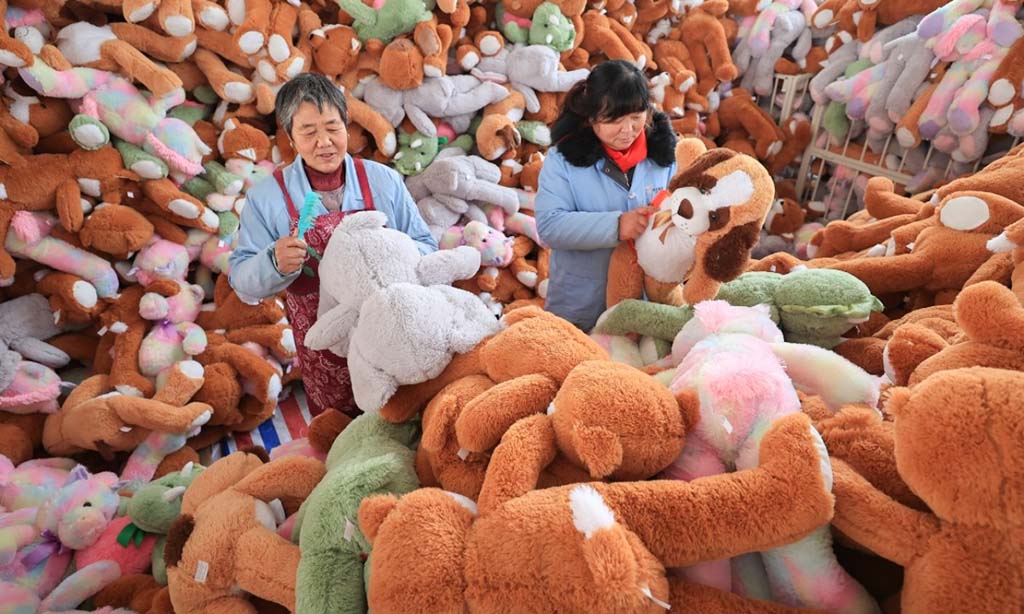
The most effective way to balance cost and sustainability is not switching suppliers frequently, but building long-term partnerships with manufacturers who understand both compliance and cost pressures.
Long-term partners can amortize learning costs, stabilize material sourcing, and optimize production workflows for sustainable materials. Over time, this reduces defect rates, improves yield, and lowers per-unit cost.
Stable partnerships also allow procurement teams to plan sustainability roadmaps—phasing in eco-friendly materials gradually rather than absorbing all costs at once.
| Partnership Benefit | Cost Advantage | Sustainability Impact |
|---|---|---|
| Material planning | Stable pricing | Better traceability |
| Process optimization | Lower defect rate | Consistent quality |
| Volume forecasting | Cost leverage | Scalable eco use |
| Knowledge accumulation | Lower risk | Faster compliance |
Strategic partnerships turn sustainability from a cost burden into a manageable system.
Conclusion
Balancing cost and sustainability in plush toy procurement requires clear cost awareness, realistic material choices, and disciplined supplier evaluation. By understanding where sustainability truly impacts budget and leveraging long-term supplier partnerships, brands can reduce environmental impact without sacrificing scalability or financial control.
📧 Contact: [email protected]
🌐 Visit: https://kinwintoys.com