Skip to content
Packaging has become one of the most visible and measurable sustainability challenges in plush toy production. While plush toys themselves are soft, emotional products, their packaging has traditionally relied on excessive plastic, oversized cartons, and mixed materials that are difficult to recycle. As sustainability expectations rise across global retail and regulatory environments, packaging waste is no longer viewed as a secondary issue—it is now a core part of product responsibility and brand credibility.
For plush toy brands, reducing packaging waste is not only about environmental values. It directly impacts logistics costs, retail acceptance, compliance readiness, and consumer perception. This shift is forcing brands and manufacturers to rethink how plush toys are protected, labeled, shipped, and displayed—without compromising product safety or presentation.
Why Packaging Waste Has Become a Key Sustainability Focus for Plush Toy Brands

Packaging waste has moved to the center of sustainability discussions because it is highly visible, easily measurable, and closely linked to consumer trust. Unlike internal materials that are hidden inside the product, packaging is the first physical interaction a customer has with a plush toy. Excessive plastic bags, oversized boxes, and unnecessary inserts increasingly signal waste rather than value.
Retailers and e-commerce platforms are accelerating this shift. Many global retailers now evaluate packaging sustainability as part of supplier onboarding, while online platforms face mounting pressure to reduce shipping volume and landfill waste. In some regions, packaging waste fees and extended producer responsibility (EPR) regulations are directly tied to packaging weight and material type.
From a brand perspective, reducing packaging waste is also a cost-control strategy. Less material means lower packaging spend, improved carton efficiency, and reduced freight impact. As a result, packaging optimization is no longer treated as a post-production detail—it is now part of early product planning.
| Driver | Impact on Brands | Long-Term Effect |
|---|---|---|
| Consumer awareness | Negative perception of excess waste | Brand trust erosion |
| Retail requirements | Packaging sustainability audits | Market access |
| Regulations (EPR) | Packaging cost penalties | Compliance risk |
| Logistics pressure | Higher freight inefficiency | Margin impact |
How Minimalist Packaging Designs Reduce Material Use Without Sacrificing Protection
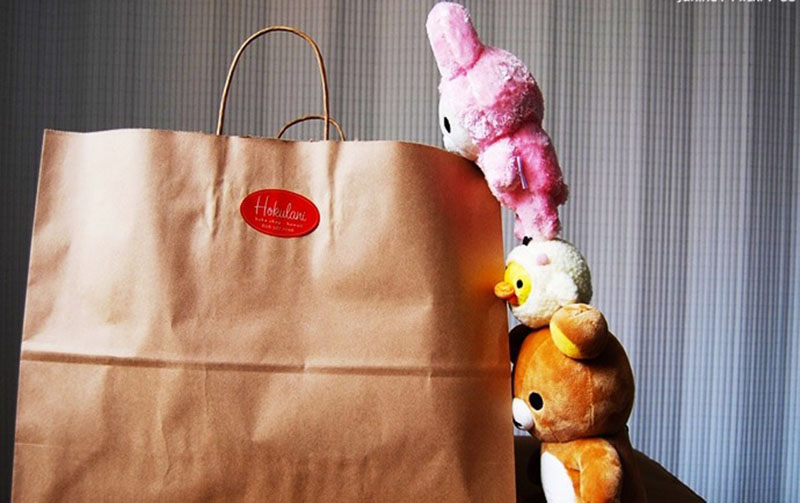
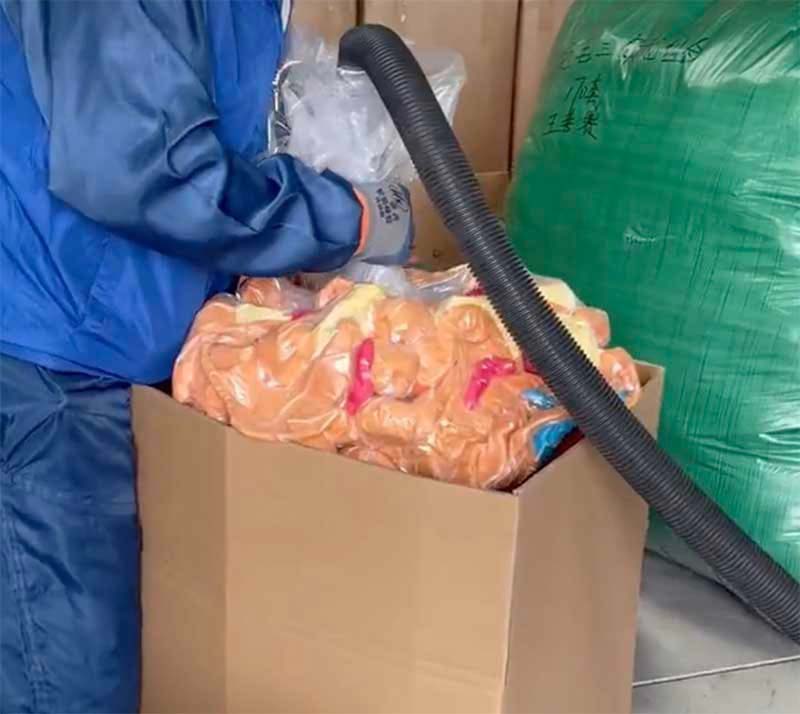
Minimalist packaging does not mean inadequate protection. Instead, it focuses on eliminating unnecessary layers while preserving the structural integrity required to protect plush toys during transport and handling. Many brands are shifting away from multi-layer packaging systems—such as individual polybags plus inner cartons plus outer cartons—in favor of simplified, purpose-driven designs.
For plush toys, protection requirements are relatively modest compared to fragile goods. Soft products can often be safely shipped using reduced plastic thickness, paper-based wraps, or shared carton protection rather than individual bags. Design teams are also optimizing package dimensions to better match plush toy volume, eliminating excess air space that contributes to waste.
Importantly, minimalist packaging improves unboxing experience. Clean, intentional packaging communicates quality and environmental awareness, especially when paired with clear sustainability messaging. When executed correctly, minimalist packaging strengthens brand perception rather than diminishing it.
| Packaging Change | Material Reduction | Protection Outcome |
|---|---|---|
| Single-layer wrapping | Less plastic or paper | Maintained product safety |
| Size-matched cartons | Reduced void space | Improved stability |
| Shared inner protection | Fewer individual bags | Efficient handling |
| Simplified inserts | Lower material mix | Easier recycling |
What Eco-Friendly Packaging Materials Are Replacing Traditional Plastics
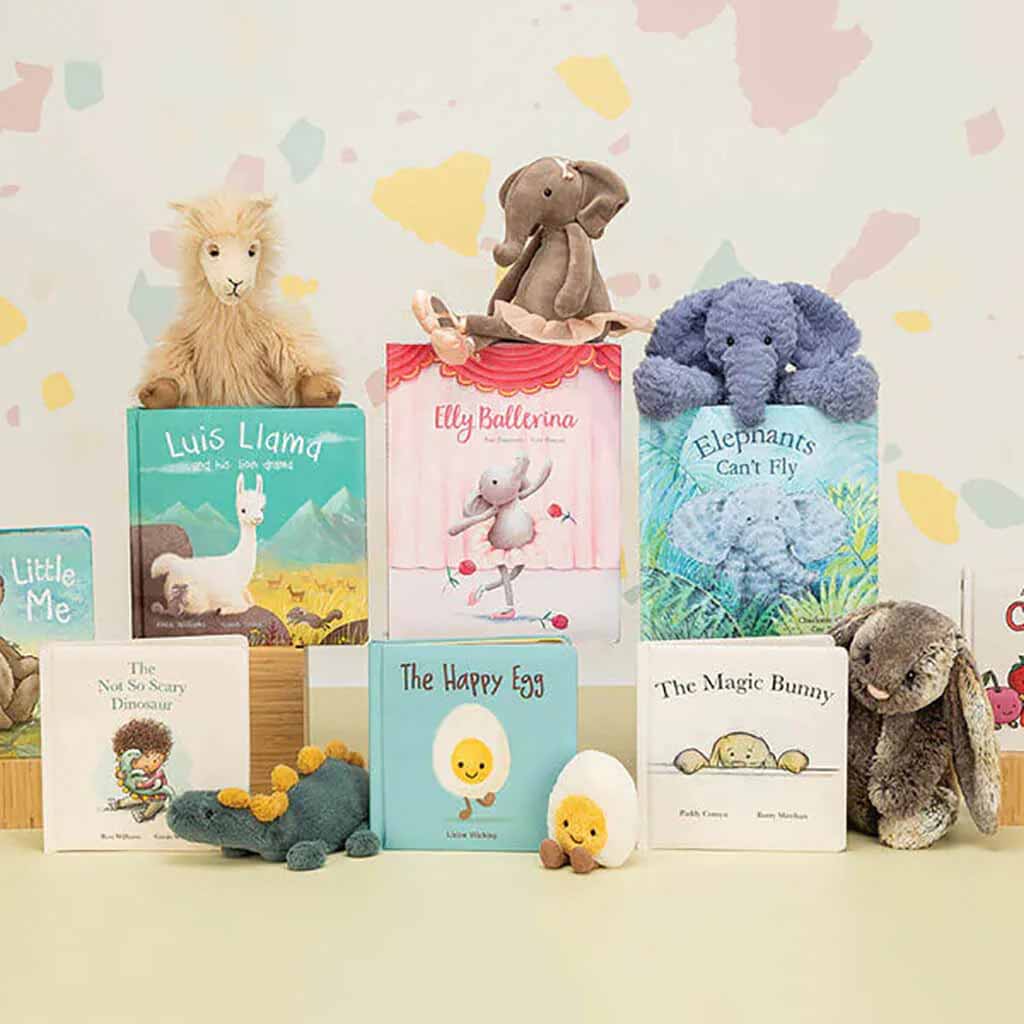
As brands reduce plastic dependency, eco-friendly packaging materials are rapidly replacing conventional polybags and plastic trays. Recycled paper, kraft cartons, molded pulp, and biodegradable films are now widely adopted across plush toy programs. These materials offer sufficient protection while aligning with recycling systems in major markets.
Recycled paper-based packaging is particularly effective for plush toys due to their low abrasion risk. Molded pulp inserts are increasingly used for shape support without relying on plastic. Some brands are also adopting compostable or bio-based films for moisture protection, especially for long-distance shipping.
Material selection must be market-aware. Packaging that is technically recyclable but not supported by local recycling infrastructure may still be viewed as waste. Successful brands align material choices with regional recycling realities and clearly communicate disposal instructions to consumers.
| Material Type | Replacement Use | Sustainability Benefit |
|---|---|---|
| Recycled kraft paper | Polybags & wraps | High recyclability |
| Molded pulp | Plastic trays | Plastic elimination |
| FSC cartons | Outer packaging | Responsible sourcing |
| Bio-based films | Moisture barriers | Reduced fossil input |
How Packaging Optimization Improves Carton Efficiency and Lowers Shipping Impact
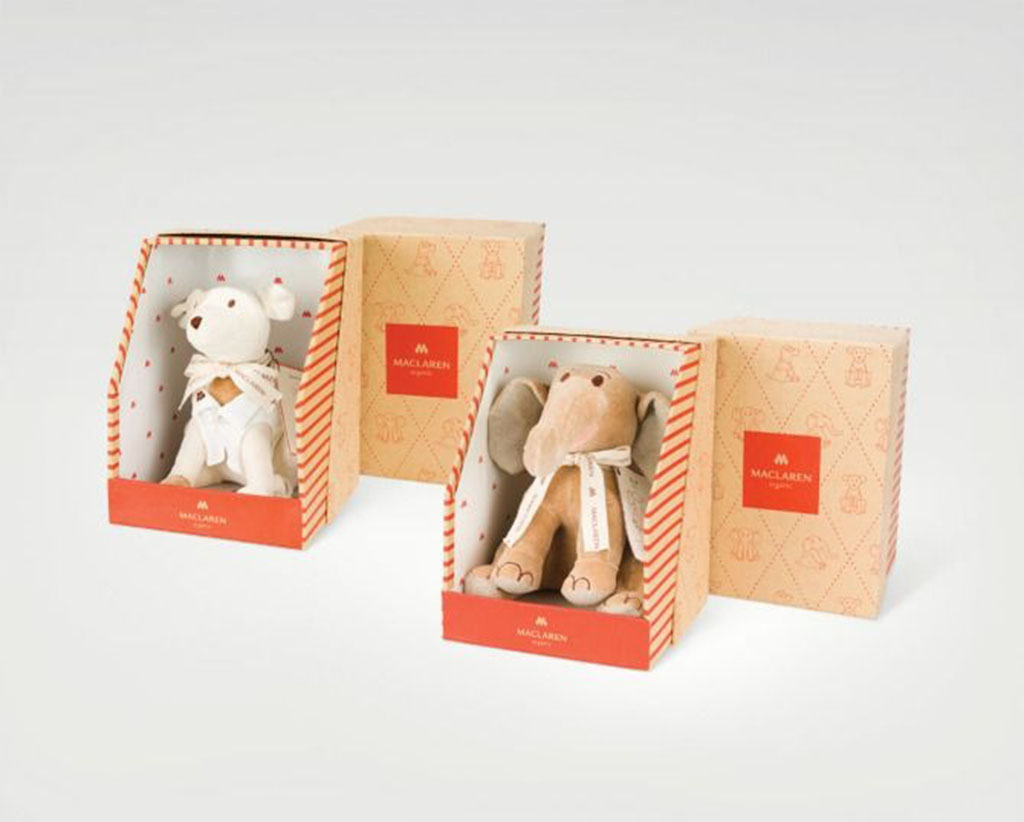
Packaging optimization directly affects shipping efficiency, carbon footprint, and cost. Oversized packaging increases carton volume, leading to underutilized container space and higher emissions per unit. Brands that redesign packaging dimensions around actual plush toy size consistently achieve better carton utilization.
By reducing package thickness and eliminating excess air space, manufacturers can increase units per carton and cartons per container. This improves freight efficiency across sea, air, and ground transport. For e-commerce fulfillment, optimized packaging also reduces dimensional weight charges, which are increasingly significant.
From a sustainability perspective, better carton efficiency means fewer shipments, lower fuel consumption, and reduced emissions. From a business perspective, it translates directly into lower logistics costs and more predictable delivery performance.
| Optimization Area | Logistics Impact | Cost Effect |
|---|---|---|
| Size-matched packaging | Higher container utilization | Lower freight cost |
| Reduced void space | Less filler material | Lower packaging spend |
| Carton standardization | Easier stacking | Faster handling |
| Weight reduction | Lower emissions | Shipping savings |
How Compliance, Labeling, and Retail Requirements Influence Packaging Reduction
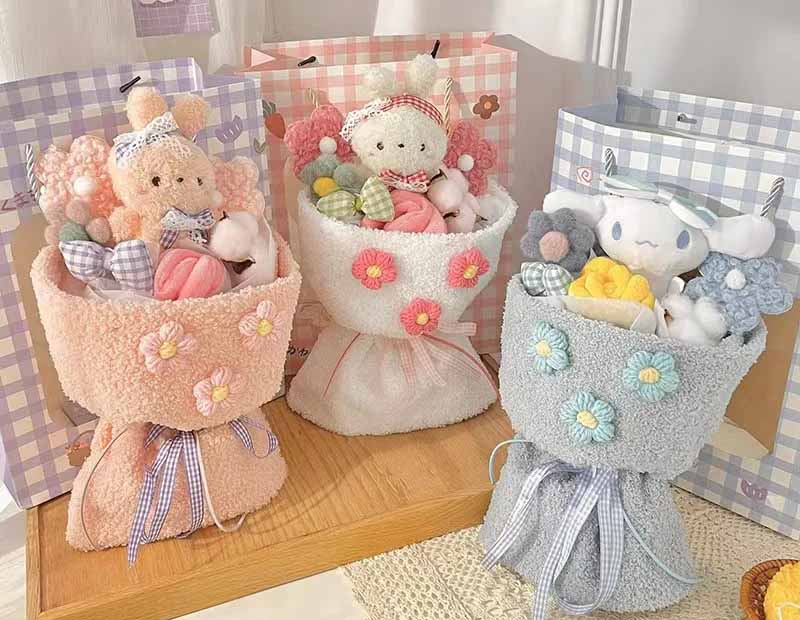
Packaging reduction efforts must always operate within regulatory and retail constraints. Plush toy packaging is required to display safety labels, age warnings, origin markings, and importer information. Removing packaging layers cannot compromise label visibility or compliance accuracy.
Retailers may also impose display, hanging, or barcode placement requirements that influence packaging format. For example, some retail environments require reinforced hang tags or scannable surfaces, which must be integrated efficiently rather than added as separate components.
Brands that involve compliance and retail teams early in packaging redesign avoid costly rework. Packaging reduction succeeds best when regulatory, marketing, and logistics requirements are aligned from the start.
| Requirement Type | Packaging Consideration | Risk If Ignored |
|---|---|---|
| Safety labeling | Clear visibility | Compliance failure |
| Retail barcodes | Scannable surfaces | Listing rejection |
| Age warnings | Permanent display | Legal exposure |
| Import markings | Durable printing | Customs delays |
How Collaboration with Manufacturers Drives Continuous Packaging Waste Reduction
Sustainable packaging reduction is not a one-time redesign—it is a continuous improvement process. Brands that achieve the greatest waste reduction work closely with manufacturers to test, measure, and refine packaging solutions over multiple production cycles.
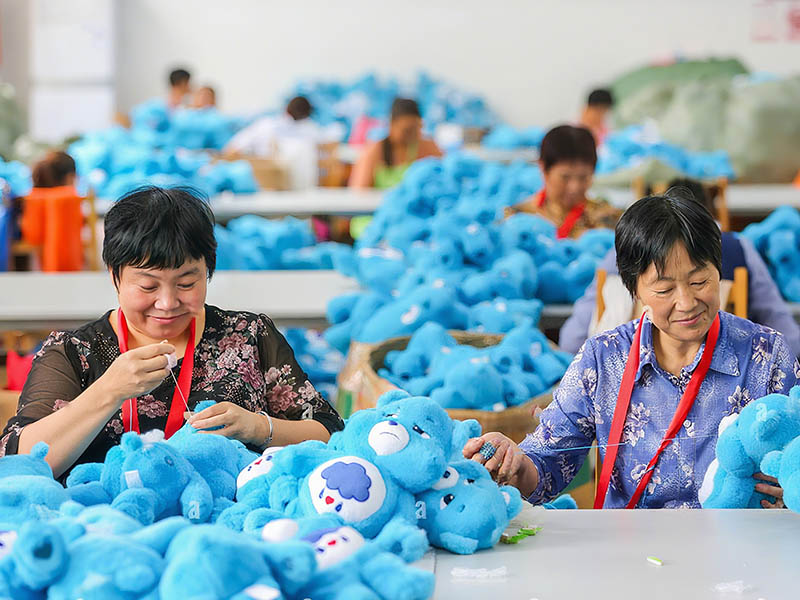
Manufacturers play a critical role by proposing alternative materials, conducting drop and compression testing, and analyzing carton efficiency data. When factories are involved early, packaging decisions can be integrated into production planning rather than treated as external constraints.
Long-term collaboration also enables gradual optimization. Small reductions in material thickness, carton size, or packaging layers can compound into significant waste reduction over time—without increasing risk.
| Collaboration Area | Manufacturer Role | Brand Benefit |
|---|---|---|
| Material testing | Validate alternatives | Reduced failure risk |
| Carton optimization | Load analysis | Freight efficiency |
| Compliance alignment | Label integration | Regulatory confidence |
| Continuous review | Iterative improvement | Long-term savings |
Conclusion
Reducing packaging waste in plush toy production requires more than material substitution—it demands strategic design, cross-functional coordination, and close collaboration with manufacturing partners. Brands that approach packaging as part of their sustainability and logistics strategy achieve measurable environmental benefits while improving cost efficiency and retail acceptance. When executed thoughtfully, packaging reduction becomes a powerful signal of responsibility, innovation, and long-term brand value.
📧 Contact: [email protected]
🌐 Visit: https://kinwintoys.com