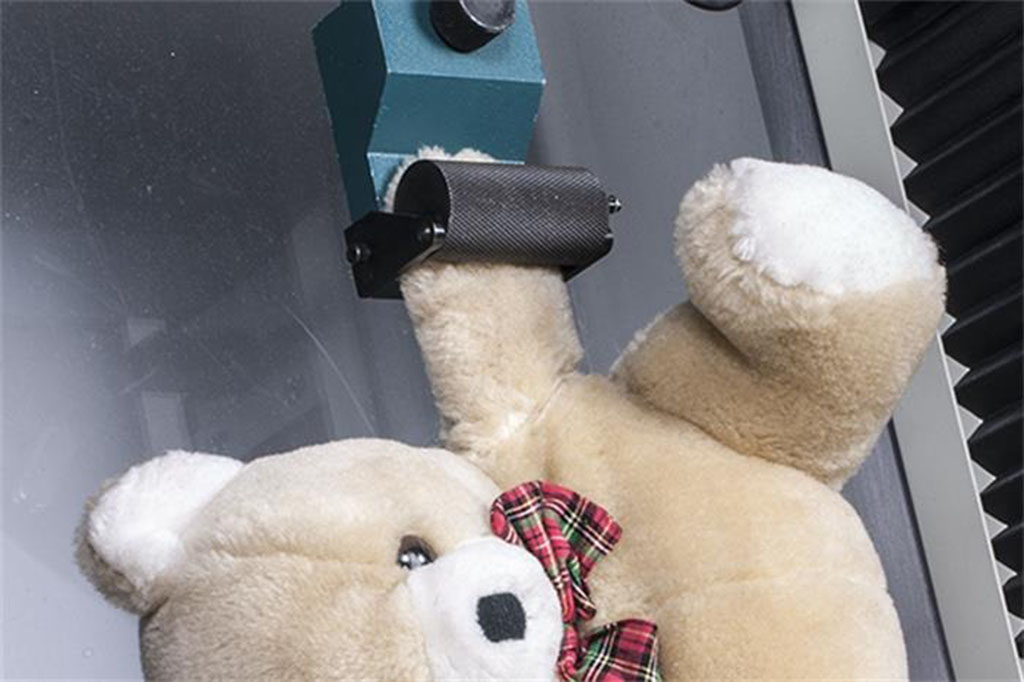
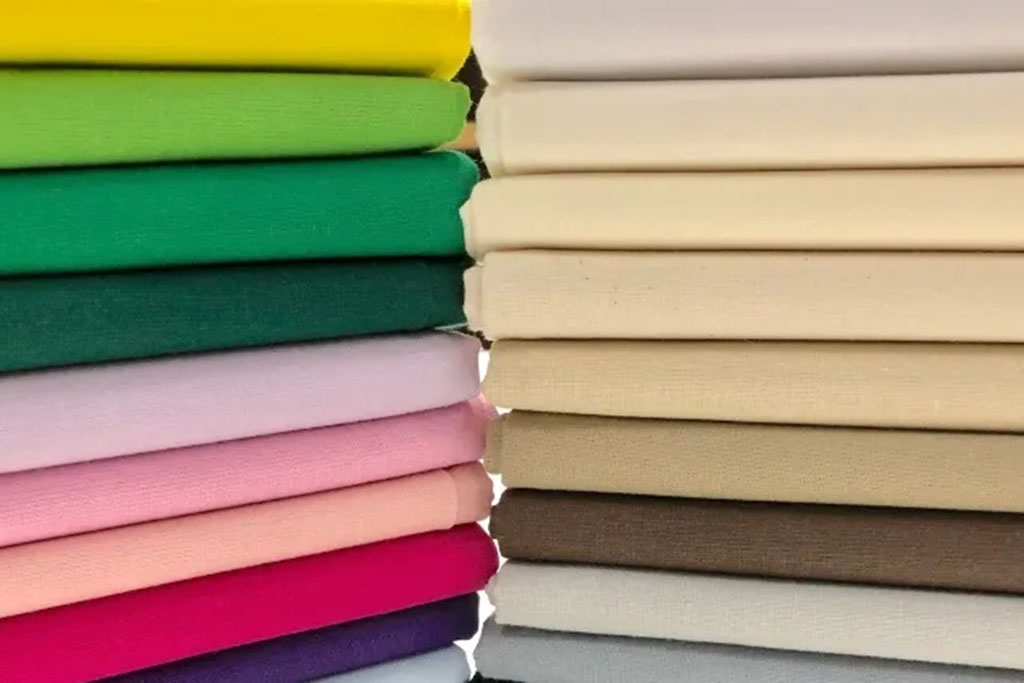
The global plush toy industry is undergoing a structural transformation driven by sustainability, regulatory pressure, and long-term brand strategy. Recycled materials are no longer treated as optional alternatives used only for limited “eco” collections. Instead, they are becoming core inputs that influence fabric sourcing, filling selection, quality control systems, certification planning, and supplier evaluation.
From a manufacturing perspective, this shift is redefining how plush toys are designed, tested, and scaled for international markets. Brands are demanding not only recycled content, but also consistent performance, traceability, and safety compliance at the same level as conventional materials. Understanding how recycled materials are evolving—and how factories must adapt—is now essential for any brand planning future plush toy programs.
Why Recycled Materials Are Becoming a Strategic Priority in Plush Toy Manufacturing?

Recycled materials are becoming a strategic priority because sustainability expectations are now embedded into purchasing decisions rather than treated as brand storytelling alone. Global brands face increasing pressure from retailers, regulators, and consumers to demonstrate measurable environmental responsibility. Plush toys, as products closely associated with children and family use, are under particularly high scrutiny. Using recycled materials allows brands to reduce dependence on virgin petrochemical resources while aligning with ESG commitments and retail sustainability requirements.
From the factory side, recycled materials are also a form of risk management. Environmental regulations in Europe and North America continue to tighten, especially around material transparency and lifecycle impact. Manufacturers that integrate recycled materials early are better positioned to support long-term buyer programs without repeated product redesigns. As a result, recycled materials are shifting from niche usage into standard production planning.
| Strategic Driver | Impact on Manufacturing | Long-Term Effect |
|---|---|---|
| Brand ESG goals | Recycled content in core SKUs | Stable demand |
| Retail sustainability policies | Mandatory disclosure | Market access |
| Regulatory pressure | Higher compliance standards | Risk reduction |
| Consumer awareness | Preference for eco products | Brand trust |
What Types of Recycled Fabrics and Fillings Are Shaping Future Plush Production?

The future of recycled plush production is shaped by materials that closely replicate the performance of conventional plush inputs. Recycled polyester (RPET) fabrics dominate current adoption due to their versatility, stable quality, and compatibility with existing production processes. These fabrics are used for short-pile plush, velboa-style surfaces, and brushed finishes without requiring major pattern or equipment changes.
On the filling side, recycled polyester fiberfill is increasingly replacing traditional PP cotton. When properly processed, recycled filling offers comparable loft, resilience, and shape recovery, making it suitable for plush toys designed for frequent handling. In addition, recycled microfiber blends and mixed recycled yarns are emerging for premium lines that demand enhanced softness and visual refinement. The most influential materials are those that allow sustainability upgrades without sacrificing production efficiency.
| Recycled Material | Application Area | Key Advantage |
|---|---|---|
| RPET plush fabric | Outer shell | Stable softness |
| Recycled fiberfill | Internal stuffing | Shape retention |
| Recycled microfiber | Premium surfaces | Improved hand-feel |
| Blended recycled yarns | Decorative parts | Texture flexibility |
How RPET and Next-Generation Recycled Fibers Improve Performance and Safety?

Modern RPET and next-generation recycled fibers have significantly improved in both performance and safety. Advanced spinning, brushing, and finishing technologies now allow recycled plush fabrics to achieve consistent pile height, smooth surface texture, and reliable dye absorption. From a tactile perspective, high-quality RPET fabrics are often indistinguishable from virgin polyester, even in products designed for close skin contact.
Safety performance has also advanced. Certified RPET materials regularly meet OEKO-TEX®, EN71, ASTM F963, and CPSIA requirements. Recycled fiberfill has improved compression recovery and reduced fiber migration, supporting long-term durability and wash resistance. For manufacturers and brands, this means recycled materials no longer represent a trade-off between sustainability and product reliability.
| Performance Factor | Conventional Polyester | Modern RPET |
|---|---|---|
| Softness | High | High |
| Color stability | Stable | Stable |
| Safety certification | Standard | Standard + traceability |
| Durability | Proven | Proven |
How Quality Control Standards Are Evolving for Recycled Material Plush Toys?
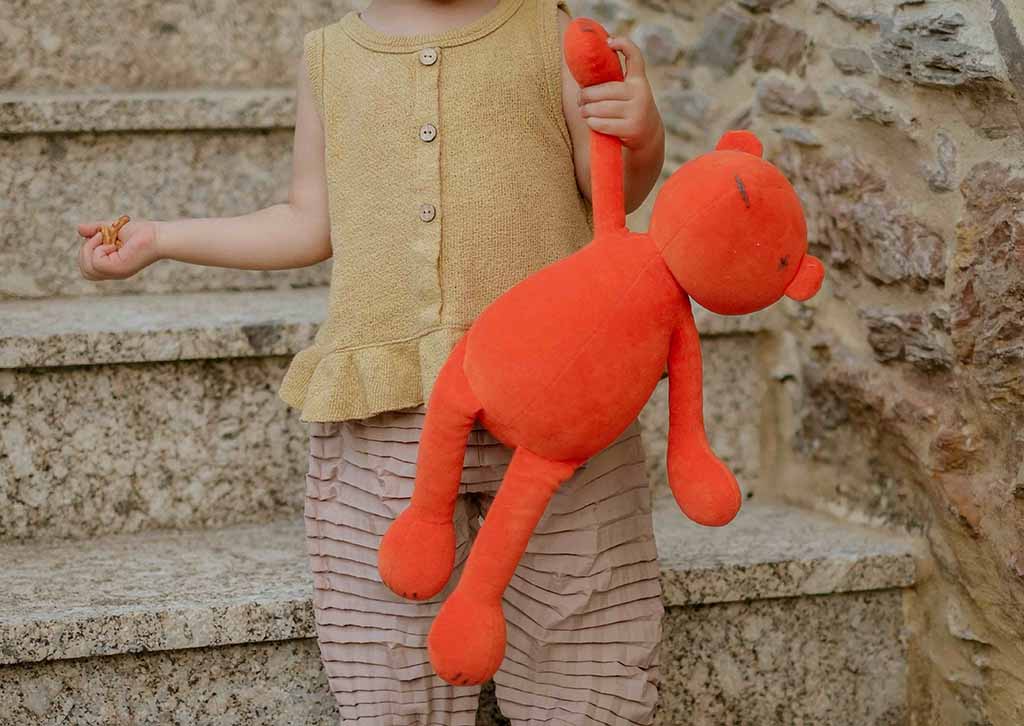
As recycled materials scale, quality control systems are expanding beyond traditional appearance and safety checks. Factories now place greater emphasis on material traceability, batch consistency, and certification verification. Incoming inspections increasingly include recycled content documentation and supplier certification audits in addition to physical material testing.
During production, in-line QC adapts to subtle differences in recycled fiber behavior, such as tension sensitivity or dye uptake variation. Final inspections often include sustainability documentation review alongside mechanical, safety, and needle detection tests. These expanded QC standards protect brands from reputational risk while ensuring recycled plush toys meet both performance and compliance expectations.
| QC Stage | Focus Area | Purpose |
|---|---|---|
| Incoming inspection | Certification & fiber content | Validate claims |
| In-line QC | Sewing & shaping | Prevent defects |
| Final inspection | Safety + documents | Export readiness |
| Record control | Batch traceability | Audit support |
What Challenges Manufacturers Face When Scaling Recycled Material Adoption?
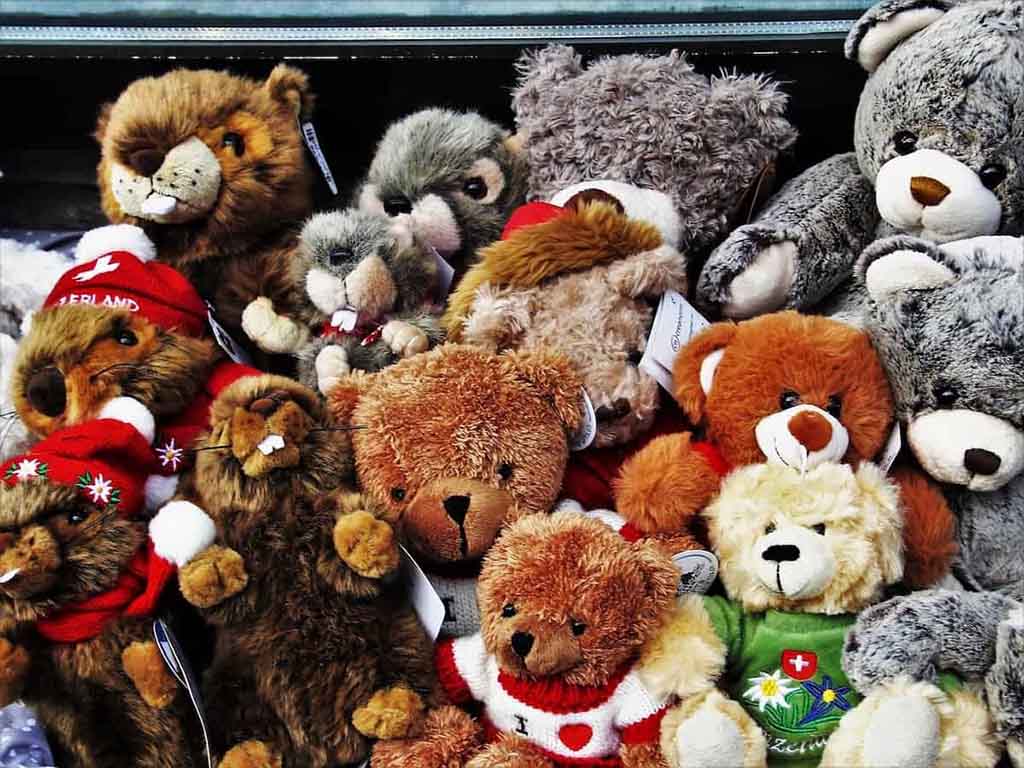
Despite progress, scaling recycled materials presents real operational challenges. Supply consistency remains one of the most common issues, as recycled fibers depend on upstream recycling infrastructure and sorting accuracy. Price stability can also fluctuate based on certification level, processing quality, and regional availability.
Production adaptation is another challenge. Recycled fabrics may behave differently during cutting, sewing, and stuffing, requiring process tuning and staff training. Factories without sufficient experience may see higher defect rates during early adoption. These challenges highlight the importance of working with manufacturers who have established recycled-material workflows and strong supplier networks.
| Challenge | Production Impact | Mitigation |
|---|---|---|
| Supply fluctuation | Lead time risk | Multi-source sourcing |
| Cost variability | Margin pressure | Long-term contracts |
| Fiber behavior | Sewing defects | Process adjustment |
| Certification limits | Supplier dependency | Strategic partnerships |
How Brand Demand, Regulations, and Retail Pressure Will Drive Future Innovation?
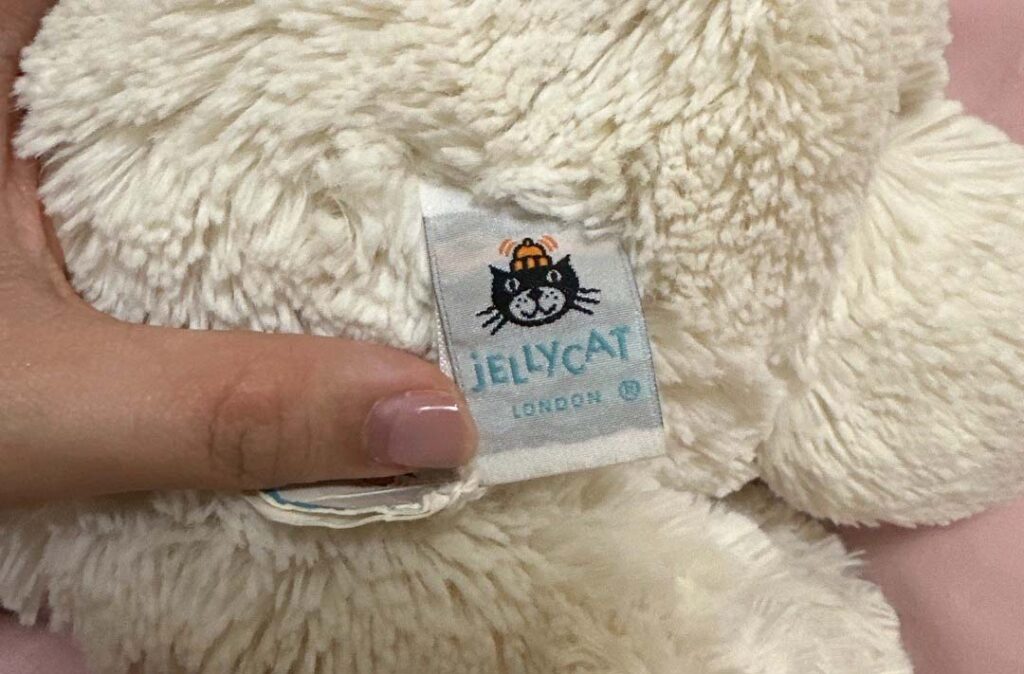
Future innovation in recycled plush materials will be driven primarily by external pressure rather than internal experimentation. Brands are publicly committing to sustainability targets, forcing recycled materials into long-term product roadmaps. Retailers increasingly require eco-certifications and traceability before onboarding new products, especially in children’s categories.
Regulatory frameworks are also tightening, particularly in the EU, where environmental transparency is becoming mandatory. These forces will accelerate the development of softer recycled fibers, higher recycled-content ratios, improved dyeing efficiency, and digital traceability systems. In the near future, recycled materials will define the baseline standard for plush toy production rather than a specialized niche.
| Driving Force | Influence on Production | Outcome |
|---|---|---|
| Brand ESG goals | Mandatory adoption | Standardization |
| Retail requirements | Documentation focus | Market access |
| Regulations | Compliance readiness | Risk control |
| Consumer trust | Demand for proof | Long-term loyalty |
Conclusion
Recycled materials are reshaping the future of plush toy production by redefining how sustainability, quality, and compliance coexist. As recycled fabrics and fillings continue to improve in performance and reliability, brands that adopt them gain regulatory readiness, retail acceptance, and stronger long-term positioning. The future belongs to manufacturers and brands that treat recycled materials as a foundation for innovation, not a compromise.
📧 Contact: [email protected]
🌐 Visit: https://kinwintoys.com