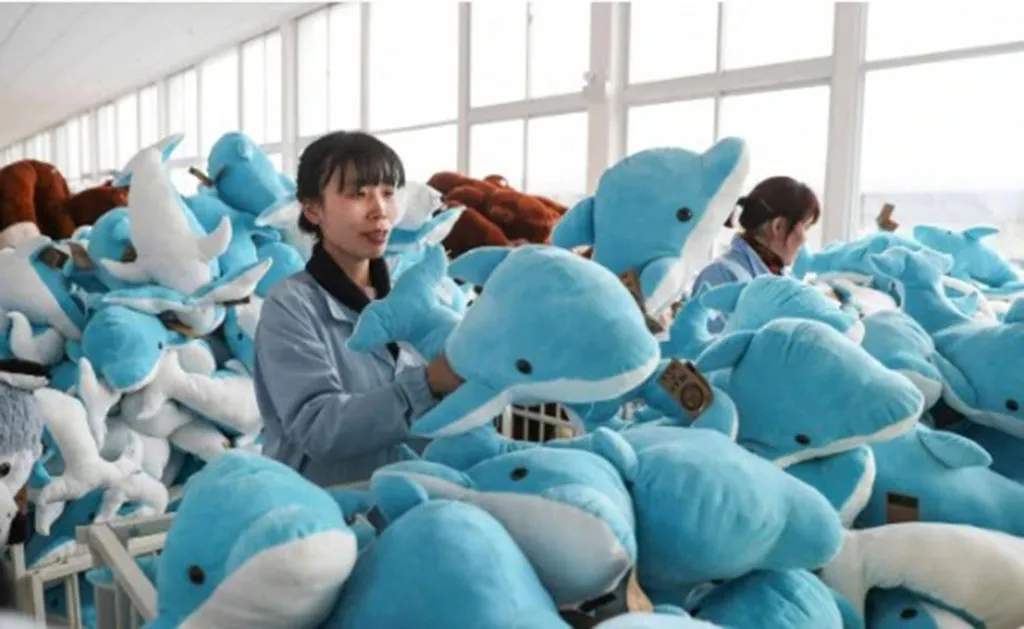
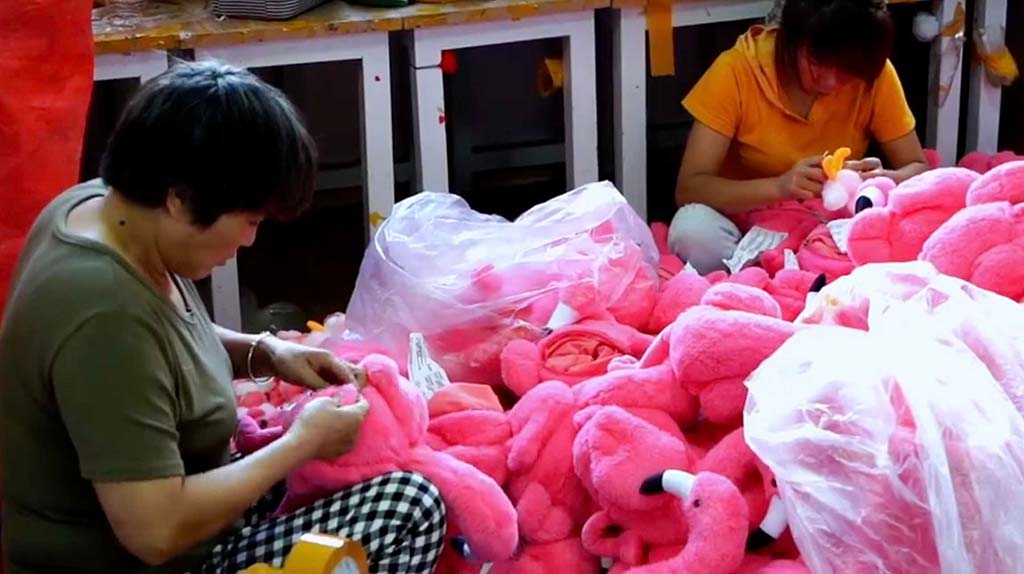
As sustainability becomes a core purchasing requirement rather than a niche preference, more brands are sourcing eco plush toys to meet consumer expectations, retailer policies, and internal ESG goals. However, many buyers worry that choosing eco-friendly materials may lead to compromises in softness, durability, appearance, or production consistency.
In reality, eco plush toys can achieve the same—or even higher—quality standards as conventional plush products when materials, manufacturing processes, and supplier capabilities are properly evaluated. This guide explains how global buyers can source eco plush toys responsibly without sacrificing product performance, safety, or brand reputation.
What Eco-Friendly Materials Meet Both Sustainability and Quality Requirements?
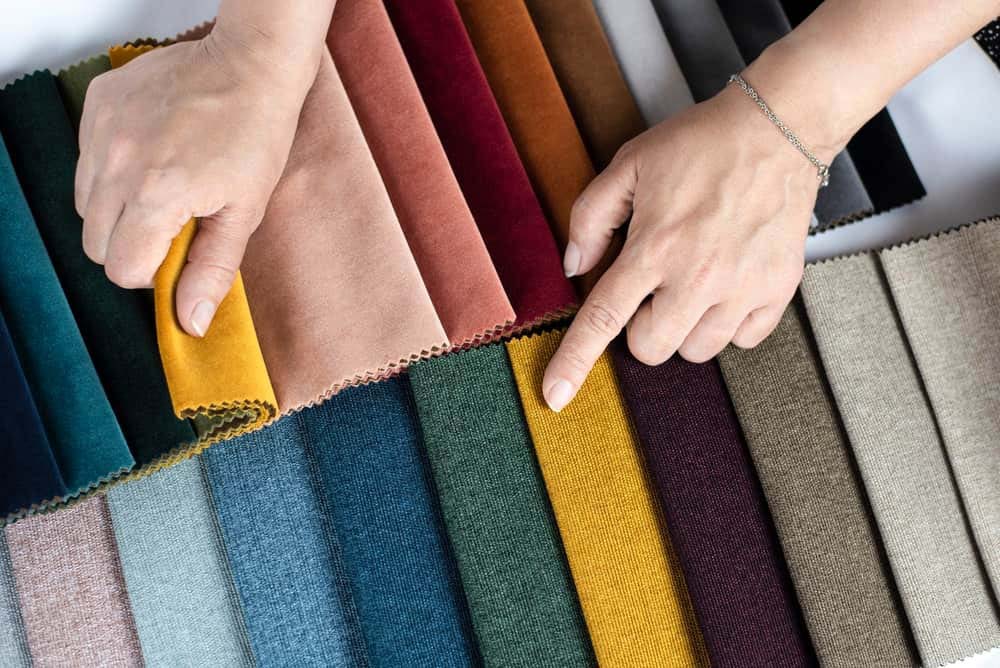
Eco plush quality starts with material selection. Not all “green” materials are equal, and some eco claims fail to deliver on durability or tactile performance. The most reliable eco-friendly plush materials are those that have already proven themselves in large-scale manufacturing while meeting international safety standards.
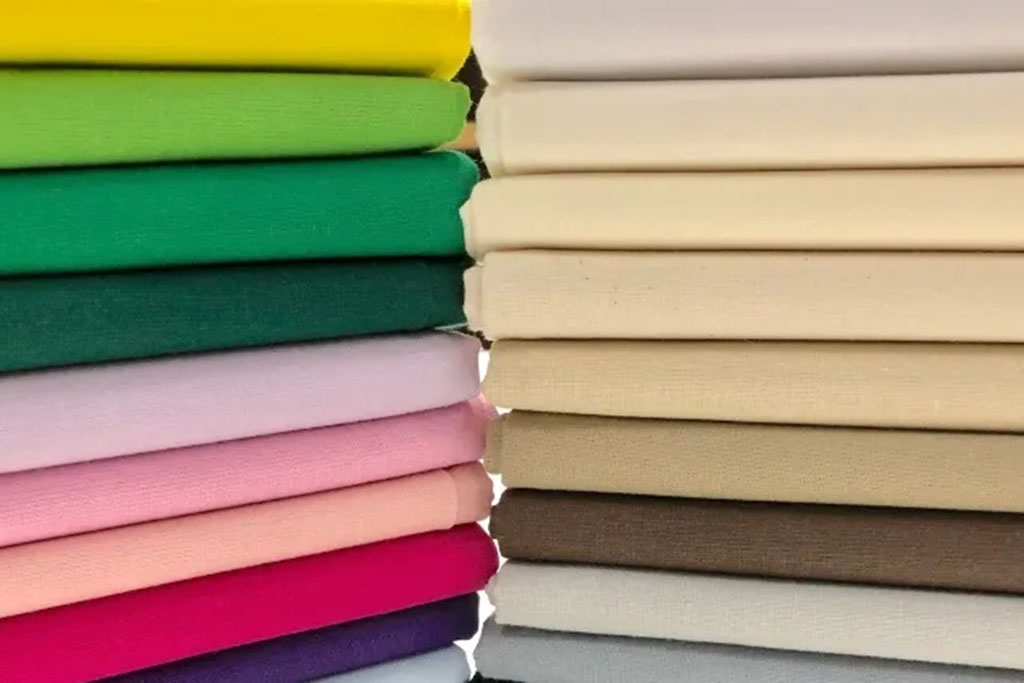
Recycled polyester (RPET) remains the most widely adopted eco plush material because it maintains the softness, elasticity, and shape retention of virgin polyester while reducing plastic waste. Organic cotton offers excellent skin safety and breathability, making it ideal for baby plush and premium natural lines. Bamboo viscose, Tencel (lyocell), and blended eco fibers provide additional options for brands seeking smoother textures or differentiated positioning.
The key is understanding how each material performs in real-world use—not just its environmental story.
Eco Plush Material Performance Overview
| Material | Sustainability Benefit | Quality Performance | Best Use Case |
|---|---|---|---|
| RPET | Recycled plastic, circular economy | High durability, strong shape retention | Retail & IP plush |
| Organic Cotton | Chemical-free farming | Soft, breathable, baby-safe | Infant & premium lines |
| Bamboo Fiber | Renewable, antibacterial | Smooth, silky texture | Lifestyle & baby plush |
| Tencel | Low-impact processing | Consistent drape & softness | Premium eco collections |
How Can Buyers Verify Material Certifications Without Compromising Performance?
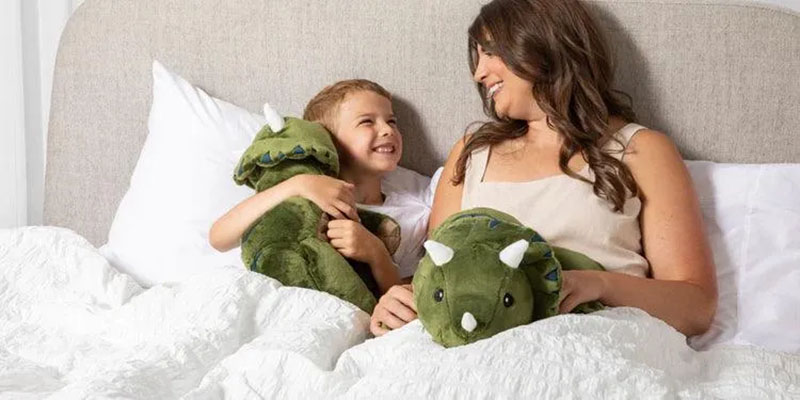
Certifications are essential for validating sustainability claims—but they must be evaluated alongside performance requirements. Buyers should not treat certifications as a checkbox exercise. Instead, they should confirm that certified materials meet the same technical standards as conventional plush fabrics.
Key certifications include GRS (Global Recycled Standard) for RPET, GOTS for organic cotton, and OEKO-TEX® Standard 100 for chemical safety. However, buyers should request actual fabric test reports, sample swatches, and wash-performance data to confirm that certified materials maintain color fastness, pile stability, and seam integrity.
An experienced eco-plush supplier will openly share certification documents, traceability records, and testing data—while also recommending material blends or fabric weights that optimize both sustainability and quality.
Certification Verification Checklist
| Certification | What It Confirms | Buyer Action |
|---|---|---|
| GRS | Verified recycled content | Request transaction certificates |
| GOTS | Organic fiber integrity | Check scope & validity |
| OEKO-TEX® | Chemical safety | Confirm fabric & thread coverage |
| EN71 / ASTM | Toy safety compliance | Match to target market |
How Do Manufacturing Processes Impact the Quality of Eco Plush Toys?
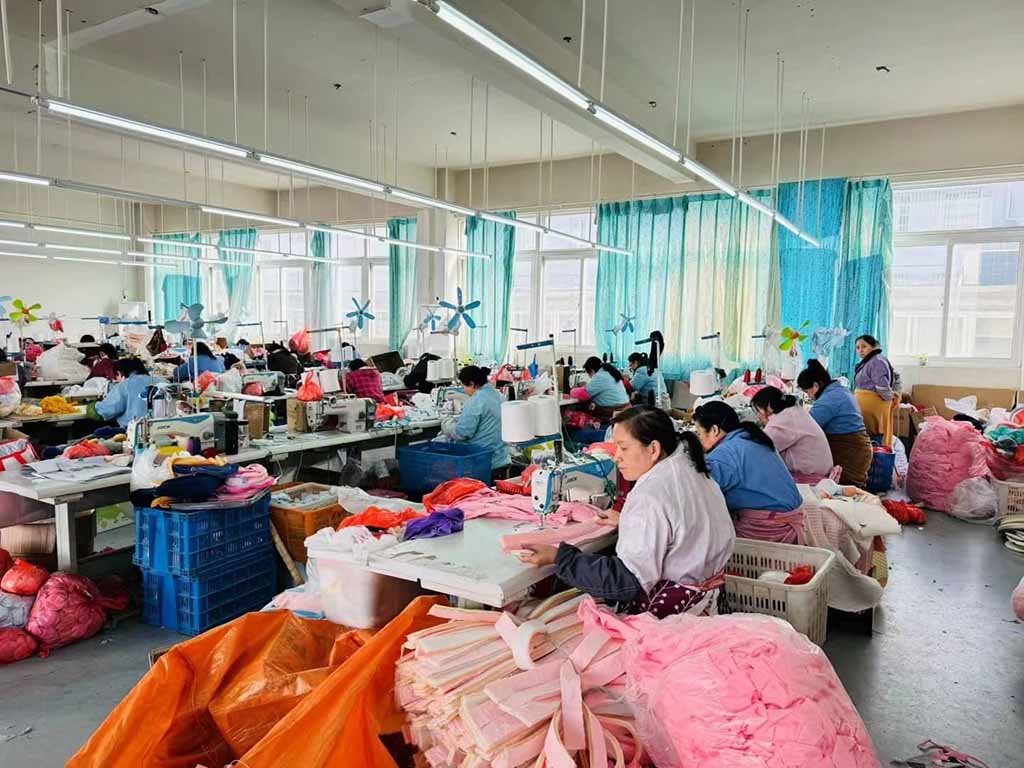
Eco materials require adjusted manufacturing techniques to achieve the same consistency as traditional plush. Natural fibers and recycled textiles behave differently during cutting, sewing, stuffing, and finishing.
For example, organic cotton fabrics may fray more easily and require reinforced seam construction. RPET plush fabrics can have slightly different stretch characteristics, requiring tension adjustments during sewing. Stuffing density may need recalibration when using recycled or plant-based filling materials.
Factories experienced in eco plush production optimize these variables through material pre-testing, refined pattern engineering, controlled sewing parameters, and tailored QC checkpoints. Without these adjustments, even certified eco materials can result in subpar products.
Process Adjustments for Eco Plush Manufacturin
| Production Stage | Eco Material Impact | Required Adjustment |
|---|---|---|
| Cutting | Fiber behavior differs | Sharper blades, layout control |
| Sewing | Thread tension variance | Machine recalibration |
| Stuffing | Compression differences | Density mapping |
| Finishing | Natural variation | Visual consistency checks |
What Quality Control Standards Ensure Consistency in Sustainable Plush Production?
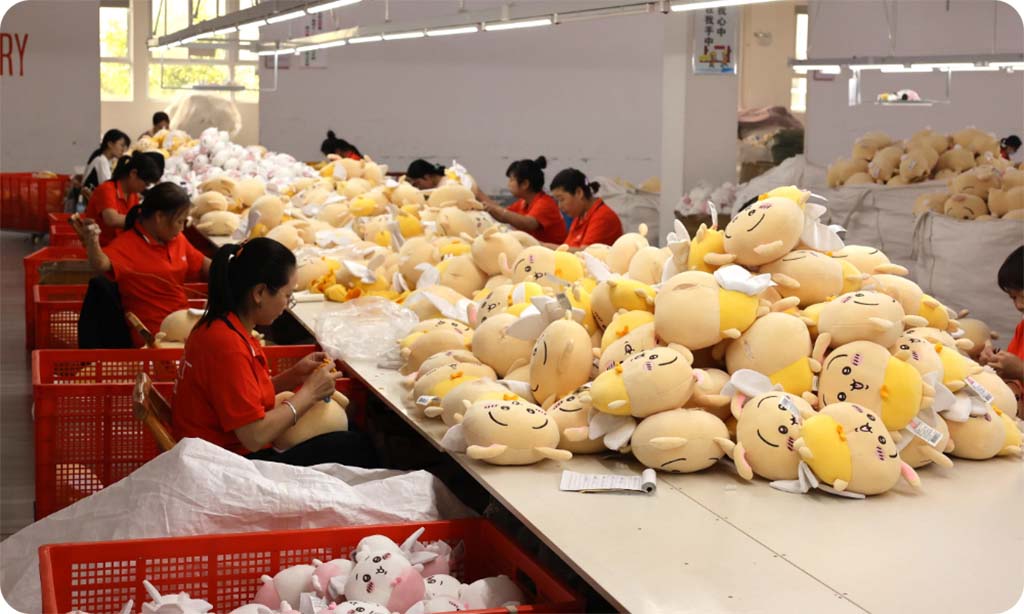
Eco plush quality must be managed proactively through multi-stage quality control, not just final inspection. Sustainable materials often show more natural variation, making early detection of deviations critical.
Effective QC systems include incoming material inspection, in-line sewing checks, AQL-based final inspections, and batch-level consistency verification. For eco plush, additional attention is given to color consistency, fiber shedding, seam strength, and washing performance.
Suppliers with mature QC systems treat eco plush as a specialized category—using approved material swatches, golden samples, and controlled production parameters to ensure consistency across large orders.
Eco Plush Quality Control Framework
| QC Stage | Focus Area | Purpose |
|---|---|---|
| Incoming QC | Fabric & filling verification | Prevents raw material issues |
| In-Line QC | Sewing & structure | Detects early deviations |
| Final QC | AQL inspection | Shipment approval |
| Batch Testing | Consistency across lots | Maintains brand standards |
How Should Suppliers Be Evaluated for Both Environmental Commitment and Craftsmanship?
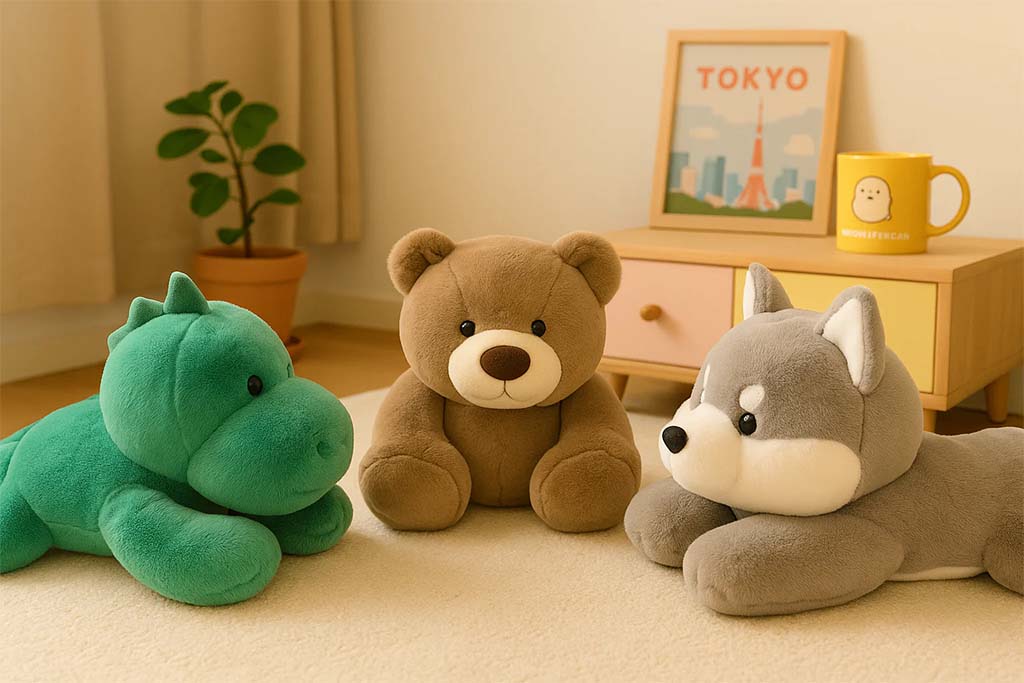
Not all suppliers claiming sustainability possess the craftsmanship needed for premium plush production. Buyers should evaluate suppliers on two parallel tracks: environmental credibility and manufacturing capability.
On the sustainability side, suppliers should demonstrate certified material sourcing, transparent documentation, and responsible waste management. On the craftsmanship side, buyers should assess pattern-making accuracy, embroidery precision, stitching quality, and sample consistency.
Factory audits, sample comparisons, and previous eco-project references provide strong indicators of a supplier’s real capabilities. A reliable eco plush partner understands that sustainability must enhance—not replace—quality expectations.
Supplier Evaluation Criteria
| Evaluation Area | What to Assess |
|---|---|
| Sustainability | Certified materials, traceability |
| Craftsmanship | Stitch accuracy, pattern precision |
| Experience | Past eco plush projects |
| QC System | Multi-stage inspection capability |
| Communication | Clear technical feedback |
How Can Cost, Lead Time, and Scalability Be Balanced in Eco Plush Sourcing?

Eco plush sourcing does not have to mean slow timelines or excessive costs—but it requires smarter planning. Certified materials may cost slightly more, and sourcing times can be longer if demand spikes. Buyers can mitigate this by forecasting early, locking material allocations, and selecting suppliers with stable eco-material supply chains.
Scalability depends heavily on supplier experience. Factories with established eco material partnerships can support large-volume orders without compromising consistency. Cost efficiency improves when eco plush is planned as a long-term program rather than a one-off project.
Balancing cost, speed, and sustainability is ultimately a strategic decision—one that rewards proactive planning and strong supplier collaboration.
Balancing Key Sourcing Factors
| Factor | Optimization Strategy |
|---|---|
| Cost | Volume planning, material optimization |
| Lead Time | Early booking, pre-approved materials |
| Scalability | Supplier capacity assessment |
| Risk | Dual sourcing for critical materials |
Conclusion
Sourcing eco plush toys without sacrificing quality is not only possible—it is increasingly becoming the industry standard. By selecting proven sustainable materials, verifying certifications properly, adapting manufacturing processes, enforcing strong QC systems, and partnering with capable suppliers, brands can deliver plush toys that are safe, durable, visually appealing, and environmentally responsible.
Sustainability and quality are not opposing goals. When managed correctly, they strengthen each other and create long-term value for brands and consumers alike.
📧 Contact: [email protected]
🌐 Visit: https://kinwintoys.com