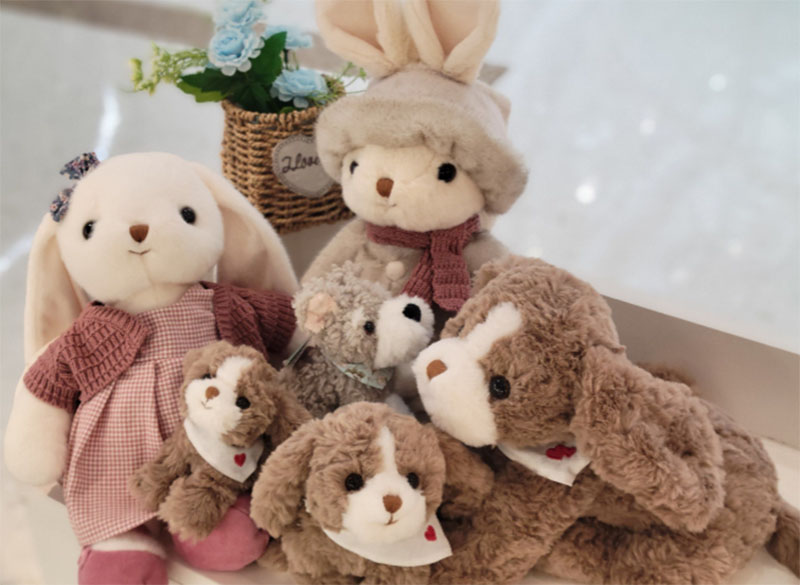
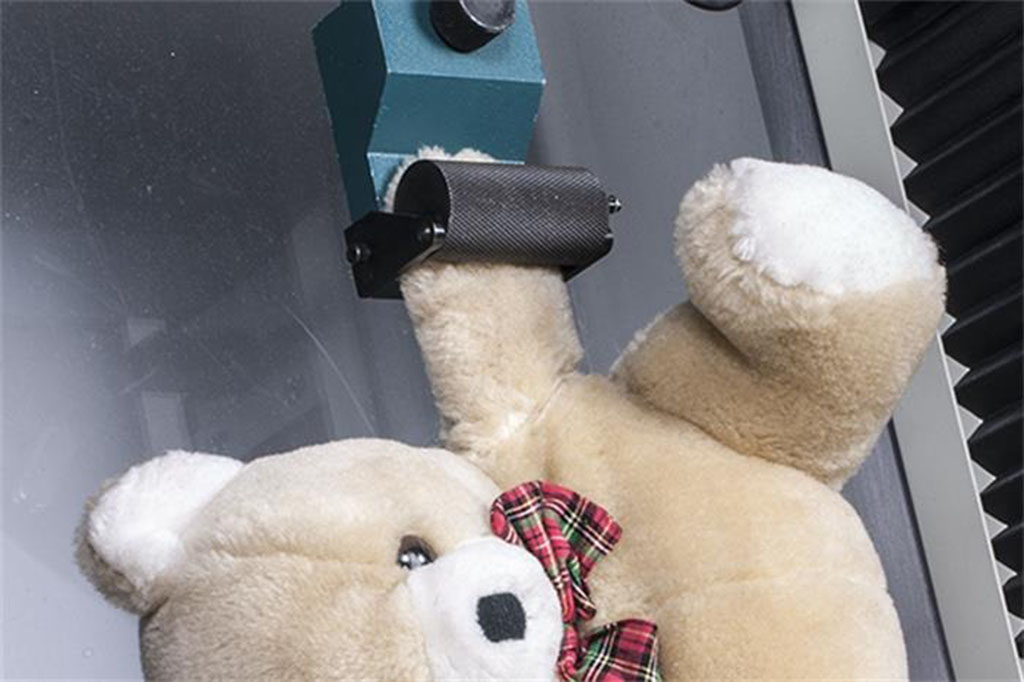
Eco-friendly plush toys have rapidly evolved from a niche novelty into a global retail movement fueled by shifting consumer values, stronger sustainability regulations, and the rising influence of environmentally conscious brands. As more shoppers prioritize ethical production, non-toxic materials, reduced plastic waste, and traceable supply chains, retailers and manufacturers are rethinking how plush toys are designed, sourced, and marketed. This transformation has opened new opportunities for brands willing to adopt greener materials, transparent sourcing, and responsible production practices. Below, we explore the key trends, innovations, and market forces shaping the future of eco-friendly plush toys worldwide.
What Consumer Trends Are Driving Demand for Eco-Friendly Plush Toys Worldwide?
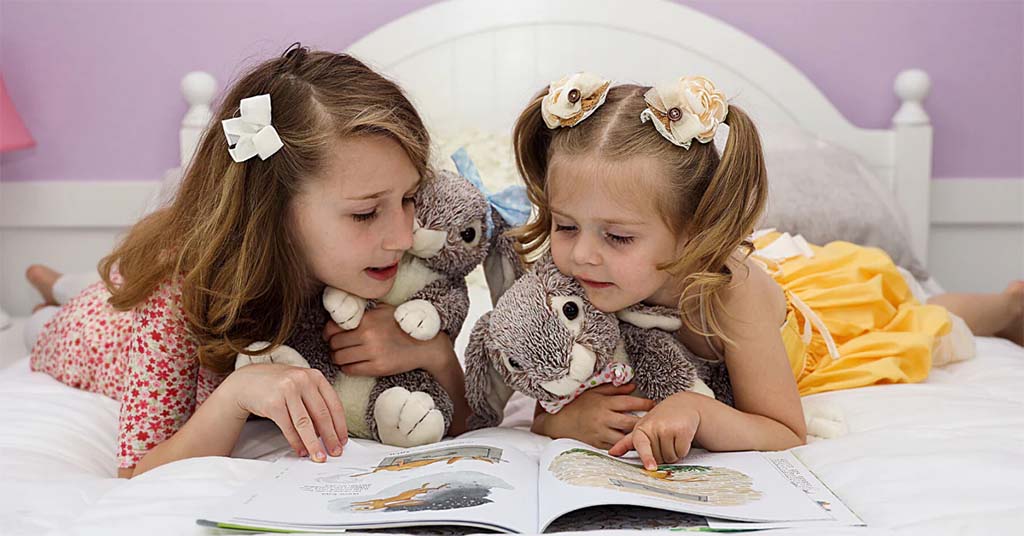
The global shift toward sustainability is not a temporary fad—it is a fundamental change in consumer behavior led by Millennials, Gen Z, and eco-conscious parents. Consumers now expect transparency and environmental responsibility from the brands they support, especially for children’s products. Parents are increasingly concerned about chemical exposure, microplastics, and waste generated from traditional polyester-based plush toys, leading them to prioritize products made with organic, recycled, or biodegradable materials.
In addition, the surge of digital activism and social media awareness has accelerated demand for eco-friendly options. Consumers actively seek brands that align with their values, reward companies with ethical practices, and scrutinize environmental claims to avoid greenwashing. Major retailers have responded with sustainability commitments, requiring suppliers to meet stricter environmental and ethical standards. As a result, plush toys labeled as “organic,” “recycled,” “biodegradable,” or “certified safe” consistently outperform traditional products in premium and gift markets.
Consumer Trend Overview
| Trend | Impact on Plush Toy Market | Key Insight |
|---|---|---|
| Demand for sustainable products | Increased preference for eco-friendly categories | Parents & Gen Z drive the shift |
| Focus on chemical-free materials | Higher demand for organic/non-toxic toys | Health concerns enhance appeal |
| Anti-plastic movement | Growth of biodegradable & recycled plush | Microplastic awareness rising |
| Brand transparency expectations | Retailers require traceability | Sustainability boosts brand loyalty |
How Sustainable Materials like RPET, Organic Cotton, and Bio-Fibers Are Transforming Plush Manufacturing?
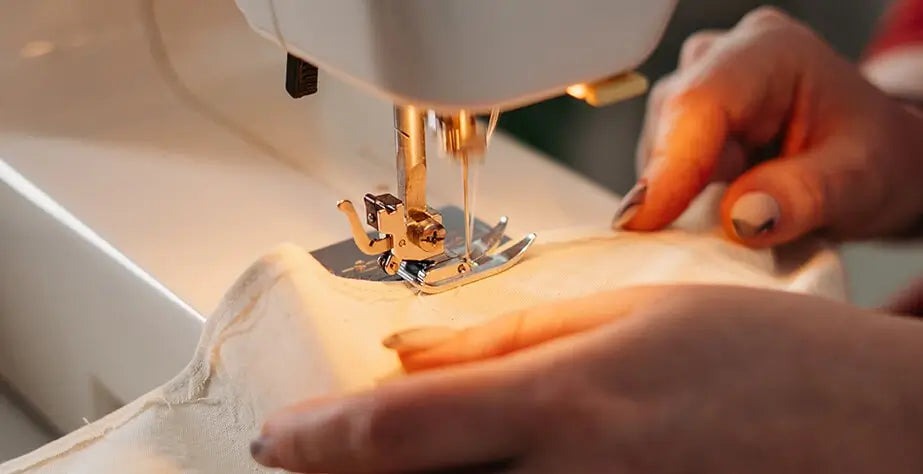
The plush industry is undergoing a material revolution. Traditional polyester plush fabrics—which dominate global toy production—are being replaced or supplemented by RPET (recycled polyester), organic cotton, bamboo viscose, hemp fibers, and emerging bio-based materials. RPET plush fabrics, made from recycled plastic bottles, offer softness and durability while reducing landfill and ocean plastic. Organic cotton eliminates pesticides and harsh chemicals, making it ideal for baby plush lines. Bamboo and hemp fibers provide antimicrobial properties, breathability, and sustainability advantages.
These materials require reengineering of production techniques, as natural and recycled fibers behave differently than conventional polyester. Manufacturers must adjust pattern making, cutting methods, and sewing techniques to maintain softness, structural integrity, and premium tactile quality. Despite the additional effort, brands are benefiting from strong consumer acceptance and higher perceived value.
Comparison of Sustainable Plush Materials
| Material | Sustainability Benefit | Typical Application |
|---|---|---|
| RPET | Reduces plastic waste; supports circular economy | Standard plush toys, apparel plush |
| Organic Cotton | Non-toxic, pesticide-free | Baby & infant plush |
| Bamboo Fiber | Naturally antibacterial, renewable | Premium plush lines |
| Hemp | Durable, low-water crop | Eco-conscious lifestyle toys |
How Retailers Integrate Eco-Certifications to Build Trust and Strengthen Brand Positioning?
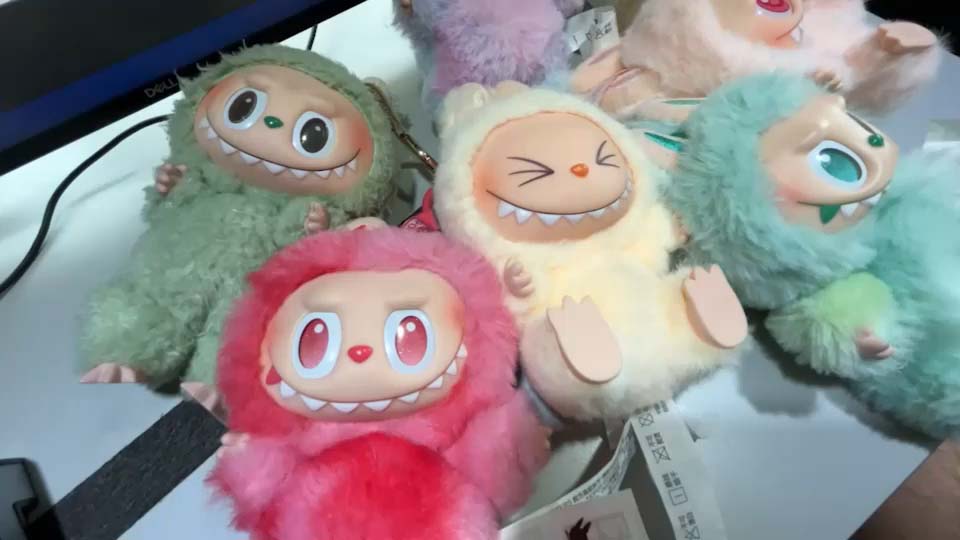
Retailers increasingly rely on globally recognized certifications to validate environmental claims and differentiate responsible products. Certifications such as GRS (Global Recycled Standard), OEKO-TEX® Standard 100, GOTS (Global Organic Textile Standard), FSC, and ISO 14001 help consumers quickly identify safe and sustainable plush products. These standards ensure sourcing transparency, limit harmful chemicals, and guarantee accurate environmental claims—reducing risks of misleading marketing.
Retailers integrate these certifications into packaging labels, in-store displays, and online search filters. Verified sustainable plush lines often receive preferential shelf placement and inclusion in eco-themed collections. As regulatory pressures rise across the EU, U.S., and Asia-Pacific markets, eco-certified products increasingly become a requirement rather than a differentiator.
Common Certifications Used in Eco-Friendly Plush Toys
| Certification | Focus | Retail Benefit |
|---|---|---|
| GRS | Recycled content verification | Ensures RPET authenticity |
| OEKO-TEX® | Chemical safety | Guarantees non-toxic materials |
| GOTS | Organic textile certification | Strengthens natural product claims |
| FSC | Sustainable paper & packaging | Supports eco-packaging initiatives |
How Packaging Innovations Reduce Waste and Enhance Environmental Impact Claims?
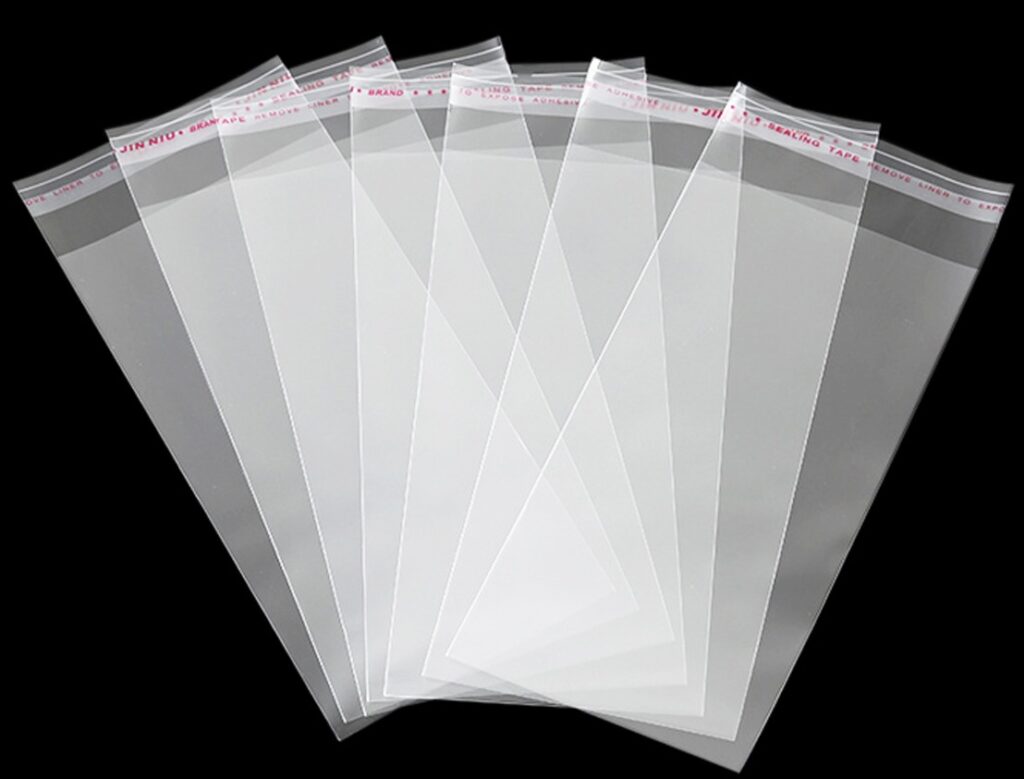
Eco-friendly toy packaging now plays a critical role in sustainability strategy. Retailers and brands are replacing plastic blister packs and polybags with FSC-certified kraft paper, compostable cellulose wraps, reusable cotton bags, and minimalist tag-only presentations. Innovations such as soy-based inks, water-based adhesives, and monotone recyclable packaging help reduce waste and influence purchase decisions among eco-conscious consumers.
Additionally, packaging design is becoming a storytelling tool. Brands use printed messages about recycled materials, carbon reductions, and ethical production to strengthen emotional engagement. Some companies include QR codes linking to supply chain transparency pages, showcasing sourcing maps and sustainability milestones.
Eco-Friendly Packaging Options
| Packaging Type | Sustainability Advantage | Usage Scenario |
|---|---|---|
| FSC Kraft Boxes | Recyclable & renewable | Premium retail |
| Compostable Cellulose Bags | Plastic-free alternative | E-commerce |
| Organic Cotton Drawstring Bag | Reusable & natural | Gift editions |
| Minimal Tag Packaging | Lowest waste option | Mass retail |
How Supply Chain Transparency and Ethical Sourcing Influence Retail Adoption?
Global retailers increasingly adopt strict supplier evaluation processes focusing on ethical sourcing, traceability, and social responsibility. A plush toy may be made with recycled or organic materials, but retailers still require evidence of fair labor practices, safe working conditions, and responsible waste management throughout the supply chain.
Factories that maintain detailed documentation, third-party audits, and digital traceability systems are favored partners for large retailers. Eco-friendly plush products often come with material origin documentation, batch-level traceability, and sustainability impact reports. Transparent suppliers not only meet compliance standards but also reduce reputational risks for retailers—making them preferred partners for long-term collaboration.
Key Transparency Elements Retailers Require
| Requirement | Why It Matters |
|---|---|
| Material traceability | Prevents false sustainability claims |
| Social compliance audits | Ensures ethical labor practices |
| Environmental impact reporting | Supports retailer sustainability goals |
| Waste and emissions tracking | Aligns with ESG commitments |
How Eco-Friendly Plush Collections Create New Opportunities in Premium and Niche Markets?

Eco-friendly plush toys are no longer positioned only as alternatives; they are becoming premium products with higher perceived value and stronger emotional appeal. Consumers willingly pay more for toys that reflect their environmental values, especially when the product narrative emphasizes care, responsibility, and conscious manufacturing.
This shift opens new niche markets such as:
- Eco-luxury plush toys for boutique retailers
- Organic baby plush collections for high-end parenting brands
- Wildlife conservation plush lines supporting environmental charities
- Limited-edition sustainable collectibles with biodegradable components
- Corporate sustainability gifts aligned with CSR goals
Brands that invest in sustainable product development gain differentiation, media attention, and long-term consumer loyalty—unlocking opportunities beyond traditional toy markets.
Emerging Market Opportunities
| Market Segment | Consumer Appeal | Brand Advantage |
|---|---|---|
| Organic Baby Plush | Chemical-free & gentle | High trust & loyalty |
| Eco-Luxury Gifts | Premium sustainability | Higher margins |
| Conservation Plush | Purpose-driven storytelling | Strong emotional engagement |
| Corporate Gifts | Eco-friendly branding | CSR-aligned partnerships |
Conclusion
Eco-friendly plush toys are reshaping global retail by merging sustainability with innovation, safety, and responsible sourcing. As consumers become more environmentally aware, brands that commit to transparency and adopt greener manufacturing processes gain a strong competitive advantage. From RPET fabrics to biodegradable packaging and ethical supply chain practices, the shift toward sustainable plush toys is both an environmental necessity and a commercial opportunity.
For manufacturers and retailers, embracing this movement not only reduces ecological impact—it builds trust, strengthens brand identity, and aligns with the expectations of the next generation of consumers.
📧 Contact: [email protected]
🌐 Visit: https://kinwintoys.com