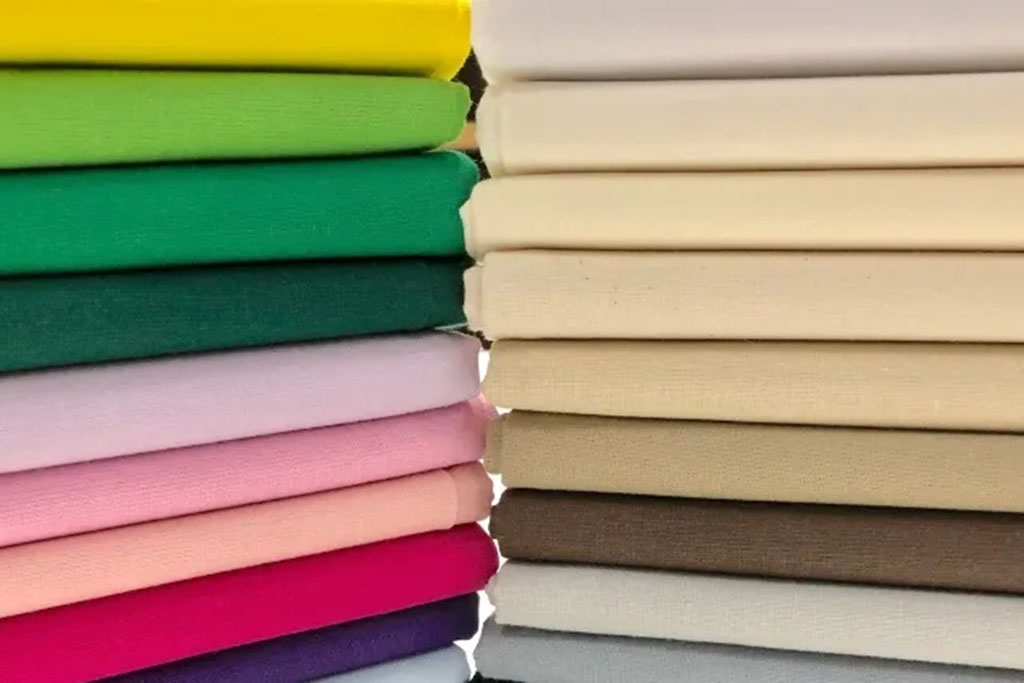
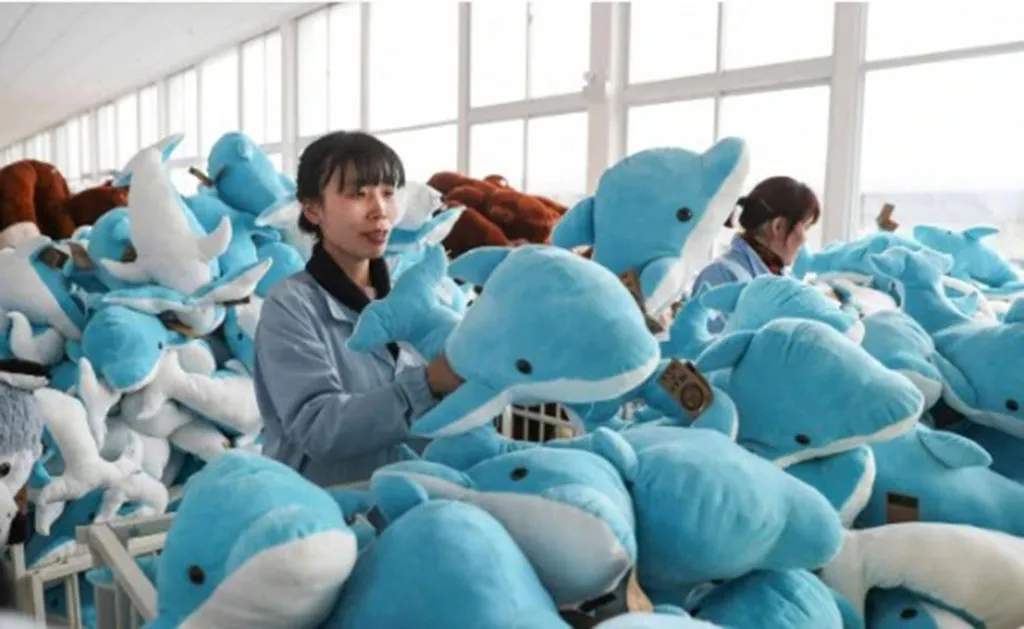
As global sustainability expectations rise, plush toy brands are seeking materials that deliver both environmental benefits and high performance. RPET plush fabric—made from recycled plastic bottles—has become one of the fastest-growing alternatives to conventional polyester. It offers the same softness and durability buyers expect from plush toys while reducing plastic waste and lowering carbon emissions. More retailers, toy brands, and corporate buyers now view RPET not only as an eco-friendly choice but as a strategic advantage that strengthens brand reputation and meets consumer demand for responsible products.
This article explains how RPET is made, why it matters, how it performs, and what brands should know before integrating it into their plush toy collections.
What RPET Plush Fabric Is and How It’s Made from Recycled Plastic Bottles?
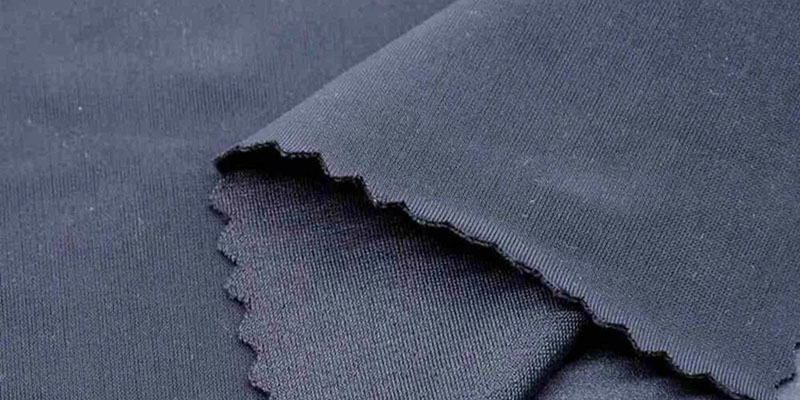
RPET (Recycled Polyethylene Terephthalate) plush fabric is created by transforming post-consumer plastic bottles into soft, usable textile fibers. The process begins with collecting used PET bottles, which are sorted, washed, sterilized, and mechanically shredded into flakes. These flakes are then melted and extruded into polyester fibers that resemble virgin polyester in appearance and performance.
Factories can use RPET fibers to manufacture plush fabric, fleece, stuffing materials, or blended textiles. In plush toy manufacturing, RPET can replace traditional polyester in both the outer fabric and internal stuffing, enabling a fully recycled product.
Because RPET is chemically similar to virgin polyester, it maintains plush softness, color retention, and structural integrity while offering a significantly lower environmental footprint.
How RPET Is Made
| Stage | Description | Output |
|---|---|---|
| Bottle Collection | Used PET bottles sourced from waste streams | Raw recyclable material |
| Sorting & Cleaning | Removing labels, caps, impurities | Clean PET flakes |
| Shredding | Bottles cut into small flakes | Recycled feedstock |
| Melting & Extrusion | Flakes melted and spun into fibers | RPET polyester fibers |
| Fabric Production | Fibers woven or knitted into plush | RPET plush fabric |
How RPET Reduces Environmental Impact Compared to Conventional Polyester?
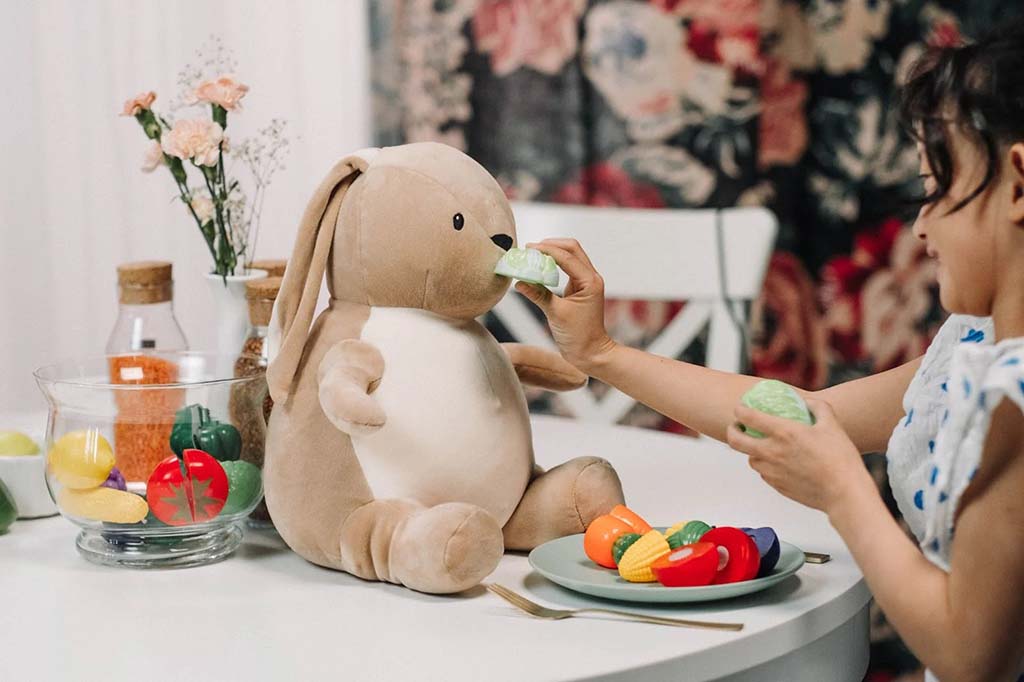
Traditional polyester relies on virgin petroleum, contributing to carbon emissions, resource depletion, and landfill accumulation. RPET offers a powerful alternative by using recycled materials instead of extracting new fossil resources. Every RPET plush product helps reduce plastic pollution, especially in regions where bottles would otherwise end up in landfills or oceans.
RPET production consumes significantly less energy and water and produces fewer greenhouse gases than virgin polyester production. For brands looking to meet sustainability targets or reduce Scope 3 emissions, RPET offers a measurable and certifiable environmental benefit.
In addition, RPET supports circular economy principles, extending the lifecycle of plastic materials and reducing overall environmental impact.
Environmental Impact Comparison
| Sustainability Factor | RPET | Virgin Polyester |
|---|---|---|
| Raw Material | Recycled plastic bottles | Petroleum |
| Energy Consumption | Lower | Higher |
| Carbon Emissions | Reduced by up to 50% | High |
| Waste Reduction | Diverts plastic from landfills | No waste reduction benefit |
| Water Use | Significantly lower | Higher in production |
| Circularity | Supports recycling loop | Linear consumption |
How RPET Performs in Softness, Durability, and Safety for Plush Toy Applications?
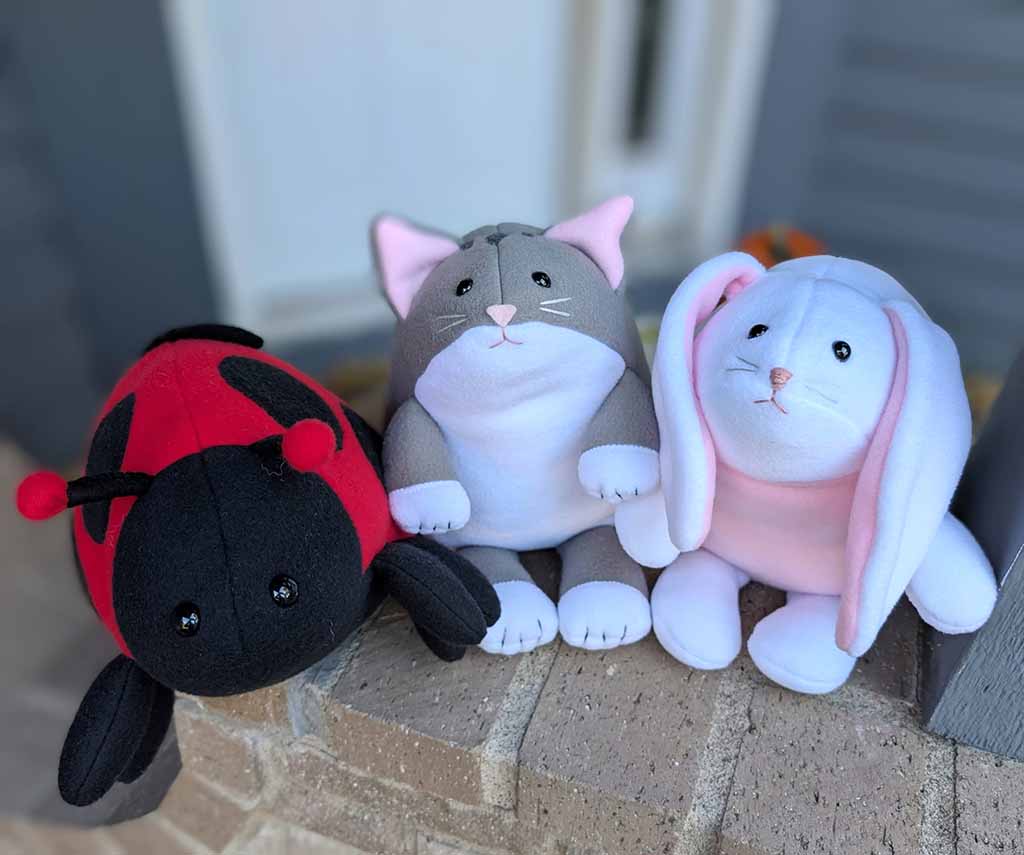
Despite its recycled origin, RPET fabric performs similarly to high-quality polyester plush, meeting the softness, durability, and safety standards required for plush toy manufacturing. RPET minky, RPET velboa, and RPET fleece offer smooth texture, stable pile direction, excellent color vibrancy, and strong resistance to wear.
For stuffing material, RPET fiberfill maintains elasticity and shape retention, ensuring plush toys remain huggable and full-bodied over time.
From a safety perspective, RPET can comply with global toy regulations—including EN71, ASTM F963, and CPSIA—when manufactured under proper conditions. Recycled content does not compromise material safety, as all RPET used in toys undergoes sterilization, melting, and purification during processing.
Performance Comparison Table
| Performance Aspect | RPET Plush | Traditional Polyester |
|---|---|---|
| Softness | Excellent | Excellent |
| Durability | High | High |
| Color Retention | Strong | Strong |
| Safety Compliance | Fully compliant | Fully compliant |
| Stuffing Elasticity | Good resilience | Good resilience |
How Global Sustainability Standards (GRS, OEKO-TEX, etc.) Certify RPET Materials?

For RPET to be recognized as a verified sustainable material, it must meet international certifications that validate recycled content, chemical safety, and ethical manufacturing standards. These certifications allow brands to confidently label products as environmentally responsible.
GRS (Global Recycled Standard) is the most important certification for RPET. It tracks recycled content from source to finished product and evaluates environmental management, chemical restrictions, and social responsibility throughout the supply chain.
OEKO-TEX® Standard 100 ensures the finished fabric is free from harmful chemicals—a critical factor for plush toys intended for children.
bluesign® certification validates clean production processes with minimized energy and water waste.
These certifications enhance credibility and support marketing claims, especially for brands positioning themselves as eco-friendly.
Key RPET Certifications
| Certification | What It Ensures | Benefit for Brands |
|---|---|---|
| GRS | Verified recycled content | Transparent sustainability claims |
| OEKO-TEX® | Chemical safety | Safe for children & babies |
| bluesign® | Low-impact production | Strong environmental responsibility |
| ISO Standards | Quality management | Reliable manufacturing |
Why Brands Prefer RPET for Eco-Focused Product Lines and Corporate Responsibility Goals?
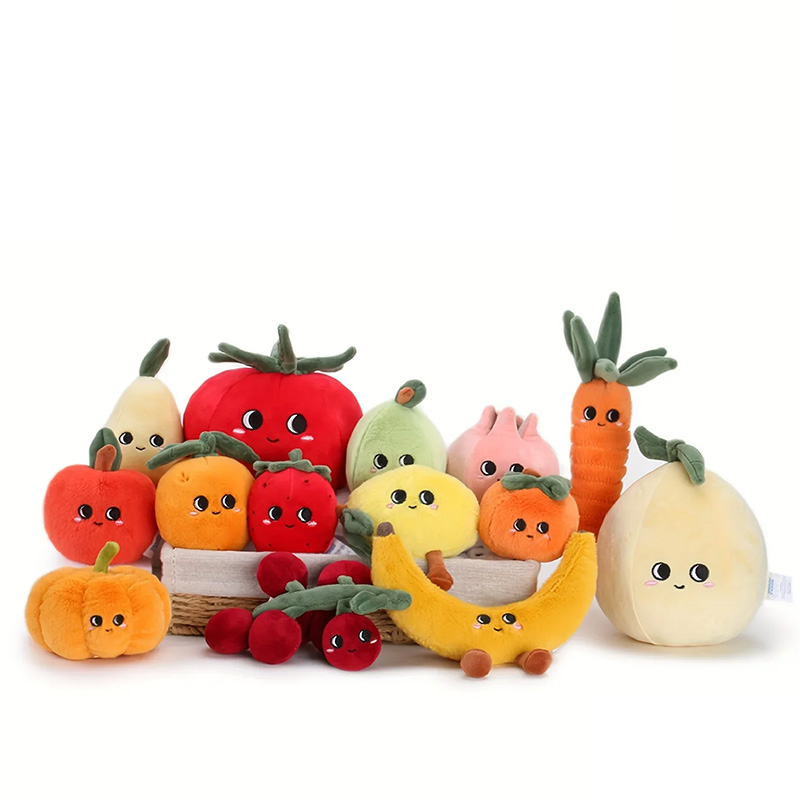
More brands are choosing RPET because consumers increasingly demand sustainable, ethically produced products—especially parents buying plush toys. RPET allows companies to reduce environmental impact without sacrificing product quality, making it an ideal material for green collections, premium eco-lines, or CSR initiatives.
RPET enhances storytelling, allowing brands to highlight how many recycled bottles were used in each toy. This clear sustainability message appeals to retailers, e-commerce platforms, environmentally conscious shoppers, and companies running eco-driven promotional campaigns.
For corporate buyers, switching to RPET also supports ESG reporting, carbon-neutrality goals, and plastic-waste reduction commitments. In many cases, brands that adopt RPET gain competitive advantage and stronger customer loyalty.
Why Brands Are Switching to RPET
| Benefit | Description |
|---|---|
| Strong Sustainability Message | Supports eco-marketing and brand positioning |
| Consumer Demand | Parents prefer safer, greener products |
| Retail Acceptance | Aligns with major retailer eco-standards |
| ESG Goals | Helps meet corporate environmental commitments |
| Product Innovation | Allows launch of eco-collections |
How RPET Availability, Cost, and Supply Chain Stability Influence Adoption in Plush Manufacturing?
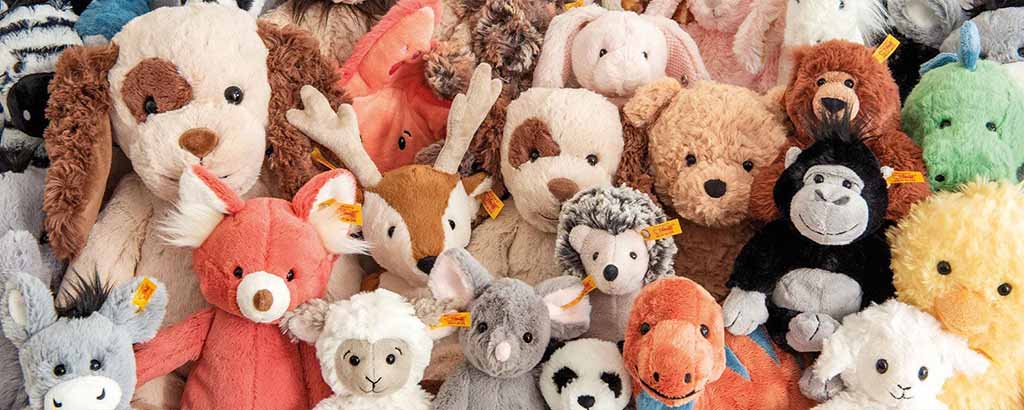
The global shift toward sustainability has increased demand for RPET, but supply chain stability varies by region. Countries with mature recycling infrastructures, such as China, can supply large volumes of RPET fibers with reliable consistency. This makes RPET more accessible in plush toy production hubs.
While RPET is often slightly more expensive than virgin polyester due to recycling processes and certification requirements, the long-term branding value and market demand typically outweigh these costs. Buyers also find that RPET price differences decrease as order quantities increase.
Supply chain transparency plays an important role. Manufacturers must ensure they source genuine certified RPET—not blended or falsely labeled materials. Working with factories that maintain traceability documentation, consistent supplier partnerships, and certification compliance ensures reliable quality.
RPET Adoption Factors
| Factor | Influence on Adoption | Notes |
|---|---|---|
| Availability | High in major manufacturing hubs | Strong supply in China |
| Cost | Slightly higher than virgin polyester | Offsets through sustainability value |
| Certification | Essential for credibility | GRS is most important |
| Supply Stability | Depends on recycling infrastructure | More stable each year |
| Buyer Demand | Growing rapidly | Eco-lines outperform traditional lines |
Conclusion
RPET plush fabric offers a powerful combination of sustainability, safety, softness, and commercial value. As consumer expectations evolve, brands that adopt RPET gain not only environmental benefits but also a stronger market position and deeper customer trust. Whether used for outer fabric, stuffing, or full eco-collections, RPET helps plush toy manufacturers create meaningful products that support a cleaner, more circular future.
📧 Contact: [email protected]
🌐 Visit: https://kinwintoys.com