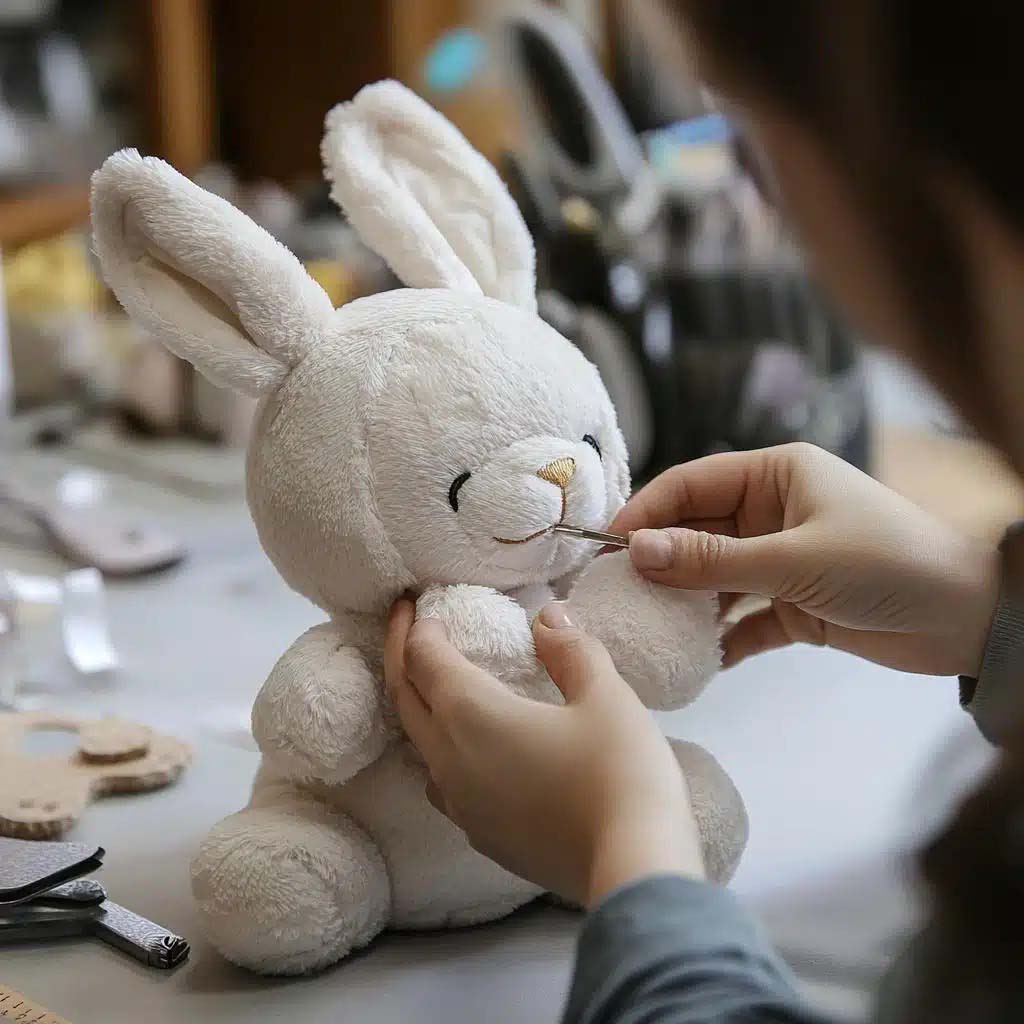
Sustainability is no longer a marketing trend in the plush toy industry—it is a core expectation from global brands, parents, and retailers. As environmental regulations strengthen and consumers seek eco-conscious products, plush toy manufacturers must integrate greener materials without compromising softness, durability, or safety. Sustainable fabrics form the foundation of responsible plush toy development, shaping not only a toy’s environmental footprint but also the values communicated to the market.
This guide explores key sustainable fabric options, the standards used to evaluate them, and how manufacturers can ensure ethical sourcing and transparent production practices.
What Environmental Standards Define Truly Sustainable Plush Toy Fabrics?
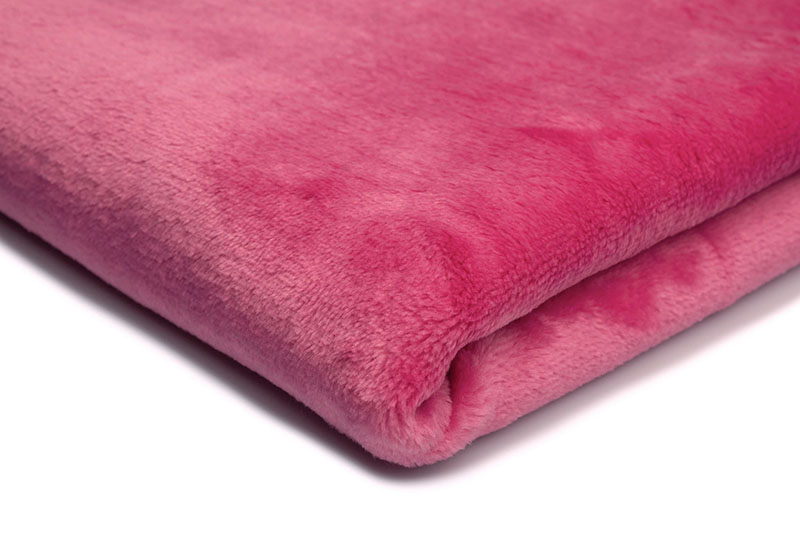
Not all “eco-friendly” materials are created equal. To determine whether a plush toy fabric is genuinely sustainable, manufacturers rely on recognized international certifications and environmental frameworks. These standards assess factors such as chemical safety, farming practices, recyclability, carbon footprint, and social responsibility.
For example, Global Recycled Standard (GRS) verifies recycled content and ensures responsible production practices, while OEKO-TEX® Standard 100 certifies that fabrics are free from harmful substances. GOTS (Global Organic Textile Standard) confirms that organic cotton meets strict ecological and social criteria. Certifications like bluesign® evaluate chemical inputs and manufacturing emissions to ensure minimal environmental impact.
These standards help buyers differentiate between greenwashing and truly sustainable fabric options, while also giving brands verifiable claims for product labeling and marketing.
Key Environmental Standards for Sustainable Fabrics
| Certification | Focus Area | Importance in Plush Toys |
|---|---|---|
| GRS (Global Recycled Standard) | Recycled content & responsible processing | Ensures real circularity claims |
| GOTS | Organic fibers & ethical production | Guarantees non-toxic, eco-safe fabrics |
| OEKO-TEX® Standard 100 | Chemical safety | Prevents harmful residues in toys |
| bluesign® | Clean chemical management | Reduces water & energy pollution |
| FSC | Plant-based fibers & paper products | Supports sustainable forestry |
How Recycled Polyester (rPET) Reduces Waste and Supports Circular Production?
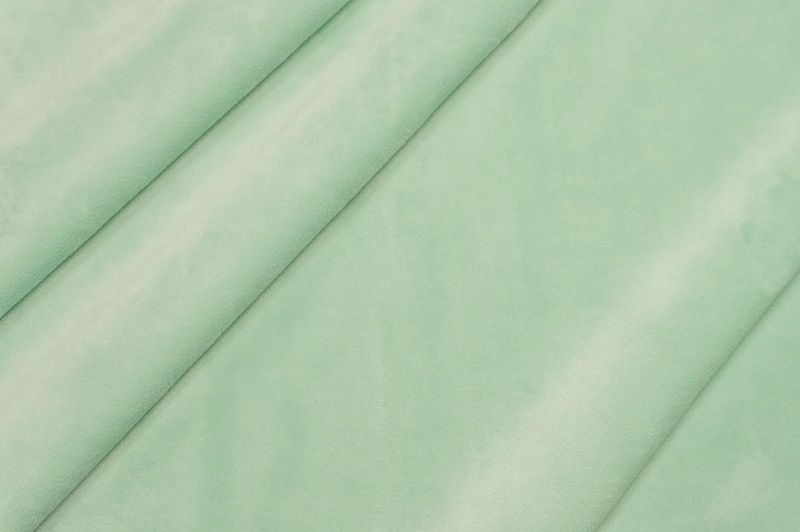
Recycled polyester (rPET) is one of the most widely used sustainable materials in plush toy production because it provides the same softness, durability, and flexibility as virgin polyester while significantly reducing environmental impact. rPET is typically made from post-consumer plastic bottles, which are cleaned, melted, and spun into soft fibers used for plush fabric or stuffing.
Using rPET helps divert plastic from landfills and oceans and cuts carbon emissions associated with producing new polyester. rPET plush fabrics perform similarly to traditional materials—they are soft, colorfast, and durable—making them ideal for brands that want sustainable options without compromising quality.
Many plush toy manufacturers now offer rPET not only for outer fabrics but also for inner fillings, allowing brands to create fully recycled plush toys.
Benefits of rPET in Plush Manufacturing
| Sustainability Advantage | Description | Impact |
|---|---|---|
| Waste Reduction | Converts bottles into fibers | Reduces landfill plastic |
| Lower Carbon Footprint | Uses less energy than virgin polyester | Supports climate goals |
| High Performance | Soft, strong, color-stable | Matches traditional materials |
| Circular Economy | Encourages recycling systems | Enhances environmental branding |
| Versatility | Fabric + stuffing options | Full eco-friendly product potential |
How Organic Cotton Enhances Safety, Softness, and Eco-Friendly Branding?
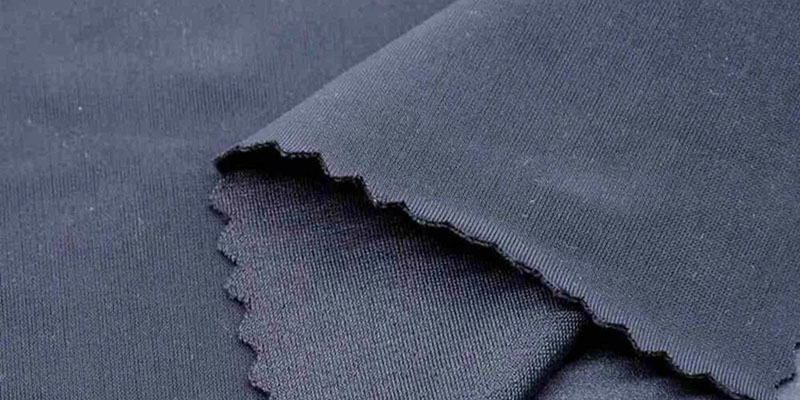
Organic cotton is a popular sustainable fabric for plush toys, especially for baby products and brands targeting sensitive-skin users. Unlike conventional cotton, organic cotton is grown without synthetic pesticides, fertilizers, or genetically modified seeds. Its farming practices focus on soil health, biodiversity preservation, and reduced water usage.
From a plush toy perspective, organic cotton provides natural softness, hypoallergenic properties, and a clean, chemical-free feeling that appeals to eco-minded consumers. It dyes well, is breathable, and supports premium branding through certifications like GOTS.
For brands, organic cotton offers a strong sustainability storytelling element. Parents increasingly look for toys made from materials that are gentle, safe, and environmentally responsible.
Organic Cotton Advantages
| Feature | Benefit | Best Use Cases |
|---|---|---|
| Chemical-Free | Safe for babies and sensitive skin | Baby plush toys |
| Natural Softness | Comfortable to touch | Premium plush lines |
| Eco-Friendly Farming | Lower pollution footprint | Sustainable collections |
| Breathability | Reduces overheating | Plush pillows & comforters |
| Certifications | Strong marketing value | Retail & boutique brands |
How Bamboo Fiber and Plant-Based Textiles Offer Renewable Material Alternatives?
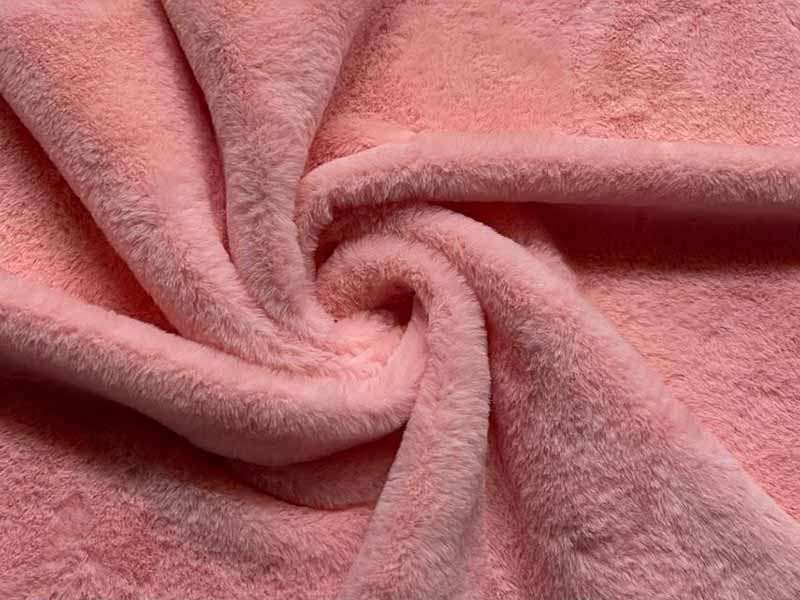
Bamboo fiber and other plant-based textiles—including modal, lyocell, and corn fiber fabrics—are gaining traction as renewable alternatives in plush toy manufacturing. Bamboo grows rapidly without pesticides, absorbs large amounts of CO₂, and requires less water than cotton. When processed into viscose or lyocell, the resulting fibers are exceptionally soft, smooth, and biodegradable.
Plant-based textiles provide a natural, eco-friendly aesthetic, making them attractive for brands building sustainability-driven product lines. Their softness rivals premium synthetic plush materials, and their breathability makes them ideal for baby toys and sleep-related plush items.
However, sustainability depends on the manufacturing process. Closed-loop systems—such as those used in TENCEL™ lyocell production—ensure solvents are recycled rather than released into the environment.
Renewable Fiber Comparison
| Fiber Type | Benefits | Sustainability Considerations |
|---|---|---|
| Bamboo Fiber | Soft, breathable, fast-growing | Look for closed-loop processing |
| Lyocell (TENCEL™) | Biodegradable, premium feel | Requires certified manufacturers |
| Modal | Silky texture, stable color | Lower impact than synthetics |
| Corn Fiber (PLA) | Plant-based, compostable | Higher cost & limited availability |
How Low-Impact Dyes and Color Processes Improve Sustainability Performance?
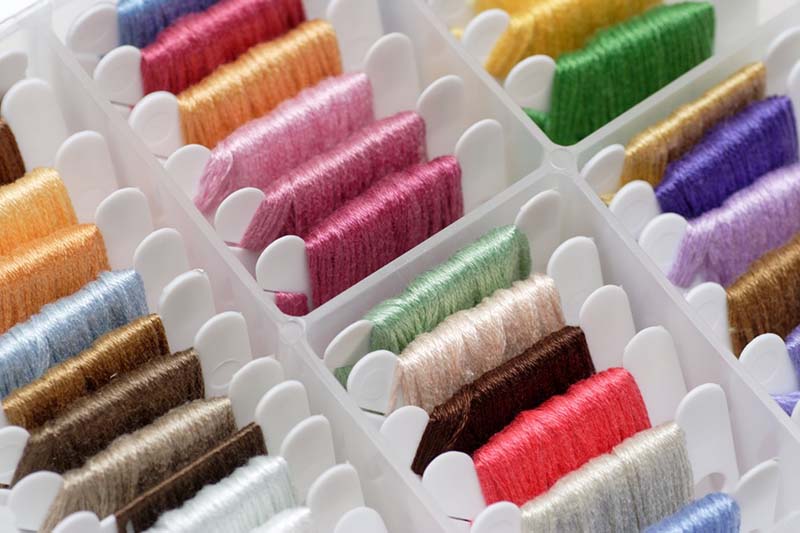
Even the most eco-friendly fabric loses credibility if dyed using chemicals that harm the environment. Sustainable plush toy manufacturing increasingly relies on low-impact dyes, water-efficient processes, and energy-saving technologies.
Low-impact dyes use fewer heavy metals, salts, and chemical fixatives. They require lower water and energy consumption, helping reduce pollution in the dyeing phase. Some factories also implement digital printing, which minimizes waste, or solution-dyeing, where color is embedded during fiber production.
Natural dyes made from plants offer additional eco-friendly options, though they are less common in plush toys due to vibrancy and consistency challenges.
Eco-Friendly Dyeing Options
| Dyeing Method | Environmental Benefit | Usage in Plush Manufacturing |
|---|---|---|
| Low-Impact Dyes | Reduced toxic chemicals | Standard for sustainable lines |
| Solution-Dyeing | Minimal water use | rPET & synthetic fabrics |
| Digital Printing | Lower waste and runoff | Patterned plush fabrics |
| Natural Dyes | Fully biodegradable | Boutique or artisanal plush |
How Supply Chain Transparency Ensures Ethical and Environmentally Responsible Fabric Sourcing?
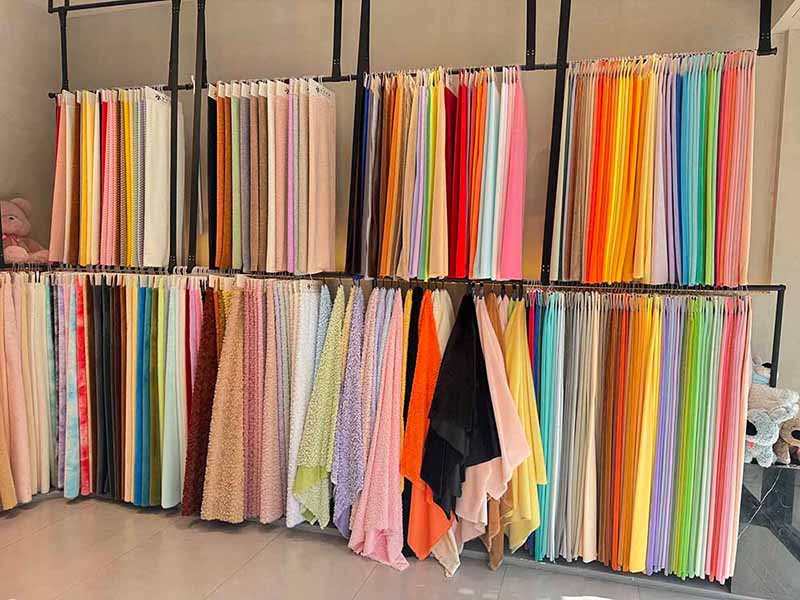
Sustainable fabrics are only part of the story—transparency is equally important. Brands increasingly require documentation, audits, and traceability that verify ethical sourcing, fair labor conditions, and environmentally responsible operations throughout the supply chain.
Factories must collaborate with certified suppliers, maintain traceable procurement records, and undergo independent assessments such as SMETA, BSCI, or WRAP. Transparency builds trust and allows brands to confidently market their plush toys as responsibly made.
Consumers today want to know not only what their products are made from but also where and how. Transparent supply chains enrich brand storytelling and support compliance with international regulations regarding environmental claims.
Supply Chain Transparency Table
| Transparency Component | Purpose | Brand Benefit |
|---|---|---|
| Supplier Certifications | Verifies ethical sourcing | Increased trust |
| Traceability Reports | Tracks raw material origin | Compliance with regulations |
| Environmental Audits | Ensures sustainable practices | Stronger brand reputation |
| Worker Welfare Standards | Ethical labor conditions | Reduced risk exposure |
| Documentation Control | Avoids counterfeit claims | Credible sustainability marketing |
Conclusion
Sustainable plush toy manufacturing requires a holistic approach—selecting eco-friendly fabrics, validating them with credible standards, and ensuring responsible sourcing throughout the supply chain. By integrating rPET, organic cotton, bamboo fibers, low-impact dyes, and certified transparency practices, brands can offer plush toys that are safe, beautiful, and environmentally conscious. As global demand for sustainable products grows, adopting these materials strengthens both market positioning and long-term brand value.
📧 Contact: [email protected]
🌐 Visit: https://kinwintoys.com