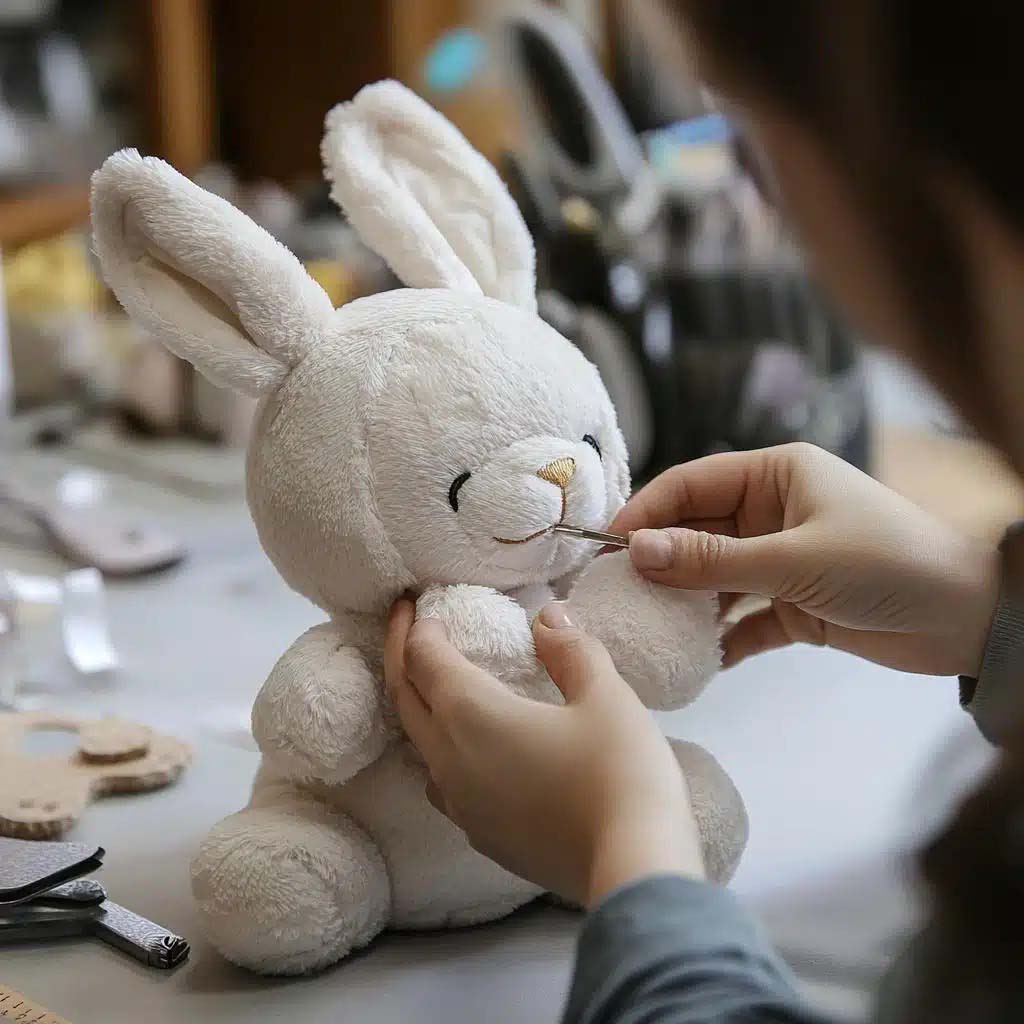
Consistency is one of the most challenging—and most important—goals in plush toy manufacturing. While a single prototype can be perfected through multiple rounds of revisions, mass production must achieve the same level of quality across hundreds or thousands of units. Any deviation in fabric texture, sewing accuracy, stuffing density, or proportions can weaken the customer’s trust and compromise the brand’s reputation.
Maintaining consistency requires strong communication, precise technical documentation, controlled materials, robust QC checkpoints, and factory teams aligned behind the same standards. This guide explains how to ensure that bulk production matches the approved sample so your product reaches the market exactly as intended.
How Detailed Tech Packs and Approved Specifications Set the Foundation for Consistency?
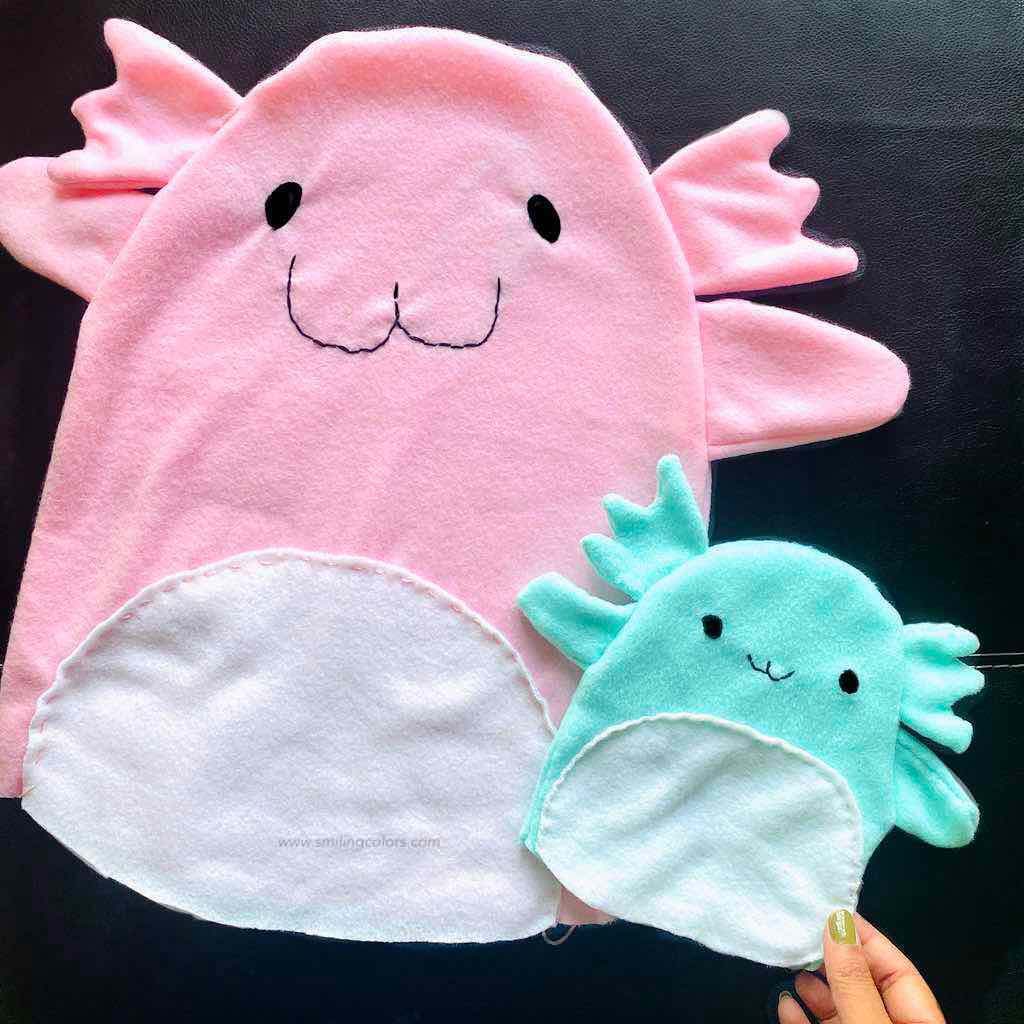
A detailed tech pack is the blueprint that ensures bulk production accurately reflects the approved sample. It includes measurements, construction details, embroidery files, Pantone codes, materials, weight specifications, artwork placements, and safety notes. Without a complete tech pack, factories rely on interpretation—and interpretation leads to inconsistencies.
A strong tech pack clearly defines each element so that every worker, from pattern makers to QC inspectors, understands the exact expectations. It reduces reliance on memory and prevents the sample maker’s technique from becoming the default reference during mass production.
Tech packs also help align expectations across departments. Sewing teams use the sewing instructions, cutting teams rely on pattern measurements, QC teams follow specification sheets, and purchasing teams check material requirements. When factories follow the same documentation, the result is predictable and repeatable quality.
Tech Pack Components That Ensure Consistency
| Component | Purpose | Impact on Production |
|---|---|---|
| Measurement Charts | Defines accurate dimensions | Prevent size deviation |
| Material List | Identifies exact fabrics & fillings | Consistent feel & durability |
| Pantone Colors | Standardizes color selection | Prevents shade variation |
| Embroidery Files | Controls artwork accuracy | Ensures identical faces & details |
| Construction Notes | Defines seams, joints, reinforcements | Maintains structural quality |
How Standardized Materials, Swatches, and Color Codes Prevent Variations in Production?
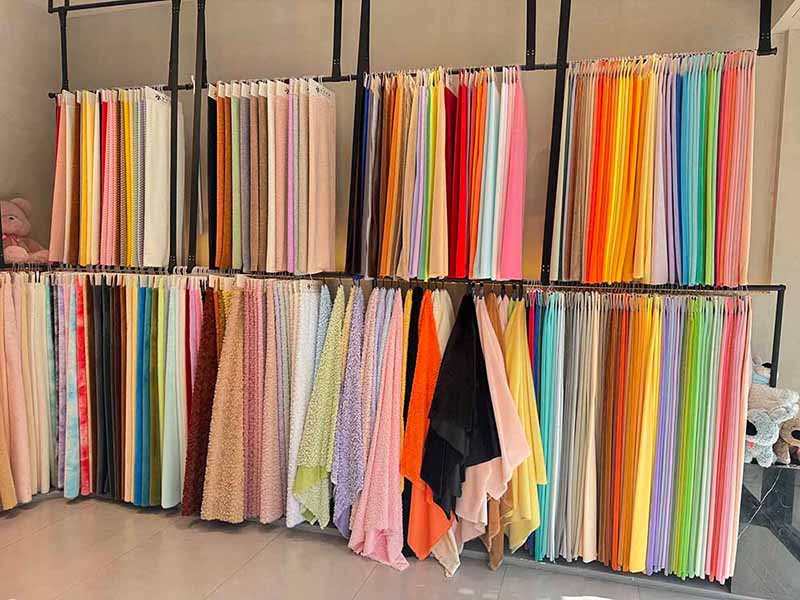
Material consistency is essential for producing plush toys that look and feel identical from unit to unit. Factories should maintain reference swatches of approved fabrics, fillings, threads, and accessory parts. During bulk production, procurement teams must purchase from the same suppliers who provided materials for the sample—or from verified alternatives that match the specifications.
Color consistency is another critical challenge. Pantone codes must be included in the tech pack to ensure dye lots match the approved sample. Lighting conditions also influence perception; professional inspections require standardized light boxes to evaluate color differences accurately.
Fabrics must also match the original pile density, softness, and stretch. Even small variations can impact the final plush shape or sewing behavior. When materials deviate, the bulk product may feel rougher, appear duller, or lose its intended structure.
Material Consistency Control Table
| Material Category | Standardization Need | Quality Risk if Inconsistent |
|---|---|---|
| Plush Fabrics | Pile height, density, softness | Shape distortion, texture mismatch |
| Filling | Fiber length, elasticity | Uneven firmness, lumpy stuffing |
| Threads | Thickness, tensile strength | Weak seams, color difference |
| Accessories | Eye/nose size & color | Character inconsistency |
| Color Codes | Pantone/approved swatches | Mismatched shades |
How Pattern Control and Sample-Approved Measurements Ensure Accurate Replication?
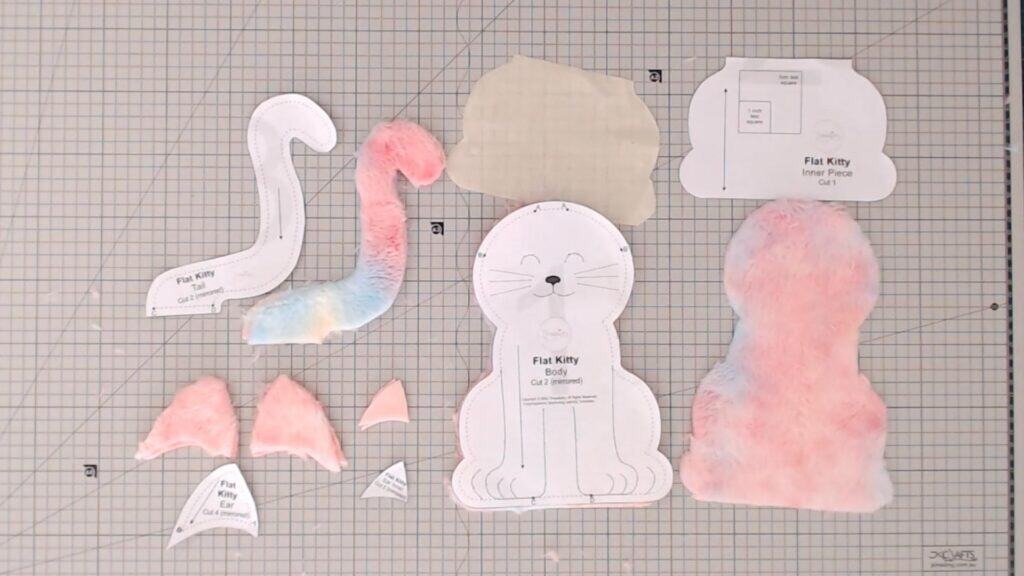
Patterns are the skeleton of plush toy design. If the cutting patterns used in bulk production differ from those used for the approved sample, the final product cannot match in proportion or symmetry. Factories must store, label, and lock finalized patterns to prevent accidental changes.
Even minor modifications—such as altering seam allowance or adjusting curvature—can significantly affect shape. Therefore, pattern approval and pattern control systems must be strictly implemented.
Factories also use measurement tools and tolerances to confirm that the product matches the sample. These include length rulers, fabric measurement boards, and templates for checking facial alignment. Maintaining control over every dimensional aspect ensures the final product remains faithful to the sample.
Pattern & Measurement Control Table
| Control Item | Description | Importance |
|---|---|---|
| Master Patterns | Original pattern from PPS | Ensures shape accuracy |
| Measurement Tolerance | Allowed deviation | Prevents noticeable size differences |
| Cutting Templates | Guides cutting teams | Reduces distortion |
| Facial Alignment Guides | Ensures symmetry | Protects character integrity |
| Pattern Version Control | Tracks updates | Avoids outdated files |
How In-Line QC and Multi-Stage Inspections Catch Deviations Early in Mass Production?
In-line QC (quality control during production) is critical to maintaining consistency. Instead of waiting until the final product is complete, inspectors check each major stage—cutting, sewing, stuffing, embroidery, assembly, and finishing.
Multi-stage inspections help identify deviations early, before they become expensive or difficult to fix. For example, catching a misaligned eye placement during embroidery is far easier than correcting it after the toy is fully assembled. Similarly, early stuffing checks prevent firmness issues from becoming a batch-wide problem.
Factories often follow AQL standards and QC checkpoints tailored for plush toys, enabling quick correction and efficient workflow adjustments.
Multi-Stage Inspection Flow
| Stage | QC Focus | Prevents Issues Like… |
|---|---|---|
| Cutting Check | Pattern accuracy | Misshapen toys |
| Embroidery QC | Face alignment, detail precision | Wrong expressions |
| Sewing QC | Seam integrity, symmetry | Weak seams, uneven shapes |
| Stuffing QC | Firmness distribution | Lumpy or uneven filling |
| Final QC | Full comparison to sample | Batch inconsistencies |
How Factory Training, SOPs, and Skill Alignment Maintain Uniform Craftsmanship?
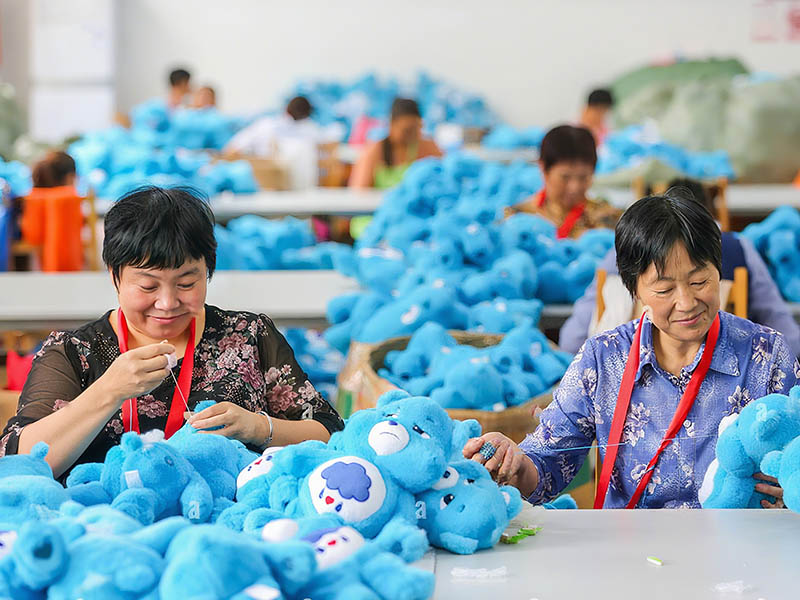
Even with perfect documentation, consistency will fail if sewing teams lack skills or follow different methods. To maintain uniform craftsmanship, factories must implement:
- Standard Operating Procedures (SOPs) for sewing, embroidery, cutting, stuffing, and finishing
- Worker training programs to establish correct techniques
- Skill alignment, ensuring all workers follow the same craftsmanship level
- Team leader oversight to guide new workers and monitor critical steps
- Hands-on training using Golden Samples
Experienced workers know how to maintain tension, control seams, distribute stuffing, and achieve smooth shapes. Without trained workers, plush toys from different production lines or shifts may look noticeably different.
Craftsmanship Consistency Table
| Factory Practice | Craftsmanship Benefit | Risk if Missing |
|---|---|---|
| SOP Documentation | Standardized production method | Variations in technique |
| Skill Training | Higher accuracy & speed | Inconsistent sewing |
| Golden Sample Reference | Visual standard for workers | Subjective judgment |
| Team Leader Oversight | Quick correction of mistakes | Undetected errors |
| Cross-Line Alignment | Uniform output | Varying product quality |
How Clear Communication, Revision Logs, and Final PPS Approval Guarantee Consistent Results?
Communication is the backbone of consistent manufacturing. Factories and buyers must maintain clear, traceable communication channels, especially for updates or design modifications. Revision logs document every change—including stitching adjustments, color corrections, proportion refinements, or accessory updates.
Before mass production begins, buyers approve a Pre-Production Sample (PPS)—the exact model for factory-wide reference. This sample must incorporate all revisions from previous samples and be fully compliant with material, construction, and aesthetic requirements.
Once the PPS is approved, no further changes should occur. QC teams rely on the PPS to judge whether all units meet the correct standard, ensuring consistency from start to finish.
Communication & PPS Consistency Table
| Component | Purpose | Result |
|---|---|---|
| Revision Logs | Track all updates | Prevents confusion |
| PPS Approval | Establishes final standard | Ensures production accuracy |
| Communication Records | Clarifies buyer requests | Reduces error risk |
| Photo & Video Confirmation | Visual proof of changes | Stronger alignment |
| Document Control System | Stores updated files | Avoids outdated instructions |
Conclusion
Consistency between samples and bulk orders is not accidental—it requires detailed documentation, disciplined material control, skilled craftsmanship, strong QC systems, and flawless communication. When factories follow accurate tech packs, maintain pattern integrity, conduct rigorous inspections, and train teams to uphold high standards, the final product matches the designer’s original vision across every unit.
📧 Contact: [email protected]
🌐 Visit: https://kinwintoys.com