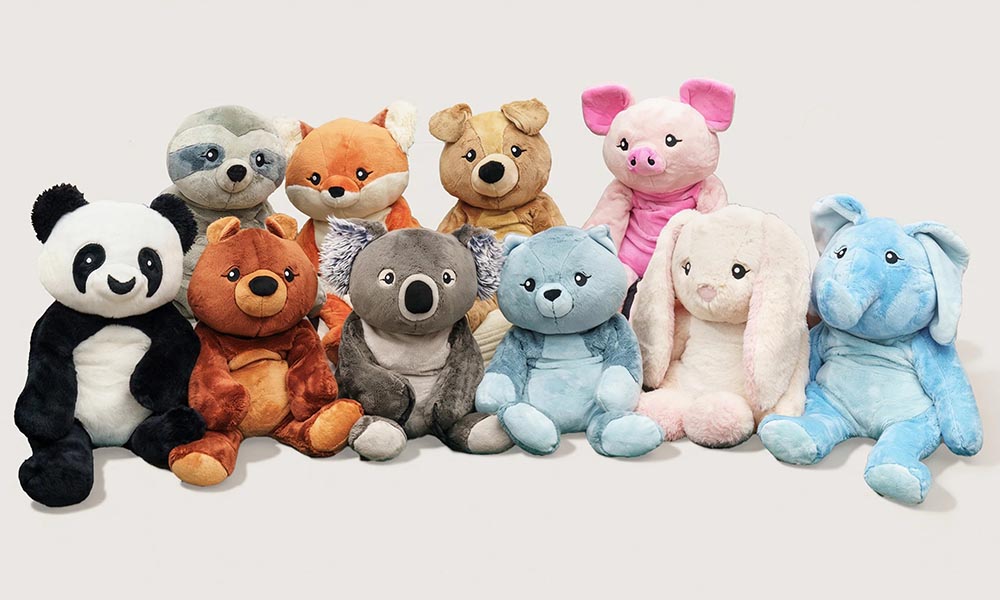
Weighted stuffed animals are becoming popular as comfort items for kids, teens, and even adults. When they are designed well, they feel grounding and cozy, not awkward or unsafe. But to reach that point, the plush must be carefully engineered from the inside out.
In this guide, I’ll walk you through how I think about weighted plush as a manufacturer—from material choices and internal structure to safety, testing, and business factors—so you can discuss your next project with suppliers in a clear, professional way.
What materials and tools are required to make a stuffed animal weighted?
A good weighted plush starts with the right “core recipe.” You are not just adding random heavy material into a toy. You are building a controlled system of soft outer shell + stuffing + weighted media + internal pouches + reinforcement.
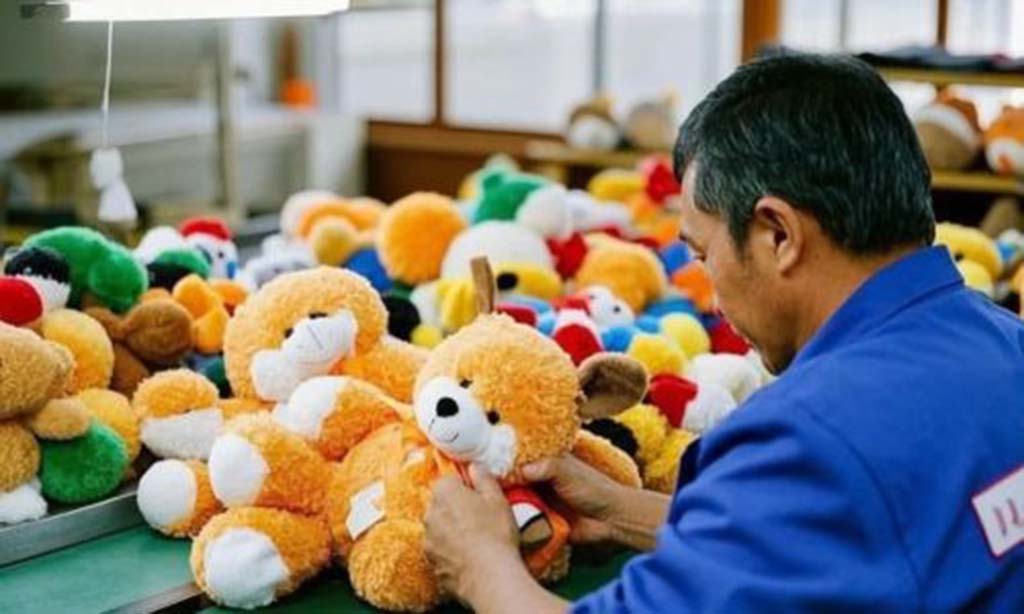
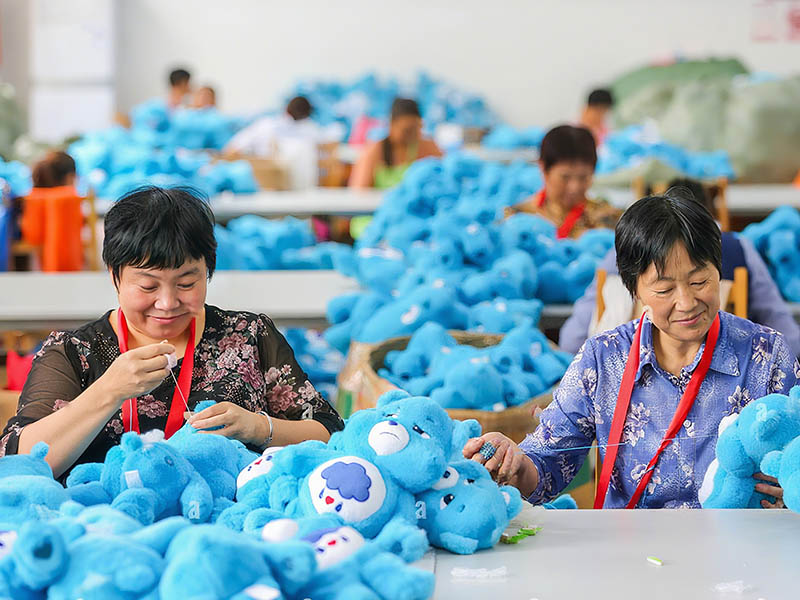
For most projects, we use standard plush materials (outer fabric + fiberfill) and then add plastic pellets or glass beads inside sewn pouches. Pellets supply weight; fiberfill keeps the toy soft and huggable. The tools can be very simple on a studio level, but in a factory we standardize scoops, scales, and sewing machines to keep weight and quality consistent.
Here is a simple overview you can use as a checklist:
| Component / Tool | Typical Options | Role in Weighted Plush | Notes for B2B buyers |
|---|---|---|---|
| Outer fabric | Minky, short plush, fleece, velboa | Soft shell and character surface | Choose fabrics already used in regular plush |
| Regular stuffing | Polyester fiberfill (PP cotton) | Soft volume, keeps weight from feeling “hard” | Must be clean, hypoallergenic grade |
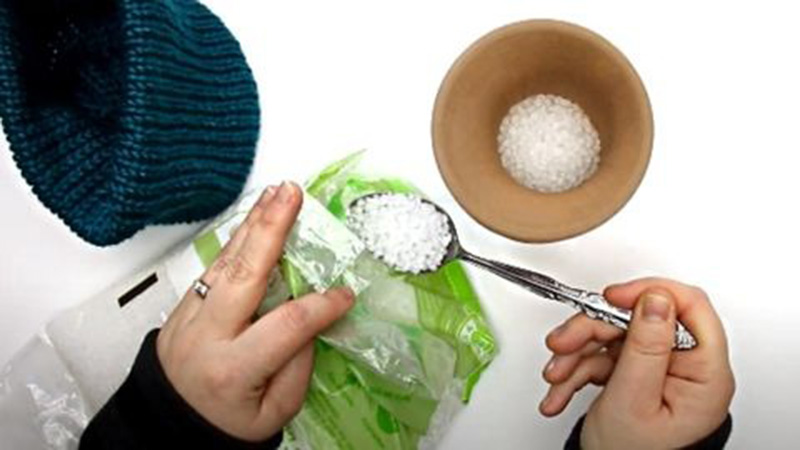
| Weighted media | Plastic pellets, glass microbeads, steel shot | Provide controlled weight | For kids’ toys, plastic pellets are most common |
| Pouch fabric | Woven polyester, cotton, non-woven bags | Holds weighted media inside toy | Tight weave to prevent leakage |
| Thread & needles | High-strength polyester, ballpoint needles | Structural seams and reinforcement | Stronger thread in high-stress areas |
| Tools | Scale, scoops, funnels, stuffing stick | Measure and place weight accurately | Essential for consistent SKUs |
Core components for safe, soft weight
For children and family products, I strongly prefer plastic pellets over metal. They are non-rusting, quiet, and easier to test for chemical safety. Glass microbeads are common in weighted blankets, but in plush they can make toys feel “sand-like” if not combined properly with fiberfill.
The outer fabric should be the same quality you would choose for any export plush: soft, colorfast, low shedding. The weight belongs inside the pouches, not in the fabric itself.
Tools for small runs vs. factory runs
- For small batches or sampling, a digital kitchen scale, measuring scoops, and hand-stuffing tools are enough.
- For factory production, we use industrial stuffing machines, standard pellet scoops by gram, and process documents so every worker knows how much weight goes into each size.
When you talk with a factory, ask how they measure and control weight. This is key for consistent user experience and for any marketing claim you make later.
How do you determine safe weight, filler type, and proper distribution?

Weight is not only about “how heavy can we make this.” It is about what feels comfortable and safe for the user and suits the use scene (lap, hug, sleep beside, not on top of the face).
There is no universal law for weighted plush, but many brands borrow from weighted blanket guidance, where a typical recommendation is around 5–10% of the user’s body weight, depending on comfort and individual needs.Sleep Foundation+2今日医学新闻+2 For children, professionals often advise staying on the lighter side and to involve a pediatrician or therapist when the product is used for therapeutic goals.Sensory Direct+1
For stuffed animals, the toy is usually beside the child, not covering them. So I suggest treating weight as gentle support, not a medical device.
A simple planning framework looks like this:
| Use Scenario | Typical User | Suggested Approach to Weight & Filler |
|---|---|---|
| Bedtime cuddle plush | Young child | Light–moderate weight, plastic pellets only |
| Lap buddy for reading | Child / teen | Moderate weight centered in torso and base |
| Adult desk or sofa plush | Teen / adult | Moderate–higher weight, can use more pellets |
| Therapy-inspired item* | Used with guidance | Discuss with professionals; keep design conservative |
*Weighted plush should not be marketed as a medical device unless you are working with clinicians and regulatory experts.
Choosing filler type
- Plastic pellets: my default choice for kids’ products—washable inside pouches, stable, quiet.
- Glass microbeads: smoother and denser, more common in blankets; better for adult or premium products.Sleep Foundation+1
- Steel shot / metal beads: very heavy in small volume; I usually avoid these for children’s toys because they can feel too hard and need extra safety checks.
Planning distribution across the body
Good weighted plush feels balanced, not like a heavy stone inside a soft shell. Typical patterns:
- More weight in the torso and base so the plush sits steadily.
- Lighter weight in limbs to support natural drape without feeling floppy.
- Minimal or no extra weight in the head to avoid impact risk if the toy is dropped.
During development, we test by placing the plush in realistic positions—on a lap, under an arm, next to a pillow—and adjust distribution until it feels natural and comfortable.
What sewing and reinforcement methods support added weight securely?
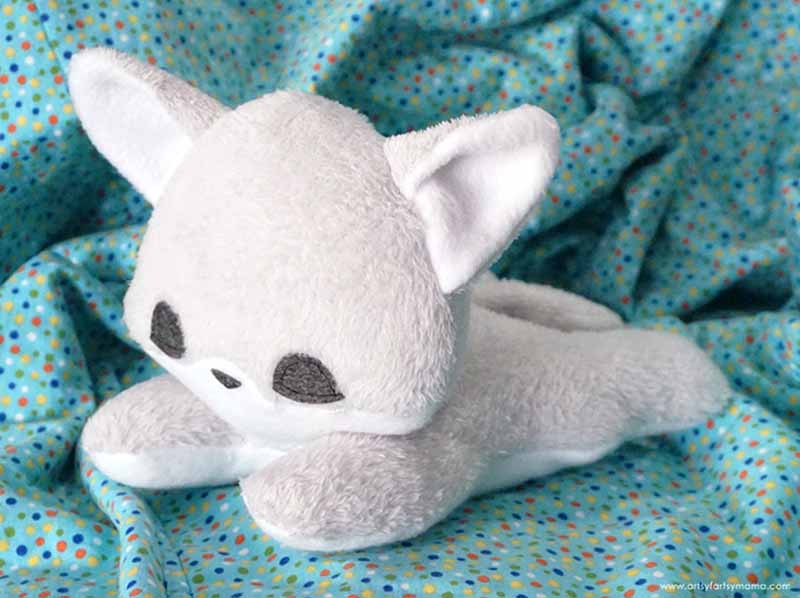
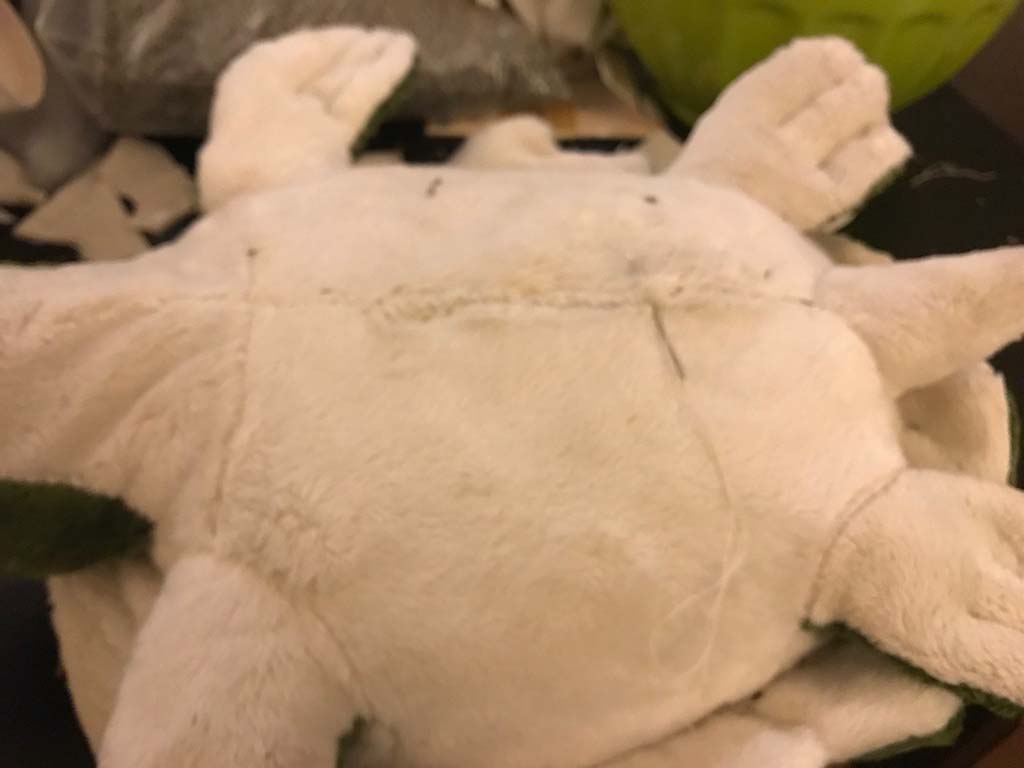
Adding weight increases stress on seams, joints, and fabric. A normal plush pattern might survive light use, but once you put 0.5–2 kg inside, weak points will show. This is why weighted plush needs stronger construction rules, especially around the internal pouches and connection areas.
To support added weight, we use stronger thread, more generous seam allowances, additional stitching passes, and local reinforcements in high-load zones like the base, torso, and handle areas (for example, arms or tail that people may grab). In export products, seams also need to meet mechanical requirements in standards such as EN71-1 or ASTM F963, which test attachment and seam strength.Compliance Gate+2Intertek+2
Here is how we usually map reinforcement needs:
| Area / Joint | Risk When Weighted | Reinforcement Methods |
|---|---|---|
| Base of plush | Weight pulling downward, seam stress | Wider seam allowance, double stitching |
| Torso side seams | Internal pouches pressing outward | Strong lockstitch + overlock, closer stitch length |
| Neck joint | Head drooping or tearing under weight | Extra internal fabric piece, bar-tacks |
| Limbs to body | Kids lifting plush by arms / legs | Box-X stitching, strong seam overlap |
| Zipper opening (if any) | Zipper popping open under load | Short zipper with safety flap and bar-tacks |
Stitch types and construction choices
In a factory, we commonly:
- Use lockstitch for main seams and overlock to tidy edges and reduce fraying.
- Reduce stitch length slightly in high-stress areas to increase seam strength.
- Add bar-tacks (tight, dense stitches) at key points like the base of limbs.
- Use internal facing pieces or reinforcement tapes behind heavy areas.
If your design includes a hidden zipper to allow the user to remove the weighted pouch, we treat that zipper area like a stress zone: strong stitching, no exposed ends, and sometimes a fabric flap that hides the zipper pull from very young children.
These details are invisible on the shelf, but they are exactly what separates long-lasting weighted plush from short-lived ones.
How do you create internal pockets or pouches to contain weighted filling?
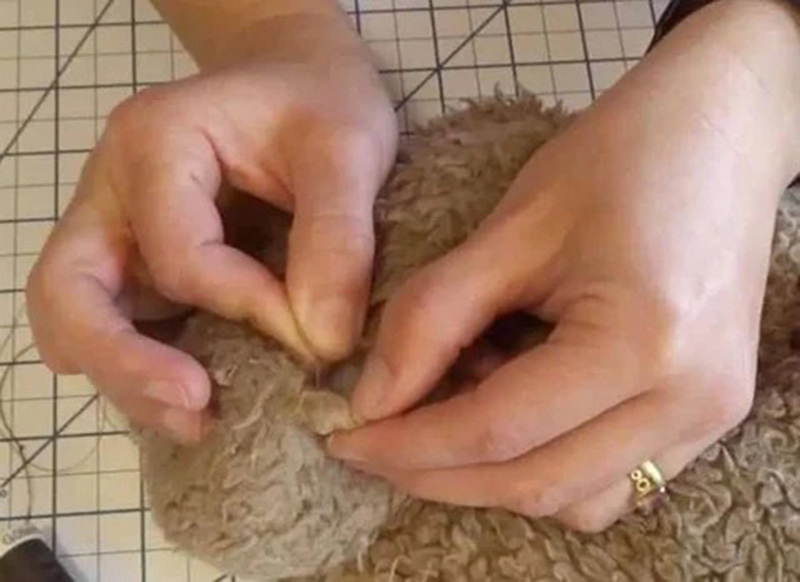
The secret of a good weighted plush is almost always in the inner pouches. You never want loose pellets moving freely through the whole body. That would make the toy floppy, uneven, noisy, and harder to pass safety tests.
Instead, we sew sealed pockets or removable pouches that hold the pellets. These pouches sit inside the plush, wrapped in fiberfill. This keeps the weight in place and provides a soft “buffer” between the pellets and the outer fabric.
Common pouch configurations:
| Pouch Layout | How It Works | When to Use |
|---|---|---|
| Single torso pouch | One central bag in the body | Medium-size plush, lap buddies |
| Multi-chamber torso | Pouch divided into vertical or horizontal cells | Bigger plush, more even weight distribution |
| Limb pouches | Small bags inside arms / legs | For slight limb weight and better drape |
| Base disc pouch | Round or oval pouch in bottom | For sitting stability |
| Removable pouch set | Separate weighted insert accessible via zipper | For washable covers and adjustable weight |
Steps to create internal pouches
- Choose pouch fabric: tightly woven, strong (for example, polyester or cotton).
- Decide on cells: plain sack or segmented (sewn lines inside to form mini-chambers).
- Fill with pellets to pre-measured weight on a scale.
- Sew closed securely, with double stitching across the opening.
- Test by pressing and shaking to ensure no pellets escape and weight feels even.
For larger or more premium designs, segmented pouches help prevent all pellets from sliding to one side when the plush is lifted. This is similar to the way weighted blankets use channels to keep beads distributed.Sleep Foundation+1
Removable vs. fixed pouches
- Fixed pouches are sewn permanently inside the plush. They are safest for younger age groups because there is no internal component to remove.
- Removable pouches allow washing of the outer shell and adjustment of weight, but they require extra engineering and strict control of access (zippers, hook-and-loop closures, etc.).
If you plan to market the product as washable, discuss clearly with your factory whether the whole toy can go into the machine, or if the user must remove weighted inserts first. This will influence both construction and labeling.
What safety and compliance considerations apply to weighted plush toys?
Weighted plush are still toys (or at least children’s products), so they must follow the same safety logic as regular stuffed animals—plus extra care due to the weight.
For export markets, common frameworks include EN71 in the EU and ASTM F963 / CPSIA in the USA, which cover mechanical safety, flammability, and chemical limits for toys.BuyChinaToys+3Compliance Gate+3法律資源+3 These standards apply to plush toys in general; for weighted plush we also pay special attention to choking risks, seam strength, and labeling related to age and usage.
Here is a high-level view:
| Area | What Needs Attention in Weighted Plush | Related Standards / Notes |
|---|---|---|
| Mechanical safety | Seam strength, small parts, access to pellets | EN71-1, ASTM F963 mechanical tests |
| Flammability | Fabric and filling ignition behavior | EN71-2, relevant flammability parts |
| Chemical safety | Dyes, plasticizers, heavy metals in fabric and pellets | EN71-3, REACH, CPSIA lead / phthalate limits |
| Age grading | Whether product is suitable for under-3s | Influences design, warnings, and testing scope |
| Labeling | Warnings, weight info, care instructions | EU Toy Safety Directive, CPSIA, retailer rules |
Special considerations for weight and age
Because weight can impact breathing or free movement, I recommend:
- Avoid using heavy weighted plush in cribs or for very young infants.
- Provide clear guidance that the plush should not cover the face while sleeping.
- For children, keep total toy weight on the gentle side and advise parents to supervise use, similar to recommendations for weighted blankets.Sleep Foundation+2Healthline+2
Weighted plush may be inspired by therapy tools, but they are not medical treatments. If your marketing wants to talk about therapeutic benefits, it is safest to use soft language (comfort, calming, cozy) and avoid medical claims unless you are working with clinicians and have proper evidence and regulatory review.
Testing and documentation
For serious B2B projects, we usually:
- Finalize the design.
- Produce a pre-production sample with real weight and final materials.
- Send it to an accredited lab for EN71 / ASTM / chemical testing.
- Keep all test reports and technical files for your records and retailer audits.
This process may sound complex, but the earlier you design with these standards in mind, the smoother testing will be.
How do you finish, test, and adjust the plush for comfort and long-term durability?
After the engineering is done, the last stage is all about fine-tuning feel and reliability. A weighted plush should feel cozy and balanced in the hands, look clean and professional, and survive real use—cuddling, carrying, occasional drops—without opening or deforming too quickly.
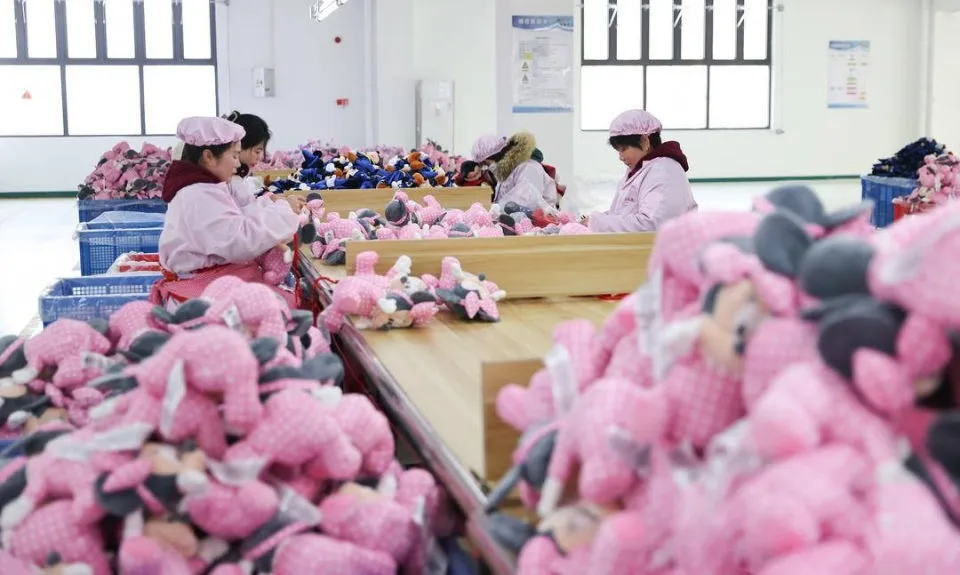
In our factory, we treat final finishing and testing as a mix of visual checks, hands-on comfort tests, and simple stress tests before any lab testing.
A practical finishing and QC checklist looks like this:
| Checkpoint | What We Do in the Factory | Desired Result |
|---|---|---|
| Shape & balance | Place plush sitting / lying in normal poses | No tipping over, weight feels even |
| Surface quality | Inspect seams, fabric, embroidery by hand | No sharp corners, no loose threads or flaws |
| Weight confirmation | Weigh sample on scale | Within agreed tolerance vs. spec sheet |
| Internal movement | Gently shake and squeeze plush | No noisy “clumps”, pellets stay in place |
| Seam strength spot-test | Apply firm, controlled pulls on stress areas | No seam opening or popping sounds |
| Comfort test | Hold on lap / against chest for a few minutes | Feels comfortable, not overly hard or rigid |
Adjusting comfort before mass production
If, during tests, the plush feels too hard or awkward, we adjust:
- Pellet-to-fiber ratio (more fiberfill around pouches).
- Pouch size and placement (smaller but more pouches for smoother distribution).
- Total weight (slight reduction can make a big difference in comfort).
Sometimes a 10–15% change in weight or a small move in pouch position completely changes the “personality” of the plush. This is why we always suggest final testing with real people—team members, sample users—before locking in the spec.
Designing for long-term durability
For retail and e-commerce, remember that weighted plush will face:
- Shipping vibration and compression
- Repeated handling in shops or warehouses
- Daily hugging and carrying by end users
A well-finished weighted plush keeps its shape and stitching through all this. This is not just a technical issue; it directly affects reviews, repeat orders, and your brand trust.
At Kinwin, when we develop weighted plush for clients, we keep a “golden sample” as a master reference for appearance, feel, and weight. Production teams and QC inspectors compare bulk goods against this sample to keep every batch on track.
Conclusion
A successful weighted stuffed animal is more than a toy with extra pellets. It is a carefully engineered product: the right materials, safe and even weight distribution, strong internal pouches, reinforced seams, and thoughtful testing for comfort and durability. When each step is handled well, weighted plush can offer calming, cozy support while still meeting the safety and compliance needs of global markets.
At Kinwin, my team helps buyers turn regular plush designs into weighted plush ranges that respect EN71 and ASTM expectations, stay comfortable in real use, and fit each brand’s target price and age group. If you are planning a new weighted plush project—or want to upgrade an existing design—we are ready to support you from pattern and pouch design to bulk production. You’re very welcome to contact me at [email protected] or visit kinwintoys.com to explore how our factory can help you build a safe, reliable weighted plush line.