When you watch a child hug a stuffed animal, you can see that it is more than “just a toy.” It becomes a friend, a listener, and sometimes even a small piece of home they can carry everywhere.
As a plush manufacturer, understanding why kids like stuffed animals helps you design product lines that feel natural in their hands and hearts. In this guide, I will walk you through the emotional, sensory, and cultural reasons behind children’s love for plush toys, and how you can turn these insights into better products for your market.
What emotional and developmental needs make kids drawn to stuffed animals?
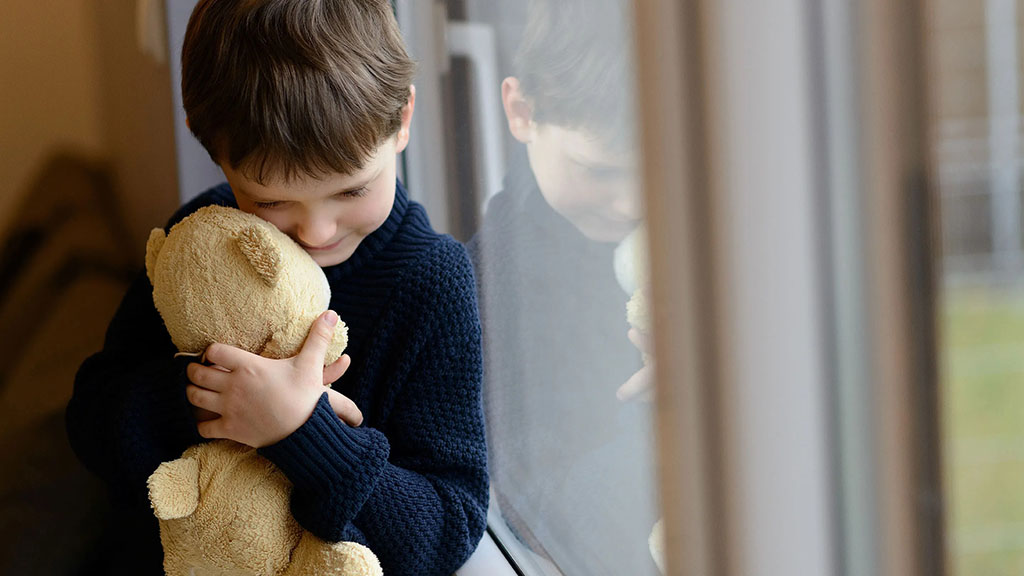
From a very young age, many children look for something soft and constant in their world. Parents change, the home changes, even school and friends change—but a stuffed animal can stay the same. This simple stability gives children emotional support.
Kids like stuffed animals because they answer several emotional and developmental needs at once: comfort, safety, routine, and the chance to practice caring for “someone else.” Plush toys act as quiet partners in the child’s inner world, and this connection can last for many years.
You can think of it like this:
| Emotional / Developmental Need | How a Stuffed Animal Helps | What this means for your product line |
|---|---|---|
| Comfort and soothing | Soft toy to hug during stress or bedtime | Bedtime buddies, “security” plush |
| Sense of safety | Familiar object in new or scary situations | Travel-size plush, school bag friends |
| Routine and stability | Same toy present in daily rituals | Durable designs that survive long-term use |
| Practice of empathy | Child cares for the plush like a friend or baby | Toys that invite nurturing and pretend caregiving |
| Emotional expression | Children talk to plush when words are hard | Neutral, friendly faces that “listen” |
Stuffed animals as “safe spaces”
For many kids, a plush toy is the one place where they can express feelings without judgment. They can talk to it, cry with it, or squeeze it tightly when they feel overwhelmed. Even older children sometimes keep one special plush hidden on their bed or shelf for this reason.
When your brand offers soft toys that feel gentle, open, and friendly, you are not only selling a product; you are offering a portable emotional anchor.
Supporting healthy development
Through soft toys, children also:
- Practice taking care of others
- Learn to name and manage feelings
- Build small daily rituals (bedtime stories, tea parties, pretend school)
When your designs support these behaviors—through size, shape, and expression—you help both parents and kids use plush toys as tools for healthy growth.
How do softness, texture, and form influence a child’s sensory engagement?
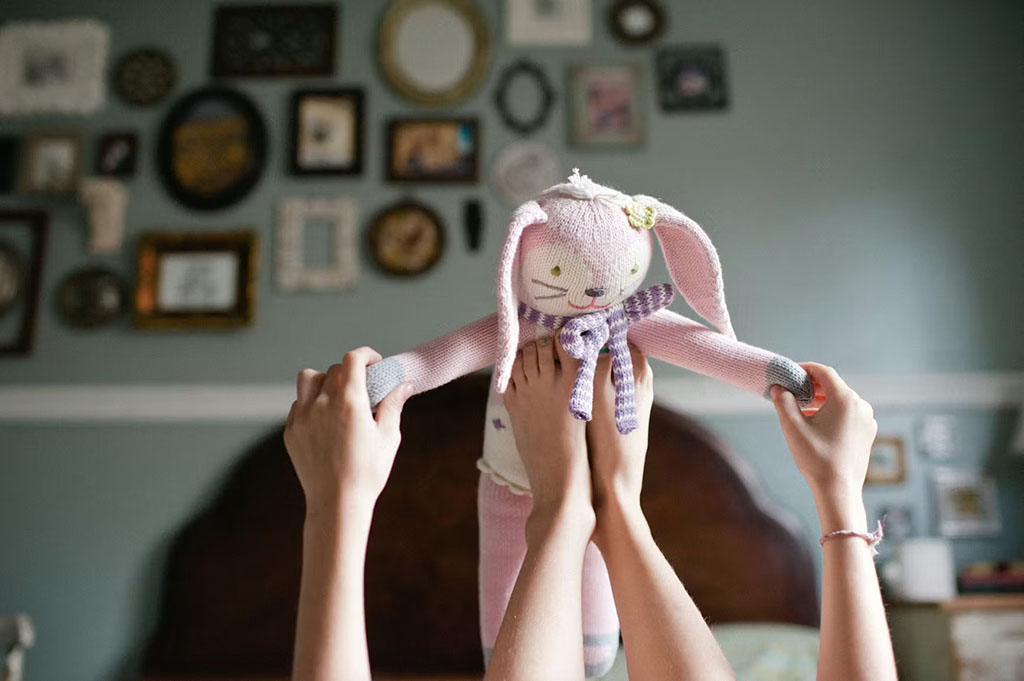
Children explore the world with their senses. The way a plush toy feels under the hand or cheek is often the first reason a child chooses it over another. For many young users, the sensory experience is just as important as how the toy looks.
Softness, fabric texture, weight, and form all play a role. Some kids like ultra-soft, low-pile plush they can press to their face. Others enjoy interesting textures, like corduroy lines or fluffy fur, which help them fidget and self-soothe.
Here is a simple view of sensory features:
| Sensory Feature | Child Experience / Reaction | Design Implication for Brands |
|---|---|---|
| Softness | Feels safe, calming, gentle on skin | Use high-quality minky or short plush |
| Texture variation | Fingers explore, calming repetitive touch | Add ears, tags, patches with different textures |
| Warmth and weight | Heavier plush feels grounding and “serious” | Consider slightly weighted bodies for older kids |
| Size and form | Small: easy to carry; big: full body hugs | Offer multiple sizes for different use scenes |
| Squeeze and rebound | Plush that “springs back” feels higher quality | Control stuffing density and resilience |
Why soft touch matters so much
Skin contact is powerful for children. A soft, non-scratchy plush supports:
- Bedtime routines and better sleep
- Calmness during travel, doctor visits, or new environments
- Positive associations with your brand
When we develop samples at Kinwin, buyers often start by hugging the toy themselves. If it feels good in adult hands, it usually feels even better for kids.
Designing for different sensory profiles
Some children are very sensitive to touch. They may reject toys that feel rough, sticky, or too “busy.” Others seek more sensory input and enjoy toys with tags, knots, or mixed fabrics.
By mixing smooth plush with small textured areas, you can serve both groups. For example:
- A super-soft body with slightly textured inner ears
- Flat labels or soft tags that are safe to rub between fingers
- Embossed or quilted details that add subtle touch variety
This gives you more room to tell a sensory story in your plush range.
Which psychological factors link plush toys to comfort, security, and imagination?
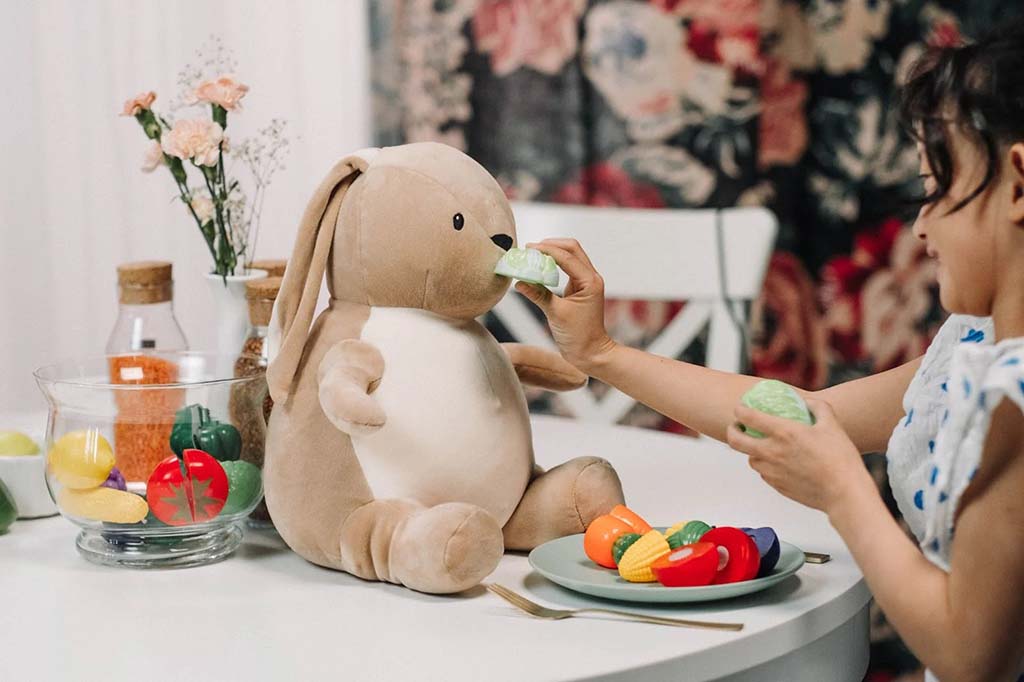
Psychologists often talk about “transitional objects”—items that help a child move from complete dependence on parents to more independence. Stuffed animals are classic transitional objects. They stand in for a parent when the parent is not there.
Plush toys support comfort and security by being always available, always the same, and always accepting. At the same time, they offer a blank canvas for imagination. A child can decide that their plush is brave, shy, magical, or silly, and use it in many different stories.
Here is how some key psychological factors connect to plush toys:
| Psychological Factor | Role of Stuffed Animal | Impact on child experience |
|---|---|---|
| Attachment | Acts as a stable “friend” when parents are away | Reduces anxiety, supports self-soothing |
| Transitional object | Helps child handle separation and change | Eases bedtime, daycare, travel |
| Symbolic play | Toy becomes a character, hero, or helper | Supports creativity, story-building |
| Projection of feelings | Child gives toy their own feelings and voice | Helps them process fear, joy, anger |
| Sense of control | Child directs the toy’s actions and fate | Builds confidence and internal strength |
Comfort through predictability
In a world that often feels big and confusing, a plush toy is simple and predictable. It does not change expression, it always listens, and it never leaves on its own. This reliability gives children a small area of control.
For your brand, this means:
- Avoid overly aggressive or “angry” expressions for comfort plush
- Keep designs friendly and steady, not over-complicated or confusing
- Offer “series” characters so children can extend their world with familiar faces
Imagination without limits
Because plush toys are simple, children can use them in many stories: school, space travel, doctor play, family play, and more. Minimal but expressive facial features often work best, because they allow the child to imagine different emotions as needed.
When your designs avoid too-specific expressions, children can project more feelings onto the toy, which deepens attachment and long-term use.
How do play patterns and social learning shape children’s attachment to plush toys?
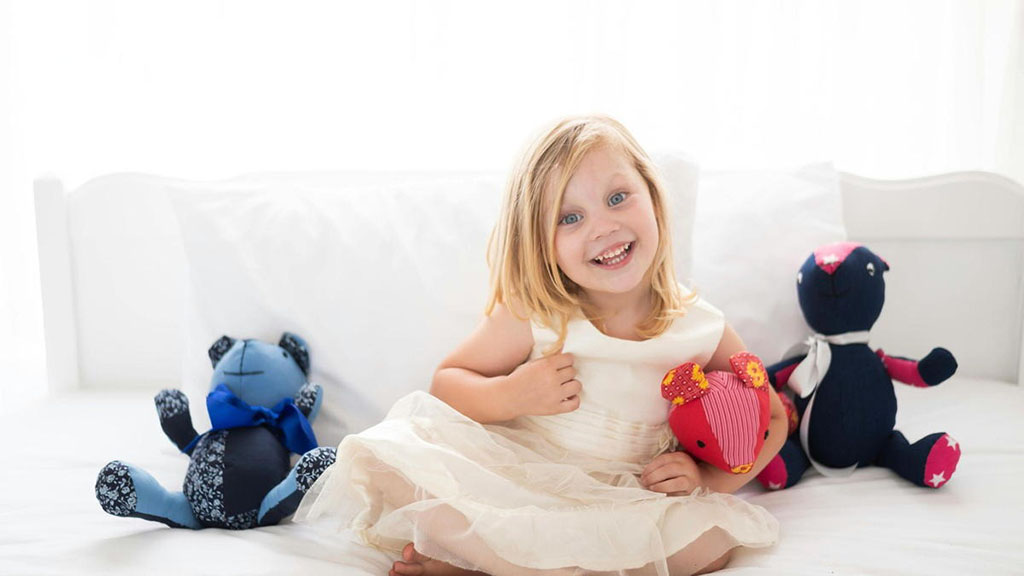
Children rarely “just hold” stuffed animals. They use them in rich, varied play patterns. Through play, they learn how relationships work, how to take turns, and how to care for others. Plush toys become safe partners in this learning.
Common play patterns include caregiving play (feeding, putting to bed), role play (teacher and student, doctor and patient), and group play where plush toys stand in for friends or family. These patterns are part of how kids practice social skills.
You can map it this way:
| Age Range (approx.) | Typical Play Pattern with Plush Toys | Social Learning Supported |
|---|---|---|
| 1–3 years | Simple hugging, carrying, basic pretend care | Learning comfort, beginning empathy |
| 3–6 years | Role play, family scenes, talking to plush | Practicing conversation and relationship rules |
| 6–9 years | More complex stories, friend groups, schools | Understanding social roles, problem solving |
| 9+ years | Collecting, display, private emotional sharing | Identity, taste, and private emotional world |
Plush toys as “practice friends”
Children often use stuffed animals to rehearse social situations:
- Apologizing
- Sharing
- Saying goodbye
- Giving advice
They might tell the plush what happened at school, then “answer” back as the plush. This is a safe way to explore conflict and repair. It helps kids try out scripts before using them with real people.
Group play and peer influence
In group settings, like kindergarten or playdates, plush toys can become part of shared worlds. Kids may create whole families or classes of plush characters. When your plush range includes sets, families, or friend groups, you support this kind of group play.
Soft toys that are easy to hold, move, and pose fit better into long, imaginative sessions. Light weight, flexible limbs, and stable sitting positions are all small construction choices that support better play patterns.
What design features increase appeal across different ages and personalities?
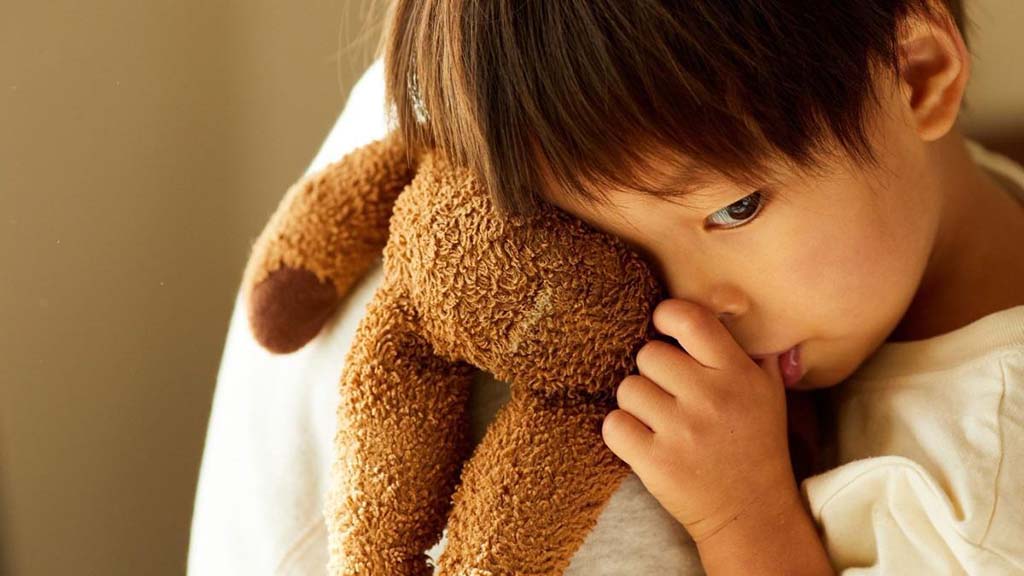
Not every child likes the same kind of stuffed animal. Some love tiny keychain characters, some prefer big “body pillow” plush, and others want detailed fantasy creatures or realistic animals. Age, personality, and even mood influence what feels right.
Design features such as size, color palette, facial style, character type, and added functions (like pockets or small accessories) help you target different groups.
Here is a practical breakdown:
| Design Feature | Younger Kids (approx. 1–5) | Older Kids & Preteens (6–12) | Teens & Young Adults |
|---|---|---|---|
| Size | Small to medium, easy to carry | Medium, display on bed or desk | Range: mini mascots to large cushions |
| Colors | Soft pastels, simple color blocking | Brighter, trend-driven colors | More variety, including muted and dark |
| Face style | Simple, gentle, big eyes | Cute, expressive, a bit more detailed | Stylized, aesthetic, may be “cool” or ironic |
| Character type | Friendly animals, simple shapes | Animals, fantasy, games, cartoons | Characters, aesthetic creatures, “kawaii” |
| Extra features | Labels, textures, simple accessories | Clothing, small items (backpacks, hats) | Poses, outfits, humor, collectable style |
Designing for different personalities
Even within the same age group, you meet different children:
- Shy, comfort-seeking
- Active, playful
- Creative, story-driven
- Trend-following and image-conscious
By offering a mix of:
- Calm, soothing plush (soft colors, gentle faces)
- Fun and silly plush (bigger smiles, stronger colors)
- Stylish plush (clean lines, neutral tones, minimalist faces)
…you give retailers and online sellers tools to reach more than one type of child or gift buyer.
Growing with the child
Some brands build “age ladders” where plush designs mature slightly as the child grows. For example:
- Baby line with very safe, simple shapes and embroidered faces
- Kids line with more detail and expressiveness
- Tween/teen line with trend colors, accessories, and strong personality
A factory partner like Kinwin can use shared pattern bases across these lines, adjusting details and fabrics to keep costs under control while still presenting clear stages to your buyers.
How do culture, media, and trends shape children’s preferences for stuffed animals?
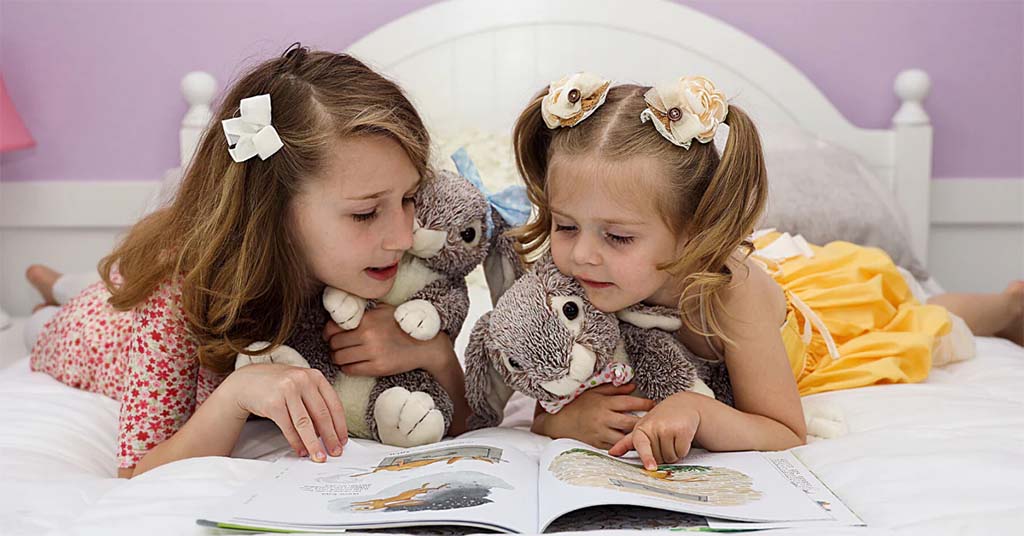
Children do not choose plush toys in a vacuum. Their preferences are heavily influenced by culture, local aesthetics, and media: cartoons, movies, games, influencers, and even school or social media trends.
In some markets, cute and round “kawaii” style dominates. In others, realistic animals or licensed characters are stronger. Global platforms like TikTok, YouTube, and streaming services quickly spread trends, so a style that starts in one region can become global in a short time.
You can think about the influences like this:
| Influence Type | Example Source | Effect on Plush Preferences | Brand Strategy Idea |
|---|---|---|---|
| Local culture | Traditional animals, lucky symbols | Higher demand for certain themes or colors | Region-specific designs |
| Media & licensing | Movies, cartoons, games | Kids want specific characters or styles | Licensed lines or inspired generic styles |
| Social media trends | Viral plush videos, “aesthetic” rooms | Demand for certain colors, shapes, sizes | Trend capsules, limited editions |
| Parenting style | Focus on learning, calm, or minimalism | Preference for “educational” or simple designs | Lines with emotional or learning messages |
| Seasonal events | Holidays, festivals, school events | Spikes in specific themes | Seasonal plush campaigns and collections |
Regional and cultural preferences
In some regions, animal types and colors carry special meanings. For example:
- Certain animals may be linked to luck, courage, or wisdom
- Some colors may be preferred or avoided in gifts
- Cultural festivals may influence theme and design (for example, year of a specific animal)
When you partner with a factory that understands these nuances, it becomes easier to localize your plush range without starting from zero each time.
Media-driven design decisions
Media and licensing can be powerful but also expensive. Not every brand wants or needs big licenses. Many choose to create “media-friendly” original characters instead—simple, recognizable shapes that could fit well in animations, storybooks, or social media content.
For example:
- A round, simple animal mascot with strong color blocking
- A small set of “friend” characters with clear personalities
- Characters designed to photograph well on beds and desks
At Kinwin, when we support brands with OEM and ODM, we often discuss not just the toy itself but the story behind it. This helps ensure the plush line can plug into campaigns, social content, and long-term trend cycles.
Conclusion
Kids like stuffed animals because they offer comfort, sensory pleasure, space for imagination, and a safe way to practice relationships. When your plush designs respect these deep emotional and developmental needs, your products feel more natural in children’s lives and more valuable to parents and gift buyers. At Kinwin, my team helps global buyers turn these insights into real plush ranges—balancing soft materials, child-friendly design, safety standards, and market trends.
If you are planning a new stuffed animal collection or want to refresh your current line with stronger emotional appeal and better market fit, we are ready to support you from concept and sampling to mass production with CE and ASTM compliance. You are welcome to contact me at [email protected] or visit kinwintoys.com to explore how our factory can help your plush brand grow with confidence.