When you hear people talk about vinyl figures today, they are not only talking about “plastic toys.” They are talking about display pieces, fan collectibles, desk decor, and small 3D artworks that carry strong brand and character stories.
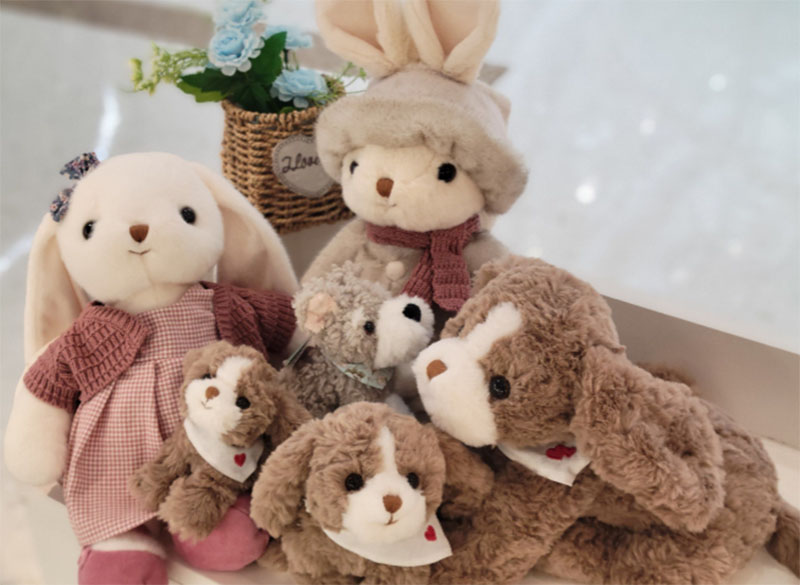
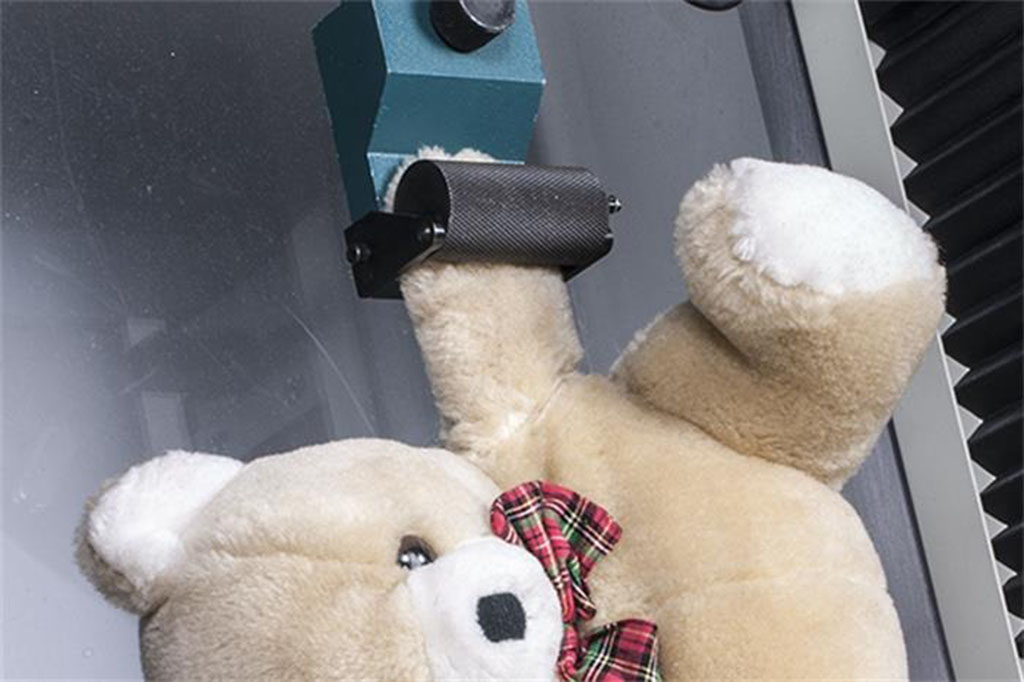
From my daily work with global toy buyers, I see more and more brands thinking about plush and vinyl together. Plush gives softness and comfort; vinyl figures give sharp shape and display value. When you understand what vinyl figures really are, you can plan stronger character systems and product lines for your business.
In this guide, I’ll explain vinyl figures in simple language from a sourcing and branding point of view, so you can talk with factories, licensors, and marketing teams with much more confidence.
What defines a vinyl figure in today’s collectibles market?
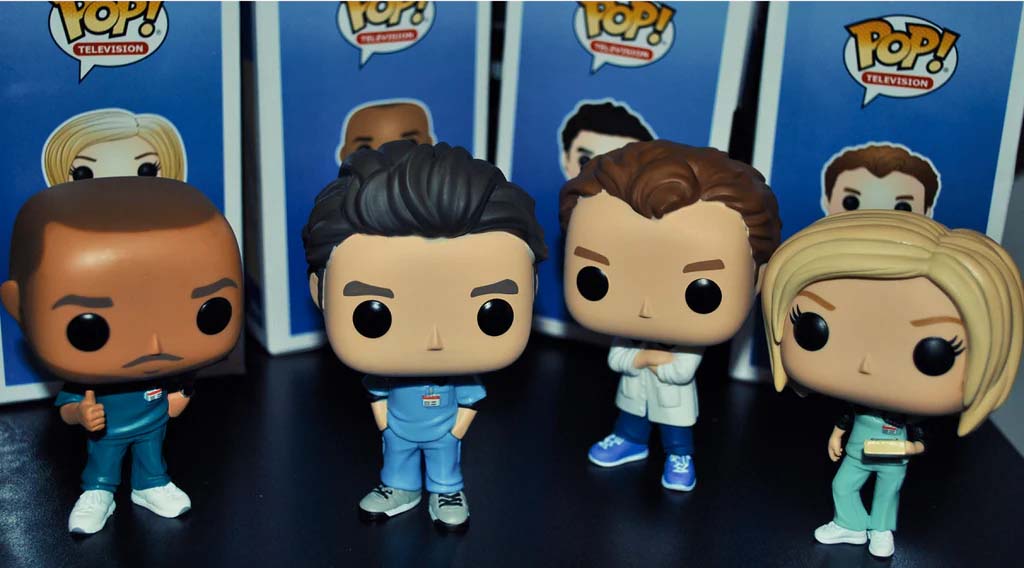
At its core, a vinyl figure is a three-dimensional character object made mainly from vinyl plastic, created for display and collecting rather than rough play. It usually stands on a desk or shelf, and it often represents a character, mascot, or piece of art.
Most people see vinyl figures as a bridge between toys, fandom, and design. They are often bought by teens and adults, not just children. Many are part of series, blind boxes, or limited editions, which makes them feel special and collectible.
How vinyl figures compare to other toy types
You can understand vinyl figures more clearly when you compare them to plush and regular toys:
| Aspect | Vinyl Figure | Plush Toy | Regular Action Figure |
|---|---|---|---|
| Main material | Vinyl plastic (often PVC) | Soft fabric + stuffing | Mixed plastics, sometimes rubber and metal |
| Main purpose | Display, collecting, fandom | Comfort, play, decor | Play, posing, action scenes |
| Movement | Often fixed pose or very limited articulation | No hard joints, fully soft | Many joints, poseable |
| Audience | Teens, adults, collectors, fans | Babies, kids, families, decor buyers | Mainly kids + some adult collectors |
| Sales logic | Series, limited runs, exclusives, collabs | Core SKUs, gift items, licensed plush | Toy aisles, play sets, character ranges |
So when you hear “vinyl figure,” think: compact, stylized, display-focused character made from vinyl, often sold in boxes that collectors keep and display.
How do materials and manufacturing processes determine vinyl figure quality?
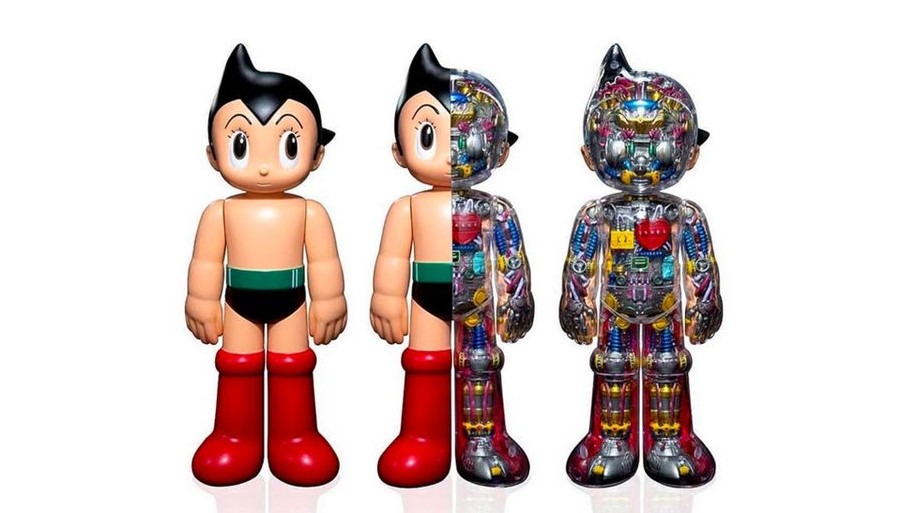
Two vinyl figures can look similar in photos but feel completely different in hand. The difference often comes from which plastics are used and how they are molded and painted.
Most vinyl figures use:
- PVC (polyvinyl chloride) for main bodies and heads
- ABS for harder parts like bases or accessories
- Soft vinyl / rotocast vinyl for larger, hollow or softer-feel parts
Then manufacturers add paint, coatings, and sometimes special finishes (matte, gloss, metallic, pearlescent, glow-in-the-dark, etc.). Small choices at each step affect quality, cost, and perception.
Key materials and processes at a glance
| Element | Typical Options / Methods | What It Changes for Quality |
|---|---|---|
| Base plastic | PVC, ABS, soft vinyl | Weight, feel in hand, detail level, durability |
| Molding process | Injection molding, rotocasting | Wall thickness, sharpness of details |
| Joint design (if any) | Simple plugs, swivels, ball joints | Movement options and break risk |
| Surface prep | Primers, light sanding | Paint adhesion, smoothness |
| Decoration | Spray masks, pad print, hand paint | Face accuracy, logo clarity, small color details |
| Topcoat / finish | Matte, satin, gloss | Overall look, scratch resistance |
What buyers should check in samples
When you hold a vinyl figure sample, key quality signs include:
- Clean seams and minimal mold lines
- Sharp sculpting of hair, edges, and small details
- Aligned eyes and graphics with no misprint
- Stable standing on a flat surface
- No strong plastic smell and smooth, even coating
These details are the vinyl version of what stitching and stuffing are in plush: they send a message about the whole manufacturing level behind the brand.
Which design styles and formats categorize modern vinyl figures?
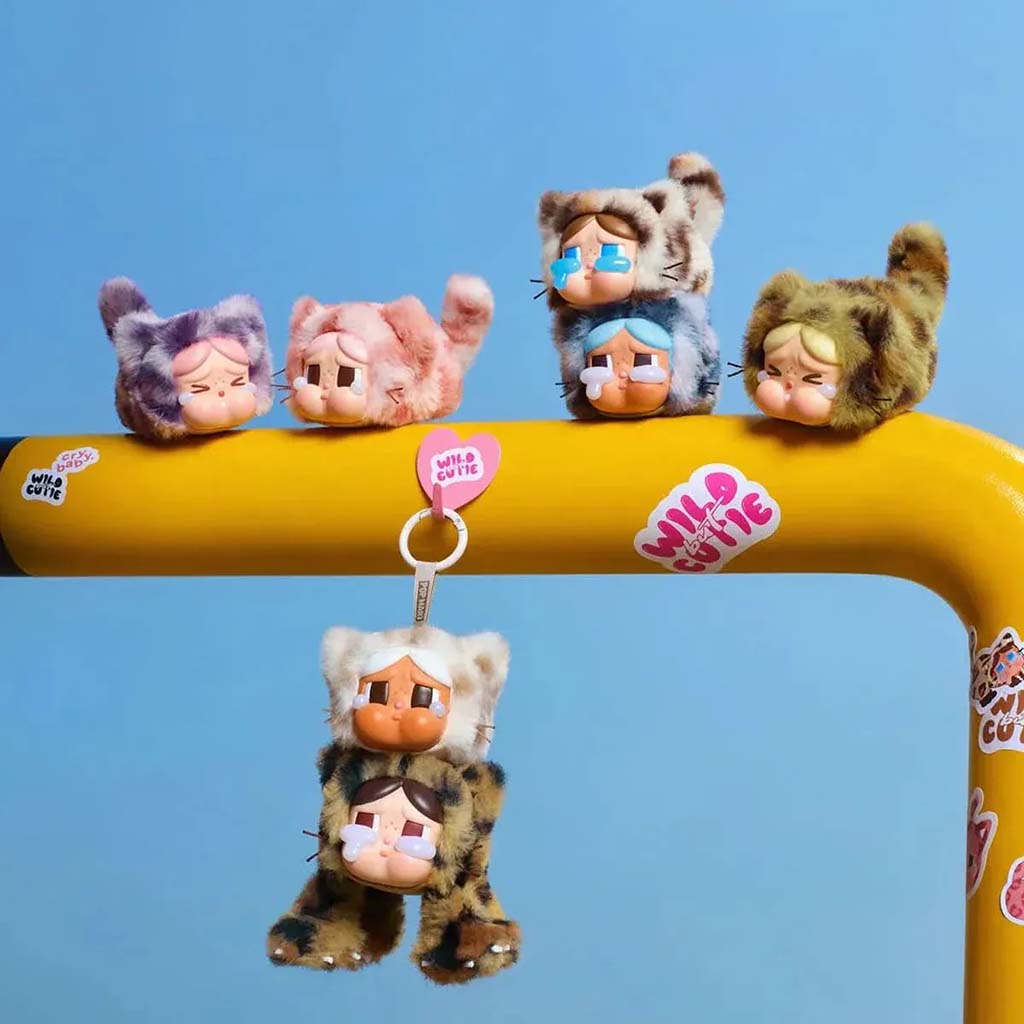
Vinyl figures now live in many styles and formats. Some are cute, some are realistic, some are very abstract. For planning and marketing, it helps to group them so your team and your customers can understand the offer at a glance.
Most modern vinyl figures can be described along two lines:
- Style – how the figure looks and feels
- Format – size, packaging, and sales method
Main design styles in vinyl figures
| Style Type | Visual Features | Typical Audience / Use |
|---|---|---|
| Chibi / super-deformed | Oversized head, small body, big eyes | Anime, game, and K-pop fans, casual collectors |
| Cute / kawaii | Rounded shapes, soft colors, simple faces | Young adults, desk decor buyers, gift market |
| Realistic | Natural proportions, detailed anatomy and outfits | Hardcore fans, statue collectors |
| Urban / street | Bold lines, graffiti feel, attitude poses | Art toy collectors, design-forward buyers |
| Abstract / art toy | Symbolic shapes, artist-driven concepts | Art and design community, limited-edition buyers |
Common vinyl figure formats
| Format | Typical Size / Features | Business Logic |
|---|---|---|
| Mini figure | 5–8 cm, often sold in blind boxes | High collectability, repeat purchase |
| Standard | 9–15 cm, window box, clear display | Mainline SKUs, gifts, general collectors |
| Jumbo / XL | 20 cm and above, large box or closed box | Premium, statement pieces, display items |
| Keychain / charm | 3–5 cm with key ring or strap | Impulse buys, add-ons, cross-category merch |
| Diorama / set | Base + multiple characters or props | Higher price point, display storytelling |
For your brand, choosing a clear style + format combination at the start will guide pricing, tooling cost, packaging size, and marketing angle. For example, “kawaii mini blind-box series” is very different from “realistic 1/6 scale display figures” even though both are “vinyl.”
How do licensing, branding, and artist collaborations shape vinyl figure creation?
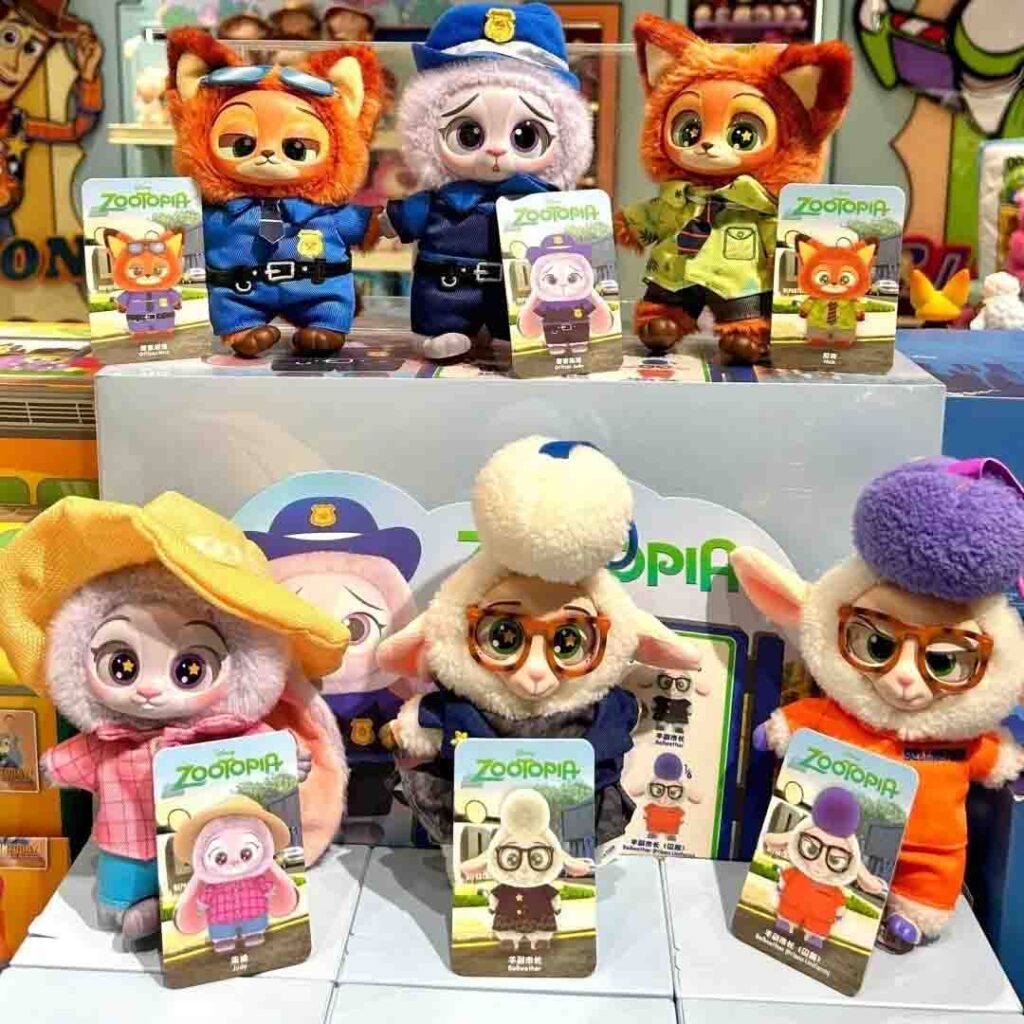
Vinyl figures sit at the meeting point of IP, design, and manufacturing. Many strong vinyl lines are built around one or more of these pillars:
- Licensed IP – characters from games, anime, films, sports, streaming, etc.
- Brand mascots – food, fashion, tech, or lifestyle brand characters
- Artist-designed characters – original designs from illustrators or street artists
Each pillar shapes how a vinyl figure looks and how the project is managed.
Different creation models for vinyl figures
| Creation Model | Who Leads the Character Vision | What It Controls Most |
|---|---|---|
| Licensed character | Licensor’s brand and style guides | Character likeness, logo use, color rules |
| In-house brand IP | Brand’s own design team | Story world, product roadmap, cross-merch |
| Artist collab | Independent artist or studio | Silhouette, theme, visual identity |
In a licensed project, the licensor provides:
- Reference art and 3D models
- Style guides for faces, colors, and logos
- Approval loops for sculpt, paint, and packaging
In an artist collab, the artist often sees the vinyl figure as an art object. They care strongly about:
- Shape and posture
- Exact face and line style
- Color matching to their original work
Branding also plays a big role in vinyl:
- Your logo on box and base
- Consistent series names
- Shared design language across sizes and materials
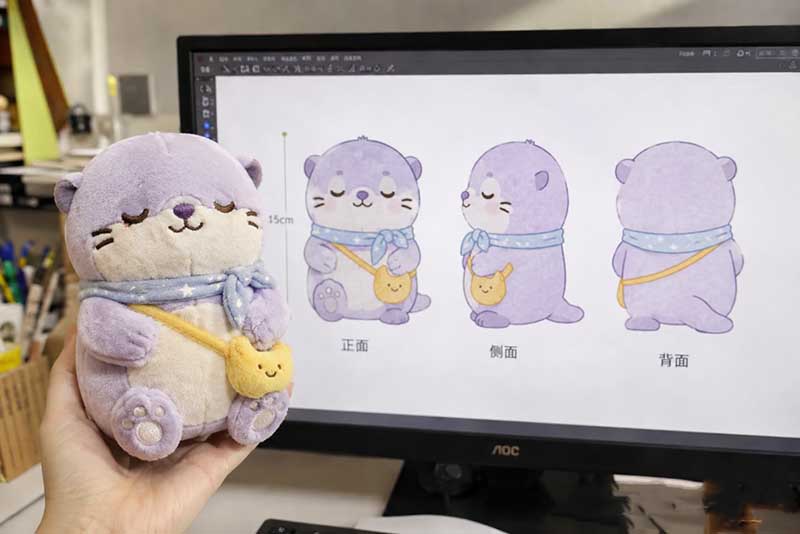
For example, a brand that already has plush characters can extend them into vinyl, keeping the same expressions and colors but shifting to a more graphic, display-focused form. This is a good way to deepen your character IP without starting from zero.
What factors drive collector demand and long-term value?
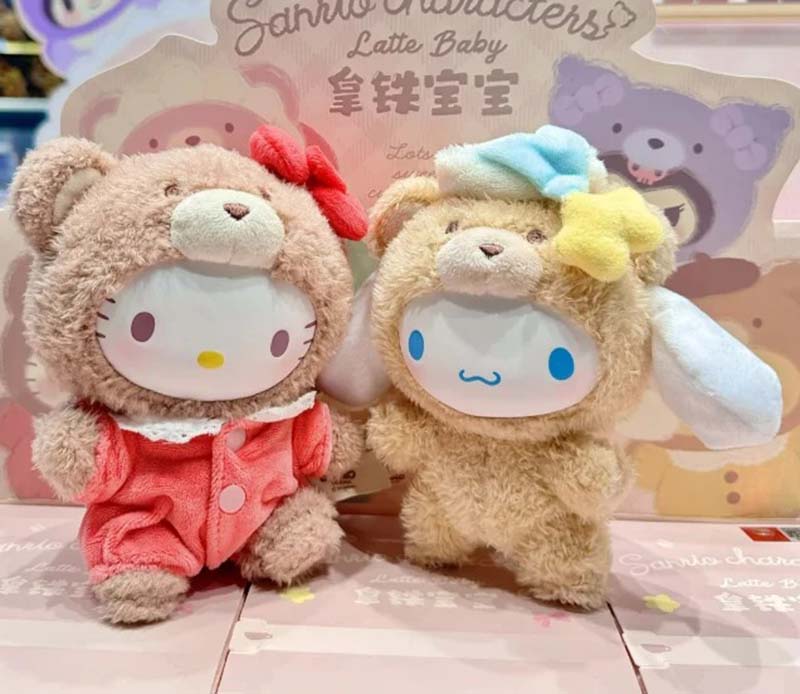
Not every vinyl figure becomes “rare” or valuable. Most are loved as personal collectibles, not as investments. Still, some pieces do gain long-term value, and understanding why can help you structure your product line more wisely.
Collector demand is usually shaped by a mix of:
- IP or artist strength – how much people care about the character or creator
- Design quality – sculpt, paint, pose, and concept
- Scarcity and timing – edition size, release moment, and region
- Community and culture – how fans talk about and share the figure
Key demand and value drivers
| Factor | Why It Matters | What You Can Control as a Brand |
|---|---|---|
| Character / artist | Strong fanbase = more base demand | Choice of IP, artist collaborations |
| Sculpt & paint | Premium look and feel encourages buying | Investment in good sculpt and deco |
| Edition size | Lower numbers feel more exclusive | Limited vs open runs, per-color quantities |
| Story & theme | Figures that “say something” feel special | Clear concept for each series |
| Community buzz | Online talk, unboxings, trade groups | PR, seeding to creators, launch events |
| Condition & packaging | “Mint in box” matters to many collectors | Strong packaging, good shipping protection |
For your planning, it is usually better to focus on healthy, stable sales rather than speculation. But if you understand what collectors value, you can:
- Plan some limited editions that support brand image
- Design strong core figures that stay in print longer
- Use variants carefully (colors, finishes) to keep interest without confusing buyers
How do exclusives, limited runs, and packaging influence popularity and pricing?
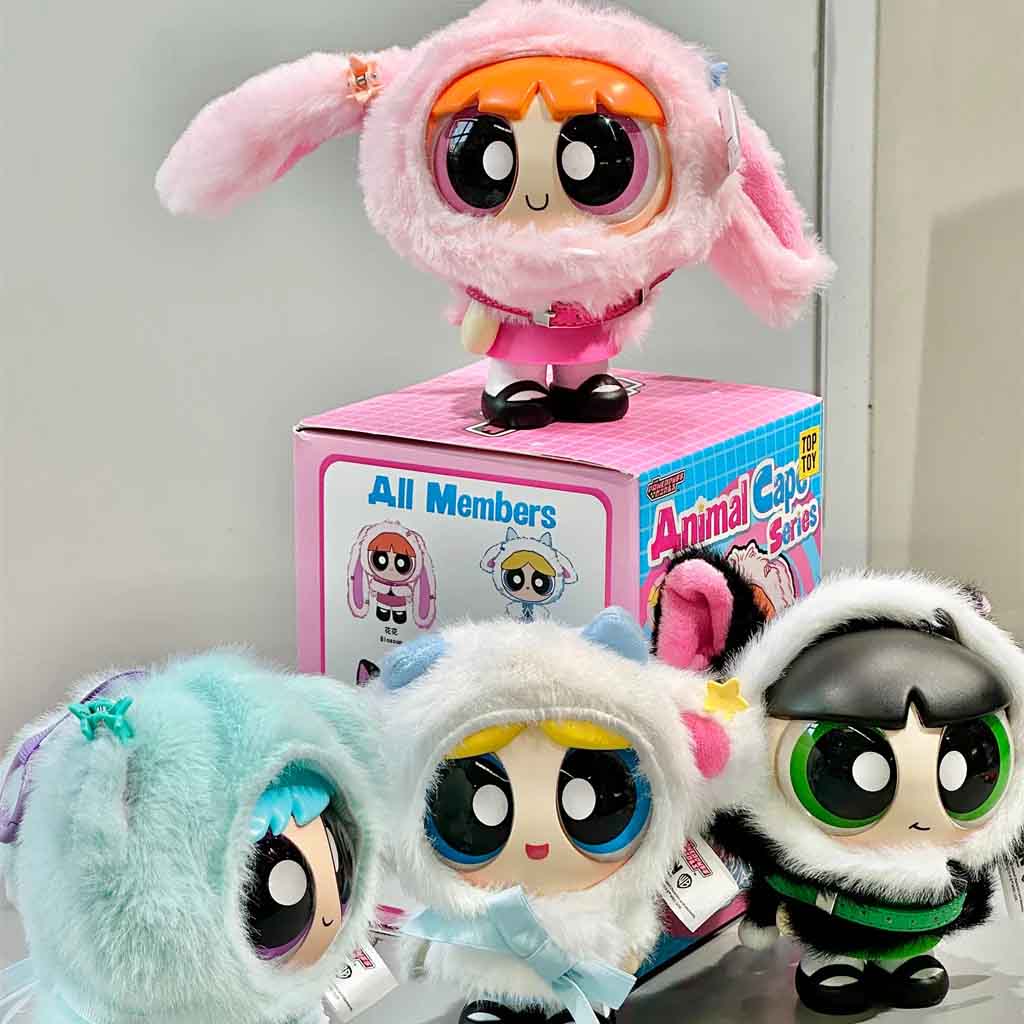
In vinyl collectibles, how many you make, where you sell them, and how you package them all send strong signals to the market. These signals influence both short-term hype and long-term pricing.
Roles of limited runs and exclusives
You will often see terms like “limited edition,” “store exclusive,” or “convention exclusive.” These give buyers a sense of urgency and rarity.
| Release Type | Basic Idea | Effect on Popularity and Price |
|---|---|---|
| Open edition | Produced as long as demand exists | Stable supply, easier entry price |
| Limited edition | Fixed run (e.g., 500 or 2000 pcs) | Higher perceived value, more urgency |
| Numbered edition | Each piece labeled (e.g., 123/500) | Strong appeal for serious collectors |
| Store / region exclusive | Available only in one shop or region | Drives traffic and travel, supports premium |
| Event / con exclusive | Sold at events, festivals, conventions | Builds brand buzz and social-media presence |
| Chase / rare variant | Low-percentage variant in blind boxes | Encourages repeated purchase and trading |
Used with care, these tools can help you:
- Reward loyal fans
- Support special partners (retailers, cons)
- Create exciting moments in your release calendar
Used too heavily or without clear planning, they can confuse customers and reduce trust.
Packaging as part of the vinyl figure experience
For many collectors, the box is part of the product. Packaging can:
- Protect the figure
- Display the design
- Communicate edition, artist, and story
A strong packaging system usually includes:
| Packaging Element | Purpose | Impact on Brand and Pricing |
|---|---|---|
| Window or display panel | Shows the figure without opening | Supports “display in box” collectors |
| Graphic design | Shares character story and brand identity | Makes item feel official and premium |
| Edition and collab info | Lists limited run, artist name, logos | Adds perceived value and collectability |
| Inner tray or blister | Holds figure steady and protects small parts | Reduces breakage and paint damage |
| Stickers / seals | Mark exclusives, limited series, or events | Simple way to highlight special releases |
Good packaging does cost more, but it often supports higher retail pricing and better shelf presence. In many cases, collectors are willing to pay more for a vinyl figure that feels like a complete experience: box, graphics, story, and character all working together.
Conclusion
A vinyl figure today is much more than a plastic character—it is a shaped mix of materials, sculpt, branding, licensing, edition planning, and packaging that turns simple IP into a serious collectible. When you understand how style, production, exclusives, and community expectations all connect, it becomes much easier to plan vinyl-friendly characters, bundle them with plush, or build cross-category product lines for your brand.
At Kinwin, our main focus is plush toys and stuffed animals, but we often help buyers think about character systems that can extend into vinyl and other merchandise. If you’d like support in shaping plush lines that match your collectible strategy, you’re welcome to contact me at [email protected] or visit kinwintoys.com.