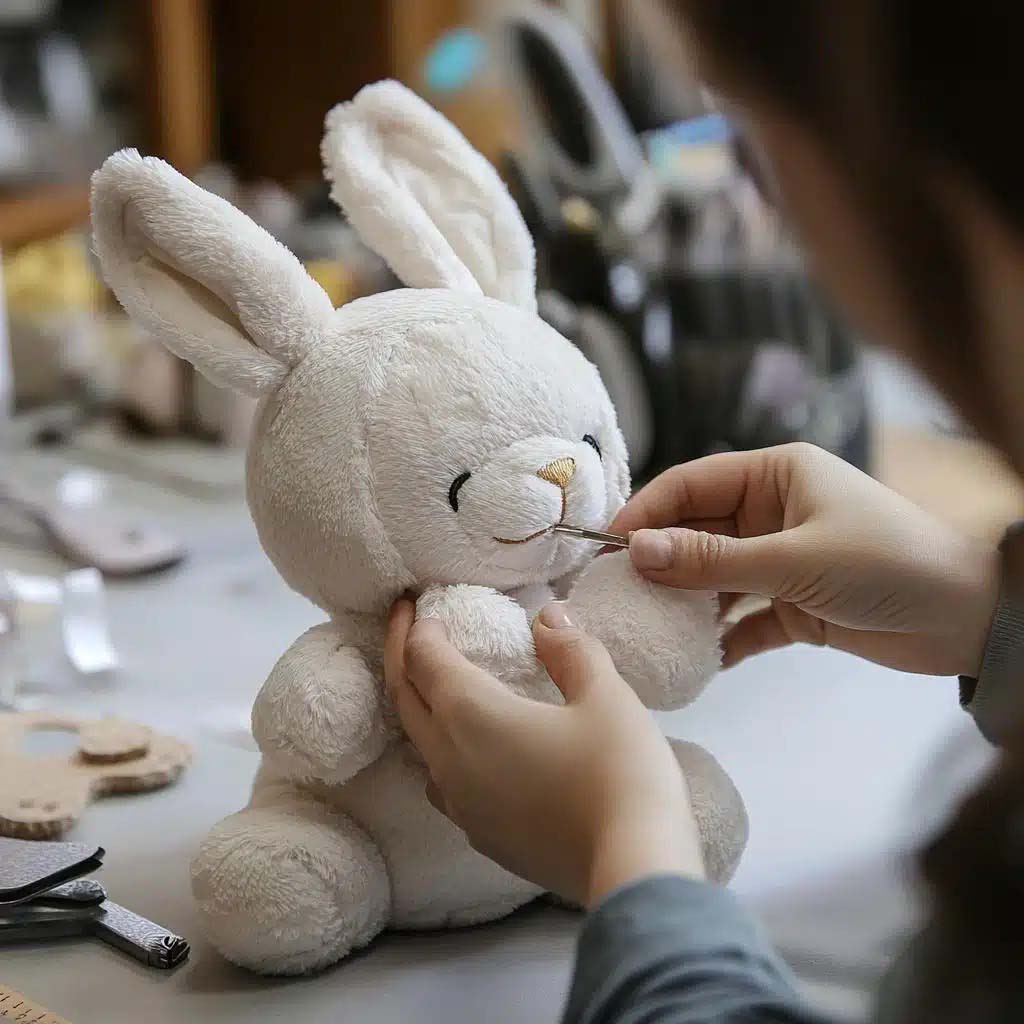
When people talk about “vinyl figures” today, they usually mean stylized collectible characters made from vinyl plastic. These can be cute, serious, funny, or abstract. Some are mass-market; others are limited art pieces that sell out in minutes.
As a plush and toy manufacturer, I see more and more buyers asking how vinyl figures work, how they are produced, and why some pieces become highly collectible. In this guide, I’ll walk you through the basics in simple language so you can understand the space, plan products, or speak with suppliers and licensors more confidently.
What defines vinyl figures in the modern collectibles industry?
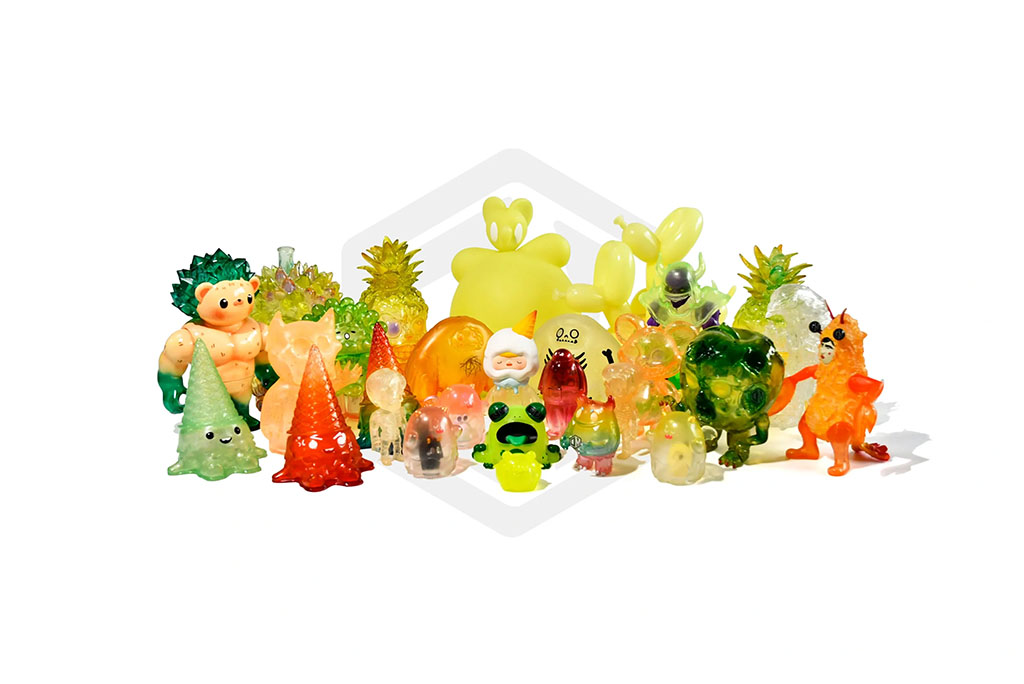
Vinyl figures sit between toys and art. They are not just “plastic dolls.” They are character objects created for display, collecting, and sometimes gentle play. Most of them are non-poseable, stylized, and designed to stand on a shelf or desk.
Key traits that define vinyl figures today:
- Made mainly from vinyl plastics (often PVC or soft vinyl)
- Represent characters, mascots, or original art
- Focus on sculpt and paint details, not only function
- Often launched as series with variations and themes
- Sold to teens and adults as collectibles, not only to children
Here is a simple overview of how vinyl figures differ from other toys:
| Aspect | Vinyl Figures | Regular Toys / Action Figures |
|---|---|---|
| Main purpose | Collecting, display, fandom | Play, role-play, general entertainment |
| Material focus | Vinyl plastic (PVC, soft vinyl) | Mixed plastics, sometimes metal and fabric |
| Movement | Often fixed pose, limited or no articulation | Many joints and moving parts |
| Audience | Teens, adults, collectors, fandoms | Mainly children (plus some adult collectors) |
| Sales logic | Series, limited runs, exclusives, art value | Mass volume, toy aisles, kids’ marketing |
When your brand understands these traits, you can see vinyl figures as a collectible format and storytelling tool, not only as “another plastic product.”
How do materials and manufacturing methods shape vinyl figure quality?
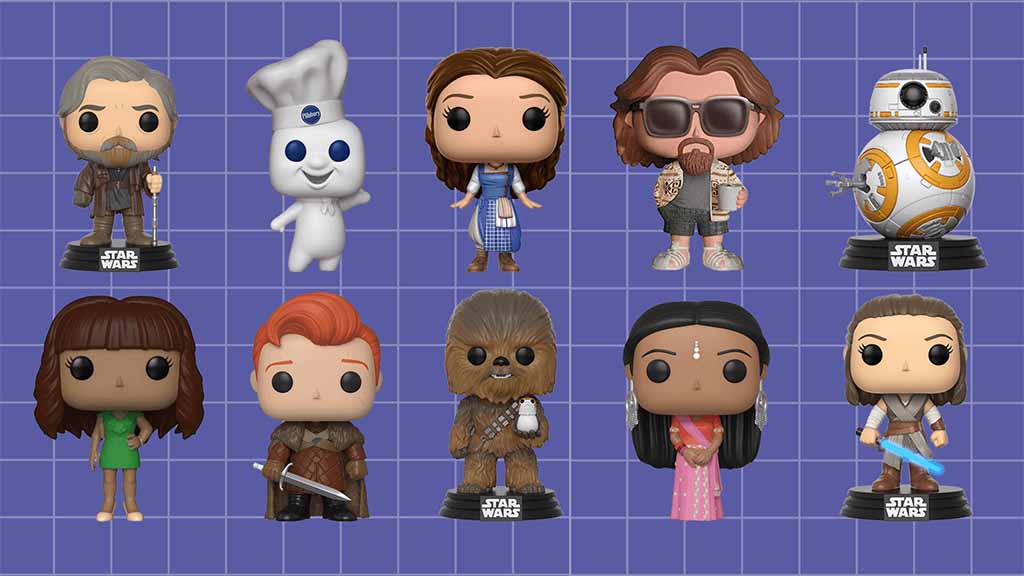
Behind every vinyl figure is a mix of material choice and production method. These two points decide how heavy the figure feels, how sharp the details are, and how stable the paint stays over time.
Most vinyl figures use:
- PVC (polyvinyl chloride) for main bodies and heads
- ABS for harder parts like bases or accessories
- Soft vinyl (often rotocast) for large or hollow pieces
The manufacturing method must match the design. A chibi figure with a big head uses different tooling logic from a long, thin character or a large art figure.
Materials and methods at a glance
| Material / Method | Typical Use in Vinyl Figures | Effect on Quality and Feel |
|---|---|---|
| PVC injection molding | Heads, bodies, arms, standard-size parts | Sharp detail, consistent shapes, good durability |
| ABS injection molding | Bases, weapons, small hard parts | Strong and rigid, keeps thin parts straight |
| Soft vinyl / rotocast | Larger hollow bodies, art toys, “sofubi” style | Lighter weight, softer walls, retro feel |
| Hand painting / tampo | Eyes, logos, small markings | Decides face expression and brand accuracy |
| Spray masks / airbrushing | Shading, gradients, special effects | Adds depth and “premium” look |
Key quality points buyers often check:
- Wall thickness – too thin feels cheap and fragile; too thick feels heavy and expensive to ship.
- Paint alignment – eyes and markings must sit correctly on sculpted areas.
- Color stability – colors should stay bright and not fade or turn sticky over time.
When you work with a factory, clear specs about materials (PVC vs soft vinyl), paint types, and finishing level will help you avoid surprises when the first samples arrive.
Which design styles and formats categorize today’s vinyl figures?
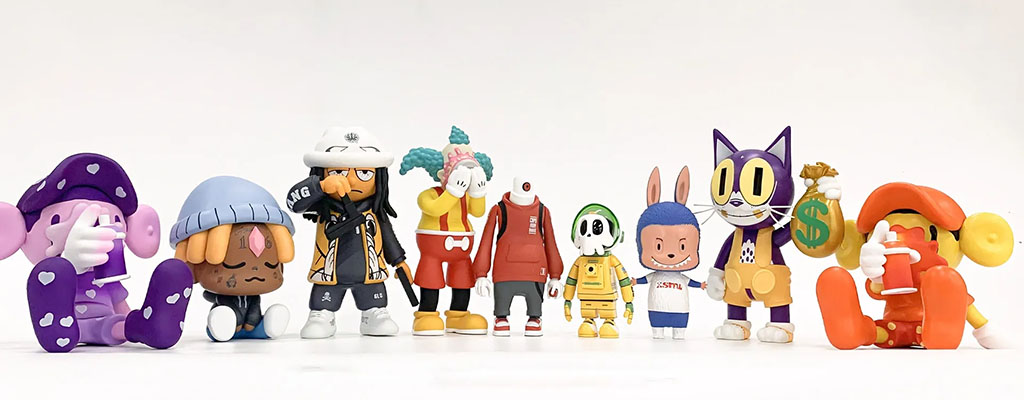
Vinyl figures cover many looks and sizes, from tiny blind-box minis to large statement pieces. Collectors often think in styles and formats, not only in characters.
Common design styles include:
- Chibi / super-deformed – big head, small body, simple features
- Cute / kawaii – rounded shapes, soft expressions, pastel colors
- Realistic – more natural proportions and detailed anatomy
- Urban / street art – bold lines, graffiti influence, strong attitude
- Abstract art toys – shapes based on artist concepts, not realistic bodies
Common formats include:
- Mini figures (5–10 cm)
- Standard figures (around 10–15 cm)
- Jumbo figures (20 cm and above)
- Blind box series – small figures sold in mystery packaging
- Keychain or bag-clip figures – tiny versions attached to hardware
Style and format overview
| Category Type | Example Segment | Key Traits | Typical Buyers |
|---|---|---|---|
| Style | Chibi / “big head” | Exaggerated head, simplified body, cute look | Fandom fans, casual collectors, gift buyers |
| Style | Designer / art toy | Signature artist style, bold shapes or messages | Art toy collectors, design fans |
| Style | Realistic | Detailed sculpt, accurate costumes and faces | Hardcore fans of specific IP, adult collectors |
| Format | Blind box mini | Small size, mystery assortment | Younger collectors, “gacha” fans |
| Format | Standard display figure | 10–15 cm, open box or window box | General collectors, gift buyers |
| Format | Jumbo / deluxe | Larger size, premium pricing | Serious collectors, display-focused buyers |
When you plan a new line or collaboration, deciding style + format early makes all later decisions easier—packaging size, price point, and production method naturally follow.
How do licensing, branding, and artists influence vinyl figure creation?
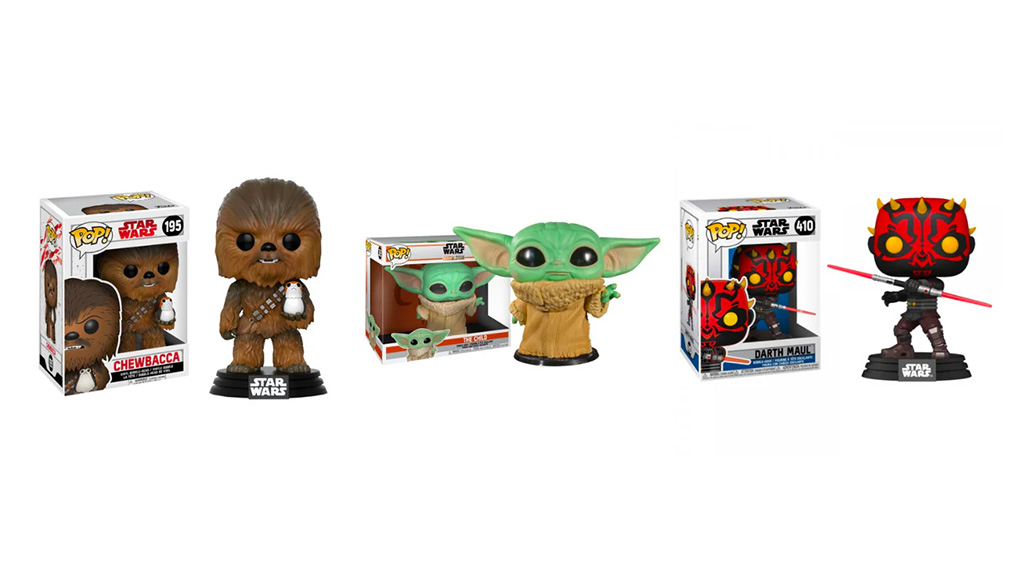
Vinyl figures live at the intersection of IP licensing, brand storytelling, and artist creativity. Many successful figures are not stand-alone products; they are physical expressions of a story world, a brand, or a creator’s style.
Three big forces typically shape a vinyl figure project:
- Licensed IP – movies, games, anime, comics, sports teams, mascots
- Brand concepts – fashion labels, lifestyle brands, food or drink brands
- Individual artists – illustrators, street artists, character designers
How each influence type shapes the product
| Influence Type | Role in Vinyl Figure Creation | What It Usually Controls |
|---|---|---|
| Licensed IP | Uses existing characters and story worlds | Character design, colors, poses, logos |
| Brand licensing | Extends brand into collectibles and merch | Brand icons, colors, slogans, packaging style |
| Artist-driven | Turns an artist’s 2D or digital work into 3D objects | Overall silhouette, face style, art themes |
For licensed vinyl figures, there is usually a style guide and an approval process. The licensor checks:
- Character likeness
- Logo use and placement
- Color accuracy
- Packaging design
For artist-driven or original designs, the main focus is staying true to the artist’s signature look while making a stable figure that can be manufactured.
If your brand already works with characters or mascots in plush, vinyl figures can be a natural extension. You keep the same face style and colors, but change material and format to reach collectors and desk-decor buyers.
What factors drive collector demand and market value for vinyl figures?
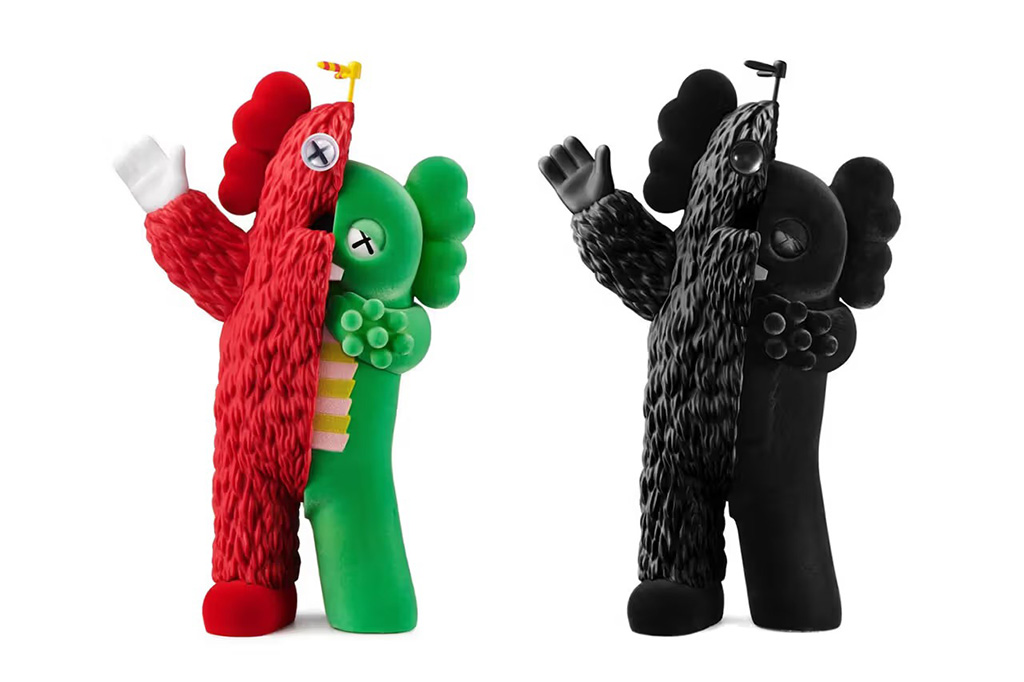
Most vinyl figures start with a normal retail price, but some pieces later resell for much more. Not every figure becomes valuable, but when it happens, it is rarely by accident. A mix of character power, design quality, scarcity, and community interest drives collector demand.
Key factors that influence value and demand:
- Popularity of the character, brand, or artist
- Design quality – sculpt, paint, and overall concept
- Edition size – how many pieces exist
- Exclusivity – store, event, or region-specific releases
- Timing – connected to film/game launches, anniversaries, or trends
- Condition and packaging – mint in box vs opened and handled
Demand and value drivers at a glance
| Factor | Why It Matters | Notes for Brands and Buyers |
|---|---|---|
| IP / character strength | Strong fanbase = strong basic demand | Known IP reduces risk but adds licensing costs |
| Sculpt & paint quality | High detail and clean finish feel premium | Visible even in photos; affects reviews quickly |
| Edition size | Smaller editions feel rarer and more collectible | Must balance with your sales and margin goals |
| Exclusives & variants | Encourage collecting and repeat purchases | Use carefully; too many variants can cause fatigue |
| Community buzz | Online posts, unboxings, trade discussions | Needs good visuals and clear story to support |
| Packaging condition | Important for resellers and serious collectors | Strong boxes and protective packing help a lot |
From a B2B point of view, your main goal is stable long-term sales, not short-term speculation. But understanding these collector drivers helps you design lines with healthy demand and positive word-of-mouth in communities.
How do production runs, exclusives, and packaging impact vinyl figure popularity?
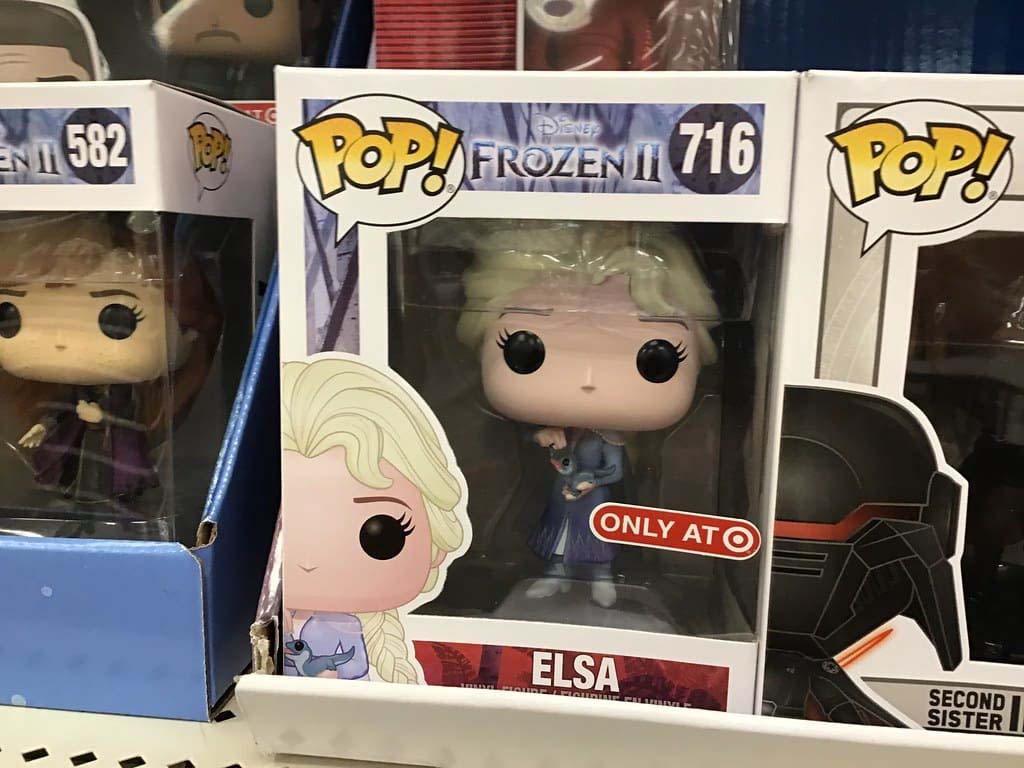
Production planning is not just a factory topic; it is part of your marketing strategy. Edition sizes, exclusives, and packaging all send strong signals to collectors about rarity and value.
Production runs and exclusivity
You will often see terms like “open edition,” “limited edition,” or “chase variant.” These directly affect how collectors feel about a release.
| Release Type | Description | Effect on Popularity |
|---|---|---|
| Open edition | Produced as long as demand exists | Accessible, good for stable long-term sales |
| Limited edition | Fixed quantity announced (e.g., 1000 pcs) | Higher perceived value, more urgency to buy |
| Numbered edition | Each piece numbered (e.g., 1/500) | Strong collector appeal, easier to track rarity |
| Exclusive variant | Color or sculpt only for certain store/event | Drives traffic to that channel, boosts hype |
| Chase / mystery variant | Rare variant hidden in blind boxes | Encourages repeat buying and trading |
Packaging as part of the product
For vinyl figures, packaging is not just protection. It is part of the display experience and collector value. Many collectors keep figures in the box or store the box carefully.
Good packaging usually:
- Shows the figure through a window or clear panel
- Features strong graphics and logos that match the brand
- Includes edition info, artist names, and licensing marks
- Protects the figure during shipping and shelf life
A quick view of packaging roles:
| Packaging Element | Purpose | Collector Impact |
|---|---|---|
| Window box | Shows figure while keeping it protected | Popular for “display in box” collectors |
| Artwork and branding | Communicates story, theme, or IP | Makes the piece feel official and desirable |
| Stickers / labels | Mark exclusives, limited editions, collabs | Helps collectors identify special runs quickly |
| Inner blister / tray | Holds figure securely in defined pose | Reduces damage and paint rub during shipping |
| Certificates / inserts | Provide edition size, artist info, lore | Adds storytelling and “premium” feeling |
For your own project, you can decide where to sit on the spectrum: simple but clean boxes for mass-market figures, or more complex, branded packaging for premium or limited runs. In both cases, clear structure and strong graphics make your vinyl figures feel professional and collectible.
Conclusion
Vinyl figures are more than plastic statues—they are a blend of material science, character design, licensing, and collector culture. When you understand how materials, manufacturing, design styles, licensing, and production strategies all work together, it becomes much easier to plan vinyl figure lines that feel premium, collectible, and on-brand. At Kinwin, we focus mainly on plush, but we speak the same product language as vinyl makers and can help you coordinate character systems, softness levels, and cross-category branding. If you’d like support shaping your next character line or translating designs into factory-ready specs, feel free to contact me at [email protected] or visit kinwintoys.com.