Skip to content
When people buy soft toys for dogs, they are not only looking for something cute. They want a toy that feels safe, lasts longer than a few play sessions, and keeps their dog active and happy. For you as a pet brand, retailer, or e-commerce seller, the right dog soft toys can turn into repeat orders and strong reviews.
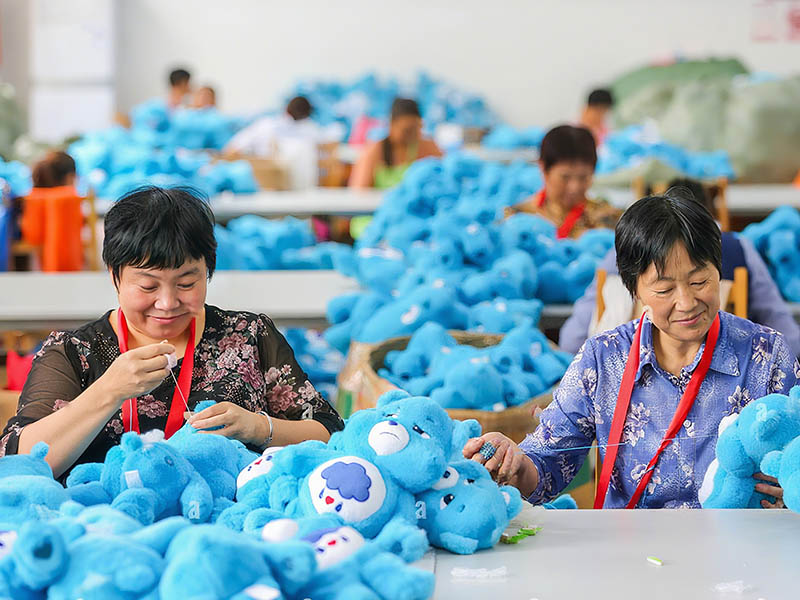
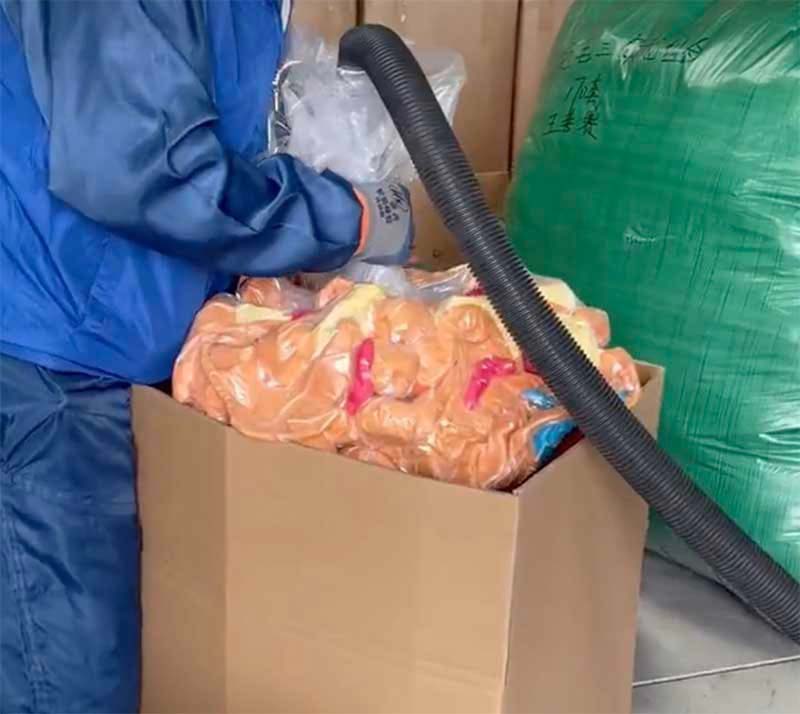
As a plush manufacturer, I often help clients develop dog soft toy lines beside their children’s plush lines. The goals are similar—safety, durability, and good design—but the behavior of dogs is very different from children. In this guide, I will walk you through how to plan or select the best dog soft toys from a factory point of view, so your products can better serve both dogs and their owners.
What qualities define the best soft toys for dogs?
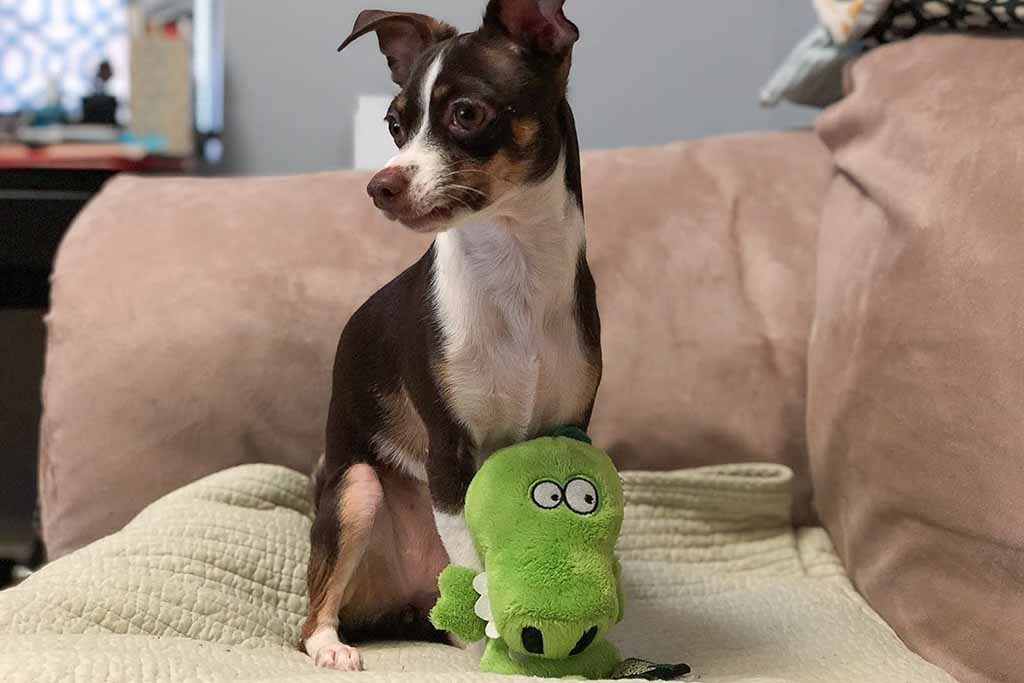
The best dog soft toys balance three key areas: safety, durability, and engagement. If any of these three is missing, customers will not be satisfied. The toy may break too fast, feel unsafe, or simply end up ignored in the corner.
Dog owners usually check a few things right away:
- Does the toy feel strong enough for their dog’s chewing style?
- Is the surface soft enough for cuddling and carrying in the mouth?
- Are there any small parts that could become a choking risk?
- Does the design look fun and worth the price?
From a product planning view, you can think in this simple framework:
| Quality Area | What Dog Owners Expect | What You Should Control as a Buyer |
|---|---|---|
| Safety | No loose small parts, non-toxic materials | Secure details, tested fabrics, safe inks and dyes |
| Durability | Toy lasts more than a few short play sessions | Strong stitching, reinforced layers, quality fabrics |
| Softness | Gentle on dog’s mouth, good for cuddling | Padded shapes, suitable fabrics and fillings |
| Cleanability | Easy to wash or wipe clean | Washable materials, clear care labels |
| Engagement | Dog wants to chase, chew, shake, or cuddle it | Squeakers, textures, interesting shapes and colors |
When you design or select dog soft toys with these qualities in mind, you support better reviews and fewer complaints like “destroyed in 10 minutes” or “threads everywhere.” That directly protects your brand reputation on Amazon, Shopify, and other platforms.
How do materials influence durability, softness, and safety for pets?
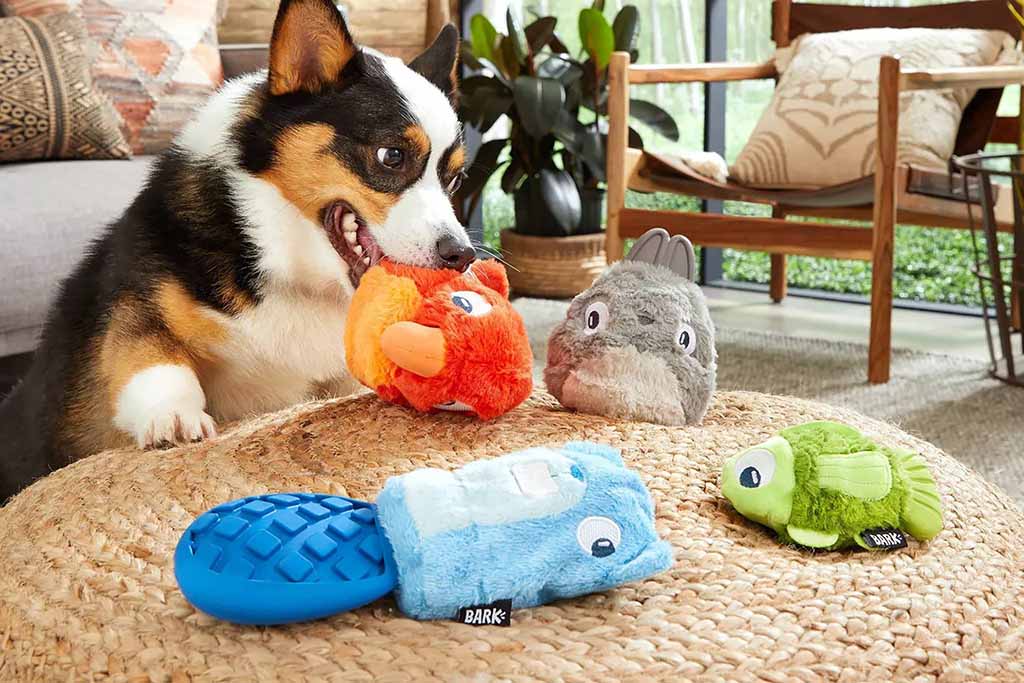
Material choice is the base of any dog soft toy. Dogs chew, bite, shake, and sometimes sleep with these toys. So the fabric and filling must survive rough use and feel comfortable in the mouth.
Compared with kids’ plush toys, dog soft toys often need tougher surface fabrics and more secure fillings. However, if materials are too hard, many dogs lose interest or damage their teeth. You want a controlled balance: tough enough for play, soft enough for comfort, and safe enough for daily use.
Common fabrics and their role in dog soft toys
Here is a simple overview of materials we often use or see in dog toy projects:
| Material Type | Typical Use in Dog Soft Toys | Main Advantages | Main Limits / Notes |
|---|---|---|---|
| Oxford / canvas | Outer layer for tough toys | Strong, tear-resistant, good for tuggers | Feels less “plushy” if used alone |
| Plush / velboa | Soft outer surface, especially for cuddle toys | Soft touch, cute look | Needs reinforcement for heavy chewers |
| Sherpa / fleece | Fluffy fur-like surfaces | Warm, cozy feel, attractive for many dogs | Can trap hair and dirt if not well managed |
| Denim / twill | Reinforced zones (limbs, edges) | High abrasion resistance | Heavier; needs careful design |
| Polyester fiberfill | Internal stuffing | Light, soft, washable | Must be contained well inside toy |
| Crinkle film | Internal sound layer | Stimulates curiosity and play | Must be fully enclosed to avoid ingestion |
Safety and material choice
For dog toys, there is no single global standard like EN71 for children’s toys, but responsible brands still focus on:
- Colorfast fabrics (to avoid heavy dye bleeding)
- Non-toxic inks and embroidery threads
- Avoiding sharp fibers or stiff coatings that could hurt gums
As a buyer, you can ask your supplier about pet-safe materials, colorfastness, and whether they follow similar standards as children’s toys for chemical controls. Many serious factories base their material selections on these strong benchmarks even for pet products.
Which construction techniques help soft toys withstand rough chewing?
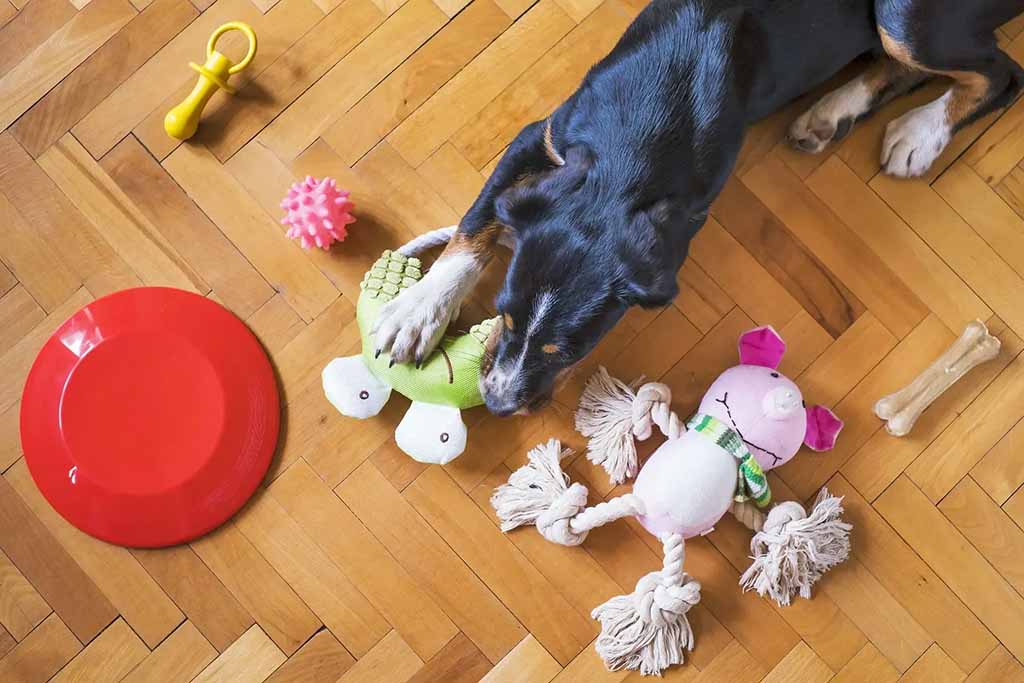
Dogs explore the world with their mouths. Tugging, chewing, shaking, and fetching all put stress on seams and fabrics. Construction quality often decides whether a dog toy becomes a long-term favorite or a short-lived disappointment.
For dog soft toys, we usually build stronger structures than for children’s plush. That means reinforced stitching, multiple fabric layers in key zones, and carefully closed openings so filling or squeaker elements do not escape.
Construction methods that improve durability
Here are some common techniques we use or see in higher-end dog soft toys:
| Construction Technique | What It Means | Benefit for Dog Toys |
|---|---|---|
| Double or triple stitching | Two or three rowing lines along key seams | Reduces risk of seams bursting under tension |
| Hidden inner seams | Seam allowance folded or protected inside layers | Less exposed stitching, harder to catch with teeth |
| Reinforced bite zones | Extra fabric layer inside head, limbs, or belly | Slows down tearing in the most chewed areas |
| Edge binding | Fabric tape along edges and openings | Adds strength and reduces fraying |
| Internal compartments | Separate chambers for filling and squeakers | Limits damage spread if one area breaks |
Planning construction from a production view
When a client develops a new dog toy with us, we often:
- Identify “high stress areas” based on shape (head, arms, tails, rope junctions).
- Decide which areas need extra layers or bar-tacks (concentrated reinforcement stitches).
- Choose a stitch density that’s tight enough for strength but not so tight that it cuts the fabric.
- Build a small test batch and perform basic pull tests on seams and attachments.
Even if you are not a technician, you can ask for these points in your specification sheet. Factories that understand pet toys will respond with clear suggestions; factories that do not may stay vague, which is a red flag.
How do features like squeakers, textures, and shapes enhance engagement?
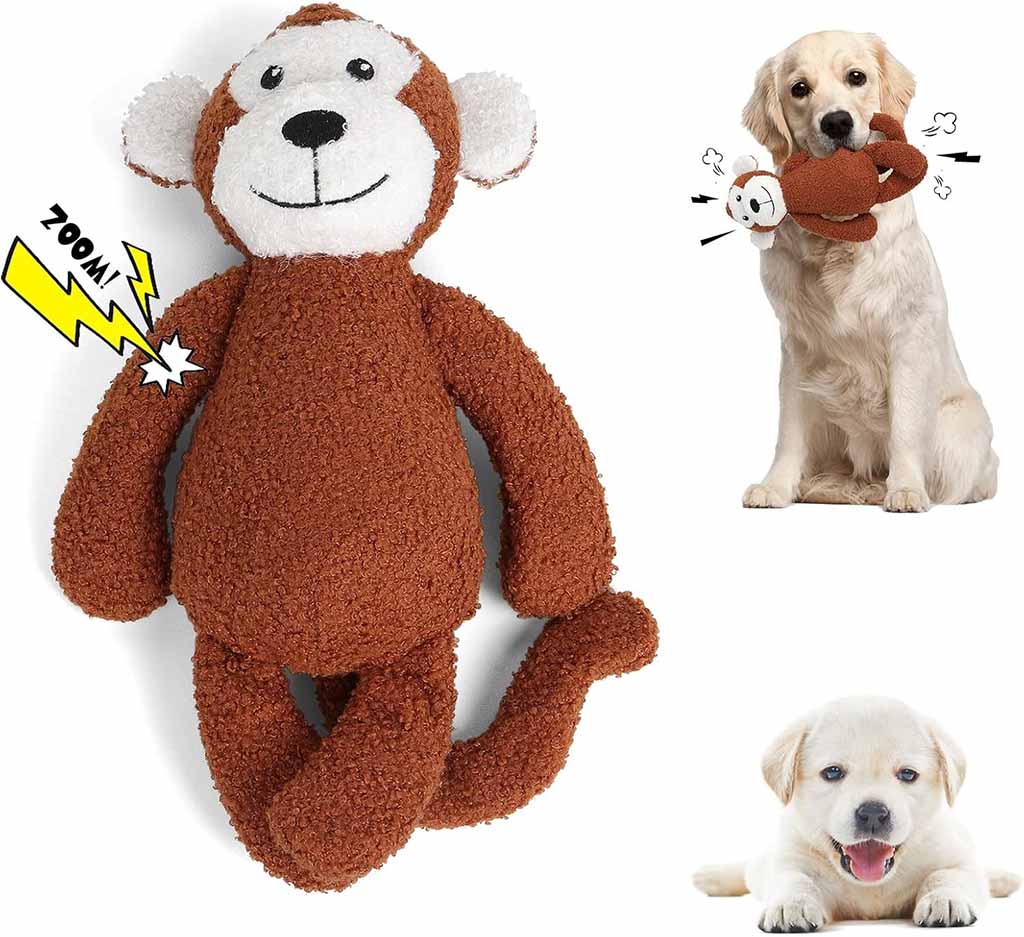
Durability and safety are essential, but engagement is what makes dog owners feel they spent money wisely. A durable toy that a dog never touches still counts as a failure.
Features like squeakers, crinkle films, varied textures, and interesting shapes invite dogs to play more. The trick is to add these features in ways that are safe and do not create weak points.
Engagement features and how they help
You can think of dog soft toys in terms of sensory layers: sound, touch, and movement.
| Feature Type | How It Works for Dogs | Design Notes for Buyers |
|---|---|---|
| Squeakers | Sound reward when bitten or squeezed | Must be fully enclosed; often placed in body |
| Crinkle paper/film | Crunchy sound when toy is grabbed or shaken | Good in ears, wings, or flat sections |
| Mixed textures | Plush + canvas + rubber patches | Encourages investigation and extended play |
| Rope elements | Cotton or hemp ropes added for tugging | Attach points must be strongly reinforced |
| Unique shapes | Long bodies, rings, balls, flat animals | Different dogs prefer different play styles |
Matching features to dog behavior
Some dogs love to rip squeakers out; others just like to cuddle a plush toy. When you build a product range, it helps to target different behaviors:
- Light chewers and cuddlers: softer plush bodies, gentle squeakers, more focus on comfort.
- Active chewers and tuggers: stronger fabrics, reinforced seams, rope handles, fewer small parts.
- Fetch lovers: aerodynamic shapes, lighter weight, possibly floating materials for water play.
On your product pages, you can label toys by play style—“gentle chewers,” “moderate chewers,” “tug play,” etc. This helps owners choose the right item, reduces misuse, and decreases negative reviews.
What safety standards apply to premium dog soft toys?
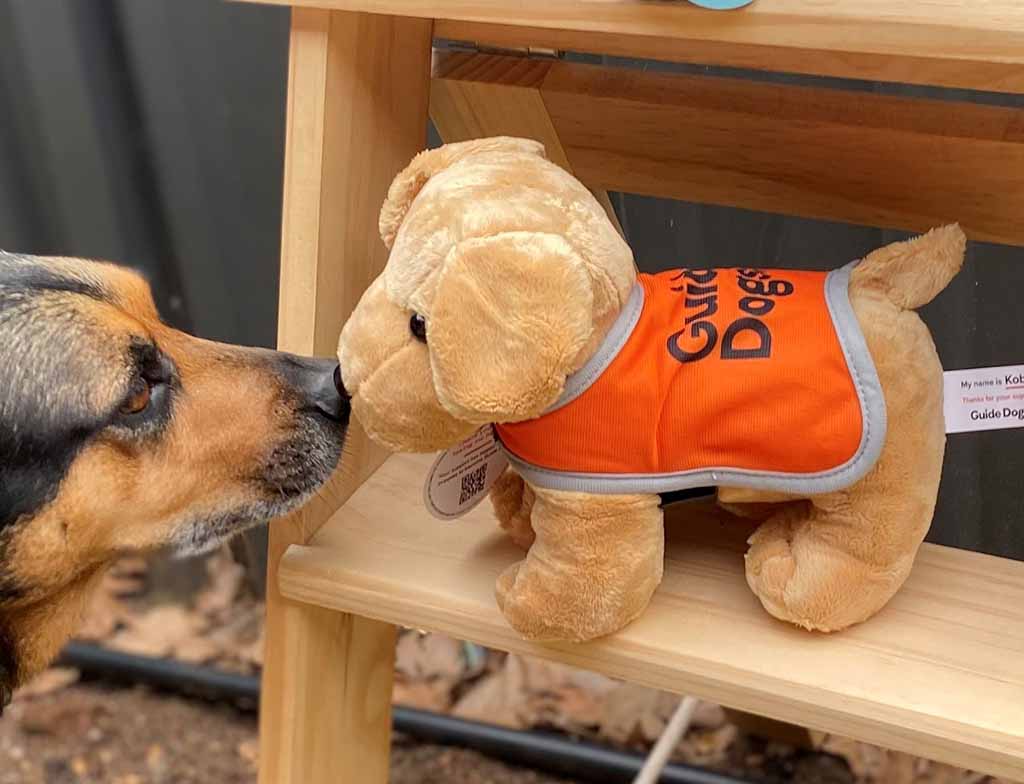
Pet toys do not have one unified global standard like children’s toys. However, serious brands often borrow rules from children’s toy safety and general chemical regulations to guide their pet products. This is especially important when you sell in strict markets such as the USA and Europe.
Instead of just saying “non-toxic,” premium dog soft toy programs usually consider:
- Physical safety (no sharp edges, strong seams)
- Chemical safety (limits on heavy metals, certain chemicals in dyes and plastics)
- Labeling (usage instructions, warnings, and care information)
Regulatory references used by responsible brands
Below is a simplified overview of standards and regulations many brands or factories refer to when designing pet toys:
| Standard / Regulation | Region / Type | Relevance for Dog Soft Toys |
|---|---|---|
| REACH | Europe (chemicals regulation) | Controls many restricted substances in fabrics and inks |
| RoHS / similar rules | Electronics / components | Sometimes used if toys include electronic sound modules |
| CPSIA / ASTM F963 | USA children’s products and toys | Not written for pets, but used as reference for safety |
| Company / retailer guidelines | Brand or retailer-specific | Many large chains have their own pet product safety specs |
As a B2B buyer, you can:
- Ask your factory if they can follow children’s toy chemical limits for pet products.
- Request test reports for fabric and filling components, especially for big orders.
- Ensure warnings are clear: for example, “no toy is indestructible,” “supervise play,” and “remove damaged toy.”
Premium dog owners pay more willingly when they feel a brand truly cares about safety. Linking your products to tested materials and clear usage guidelines is a strong way to build that trust.
How do leading pet brands differentiate their soft toy offerings?
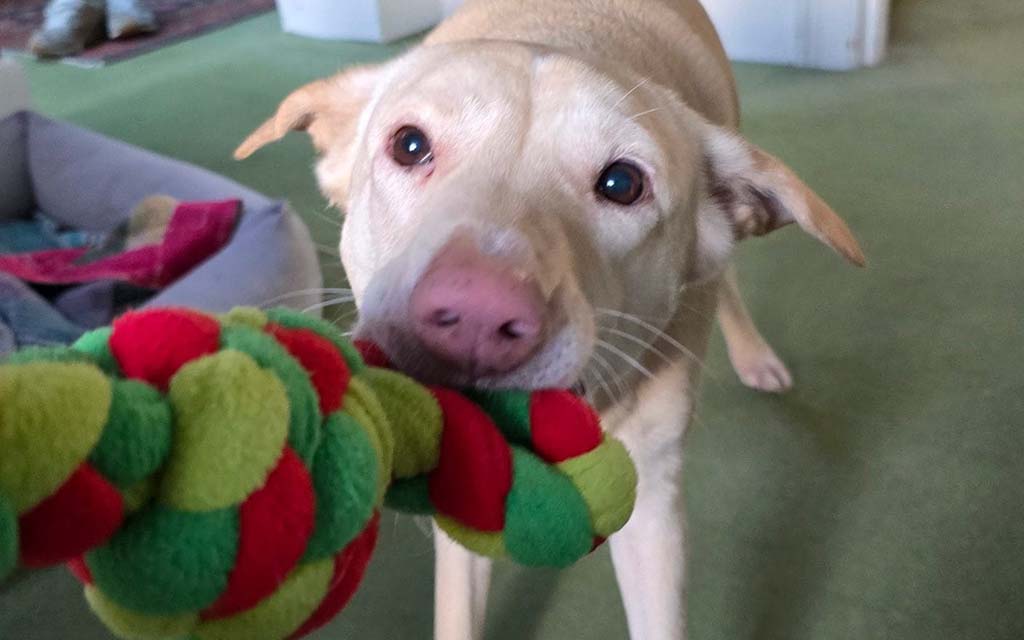
Pet shelves and online marketplaces look crowded, but if you look closely, leading brands use clear strategies to stand out. They do not only add new colors; they build collections, play concepts, and brand stories.
Understanding these strategies can help you position your own dog soft toys. You do not need to copy anyone, but you can learn how to structure your range in a way that feels professional and easy for customers to understand.
Common differentiation strategies in dog soft toys
| Strategy Type | How Brands Apply It | Effect on Market Positioning |
|---|---|---|
| Chewing level tiers | “Gentle,” “Moderate,” “Power chewer” lines | Helps owners choose the right durability level |
| Play-style focus | Fetch toys, tug toys, cuddle toys, puzzle toys | Targets different dog personalities |
| Character themes | Animal characters, monsters, seasonal faces | Encourages collecting and gifting |
| Material story | Recycled fabrics, eco-friendly fillings | Attracts sustainability-focused owners |
| Size ranges | Small, medium, large versions | Fits different breeds and life stages |
| Co-branding / IP | Collaborations with pet influencers or IP | Builds emotional connection and social buzz |
What you can do as a buyer or brand owner
When we work with customers on dog soft toy lines, we often:
- Define the main target group: small dogs, large dogs, mixed sizes, gentle chewers vs. strong chewers.
- Create 2–3 clear series, for example:
- A soft cuddle line for puppies and small dogs.
- A reinforced canvas-plush mix line for active chewers.
- A seasonal character line for gifting occasions.
- Keep a consistent visual style within each series: similar eye style, patch style, or color palette.
- Build packaging and online content that explains durability levels, play styles, and safety notes in simple language.
At Kinwin, we can help you design, sample, and produce these series with stable materials and clear construction methods. That way, the promise you make in your marketing—“tough yet soft,” “perfect for small dogs,” “eco-friendly materials”—is supported by the real product that reaches your customer’s home.
Conclusion
The best dog soft toys balance safety, durability, and playful engagement so dogs stay happy and owners feel confident in every purchase. At Kinwin, we help pet brands and retailers develop dog soft toy collections with thoughtful materials, reinforced construction, and engaging features that match real dog play styles. Contact us at [email protected] or visit kinwintoys.com to discuss your next dog soft toy project and see how our factory can support your long-term growth in the pet market.