Skip to content
When parents and gift buyers look for plush toys today, they are not only buying something “cute.” They are buying safety, comfort, learning value, and a quiet promise that this toy will last more than a few weeks.
As a plush manufacturer, I see every day that the “best” plush toys for kids share clear qualities: safe materials, strong construction, thoughtful design, and a good match with the child’s age and interests. When these parts work together, you get fewer returns, happier customers, and a stronger brand reputation.
In this guide, I will walk you through how to judge and plan kid-focused plush toys from a professional factory point of view, so your next plush line can truly serve families and grow your business.
What qualities define the best plush toys for kids?
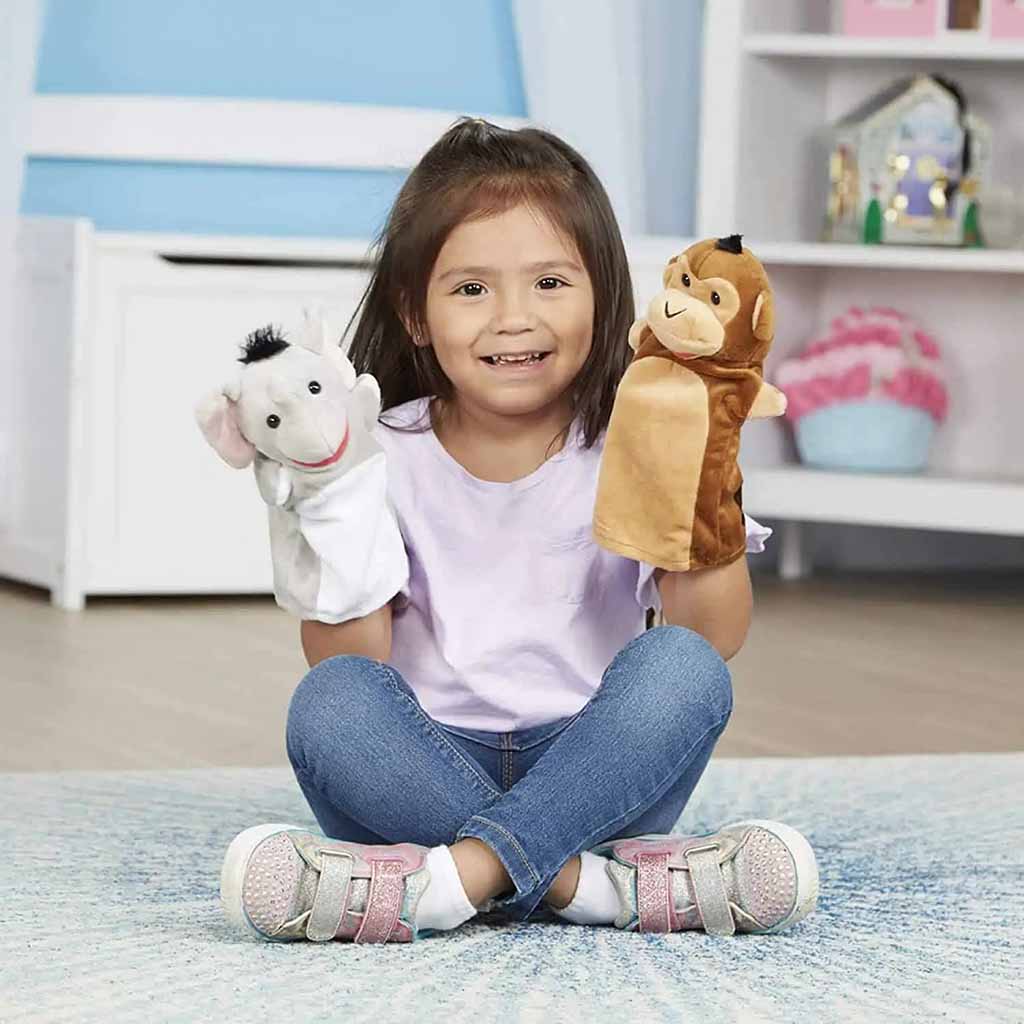
When parents pick up a plush toy for their child, they usually check three things without even thinking:
- Does it look friendly and appealing?
- Does it feel soft and safe to touch?
- Does it seem strong enough to survive daily life?
For you as a buyer or brand owner, the “best” plush toys for kids combine emotional value with technical quality. They should be soft but not fragile, cute but not overloaded with small parts, and safe enough to pass strict tests in markets like the USA and Europe.
Core qualities parents quietly look for
From years of feedback, we see the same core qualities again and again.
| Quality Area | What Parents Notice | What You Should Control as a Buyer |
|---|---|---|
| Safety | No sharp edges, no loose parts | Certified materials, strong seams, safe eyes |
| Softness | Gentle hand feel, no scratchy points | Quality fabrics, correct pile length |
| Durability | Seams hold, toy keeps shape after play | Stitching quality, stuffing density |
| Cleanability | Easy to wash, dries well | Wash labels, colorfast fabrics, stable filling |
| Emotional appeal | Cute face, friendly colors, comforting shape | Professional design that fits your audience |
The “best plush toys for kids” also fit real family life. They are easy to grab with small hands, light enough to carry around, and simple enough in design that children can create their own stories during play. When you choose or develop products with these elements in mind, your plush line can become part of a child’s daily routine, not just a decoration.
How do fabrics, fillings, and construction impact safety and durability?
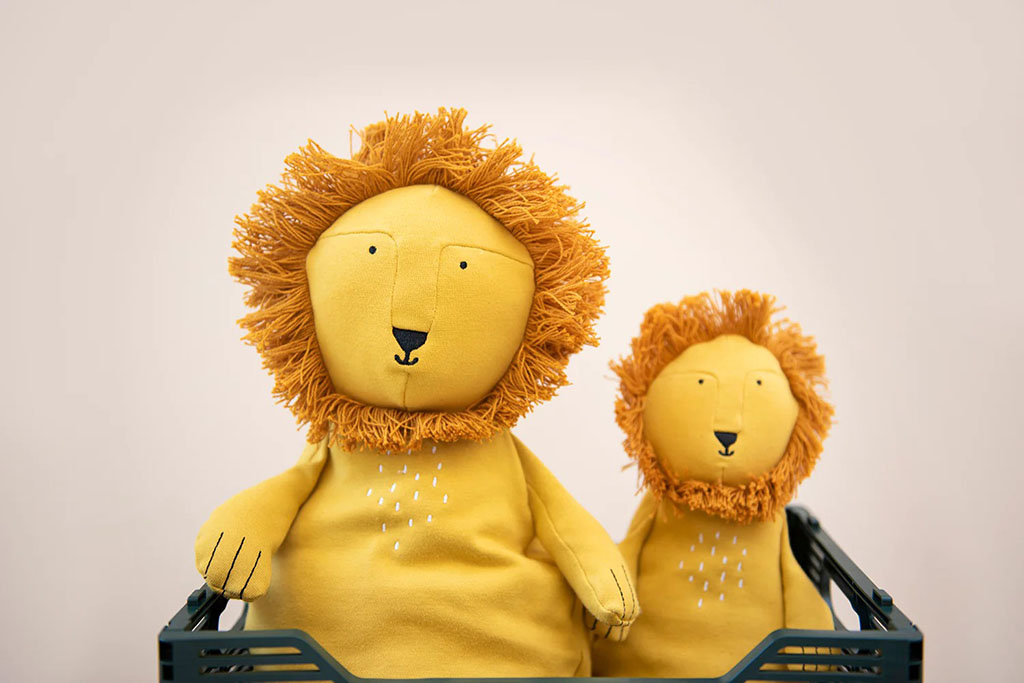
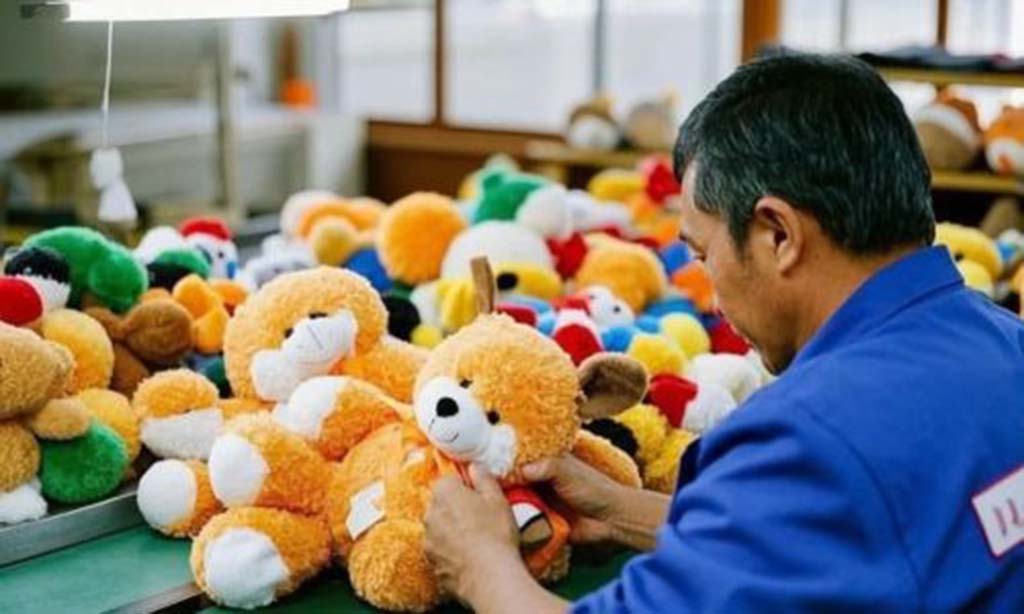
Softness and durability start long before sewing. They begin with the fabric roll, the filling bale, and the sewing thread. A plush toy may look similar in a photo, but the inside story can be very different.
For kid-focused plush toys, you want fabrics that feel soft but resist pilling, fillings that stay smooth over time, and stitching that does not open under normal pulling and hugging. The best combinations support washability and reduce the risk of tears or leaks, which parents worry about.
Material and construction choices that matter most
Below is a simple overview you can use when you talk with factories or suppliers.
| Component | Recommended Choice for Kids’ Plush | Why It Helps |
|---|---|---|
| Surface fabric | Minky, velboa, short plush (good GSM) | Soft touch, stable pile, kid-friendly appearance |
| Pile length | Short to medium | Easier to clean, less chance of matting |
| Filling | Polyester fiberfill, optional pellets in inner bags | Smooth feel, washable, controlled weight |
| Thread | Strong polyester sewing thread | Resists breakage, supports seam strength |
| Seams | Lockstitch + reinforcements at stress points | Keeps limbs, heads, and tails securely attached |
| Inner structure | Lining or compartments where needed | Maintains shape and keeps filling in place |
Why construction is as important as materials
Even high-end materials can fail if the construction is weak. For kid products, we pay special attention to:
- Seam density: Stitches that are too long can open; too short can cut the fabric. We choose a balanced setting.
- Reinforcement: Underarms, neck, tail base, and hanging loops all receive extra stitching.
- Pellet management: If pellets are used for weight, they must stay in strong inner bags so they cannot become a choking hazard.
When you receive samples, do not be afraid to “test like a child.” Pull on limbs, squeeze the body, and twist the head gently. The best plush toys for kids will hold steady and spring back, not feel fragile or loose.
Which design features support children’s developmental and play needs?
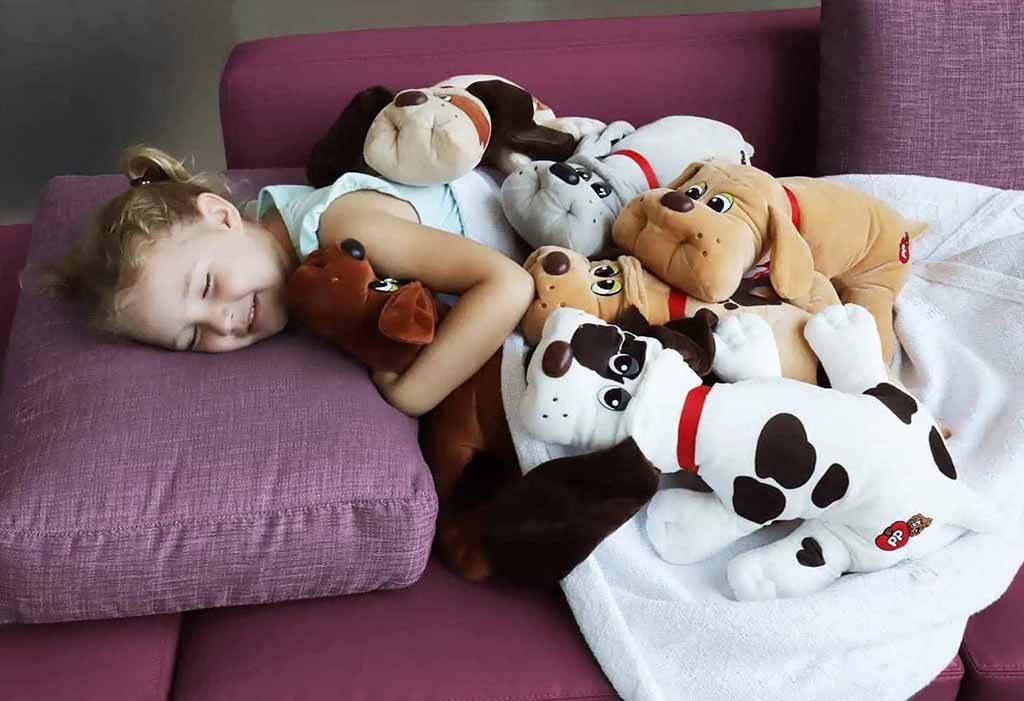
Good plush toys are not just cute objects; they can support emotional comfort, language skills, and creative play. When you plan kid-focused plush lines, you can design with these developmental needs in mind.
Soft toys can help children learn to express feelings, practice social roles, and feel safe in new situations. The best designs give enough detail to inspire stories, but remain open enough that kids can project their own ideas.
Design features that support play and growth
Here is how simple design choices can connect to real child needs.
| Development Area | Helpful Plush Features | Example Benefits |
|---|---|---|
| Emotional comfort | Soft body, friendly face, calm colors | Helps with sleep, separation, and calming |
| Imaginative play | Clear character but open-ended expression | Kids create their own stories and voices |
| Motor skills | Easy-to-hold size, light weight, simple shapes | Supports grasping, carrying, dressing, posing |
| Social learning | Plush “friends” in sets (family, team, group) | Encourages sharing, role-play, and empathy |
| Language development | Distinct features that are easy to name (ears, tail, spots) | Supports vocabulary and storytelling |
Practical design tips for kid-oriented plush lines
- Size: For younger kids, mid-size plush (around 20–35 cm) is easy to hug and carry.
- Shape: Rounded forms with no sharp corners feel safer and more comforting.
- Face style: Simple, warm expressions (gentle smiles, soft eyes) usually work better than intense or highly stylized faces.
- Color use: Clear but not harsh colors help parents match the plush with bedroom decor and outfits, which also encourages them to buy.
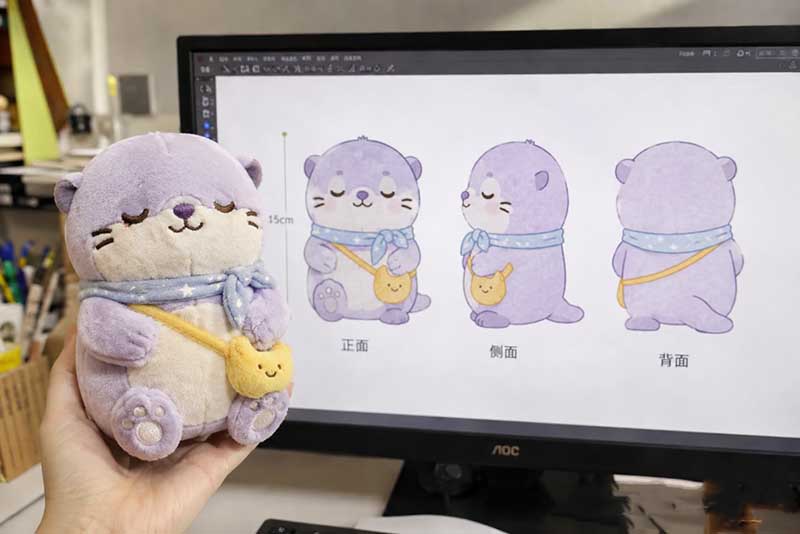
When we design for our clients, we often ask: “How will a child talk to this plush?” If we can imagine a clear answer, the design is usually on the right track.
How do leading brands differentiate kid-focused plush toy lines?
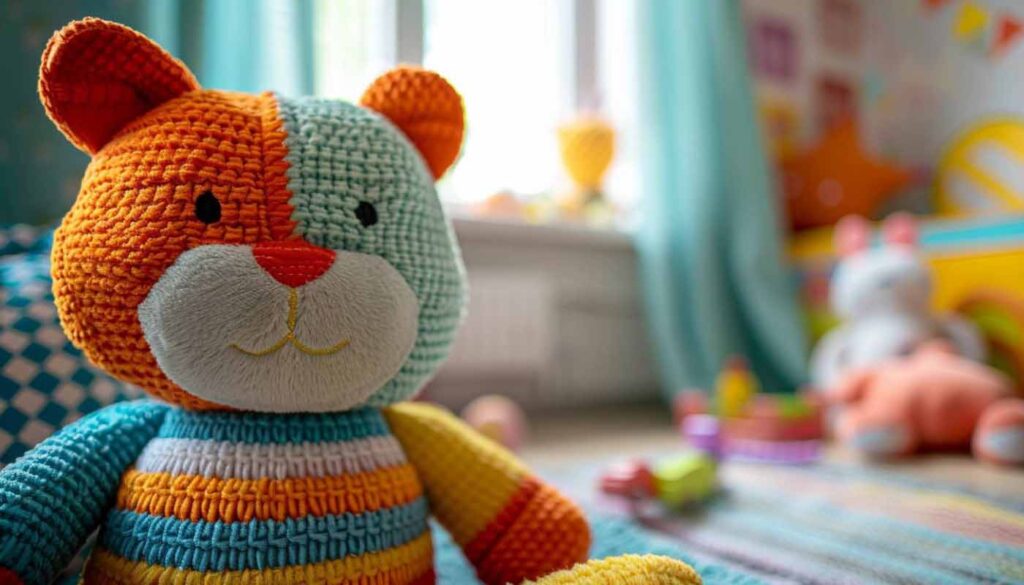
In a crowded market, leading brands succeed because they offer more than a generic teddy. They build clear identities for their plush lines, connect with specific age groups or themes, and keep quality consistent from one series to the next.
For B2B buyers, understanding how big brands structure their plush ranges can help you plan your own. You do not need to copy them, but you can use similar logic: age segmentation, themed collections, and a clear “look” that families recognize.
Common strategies used by strong plush brands
Here are typical ways top brands organize and differentiate their kid-focused plush lines:
| Strategy Type | How Brands Use It | What It Achieves |
|---|---|---|
| Age segmentation | Baby line, preschool line, school-age line | Clear match between product and child needs |
| Theme collections | Animals, fantasy, food, vehicles, seasons | Encourages collecting and gifting |
| Signature style | Unique eye style, body shape, or color palette | Makes products instantly recognizable |
| Function focus | Sleep plush, backpack plush, keychain plush | Fits specific daily moments and use cases |
| Collaboration | Licensed characters, co-brands with IP owners | Attracts fan communities and repeat buyers |
What you can do as a buyer or brand owner
- Build a clear style guide for your own plush line: eye style, typical body shape, logo placement, and color preferences.
- Plan tiered lines: for example, a basic range for everyday retail and a premium range with special fabrics or weighted filling.
- Decide which use moments you want to target: bedtime, travel, school, home decor, or emotional support.
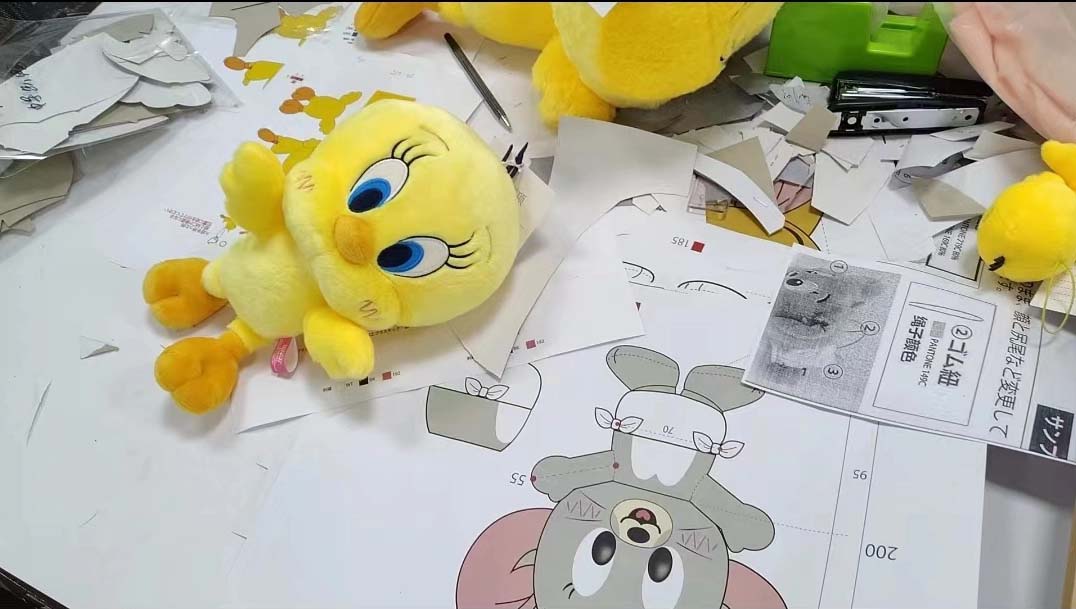
At Kinwin, we help clients turn these ideas into concrete product ranges. We adjust patterns, sizes, and materials so each line speaks clearly to its own audience while staying consistent with your overall brand story.
What certifications ensure plush toys meet safety standards for children?
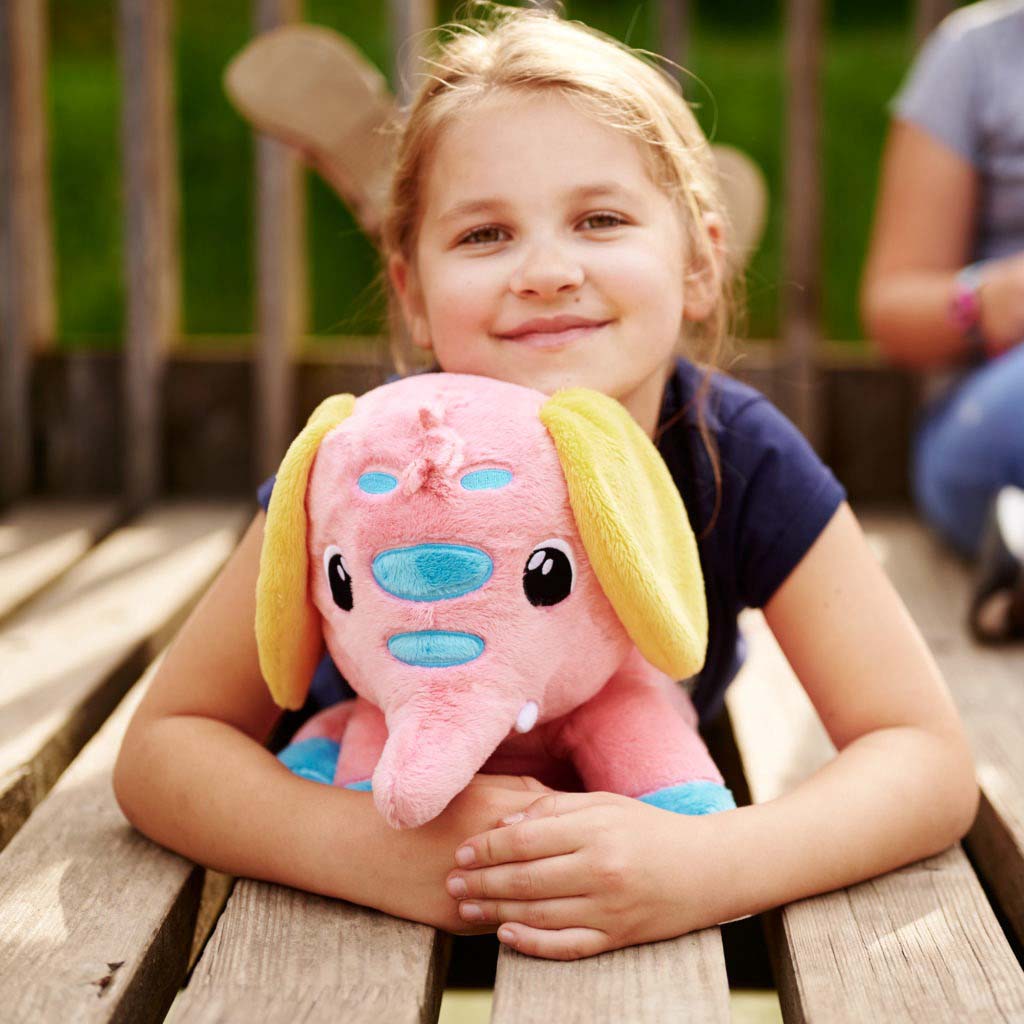
Parents rarely read full test reports, but they do look for trust signals like “CE,” “ASTM,” or “EN71” on tags and packaging. For you as a buyer, these marks are backed by real standards and tests that protect children and your brand.
The best plush toys for kids meet the legal requirements of their destination markets. This includes mechanical safety (no dangerous parts), chemical safety (no harmful substances), flammability, and correct labeling. Even when you sell mostly online, platforms and large retailers often require valid test reports before listing.
Key safety standards for kids’ plush toys
Below is a simple reference table you can use when planning your testing strategy.
| Standard / Regulation | Main Region | Focus Areas |
|---|---|---|
| EN71 (parts 1–3) | Europe | Mechanical safety, flammability, chemicals |
| CE mark | Europe | Indicates conformity with EU safety rules |
| REACH | Europe | Restricted chemical substances |
| ASTM F963 | USA | Toy safety (mechanical, flammability, labeling) |
| CPSIA | USA (children’s products) | Lead, phthalates, tracking labels |
| ISO standards / local rules | Other regions | Vary by country (for example, in Middle East, Japan, etc.) |
How to build safety into your plush program
- Start with safe design: avoid small parts for under-3s, select fabrics and fillings with proven test history.
- Work with a factory familiar with your markets: they should understand CE, EN71, ASTM, and CPSIA requirements.
- Test at the right stage: send pre-production samples to certified labs before full mass production.
- Keep records: hold test reports, material declarations, and tracking label information for your compliance files.
At Kinwin, we design and produce with these standards in mind from the first sample. This reduces the risk of failing tests later and helps you talk with large retailers and platforms with confidence.
How do age, interests, and learning goals guide plush toy selection for kids?
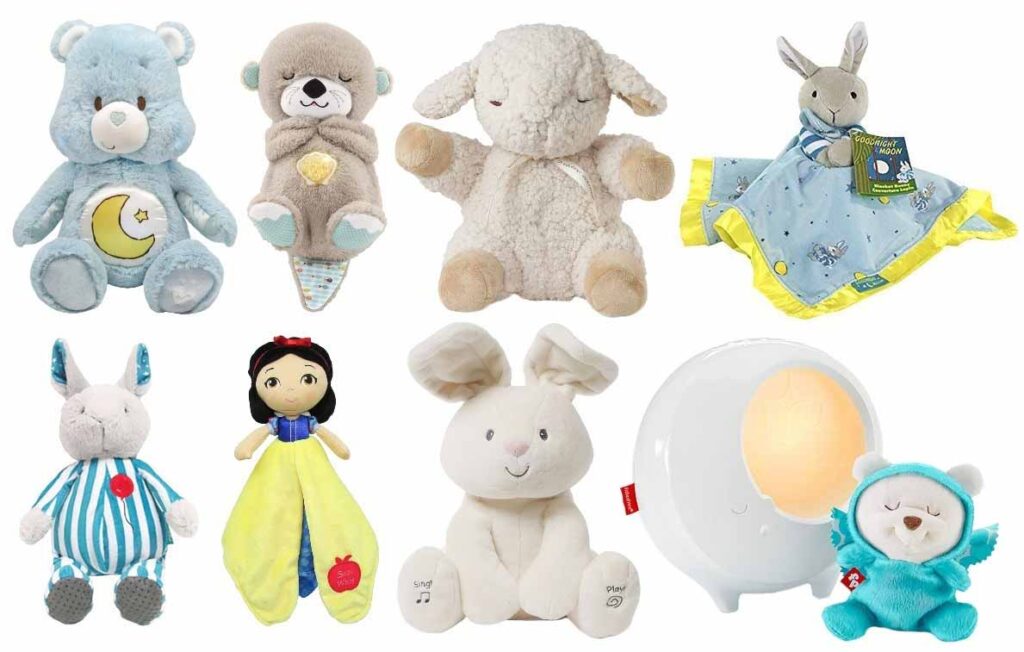
Even the safest, highest-quality plush toy will not be “the best” if it does not match the child. A baby, a preschooler, and a school-age child all use plush toys in different ways. Their interests also change: animals, fantasy creatures, food themes, characters from shows or games, or more abstract decor styles.
When you plan your plush range or help parents choose, it is helpful to think in simple segments: by age, by interest, and by what adults hope the toy will support (sleep, comfort, learning, or social play).
Matching plush toys to age and interests
Here is a simple guide that can help you structure your range and your product pages.
| Child Group | Recommended Plush Features | Typical Interests / Use Cases |
|---|---|---|
| Babies (0–18m) | Very soft, no small parts, light weight | Simple animals, soothing colors, sleep toys |
| Toddlers (18m–3y) | Easy-to-grab size, strong seams, washable | Farm animals, simple characters, comfort |
| Preschool (3–5y) | Clear characters, expressive faces, sets | Story play, role-play families or teams |
| Early school (6–8y) | More detail, themed outfits or accessories | Fantasy, unicorns, dinos, hero animals |
| Older kids (8+ ) | Trend-led styles, collectibles, weighted plush | Fandoms, decor, personal comfort |
Considering learning and emotional goals
Parents and educators often think in terms of outcomes:
- For better sleep: choose calming colors, soft bodies, and relaxed expressions.
- For social and language skills: sets of plush friends or family groups that invite role-play.
- For emotional support: weighted plush or plush with very warm, stable expressions.
- For cognitive learning: animals from nature themes, number or letter characters, or plush linked with storybooks.
On your website or in your catalog, you can highlight these use cases. When buyers understand how each plush helps a child in daily life, price becomes less of a problem and value becomes more clear. At Kinwin, we often work with clients to map each design to specific age and use recommendations, so sales teams can communicate benefits more easily.
Conclusion
The best plush toys for kids combine safe materials, strong construction, thoughtful design, and a clear match with each child’s age and needs. At Kinwin, we help global buyers develop kid-focused plush lines that feel soft and comforting, pass strict safety standards, and perform well across retail, e-commerce, and gifting channels. Contact us at [email protected] or visit kinwintoys.com to discuss your next kids’ plush project and see how our factory team can support your long-term success.