In the plush toy manufacturing industry, quality control (QC) is not a final step—it is a continuous system that protects product safety, brand reputation, and customer satisfaction. Plush toys must meet global standards for durability, structural integrity, chemical safety, and child protection, meaning a well-structured QC team is essential from the moment raw materials enter the factory to the final packaging of finished goods. A strong QC department ensures that every toy aligns with approved samples, international regulations, and brand expectations, preventing costly recalls, customer complaints, and shipment delays.
This guide explains how QC teams operate at every stage of plush toy production and why their role is critical to consistent quality and long-term factory performance.
How QC Teams Develop Inspection Standards and Define Acceptable Quality Levels?
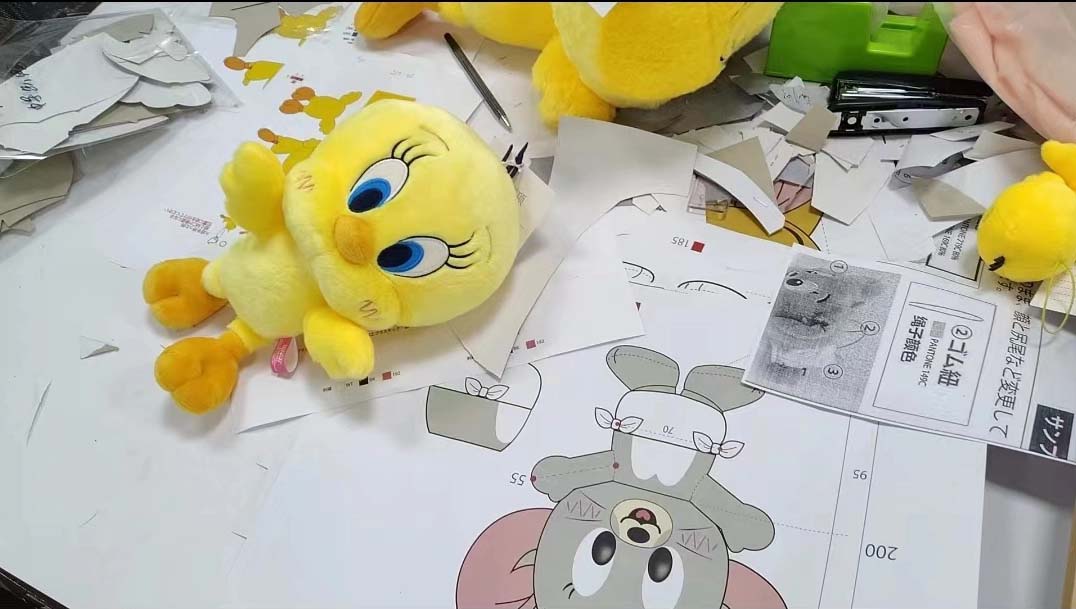
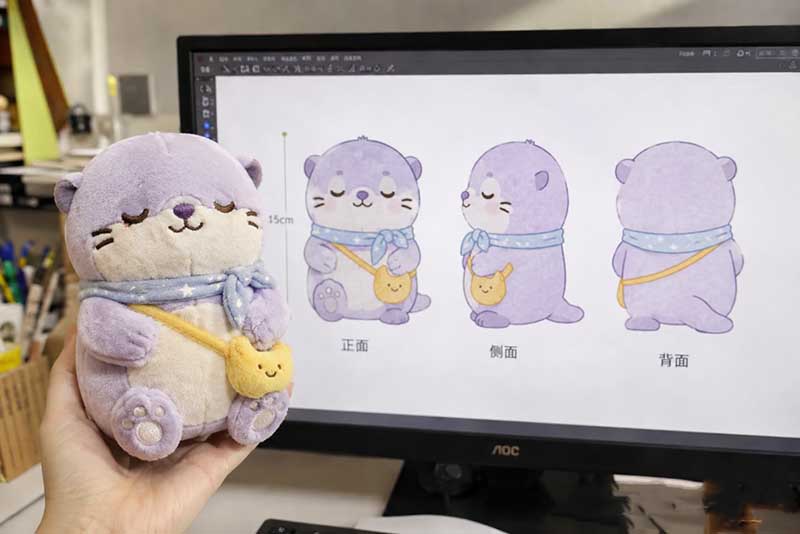
Before production begins, QC teams create standardized inspection guidelines based on client requirements, safety regulations, and internal factory procedures. These guidelines are built around the Golden Sample, the exact reference model approved by the buyer for mass production. QC teams define the tolerances for size, proportions, stitching density, embroidery precision, stuffing weight, material appearance, and structural strength.
A critical part of this setup is establishing the AQL (Acceptable Quality Level)—the statistical threshold that determines how many defects are allowed in a production batch. QC teams also categorize defects into critical, major, and minor, ensuring inspectors know what variations are acceptable and what must be rejected immediately.
These documented standards ensure that every inspector on every line evaluates products the same way, creating consistency across shifts, workers, and production days.
Inspection Standard Development Table
| Component | QC Responsibility | Outcome |
|---|---|---|
| Golden Sample Definition | Create baseline for production | Ensures consistency |
| AQL Level Setup | Define defect tolerance | Predictable quality control |
| Defect Classification | Critical / major / minor | Clear decision criteria |
| SOP Documentation | Visual guides, measurement rules | Standardized inspections |
| Training | Educate production & QC staff | Prevents misunderstanding |
How Incoming Material Checks Prevent Defects Before Production Starts?
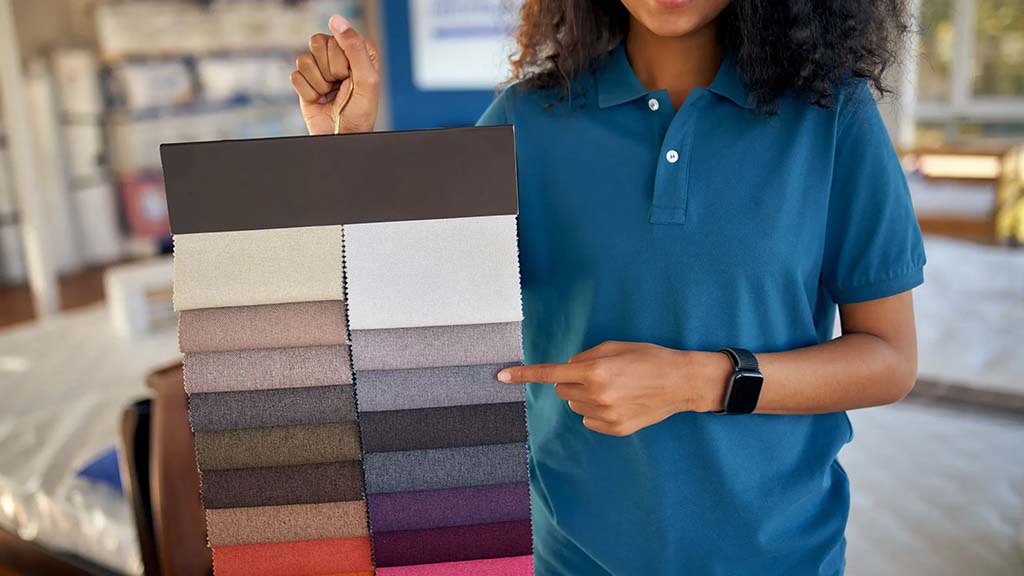
High-quality plush toys begin with high-quality materials. QC teams inspect all incoming fabrics, fillings, accessories, and trims before they enter production. This prevents defective materials from contaminating the supply chain and eliminates issues that would be impossible to fix after assembly.
During incoming inspection, QC teams evaluate pile direction, fabric softness, density, color accuracy (Pantone matching), stretching properties, and potential defects such as stains or uneven dyeing. For accessories—eyes, noses, zippers, labels, and embroidery threads—QC teams check durability, sharpness risks, and compliance with safety regulations.
Many factories also require suppliers to provide MSDS, EN71, ASTM, and CPSIA test documentation to ensure that the materials meet chemical and mechanical safety requirements.
Incoming Material Inspection Table
| Material Type | QC Check Items | Purpose |
|---|---|---|
| Plush Fabric | Color, density, defects, stretch | Prevent visual and structural issues |
| Filling | Cleanliness, elasticity, weight | Ensure softness & shape durability |
| Accessories | Strength, secure attachment | Prevent choking hazards |
| Labels & Tags | Print clarity, size accuracy | Avoid brand inconsistencies |
| Packaging | Durability, dimension accuracy | Prevent damage during shipping |
How In-Process Inspections Ensure Sewing Accuracy, Structural Safety, and Consistency?
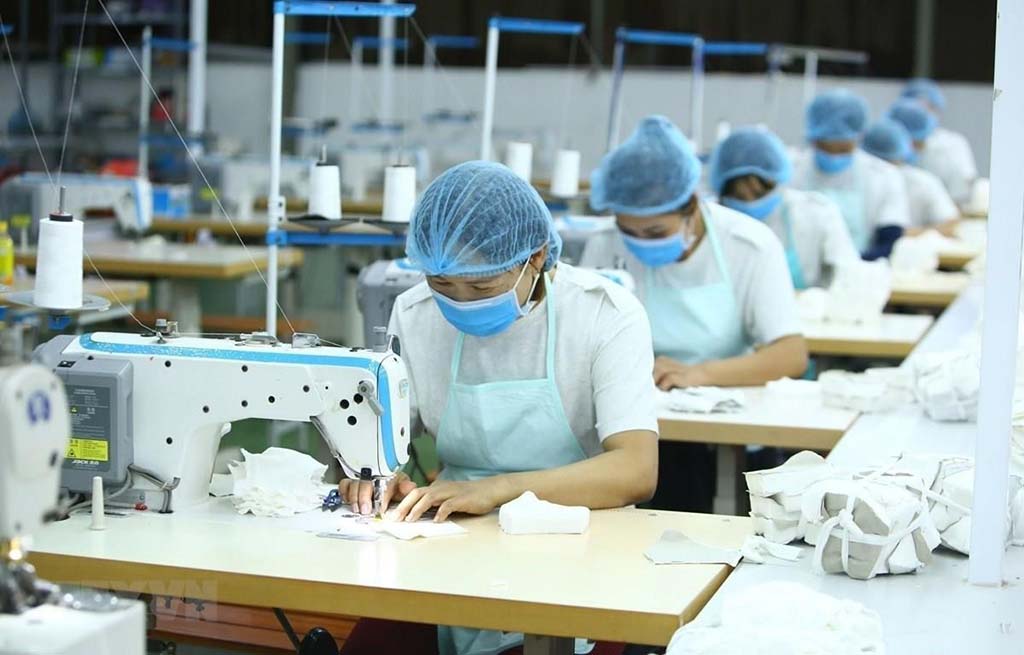
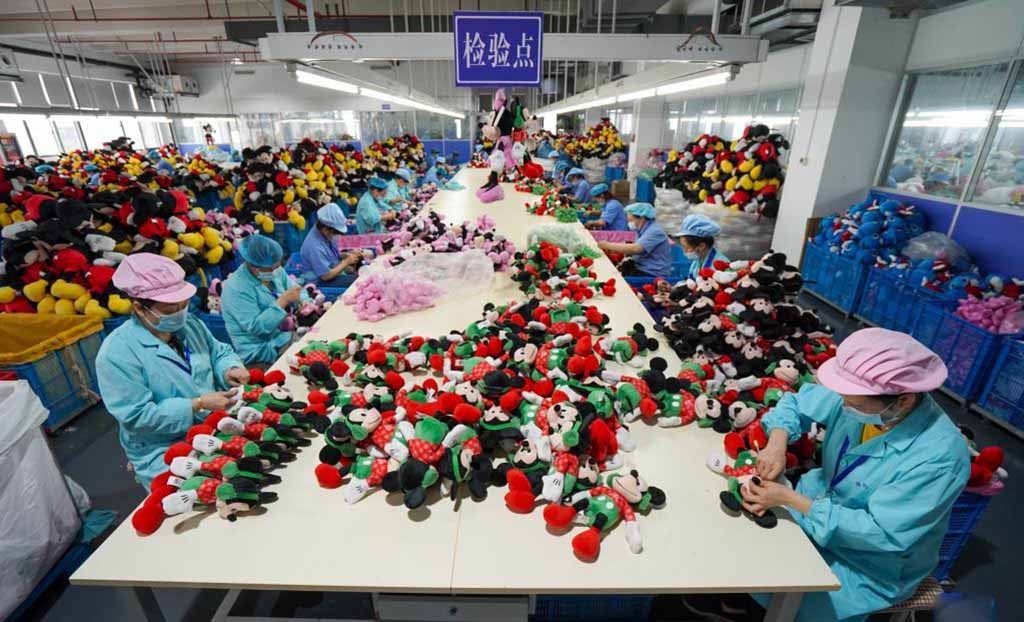
QC involvement intensifies during the sewing and assembly stages. Inspectors monitor various points in the production line to ensure that each component is shaped and stitched correctly before the toy is fully assembled. Early detection prevents large-scale rework and protects production efficiency.
QC teams check seam strength, stitch length, thread tension, fabric alignment, and symmetry of body parts such as ears, limbs, tails, and facial features. Inspectors verify that internal reinforcements, safety backings for eyes, and structural linings are properly installed.
In-process QC also ensures that every unit matches the Golden Sample—particularly critical for licensed characters, complex designs, or high-end plush items.
In-Process Inspection Table
| Inspection Focus | Key Checks | Purpose |
|---|---|---|
| Sewing Quality | Seam tightness, stitch uniformity | Prevent tearing & safety issues |
| Shape Formation | Symmetry, correct proportions | Maintain character accuracy |
| Feature Placement | Eyes, nose, embroidery alignment | Ensure consistency |
| Structural Safety | Reinforced joints, secure attachments | Child safety compliance |
| Stuffing Prep | Internal baffles, pre-stuff shaping | Better end-result appearance |
How QC Teams Conduct Functional, Strength, and Safety Testing for Plush Toys?
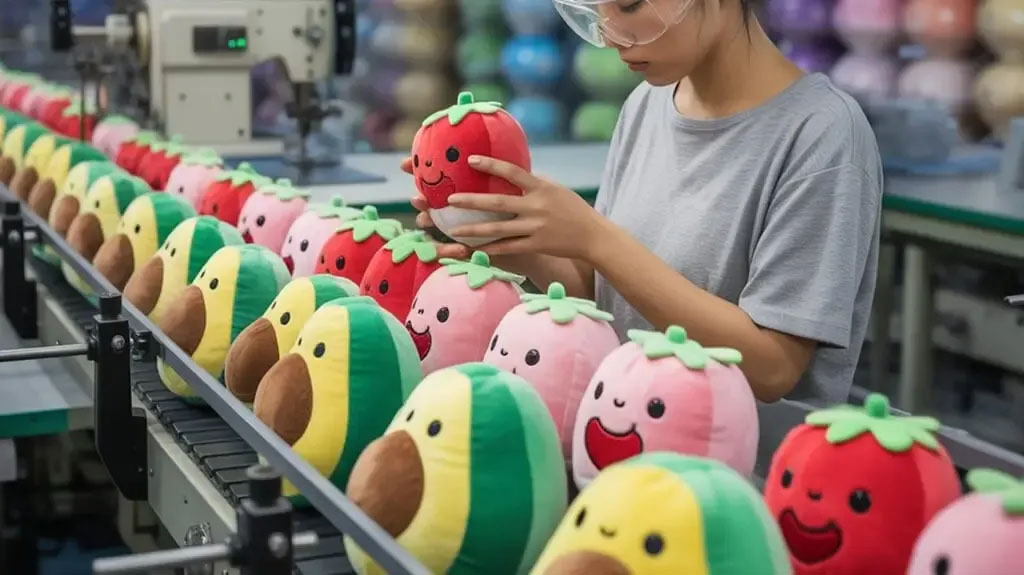
Beyond visual quality, plush toys must perform safely under stress. QC teams conduct rigorous testing to ensure the toy withstands real-world handling, especially by children.
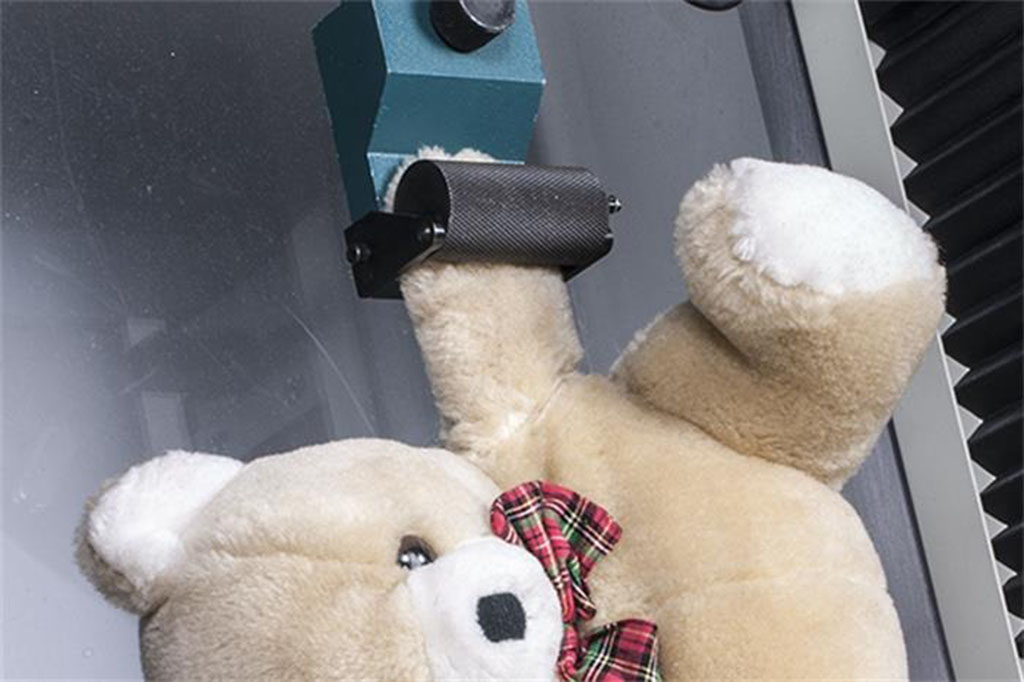
QC testing includes tension tests, seam strength tests, torque tests for eyes and noses, drop tests, and stuffing resilience checks. These tests simulate pulling, chewing, twisting, and dropping to evaluate whether any part could detach or pose a hazard.
Safety assessments also cover chemical compliance—verifying that dyes, surface coatings, and materials meet global standards like CPSIA, REACH, EN71-3, and ASTM F963.
Functional & Safety Testing Table
| Test Type | Purpose | Example |
|---|---|---|
| Seam Strength | Ensures structure holds under force | Pull test |
| Torque Test | Checks secure attachment | Eye & nose components |
| Drop Test | Assesses durability | Simulated child handling |
| Chemical Safety | Ensures non-toxicity | EN71-3 heavy metal test |
| Flammability | Checks burn behavior | Soft toy flammability regulation |
How Final Inspections, Needle Detection, and Packaging Checks Ensure Shipment Readiness?
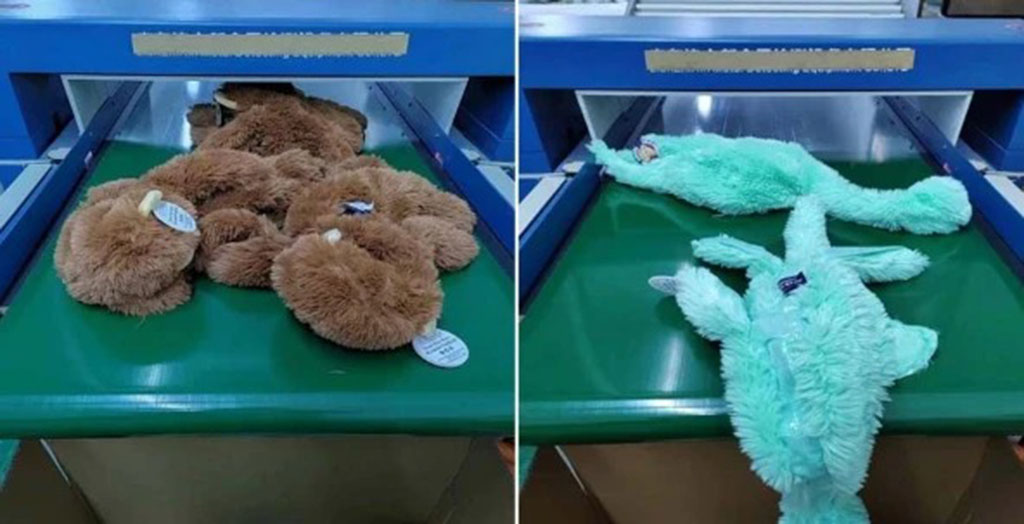
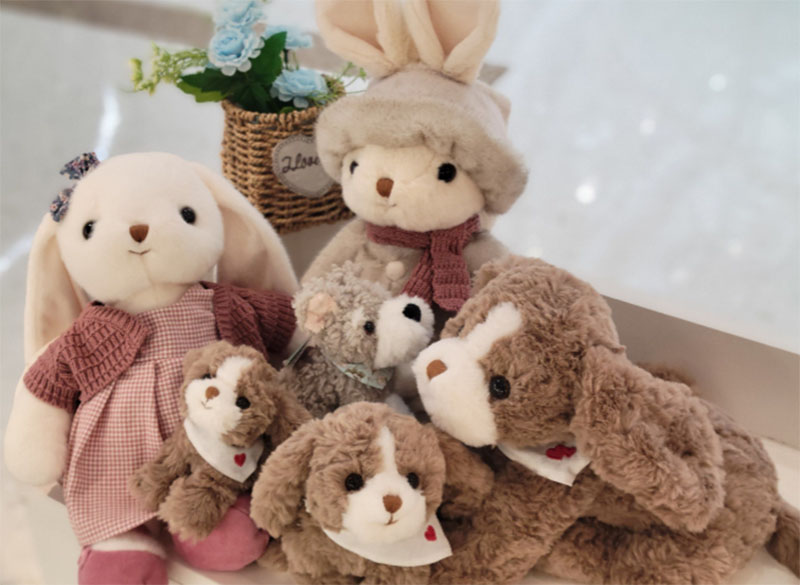
Before shipment, QC teams perform a comprehensive final inspection on finished plush toys. This includes verifying color consistency, correct stuffing distribution, symmetrical shaping, accurate embroidery, and secure accessories. Final inspections ensure there are no visible defects, contamination, or deformities.
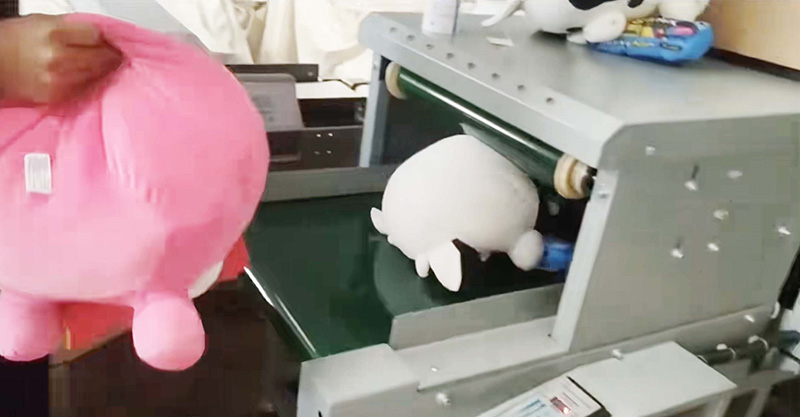
A critical step in plush toy production is needle detection. All finished toys must pass through a needle detector to ensure no broken needles or metal fragments remain inside—an essential safety measure for exports to the U.S., EU, and Japan.
QC teams also inspect packaging: hangtags, polybags, warning labels, barcode placement, master carton strength, and quantity per carton. Proper packaging prevents damage during transportation and ensures compliance with retailer requirements.
Final Inspection Table
| Inspection Area | Key Checks | Purpose |
|---|---|---|
| Visual Appearance | Color, shape, alignment | Brand consistency |
| Stuffing & Form | Smoothness, firmness | Quality feel |
| Needle Detection | Detect metal fragments | Safety compliance |
| Labeling & Packaging | Correct tags, barcodes, cartons | Retail readiness |
| Carton QC | Drop test, sealing strength | Shipping protection |
How QC Reporting, Feedback Loops, and Corrective Actions Improve Long-Term Quality?
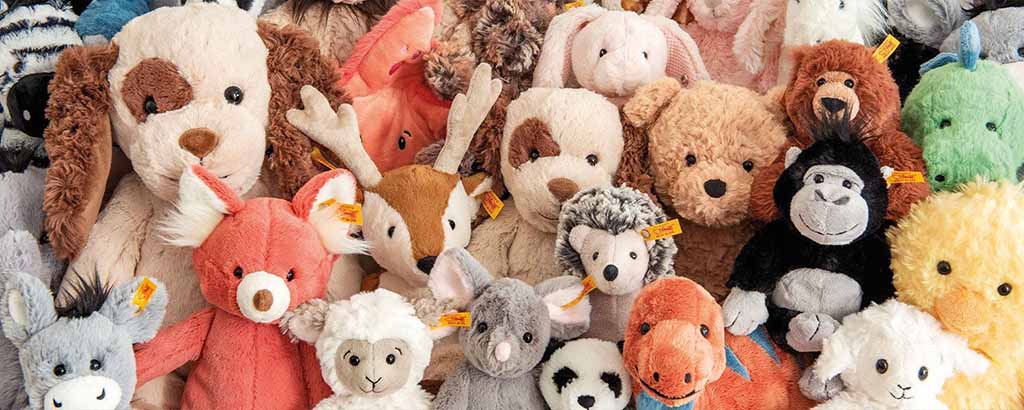
A strong QC system doesn’t stop at identifying defects—it focuses on long-term improvement. QC teams generate reports with defect rates, root cause analysis, and corrective action recommendations. These insights help factories adjust machinery settings, retrain workers, update SOPs, and improve material selection.
Feedback loops between QC, production teams, engineers, and management drive continuous improvement. Regular meetings help identify recurring issues such as misaligned embroidery, uneven stuffing, or inconsistent proportions. Over time, these insights result in better efficiency, fewer rejects, and more predictable quality.
Brands that work closely with QC teams benefit from transparent reporting, faster problem resolution, and improved manufacturing stability.
QC Improvement Cycle Table
| QC Output | Purpose | Long-Term Benefit |
|---|---|---|
| Daily Inspection Reports | Track issues in real time | Faster response |
| Root Cause Analysis | Identify failure sources | Prevent recurrence |
| Corrective Actions | Adjust process or training | Improved efficiency |
| Trend Tracking | Spot recurring defects | Better process control |
| Client Feedback Integration | Align factory standards | Higher satisfaction |
Conclusion
Quality control is the backbone of plush toy manufacturing. From raw materials to final packaging, QC teams ensure that every product meets global safety standards, matches the approved design, and reflects the brand’s commitment to consistency and reliability. Their structured inspections, safety testing, reporting systems, and corrective actions form a complete ecosystem that minimizes risk and strengthens trust between factories and international buyers.
📧 Contact: [email protected]
🌐 Visit: https://kinwintoys.com