Skip to content
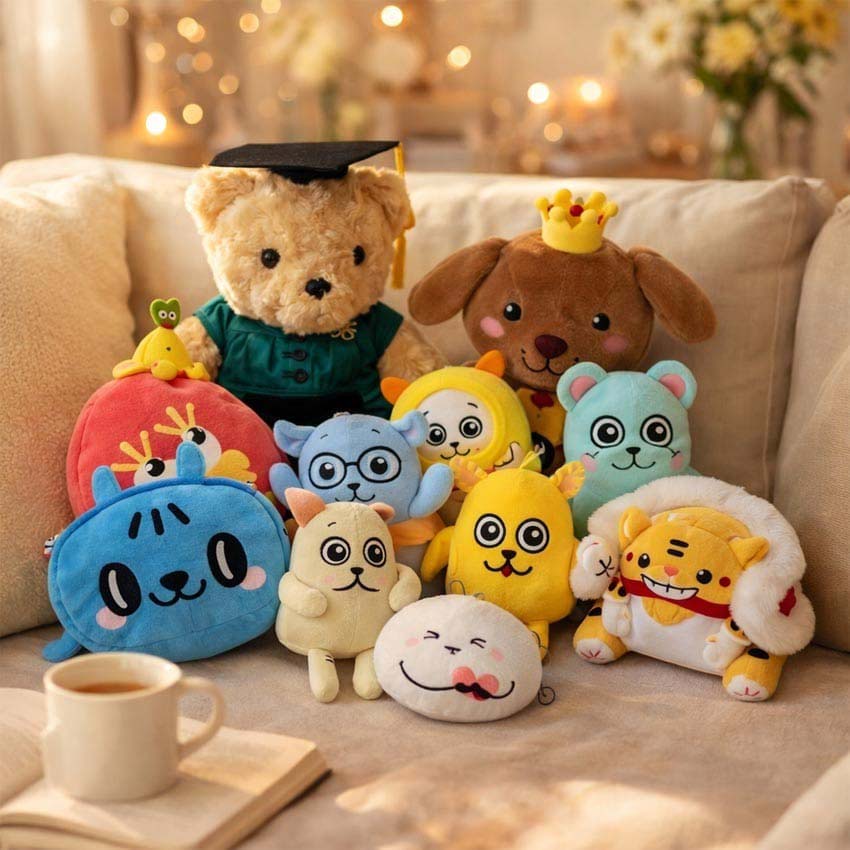
When people talk about “plushies” today, they do not mean only kids’ toys. Plushies have become comfort items, collectibles, decor, and a way for fans to show what they love.
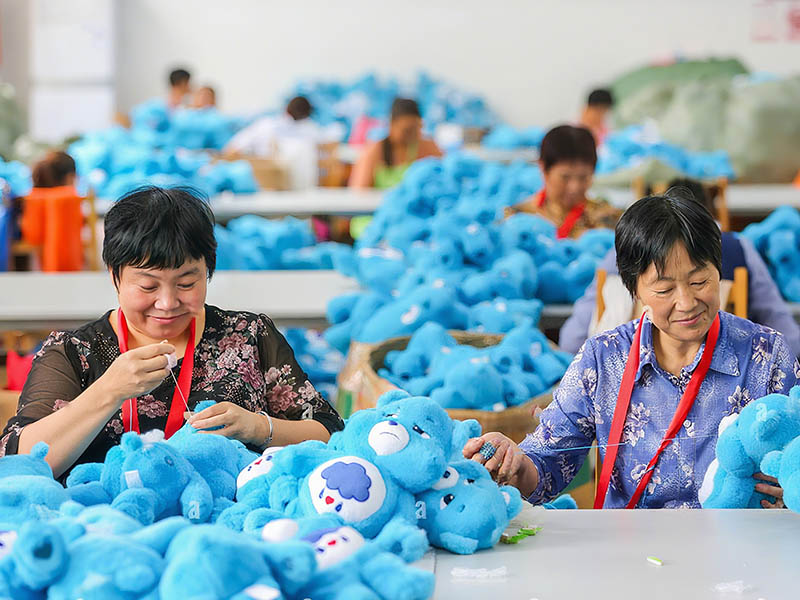
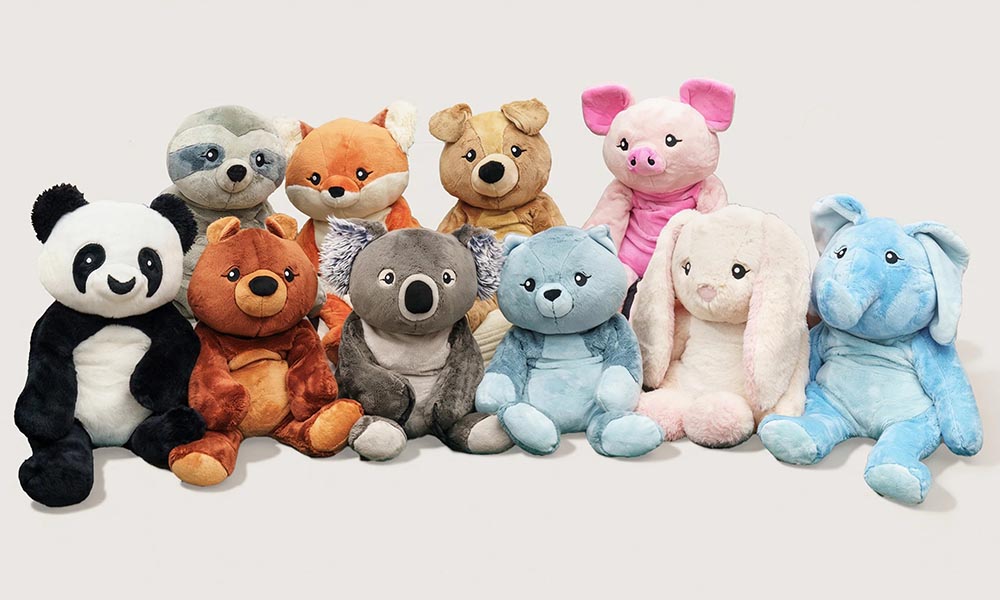
A plushie is a soft toy made from plush fabric and filled with stuffing such as polyester fiber. Modern plushies usually have rounded shapes, simple cute faces, and are designed to be hugged, displayed, and collected by both children and adults. They can be original characters or licensed IP from games, cartoons, brands, or events, and they must still follow strict safety and quality standards when sold as children’s products.
In this guide, I will walk you through what “plushie” really means today, and how you can use this understanding to build stronger plush product lines for your brand.
What is the modern definition of a plushie?
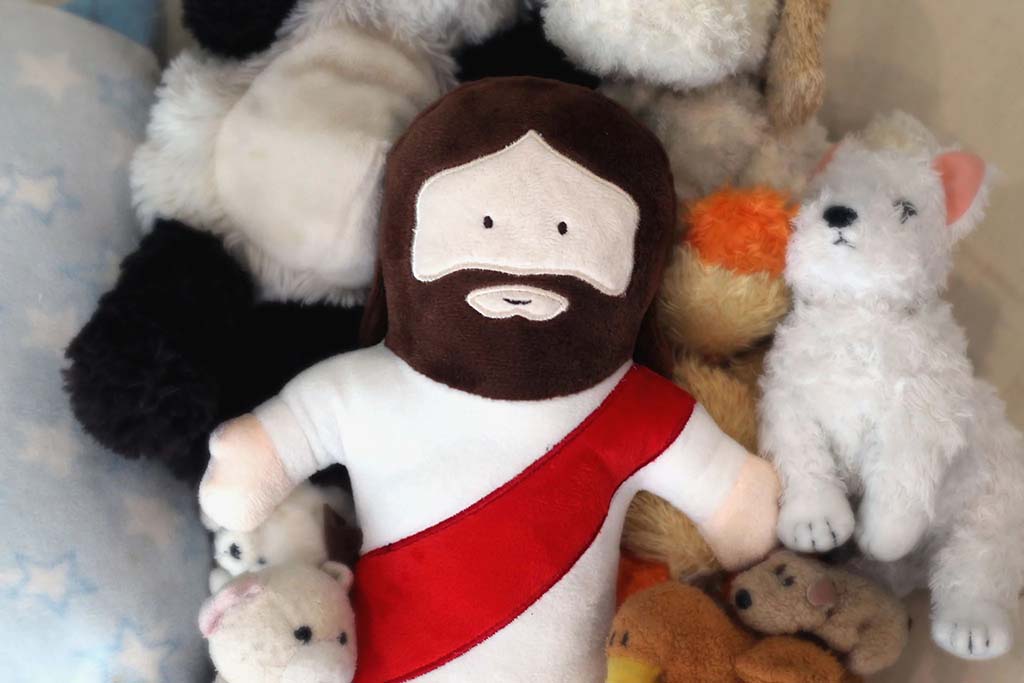
If you scroll through social media or e-commerce platforms, the word “plushie” appears everywhere. It sounds friendly and casual, but behind this simple word, buyers now have clear expectations.
In modern toy language, a plushie is a soft, stuffed character or animal made from plush fabric and designed to be extra cute, huggable, and expressive. The term is widely used online, especially in fan communities, where it often means a character-driven plush that people want to cuddle, photograph, and display.
A plushie is still a type of plush toy, but the tone is different. “Plush toy” sounds technical; “plushie” feels emotional. This emotional feeling is exactly what helps you sell more in competitive markets.
You will see several terms used for similar products. Here is how they typically compare:
| Term | Simple Description | Tone / Feeling | Common Use Cases |
|---|---|---|---|
| Plushie | Cute, soft plush character | Warm, playful, modern | Online stores, fandoms, lifestyle content |
| Plush toy | Any toy made from plush fabric | Neutral, professional | Catalogs, B2B, compliance documents |
| Stuffed animal | Animal-shaped toy with filling | Classic, family-oriented | Gift shops, traditional toy aisles |
| Soft toy | Broad term for stuffed soft toys | Generic, simple | European labels, general categories |
For your brand, using “plushie” in the right places (titles, descriptions, social media) can help you connect with younger buyers, fans, and adults who are looking for comfort items—not just generic toys.
How do materials and fillings influence plushie softness and quality?
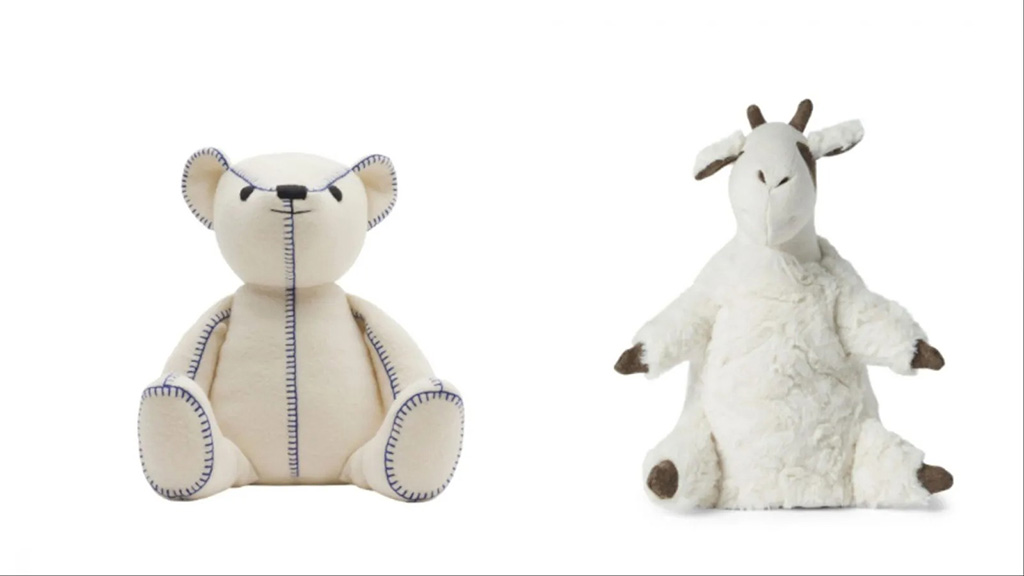
The first thing people do when they receive a plushie is touch it. If the fabric feels rough or the body feels lumpy, they will not love it, even if the design is cute. Materials and fillings are the base of perceived quality.
Most modern plushies use synthetic plush fabrics such as minky or velboa on the outside, and polyester fiberfill on the inside. For higher-end lines, brands may choose denser fiber, cluster fiber, or add pellets for weight and stability. The right combination can make a plushie feel cloud-soft, firmly shaped, or deeply comforting—depending on what your customers want.
Here is how key material and filling choices influence the final product:
| Component | Common Options | Impact on Customer Experience |
|---|---|---|
| Outer fabric | Minky, velboa, fleece | Controls surface softness and visual warmth |
| Pile length | Short, medium, long | Short = clean and modern; long = fluffy and cozy |
| Filling | Polyester fiberfill, cluster fiber | Defines softness, bounce-back, and body fullness |
| Added weight | Plastic pellets in inner bags | Creates weighted, calming or “premium” feel |
| Lining / bags | Inner pockets, compartments | Keeps pellets or filling stable and safe |
From a sourcing point of view:
- If your buyers want sleep plushies, choose very soft fabrics and lower-density fiberfill.
- If your buyers want display plushies, use slightly denser filling to keep sharp silhouettes.
- If your buyers want weighted comfort plushies, add pellets in inner bags to create a grounded feel without losing softness.
At Kinwin, we always talk about the final use scene first—bedroom, sofa, office desk, or collector shelf—and then match fabric and filling to that scene. This helps you avoid “too soft” or “too hard” surprises when samples arrive.
Which design features shape a plushie’s appearance and personality?
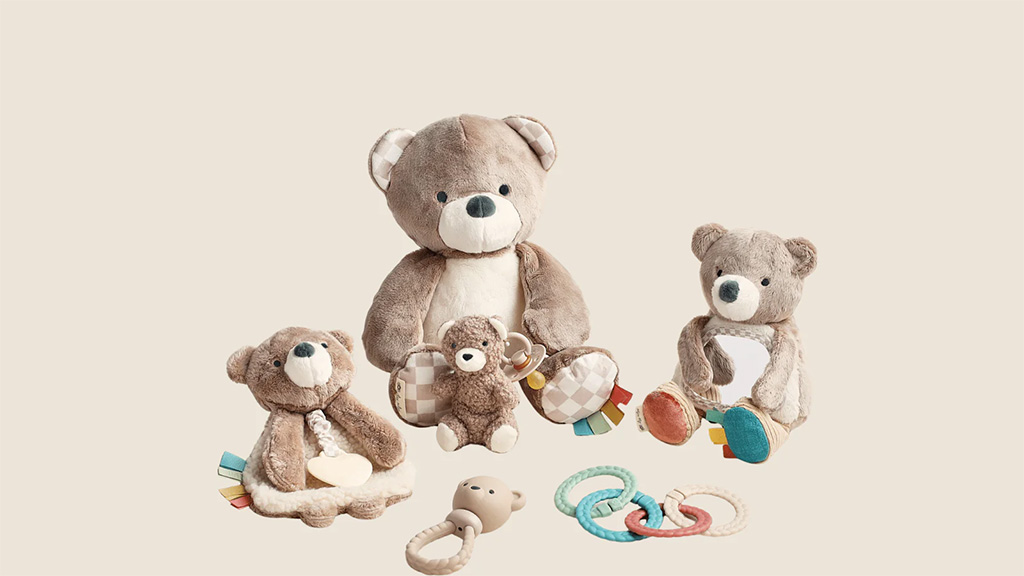
Two plushies can use the same material, but one sells much better. Often the difference is in proportions, face style, and small design details. Design is where your plushie gains real personality.
Most successful plushies today use simplified, cute design codes: larger heads, small bodies, rounded limbs, and clean, expressive faces. Many brands choose embroidered facial features to keep a soft look and pass safety requirements more easily. Color choices, accessories, and even the way you shape ears or tails all send signals about mood and target audience.
From a buyer’s view, these choices make the plushie feel “calming,” “funny,” “cool,” or “elegant.” When you align design style with your customers’ lifestyle and identity, you turn a simple plushie into something they want to keep for years.
Here is a practical way to think about core design elements:
| Design Element | Common Plushie Choice | Effect on Perception |
|---|---|---|
| Head–body ratio | Larger head, smaller body | Feels cuter, more child-like, collectible |
| Limbs | Short, rounded arms and legs | Suggests safety, stability, and softness |
| Facial features | Simple embroidered eyes, nose, mouth | Premium look, safe, easy to recognize in photos |
| Color palette | Pastels, soft neutrals, gentle contrast | Calming, cozy, fits room and desk aesthetics |
| Accessories | Small bows, scarves, hats, tags | Adds story and character without clutter |
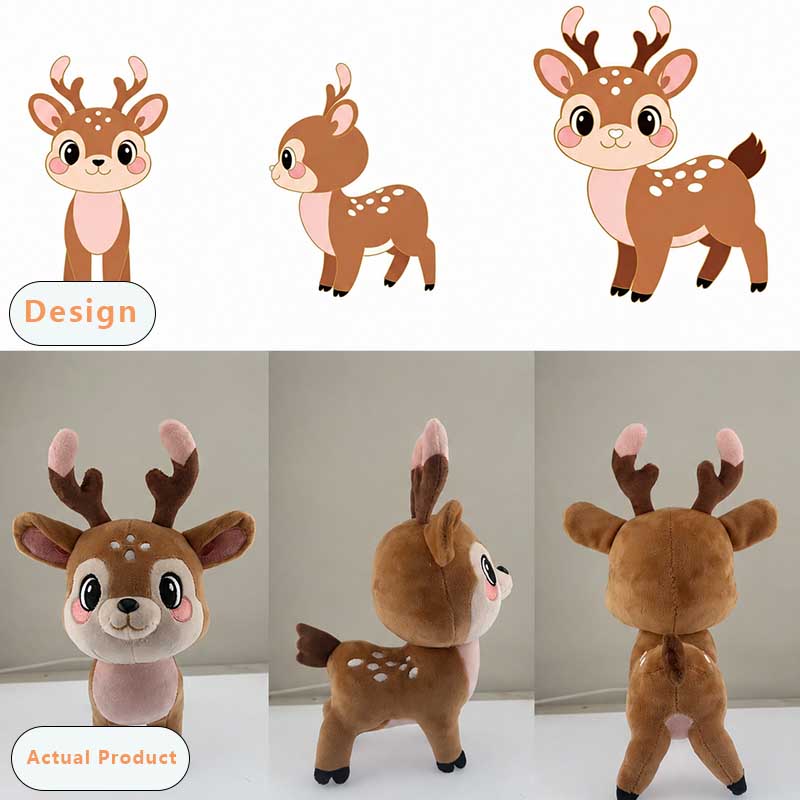
When we help brands develop new plushies, we often start with reference pictures and a “hero emotion”: relaxed, joyful, sleepy, silly, or mysterious. Each emotion leads to different face styles and body shapes. This way, your plushies tell a clear story the moment a customer sees them on screen or on the shelf.
How are plushies categorized across styles, uses, and age groups?
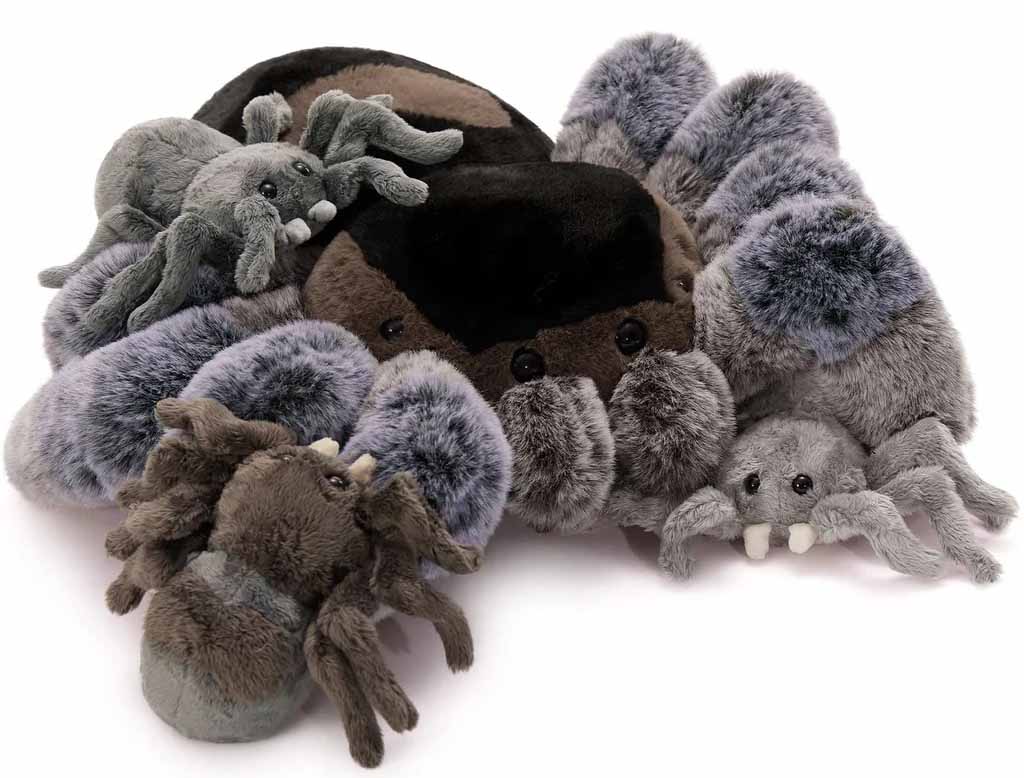
In the past, many buyers saw plushies mainly as children’s toys. Now, plushies serve many markets: baby gifts, teen fandoms, adult decor, corporate promotions, and more. Understanding these categories helps you plan a balanced product mix.
You can look at plushies from three angles:
- Style – how they look
- Use – how they are used
- Age group – who they are mainly designed for
Each angle supports different material, design, and safety decisions. When you map your product ideas across these categories, you see where you are strong and where you still have gaps.
Here is a simple overview:
| Category Type | Example Categories | Key Features | Main Buyers |
|---|---|---|---|
| Style | Kawaii, minimalist, realistic, chibi | Different proportion and face styles | Gift shops, fandom stores, lifestyle |
| Use | Sleep plush, decor plush, mascot, promo | Function-first design (hugging, display, branding) | Retailers, brands, theme parks |
| Age group | Baby, child, teen, adult / collector | Different safety, softness, and design expectations | Toy brands, e-com sellers, licensors |
Some common practical groupings:
- Baby and toddler plushies: Extra-soft fabrics, simple shapes, no small parts, often light colors.
- Kids’ plushies: Fun characters, more variation in color and size, strong seams for active play.
- Teen and adult plushies: Character IP, aesthetic decor pieces, weighted plush for comfort, trend-led designs.
- Promotional and mascot plushies: Strong branding elements, logo placements, event themes, often targeting all ages.
At Kinwin, we help you clarify which segment each plushie belongs to, then we adjust pattern, material, and filling level to match that specific use and age group. This makes your range easier to position and reduces confusion for your marketing team.
What safety and compliance standards apply to plushie production?
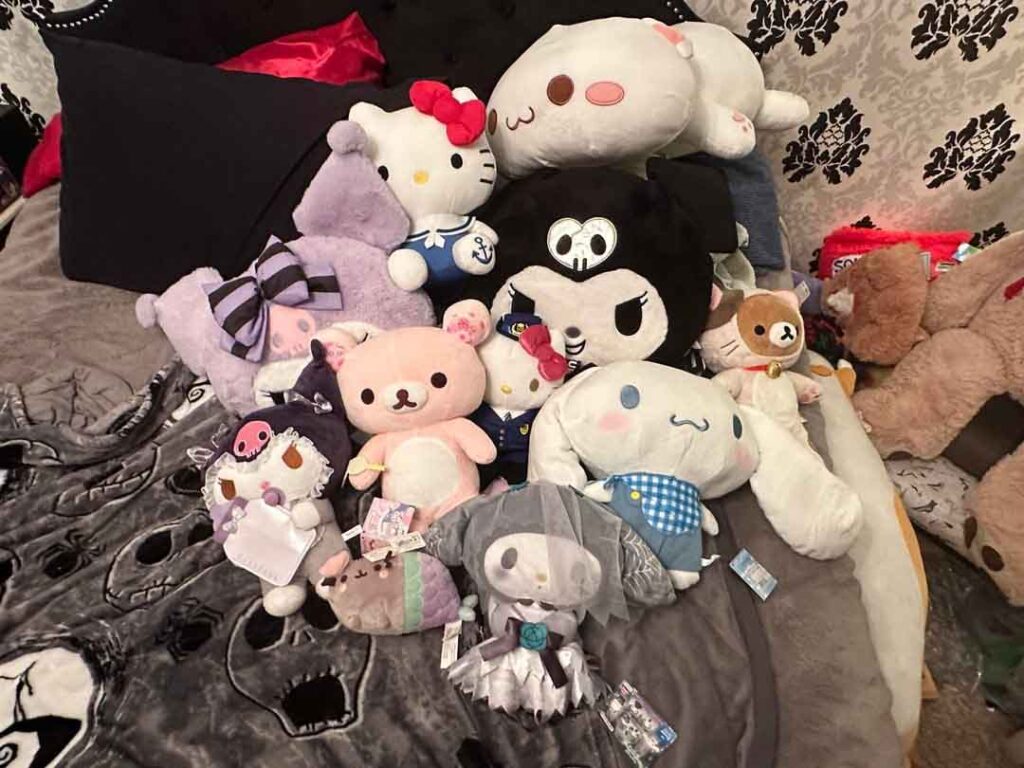
No matter how cute a plushie is, children’s markets will not accept it without safety. For global buyers, safety and compliance are not “nice to have”—they are essential to protect your customers and your brand.
Plushies sold as toys for children must follow the regulations of their target markets. For example, the USA, Europe, and many other regions have clear rules on small parts, flammability, chemical content, and labeling. Even when you sell mainly to teens and adults, many retailers still expect your plushies to meet toy-level standards to reduce risk.
While detailed rules change between countries, some key standards frequently appear in our daily work with clients:
| Standard / Mark | Main Region / Use | Focus Areas |
|---|---|---|
| CE + EN71 | Europe | Mechanical safety, flammability, chemicals |
| REACH | Europe | Restricted chemical substances |
| ASTM F963 | USA | Mechanical, flammability, heavy metals |
| CPSIA | USA (children’s products) | Lead content, tracking labels, phthalates |
| EN62115 / others | Electronic toys (if applicable) | Safety for toys with electronic components |
From a plushie design and sourcing standpoint, these standards affect:
- Fabric selection (colorfastness, chemicals)
- Filling choice and construction (no loose pellets for small children)
- Eye and nose type (typically embroidered or securely attached)
- Seam strength (avoid opening under normal use)
- Labeling (age grade, warnings, care instructions, tracking)
As a factory, we build safety into the product from the first sample. We adjust pattern and material choices so your plushies can pass the necessary tests, then support you with testing through recognized labs when needed. For buyers like you, this means fewer surprises and smoother cooperation with big retailers and online platforms.
How do trends, fandoms, and collector culture drive plushie popularity?
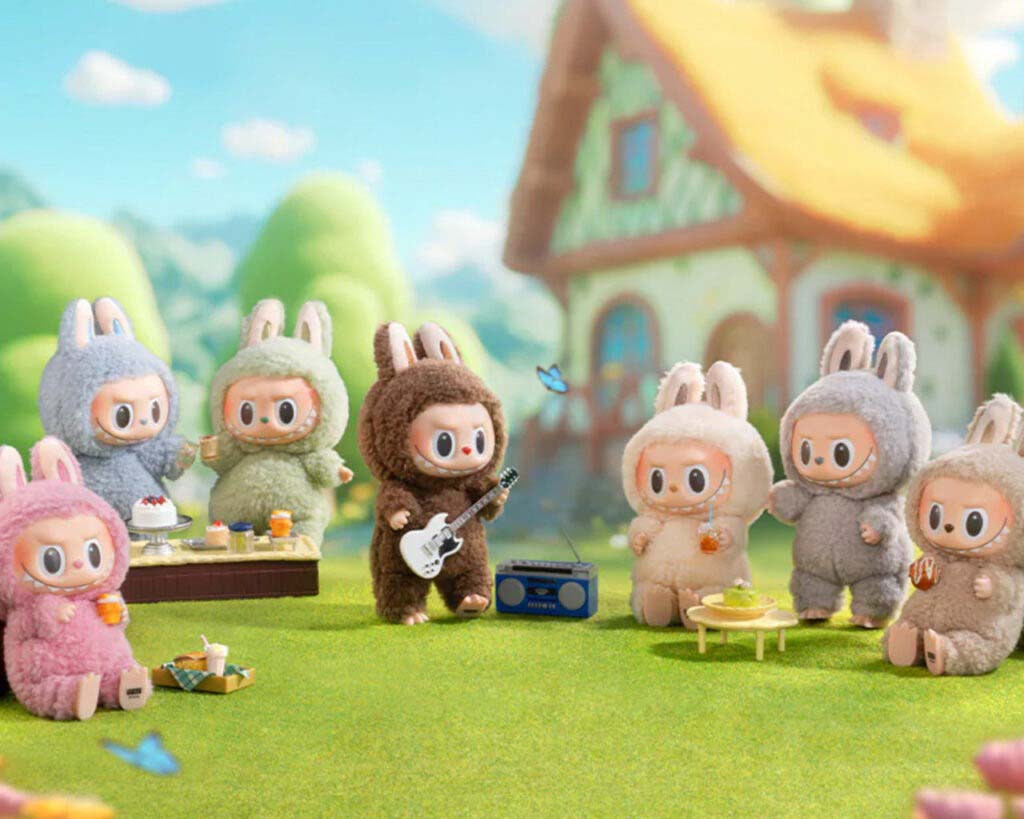
Plushies are not only products; they are part of lifestyle and culture. Trends, fandoms, and collectors now play a huge role in deciding which plushies sell out and which ones stay in the warehouse.
Online communities on platforms like TikTok, Instagram, and streaming sites have given plushies new roles: desk decor, background props, comfort aids, and identity markers. Fans show their favorite characters through plushies. Collectors build full shelves based on games, anime, K-pop, or original art. Adults buy plushies for stress relief and self-care.
These forces change what “good product planning” means for plush lines. You are no longer designing only for a child; you are designing for content, feelings, and display.
Here is how different trend forces shape plushie demand:
| Trend / Community | How It Uses Plushies | Product Response That Works |
|---|---|---|
| Fandoms (game, anime, IP) | Character plush collections, event merch | Accurate design, series sets, limited runs |
| Cozy / aesthetic trends | Room and desk decor, photo backgrounds | Soft colors, clean shapes, matching palettes |
| Wellness / self-care | Comfort objects for stress or sleep | Extra-soft textures, weighted options |
| Collector culture | Display shelves, swapping, rare pieces | Numbered tags, seasonal themes, packaging |
| Streaming & social media | Background props, mascots, brand elements | Recognizable silhouettes, media-friendly size |
For you as a buyer or brand owner, the opportunity is clear:
- You can build character-driven collections that speak to specific fan bases.
- You can create comfort-focused plushies that tie into wellness and sleep.
- You can design decor-oriented plushies that match color trends and interior styles.
At Kinwin, we listen carefully to your target communities and trend references—Pinterest boards, moodboards, existing bestsellers—and then translate them into real plushies with clear specs and safety built in. This way, your plushies do not just follow trends; they are ready for real-world production, testing, and repeat orders.
Conclusion
A modern plushie is a soft, character-led product that combines safe materials, thoughtful design, and cultural relevance. At Kinwin, we help global buyers turn plushie ideas into tested, high-quality products that feel soft, look on-trend, and perform well in demanding markets. Contact us at [email protected] or visit kinwintoys.com to discuss your next plushie project and see how our factory team can support your long-term growth.