Skip to content
When buyers say “plushy” today, they rarely mean just any stuffed toy. They usually mean something extra soft, cute, stylized, and often linked to a character or fandom.
“Plushy” in modern toy language usually refers to soft, huggable character toys made from plush fabric, with rounded shapes, cute faces, and collectible appeal. The word often appears online in fan communities and e-commerce listings, where it suggests more than a basic stuffed animal: it signals a cozy, expressive, and highly lovable character that people enjoy hugging, displaying, and collecting.
In this guide, I will help you understand how “plushy” is used and how you can design products that meet buyer expectations.
What does the term “plushy” mean in modern toy language?
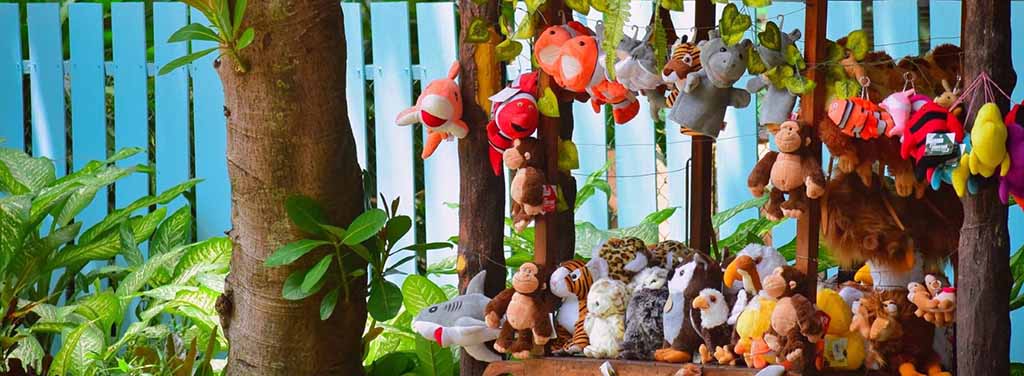
When people search “plushy,” they are usually thinking of a soft, cute, stylized plush character—not just a standard soft toy. The word feels informal, friendly, and emotional. It appears often in online spaces, where customers share photos, reviews, and unboxing clips.
Many customers use “plushy” interchangeably with “plushie,” but the tone is always cozy and affectionate. It describes toys that feel good to hold, look cheerful, and match an aesthetic. For brands, it is useful to understand the emotional tone behind the word, because it shapes how customers judge your designs.
How buyers use the word “plushy”
From our experience with global buyers, “plushy” appears most in:
- Social media posts
- E-commerce listings
- Fan communities
- Product reviews
- Collectors’ discussions
People use “plushy” to describe toys that feel expressive and comforting. The word hints at softness, cuteness, and personality. It is not a technical term—it is an emotional one.
| Context | How “Plushy” Is Used | What Buyers Expect |
|---|---|---|
| Everyday speech | Casual word for a soft toy | Comfort, cuteness, easy to hug |
| Fandom / character goods | Character-centered collectibles | Recognizable faces, quality details |
| Social media posts | Aesthetic object in photos and videos | Rounded shapes, soft colors |
| Gifts and self-care items | Comfort or emotional support item | Soft touch, calming design, safe materials |
When we create plush samples at Kinwin, we focus on this emotional value. A “plushy” should feel kind the moment someone sees or touches it.
How do materials and construction influence what is considered a plushy?
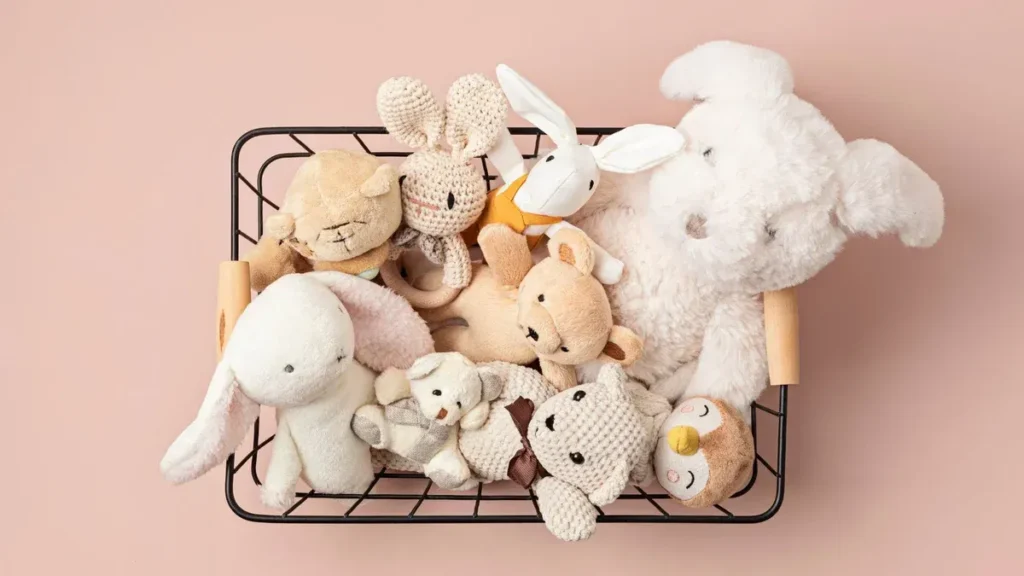
A toy may look cute, but if it feels rough or too firm, customers will not see it as a “plushy.” Materials and construction are what make a plushy truly soft and comforting.
Most plushies use soft surface fabrics such as minky or velboa, paired with polyester fiberfill. These create a smooth touch and a light, bouncy feel. Hidden seams, even filling, and clean stitching help the plushy look polished and durable. The whole construction works together to create that cozy, high-quality feel buyers expect.
Fabrics, fillings, and how they shape the “plushy” feel
Here are the most common components we use when designing plushies for global markets:
Fabric:
Short-pile minky and velboa fabrics are the most popular. They feel soft and warm while keeping a clean surface.
Filling:
Polyester fiberfill is the standard choice because it forms a smooth, squeezable body. Pellets may be added to create weight and stability, especially for sitting plushies or weighted comfort toys.
Construction:
Hidden seams, balanced stuffing, and internal bags for pellets make the plushy feel stable and safe. Even tiny differences in seam tension or stuffing can affect the final look.
| Component | Common Options | Effect on “Plushy” Feel |
|---|---|---|
| Fabric surface | Minky, velboa, fleece | Defines softness and visual warmth |
| Pile length | Short or medium | Short = neat; medium = fluffy and full |
| Filling type | Fiberfill, fiberfill + pellets | Controls softness, bounce, and stability |
| Construction | Hidden seams, inner bags | Affects shape consistency and safety |
A plushy should feel soft when squeezed and smooth when touched. The better your material combination, the more customers trust your brand.
How does “plushy” differ from plush toys, plushies, and stuffed animals?
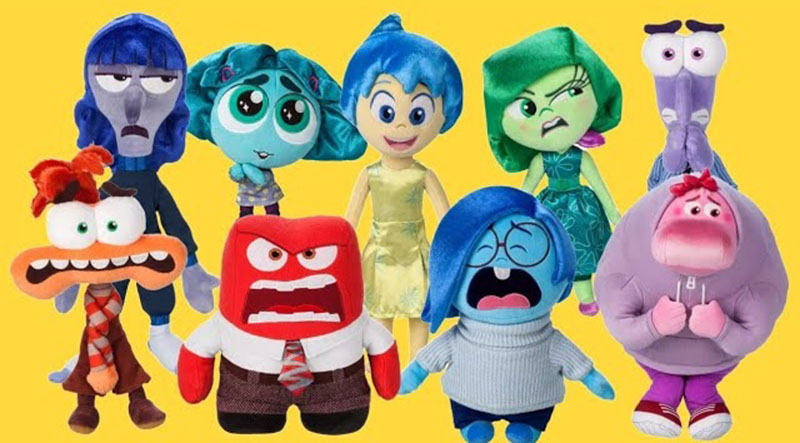
Different markets use different words: plush toy, plushie, plushy, stuffed animal, soft toy. These terms overlap, but they carry different emotions. Understanding the differences helps you choose the right naming for your listings, catalogs, and packaging.
“Stuffed animal” is traditional. “Soft toy” is used more in Europe. “Plush toy” is a technical industry term. “Plushie” and “plushy” come from internet culture and feel modern, cute, and character-driven. Brands use these softer terms when they want to create emotional appeal or target younger audiences.
Nuances between common terms
Here is a clear comparison that many of our clients find useful:
- Stuffed animal: Any animal-shaped toy with filling; very traditional.
- Soft toy: Neutral and simple; common in the UK and EU.
- Plush toy: Professional, used by factories and compliance teams.
- Plushie: Cute, modern, and widely used by fans online.
- Plushy: Similar to plushie; playful and cozy in tone.
| Term | Typical Use Area | Tone / Emotion | Good For |
|---|---|---|---|
| Stuffed animal | USA, traditional retail | Classic, family-oriented | Gift shops, toy aisles |
| Soft toy | UK, Europe | Neutral, simple | Catalogs, compliance notes |
| Plush toy | Industry / B2B | Professional, technical | Specs, sourcing, packaging text |
| Plushie | Online, fandom, youth | Cute, expressive, modern | Social media, character brands |
| Plushy | Online, casual speech | Cozy, emotional, playful | E-commerce listings, reviews |
When your audience uses cute and emotional language, matching those terms can help your products rank better and feel more relatable.
What design elements shape the style and appeal of plushies?
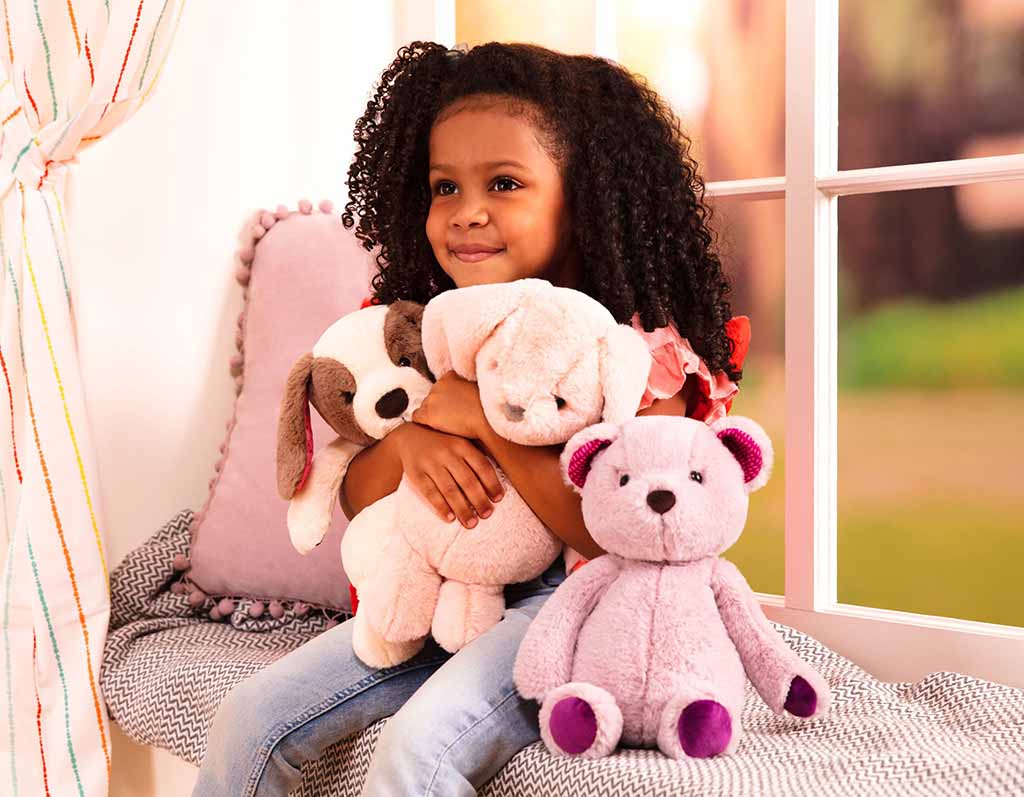
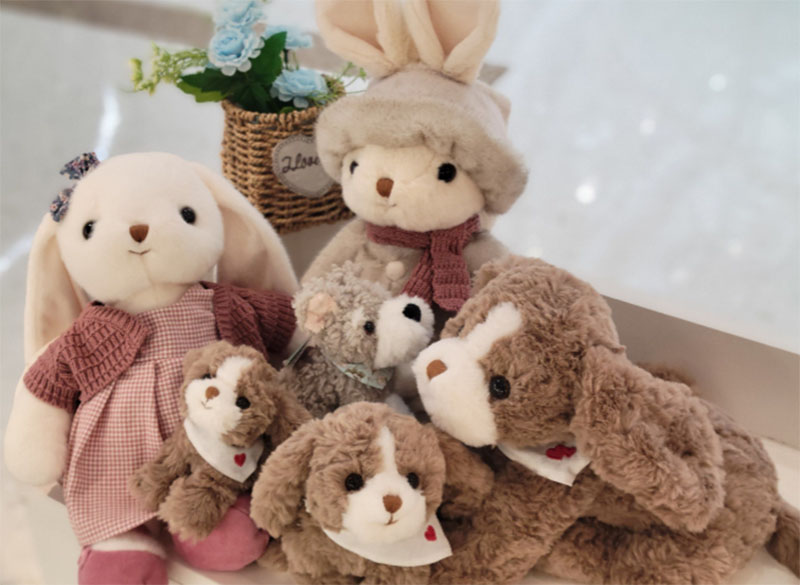
Beyond softness, design defines whether customers want to buy and share your plushy. Cute proportions, simple faces, and balanced colors create strong emotional appeal.
Popular plushies often have:
- Rounded shapes
- Slightly oversized heads
- Simple embroidered faces
- Gentle pastel colors
- Small, tasteful accessories
These choices create a calm and friendly look that works well for children, teens, and adults.
Key design choices for a successful plushy
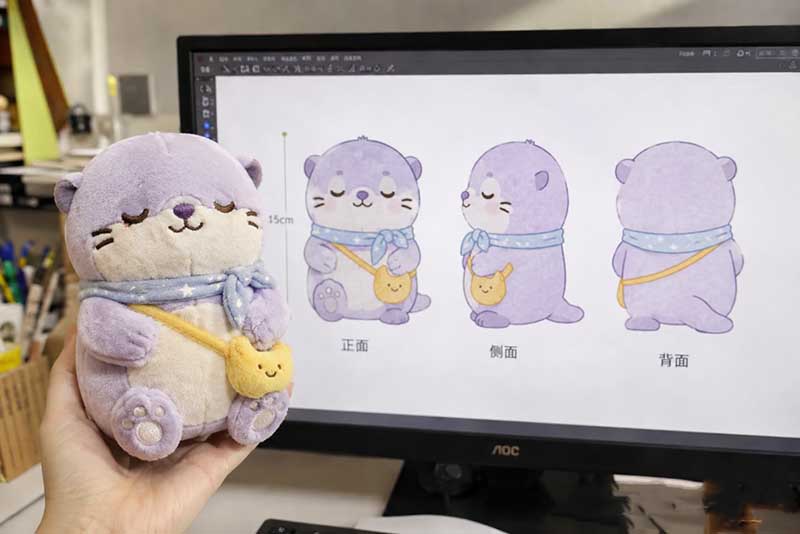
When brands partner with us for design, we focus on proportions and emotional tone. Many high-performing plushies use simplified features that feel pure and gentle.
| Design Element | Common “Plushy” Choice | Effect on Customers |
|---|---|---|
| Head–body ratio | Larger head, smaller body | Feels cute and collectible |
| Limbs | Short, rounded arms and legs | Creates stability and softness |
| Face style | Simple embroidered features | Premium feel and child-safe |
| Color palette | Pastel or soft earth tones | Calming, aesthetic, social-media ready |
| Accessories | Small bows, scarves, badges | Adds personality without clutter |
Design is a major part of what turns a basic plush toy into a recognizable plushy. The right proportions and colors can make your product instantly appealing.
How is “plushy” used across fandoms, collectibles, and pop culture?
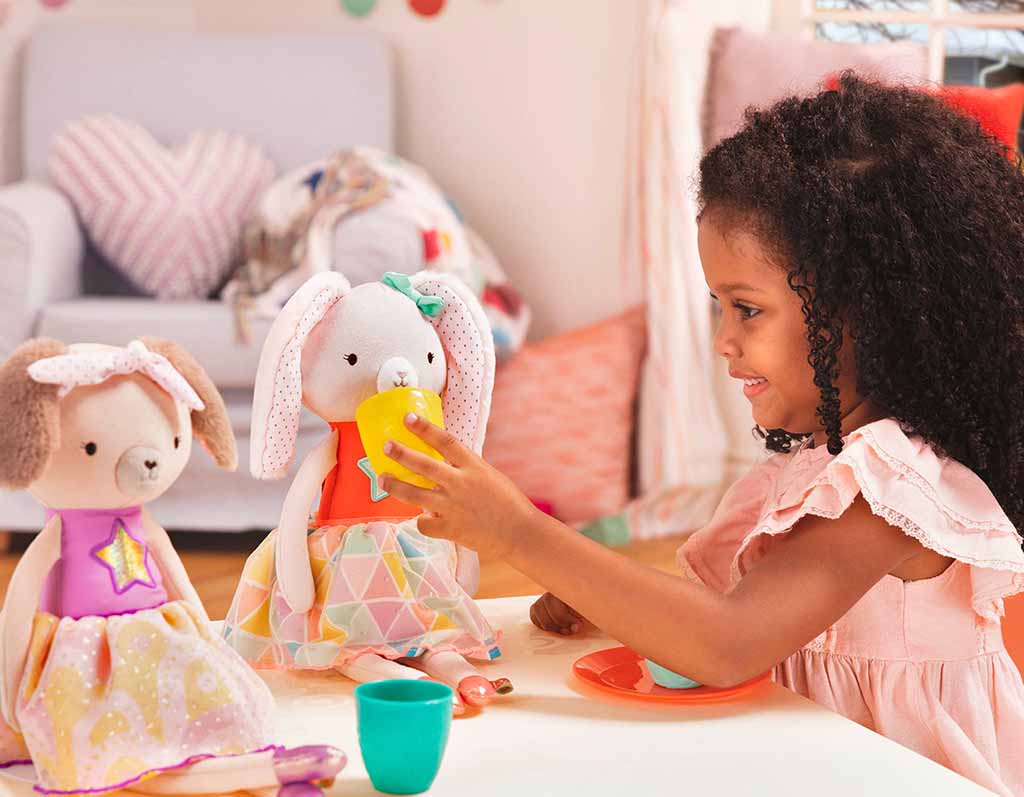
The meaning of “plushy” is heavily shaped by fandom culture. Many buyers use the word when talking about character plush from games, anime, K-pop, or creators they follow online. In these spaces, the plushy is not just a toy—it is a symbol of identity.
Fans use plushies to decorate shelves, take photos, bring to events, or show connection to a character. These plushies often become collectibles, and quality matters more because the audience includes teens and adults who pay attention to detail.
How fandom expectations shape “plushy”
When a plushy represents a licensed character, fans expect accuracy, quality, and personality. Small mistakes in color or proportions can reduce value.
| Segment | How “Plushy” Appears | Buyer Focus |
|---|---|---|
| Game fandoms | Character plush from popular titles | Accuracy, series sets, unboxing |
| Anime / manga | Chibi-style plush characters | Cuteness, emotional expression |
| Music / idols | Tour merchandise plushies | Identity, display value |
| Streamers / VTubers | Mascot or fan plushies | Connection to creator, shareable looks |
For brands working with IP, we follow your style guide closely to keep your plushies faithful to the original character.
How have trends and online communities influenced the meaning of “plushy”?
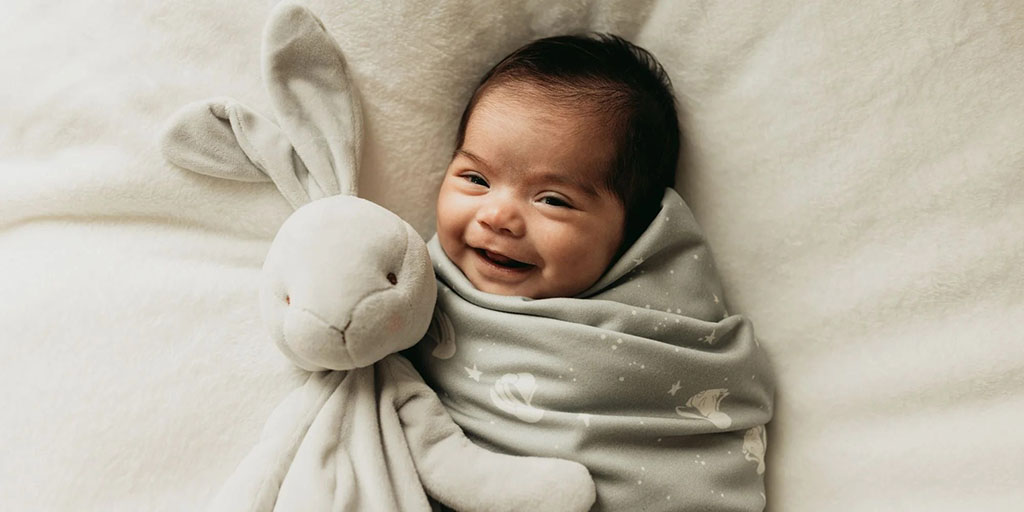
The meaning of “plushy” keeps evolving. Online communities shape it every year. Today, a plushy can be a comfort object, a decor item, a collection piece, or part of a personal aesthetic.
Soft room decor trends, wellness habits, and desk setup aesthetics all influence how people use plushies. Many adults now buy plushies for emotional comfort or as part of their creative environment. TikTok and Instagram have made plushies part of lifestyle content.
Trend layers that shaped today’s plushy
Here are the main cultural trends changing how people use and understand plushies:
- Cute culture: Soft, round, pastel plushies inspired by Japanese/Korean design.
- Wellness: Plushies as calming tools for anxiety or sleep.
- Decor: Plushies matching room colors and cozy themes.
- Collecting: Series-based collecting, limited drops, and fan-driven exclusives.
| Trend / Community | New Meaning Added to “Plushy” | Design / Product Response |
|---|---|---|
| Cozy room aesthetics | Plushy as decor | Matching colors, stable shapes |
| Self-care and wellness | Plushy as comfort object | Extra-soft textures, weighted options |
| Streaming setups | Plushy as background character | Clear silhouettes, expressive faces |
| Collectors | Plushy as limited-edition item | Numbered tags, seasonal releases |
At Kinwin, we turn these trend insights into real product features—fabric choices, face styles, filling density, and packaging that help your plushies feel current and desirable.
Conclusion
A plushy is more than a soft toy—it is a cultural and emotional object shaped by materials, design, and online trends. At Kinwin, we help global buyers create plushy lines that are safe, soft, design-driven, and ready for competitive markets. Contact us at [email protected] or visit kinwintoys.com to discuss how we can support your next plush project.