Skip to content
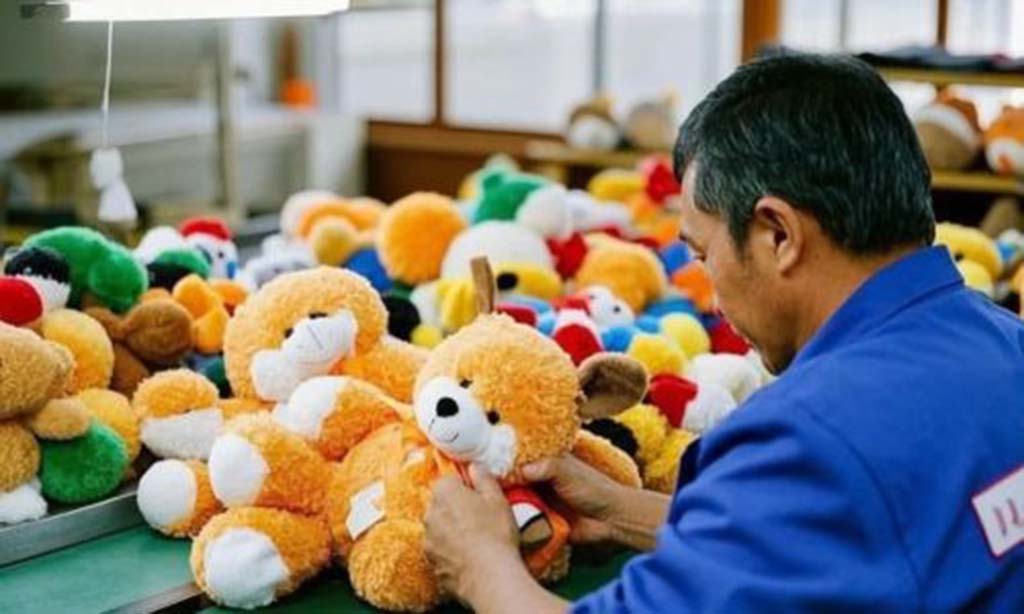
Many people know, logically, that stuffed animals are only fabric and stuffing. But when we hold a plush that has been with us for years, it can feel like more than “just a toy.” In factories, we design plush toys as products. In real life, people treat them almost like quiet friends.
Stuffed animals do not have real feelings in the way humans or animals do. But our brains are wired to project emotions onto objects, especially those that are soft, expressive, and connected with important moments in life. This emotional projection makes plush toys feel alive, comforting, and “understanding,” even though the feeling is actually coming from us.
In this guide, I’ll explain, in simple language, how and why people experience stuffed animals as if they have feelings—and how this can be healthy, especially for children, but also for many adults.
Why do people perceive stuffed animals as having feelings?
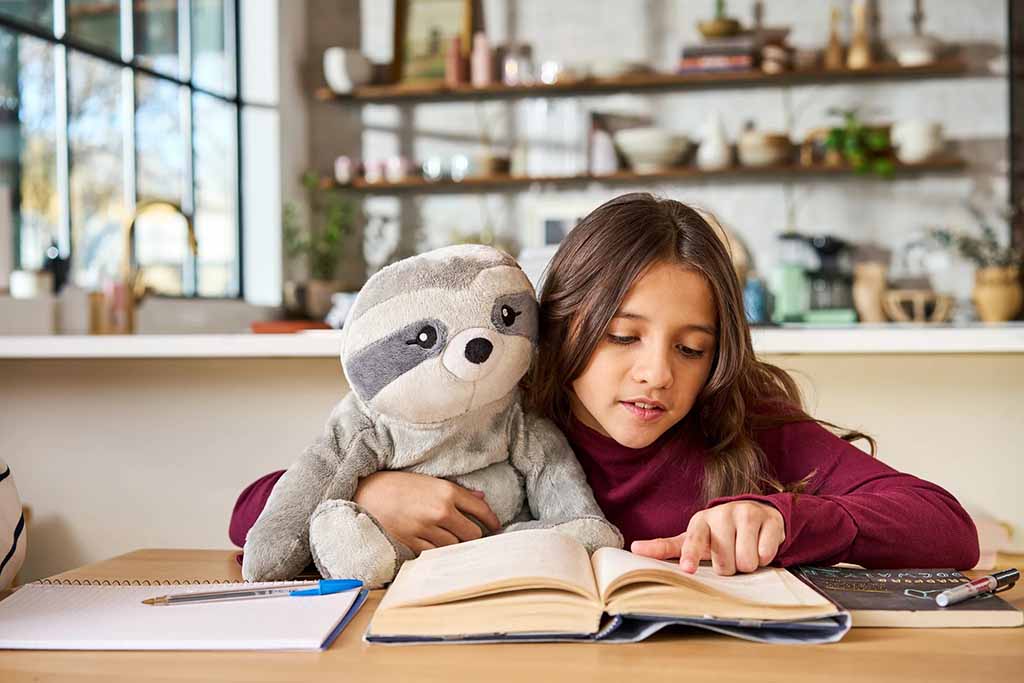
At a basic level, humans are social beings. Our brains constantly read faces, body language, and voices to guess how others feel. This skill is so strong that we also apply it to non-living things—a process sometimes called anthropomorphism (giving human traits to non-human objects).
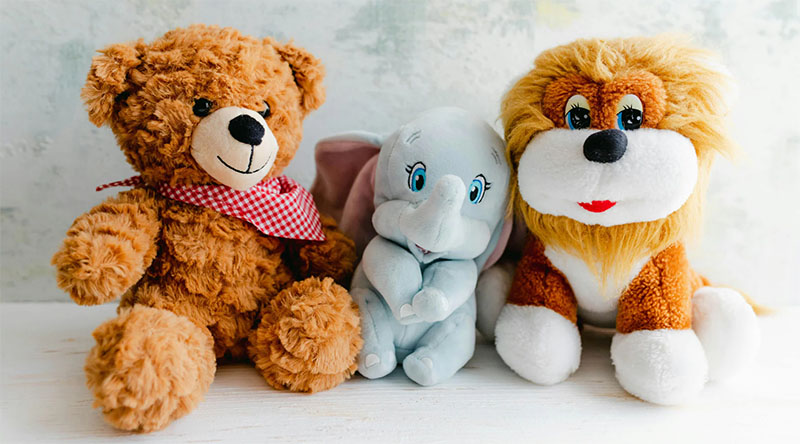
Stuffed animals are perfect targets for this. They have faces, soft bodies, and often a stable presence in our daily life. When a child talks to a plush bunny, or an adult hugs a weighted bear at night, they are not just using fabric. They are using their imagination and emotional memory to make that plush feel like a safe partner.
Why plush toys feel “alive” to us
| Factor | How It Works in Everyday Life |
|---|---|
| Face and eyes | We read emotion into eye shape, tilt, and mouth line |
| Soft touch | Soft fabric and weight trigger comfort and care responses |
| Repetition and routine | Seeing the same plush daily builds a sense of familiarity |
| Memories attached | Good or intense moments “store” emotions in that object |
| Stories and names | When we name plush toys, they feel more like characters than items |
So even though the plush does not feel anything, we feel something strongly toward it, and that can be very real and meaningful.
How does emotional projection shape human–plush attachment?
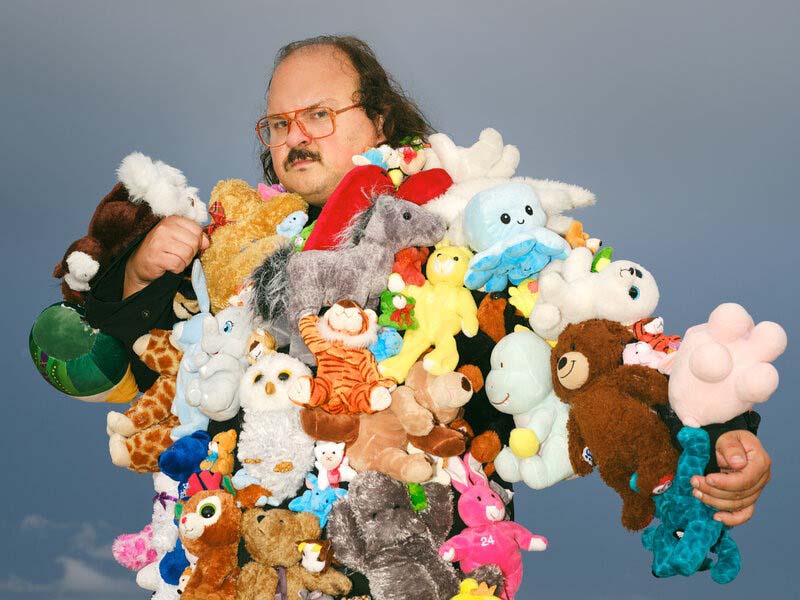
Emotional projection means we place our own feelings, needs, or stories onto something outside ourselves. With plush toys, this can look like:
- Believing the plush is “sad” if it falls on the floor.
- Feeling guilty if we leave it at home.
- Thinking one plush is “jealous” of another.
In reality, these stories are about our own emotions—but framing them through the plush can make them easier to understand and manage.
How projection builds attachment
| Emotional Need | How It Shows Up with a Plush |
|---|---|
| Need to feel cared for | “My bear understands when I’m upset.” |
| Need to care for others | “I must tuck my bunny in or she will be cold.” |
| Need to express safely | Telling the plush about worries instead of holding them in |
| Need for stability | Reaching for the same plush every night for comfort |
Over time, this kind of projection makes the plush feel like a secure base—a constant presence that seems to accept all our feelings without judgment.
As a manufacturer, I always remind myself: a plush is not only a product. It might become a child’s “best friend” or an adult’s quiet support at the end of a long day.
What role do comfort objects play in psychological development?
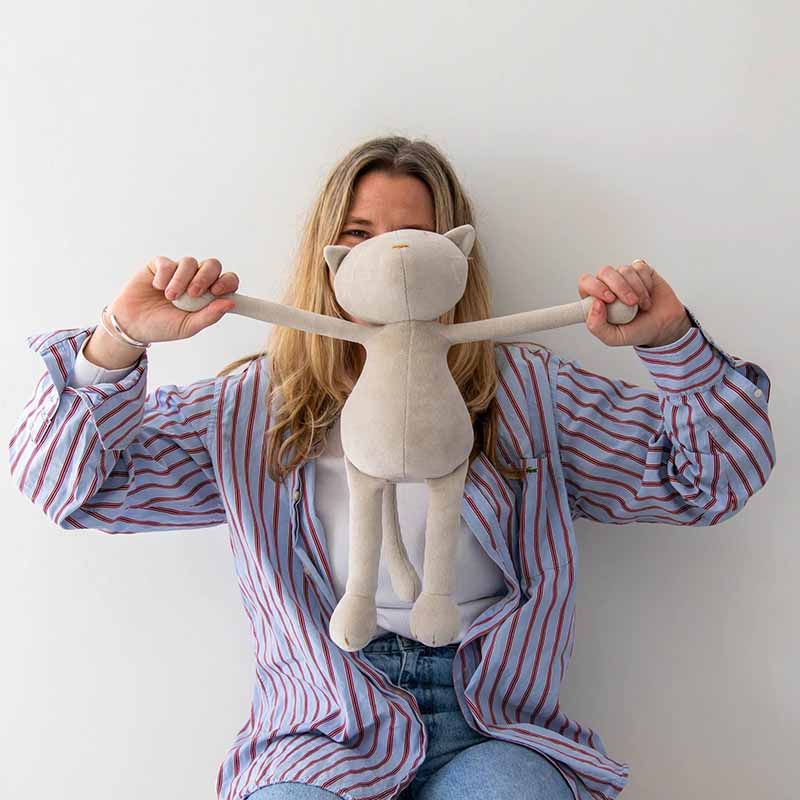
Psychologists often call favorite plush toys or blankets “comfort objects” or “transitional objects.” These objects help children move from complete dependence on parents to more independence.
A baby cannot always have a parent in their arms. A soft toy can carry some of that feeling of safety when the parent steps away. As children grow, they practice:
- Soothing themselves by holding or stroking the plush.
- Playing out stories and conflicts through the toy.
- Handling separation (for example, at daycare or at night).
Functions of comfort objects in development
| Stage / Situation | How a Plush Helps |
|---|---|
| Toddler bedtime | Makes the crib or bed feel less lonely |
| Daycare or school start | Provides a familiar “piece of home” in a new place |
| Stressful events | Offers a safe, non-judging thing to cling to |
| Imaginative play | Lets children explore roles, fears, and wishes safely |
For most children, strong attachment to a plush toy is normal and healthy. Over time, they usually carry the feeling of safety inside themselves, and the object becomes less central—but often still emotionally important.
Even for adults, a long-kept plush can act as an anchor to a safe memory or to a kinder picture of themselves at a younger age.
How do cultural and media influences reinforce the idea of plush “feelings”?
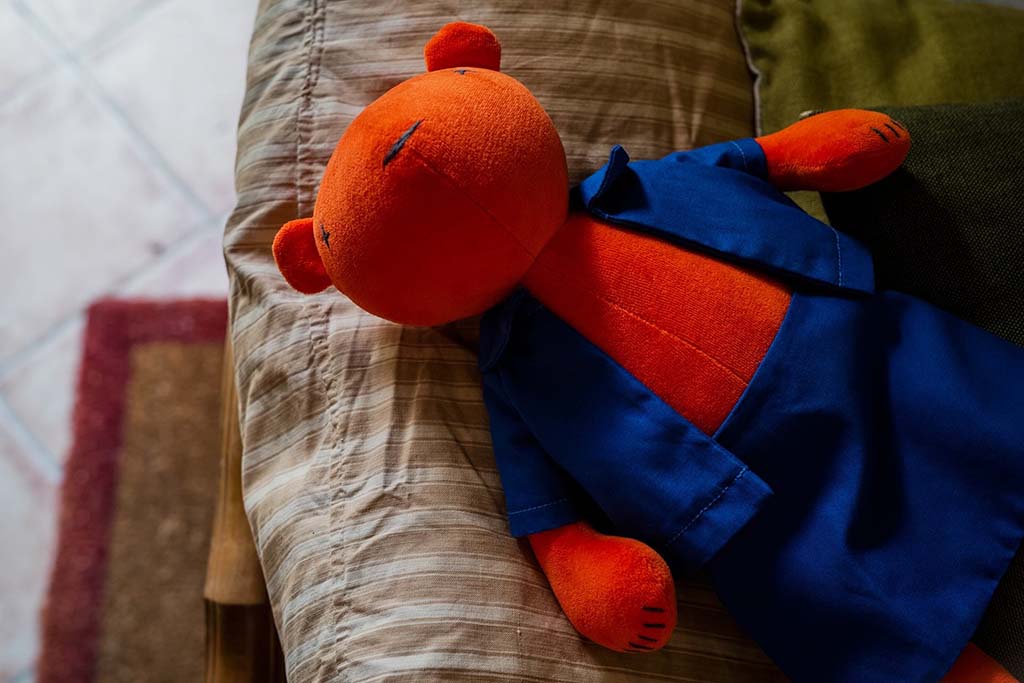
Culture and media heavily shape how we see stuffed animals. In books, cartoons, movies, and advertising, plush toys and other objects are often shown as fully alive characters:
- Bears that talk and walk.
- Bunnies with their own worries and dreams.
- Toy groups that have friendships and conflicts when humans leave the room.
These stories are charming, but they also train our imagination to see toys as emotional beings. This is especially strong for children, but adults are influenced too.
Ways culture gives plush toys “feelings”
| Medium / Channel | Typical Message About Plush |
|---|---|
| Children’s books | Plush toys think, feel, and comfort their owners |
| Cartoons and films | Toys have secret lives, personalities, and friendships |
| Social media & memes | Plush “reactions” and “moods” shared in photos |
| Product marketing | Plush is framed as a friend, not just a product |
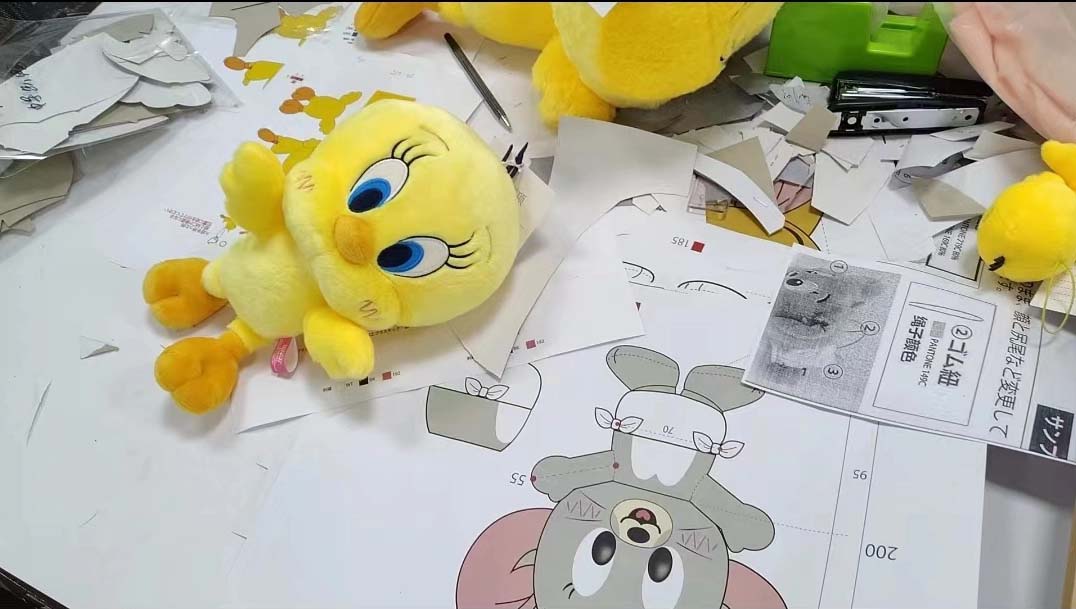
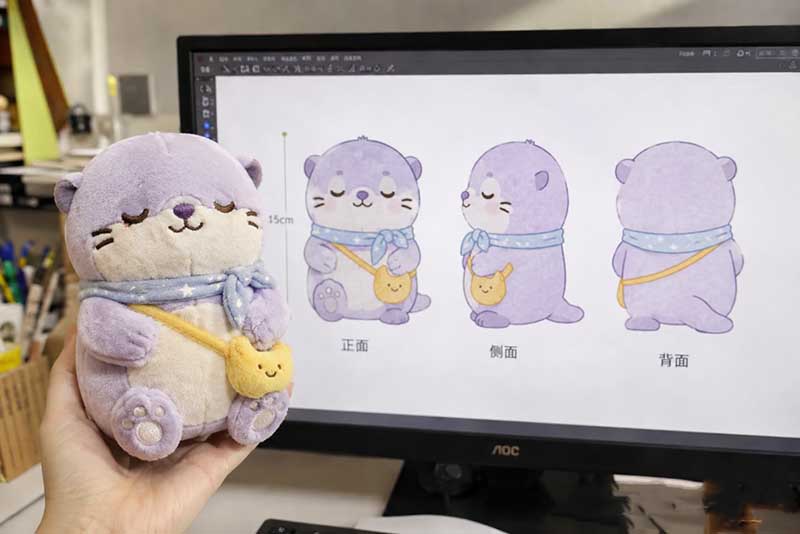
As a factory partner, I see many briefs like: “We want this plush to look shy but hopeful,” or “The face must feel calm and kind.” These are emotional instructions, not only technical ones.
Even though everyone knows the plush is not alive, we design and present it as if it carries a personality. That makes it easier for people to connect with it.
How do therapists use plush toys to support emotional expression?
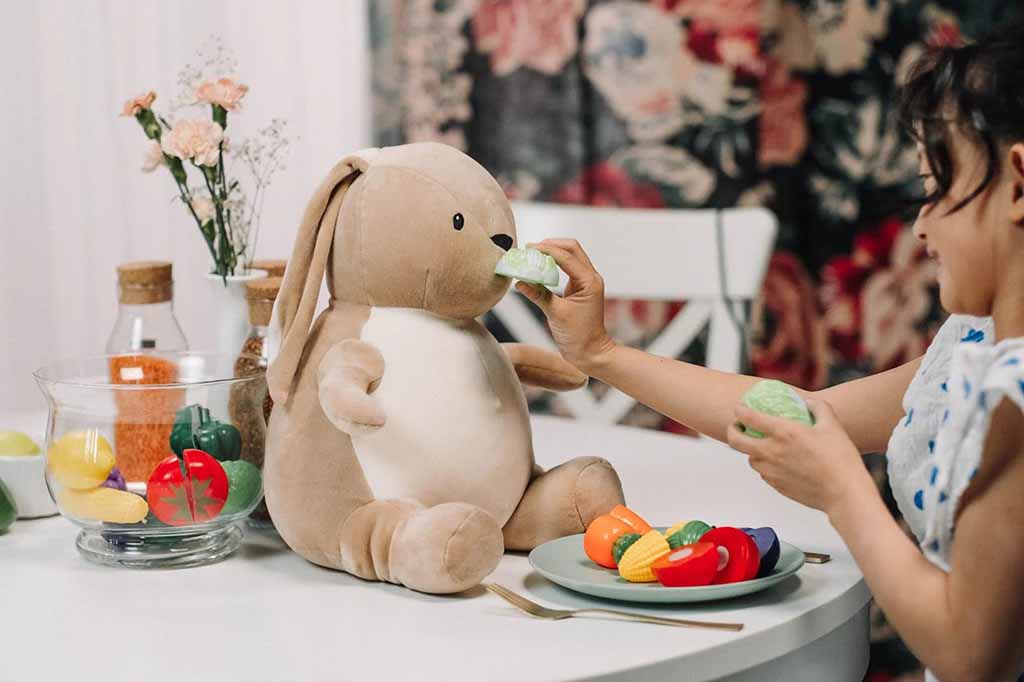
In many forms of child therapy—and sometimes with teens and adults—soft toys and puppets play an important role. Therapists misuse neither the child nor the toy; they use the toy as a safe channel.
A child may find it easier to talk through a plush dog or cat than to speak directly about feelings. For example:
- “Teddy is scared when Mommy and Daddy fight.”
- “The rabbit feels lonely at school.”
The therapist understands that “Teddy” and “the rabbit” are representing the child’s own emotions, or sometimes the emotions of others in the child’s life.
How plush toys support therapy
| Therapy Goal | How a Plush Helps |
|---|---|
| Naming emotions | Child can say “he is sad” instead of “I am sad” |
| Exploring relationships | Play scenes show how the child sees family and friends |
| Processing trauma or stress | Toy acts as a safe partner to comfort or protect |
| Practicing new skills | Child rehearses coping or communication with the plush |
For some adults, weighted plush toys are also used as regulation tools—to bring calming deep pressure, reduce anxiety, or help with focus and grounding. In these cases, the plush may carry both symbolic comfort and a real physical soothing effect.
From a design side, when we create plush for therapeutic or sensory markets, we pay special attention to:
- Very soft, non-irritating fabrics.
- Calming colors and gentle faces.
- Even, safe weighting and high seam strength.
The toy itself does not feel, but it becomes a tool for feeling.
What distinguishes symbolic feelings attributed to toys from real emotions?

This is the important part: we can respect the emotional bond people have with plush toys, while still being clear that toys do not have real emotions. The difference is between:
- Real feelings – experienced by humans (and animals with nervous systems).
- Symbolic feelings – emotions we imagine or project onto objects.
When someone says “my stuffed dog is sad,” the dog is not truly sad. Instead, the person is using the dog to express or explore their own sadness. The plush is a symbol; the emotion is human.
Comparing symbolic vs. real feelings
| Aspect | Symbolic Feelings (Toys) | Real Emotions (People & Animals) |
|---|---|---|
| Source | Imagination and projection | Nervous system, brain, and lived experience |
| Physical body | No nervous system, no brain | Has a brain and senses |
| Internal experience | None | Feels pain, joy, fear, love, etc. |
| Change over time | Depends on human stories about the object | Changes with life events and development |
| Purpose | Helps humans express, cope, and connect | Directly experienced, sometimes overwhelming |
Understanding this difference is actually very helpful. It lets us enjoy and respect emotional bonds with objects—without confusing them with living beings.
From my side, as a plush maker, I think like this:
- We create good carriers for human feelings: soft, safe, well-made toys.
- People then fill them with meaning through their own stories and experiences.
The feelings are wonderfully real—inside the person. The plush is the bridge.
Conclusion
Stuffed animals do not have feelings in a biological sense, but they are powerful containers for human emotion. When design, softness, and safety come together, a plush toy can quietly hold a child’s fears, an adult’s stress, or a family’s memories, and make those feelings easier to live with.
At Kinwin, we see every plush we produce as more than “units” on an order sheet. We know many of them will become comfort objects, characters in stories, and emotional anchors in real people’s lives. If you’re a brand, retailer, or therapist exploring how to use plush toys in emotionally meaningful ways—while still meeting strict quality and safety standards—you’re very welcome to contact me at [email protected] or visit kinwintoys.com to discuss how our factory can support your next project.