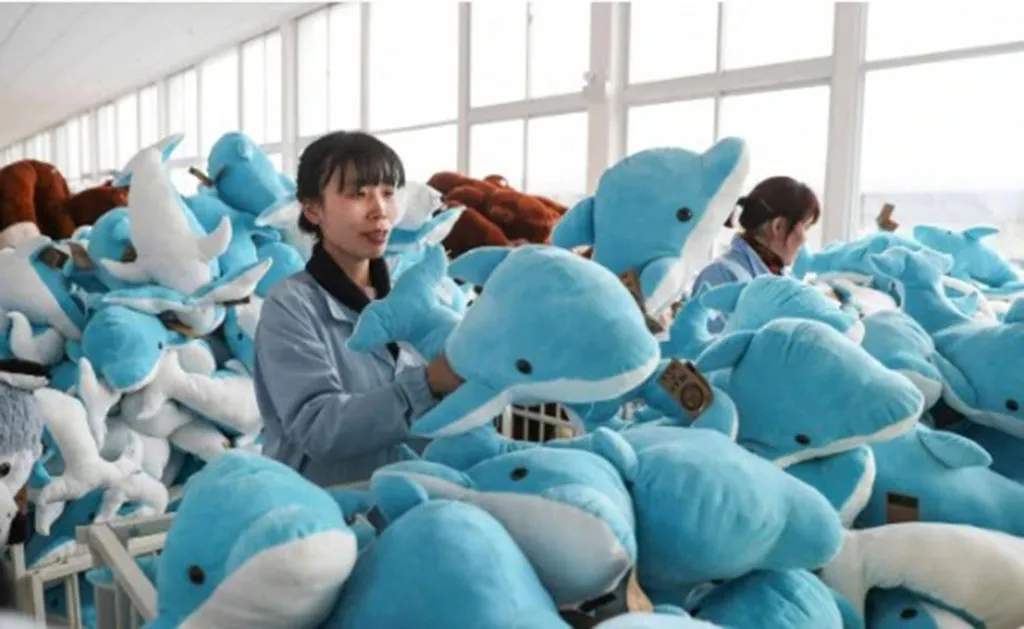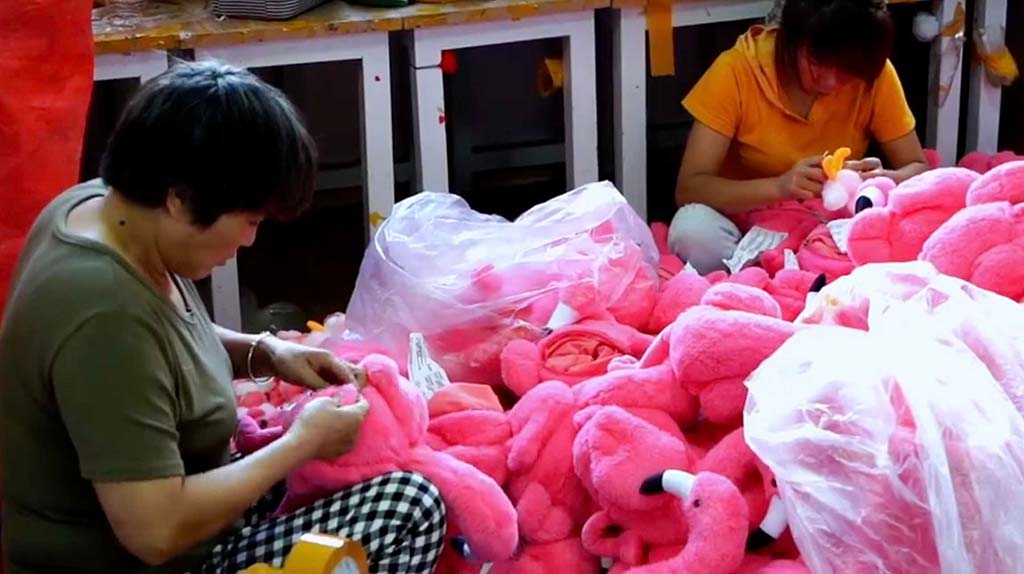
When you hug a plush toy, what you really feel is the stuffing. The fabric gets your first attention, but the filling decides softness, weight, shape, and long-term quality. As a manufacturer, I can say: choosing the right stuffing is one of the most important decisions in plush design.
The best stuffing for stuffed animals depends on the goal: polyester fiberfill is the most common choice for soft, safe, washable toys; weighted fillings like pellets can add calming pressure; while recycled and natural fibers support eco-friendly and niche markets. In high-quality plush, we often blend materials to balance softness, resilience, safety, cost, and sustainability.
In this guide, I’ll walk you through how we think about stuffing at Kinwin—so you can understand the options whether you’re a brand owner, retailer, or designer planning your next plush project.
What stuffing materials are most commonly used in high-quality stuffed animals?
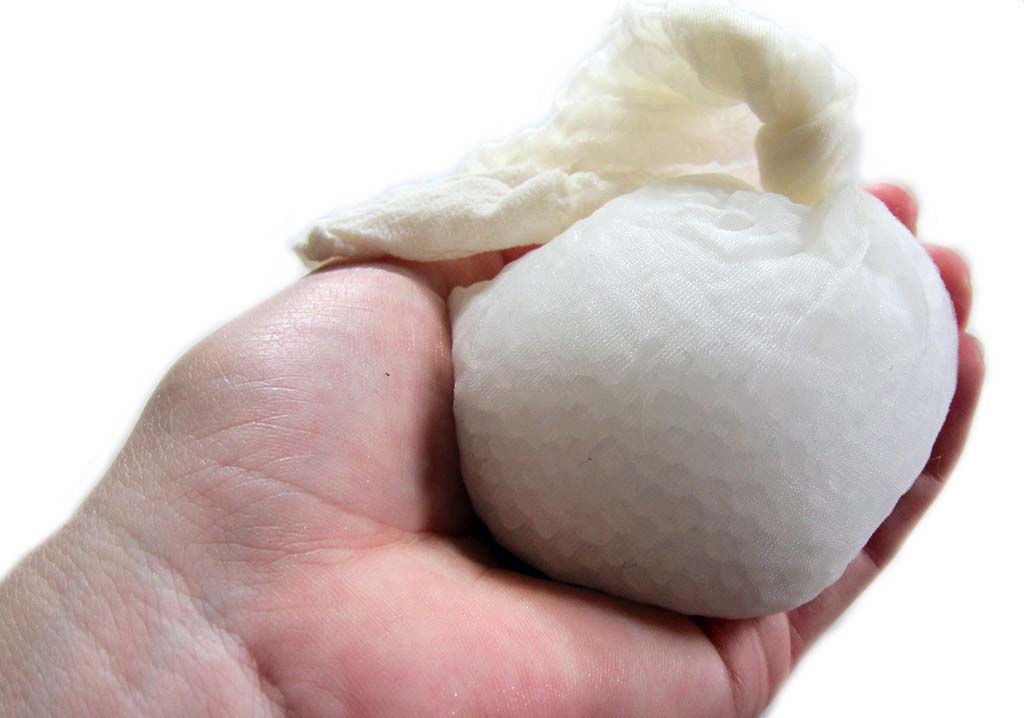
In modern plush production, most high-quality stuffed animals use polyester-based fillings as their main core. The reason is simple: polyester is light, washable, stable, and predictable for safety and testing. But it’s not the only option.
We also see recycled polyester, cotton, foam pieces, and sometimes weighted pellets used in special zones (like the bottom or paws). Some niche or premium brands also use wool or natural fibers, but they are less common in mass export markets.
Common stuffing materials in quality plush
| Stuffing Type | Typical Use in Plush Toys | Key Strengths |
|---|---|---|
| Virgin polyester fiberfill | Main stuffing for most high-quality stuffed animals | Soft, light, washable, consistent |
| Recycled polyester fiberfill | Eco-focused lines, sustainable collections | Lower environmental impact, similar feel |
| Polyester cluster / ball fiber | Premium plush, anti-clump cushions | Better bounce, less matting |
| Foam chips / foam blocks | Structural parts, pillows, bigger décor plush | Shape stability, support |
| Plastic or glass pellets | Weighted plush, bottoms, paws | Adds weight, grounding feel |
| Cotton / natural fibers | Niche, eco-brands, small-batch artisan lines | Natural story, soft handfeel |
| Wool, kapok, other plant fibers | Specialty or traditional products | Natural insulation and unique feel |
Most “everyday” high-quality plush you see in stores is still based on polyester fiberfill, sometimes combined with localized pellets for weight balance.
How do different fillings influence softness, firmness, and resilience?
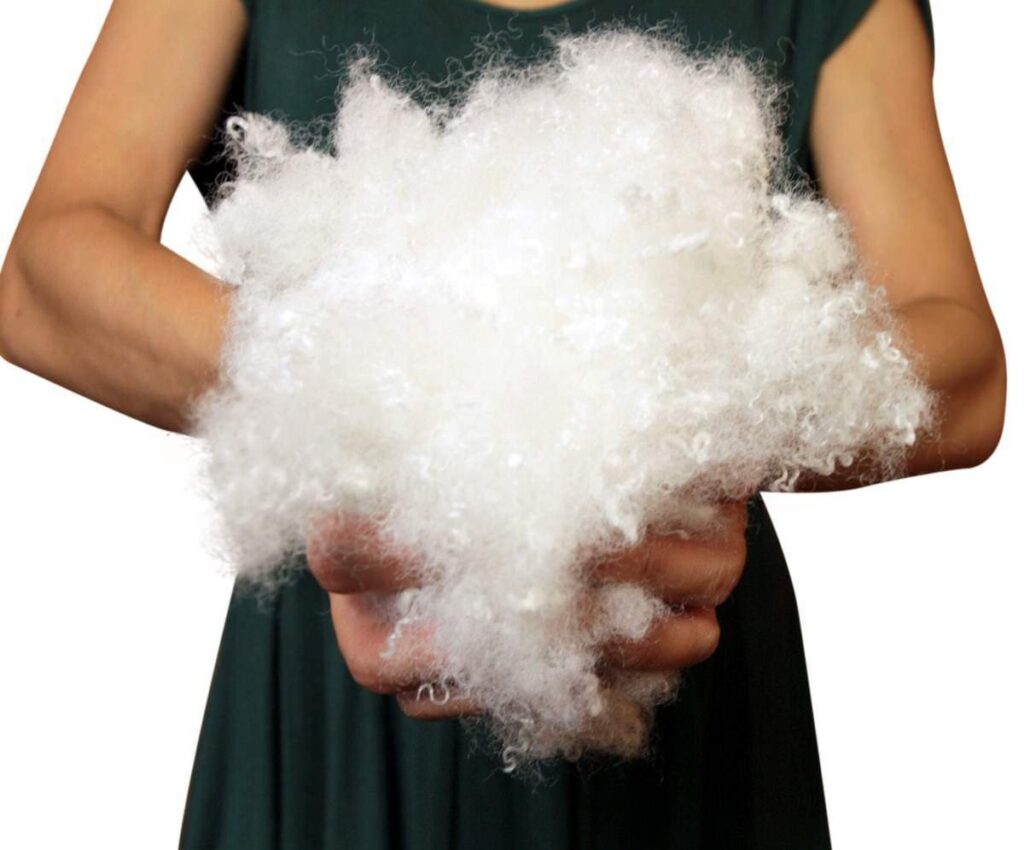
Stuffing is not just “full” or “empty.” Different filling types and grades create very different sensations when you hug the plush. As a buyer, you feel this as softness, firmness, and how quickly the toy springs back after squeezing.
At the factory level, we adjust fiber fineness, length, crimp, and stuffing density to control the final feel. You can think of it this way:
- Soft & airy: more open fiber, less density.
- Firm & supportive: finer fibers or tighter packing.
- Resilient & bouncy: special cluster fibers or mixed fillings.
How common fillings change feel
| Filling Type | Softness Level | Firmness / Support | Resilience (Bounce Back) |
|---|---|---|---|
| Standard polyester fiberfill | Soft to medium (adjustable) | Medium (depends on density) | Good, especially when new |
| High-loft polyester | Very soft, cloud-like | Lower structural support | Good if not overstuffed |
| Cluster / ball fiber | Soft surface, supportive core | Medium to firm | Excellent, resists clumping |
| Foam chips | Medium to firm | Strong structural support | Medium, more “shape-holding” |
| Pellets (with fiberfill) | Surface soft, weighted core | Can feel firm where weighted | Good, but heavier feel |
| Cotton / natural fibers | Medium soft | Firm when densely packed | Lower; can compress over time |
For a hug-focused plush, we often use medium-density polyester fiberfill: soft enough for comfort but stuffed enough to keep a stable silhouette. For weighted plush, we mix pellets in specific zones so the toy still feels soft on the outside but heavy in the hands.
Which stuffing types offer the best safety and hypoallergenic performance?
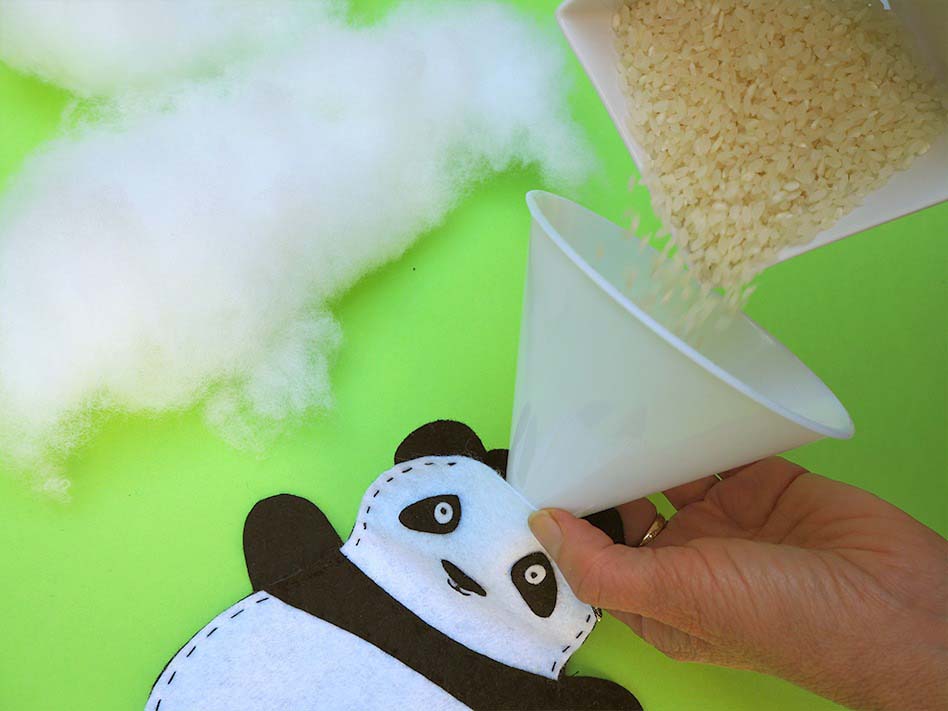
For toys sold into baby, child, and family markets, safety and hypoallergenic performance are critical. Parents worry about allergies, loose fibers, and how the toy reacts to washing.
In export manufacturing, polyester fiberfill (virgin or recycled) remains the most reliable option for safety-focused lines. It does not support mildew easily, washes well, and is stable under repeated use. Many hypoallergenic pillows and duvets also use polyester fiber for this reason.
Natural fibers can be beautiful, but they may bring extra considerations: potential allergens (for wool), higher moisture absorption, and more complex washing instructions.
Safety + hypoallergenic performance of common fillings
| Filling Type | Safety / Allergen Considerations | Typical Use in High-Safety Lines |
|---|---|---|
| Virgin polyester fiberfill | Widely used, low allergen risk for most users | Standard for baby and child plush |
| Recycled polyester fiberfill | Similar to virgin polyester; depends on supplier quality | Eco-focused yet safety-conscious collections |
| Cluster polyester fiber | Good for hypoallergenic cushions; similar to standard | Premium plush, sleep plush, baby pillows |
| Pellets (plastic or glass) | Must be fully contained in inner bags; not for loose use | Weighted plush for older children and adults |
| Cotton | Natural, but can retain moisture; small allergen risk | Niche eco toys with clear care instructions |
| Wool | Higher allergen concern for sensitive users | Limited, usually not for baby mass-market plush |
| Other natural fibers | Vary by fiber; sometimes more niche or local | Eco stories, traditional or artisanal products |
No matter the filling, seam strength and inner construction must keep the stuffing inside. For babies and small children, we avoid any loose pellet fillings without strong inner bags and strict testing.
How do weight, density, and distribution affect overall plush feel?
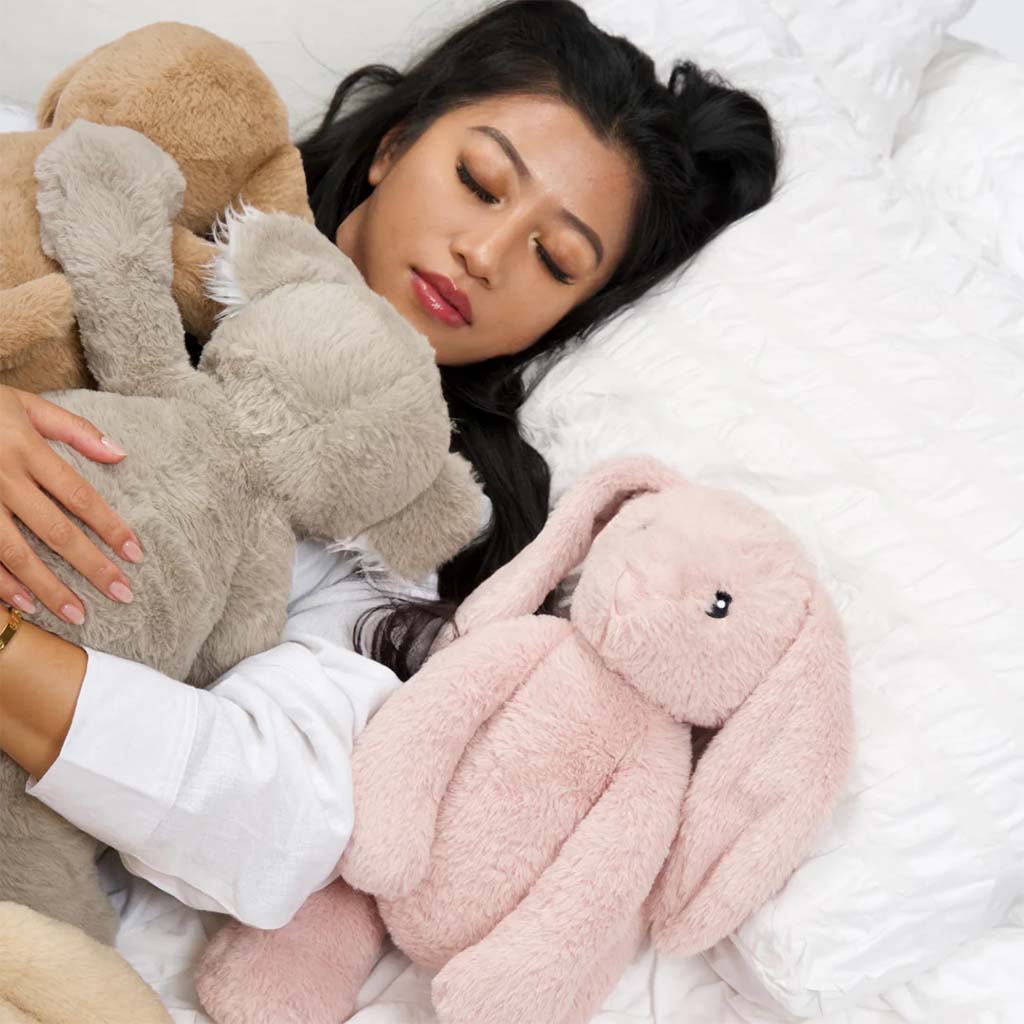
Even with the same fiber, a plush can feel totally different depending on how much stuffing we use and where we place it. This is what we call density and distribution.
- Density = how tightly the filling is packed.
- Distribution = how evenly the stuffing is spread across the body, head, limbs, and special areas.
For example, a cat plush might have:
- A medium-firm head to support facial features.
- A softer body for cuddling.
- Slightly weighted feet or bottom so it can sit upright.
How stuffing design changes user experience
| Design Aspect | What We Adjust in the Factory | User Experience |
|---|---|---|
| Overall softness | Amount of fiberfill, type of fiber | Hug feel: ultra-soft vs. supportive |
| Weight | Use of pellets or heavy fiberfill | Light, easy to carry vs. grounding and weighty |
| Head density | More fiber behind face panels | Stable face shape, no dents or wrinkles |
| Limb stuffing | Slightly lighter or flexible stuffing | Natural drape for arms and legs |
| Bottom / base | Extra stuffing or pellets in bottom area | Plush can sit or stand more easily |
| Zone blending | Mixing densities across different body parts | Balanced, natural feeling plush |
When we design for children’s hugs, we keep weight moderate and focus on even, fluffy stuffing. For adult weighted plush, we carefully calculate pellet weight per size (for example, 1–2 kg for certain markets) and keep it evenly distributed in compartments to avoid sagging.
What cost and sourcing factors guide manufacturers in choosing stuffing?
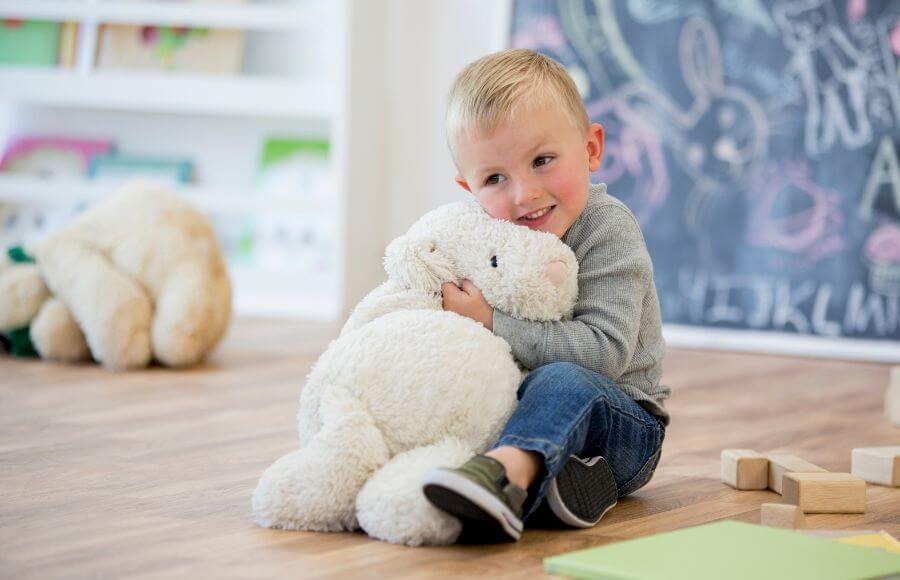
Behind every cute plush toy there is a budget. Stuffing is a major part of material cost, especially for larger or extra-soft designs. As manufacturers, we must balance cost, quality, safety, and supply stability.
This is why polyester remains dominant: it offers a good balance between price, performance, and consistent global supply. Recycled polyester and specialty fibers cost more, but they create stronger brand stories and support sustainability claims.
Cost and sourcing considerations
| Factor | How It Affects Stuffing Choice |
|---|---|
| Material price per kg | Higher price limits use in low-cost mass products |
| Volume / size of plush | Bigger plush = more stuffing, more impact on unit cost |
| Consistency of supply | Need stable, long-term suppliers for large orders |
| Certification needs | Stuffing must meet EN71 / ASTM / REACH / etc. |
| Market positioning | Premium, eco, or budget line decides stuffing level |
| Shipping and weight | Heavier fillings increase freight costs |
For OEM/ODM projects at Kinwin, I often ask clients early:
- Do you want a standard feel or a premium “wow” softness?
- Do you want an eco-story (recycled) or a cost-optimized approach?
- Is your main market baby/children, gift, or adult comfort/weighted?
Your answers guide us toward the right stuffing combination from the very beginning, so we don’t waste time sampling with the wrong assumptions.
How do sustainability trends shape the development of eco-friendly plush fillings?
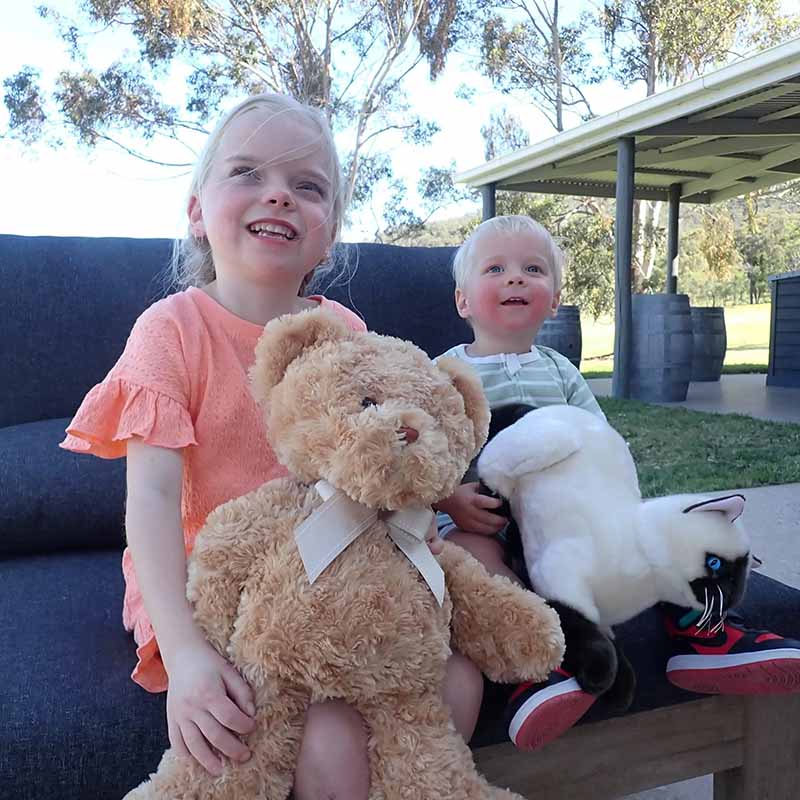
In the last few years, more brands ask me the same question:
“Can we make this plush more sustainable, without losing softness or safety?”
The main response from the industry has been recycled polyester fiberfill made from post-consumer plastic bottles (rPET). This allows brands to keep the same performance as classic fiberfill, but with a lower environmental footprint and a clear marketing story.
Beyond recycled polyester, we also see interest in:
- Organic cotton stuffing for small or premium lines.
- PLA / plant-based fibers (corn, sugarcane) in some markets.
- Blends of recycled polyester with natural fibers for a unique handfeel.
Eco-friendly stuffing options and trade-offs
| Eco Option | Pros | Challenges |
|---|---|---|
| Recycled polyester (rPET) | Lower carbon footprint, familiar performance | Slightly higher cost; relies on recycling quality |
| Organic cotton | Strong natural story, recognizable to consumers | Heavier, holds moisture, higher price, care limits |
| PLA / bioplastic fibers | Plant-based, compostability in some conditions | Limited suppliers, specific care needs |
| Mixed recycled + natural | Balance of feel and eco-story | More complex sourcing and testing |
As a factory, we must always connect sustainability claims with real testable facts—certificates, traceable suppliers, and honest marketing. For you as a brand or retailer, this can be a strong differentiator: “soft, safe plush with recycled fiberfill” is a simple message that many end buyers now understand and appreciate.
Conclusion
The “best stuffing” for stuffed animals is not one single material; it is a smart combination that matches your product’s purpose. For most high-quality plush toys, polyester fiberfill (virgin or recycled) remains the core because it is soft, safe, durable, and washable.
From there, we fine-tune with cluster fibers for extra bounce, pellets for weight, foam for structure, or natural fibers for eco stories. The right choice balances softness, shape, safety, cost, and sustainability—so when someone hugs your plush, it feels exactly how you promised in your branding.
At Kinwin, we help global buyers choose and test stuffing options for baby plush, character lines, décor cushions, and weighted comfort toys. If you’re planning a new plush range and want support matching stuffing to your market and budget, you’re very welcome to contact me at [email protected] or visit kinwintoys.com to explore how our factory can support your next project.