Skip to content
Designing a plush toy for mass production requires more than artistic creativity—it demands engineering awareness, factory capability alignment, and an understanding of how materials, shapes, and features translate onto a high-speed production line. A design that works beautifully in a one-off handmade sample may become costly, inconsistent, or difficult to replicate at scale. For global brands, optimizing plush design before production is the key to reducing labor time, minimizing defects, stabilizing quality, and ensuring timely delivery. In this guide, we explore how thoughtful design decisions—supported by collaboration with an experienced manufacturer—allow plush toys to move smoothly from concept to mass production while maintaining consistent brand quality.
How Simplifying Shapes and Proportions Improves Production Efficiency?
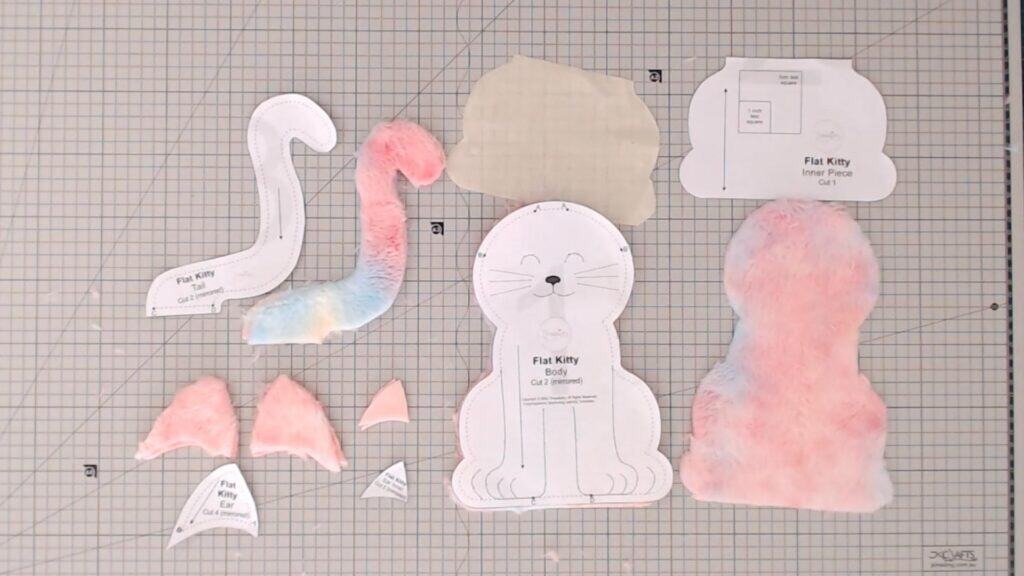
Complex shapes often require extra stitching, curved seams, reinforcement, and careful alignment—all of which slow down production and increase the likelihood of errors. Simplifying body shapes, adjusting proportions, and reducing unnecessary segmentation can significantly improve manufacturability without compromising design identity.
For example, a rounded head made from three pattern panels instead of seven reduces assembly time while still maintaining an adorable character silhouette. Likewise, simplified limb shapes reduce turnaround time for stuffing, sewing, and attachment. Clean geometric structures—ovals, cylinders, spheres—are easier for sewing teams to handle, especially across large volumes where consistency is crucial.
Simplification helps avoid seam distortion, stuffing imbalance, and asymmetry. It also decreases material waste and reduces the number of sewing operators needed for each part. The plush remains visually appealing but becomes much more stable and cost-effective for mass production.
Impact of Shape Simplification on Production
| Design Element | Complex Version | Optimized Version | Production Benefit |
|---|---|---|---|
| Head construction | 6–7 panel sphere | 3–4 panel rounded head | Faster sewing, cleaner symmetry |
| Limb shapes | Multi-curve custom forms | Simple tapered cylinders | Easier stuffing, fewer defects |
| Body segmentation | Multiple darts/panels | Streamlined torso shape | Reduced stitching time |
| Tail/ear details | Small, intricate shapes | Slightly enlarged, simplified shapes | Higher repeatability |
Simplified shapes create plush toys that are easier to reproduce accurately at scale.
How Smart Material Choices Reduce Complexity and Assembly Time?
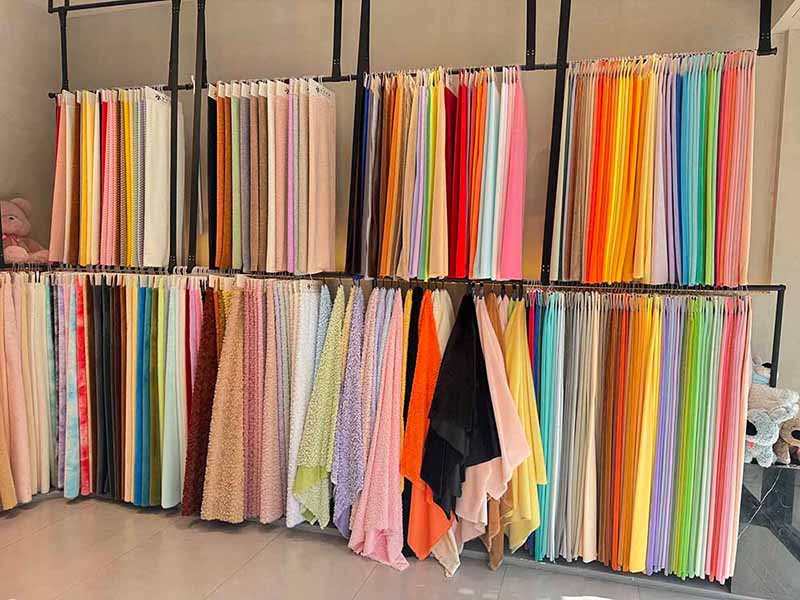
Material choice affects everything from sewing difficulty to stuffing stability and finishing time. Fabrics with high stretch or deep pile often require more control, reinforcement, or trimming. In contrast, stable materials like velboa, short-pile fleece, or minky with predictable stretch patterns streamline the production process.
Selecting materials that match the toy’s intended function while also considering factory efficiency leads to more predictable outcomes. For instance, low-shed fabrics reduce cleanup time and lower the risk of contamination during QC. Fabrics that do not shift easily under sewing machines help maintain straight seams and symmetry. Materials with backed stability prevent excessive stretching during stuffing, preserving the toy’s silhouette.
Additionally, trims such as buttons, bows, and embroidered features should be chosen with mass assembly in mind. Lightweight and easy-to-attach trims reduce manual labor and prevent delays.
Material Choice Efficiency Guide
| Material Type | Production Difficulty | Best Use Case | Advantage |
|---|---|---|---|
| Velboa | Low | Mass-market plush | Stable, cost-effective |
| Minky (short pile) | Medium | Premium plush | Soft feel, predictable stretch |
| Faux fur (long pile) | High | Specialty plush | Requires more trimming & QC |
| Felt/Canvas trims | Low | Accents & small details | Easy to attach, durable |
Choosing smart materials speeds up production and improves consistency.
How Pattern Adjustments Enhance Consistency and Reduce Manufacturing Errors?
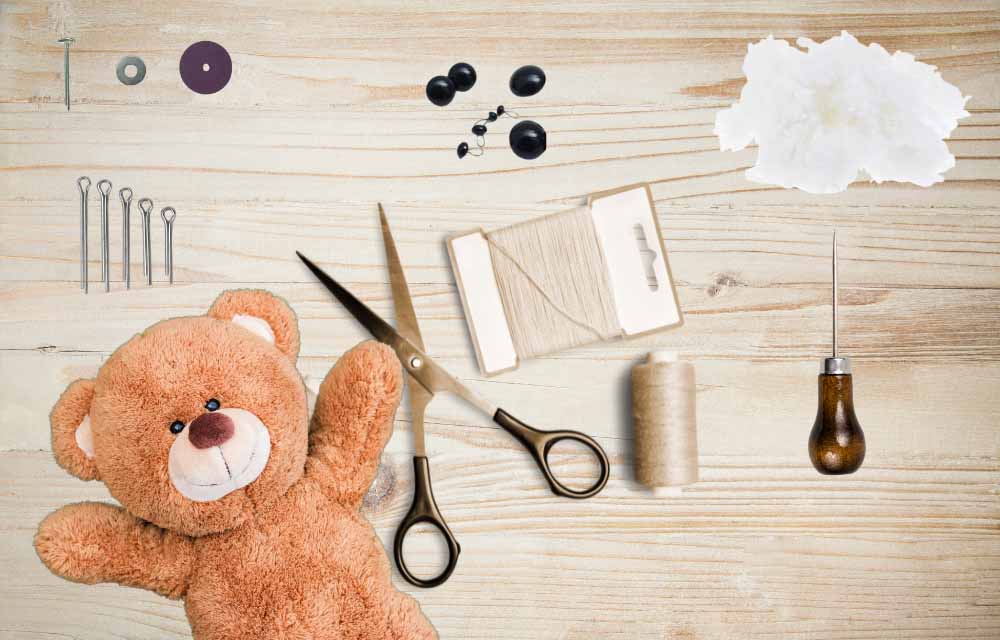
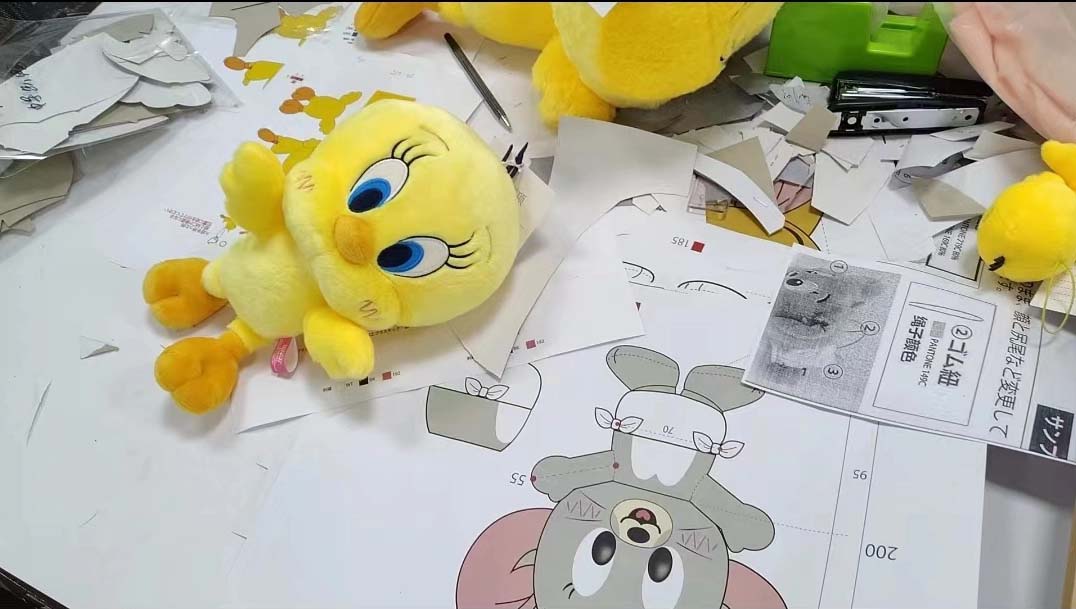
Small adjustments to patterns—often invisible to the buyer—have a large impact on production efficiency. Pattern makers refine seam lines, adjust curves, reposition attachment points, and enlarge small details to ensure the plush holds shape during stuffing and assembly.
A design that looks perfect in 2D can distort significantly in 3D if pattern adjustments are not made. Adjusting panel sizes, smoothing sharp corners, increasing seam allowances, or modifying curve radii helps sewing teams maintain shape accuracy. Properly engineered patterns reduce the chance of asymmetry, seam bursts, or distorted expressions.
Pattern optimization also supports standardization across production lines. When patterns are simplified and engineered with manufacturing in mind, factories can achieve higher units-per-hour efficiency and reduce training time for new workers.
Pattern Optimization Table
| Pattern Issue | Adjustment Made | Benefit |
|---|---|---|
| Distorted curves | Smoother transitions | Improved symmetry |
| Small, hard-to-sew shapes | Slight enlargement | Higher sewing accuracy |
| Weak structural points | Reinforced seam path | Increased durability |
| Overly complex segmentation | Panel simplification | Faster production |
Optimized patterns reduce the time required for cutting, sewing, and QC.
How Thoughtful Feature Placement Minimizes Difficult Sewing and Rework?

Feature placement—eyes, snouts, embroidery, limbs, accessories—directly impacts production efficiency. Features placed too close to seams, too small to sew accurately, or positioned on highly curved surfaces often cause sewing challenges. Misaligned features lead to rework, wasted materials, or inconsistent facial expressions.
Factories prefer designs where embroidery or appliqué is placed on flatter sections of the plush to ensure crisp results. Limb attachment locations should be reinforced and positioned for easy alignment. Buttons, noses, or trims must meet safety standards and be attachable using standard jigs or fixtures.
A small design adjustment—like slightly flattening the area where eyes are embroidered—can greatly improve production accuracy.
Feature Placement Guidelines
| Feature | Common Issue | Recommended Adjustment | Benefit |
|---|---|---|---|
| Embroidered eyes | Warping on curved areas | Slight panel flattening | Clean, symmetrical expression |
| Limbs | Misalignment or weak joints | Wider attachment base | Stronger bond, fewer defects |
| Accessories | Hard-to-sew angles | Relocate to accessible areas | Faster assembly |
| Snouts/muzzles | Shape distortion | Reinforce internal structure | Better facial definition |
Good feature placement significantly reduces rework and improves consistency.
How Standardized Components and Trims Streamline the Production Workflow?
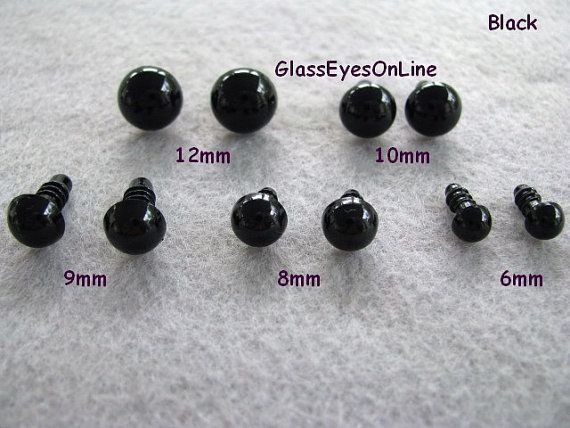
Using standardized trims—such as common nose sizes, standard eye shapes, or uniform label dimensions—helps factories maintain efficiency. Custom trims require special ordering, extended lead times, and additional QC steps, which introduce risk during mass production.
Standard components allow faster procurement, predictable assembly processes, and consistent appearance. Labels, hang tags, safety loops, and accessories can all be optimized to match existing factory tooling. Even minor standardization—such as using a universal embroidery thread brand or standard packaging dimensions—can reduce delays.
Factories often recommend substituting ultra-custom trims with standardized ones that achieve the same visual effect but streamline the workflow.
Standardization Benefits Table
| Component Type | Standardization Benefit | Production Impact |
|---|---|---|
| Eyes / noses | Faster procurement | Stable supply chain |
| Labels & hangtags | Pre-made templates | Reduced design & printing time |
| Embroidery thread | Color-indexed systems | Accurate reproduction |
| Packaging | Pre-set sizes | Faster packing & loading |
Standard components reduce costs and eliminate unnecessary production complexity.
How Early Collaboration with Manufacturers Prevents Issues in Mass Production?
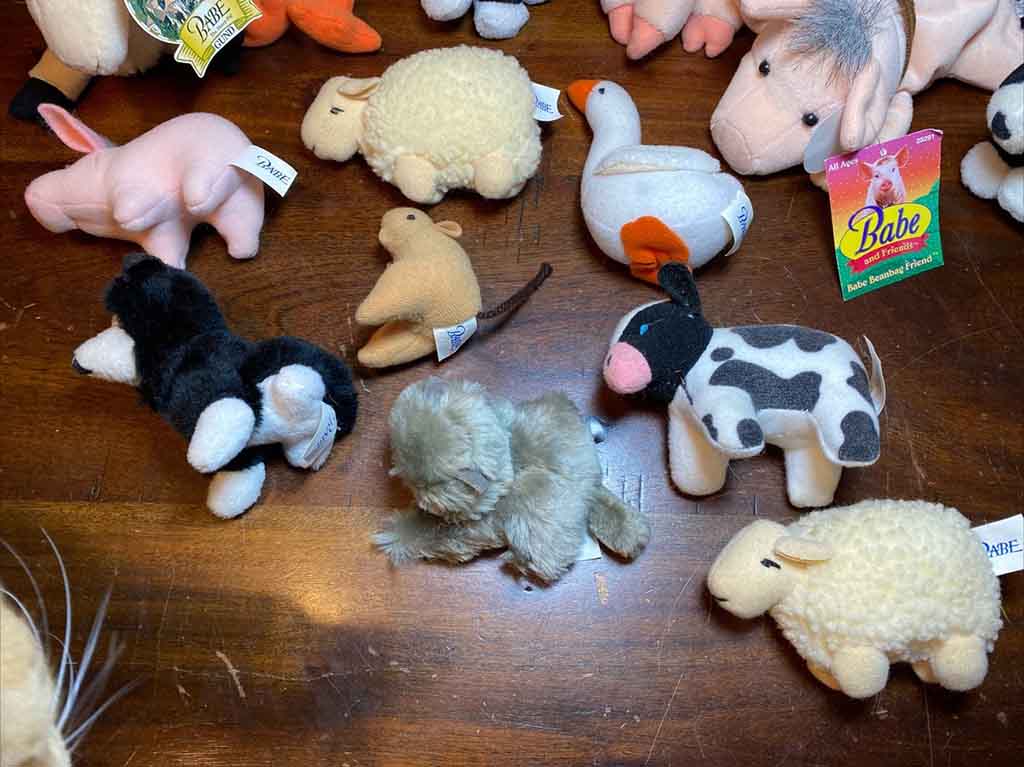
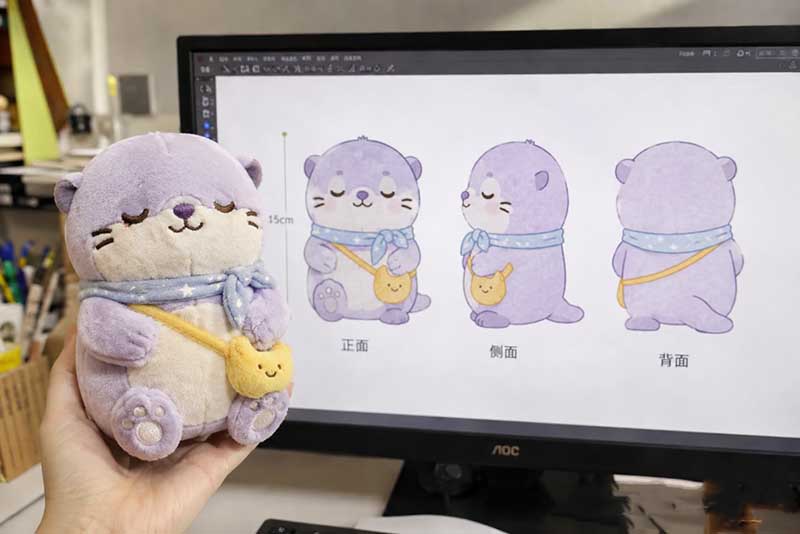
Early communication with the manufacturer saves time, reduces sampling iterations, and avoids production errors. When brands share design intentions, artwork, material preferences, size expectations, and safety requirements early, factories can suggest adjustments that prevent later issues.
Manufacturers can identify potential challenges related to fabric stretch, seam complexity, or accessory attachment before entering sampling. They may also recommend simplifying shapes or resizing features for durability and manufacturability. Collaboration is especially important for IP characters, where accuracy must coexist with mass-production constraints.
Early engagement also allows production planning teams to book materials, allocate manpower, and secure machinery availability—critical factors during peak manufacturing seasons.
Early Collaboration Checklist
| Collaboration Area | Factory Contribution | Benefit to Buyer |
|---|---|---|
| Design review | Manufacturability analysis | Fewer sampling rounds |
| Material selection | Cost & efficiency guidance | Stable quality |
| Pattern engineering | Structure optimization | Consistent production |
| Safety requirements | Compliance mapping | Faster approvals |
| Timeline planning | Production scheduling | On-time delivery |
Strong partnerships reduce risk and improve overall production success.
Conclusion
A well-optimized plush design ensures smoother mass production, fewer defects, faster assembly, and consistent quality across large orders. By simplifying shapes, selecting efficient materials, refining patterns, improving feature placement, standardizing components, and collaborating early with manufacturers, brands can significantly reduce development time and production risk. Factories like Kinwin work closely with clients to balance creativity and manufacturability—transforming ideas into beautiful, scalable, and commercially viable plush products.
📧 Contact: [email protected]
🌐 Visit: https://kinwintoys.com