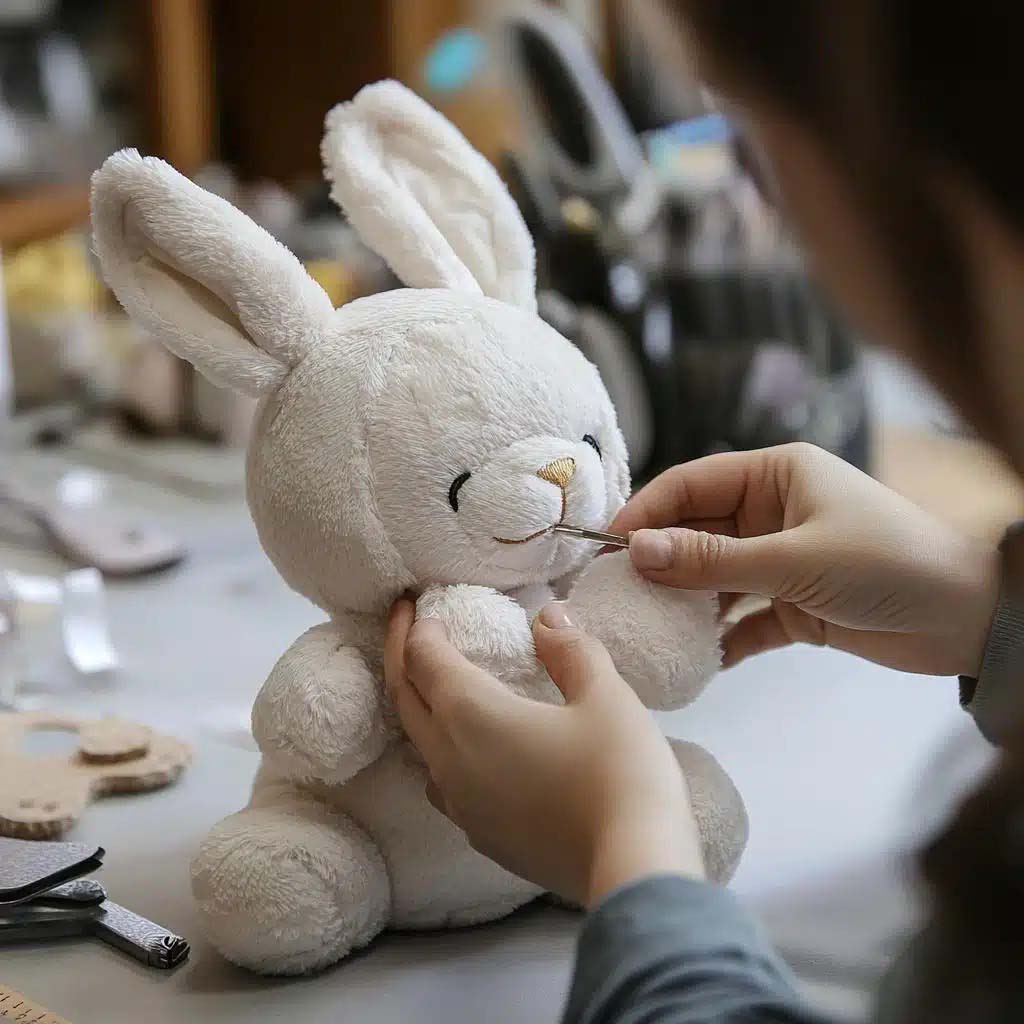
Mass production is the stage where your plush toy design finally becomes a large-scale, high-volume product ready for global distribution. Unlike sampling—where experimentation, refinement, and adjustments happen—mass production requires precision, discipline, and strict process control to ensure every unit remains consistent with the approved prototype. A high-quality factory follows a well-defined workflow involving raw material preparation, pattern cutting, component processing, sewing assembly, stuffing, shaping, multi-stage QC, needle detection, and packaging.
Understanding each step helps buyers plan timelines, set expectations, communicate more effectively with manufacturers, and avoid common production pitfalls. The following guide provides a detailed, step-by-step overview of how reputable plush toy factories transform an approved sample into thousands of identical, safe, and retail-ready units.
How Materials Are Procured, Inspected, and Prepared Before Production Begins?
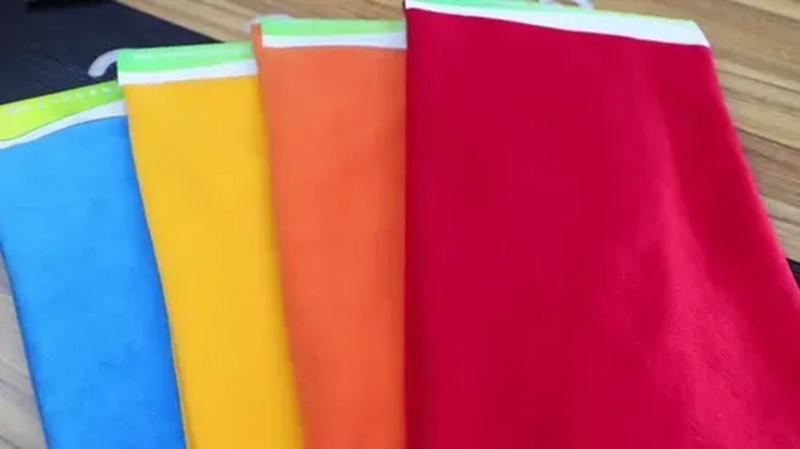
Before the first stitch is ever sewn, the factory begins with raw material procurement—one of the most crucial phases of mass production. Using the buyer-approved swatches and the pre-production sample (PPS), the sourcing team purchases fabrics, threads, embroidery yarns, accessories, filling fibers, labels, packaging materials, and special trims (such as plastic beans or magnets, if allowed). Every material must match the Golden Sample in texture, softness, color, pile height, density, and durability.
Incoming quality inspection (IQC) is performed on each batch of material to check for color variation, shading differences, backing stability, dye consistency, fabric defects, or contamination. Factories often use fabric spreaders and relaxers to stabilize plush fabric before cutting—this ensures precision and prevents distortion. Rolls are inspected under standardized lighting to ensure accurate color matching.
Materials must also meet regulatory safety standards like EN71, ASTM F963, CPSIA, and chemical compliance such as phthalate-free and azo-free requirements. For high-end plush toys or infant toys, factories additionally test fiber shedding, anti-pilling performance, and tensile strength.
| Material Prep Stage | Purpose | Outcome |
|---|---|---|
| Swatch & PPS matching | Locks approved specs | Avoids visual inconsistency |
| Fabric relaxation | Stabilizes backing | Accurate cut patterns |
| Dye-lot check | Prevents color variation | Uniform appearance |
| Safety compliance testing | Ensures chemical safety | Market readiness |
| Accessory verification | Confirms safe attachment | Compliance with regulations |
Material preparation sets the foundation for stable bulk production.
How Patterns Are Cut and Fabric Components Are Processed for Assembly?
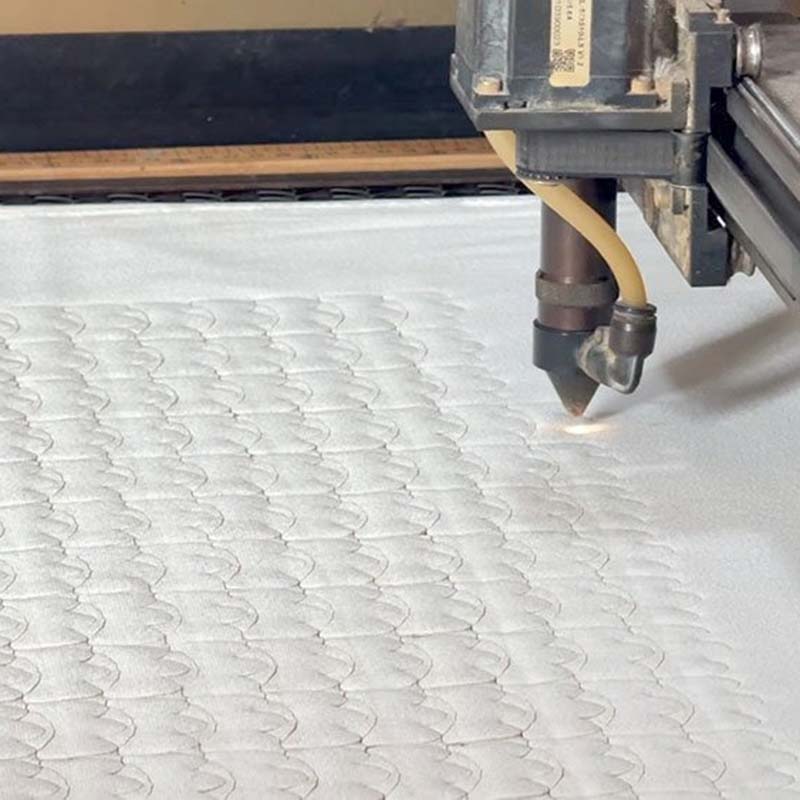
After materials pass inspection, the factory moves to cutting—the stage where 2D pattern pieces are carved out of plush fabric rolls. Cutting accuracy directly impacts the plush toy’s shape, symmetry, and proportion, making this one of the most technically sensitive steps.
Factories use a combination of manual cutting, die-cutting, and computer-controlled cutting machines (CNC) depending on the complexity of the design and order volume. Plush fabrics often require special attention because pile direction (grain direction) affects the visual finish; therefore, professional cutters align patterns consistently to avoid shading differences or mismatched texture direction.
Smaller parts—ears, noses, facial patches—are cut with greater precision because even 2–3 mm deviation can affect facial expression. Cut pieces are sorted, labeled, bundled, and sent to embroidery, printing, or sewing stations in organized packets to prevent mix-ups.
| Cutting Component | Importance | Impact on Final Product |
|---|---|---|
| Pattern alignment | Maintains correct shape | Accurate silhouette |
| Grain direction | Controls fabric shine | Visual uniformity |
| CNC cutting | Precision for large orders | Reduced waste |
| Die cutting | Fast processing of small parts | High efficiency |
| Piece bundling | Keeps parts organized | Smooth assembly workflow |
Perfect cutting ensures every plush toy begins with identical building blocks.
How Embroidery, Printing, and Feature Applications Are Completed on Each Part?
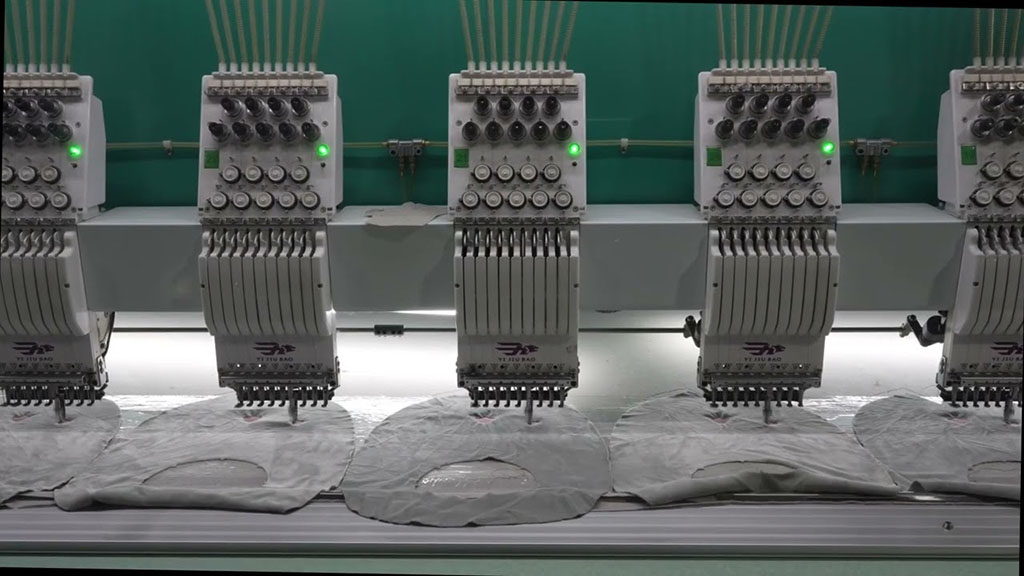
Before assembly, all decorative features—eyes, noses, patterns, logos, facial expressions, and branding elements—are applied to the relevant components. This ensures cleaner stitching lines and prevents distortion.
Embroidery is done using multi-head computerized embroidery machines, which read digitized embroidery files prepared during sampling. This guarantees stitched details remain consistent in color, thickness, stitch count, and position. Factories confirm alignment using laser guides or manual positioning templates.
Printing methods such as heat-transfer printing, sublimation printing, or screen printing are used for gradient designs, logos, or detailed character artwork. Each method is selected based on the fabric type and required color vibrancy.
Special components—like plastic safety eyes, small ribbons, magnets, squeakers, or sound modules—are prepared in advance. Safety components are rigorously checked to ensure secure attachment levels before final assembly.
| Feature Type | Application Method | Purpose |
|---|---|---|
| Embroidered eyes & expressions | Computerized embroidery | Precision and durability |
| Printed graphics | Heat-transfer / sublimation | High-detail visuals |
| Safety eyes & noses | Snap-lock attachment | Child-safe compliance |
| Branding elements | Embroidery / woven labels | Strong brand identity |
Early application of details ensures crisp, accurate features once the plush is assembled.
How Sewing Teams Assemble the Plush Body, Attach Limbs, and Form the Structure?
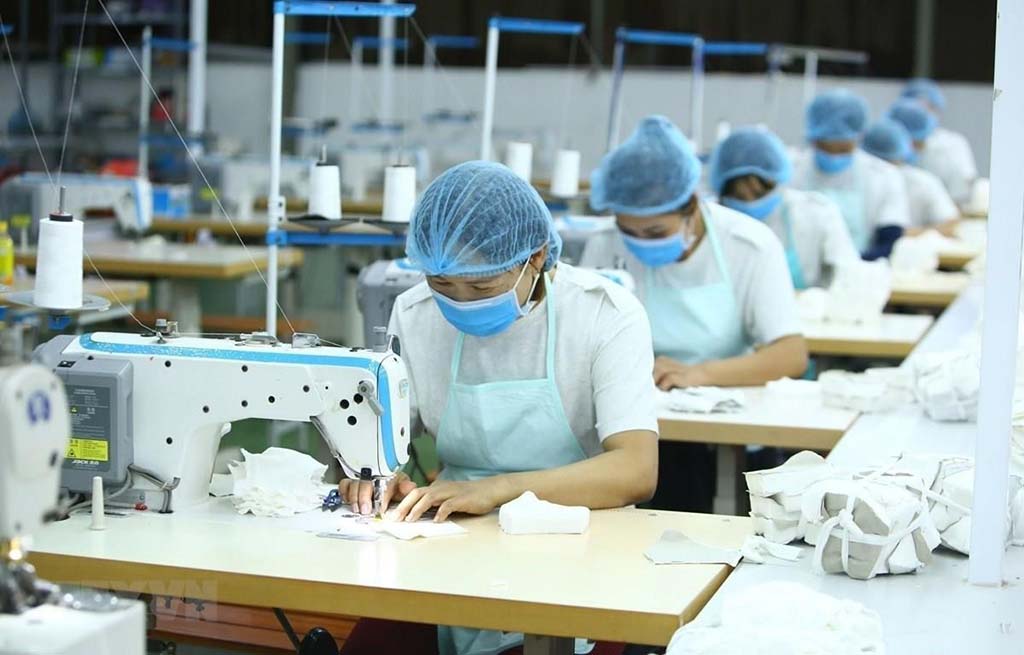
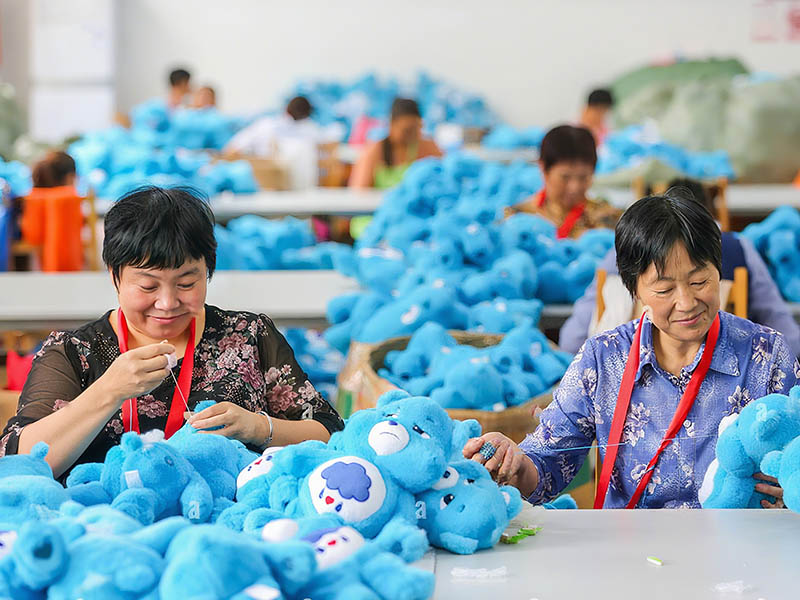
Once all parts are prepared, the sewing workshop assembles the plush toy using industrial sewing machines and hand-stitching techniques. This stage requires highly skilled workers because plush toys involve curved seams, layered fabrics, and fine alignment.
The assembly process generally follows a structured workflow:
- Sewing the head, which often requires precise shaping to maintain the character’s expression.
- Attaching facial components, such as ears, muzzles, or appliqué details.
- Constructing the body, ensuring symmetry and proper volume capacity for stuffing.
- Assembling limbs, like arms, legs, wings, tails, and paws, each requiring consistent seam width and curvature.
- Joining major sections, where the head, body, and limbs are aligned and sewn together using reinforced stitches.
Factories apply seam reinforcement techniques—double stitching, bar-tacking, or hidden stitching—to ensure durability and child safety. Any misalignment is corrected in-line to prevent structural defects in the final product.
| Assembly Stage | Focus Area | Quality Requirement |
|---|---|---|
| Head assembly | Shape & expression | Symmetrical face |
| Body sewing | Structural stability | Even seam allowance |
| Limb construction | Curvature & alignment | Consistent proportions |
| Section joining | Head-body-limb alignment | Balanced silhouette |
| Reinforcement stitching | Stress points | Durability & safety |
Sewing is the heart of plush manufacturing—where craftsmanship determines 70% of final product quality.
How Stuffing, Shaping, and Final Stitch Closure Create the Finished Plush Form?
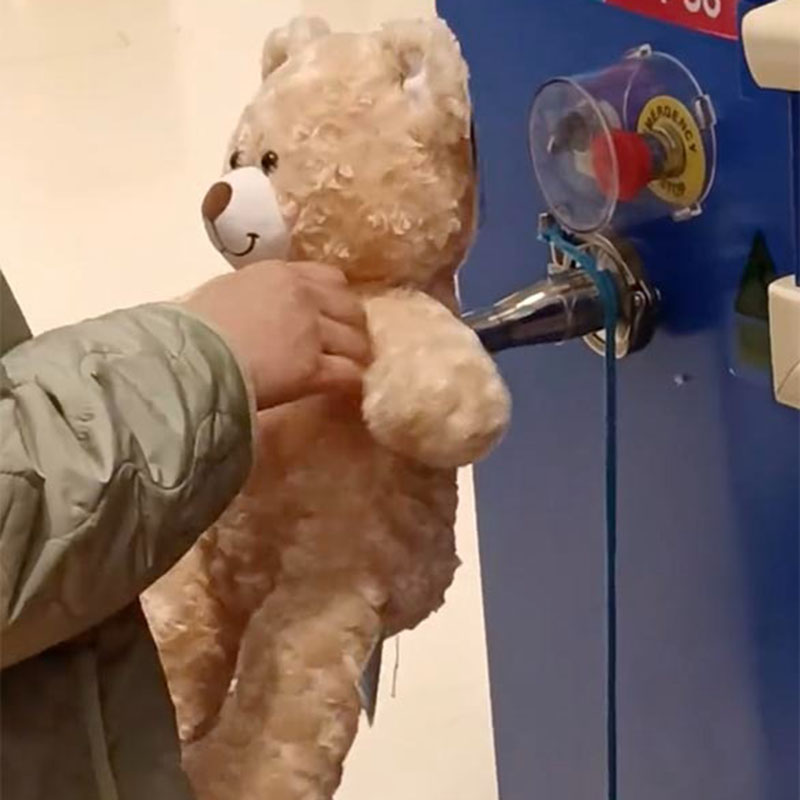
Stuffing is both an art and a science. It determines how soft, firm, balanced, and plush the toy feels—and whether it matches the approved sample. Factories use PP cotton, microbeads, foam, or recycled filling fibers depending on client requirements.
During stuffing:
- Workers fill different zones independently—head, body, limbs—to match density specifications.
- Air pockets are eliminated to avoid uneven silhouettes.
- Specialized tools are used to push filling into narrow or complex shapes.
- Hardness levels are checked manually and sometimes weighed for consistency.
After stuffing, toys undergo sculpting to refine the final shape. Workers adjust curves, align seams, and groom the fabric pile to maintain a clean surface.
The toy is finally closed using ladder stitching, blind stitching, or machine closure, depending on its design. This step must be seamless and invisible to maintain product aesthetics.
| Stuffing Requirement | Purpose | Outcome |
|---|---|---|
| Zone-by-zone filling | Controls density | Balanced plush |
| Hand-sculpting | Refines silhouette | Premium finish |
| Air pocket removal | Prevents lumps | Smooth surface |
| Secure closure stitching | Structural integrity | Long-term durability |
Stuffing defines the emotional “feel” of a plush toy—making it soft, appealing, and premium.
How QC, Needle Detection, and Packaging Prepare the Product for Shipment?
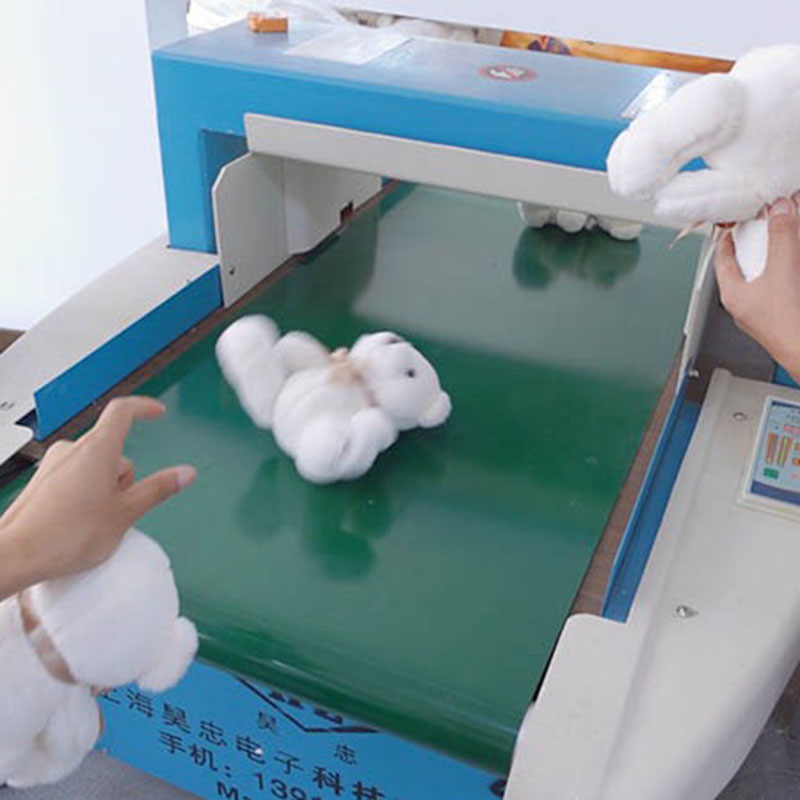
As mass production completes, each plush toy undergoes strict quality control before being approved for export. QC teams compare bulk units to the Golden Sample for shape, size, color, embroidery accuracy, stitching strength, accessory attachment, and overall workmanship.
Additional quality checks include:
- AQL sampling for systematic testing
- Tension testing on seams and attachments
- Visual inspection for stains, loose threads, or deformities
- Safety component verification
- Fabric grooming to remove lint or uneven pile
After QC approval, every plush toy must pass needle detection—a mandatory safety process that ensures no metal fragments remain from broken needles during sewing. Toys run through conveyor-type needle detectors calibrated to detect metal fragments as small as 1.0 mm.
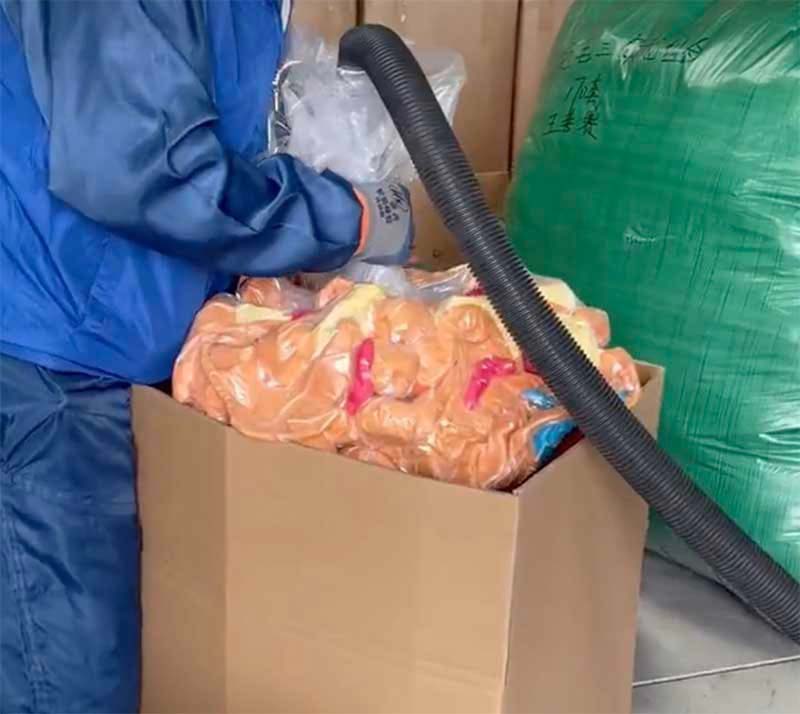
Finally, production moves to packaging. Plush toys are placed in polybags, vacuum packing, or retail boxes depending on the client’s requirements. Care labels, hangtags, tracking labels, and barcodes are attached. Cartons are sealed, palletized, and prepared with export documentation.
| Final Production Step | Purpose | Importance |
|---|---|---|
| Multi-stage QC | Identifies defects | Ensures consistency |
| Needle detection | Detects metal | Mandatory for children’s products |
| Packaging | Protects & brands product | Retail readiness |
| Carton inspection | Ensures correct counts | Prevents shortages |
| Export prep | Documentation & labeling | Smooth customs clearance |
QC and packaging complete the journey from concept to global shipment.
Conclusion
Understanding how plush toy mass production works gives brands, procurement teams, and product developers a clearer picture of factory workflows, quality checkpoints, and operational demands. Each step—from material preparation to assembly, stuffing, quality control, and needle detection—plays a critical role in ensuring safe, consistent, high-quality plush toys that meet market standards.
Reputable factories like Kinwin follow structured SOPs, invest in skilled craftsmanship, and maintain strict QC standards to produce reliable results across both small and large orders. By understanding this process, buyers can communicate more effectively, plan accurate timelines, and maintain greater control over the final outcome.
📧 Contact: [email protected]
🌐 Visit: https://kinwintoys.com