When buyers look for the “best plush bunny”, they are really asking: will this bunny feel soft, look adorable, stay safe, and support my brand’s reputation? In the modern market, a good bunny is not just cute—it must also pass strict safety tests and match clear price and margin goals.
The best plush bunny is soft, safely constructed, made from skin-friendly fabrics with secure stitching and balanced stuffing, designed for its target age group, certified to major toy standards (such as EN71 and ASTM), and produced by a reliable manufacturer that can support stable quality, fair pricing, and realistic MOQs.
In this guide, I’ll walk through how we, as a plush factory, evaluate plush bunnies for global buyers—so you can make confident choices whether you sell to parents, gift shoppers, lifestyle fans, or big seasonal markets like Easter.
What qualities define the best plush bunny today?
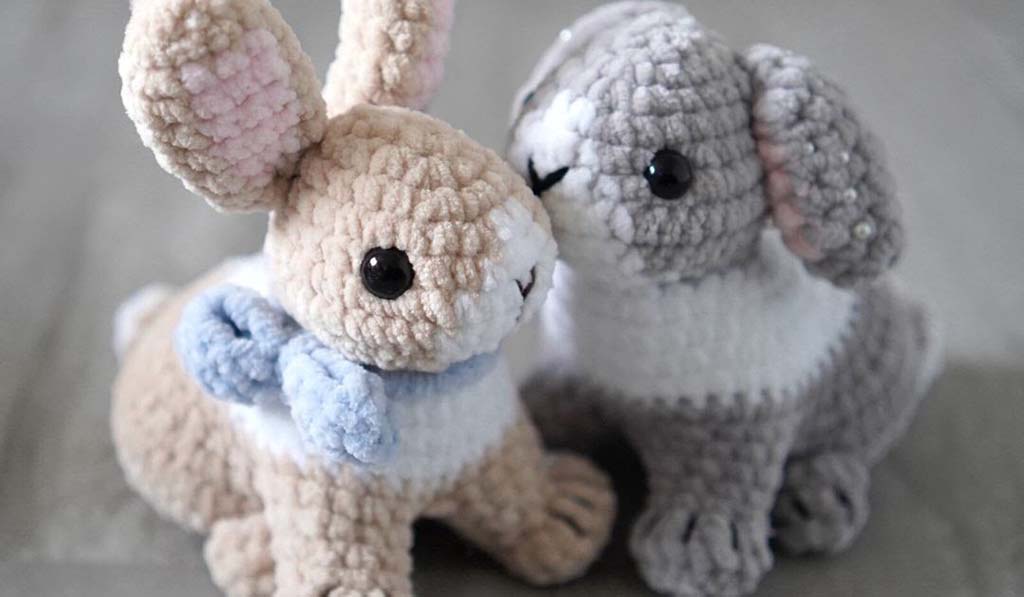
A strong plush bunny offer starts from the end customer: what do they feel the first time they touch the toy? Softness, weight, proportions, and facial expression all shape that first impression. Behind that, you also need good sewing, safe structure, and the right size for the channel.
From a manufacturer’s view, the “best” plush bunny combines:
- Soft, pleasant handfeel (no scratchy fibers)
- Safe, age-appropriate design (no small loose parts for young children)
- Clean, durable seams that survive real use, not just photos
- Balanced stuffing so the bunny sits or stands naturally
- Appealing expression and ear shape matching the brand’s style
- Clear positioning: baby comforter, kid’s toy, décor piece, or collector plush
Key qualities in a high-performing plush bunny
| Quality Area | What It Really Means | What to Look For in Samples |
|---|---|---|
| Softness | Fabric feels gentle on skin, no rough patches | Stroke ears and tummy; check for scratchy or stiff spots |
| Safety | No dangerous small parts, safe materials | Embroidered eyes for babies; secure trims; safety labels |
| Durability | Seams, joints, and fabrics handle repeated hugs | Gently pull ears/arms; check seam strength and stitching |
| Visual appeal | Cute, calm, or stylish look, depending on audience | Symmetric face, proportionate ears, harmonious colors |
| Comfort & cuddle feel | Right size and weight for hugging or sleeping | Hold in arms; see if it feels natural and relaxing |
| Washability/practicality | Easy to clean, keeps shape after drying | Care label, wash test on sample if possible |
When you brief a factory, describing these qualities in simple terms (“extra-soft baby bunny,” “premium décor bunny,” “budget Easter bunny line”) helps convert a vague idea into a clear product direction.
How do fabrics and fillings impact softness, durability, and safety?
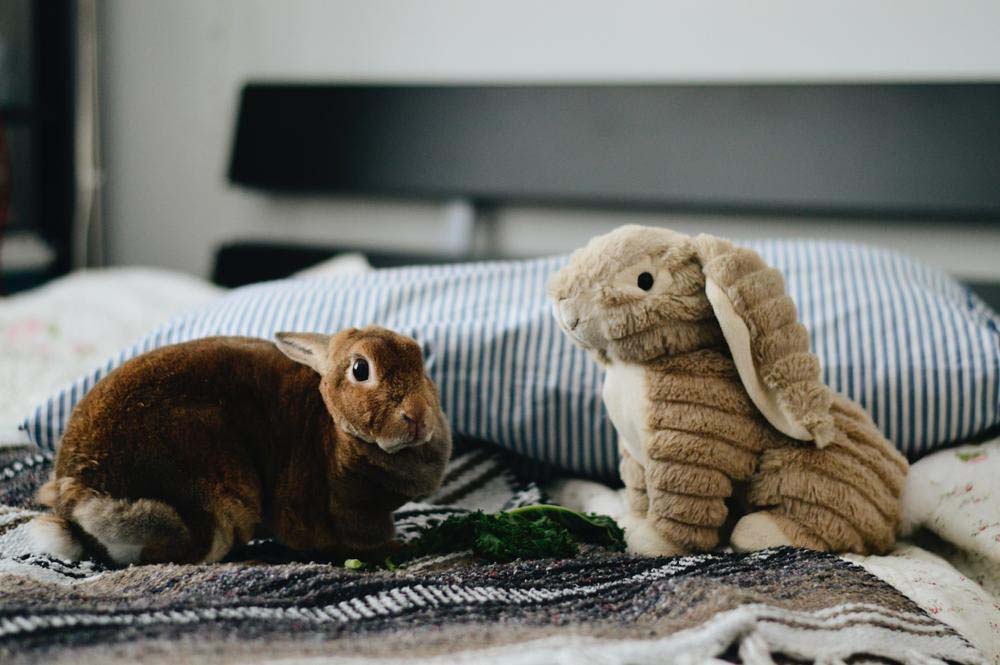
Fabric and filling are the “engine” of every plush bunny. Two bunnies can look similar in a photo but feel very different in the hand. That difference comes from fiber content, pile height, and stuffing type.
Most modern plush bunnies use polyester-based plush fabrics (minky, short plush, fleece) and polyester fiberfill inside. You might also see recycled fiberfill or weighted pellets for certain lines. For baby bunnies, you want low shedding, smooth pile, and fabrics that pass strict chemical tests.
Common fabric and filling options for plush bunnies
| Component | Typical Options | Softness & Durability Impact | Safety Considerations |
|---|---|---|---|
| Outer fabric | Minky / micro plush | Very soft, luxurious, good for baby and premium lines | Check pilling and colorfastness |
| Short-pile plush / velboa | Smooth, neat look, good detail visibility | Great for mainstream children’s and gift markets | |
| Fleece | Cozy, non-directional, easier to sew | Good budget and mid-range bunnies | |
| Faux fur / long plush | Fluffy, dramatic, “wild” bunny coats | Best for older children or décor (watch shedding) | |
| Inner filling | Polyester fiberfill | Light, bouncy, easy to control firmness | Standard for tested toy lines |
| Recycled polyester fiberfill (rPET) | Similar feel with eco story | Good for sustainable ranges | |
| Weighted pellets (in pouches) | Added weight, calming effect, sits better | Must be safely contained; not for very young babies | |
| Extras | Foam or felt inserts | Help ears stand, keep feet flat | Must be well enclosed and compliant |
For “best in class” plush bunnies, we often combine minky or fine short plush with high-quality fiberfill and well-planned internal support in the ears and feet. That keeps the bunny soft yet structured.
Which bunny designs appeal to different age groups and markets?
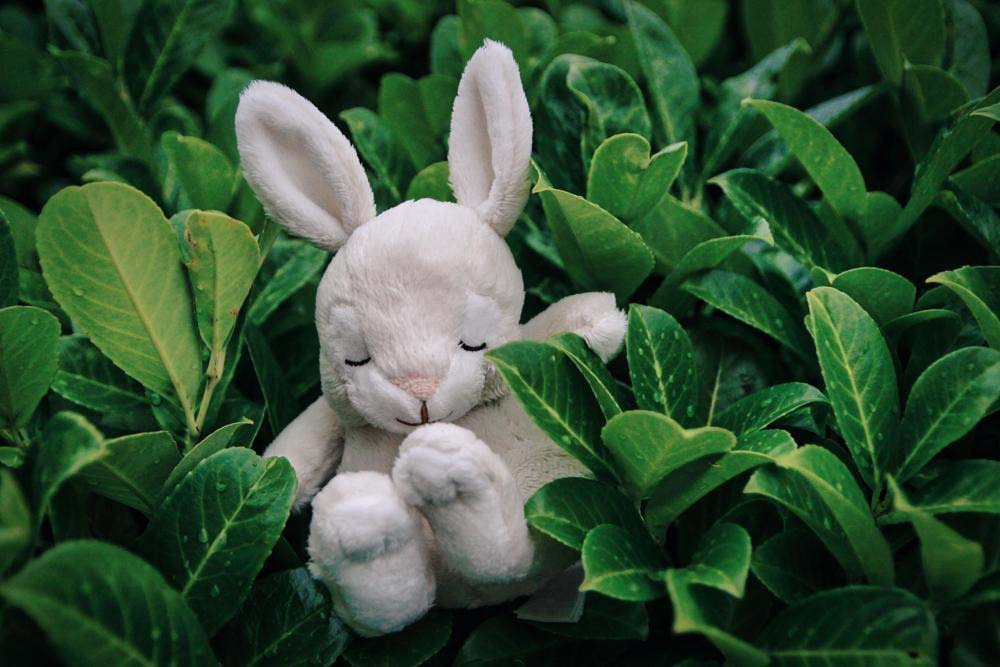
Not every bunny needs to look the same. The best plush bunny for a newborn is very different from the best bunny for a décor-focused adult or a teen collector. If you match design to audience, your sell-through and reviews improve.
You can think about design in three dimensions:
- Age group (baby, child, teen, adult)
- Use case (sleep, play, gift, décor, collection)
- Style (classic, kawaii, realistic, minimalist)
Design directions by age group and market
| Target Group / Market | Design Features That Work Well | Typical Sizes & Styles |
|---|---|---|
| Newborns & infants | Very soft minky, simple embroidered face, floppy ears, light weight | Small to medium; comforters, flat bunnies |
| Toddlers & preschoolers | Friendly faces, medium size, easy-to-hold body, no hard parts | 20–35 cm sitting; classic or kawaii bunnies |
| School-age kids | Clear character, fun colors, maybe outfits or accessories | 25–40 cm; dressed bunnies, themed collections |
| Teens & young adults | Kawaii or aesthetic neutrals, oversized ears, trendy palettes | Medium to large; squishy, pillow-style, mascot |
| Adult décor & gifting | Soft neutrals, minimalist faces, textured fabrics | Medium to large; sitting bunnies for sofas/shelves |
| Seasonal (Easter, holiday) | Pastel colors, bows, seasonal embroidery or accessories | Various; bundles, gift sets, cross-merch displays |
When you brief designs, linking them to a clear segment—“pastel baby bunny,” “neutral décor bunny,” “kawaii teen bunny”—helps the factory pattern maker adjust proportions, ears, and faces for that exact market.
How do leading brands differentiate premium plush bunny lines?
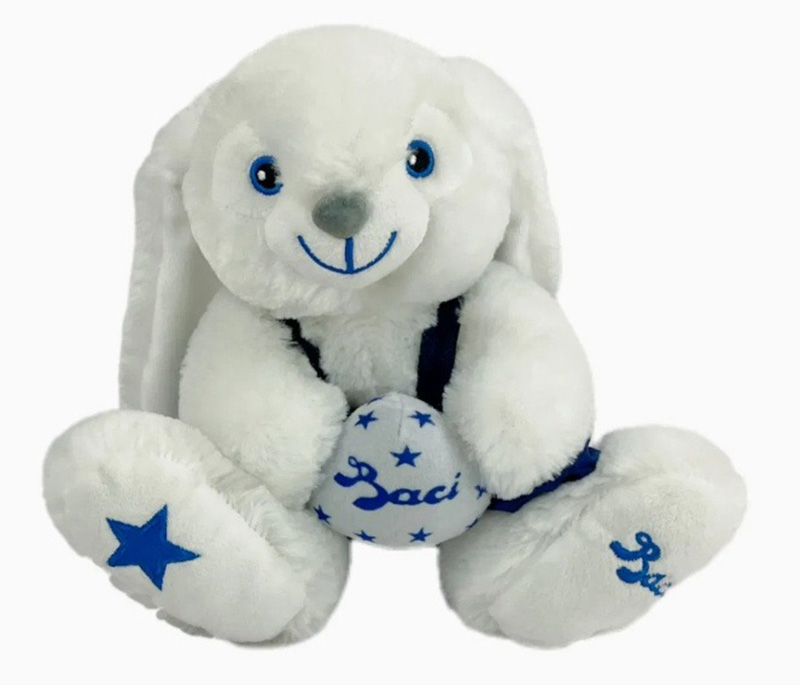
In a crowded plush market, the top bunny lines stand out through materials, design language, brand story, and consistent quality. As a factory, we see that successful brands rarely compete on “soft bunny” alone—they create a recognizable identity around their rabbits.
Common differentiation levers include:
- Signature fabric: for example, ultra-soft minky in specific colors or textures
- Recognizable silhouette: certain head-to-body ratio, ear shape, and pose
- Distinct facial style: minimal eyes, unique nose shape, or special blush details
- Storytelling and naming: giving each bunny a character, backstory, or collection theme
- Sustainability angle: recycled fillings, eco-messaging, or natural palettes
- Packaging and gifting: boxes, ribbons, hangtags, and cards that elevate the experience
Differentiation strategies in premium bunny lines
| Differentiation Lever | How Brands Use It | Benefit for Buyers and Retailers |
|---|---|---|
| Signature “handfeel” | Custom plush blends, extra-dense minky | Consumers recognize the feel instantly |
| Unique silhouette | Distinct ear length, chubby body, or long limbs | Clear shelf and social-media recognition |
| Character collections | Each bunny has a name, color story, mini bio | Encourages collecting and gifting |
| Seasonal capsules | Limited colors or outfits for Easter, holidays | Drives urgency and seasonal merchandising |
| Eco or “kind” story | Recycled fiberfill, soft natural tones | Appeals to conscious consumers and parents |
| Premium packaging | Gift boxes, ribbons, illustrated tags | Adds value perception, supports higher price |
When you create your own plush bunny line, you don’t need to copy big brands. But you do need to decide: what is the one feeling or story my bunnies should deliver? Then materials, patterns, and packaging can follow that direction.
What certifications and tests verify high-quality plush bunnies?
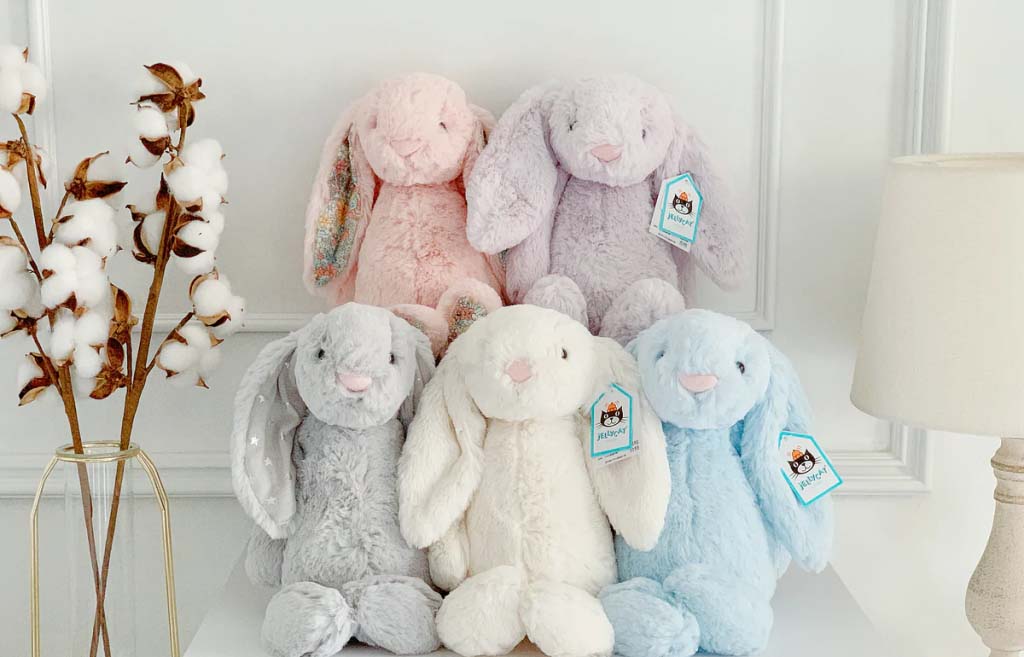
A bunny can look beautiful but still fail in the most important area: safety. For global markets, the “best” plush bunny must pass formal toy standards and chemical tests, not just an internal visual check.
Different regions use different frameworks, but the core ideas are similar:
- No dangerous small parts for young children
- No sharp points or accessible metal
- No unsafe levels of restricted chemicals
- Fabrics and seams that perform well under stress and, in some cases, flammability tests
Key certifications and tests for plush bunnies
| Certification / Test | Main Regions Involved | What It Covers | Why It Matters for Buyers |
|---|---|---|---|
| EN71 (parts 1–3) | Europe, many global importers | Mechanical, flammability, chemical safety | Essential for selling in EU markets |
| CE mark (toys) | Europe | Confirms conformity with EU toy safety rules | Required marking to legally sell in EU |
| ASTM F963 | USA | Toy safety (mechanical, labeling, etc.) | Standard reference for US toy imports |
| CPSIA | USA | Lead, phthalates, tracking labels | Critical for children’s products in the US |
| UKCA (toys) | UK | Similar to CE after Brexit | Needed for UK market compliance |
| REACH-related tests | EU focus, often used globally | Restricted chemicals in materials | Extra assurance on fabric and trims |
| OEKO-TEX / similar | Global | Textile safety and skin-friendliness | Strong marketing point for baby bunnies |
For big retailers, test reports and technical files are non-negotiable. For small online brands, working with a factory that already supplies to strict markets helps a lot, because many safety details are built into daily production.
How do price, sourcing, and MOQ shape plush bunny selection?
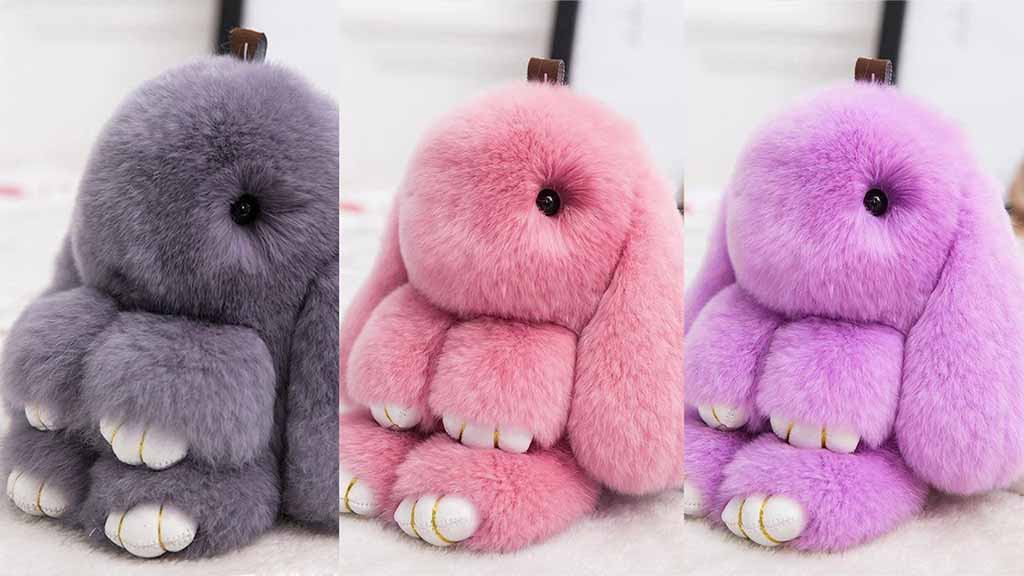
Even the “best” plush bunny needs to fit your budget, margin, and order volume. In reality, many buyers balance three things:
- Desired quality and brand position
- Target retail price and margin
- MOQ and cash-flow limits
If you push price too low, you often sacrifice fabric density, finishing time, or packaging. If you set the bar unrealistically high for materials and accessories at a very low FOB, factories may need to cut corners. A healthy plush bunny program sits in the middle: realistic specs that support both consumer value and long-term supplier relationship.
How buyer profile affects plush bunny sourcing
| Buyer Type / Channel | Typical MOQ & Price Sensitivity | Best Sourcing Strategy |
|---|---|---|
| Small online shops (Etsy, Shopify) | Low to medium MOQs, sensitive to upfront cost | Consider semi-custom bunnies using existing molds; focus on branding and packaging |
| Mid-size e-commerce brands | Medium MOQs, strong focus on reviews and return rate | Invest in better fabrics and tests; use OEM designs with reliable factory |
| Large retailers / chains | High MOQs, strict compliance, strong price targets | Full OEM/ODM projects with detailed specs and testing plans |
| Gift & flower shops | Seasonal MOQs, strong emphasis on gifting feel | Prioritize packaging and simple, safe designs at mid-price |
| Licensing / character IP | Medium to large MOQs, high brand expectations | Work with experienced manufacturer for character accuracy and testing |
When you talk with a factory, share:
- Target retail price or price band
- Estimated volume and replenishment plan
- Main markets (US, EU, UK, etc.)
- Priority between softness, eco story, and cost
This gives us enough information to suggest fabric grades, filling density, and design complexity that match your real business case—not just an ideal mood board.
Conclusion
A truly great plush bunny is more than just cute ears and a soft tummy. It is a carefully engineered product: the right fabrics and fillings, clear design for its age group, strong seams and safe trims, proven test reports, and a cost structure that supports your brand’s growth. When all these elements line up, your bunny line can win both hearts and long-term repeat orders.
At Kinwin, we help global buyers develop plush bunny ranges that are soft, safe, and commercially smart—from baby comfort bunnies and Easter collections to premium décor rabbits and branded mascots. If you’re planning your next plush bunny project and want a factory partner who understands both design and compliance, you’re very welcome to contact me at [email protected] or visit kinwintoys.com to explore how our team can support your success.