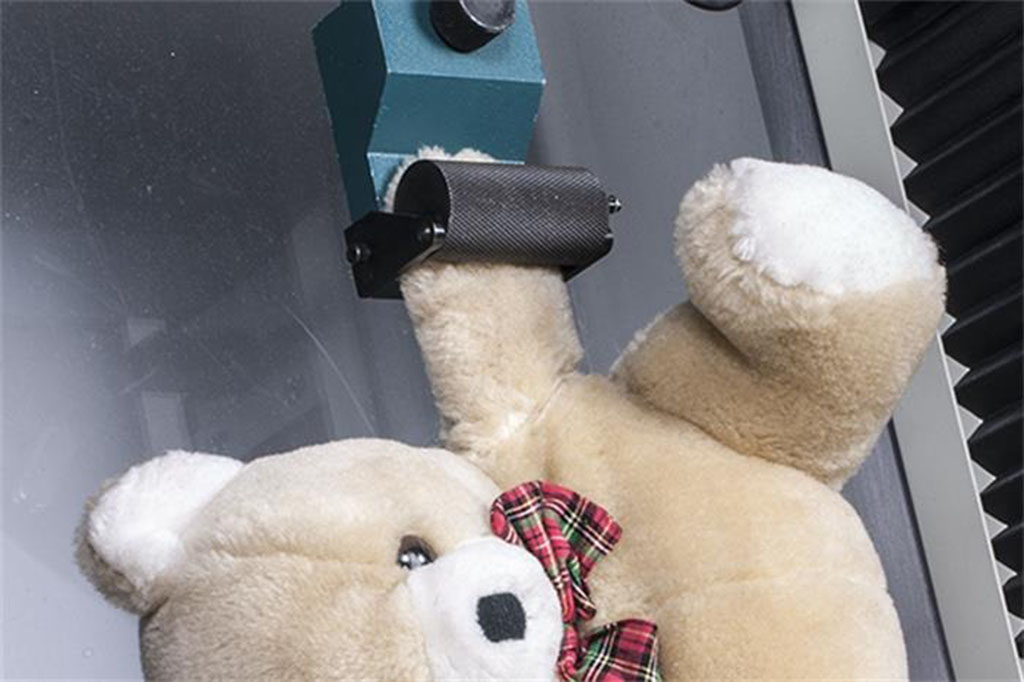
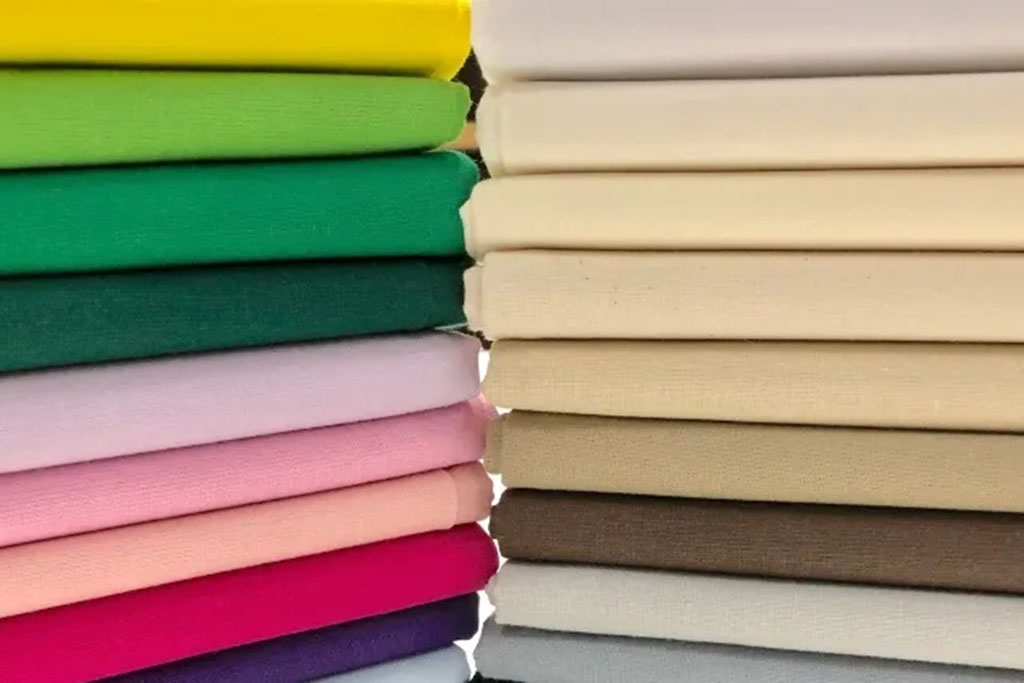
When you choose plush fabric, you are not just choosing “soft” or “not soft.” You are choosing how your product feels, how long it lasts, and how safe it is for real users.
Today’s plush materials fall into clear categories based on pile height, surface structure, and fiber blend. When brands understand these differences, it becomes much easier to brief factories, control quality, and match fabric choices to price, age group, and market positioning. In this guide, I’ll share how we, as a plush factory, look at “types of plush” from both a technical and business angle—using simple language that supports your sourcing decisions.
By the end, you’ll see how to connect fabric terms (minky, velboa, faux fur, fleece, sherpa, etc.) with real outcomes: softness, durability, safety, cost, and sustainability.
What main categories define the different types of plush today?
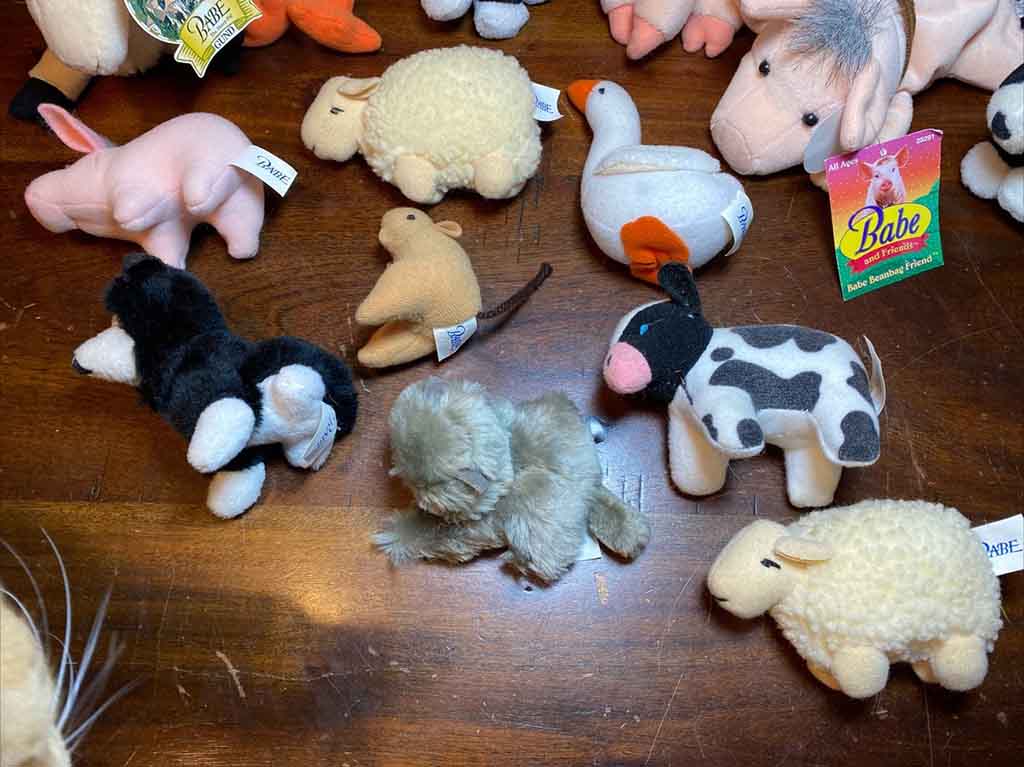
When we talk about “types of plush” inside the factory, we first group them by overall category. This makes it easier for buyers to say, “We want this group, not that group,” even before going into detailed specs.
In modern production, we usually work with these main plush categories: short-pile plush (velboa), minky / micro plush, long-pile / faux-fur plush, fleece-type plush, and textured specialty plush (corduroy plush, embossed plush, sherpa, etc.). Each group has its own look, feel, and typical usage.
Core plush fabric categories
| Plush Category | Simple Description | Typical Use Cases |
|---|---|---|
| Short-pile plush (velboa) | Low, neat pile with smooth surface | Standard plush toys, promotional plush |
| Minky / micro plush | Very soft, dense, slightly stretchy pile | Baby plush, premium plush, pillows |
| Long-pile / faux fur | Longer fibers, fluffy or realistic look | Realistic animals, luxury lines, trims |
| Fleece-type plush | Brushed or knitted, cozy non-directional feel | Simplified plush, blankets, home items |
| Textured / specialty | Corduroy plush, embossed, sherpa, etc. | Trendy designs, décor plush, fashion details |
As a buyer, you don’t need to know every factory code. You just need to be clear about which category fits your product story and price level. Then we can fine-tune inside that group.
How do fiber compositions create variations in plush texture and performance?
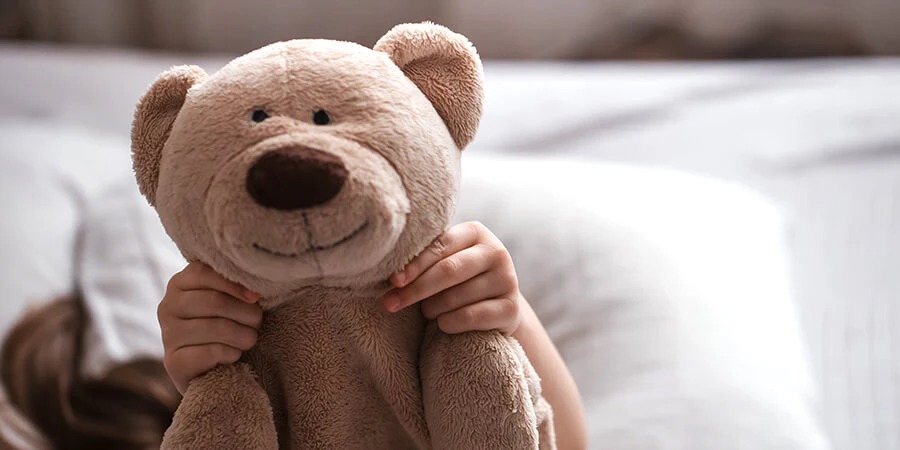
Under the soft surface, plush is still a textile. The fiber composition—what the yarn is made of—drives a lot of behavior: softness, pilling, colorfastness, shrinkage, and how fabrics perform in safety and wash tests.
Most plush fabrics used in toys today are based on polyester because it is stable, colorfast, and easy to wash. However, you will also see cotton blends, acrylic blends, and recycled fibers. Different blends can change the marketing story and performance of your plush line.
Typical fiber compositions in plush
| Fiber Type / Blend | Main Features | Common Uses |
|---|---|---|
| 100% polyester | Soft, strong, colorfast, stable in washing | Main choice for plush toys and cushions |
| Polyester–cotton blends | Softer handfeel, more natural image | Dolls, apparel-focused plush, home décor |
| Polyester–acrylic blends | Extra fluffy or “fur-like” effect | Faux fur animals, trims, fashion plush |
| Recycled polyester (rPET) | Lower virgin plastic use, similar feel to poly | Eco-story plush, sustainable collections |
| Specialty fibers (bamboo, etc.) | Niche marketing, soft feel, higher cost | Premium eco lines, small capsules |
How fiber affects your plush
- Texture – Polyester can be tuned from silky smooth (minky) to firm and structured (short-pile velboa). Cotton blends feel more “natural,” but can wrinkle more.
- Durability – Polyester-based fabrics typically resist shrinking and hold color better under washing.
- Safety & testing – Stable polyester lines are easier to test and approve for big markets (USA, EU, etc.).
- Price – Standard 100% polyester plush is usually the best balance of cost and performance. Specialty fibers and small-batch blends cost more.
When brands ask me for “soft but durable,” polyester plush is almost always our starting point. If they add “eco story,” we then explore recycled polyester for filling and sometimes fabric.
Which pile heights and surface structures distinguish major plush types?
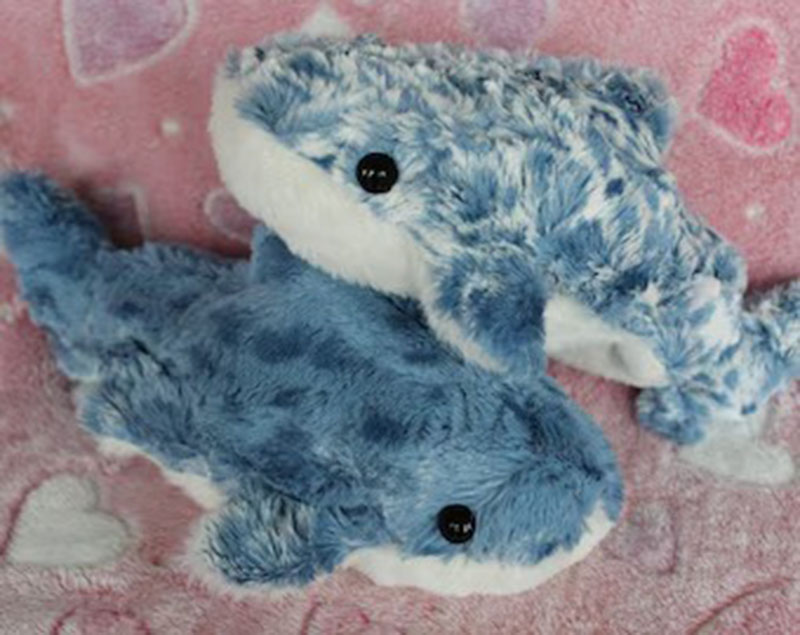
If fiber composition is the “inside,” pile height and surface structure are the “outside.” They decide how the plush catches light, how it photographs, and how it feels on the skin.
Pile is simply the length of the raised fibers. Short piles look neat and show details clearly. Longer piles feel fluffy and can create realistic fur but need more care in cutting and sewing. Surface structure—smooth, embossed, ribbed, curly—adds another layer of personality.
Main pile and surface variations
| Feature | Typical Range / Style | Effect on Design and Feel |
|---|---|---|
| Pile height – short (0.5–2 mm) | Very low, almost velvet-like | Clear shapes, easy embroidery, clean details |
| Pile height – medium (2–4 mm) | Standard plush height | Balanced softness and structure |
| Pile height – long (5 mm+) | Faux fur, shaggy plush | Fluffy, dramatic, realistic fur effect |
| Smooth surface | Flat, even fibers | Sharp silhouettes, logo clarity |
| Embossed / jacquard | Patterns pressed or woven into pile | Tactile interest, visual pattern |
| Ribbed / corduroy plush | Raised stripes or ribs | Trendy, modern, adds visual structure |
| Curly / sherpa surface | Tight curls or sheep-like texture | Cozy, “woolly” look, great for bears and décor |
How to match pile to product
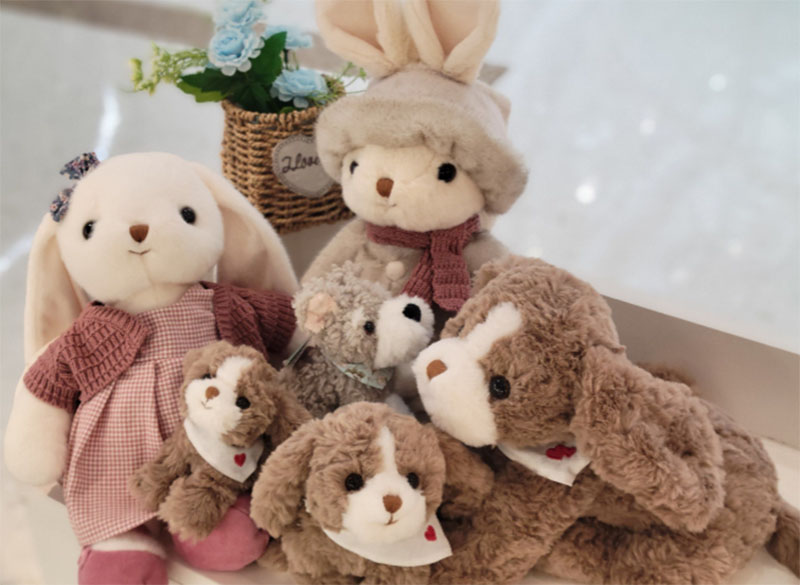
- Short / medium smooth pile – best for standard plush animals, mascots, and anything with a lot of embroidery or small details.
- Long pile / faux fur – ideal for realistic animals, manes, tails, and trim, or for high-impact “luxury” pieces.
- Textured surfaces – good for trend lines, home décor cushions, or certain fashion-forward mascots.
When you brief us, it helps if you say something like:
“We want medium pile, not too shiny, and easy to brush after washing.”
This tells us to avoid extreme long pile and very reflective finishes, and to focus on balanced fabrics.
How are durability, softness, and safety evaluated across plush categories?
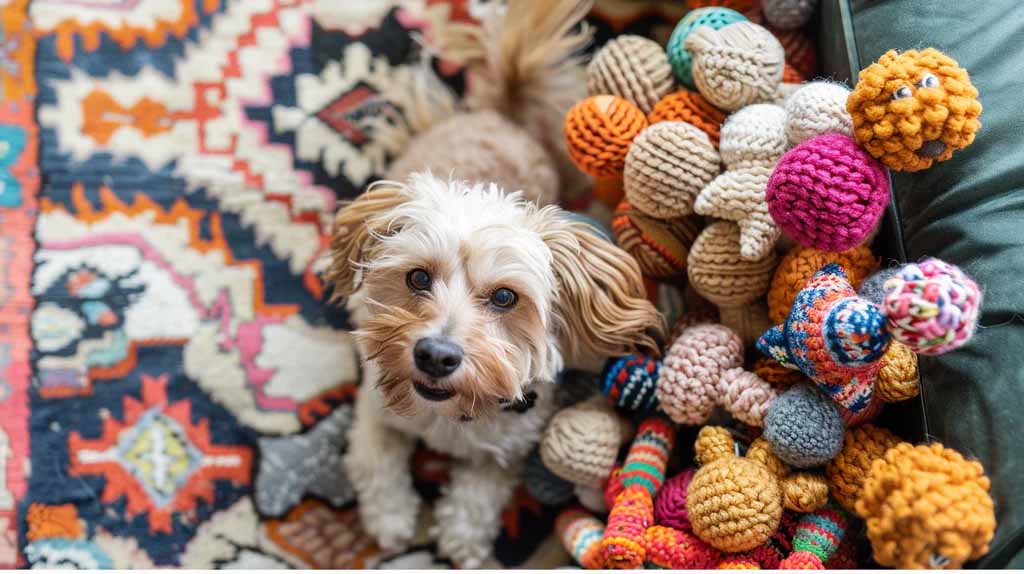
Choosing plush is always a balance between durability, softness, and safety. Some fabrics are extremely soft but more delicate. Others are very strong but feel a little less “cloud-like.” For children’s toys, safety and durability must always come first; for adult décor or collector pieces, you might prioritize a more dramatic texture.
In the factory, we evaluate plush by looking at:
- Martindale / abrasion or pilling performance
- Seam strength when sewn
- Shedding and fiber loss
- Colorfastness to rubbing, saliva, sweat, or washing
- Compliance with chemical and flammability rules
Comparing performance focus across plush categories
| Plush Category | Softness Level (Typical) | Durability Focus | Safety Considerations |
|---|---|---|---|
| Short-pile / velboa | Medium–high | Very good for everyday play | Low shedding, clean surface, easy to test |
| Minky / micro plush | Very high | Good if fabric is dense | Check for pilling and colorfastness |
| Long-pile / faux fur | Very soft on surface | Sensitive in rough washing | Control shedding; better for older ages |
| Fleece-type | Medium | Good for casual use and décor | Watch pilling over time in cheaper grades |
| Textured / specialty | Varies by design | Must test seams and raised parts | Check trapped lint and cleaning performance |
Practical evaluation tips for buyers
When you receive swatches or samples:
- Touch and squeeze – Does fabric quickly recover shape?
- Lightly rub – Do fibers come off on your hand or clothing?
- Check seams – When the fabric is sewn and stuffed, does it hold without visible gaps?
- Think about washing – Will your end customer expect machine-washable products?
In our projects, we often run internal tests before sending final fabric options, especially for baby plush or higher-volume retail programs. This reduces surprises after mass production.
What sourcing factors help brands select the right plush for their products?
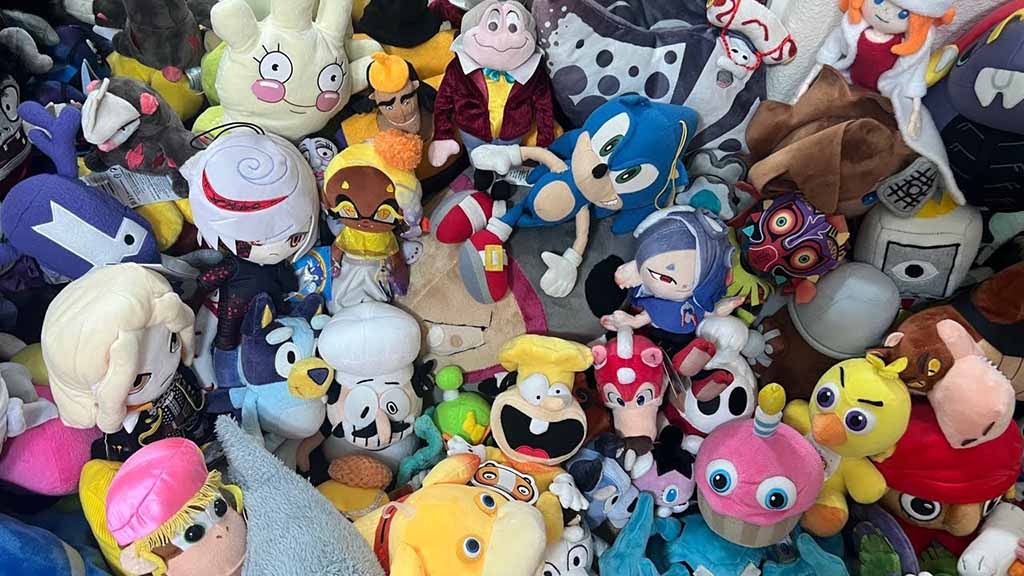
From a B2B point of view, the “right” plush is not only about feel. It must also match your positioning, budget, safety requirements, and supply chain. Often, the best choice is a fabric that is “good enough” across many criteria instead of perfect in one area and poor in others.
When we help brands choose fabrics, we usually look at:
- Target user and age group – baby, child, teen, adult, collector.
- Price point and retail channel – mass market, mid-range, premium.
- Brand style – minimalist, kawaii, realistic, eco-focused, etc.
- Testing and market requirements – EN71, ASTM, CPSIA, and other local rules.
- Lead time and stability – can the mill supply the same fabric consistently?
Key sourcing factors at a glance
| Factor | Questions to Ask Yourself | How It Affects Fabric Choice |
|---|---|---|
| Target audience | Baby, kids, or adults? Pet or human use? | Softer, safer fabrics for babies; stronger for pets |
| Retail positioning | Low, mid, or premium price? | Higher GSM and specialty textures for premium lines |
| Design style | Cute, realistic, minimal, bold? | Long faux fur for realistic; smooth minky for kawaii |
| Safety & compliance | Which markets (USA, EU, UK, etc.)? | Choose fabrics with stable test history |
| MOQ & continuity | How many pieces and how long will line run? | Need stable, repeatable fabrics from reliable mills |
| Sustainability goals | Do you need recycled content or eco story? | Consider rPET stuffing or recycled outer fabrics |
If you tell us, “This is a mid-price line for kids in the US and EU, with a soft, cute look and simple washing,” we can quickly narrow fabric choices. Then we send a few realistic options instead of a huge confusing list.
How do sustainability and innovation trends shape emerging plush materials?
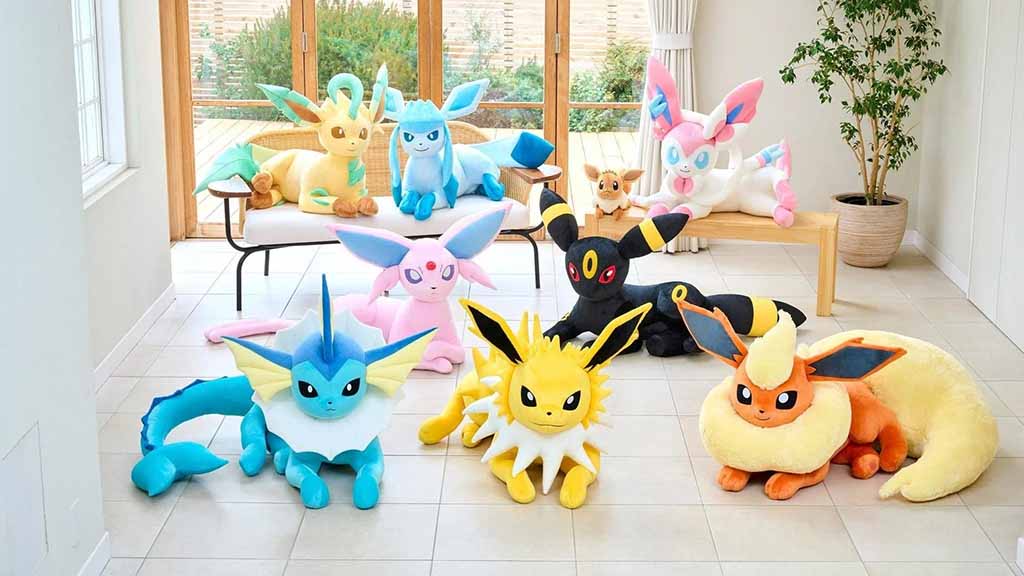
Material conversation is changing. Many buyers now ask about recycled fibers, lower environmental impact, and longer-lasting designs, while still expecting a soft, safe, and affordable product. This is not always easy, but progress is happening.
For plush, sustainability trends usually focus on:
- Recycled polyester (rPET) fiberfill and fabrics
- Reduced packaging and plastic use
- Durable construction to extend product life
- Transparent material stories (for example, “outer: recycled polyester plush, filling: recycled fiberfill”)
Emerging directions in plush materials
| Innovation Area | What It Looks Like in Plush | Benefits and Trade-offs |
|---|---|---|
| Recycled fiberfill (rPET) | Filling made from recycled plastic bottles | Good eco story, similar feel to regular fill |
| Recycled plush fabrics | Outer fabric with recycled polyester content | Lower virgin plastic use, sometimes higher cost |
| Bio-based / plant fibers | Bamboo or other blends in plush fabrics | Niche, softer story, still limited options |
| Lower-impact dyeing | Mills using water-saving or cleaner processes | Requires close mill partnerships |
| Design for longevity | Strong seams, classic shapes, easy-care fabrics | Fewer replacements, better brand reputation |
From my experience, the most realistic starting point is recycled fiberfill, because it usually keeps a similar feel and performance to standard polyester while improving the story. Recycled plush outer fabric is also growing, but color, texture, and price must be evaluated carefully.
As technologies evolve, I expect more blended solutions: for example, eco-focused capsule collections inside larger, standard ranges. This lets brands test demand and refine their material choices step by step.
Conclusion
A good plush fabric is much more than “soft.” It is the result of clear decisions about category, fiber composition, pile, texture, durability, safety, and even sustainability. When you understand these building blocks, you can brief factories more clearly, avoid mismatched expectations, and build plush lines that feel consistent from sample to mass production.
At Kinwin, we help global buyers choose and test the right plush types for each project—from baby-safe minky and everyday velboa to faux fur, textured trend fabrics, and recycled options. If you’re planning a new plush range and want a partner who understands both material engineering and market positioning, you’re very welcome to contact me at [email protected] or visit kinwintoys.com to explore how our factory team can support your next launch and long-term growth.