Skip to content
Co-developing a plush toy with an OEM partner allows brands to bring ideas to life with professional engineering, efficient production, and market-ready quality. Successful co-development is built on strong communication, aligned expectations, and a clear balance of creative vision and factory expertise. When brands and manufacturers work together from the earliest stages, the final result is a plush toy that meets aesthetic goals, safety standards, cost targets, and global market requirements. This guide explains how to collaborate effectively with an OEM plush partner—from concept planning to production readiness.
What Early Design Inputs and Brand Requirements Should Be Shared with Your OEM Partner?
Before any development begins, your OEM partner needs a complete understanding of your brand identity, target market, and product goals. The more detailed your initial inputs are, the faster and more accurately the project will progress. Clear early communication helps prevent misinterpretations, unnecessary sampling rounds, and avoidable costs.
Your initial design input package should include:
- Brand guidelines, including visual identity and tone
- Target age group and market region (e.g., EU, USA, Japan)
- Product purpose—collectible, retail, promotional, gift, baby toy
- Design files such as sketches, 3D models, or character sheets
- Preferred textures, colors, and overall aesthetic direction
- Constraints on size, materials, budget, or safety compliance
- Any required accessories, tags, labels, or packaging details
Providing reference images, Pantone colors, and previous product examples also helps the OEM team understand your expectations. If the plush is based on an IP character, include full style guides and expression sheets to preserve the accuracy and personality of the original design.
| Early Input | Why It Matters | OEM Benefit |
|---|---|---|
| Brand guidelines | Ensures alignment with brand identity | Maintains consistent style |
| Age grading | Determines safety & material choices | Guides compliance |
| 3D/2D artwork | Defines shape & silhouette | Supports accurate patterning |
| Color references | Prevents color mismatch | Ensures uniformity |
| Accessory list | Avoids resampling | Helps cost planning |
Providing thorough early inputs sets the foundation for a smooth co-development journey.
How Do Collaborative Concept Reviews Align Expectations Before Development Begins?
Concept review is one of the most important early steps in co-development because it transforms artistic direction into production-relevant understanding. During this phase, both parties evaluate the design for manufacturability, cost feasibility, material availability, and structural accuracy. This collaboration prevents surprises later, such as discovering that a character’s proportions are difficult to sew or that certain materials are unsuitable for safety testing.
A strong concept review process typically includes:
- Reviewing sketches and clarifying proportions
- Discussing size ranges and scale limitations
- Identifying potential structural challenges
- Evaluating fabric options based on finish and softness
- Establishing cost expectations and possible trade-offs
- Agreeing on feasible modifications to balance appearance and production
This stage also helps the OEM provide suggestions you may not have considered, such as alternative materials for durability, more efficient construction techniques, or small design adjustments to improve structure or reduce cost. Collaborative review ensures both teams share the same vision before sampling begins.
| Concept Review Topic | Impact on Development |
|---|---|
| Proportion adjustments | Ensures stability & silhouette |
| Material feasibility | Aligns cost & performance |
| Construction method | Determines durability |
| Safety considerations | Ensures compliance |
| Budget matching | Prevents surprises later |
Effective concept alignment dramatically reduces sampling cycles and boosts project efficiency.
How Can OEM Pattern Making and Engineering Expertise Enhance Your Original Design?
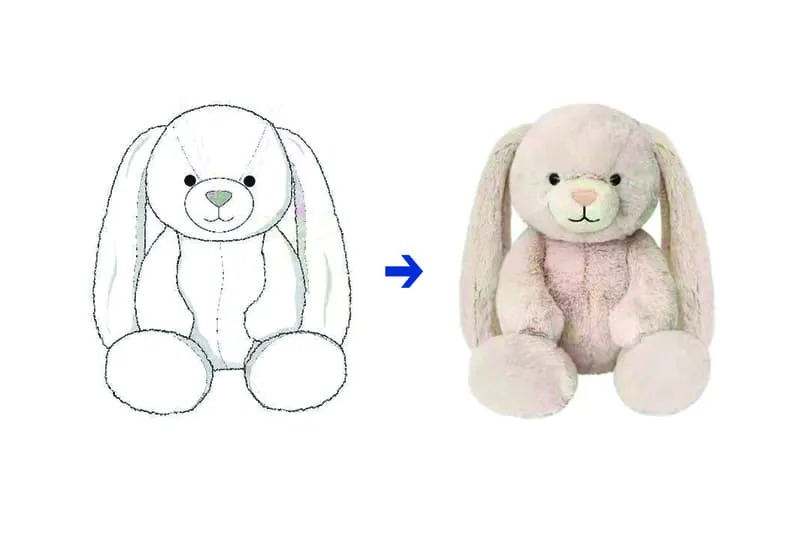
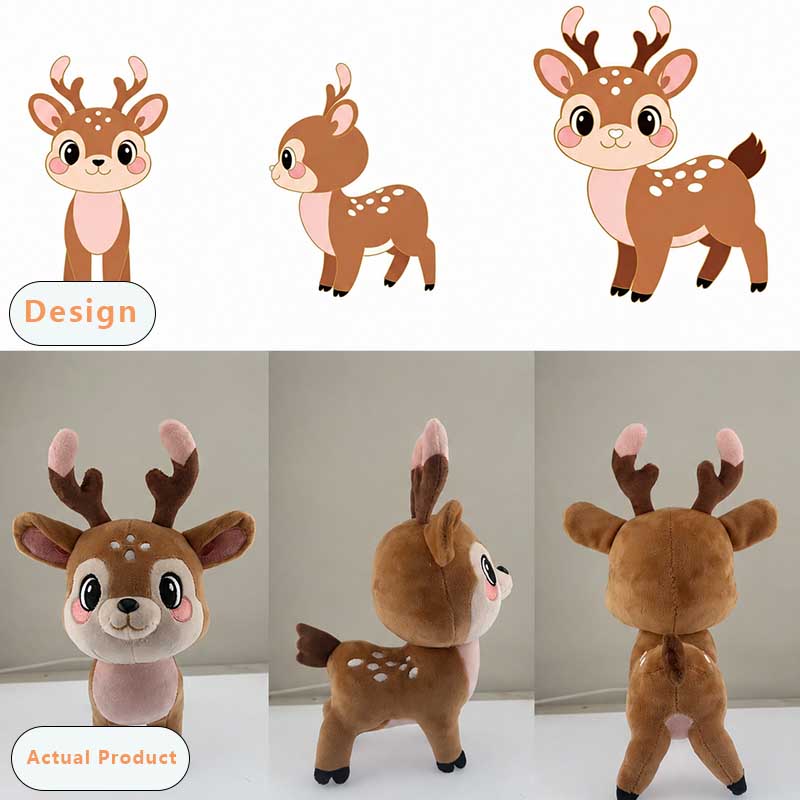
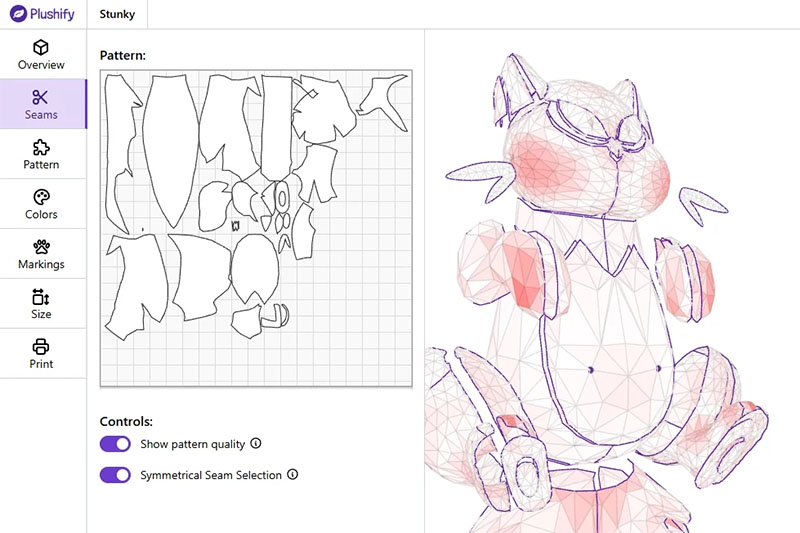
One of the greatest advantages of working with an OEM partner is the access to experienced pattern makers and plush engineers who understand how to convert 2D designs into 3D forms. While designers define the character’s appearance and personality, the OEM team analyzes the structure needed to recreate it accurately in fabric.
OEM engineering enhances product development by:
- Preserving the correct shape through precise pattern geometry
- Adjusting curves, seams, and fabric orientation to maintain symmetry
- Recommending reinforcement for small or delicate areas
- Determining the right combination of fabrics for different body parts
- Ensuring the toy will stand, sit, or pose as intended
- Evaluating internal supports—foam, mesh, wires, or weighted pellets
Expert plush engineers often see structural issues that designers may overlook. For example, round characters may require specific seam placement to avoid distortion. Characters with long necks or oversized heads might need internal stabilizers. These refinements preserve the authenticity of the design while ensuring practicality and durability.
| OEM Engineering Focus | Benefit to Final Product |
|---|---|
| Pattern geometry | Accurate, appealing shape |
| Reinforced areas | Long-term durability |
| Fabric selection | Softness & structure balance |
| Internal supports | Prevents sagging |
| Seam optimization | Smooth appearance |
Your original design becomes stronger, more manufacturable, and more reliable through OEM engineering input.
What Sampling and Iteration Processes Ensure Both Accuracy and Manufacturability?
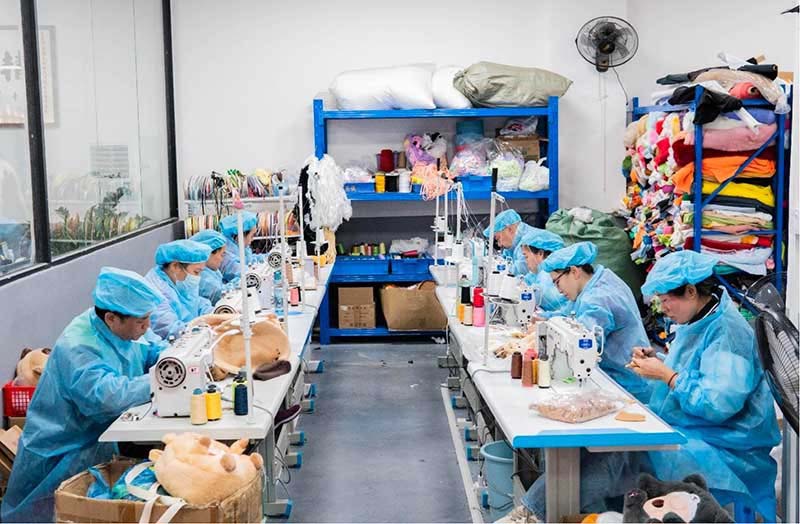
Sampling is where creative ideas become physical reality. Co-development relies on an iterative feedback cycle where both brand and factory work together to refine the prototype. Each sampling round brings the product closer to the perfect balance of appearance, cost, functionality, and manufacturability.
The sampling process generally includes:
- Initial Prototype Creation Based on your design files and approved concept review, the factory creates the first sample using selected fabrics and engineering structures.
- Evaluation of Accuracy You review shape, proportions, facial expressions, color alignment, and softness.
- Technical Refinement The OEM team adjusts patterns, seam lines, stuffing density, or accessories.
- Second Round Sample Improvements are applied, addressing both visual and structural changes.
- Golden Sample Approval Once everything matches your expectations, this version becomes the standard.
Sampling should never be rushed. The OEM’s expertise helps identify manufacturability issues early, preventing problems during mass production such as mismatched colors, inconsistent stuffing, weak seams, or accessory failure.
| Sampling Phase | Brand Role | OEM Role |
|---|---|---|
| First prototype | Give initial feedback | Create base sample |
| Revision round | Clarify corrections | Adjust patterns/materials |
| Golden Sample | Final approval | Prepare production specs |
A clear, disciplined sampling process ensures accuracy and production-ready quality.
How Should Production Planning, Material Selection, and QC Standards Be Co-Decided?

Once the Golden Sample is finalized, both parties must align on production planning to guarantee smooth manufacturing. Co-decision ensures the factory understands your expectations for quality consistency, compliance, and schedule, while you understand the factory’s operational requirements.
Key elements to co-decide include:
1. Production Scheduling
- Slot booking for cutting, sewing, stuffing, and finishing
- Agreeing on delivery milestones
- Planning ahead for seasonal or peak-season constraints
2. Material Lock-In
- Confirming fabric weights, pile heights, textures, and dye lots
- Approving accessory specs (eyes, noses, labels, tags)
- Ensuring materials meet required safety standards
3. QC Requirements
- Golden Sample as master reference
- In-line QC standards (stitching, stuffing, symmetry)
- Final inspection guidelines (AQL levels, packaging checks)
When brands and OEM partners make these decisions together, production becomes more predictable, efficient, and error-free.
| Co-Decision Area | Impact |
|---|---|
| Material approval | Ensures consistency |
| Production scheduling | Prevents delays |
| QC alignment | Protects final quality |
| Safety testing | Ensures compliance |
| Packaging standards | Simplifies logistics |
How Do Communication, Milestones, and Feedback Cycles Strengthen Co-Development Success?
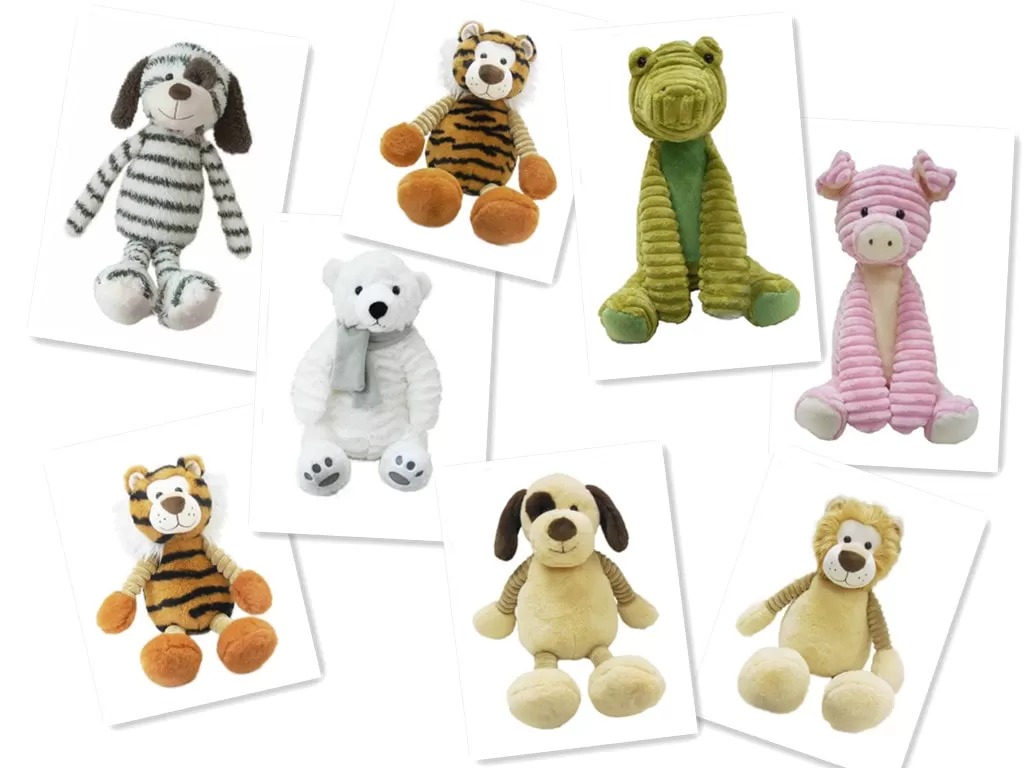
Strong communication is the backbone of successful co-development. Because plush production involves artistic interpretation, technical construction, and quality discipline, constant alignment is necessary during every stage.
Effective communication includes:
- Weekly update meetings
- Shared digital folders for files, photos, and videos
- Clear revision notes using annotated images
- Agreed communication channels (email, WhatsApp, project portal)
- Defined approval hierarchy
Milestones should be set for concept review, first sample, revisions, Golden Sample, material approval, and production checkpoints. Each milestone ensures both teams progress together, reducing misunderstandings and rework.
A professional OEM partner provides transparent updates, anticipates potential risks, and offers solutions early. When both sides follow a structured communication rhythm, projects become faster, smoother, and more cost-efficient.
| Communication Element | Benefit |
|---|---|
| Regular updates | Keeps project on track |
| Annotated feedback | Reduces errors |
| Clear hierarchy | Speeds up approvals |
| Shared folders | Prevents file confusion |
| Milestone tracking | Improves accountability |
Conclusion
Co-developing a plush toy with an OEM partner is a powerful way to bring high-quality, commercially successful products to life. When brands share complete early inputs, collaborate on concept reviews, rely on OEM engineering expertise, follow a structured sampling process, and jointly align on materials, production, and QC, the result is consistent, manufacturable, and market-ready plush designs.
At Kinwin, we specialize in guiding global brands through every step of co-development—combining design precision, engineering strength, and world-class manufacturing to turn ideas into high-quality plush toys.
📧 Contact: [email protected]
🌐 Visit: https://kinwintoys.com