Skip to content
When buyers talk with me about plush sourcing, one question comes up again and again: “What should we call these toys?” Some say stuffed animals, some say plush toys, some say soft toys, others say plushies. The words feel similar, but they are not always used in the same way.
When you understand how different regions, brands, and age groups use these names, it becomes much easier to write product titles, brief factories, and plan SEO. In this guide, I’ll walk you through how we describe stuffed animals in daily life, in the toy industry, and in global markets—so your wording matches your audience and your business goals.
What common names are used for stuffed animals across regions?
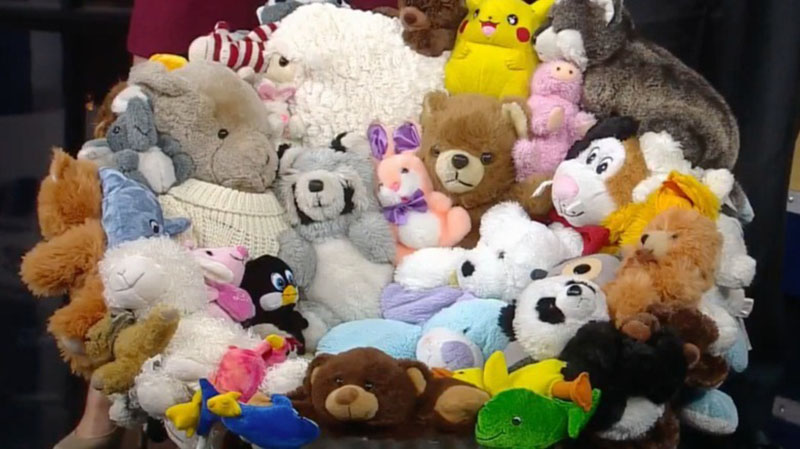
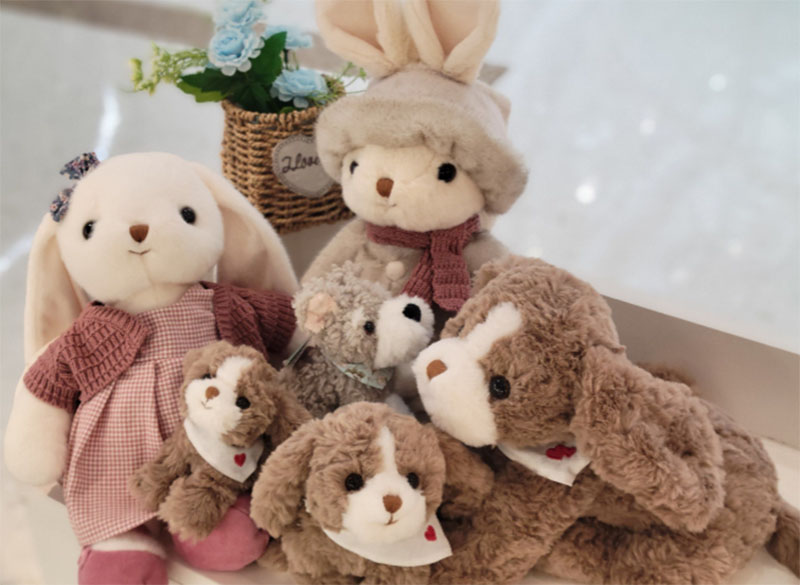
In daily life, people simply choose the term that feels natural in their language and culture. As long as the toy is soft and filled, most consumers do not worry about exact definitions. But for brands and factories, these differences matter. They affect search keywords, packaging text, and B2B communication.
From what I see with global buyers, there are a few main everyday names:
- Stuffed animal – very common in the USA.
- Plush toy / plush – widely used online and in global trade.
- Soft toy – common in the UK and many parts of Europe.
- Plushie – popular among teens, young adults, and fandom communities.
- Cuddly toy / cuddly – used in parts of Europe to stress comfort.
- Peluche / nuigurumi / etc. – local-language terms that still point to the same category.
Everyday naming across regions
| Region / Language | Most Common Everyday Terms | Typical Contexts |
|---|---|---|
| USA & Canada | Stuffed animal, plush toy, plushie, stuffie | Families, online shopping, kids’ products |
| UK & Ireland | Soft toy, cuddly toy, teddy, plush | Toy shops, parents, gift buyers |
| Europe (general) | Soft toy, plush, cuddly, local terms (peluche, peluche, etc.) | Toy chains, supermarkets, gift stores |
| Latin America | Peluche | All soft stuffed toys, not only animals |
| Japan | Nuigurumi (ぬいぐるみ), character plush | Anime stores, character shops, crane games |
| Korea | Inhyung (인형), character plush, mascot plush | K-pop goods, character shops, arcades |
| China | Plush toy, stuffed toy, 毛绒玩具 | Export manufacturing, domestic toy market |
For SEO and product listings, I often suggest using two or three key terms together, such as “plush toy / stuffed animal” for US-facing pages, or “soft toy / plush” for UK and EU markets. This catches more search habits with one product.
How do toy industry terms categorize stuffed animals by type and function?

Inside the toy and manufacturing world, we use more precise language. Here, names are not only about “cute words.” They are also about function, buyer type, and production method. When you talk to a factory like ours, using these terms helps avoid confusion.
Common industry terms include:
- Plush toy / plush animal – the standard B2B phrase for soft, stuffed fabric toys.
- Stuffed toy – often used in test reports and regulations.
- Character plush / licensed plush – plush based on IP (movies, games, brands).
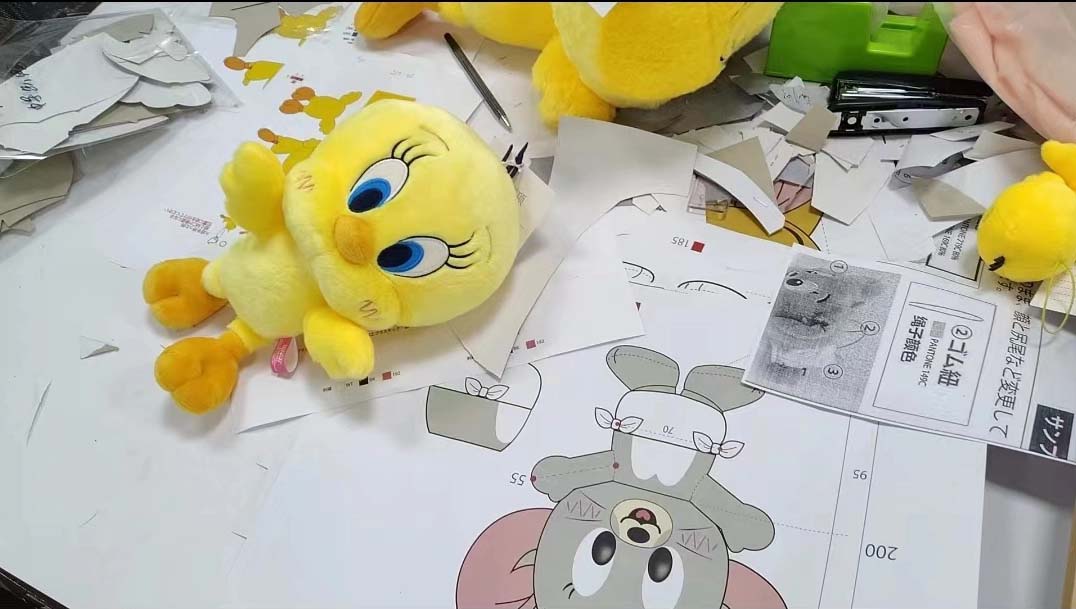
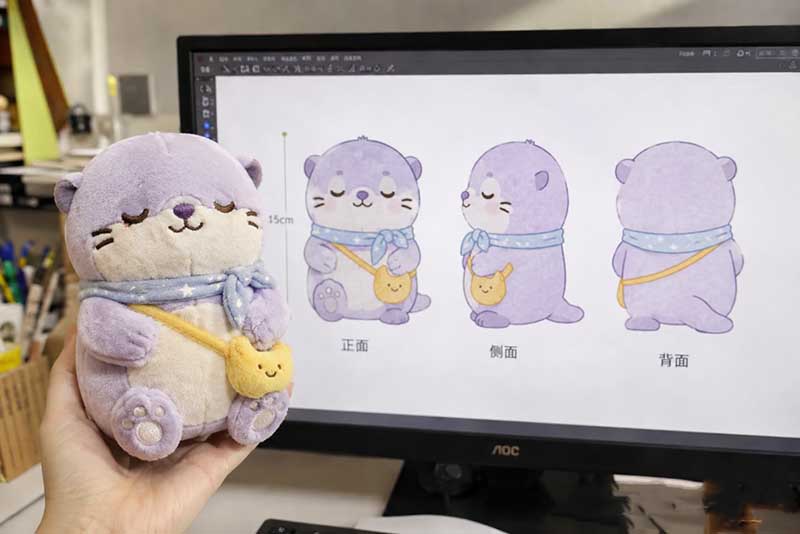
- OEM plush – custom plush designed by the client, made by the factory.
- ODM plush – designs created by the factory and sold as a ready-made line.
- Promotional plush – plush made for marketing campaigns and corporate gifts.
Industry naming by type and function
| Industry Term | What It Usually Means | Typical Buyers & Uses |
|---|---|---|
| Plush toy / plush | Any soft, stuffed textile toy | Retail chains, distributors, online brands |
| Stuffed toy | Regulatory category for toys with soft filling | Testing labs, compliance documents |
| Character plush | Plush based on known characters or mascots | Licensing partners, theme parks, IP owners |
| OEM plush | Client designs; factory only manufactures | Brands, influencers, IP holders |
| ODM plush | Factory designs; buyers add branding or buy as-is | Importers, wholesalers, mid-size retailers |
| Promotional plush | Plush with logos or messages for marketing | Corporate clients, event organizers, agencies |
| Pet plush / pet toy | Plush designed for dogs/cats, different safety focus | Pet brands, pet stores, vet chains |
When you send an inquiry like “We need a custom OEM character plush line,” I instantly know you want your own design, your own IP, and probably multi-market compliance, not just a generic item.
Which distinctions separate plush toys, soft toys, dolls, and plushies?
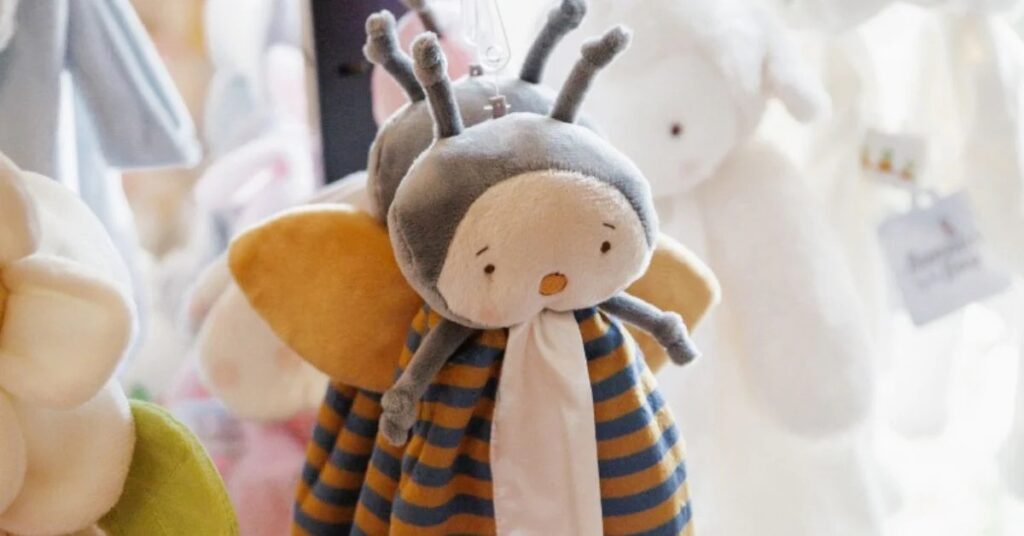
Outside the industry, people often mix these words. Inside design and sourcing, we usually separate them by shape, function, and audience.
Here is a simple way to think about it:
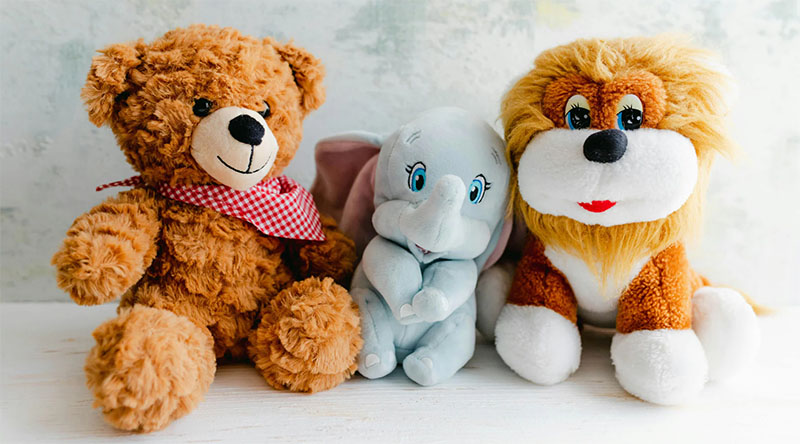
- Stuffed animal / plush animal – animal-shaped soft toy.
- Plush toy / soft toy – any soft, stuffed toy (animal, food, object, character).
- Doll – human or humanoid figure, sometimes soft, sometimes plastic.
- Plush doll – human-shaped plush (ragdolls, chibi characters, fashion plush).
- Plushie – casual word for plush, often used for cute, stylized designs.
Comparing the main terms
| Term | Basic Definition | Typical Shapes & Uses |
|---|---|---|
| Stuffed animal | Soft toy shaped like an animal | Bears, dogs, cats, dinosaurs, zoo animals |
| Plush toy | Any toy made with plush fabric and stuffing | Animals, characters, food, emojis, objects |
| Soft toy | Broad category: all soft stuffed toys | Regional preference (UK/EU) |
| Doll | Human / humanoid figure (soft or hard body) | Baby dolls, fashion dolls, ragdolls |
| Plush doll | Human-shaped soft toy with plush shell | Ragdolls, plush mascots, chibi character dolls |
| Plushie | Cute or stylized plush, often small or collectible | Kawaii characters, fandom merch, minis |
When you write product titles, you can choose the mix that fits your niche. For example:
- “Kawaii cat plushie” for a teen / fandom audience.
- “Soft plush teddy bear” for a general gift audience.
- “Plush doll mascot” for a human-shaped brand character.
How do materials and design features influence naming variations?
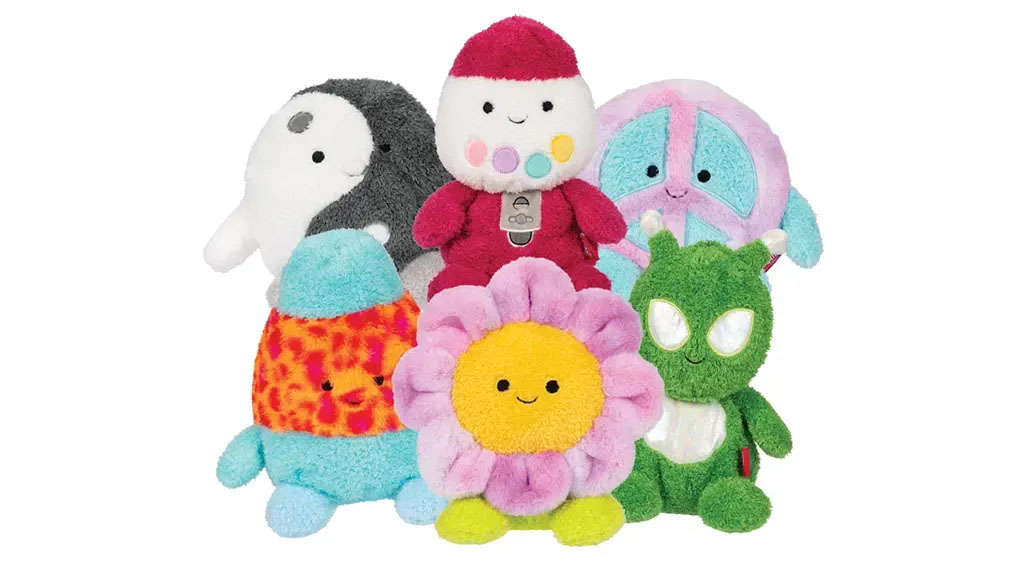
Many product names highlight material, feel, or a special function. These words appear next to “plush toy” or “stuffed animal” and help buyers understand what is special about that item in just a few seconds.
Some common examples you will see in catalogues and online stores:
- Teddy bear – classic bear-shaped stuffed animal with friendly proportions.
- Squishy plush / squish plush – very soft, marshmallow-like filling and rounded shape.
- Pillow plush / plush pillow – wide, flat, or rounded pillow-style design.
- Weighted plush – stuffed animal with extra weight inside, often for comfort.
- Realistic plush – more detailed, lifelike coloring and proportions.
- Big-eye plush – oversized, shiny eyes and chibi style.
Each of these words adds a signal about texture, structure, and usage on top of the basic “plush toy” label.
How design and material affect naming
| Design / Material Focus | Typical Naming Pattern | What It Tells the Buyer |
|---|---|---|
| Classic bear shape | Teddy bear, classic teddy | Traditional, gift-friendly, universal appeal |
| Extra-soft, squishy fill | Squishy plush, squish pillow, marshmallow plush | Ultra-soft, good for hugging and relaxing |
| Pillow-like structure | Plush pillow, cushion plush, huggable pillow | Works as décor and sleep support |
| Added internal weight | Weighted plush, calming stuffed animal | Comfort, anxiety support, adult-friendly |
| Realistic styling | Realistic plush, lifelike stuffed animal | Educational, wildlife, pet-lover appeal |
| Big eyes & chibi style | Big-eye plush, kawaii plushie | Cute, collectible, social-media friendly |
When we design for B2B clients, we often decide the material-based naming at the same time as the pattern. For example, “weighted plush pillow line” or “kawaii big-eye mini plushies.” This keeps development and marketing aligned from day one.
How do branding, licensing, and characters shape popular naming trends?
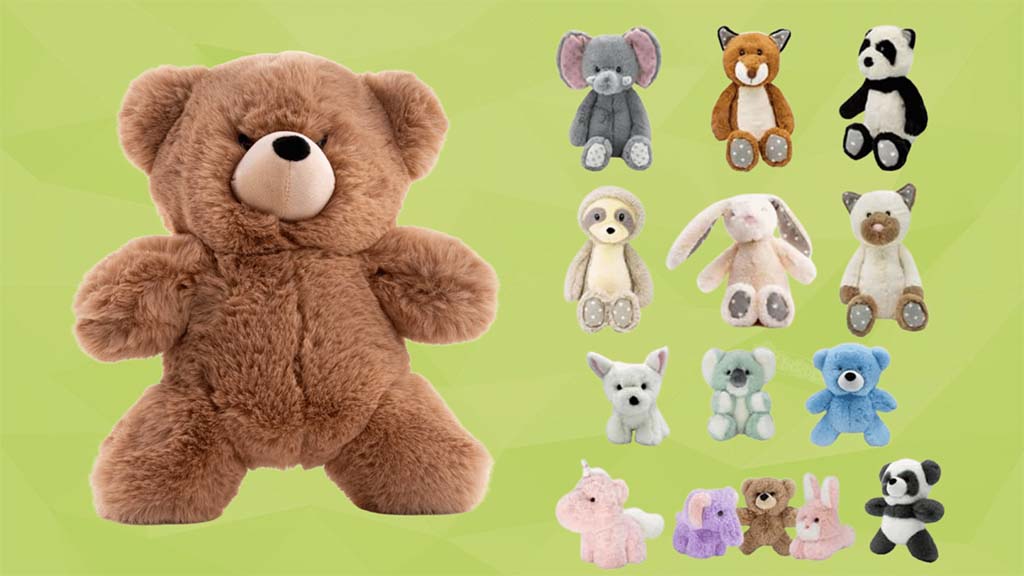
Character IP changes everything. When a stuffed animal is tied to a movie, game, series, or brand mascot, the name must protect the license and promote the character identity at the same time.
With licensed products, you usually see terms like:
- Character plush – core term for all character-based soft toys.
- Mascot plush – plush version of a brand, sports team, or company mascot.
- Collectible plush – part of a numbered or seasonal collection.
- Mini mascot / keychain plush – small, often with keyring or strap.
Brand guidelines often decide whether you write “plush,” “plushie,” or “soft toy.” For example, some Japanese brands use “mascot plush” and “plush charm”; many Western studios prefer “character plush toy” or “plush figure” for collector lines.
Branding and naming patterns
| Product Type | Common Naming Style | Focus of Branding |
|---|---|---|
| Movie / TV characters | Character plush, plush toy, soft toy | Recognizable IP, story and emotions |
| Game / anime IP | Plushie, character plushie, mascot plush | Fandom, collection, display |
| K-pop / idol merch | Mini mascot plush, doll plush, plush keyring | Personal connection, portability |
| Corporate mascots | Mascot plush, promotional plush, logo plush | Brand awareness, campaign messages |
| High-end collectibles | Plush figure, collector plush, limited-edition plush | Quality, rarity, adult collectors |
If you plan to create your own character-based plush line without a famous IP, using phrases like “character plush,” “mascot plush,” or “collector plushie” still helps signal that your toys have a story and personality behind them, not just a generic animal shape.
How do cultural and market factors affect the terminology used for stuffed animals?
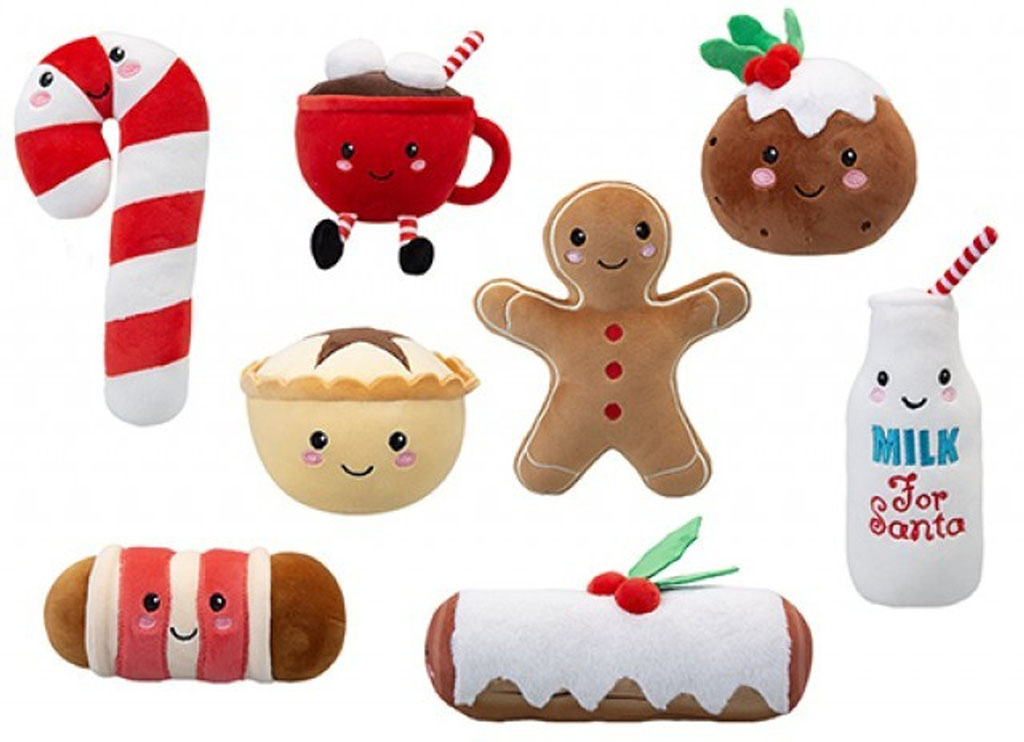
Culture, language, and market structure all shape how people talk about plush. The same toy can be a “plushie” on TikTok, a “soft toy” in a UK catalogue, a “peluche” in Spain, and a “character plush” in a licensing contract.
Here are a few patterns I see when working with buyers from different regions and channels:
- Retail chains in Europe often group everything under “soft toys,” with subcategories for bears, animals, and characters.
- US e-commerce often uses “plush toy,” “stuffed animal,” and “plushie” as main keywords.
- Asia’s character markets talk about “mascot plush” and “nuigurumi / inhyung / etc.” for both animals and humanoid characters.
- Gift and flower shops like the word “teddy” or “cuddly toy” because it feels warm and emotional.
- Pet stores must use more precise terms like “plush dog toy” or “pet-safe plush” to separate from human toys.
Age also matters:
- Parents of young children tend to search “soft toy,” “baby plush,” “stuffed animal for toddlers.”
- Teens and young adults search “plushie,” “kawaii plush,” “anime plush,” “aesthetic plush.”
- Collectors search “character plush,” “limited plush,” “official plush.”
Cultural and market-driven terminology
| Market / Channel | Common Terms Used | Main Buying Focus |
|---|---|---|
| Mass toy retail (EU) | Soft toy, plush, cuddly toy | Safety, value, broad age range |
| US online retail | Stuffed animal, plush toy, plushie | SEO, search behavior, diverse audiences |
| Anime & character shops | Plushie, mascot plush, nuigurumi | Fandom, character accuracy, collectability |
| Gift / flower shops | Teddy bear, cuddly toy, plush bear | Emotional gifting, simplicity |
| Pet stores | Plush dog toy, chew plush, squeaky plush toy | Durability, pet safety, play function |
| Collector communities | Character plush, official plush, limited edition plush | Authenticity, rarity, display value |
When you choose your main term, think about who you are talking to, where they live, and which channel they use. This will help you decide between “plush toy,” “soft toy,” “plushie,” or “stuffed animal” in your key titles and meta data.
Conclusion
Stuffed animals may feel simple, but the language around them is surprisingly rich. People say stuffed animals, plush toys, soft toys, plushies, teddy bears, character plush, mascot plush—and each phrase carries clues about region, age group, function, and brand story. When you choose your naming carefully, you make it easier for customers to find you, easier for factories to understand you, and easier for your own team to plan ranges that feel consistent across markets.
At Kinwin, we help global buyers match the right naming, materials, and designs for their plush projects—from B2C e-commerce lines to licensed character programs and promotional mascots. If you are planning a new plush collection and want to align product naming with sourcing, branding, and safety, you’re very welcome to contact me at [email protected] or visit kinwintoys.com to explore how our team can support your next launch.