Skip to content
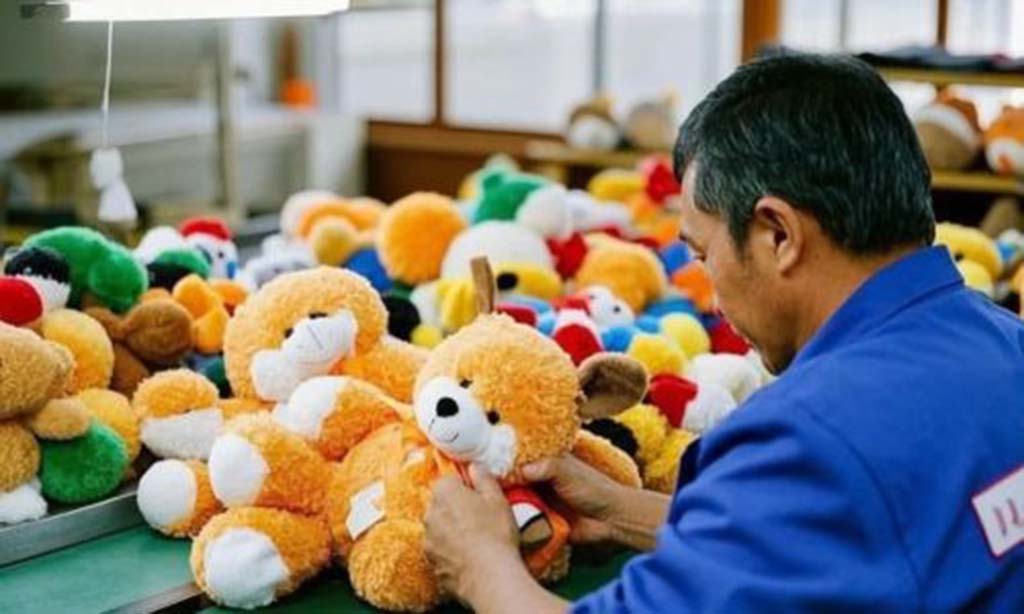
When someone squeezes a soft plush and says, “This feels nice,” what they really feel is materials and construction working together. As a factory, we think about every layer: fabric, stuffing, trims, threads, and even hidden reinforcements.
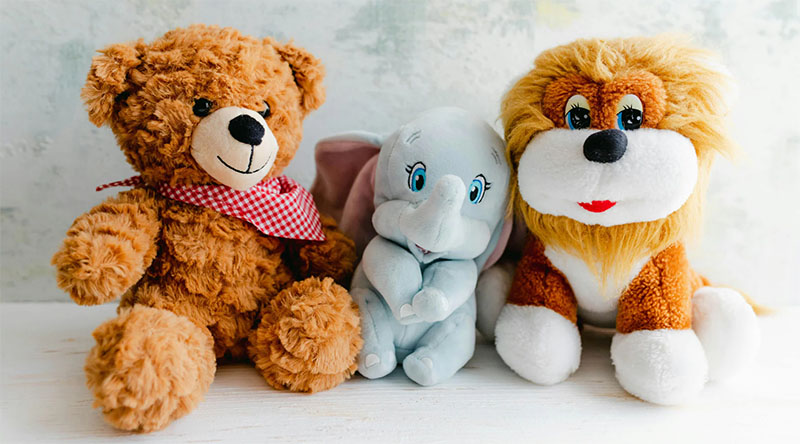
Stuffed animals today are usually made from soft synthetic fabrics (like polyester plush, minky, or fleece), filled with polyester fiberfill or other specialty fillings, and finished with trims such as embroidery, safety eyes, or accessories. Every material must pass safety, durability, and sometimes sustainability checks before it is approved for large-scale production.
In this guide, I’ll walk you through what modern stuffed animals are made of, how each material affects texture and performance, and how brands now balance safety, comfort, cost, and environmental pressure when they choose every little piece.
What primary materials are used in modern stuffed animal production?
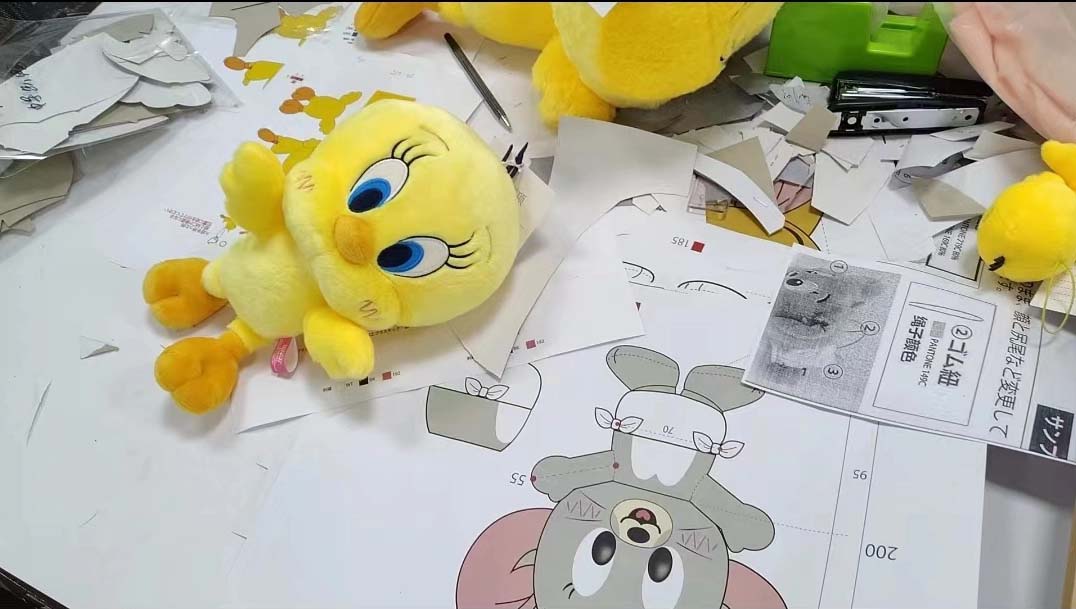
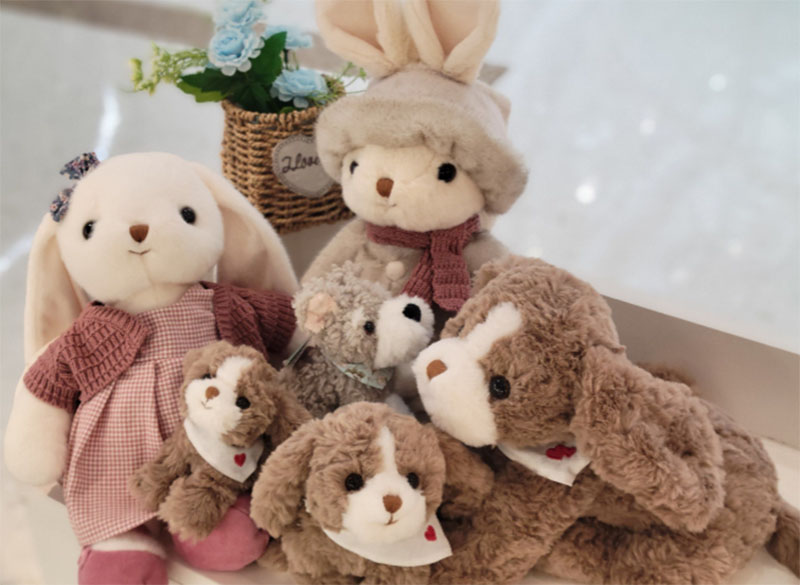
When we build a stuffed animal at Kinwin, we start with a material map. The main layers are always the same: outer fabric, inner filling, structural layers, and surface details. Once you understand these building blocks, you can talk to factories more clearly and make better sourcing decisions.
In most modern plush production, the primary materials are:
- Polyester-based plush fabrics for the outer shell.
- Polyester fiberfill as the standard stuffing.
- Polyester or cotton threads for sewing.
- Plastic or embroidered components for eyes and noses.
- Optional pellets or foam for weight and special shapes.
Natural fibers like cotton or wool still appear, but synthetic materials dominate because they are stable, washable, and consistent in large volumes.
Main material groups inside a stuffed animal
| Component | Typical Materials Used | Main Function |
|---|---|---|
| Outer shell (fabric) | Polyester plush, minky, velboa, fleece, faux fur | Provides touch, color, and character look |
| Stuffing | Polyester fiberfill, beads / pellets (in pouches) | Controls softness, weight, and body volume |
| Sewing thread | Polyester thread, sometimes cotton | Joins all parts securely |
| Structural support | Felt, tricot, foam, stiffeners | Adds shape to ears, muzzles, bases |
| Facial features | Embroidery thread, safety eyes, plastic noses | Creates expression and identity |
| Accessories | Ribbons, fabrics, clothing, labels | Adds style and branding |
The art of plush making is choosing the right mix of these materials for your target customer, price, and brand story.
How do fabric choices influence texture, durability, and safety?
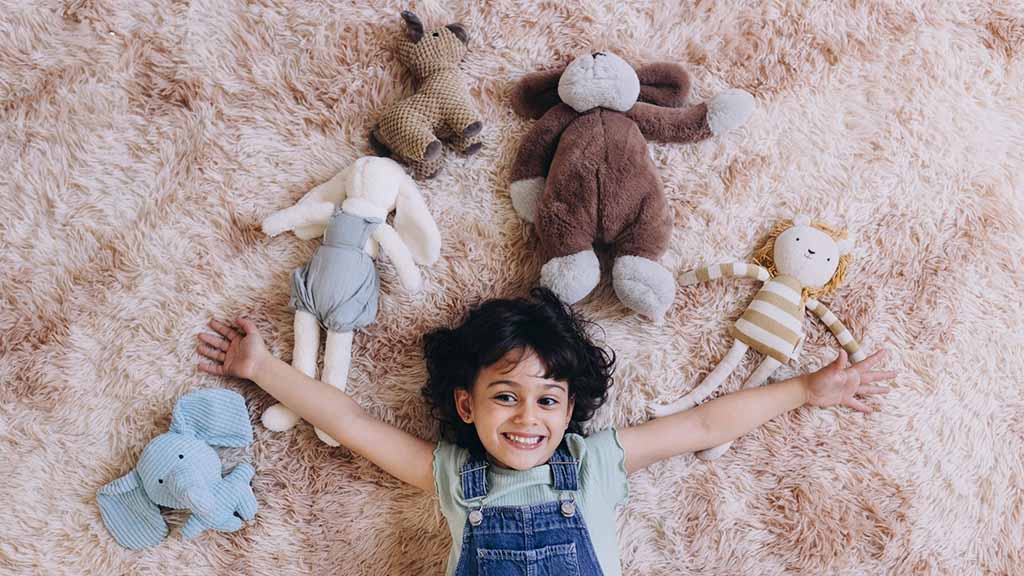
The first thing any user notices is fabric. It decides the handfeel, the look, and the first impression in a product photo. But from my side as Amanda, fabric also decides how easy the toy is to sew, how it behaves in washing tests, and how it performs in safety testing.
Soft plush fabrics can feel luxurious but may require careful cutting to avoid shedding. Shorter-pile fabrics are easier to print on and keep shapes clean. Stronger, denser fabrics withstand rough handling but may feel less “cloud-like.” The trick is balancing texture, durability, and safety for your specific audience.
Common fabrics for stuffed animals
1. Minky / micro plush (polyester)
- Very soft, smooth, and popular for baby and premium lines.
- Great for pastel colors and simple shapes.
2. Short-pile plush / velboa (polyester)
- Neat surface, slightly firmer handfeel.
- Good for detailed patterns and clear shapes.
3. Fleece (polyester or blends)
- Warm, flexible, and forgiving to sew.
- Often used in simpler plush or handmade-style designs.
4. Faux fur (polyester, acrylic blends)
- Gives a realistic or “fluffy” look.
- Needs experienced pattern work and careful seam planning.
How fabric choice affects performance
| Fabric Type | Texture & Look | Durability & Safety Notes |
|---|---|---|
| Minky | Ultra-soft, baby-smooth | Low shedding when quality is good; popular for infant toys when tested properly |
| Short plush | Smooth, clear contours | Strong surface for everyday play and retail |
| Fleece | Cozy, matte appearance | Resistant to pilling when good quality is used |
| Faux fur | Long, fluffy fibers | Must control shedding; better for older users |
For younger age groups, we tend to use shorter pile and very stable fabrics. For adult collectors, we might add longer faux fur or special textures to create visual drama. In all cases, fabrics must be colorfast and pass relevant chemical and flammability tests.
Which stuffing types create different softness and structural effects?
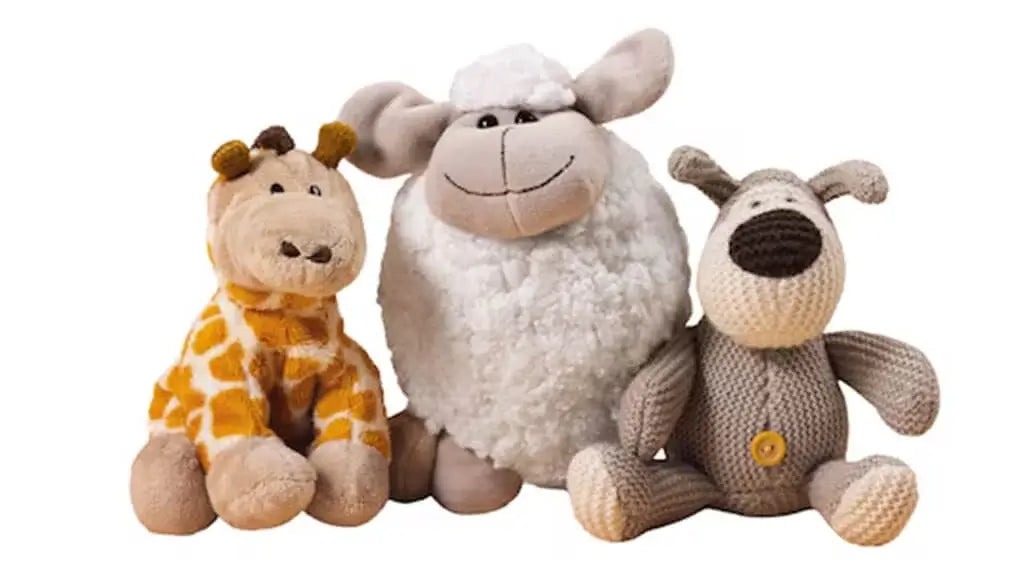
Once you choose the shell fabric, stuffing decides how the plush actually feels when you hug it. Filling also controls posture—whether the toy can sit, stand, or lie in a cute, stable pose. Different stuffing materials and densities create different experiences.
Most stuffed animals today use polyester fiberfill as the core filling. It is light, springy, cost-stable, and machine-wash friendly. But for special products, we may combine fiberfill with beads, foam, or weighted elements to achieve extra structure or sensory effects.
Main stuffing options
1. Polyester fiberfill
- The standard for almost all mainstream plush.
- Can be packed loosely for softness or more firmly for structure.
2. Beads / pellets (usually PE or PP)
- Used for weight in paws, base, or body.
- Always sealed inside inner fabric pouches to prevent leaks and small-part risks.
3. Foam pieces or shaped inserts
- Support flat areas, large heads, or special shapes.
- Used carefully to avoid hard or sharp edges.
4. Specialty fillings (for niche projects)
- Recycled fiberfill, buckwheat hulls, or other materials when requested.
- Require extra testing and careful positioning for safety.
Stuffing effects and use cases
| Filling Type | Feel & Effect | Typical Use Case |
|---|---|---|
| Loose fiberfill | Very soft, cuddly, flexible | Baby plush, sleep companions, casual hug toys |
| Medium-packed fiberfill | Soft but holds shape | Standard kids’ plush, gift-shop toys |
| Firm-packed fiberfill | Structured, “display” firmness | Mascots, décor plush, sitting animals |
| Beads / pellets (in pouches) | Added weight and drape | Weighted plush, sitting bases, adult comfort toys |
| Foam inserts | Shape control, stable flat surfaces | Large heads, flat faces, base supports |
In my projects with global buyers, we often create a simple stuffing chart: “head = medium-firm, body = medium, limbs = softer.” This gives the factory clear guidance and keeps the line consistent.
How are trims, accessories, and embellishments safely incorporated?
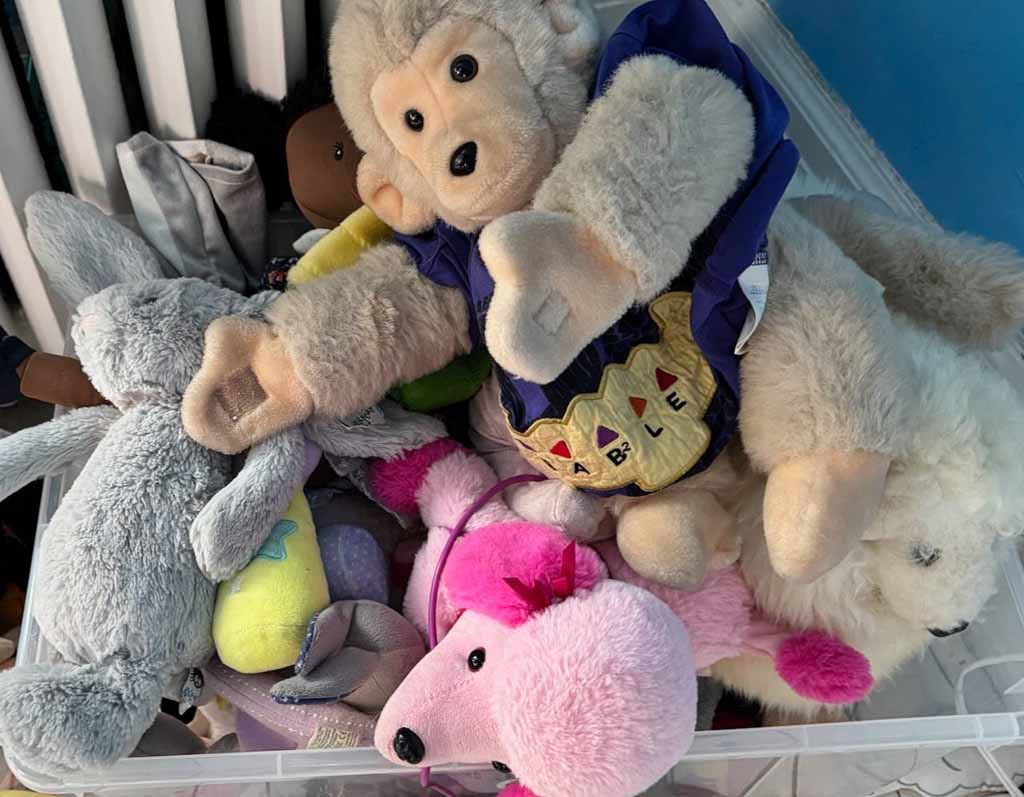
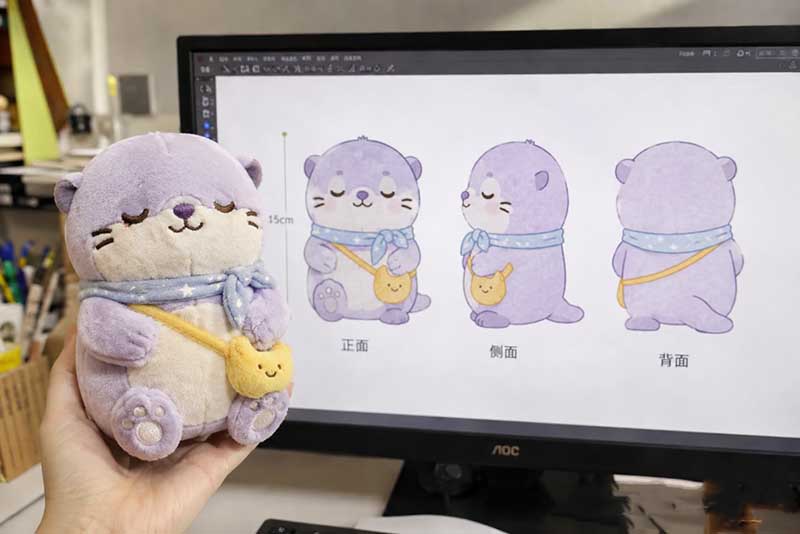
Trims and accessories are where personality really comes out: scarves, bows, clothing, wings, badges, embroidery, and more. But each extra element also brings extra safety and production questions. If not chosen carefully, trims can create choking hazards, colorfastness problems, or tangling issues.
For most children’s plush, we rely heavily on embroidery and securely sewn fabric trims. For older audiences or collectible products, we may add more complex accessories, but we still design attachment points to pass pull tests and durability checks.
Common safe trims and embellishments
- Embroidery for eyes, noses, mouths, and logos.
- Appliqué patches using fabric pieces stitched around all edges.
- Short ribbons or bows stitched firmly in several points.
- Removable clothing with Velcro or elastic for older age groups (clearly labeled).
- Printed labels and hangtags for branding and care instructions.
Trims and safety planning
| Trim Type | Safer Approach | Notes |
|---|---|---|
| Eyes & noses | Embroidery or certified safety eyes | For babies, embroidery is usually best |
| Ribbons & bows | Sewn down in multiple spots, short tails | Avoid long, thin ribbons for young children |
| Buttons & charms | Avoid for young ages; use strong stitching and tests if used | Better for collectibles and older users |
| Clothing | Soft fabrics, secure seams, no sharp fasteners | For young kids, clothing can be sewn-on or simplified |
| Glitter & prints | Use tested inks and coatings, check colorfastness | Avoid loose glitter that can shed |
In the factory, we often treat trims as separate mini-products: we test their colorfastness, pull strength, and compatibility with washing before approving them for mass production.
What quality and compliance standards govern stuffed animal materials?
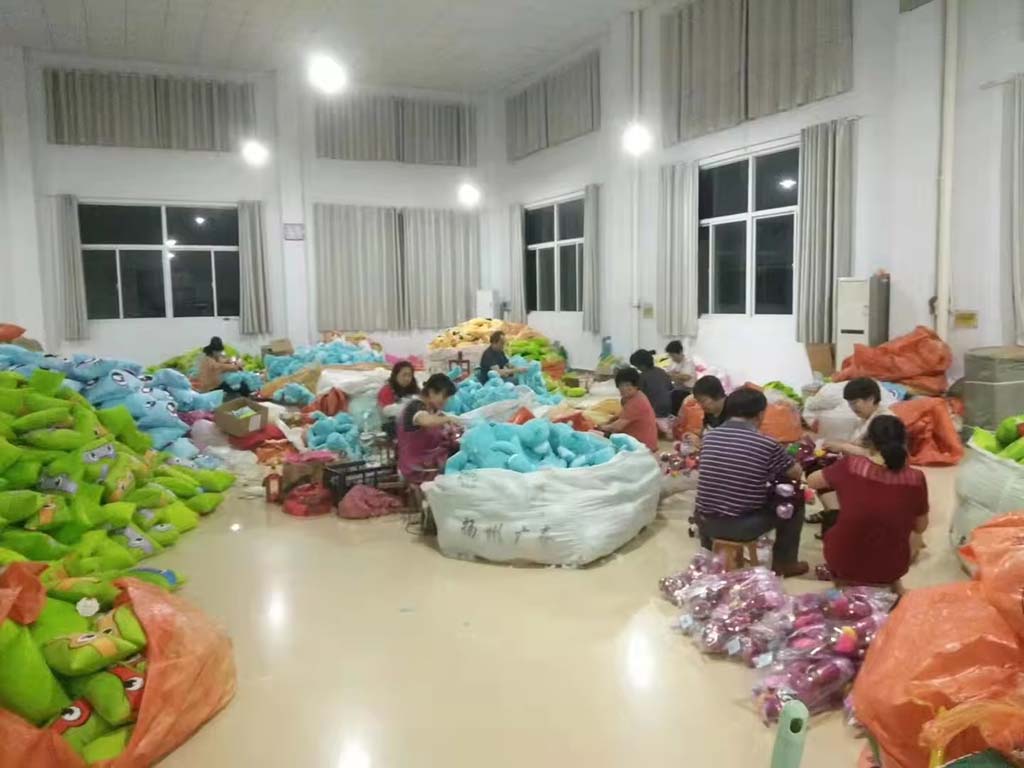
A stuffed animal may look simple, but from a regulatory point of view it is a complex children’s product. Every material inside—fabric, filling, thread, plastic parts, coatings—must pass the safety rules for the destination markets.
This means we don’t just ask “Is this soft?” We ask:
- Is this fabric colorfast and safe if a child chews it?
- Will this eye or nose stay attached under pull tests?
- Does this stuffing stay inside if a seam is strained?
Key areas of quality and compliance
- Mechanical and physical safety
- Seam strength, small parts, sharp edges.
- Pull tests on eyes, noses, and trims.
- Chemical safety
- Limits on heavy metals (like lead).
- Limits on phthalates and other chemicals in plastics and coatings.
- Flammability
- Fabrics must not ignite or spread fire too quickly.
- Labeling and traceability
- Age grading, warnings, care instructions, manufacturer or importer details.
Standards that materials must support
| Area | What We Check in Materials | Why It Matters |
|---|---|---|
| Mechanical safety | Strength of fabrics, seams, and attachments | Prevents parts from breaking or detaching |
| Chemical safety | Fabric dyes, plastic composition, inks | Protects children from harmful substances |
| Flammability | Fabric structure and any applied finishes | Reduces fire-related risks |
| Washability | Colorfastness, shrinkage, shape retention | Maintains quality during normal cleaning |
As a B2B buyer, you don’t have to manage all tests yourself, but you do need to choose a factory that already works regularly with EN71, ASTM F963, CPSIA, and similar frameworks and can share test reports and material data when you need them.
How do sustainability and innovation trends shape material choices today?
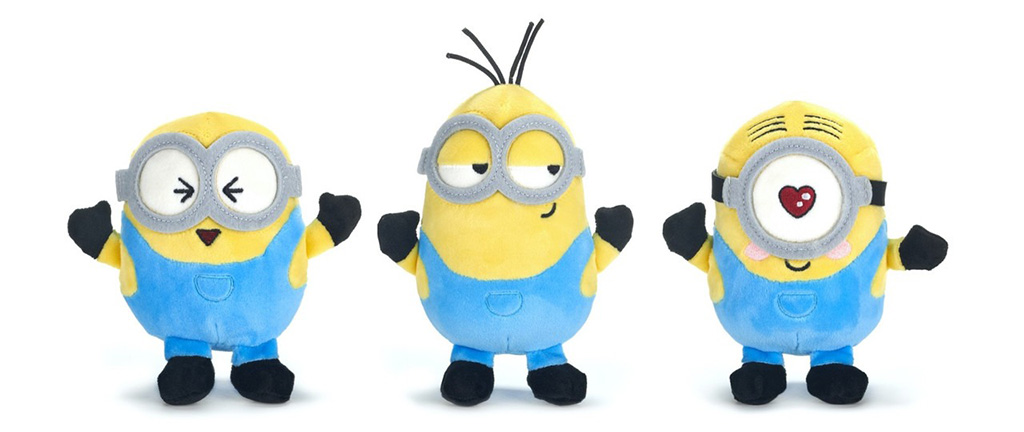
In the last few years, one question appears more and more in my inbox: “Can we use more sustainable materials for this plush line?” Parents, brands, and retailers worry about plastic usage and waste. At the same time, nobody wants to sacrifice safety or softness.
Sustainability in stuffed animals usually focuses on recycled polyester, responsibly sourced cotton, improved packaging, and longer life cycles. There is also growing interest in bio-based fibers and low-impact dyes. However, every “eco” material must still pass the same safety and performance tests as standard options.
Current sustainability directions
- Recycled polyester (rPET)
- Used in fiberfill and sometimes outer fabrics.
- Made from post-consumer plastic bottles under controlled processes.
- Organic or better-sourced cotton
- Used for specific “natural” lines, often with simple shapes.
- Good marketing story for eco-conscious buyers.
- Reduced packaging
- Less plastic, more paper or cardboard.
- Simple tags instead of full plastic boxes where possible.
- Durability as sustainability
- If a plush lasts longer, it is replaced less often.
- Strong seams and high-quality fabrics support this.
Innovation vs. practical production
| Innovation Area | Potential Benefit | Practical Consideration |
|---|---|---|
| Recycled fiberfill | Lower virgin plastic use | Must still feel soft and pass safety tests |
| Recycled outer fabric | Eco story and marketing advantage | Color and texture options can be more limited |
| Bio-based fibers | Lower fossil-fuel dependence | Often higher cost, still developing supply chains |
| Non-plastic eyes | Reduced plastic components | Must maintain expression and safety |
For many of my clients, the first realistic step is a “hybrid” approach: using recycled fiberfill while keeping proven outer fabrics and trims. This improves the material story without risking texture or safety. Over time, you can move more parts of the plush to eco-focused options as supply chains mature.
Conclusion
Stuffed animals may look simple from the outside, but they are carefully built from layers of fabrics, fillings, threads, and trims that all work together. Modern plush relies mostly on polyester-based materials for softness, stability, and washability, backed by strict safety and quality standards. At the same time, new waves of sustainability and design innovation are slowly changing how we choose those materials—pushing us toward recycled fibers, better-sourced fabrics, and longer-lasting construction.
At Kinwin, we help global buyers choose materials that match their brand position, target users, safety needs, and budget—from standard polyester plush and fiberfill to recycled options and special trims. If you are planning a new plush line and want to review material choices from both a technical and marketing angle, you’re very welcome to contact me at [email protected] or visit kinwintoys.com to explore how our team can support your next project.