Skip to content
When people search for “popular stuffed animals,” they are usually not asking about one single toy. They are trying to understand which plush categories sell well right now—teddy bears, squishy pillows, character plush, kawaii plushies, and more.
The most popular stuffed animals today are usually called plush toys, plushies, soft toys, stuffed animals, squish-style pillows, and character plush. Within these broad names, the market is divided into clear categories: classic bears, licensed characters, realistic pets, kawaii designs, sensory and weighted plush, and collector-focused lines. Understanding these categories helps you plan assortments, set pricing, and brief manufacturers more clearly.
In this guide, I’ll walk you through how the industry talks about “popular” stuffed animals, which names matter, and how trends and social media keep refreshing demand year after year.
What categories define today’s most popular stuffed animals?
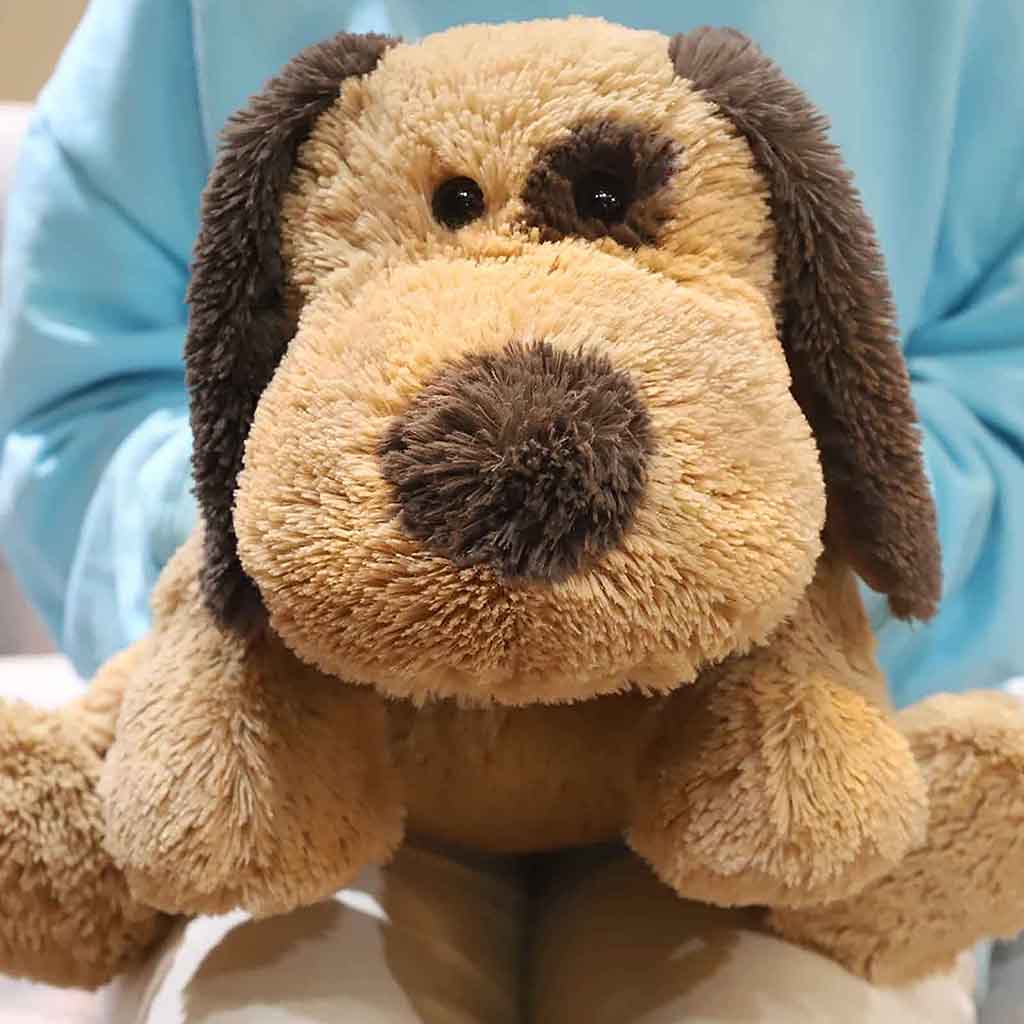
When you look at shelves in toy stores, lifestyle shops, theme parks, or online marketplaces, you see patterns. Certain types of stuffed animals repeat across brands and regions. These types have become the “core categories” that buyers rely on.
From an industry point of view, popular stuffed animals fall into a few main groups: classic teddy bears, cute animal plush, licensed character plush, realistic wildlife and pet replicas, squishy pillow-style plush, sensory/weighted plush, and collectible mini lines. Each category has its own audience, price band, and design language.
If you can match your product ideas to these proven categories—while still adding your own style—you make it much easier for customers to recognize and choose your plush quickly.
Core popular stuffed animal categories
| Category | Simple Description | Typical Use Case |
|---|---|---|
| Classic teddy bears | Traditional bear-shaped plush toys | Gifts, anniversaries, everyday retail |
| Cute animal plush | Dogs, cats, bunnies, farm and zoo animals | Kids, gift shops, general impulse buys |
| Licensed character plush | TV, movie, game, and brand characters | Fandom, theme parks, entertainment merchandise |
| Realistic wildlife & pets | More lifelike animals with natural coloring | Zoos, aquariums, pet lovers, educational retail |
| Squishy pillow-style plush | Round, soft, often “squishmallow-style” pillow toys | Sleep, décor, collectible sets |
| Sensory & weighted plush | Plush with added weight or textures | Comfort, anxiety support, wellness gifting |
| Collectible mini plushies | Small, series-based, often blind-box or keychains | Teens, collectors, social-media-driven collections |
When we work with global buyers at Kinwin, we normally combine two or three of these categories in one range—for example, cute animal plush + squishy pillows + licensed-style mascots—to cover more customer needs without confusing the store layout.
How do trends, licensing, and characters shape plush toy popularity?
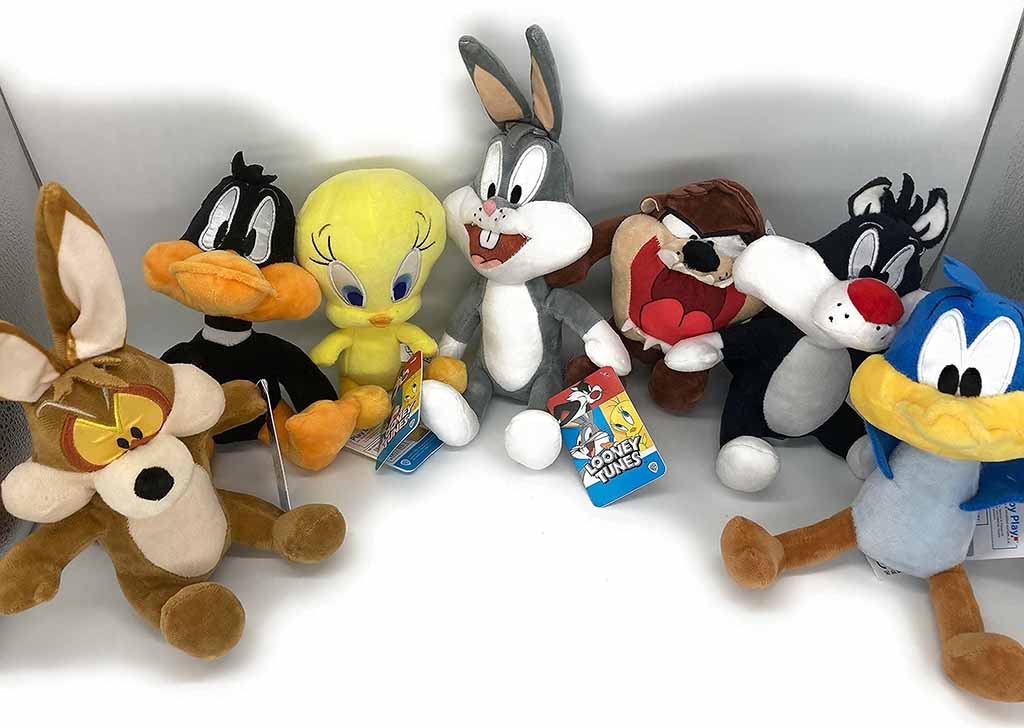
Even the softest, best-made plush can sit on a shelf if it does not connect with current trends or characters people already love. This is why licensing and storytelling are so powerful: they bring an existing audience to your toy.
Trends in movies, games, anime, streaming series, K-pop, and even memes constantly push new character plush into the spotlight. When a character becomes part of daily life—on screens, in stickers, in social feeds—buyers are much more likely to want that same character as a stuffed animal. At the same time, seasonal themes (Valentine’s, Halloween, Christmas) and color trends give non-licensed plush regular “refresh moments” each year.
Popular plush is rarely just “cute.” It usually carries a story, license, or emotional link that makes people feel they already know the character before they even touch the toy.
How trends and licenses drive popularity
| Driver | Example in Plush World | Effect on Popularity |
|---|---|---|
| Movie / TV releases | Characters launched along with a new film or season | Fast spikes in demand around release windows |
| Games & anime | Plush versions of in-game creatures or mascots | Strong, long-lasting fandom-driven sales |
| Seasonal themes | Bears with hearts, bunnies, holiday animals | Reliable yearly cycles for gift and décor |
| Color & style trends | Pastel kawaii, neon, cottagecore, minimalist faces | Help plush match current home and fashion looks |
| Viral moments & memes | Characters that become memes or social media icons | Sudden short-term booms, often for niche designs |
For non-licensed OEM projects, you can still benefit from these forces by designing “trend-adjacent” characters: soft colors that match home décor trends, fantasy animals that echo popular apps or games, or animal poses that fit current meme formats.
Which design features make certain stuffed animals consistently in demand?
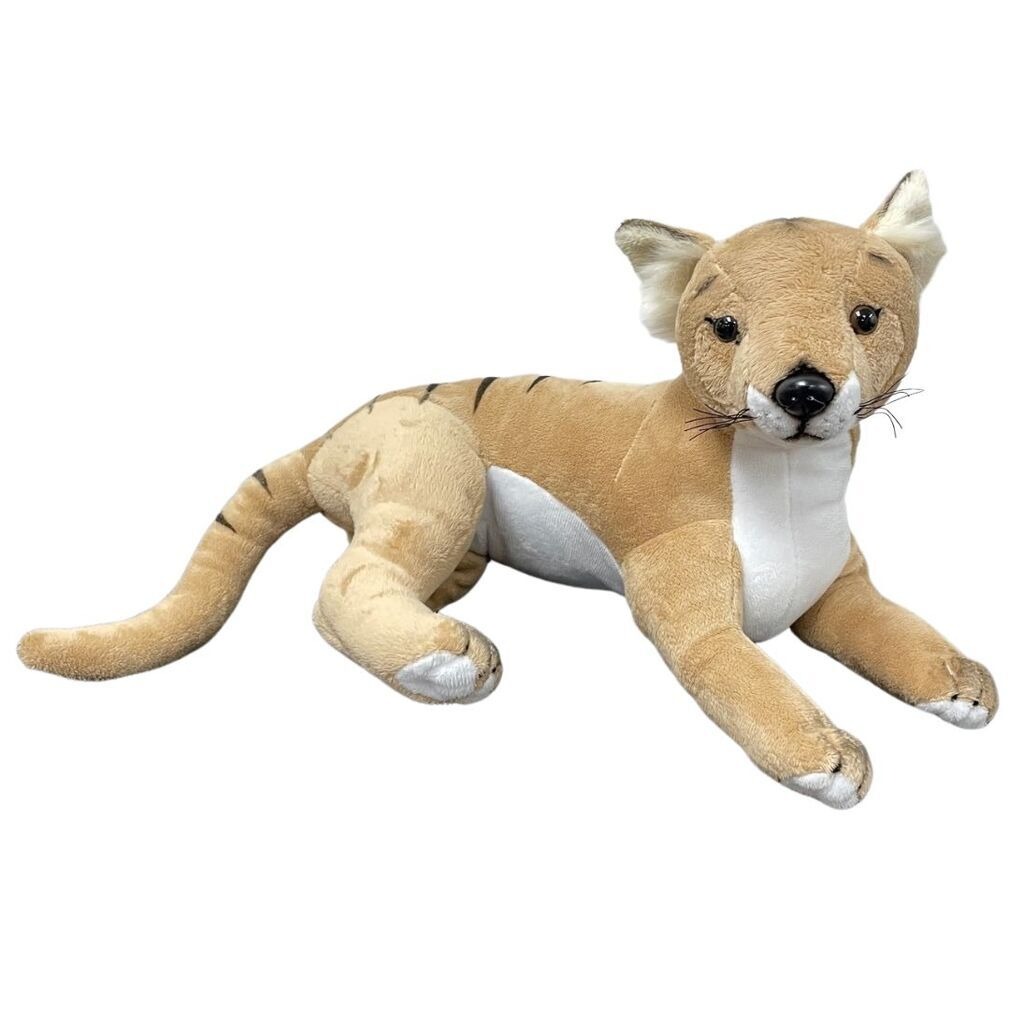
If you line up ten different plush toys, some feel instantly more “adoptable” than others. Often, the difference is not about the brand name—it is about how the plush is designed and built.
Stuffed animals that stay popular over time usually share the same design DNA: soft, pleasant fabric; a balanced stuffing level; friendly, readable facial expressions; proportions that look good both in person and in photos; and construction that does not fall apart after real use. These points affect both customer satisfaction and repeat sales.
When you design or source plush, focusing on softness, facial charm, clean seams, and easy care will usually do more for long-term demand than any short-lived gimmick.
Design features that keep plush in demand
| Feature Area | What Customers Feel | Design / Sourcing Tip |
|---|---|---|
| Softness | “It’s so nice to touch and hug.” | Choose minky or fine short plush, avoid rough fabric |
| Weight & stuffing | “It feels full but not too hard.” | Use quality fiberfill and test different densities |
| Facial expression | “It looks kind / cute / funny, not strange.” | Keep eyes aligned, use simple, friendly features |
| Proportion | “It looks good in photos and on shelves.” | Slightly bigger head, clear silhouette |
| Seam quality | “It feels solid and not cheap.” | Double-stitch stress points, trim loose threads |
| Washability | “I can clean it without worry.” | Design for machine wash where possible, clear labels |
As a manufacturer, I often advise brands: start from the face and feel. If the first reaction is “aww” when someone picks up the plush, you already won half the battle.
How do major brands influence naming and classification of popular plush?
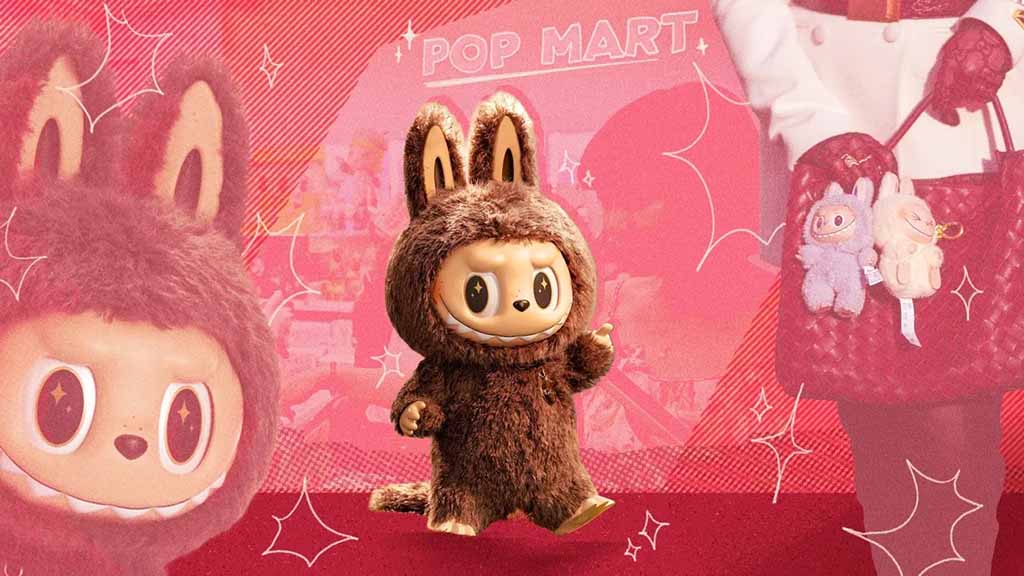
Big brands do more than just sell toys—they also teach the market new words. Over time, certain brand names become shorthand for whole types of plush. Buyers then start calling similar products by those names, even if they are from different factories.
For example, many shoppers call squishy pillow-style toys “Squishmallows,” even when they are generic. Classic bean-filled collectibles still remind people of “Beanie Babies.” Premium soft animals often get compared to “Jellycat-style” plush in B2B conversations. These brand-led terms shape how customers search online, how retailers classify SKUs, and how factories like ours receive briefs.
Understanding how major plush brands position and name their lines helps you describe your own products in a way that feels familiar and easy to search.
Brand influence on plush naming
| Brand / Legacy Line | Typical Product Focus | How People Use the Name in Daily Speech |
|---|---|---|
| Ty (Beanie Babies, Beanie Boos) | Small collectibles, big-eyed animals | “Beanie-type plush,” “big-eye beanie” |
| Squishy pillow brands | Round, marshmallow-soft pillow plush | “Squishmallow-style,” “squishy plush pillows” |
| Jellycat-style brands | Extra-soft fabrics, minimalist modern animals | “Jellycat-style soft toy,” “luxury plush” |
| Disney / character IPs | Licensed movie and TV characters | “Character plush,” “Disney plush” |
| Anime / game IPs | Mascots, creatures, chibi characters | “Character plushie,” “anime plushies” |
In B2B sourcing calls, I often hear phrases like “We want a Squishmallow-style line but with our own characters,” or “We need Jellycat-level softness with our brand logo.” This is exactly how brand language becomes category language.
What market segments drive popularity across age groups and regions?
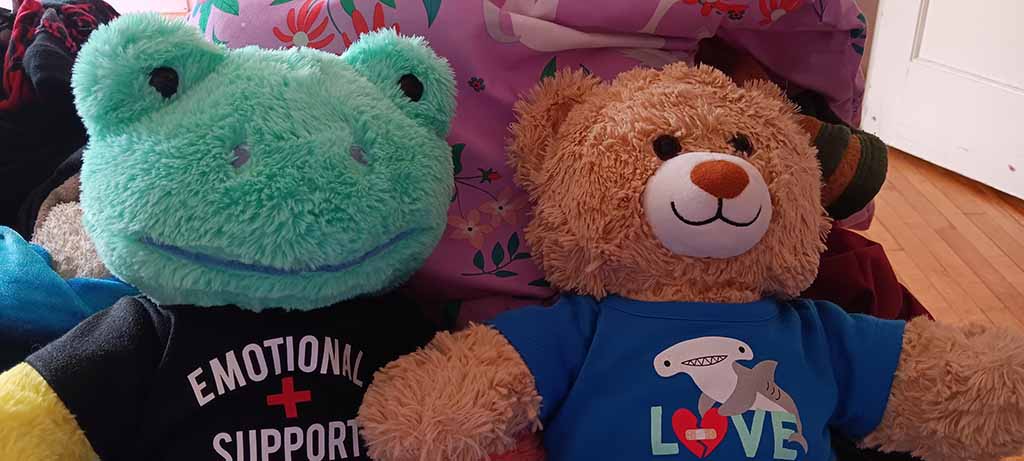
The stuffed animal market is not only about children anymore. Different age groups and regions buy plush for different reasons: comfort, decoration, fandom, gifting, brand promotion, or collection. This mix of motives is what keeps demand strong year after year.
For babies and toddlers, the focus is on safety, softness, and simple shapes. For older kids, it’s about characters, role-play, and surprise (like blind-box minis). Teens and adults may buy plush for aesthetic and emotional reasons—desk buddies, room décor, cozy sleep companions, or fandom collectibles. In many regions, plush is also a popular gift for holidays, graduation, and romantic occasions.
If your plush range speaks clearly to one or more of these segments, you can build stable demand instead of relying on one short-lived fad.
Key plush market segments
| Segment / Audience | Typical Plush Choices | Buying Priorities |
|---|---|---|
| Babies & toddlers | Extra-soft animals, comforters, simple faces | Safety, certifications, washable, gentle feel |
| Preschool & school-age kids | Animals, characters, interactive and sound plush | Fun, recognizable IPs, play value |
| Tweens & teens | Kawaii plushies, squishy pillows, fandom plush | Aesthetic, social media trends, collectability |
| Young adults | Room décor plush, weighted plush, character lines | Comfort, stress relief, style |
| Collectors (all ages) | Limited editions, licensed IP, designer plush | Rarity, quality, display value |
| Gift & promotional buyers | Bears, hearts, mascots, brand-themed plush | Logo visibility, neutral appeal, budget |
Regionally, tastes differ (for example, kawaii styles perform very strongly in Asia and also online worldwide), but the core needs—comfort, cuteness, emotional connection—are similar everywhere.
How do social media and collector culture impact stuffed animal trends?
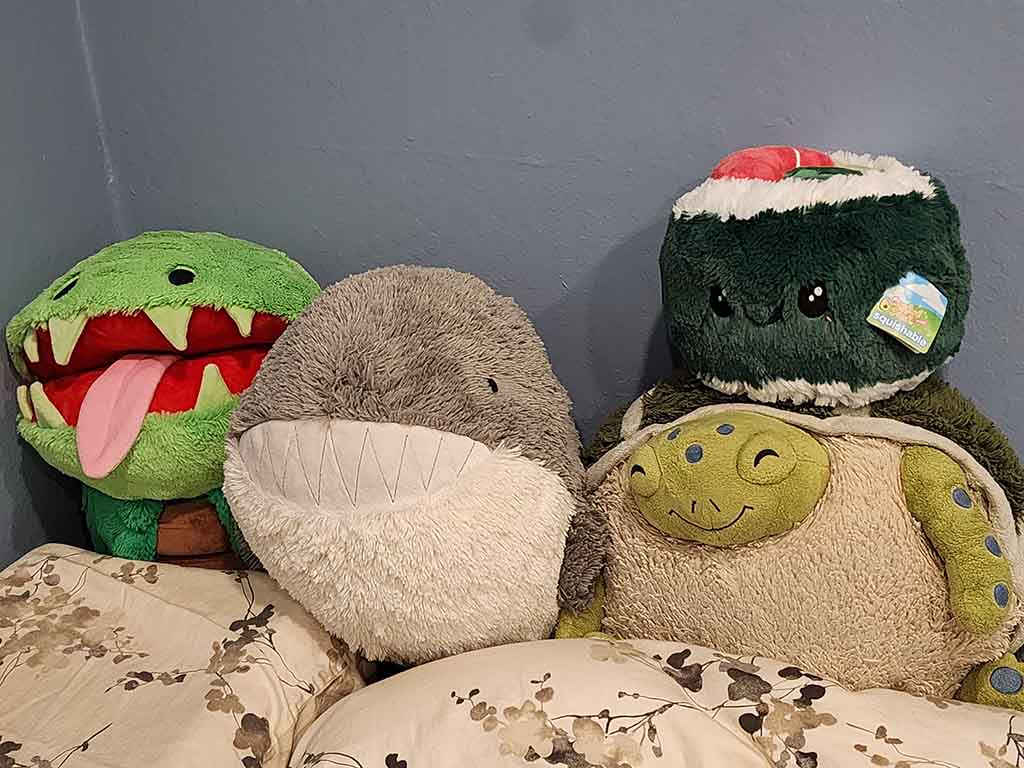
Today, many plush trends do not start in catalogues—they start on TikTok, Instagram, YouTube, and fan communities. A single viral video can turn an unknown plush design into a must-have item within days. At the same time, collector culture encourages people to buy not just one plush, but whole series.
On social platforms, people show plush in room tours, bag charms, aesthetic photo walls, unboxings, ASMR videos, and “haul” clips. This content encourages others to hunt for the same characters in stores and online. Limited editions, seasonal drops, and mystery packs reinforce “fear of missing out,” which pushes collectors to act quickly.
When your plush range has clear characters, visible names, and consistent styling, it is much easier for fans and influencers to feature it—and for viewers to recognize and search for it later.
Social and collector influences
| Channel / Community | Typical Plush-Related Behavior | Impact on Trends |
|---|---|---|
| TikTok & Reels | Short haul videos, room tours, unboxings | Fast viral spikes, strong youth influence |
| Instagram & Pinterest | Aesthetic shots, décor inspiration | Drives “cute room” and lifestyle plush demand |
| YouTube & streaming | Unboxings, collection tours, ASMR with plush | Builds long-term fandom and collection goals |
| Collector groups & forums | Trading, wish lists, limited-edition tracking | Supports higher-value and rare items |
| E-commerce reviews | Photos with plush at home | Helps convert new buyers, shows real quality |
When we design ranges for B2B clients, we now often ask: “How will this look in a phone camera?” A plush that looks clear and expressive in a small square frame has a much better chance to succeed in today’s social-first environment.
Conclusion
Popular stuffed animals are not defined by one single name. They live across categories like plush toys, soft toys, squishy pillows, kawaii plushies, character plush, and weighted comfort animals—guided by trends, design quality, and the emotional stories behind each character. When you understand these categories and the forces shaping them, you can build plush assortments that feel familiar to buyers yet still unique to your brand.
At Kinwin, we support global partners in developing category-focused plush ranges—from classic bears and cute animals to squishy pillows, licensed-style characters, and collectible minis—always with safety, softness, and brand storytelling in mind. If you’re planning your next plush collection and want a factory team that thinks like both engineers and marketers, you’re very welcome to contact me at [email protected] or visit kinwintoys.com to explore how we can support your long-term growth.